Combining a Tanzania safari with a Zanzibar holiday is a highly popular and rewarding way to experience East Africa, typically involving 3-5 days on safari and 4-7 days in Zanzibar, with flight connections usually routed through Kilimanjaro International Airport (JRO) or Arusha Airport (ARK) for safari, and Zanzibar International Airport (ZNZ) for the island. Planning for 2026 and 2027 involves choosing safari parks like the Serengeti and Ngorongoro Crater, deciding on Zanzibar’s specific beaches, and booking flights and accommodations well in advance, especially for peak seasons.
Understanding the Zanzibar + Safari Combination
The allure of East Africa often lies in its dual offering: the raw, untamed beauty of its wildlife-rich savannas and the serene, turquoise waters of its tropical islands. For many travelers, the ultimate Tanzanian experience is a blend of both – a thrilling safari adventure followed by a relaxing beach escape in Zanzibar. This combination allows you to witness the Great Migration, encounter the Big Five, and then unwind on pristine white-sand beaches, soaking up the Swahili culture. Planning this type of trip requires careful consideration of logistics, timing, and personal preferences to ensure a cohesive and unforgettable journey.
When we talk about a ‘Zanzibar + Safari’ trip, we’re generally referring to a package that includes both components. This isn’t usually a single, fixed itinerary but rather a customizable experience where travelers select their preferred safari parks, duration, accommodation style, and then pair it with a Zanzibar stay that matches their desired pace and activities. The most common flow is safari first, then Zanzibar, allowing for relaxation after the excitement of game drives. However, some prefer to start with the island and then head inland for adventure.
The key to a successful combination trip lies in efficient travel between these distinct environments. Tanzania’s geography means that flights are almost always the most practical way to connect your safari destination to Zanzibar. Major safari hubs like Arusha (serving Kilimanjaro International Airport – JRO) are well-connected to Zanzibar’s Abeid Amani Karume International Airport (ZNZ). Understanding these flight routes and schedules is fundamental to building a smooth itinerary for 2026 and 2027 travel.
This guide will walk you through every aspect of planning your Zanzibar + Safari adventure. We’ll cover the best safari destinations, the ideal durations for each part of your trip, how to choose accommodation, and crucial booking considerations. Whether you’re dreaming of seeing the wildebeest migration or simply want to relax by the Indian Ocean, this comprehensive overview will help you craft the perfect Tanzanian getaway.
Choosing Your Safari Experience
Tanzania boasts some of the world’s most iconic wildlife destinations. For a combined Zanzibar + Safari trip, the choice of safari location significantly impacts the overall experience, duration, and cost. Most travelers opt for the northern circuit parks due to their accessibility and the sheer density of wildlife. Here’s a breakdown of the most popular options:
The Northern Circuit: The Classic Choice
The Northern Circuit is the most common and highly recommended safari route for those combining with Zanzibar. It offers a condensed yet incredibly rich wildlife viewing experience within a relatively manageable geographical area.
Serengeti National Park: The Endless Plains
No safari in Tanzania is complete without the Serengeti. Its name, derived from the Maasai word ‘Siringet,’ meaning ‘endless plains,’ perfectly captures its vastness. This is where the Great Migration, a spectacular natural phenomenon involving millions of wildebeest, zebras, and gazelles, takes place year-round, though its exact location shifts.
- Wildlife: Famous for its large predator populations (lions, leopards, cheetahs), elephants, giraffes, and of course, the Great Migration herds.
- Best For: Experiencing the migration, diverse landscapes, and classic African safari vistas.
- Duration: A minimum of 2-3 full days is recommended to explore different regions. For optimal migration viewing in 2026 or 2027, you’ll need to time your visit with its known movements.
- Trade-off: Can be very popular, especially during peak migration times, leading to more vehicles in certain areas.
Ngorongoro Conservation Area: The ‘Eighth Wonder’
The Ngorongoro Crater is a UNESCO World Heritage Site and a caldera of a massive extinct volcano. It’s a unique ecosystem supporting an astonishingly high density of wildlife, including the endangered black rhino, within its 260-square-kilometer floor.
- Wildlife: Excellent chances of seeing the Big Five (lion, leopard, elephant, rhino, buffalo) in a single day, plus hippos, flamingos, and a variety of birdlife.
- Best For: Guaranteed Big Five sightings, dramatic scenery, and a compact, highly rewarding wildlife experience.
- Duration: Typically a half-day or full-day crater tour is sufficient. It’s often visited en route to or from the Serengeti.
- Trade-off: Strict visitor limits and time restrictions are in place to protect the environment, meaning you have limited time in the crater itself. It’s a conservation area, not a national park, so Maasai communities also live within its boundaries, which influences management.
Tarangire National Park: The Land of Giants
Known for its massive baobab trees and large elephant herds, Tarangire is particularly spectacular during the dry season (June to October) when animals congregate around the Tarangire River.
- Wildlife: Abundant elephants, giraffes, zebras, wildebeest, and a rich variety of birdlife. Predators are also present.
- Best For: Elephant sightings, unique landscapes, and a less crowded experience compared to the Serengeti.
- Duration: A full day is often enough, but overnight stays offer a more in-depth experience.
- Trade-off: Wildlife can be more dispersed during the wet season.
Lake Manyara National Park: The Tree-Climbing Lions
This park is famous for its tree-climbing lions, a rare behavior, and its diverse habitats ranging from groundwater forest to alkaline lake. It’s also a great spot for birdwatching.
- Wildlife: Tree-climbing lions, large troops of baboons, hippos, flamingos (seasonal), and diverse bird species.
- Best For: Birdwatching and spotting the elusive tree-climbing lions.
- Duration: A half-day to a full-day visit is common.
- Trade-off: Relatively small, so it might not offer the sheer vastness of wildlife viewing of the Serengeti.
Safari Duration: How Long is Enough?
For a balanced Zanzibar + Safari trip, a common safari duration is 3 to 5 days. This typically covers:
- 3-Day Safari: Often includes Lake Manyara or Tarangire and the Ngorongoro Crater. This is a good option for those with limited time or who prioritize Zanzibar more.
- 4-Day Safari: Usually combines Lake Manyara/Tarangire, Ngorongoro Crater, and a taste of the Serengeti.
- 5-Day Safari: Allows for a more in-depth exploration of the Serengeti, potentially including different regions like the central Seronera Valley or the northern/western corridors, alongside the Ngorongoro Crater. This is ideal for maximizing wildlife viewing opportunities.
Longer safaris (6+ days) are possible but might make the trip feel rushed if trying to balance it with a significant amount of time in Zanzibar. For 2026-2027, consider your priorities: is it a deep look at the migration, or a good overview with plenty of beach time? The answer will guide your safari duration.
Considering Other Safari Options
While the Northern Circuit is most popular for Zanzibar combinations, other options exist:
- Southern Circuit (Selous Game Reserve / Ruaha National Park): Offers a more remote and wild experience, often involving walking safaris and boat safaris. Connecting this to Zanzibar is less direct, typically requiring flights from Dar es Salaam (DAR), which adds complexity and cost. It’s less common for a combined trip but possible for those seeking a different safari style.
- Western Tanzania (Mahale / Gombe): Famous for chimpanzee trekking. This is a significant detour and logistically challenging to combine with Zanzibar, usually requiring multiple flights. It’s best as a standalone trip or a dedicated extension.
For the typical Zanzibar + Safari traveler, sticking to the Northern Circuit is the most practical and rewarding choice.
Planning Your Zanzibar Holiday
Zanzibar, the ‘Spice Island,’ offers more than just beautiful beaches. It’s a place rich in history, culture, and natural beauty. Deciding what you want from your Zanzibar experience is key to choosing the right location and activities.
Choosing Your Zanzibar Beach Destination
Zanzibar has a coastline that caters to various preferences, from lively hubs to secluded retreats.
- Nungwi & Kendwa (North): Known for their stunning, wide beaches, clear turquoise waters, and vibrant atmosphere. Nungwi is more developed with many resorts, restaurants, and bars, while Kendwa offers a slightly more relaxed vibe but is still lively. These beaches are famous for spectacular sunsets and are less affected by extreme low tides.
- Paje & Jambiani (Southeast): Popular for kite surfing and windsurfing due to consistent trade winds. These villages have a more local feel, with charming guesthouses and lodges. The beaches here are beautiful but experience significant tidal changes, revealing vast sandbanks at low tide.
- Matemwe (Northeast): Quieter and more laid-back, offering a more exclusive feel. It’s close to Mnemba Atoll, a prime spot for snorkeling and diving. Ideal for couples or those seeking tranquility.
- Michamvi / Pingwe (East Coast): Home to the iconic ‘Rock Restaurant.’ This area offers beautiful beaches and a good balance of relaxation and accessibility to other parts of the island.
- Kizimkazi (South): Historically known for dolphin tours. While still popular, ethical concerns regarding dolphin tourism are growing, and many prefer to avoid it. It also has some beautiful beaches.
Decision Point: If you prioritize swimming and sunbathing at any time of day, Nungwi or Kendwa are excellent choices. For water sports enthusiasts, Paje is ideal. For pure relaxation and exclusivity, Matemwe or more secluded spots on the east coast are preferable. For 2026-2027, book your preferred beach area early, especially if traveling during peak seasons.
Zanzibar Activities Beyond the Beach
While beaches are a primary draw, Zanzibar offers rich cultural and historical experiences:
- Stone Town Tour: A UNESCO World Heritage site, Stone Town is a maze of narrow streets, bustling bazaars, historical buildings, and vibrant culture. A guided tour is highly recommended to understand its complex history (Arab, Persian, Indian, European influences).
- Spice Tour: Zanzibar is famed for its spices. A guided tour will let you see, smell, and taste exotic spices like cloves, cinnamon, nutmeg, vanilla, and tropical fruits.
- Jozani Forest Reserve: Home to the endangered Red Colobus Monkey, a species found only in Zanzibar. It’s a beautiful walk through mangrove forests and natural jungle.
- Snorkeling & Diving: Mnemba Atoll is the premier destination for pristine coral reefs and abundant marine life. Other spots along the coast also offer good snorkeling.
- Sunset Dhow Cruise: A classic Zanzibar experience, sailing along the coast on a traditional wooden dhow as the sun sets.
Integrating these activities into your Zanzibar stay adds depth to your island experience. A 5-7 day stay in Zanzibar typically allows for 2-3 key activities alongside beach relaxation.
Zanzibar Duration: How Long is Enough?
For a comfortable Zanzibar + Safari combination, 4 to 7 days in Zanzibar is generally recommended. This allows time for:
- Relaxation after the safari.
- Exploring Stone Town and taking a Spice Tour.
- Enjoying beach activities like swimming, sunbathing, or water sports.
- Optional day trips for snorkeling or visiting Jozani Forest.
If your safari is shorter (e.g., 3 days), you might allocate more time to Zanzibar (6-7 days). If your safari is longer (e.g., 5 days), 4-5 days in Zanzibar might suffice. The balance is personal.
Logistics and Transportation: Connecting Safari and Zanzibar
smooth travel between your safari and Zanzibar is crucial. The primary connection points and methods are flights and transfers.
Flights: The Main Connector
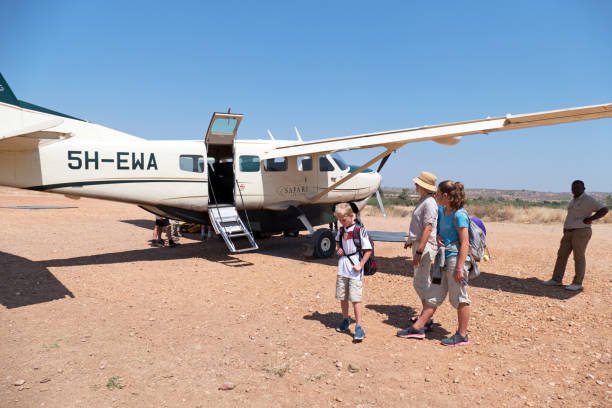
The most common and efficient way to travel between the safari areas and Zanzibar is by domestic flight.
- Departure Airports: Flights from safari regions usually depart from Kilimanjaro International Airport (JRO), which serves the Northern Circuit directly, or sometimes from Arusha Airport (ARK) for smaller bush planes or more direct connections.
- Arrival Airport: All flights to Zanzibar land at Abeid Amani Karume International Airport (ZNZ).
- Airlines: Major carriers like Precision Air and Fastjet operate regular flights on this route. Charter flights are also an option for more flexibility, though at a higher cost.
- Flight Duration: A flight from JRO to ZNZ is typically around 1 hour.
- Booking: It’s highly recommended to book these flights in advance, especially for 2026-2027, as availability can be limited, and prices can increase closer to the travel date.
Safari Transfers
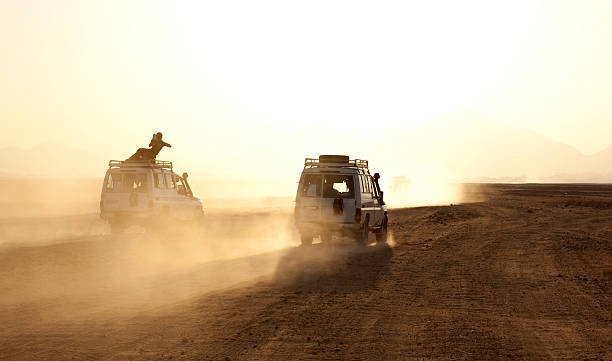
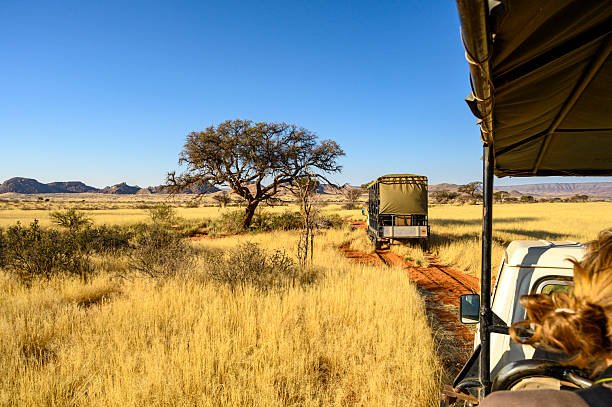
During your safari, you will typically be transported in a 4×4 safari vehicle with a dedicated driver-guide. This is usually included in your safari package. Transfers from the airport to your safari lodge/camp and between parks are part of the safari logistics.
Zanzibar Transfers
Upon arrival at ZNZ airport, you will need a transfer to your chosen hotel or resort. Most accommodations offer airport transfers, either included in the package or as an additional service. Private transfers are common and recommended for convenience, especially if you have luggage from your safari.
- Cost: Transfer costs vary depending on the distance to your accommodation. From ZNZ to Nungwi in the north, for example, it’s a longer drive (around 1.5-2 hours) and will be more expensive than a transfer to Stone Town or nearby beaches.
- Booking: It’s best to arrange these transfers through your Zanzibar accommodation provider or your tour operator to ensure reliability and fair pricing.
Connecting Safari Departure to Zanzibar Flight
If your safari concludes in a location like the Serengeti or Ngorongoro, you’ll need to be transferred to JRO or ARK for your flight to Zanzibar. This transfer time needs to be factored into your itinerary. For example, a transfer from the Serengeti to JRO can take 4-5 hours. Therefore, a morning flight from the Serengeti to JRO, followed by a mid-afternoon flight to Zanzibar, is a common and workable schedule. Alternatively, some tours might end closer to Arusha, allowing for a flight from ARK.
Alternative: Safari via Dar es Salaam (Less Common for Zanzibar Combos)
While less typical for direct Zanzibar combinations, some safaris might start or end in Dar es Salaam (DAR), especially if focusing on the Southern Circuit. In this scenario, you would fly from DAR to ZNZ. This adds an extra flight leg if you’re coming from the Northern Circuit, making it less efficient.
Travel Insurance and Visas
Ensure you have comprehensive travel insurance covering both safari activities (including potential medical evacuation) and your beach holiday. Check visa requirements for Tanzania well in advance of your 2026-2027 travel dates. Most nationalities can obtain a visa on arrival, but applying in advance online can save time.
Timing Your Trip for 2026-2027
The best time to plan your Zanzibar + Safari trip depends on what you want to see and experience, particularly regarding wildlife movements and weather patterns.
Safari Seasons
- Dry Season (June – October): Generally considered the peak safari season. The weather is pleasant, with less rain, making game viewing easier as animals congregate around water sources. The Great Migration typically moves through the Serengeti during this period, making it ideal for witnessing this spectacle. This is also a peak time for Zanzibar tourism, so expect higher prices and more crowds.
- Green Season (November – May): This period sees more rainfall, though it often comes in short, heavy bursts rather than all-day downpours. The landscape is lush and beautiful. Wildlife is more dispersed, but predator sightings remain good. Birdlife is abundant. This is the calving season for wildebeest (typically January-February), offering chances to see newborns. Zanzibar also experiences rain during this time, but it rarely disrupts travel for extended periods. Prices are generally lower during the green season, making it a more budget-friendly option for 2026-2027.
- Shoulder Seasons (March-May, November-December): These periods can offer a good balance of decent weather, fewer crowds, and more moderate pricing.
Zanzibar Seasons
- Dry & Warm (June – October): Excellent beach weather, minimal rain, and pleasant temperatures. This coincides with the peak safari season.
- Rainy Seasons:
- Long Rains (March – May): Expect significant rainfall. Some lodges may close or offer lower rates.
- Short Rains (November – December): Usually brief showers, often in the afternoon, but can be more unpredictable.
- Hot & Humid (January – February): Can be quite hot, but generally dry and good for beach activities.
The Ideal Combination Timing for 2026-2027
For the Great Migration: If witnessing the migration is your top priority, aim for June to October for the Serengeti crossings or January to February for the calving season in the southern Serengeti. This aligns with the best dry weather for safari and good beach weather in Zanzibar.
For Lower Prices & Fewer Crowds: Consider the shoulder seasons or the green season (e.g., November, March, April, May). You might encounter some rain, but it often passes quickly, and you’ll benefit from lower costs and a more relaxed atmosphere on both safari and the island. For 2026-2027, booking outside of the absolute peak months can offer significant value.
Booking Window: For peak seasons in 2026 and 2027 (especially July-September), book your safari and Zanzibar accommodation at least 6-12 months in advance. For off-peak or shoulder seasons, 3-6 months might suffice, but early booking is always recommended for the best availability and pricing.
Accommodation Styles
Your choice of accommodation significantly influences the feel and cost of your Zanzibar + Safari trip. Options range from budget-friendly to ultra-luxury.
Safari Accommodation
- Budget Camps/Lodges: Basic but clean facilities, often with shared bathrooms or simple en-suite facilities. Offer a good way to experience the bush at a lower cost.
- Mid-Range Lodges/Tented Camps: Comfortable en-suite facilities, often with amenities like restaurants, bars, and swimming pools. Tented camps offer a closer-to-nature feel while maintaining comfort.
- Luxury Lodges/Tented Camps: High-end amenities, private verandas, gourmet dining, exceptional service, and often prime locations with stunning views. Some offer exclusive experiences like private plunge pools.
- Mobile Tented Camps (Serengeti): These camps move with the Great Migration, offering a unique opportunity to be right where the action is. They are typically mid-range to luxury and book up very quickly.
Zanzibar Accommodation
- Budget Guesthouses/Boutique Hotels: Simple, clean rooms, often family-run, offering a more local experience, especially in Stone Town or smaller villages.
- Mid-Range Beach Bungalows/Resorts: Comfortable rooms or bungalows, often beachfront, with standard amenities like en-suite bathrooms, restaurants, and pools.
- Luxury Resorts/Villas: High-end resorts with excellent service, fine dining, spas, private beaches, and often private villas or suites.
- All-Inclusive Resorts: Available in Zanzibar, offering a fixed price for accommodation, meals, and drinks. This can be convenient but might limit interaction with local culture and cuisine.
Decision: Your budget and desired level of comfort will dictate your choices. For a memorable Zanzibar + Safari trip in 2026-2027, consider a mix: perhaps a comfortable mid-range lodge on safari and a more luxurious resort in Zanzibar, or vice versa. It’s also possible to opt for a consistent level of comfort across both parts of your trip.
Budgeting Your Zanzibar + Safari Trip
A combined Zanzibar + Safari trip is a significant investment. Costs vary widely based on duration, accommodation style, safari parks visited, and time of year. Here’s a general breakdown of cost factors for 2026-2027:
Key Cost Components
- Safari Package: This is usually the largest expense. It typically includes park fees, vehicle and guide hire, accommodation, and meals during the safari.
- Zanzibar Accommodation: Costs vary from budget guesthouses to high-end resorts.
- International Flights: The cost to fly to Tanzania (usually Kilimanjaro International Airport – JRO).
- Internal Flights: Flights between safari airstrips/JRO and Zanzibar (ZNZ).
- Zanzibar Transfers: Airport to hotel and back.
- Activities: Entrance fees for Stone Town, Spice Tours, Jozani Forest, diving/snorkeling trips, etc.
- Visas & Travel Insurance: Essential costs.
- Tips: For guides, drivers, lodge staff, and hotel staff.
- Personal Expenses: Souvenirs, drinks not included, etc.
Estimated Cost Ranges (Per Person, Excluding International Flights)
These are very rough estimates for 2026-2027 and can fluctuate significantly.
- Budget: $250 – $350 per person per day for safari (basic lodges/tented camps, shared vehicles) + $100 – $200 per person per day for Zanzibar (mid-range guesthouses/bungalows). Total for a 10-day trip (4 safari, 6 Zanzibar) could be around $3,500 – $5,500+.
- Mid-Range: $400 – $600 per person per day for safari (comfortable lodges/tented camps, private vehicle option) + $200 – $400 per person per day for Zanzibar (nice resorts, beachfront). Total for a 10-day trip could be around $6,000 – $10,000+.
- Luxury: $700 – $1,200+ per person per day for safari (high-end lodges, exclusive camps, private guiding) + $400 – $800+ per person per day for Zanzibar (luxury resorts, private villas). Total for a 10-day trip could be around $11,000 – $20,000+.
Important Considerations for 2026-2027:
- Park Fees: These are substantial and a significant part of safari costs. They are set by the Tanzanian government and are subject to change.
- Internal Flights: Expect to budget around $300 – $500 per person for round-trip flights from JRO/ARK to ZNZ.
- Single Supplement: If traveling solo, expect to pay a ‘single supplement’ fee for safari accommodation and sometimes Zanzibar hotels, as prices are often based on double occupancy.
- Seasonality: Peak season (June-October) will be at the higher end of these ranges, while the green season (November-May) will be at the lower end.
It is always best to get a detailed, customized quote from a tour operator like Climb 4 Africa, as they can provide accurate pricing based on your specific itinerary and preferences for 2026-2027.
Booking Your Dream Trip
Securing your Zanzibar + Safari adventure requires careful planning and timely booking. Here’s how to approach it for 2026-2027 travel.
When to Book
- Peak Season (July-October): Book at least 9-12 months in advance for the best availability of lodges, camps, and flights.
- Shoulder & Green Seasons (November-June, excluding Dec/Jan peak): Booking 4-6 months in advance is generally sufficient, but popular accommodations can still fill up.
- Holiday Periods (Christmas/New Year): These are extremely popular and often considered peak season. Book 12+ months in advance.
Choosing a Tour Operator
While you can book components separately, using a reputable tour operator like Climb 4 Africa simplifies the process immensely. They handle:
- Crafting a smooth itinerary that connects safari and Zanzibar.
- Booking reliable internal flights and transfers.
- Securing preferred accommodation at competitive rates.
- Managing park fees and local logistics.
- Providing expert advice tailored to your needs.
How to Book with Climb 4 Africa:
- Contact Us: Reach out via WhatsApp at +255 747 477 898 or email us at climb4africa@gmail.com.
- Share Your Vision: Provide details about your desired safari duration, preferred parks, Zanzibar activities, accommodation style, travel dates for 2026 or 2027, and your approximate budget.
- Receive a Custom Quote: We will work with you to design a personalized itinerary and provide a detailed quotation.
- Confirmation & Deposit: Once you approve the itinerary, a deposit is typically required to confirm bookings.
- Final Payment: The balance is usually due 60-90 days before your travel date.
Why book with us? As a local operator, Climb 4 Africa has deep insights into Tanzania’s travel landscape, ensuring you get authentic experiences and practical support throughout your journey. We understand the nuances of combining a thrilling safari with a relaxing Zanzibar escape, making your 2026-2027 trip planning smooth and enjoyable.
What to Confirm Before Paying
- Inclusions: Clearly understand what is covered in your safari package (park fees, meals, accommodation, guide, vehicle) and your Zanzibar booking (accommodation, meals, transfers).
- Exclusions: Be aware of what is not included (international flights, visas, tips, personal expenses, drinks, optional activities).
- Accommodation Details: Confirm the specific lodges, camps, and hotels booked, including room types.
- Flight Details: Verify flight times, airlines, and baggage allowances for internal flights.
- Payment Schedule: Understand the deposit and final payment deadlines.
- Cancellation Policy: Review the terms and conditions for cancellations and changes.
Planning a Zanzibar + Safari trip for 2026-2027 is an exciting endeavor. By considering these factors and partnering with experienced local operators, you can create a journey that perfectly balances adventure and relaxation.
Frequently Asked Questions
Here are some common questions travelers have when planning a Zanzibar + Safari trip.
Q: What is the most efficient way to travel between safari parks and Zanzibar?
A: The most efficient method is by domestic flight. Typically, you’ll fly from Kilimanjaro International Airport (JRO) or Arusha Airport (ARK) directly to Zanzibar International Airport (ZNZ). These flights are usually around 1 hour long and are operated by local airlines. Booking these flights in advance is crucial for 2026-2027 travel.
Q: How many days are recommended for a combined Zanzibar and safari trip?
A: A popular duration is 10-14 days total. This usually allows for 3-5 days on safari (e.g., Serengeti & Ngorongoro) and 5-7 days in Zanzibar to relax and explore. Shorter trips (e.g., 7-9 days) are possible with a 3-day safari and 4-5 days in Zanzibar, but it will be more fast-paced.
Q: Can I see the Great Migration on a combined trip?
A: Yes, absolutely. The Great Migration moves year-round. For river crossings, aim for July-October in the northern Serengeti. For the calving season, January-February in the southern Serengeti is ideal. Timing your safari portion correctly for 2026 or 2027 is key to witnessing this spectacle.
Q: What is the best time of year for a Zanzibar + Safari trip?
A: The dry season (June to October) offers the best safari viewing and pleasant beach weather, but it’s also peak season and more expensive. For a balance of good weather, fewer crowds, and better prices in 2026-2027, consider shoulder seasons like November, March, or April.
Q: How much does a typical 10-day Zanzibar + Safari trip cost?
A: Excluding international flights, expect a mid-range trip for 10 days (e.g., 4 safari days, 6 Zanzibar days) to cost approximately $6,000 – $10,000 per person for 2026-2027. Budget options can be lower, and luxury options significantly higher. This includes safari package, Zanzibar accommodation, internal flights, and transfers.
Q: Do I need separate visas for safari and Zanzibar?
A: No, you only need one visa for Tanzania, which covers both the mainland (for safari) and Zanzibar. You can typically get this on arrival at the airport or apply online in advance.
Q: What should I pack for both safari and Zanzibar?
A: Pack light, neutral-colored clothing for safari (long sleeves, trousers for evenings), comfortable walking shoes, a hat, sunscreen, insect repellent, and binoculars. For Zanzibar, bring swimwear, light cotton clothing, sandals, a sun hat, and swimwear. Don’t forget your camera and chargers!
Ready to Plan Your 2026-2027 Zanzibar + Safari Adventure?
Combining the thrill of a Tanzanian safari with the serene beauty of Zanzibar is an experience like no other. From the endless plains of the Serengeti to the spice-scented air of the island, this journey offers the best of East Africa. Planning this intricate trip can seem daunting, but with expert guidance, it becomes a smooth and exciting process. Whether you’re dreaming of witnessing the Great Migration, exploring the Ngorongoro Crater, or simply relaxing on white-sand beaches, Climb 4 Africa is here to help you craft your perfect itinerary for 2026 or 2027. We specialize in creating tailor-made Tanzanian adventures that balance thrilling wildlife encounters with blissful relaxation. Let us handle the logistics so you can focus on making unforgettable memories. Contact us today to start planning your dream Zanzibar + Safari holiday!
Get in touch:
- WhatsApp: +255 747 477 898
- Email: climb4africa@gmail.com
Check Availability for Zanzibar + Safari: Planning Your Perfect Tanzania Combination Trip 2026-2027
Ready to compare dates, prices, and the best option for your group? Send the package name and travel month so the team can reply with a clear quote, availability, and what is included.
2-Day Serengeti Safari From Zanzibar By Flight: Price & Booking Guide
A practical guide to booking a 2-day Serengeti safari from Zanzibar by flight, covering itinerary logistics, cost considerations, and how to maximize your short time in the bush.
View package details2-Day Nyerere Safari From Zanzibar: Flight-Inclusive Package Prices 2026-2027
An expert guide to planning a 2-day Nyerere safari from Zanzibar, covering flight-inclusive package structures, cost drivers, and the practical rhythm of a short-stay wildlife adventure.
View package details1-Day Nyerere National Park Safari From Zanzibar By Flight: 2026-2027
Planning a one-day fly-in safari to Nyerere from Zanzibar? Understand the logistics, travel times, and wildlife expectations for a 2026 or 2027 trip.
View package detailsZanzibar To Mikumi Safari By Flight: Prices & Travel Options 2026-2027
A practical guide to the logistics, costs, and planning steps for flying from Zanzibar to Mikumi National Park.
View package details2-Day Tarangire & Ngorongoro Safari From Zanzibar: Flight Package Cost 2026
A detailed guide on the logistics, cost factors, and itinerary realities for a 2-day fly-in safari from Zanzibar to Tarangire National Park and the Ngorongoro Crater.
View package details4-Day Serengeti Safari From Zanzibar With Return Flights: A Planning Guide
A deep look at planning a 4-day fly-in safari from Zanzibar to the Serengeti, covering flight logistics, itinerary structures, and the critical decisions needed for a successful 2026 or...
View package details1-Day Serengeti Safari From Zanzibar By Flight: Cost & Itinerary 2026-2027
Is a 1-day Serengeti safari from Zanzibar feasible? Get the expert breakdown on the flight logistics, cost factors, and how to manage your expectations for this intense, one-day wildlife...
View package detailsZanzibar To Serengeti Safari By Flight: Prices & Packages 2026-2027
A practical guide to booking a Zanzibar to Serengeti safari by flight in 2027, covering route options, baggage logistics, and how to choose the right itinerary length.
View package details_1_John_from-rednote-web-768x1024.jpg)
Dec 13, – 2 Day Nyerere Fly-In Group Safari From Zanzibar 2026
A detailed guide to the December 13, 2026 group fly-in safari from Zanzibar to Nyerere National Park, covering the itinerary, logistics, and planning for your trip.
View package details
Dec 5, – 1 Day Mikumi Fly-In Group Safari From Zanzibar 2026
A practical guide to the December 5, 2026, group fly-in safari to Mikumi National Park. Learn about the itinerary, group logistics, and how to book your seat.
View package details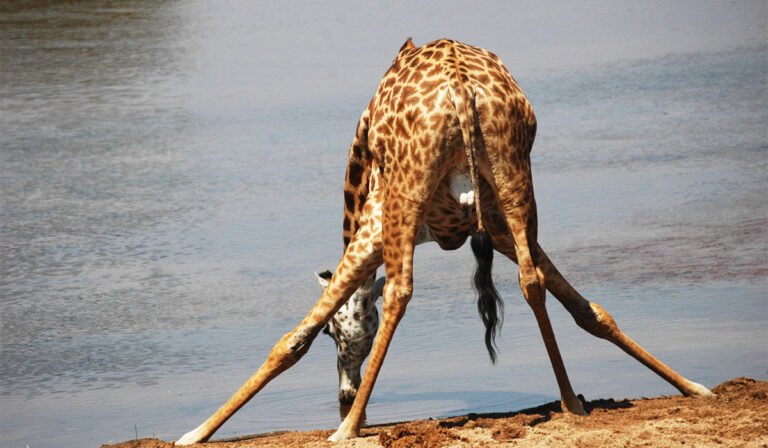
Nov 15, – 2 Day Mikumi Fly-In Group Safari From Zanzibar 2026
A practical guide and booking overview for the November 15, 2026, group fly-in safari to Mikumi National Park, departing from Zanzibar.
View package details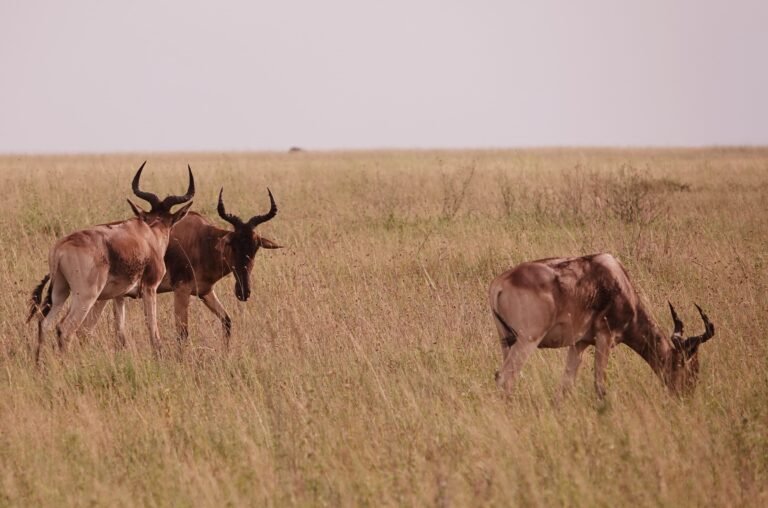
Oct 25, – 1 Day Nyerere Fly-In Group Safari From Zanzibar 2026
Secure your spot for the October 25, 2026, group fly-in safari to Nyerere National Park. A professional, time-efficient wildlife experience from Zanzibar.
View package detailsNo related package matches those filters. Clear one or more filters to see the other topic-matched options.