
A comprehensive Namibia, Botswana, Victoria Falls, and Tanzania safari itinerary for 2026-2027 typically spans 3 to 4 weeks, starting in Namibia to explore its deserts and coast, moving to Botswana for the Okavango Delta’s water-based safaris, then to Victoria Falls for the natural wonder, and concluding in Tanzania for classic game drives in Serengeti and Ngorongoro Crater. This journey offers a diverse range of wildlife viewing, from desert-adapted species to vast herds and unique aquatic life, requiring careful planning for logistics, internal flights, and optimal seasons.
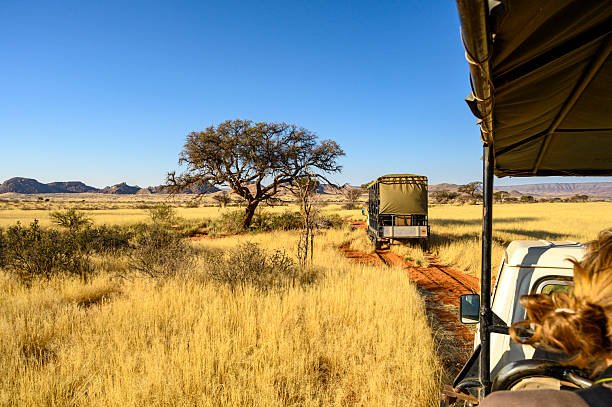

Understanding the Namibia Botswana Victoria Falls Tanzania Safari Concept
Embarking on a Namibia, Botswana, Victoria Falls, and Tanzania safari itinerary is a significant undertaking, representing one of the most diverse and rewarding overland adventures Africa has to offer. This isn’t just a single safari; it’s a curated expedition that weaves together distinct ecosystems, iconic landscapes, and unparalleled wildlife encounters across four incredible southern and East African destinations. For travelers planning for 2026-2027, understanding the scope and requirements of such a journey is paramount. It’s about experiencing the stark beauty of Namibian deserts, the watery wilderness of Botswana’s Okavango Delta, the sheer power of Victoria Falls, and the classic savannah drama of Tanzania’s Serengeti. This type of trip appeals to those seeking depth, variety, and a truly comprehensive African wildlife and cultural experience. It’s a journey that demands more time and a greater budget than a single-country safari, but the rewards are immeasurable.
The core appeal lies in the stark contrasts. Namibia offers ancient deserts, towering dunes, and unique desert-adapted wildlife. Botswana presents the unparalleled Okavango Delta, a vast inland delta teeming with life, best explored by mokoro (dugout canoe) or boat, alongside traditional game drives. Victoria Falls, one of the Seven Natural Wonders of the World, provides a impressive spectacle of nature’s raw power. Finally, Tanzania delivers the quintessential African safari dream: the vast plains of the Serengeti, the wildlife-rich Ngorongoro Crater, and the chance to witness the Great Migration. Combining these destinations in a single Namibia Botswana Victoria Falls Tanzania safari creates a narrative of Africa’s diverse natural heritage.
When considering this extensive trip for 2026-2027, it’s crucial to recognise that it’s not a simple point-to-point drive. The distances are vast, and efficient travel often relies on a combination of overland travel within countries and regional flights between them. This complexity is precisely why working with experienced operators is highly recommended. They can navigate the logistics, secure the best accommodations, and ensure a smooth flow between these vastly different environments.
Structuring Your Namibia Botswana Victoria Falls Tanzania Safari Itinerary
The logical flow for a Namibia Botswana Victoria Falls Tanzania safari itinerary is generally from south to north or vice versa, to minimize backtracking and optimize travel time. A common and highly recommended sequence begins in Namibia and moves eastward and then northward. This allows you to acclimatize to the drier, desert landscapes before transitioning to the wetter, more lush environments of Botswana and the dramatic spectacle of Victoria Falls, before concluding with the iconic savannah safaris of Tanzania.
Let’s break down a potential flow:
- Namibia: Start in Windhoek, explore Sossusvlei’s dunes, Swakopmund’s coastal charm, and potentially Damaraland or Etosha National Park.
- Botswana: Fly from Namibia (e.g., Maun) into the Okavango Delta for unique water-based safaris, followed by Chobe National Park, renowned for its elephant herds.
- Victoria Falls: Travel overland or fly from Botswana to Livingstone (Zambia) or Victoria Falls (Zimbabwe) to experience the falls.
- Tanzania: Fly from Victoria Falls (or Livingstone) to a major Tanzanian hub like Kilimanjaro International Airport (JRO) to begin your northern circuit safari (Tarangire, Lake Manyara, Ngorongoro Crater, Serengeti).
Alternatively, one could start in Tanzania and work south, but the Namibian start often feels more natural for those coming from Europe or North America, providing a gentler introduction to the vastness of African landscapes before the more intense wildlife encounters later in the itinerary.
The Namibian Leg: Deserts, Coast, and Unique Wildlife
Namibia is a land of dramatic contrasts, defined by ancient deserts, a rugged coastline, and unique geological formations. A typical Namibia Botswana Victoria Falls Tanzania safari itinerary would allocate 7-10 days here, focusing on its most iconic highlights. The starting point is usually Windhoek, the capital city, where you can arrange your vehicle hire (if self-driving is part of your plan) or meet your guide. For a multi-country trip like this, guided safaris or fly-in options are often more practical to manage logistics, but self-drive is very popular in Namibia for those comfortable with long distances on gravel roads.
Sossusvlei and the Namib Desert: This is non-negotiable for most visitors. The towering red dunes of Sossusvlei, including Dune 45 and the iconic Big Daddy, are a photographer’s dream. Deadvlei, with its stark, ancient camelthorn trees set against the orange sand, is an unforgettable sight. Spending at least two nights here allows for sunrise and sunset viewing, and exploring the Sesriem Canyon. The drive from Windhoek to Sossusvlei is approximately 5-6 hours, often on gravel roads, so an early start is recommended.
Swakopmund and the Skeleton Coast: A drive of about 4-5 hours from Sossusvlei brings you to Swakopmund, a charming coastal town with German colonial architecture. This area offers a stark contrast to the desert, with cooler temperatures and a different set of activities. Adventure activities abound, including quad biking in the dunes, sandboarding, scenic flights over the coast, and marine tours from Walvis Bay to see seals, dolphins, and potentially whales. The Skeleton Coast itself is hauntingly beautiful, littered with shipwrecks and driftwood, a testament to the harsh Atlantic environment.
Damaraland or Etosha National Park: Depending on your interests and time, you might add either Damaraland or Etosha. Damaraland offers rugged landscapes, ancient rock art at Twyfelfontein, and the chance to spot desert-adapted elephants and rhinos. Etosha National Park is Namibia’s premier wildlife destination, famous for its vast salt pan and waterholes that attract a huge concentration of animals, including lions, elephants, rhinos, giraffes, and a variety of antelope. Etosha typically requires 2-3 days to explore its different camps and waterholes. If your Namibia Botswana Victoria Falls Tanzania safari is time-limited, choosing between the unique desert wildlife of Damaraland and the classic game viewing of Etosha is a key decision.
Travel Note for 2026-2027: Namibia’s infrastructure is generally good, but road conditions can vary, especially after rains. Ensure your vehicle is suitable if self-driving, or rely on your tour operator for transfers and guided excursions. Book accommodations well in advance, particularly for peak seasons in 2026 and 2027.
The Botswana Leg: Okavango Delta and Chobe’s Elephant Herds
From Namibia, the journey transitions to Botswana, often focusing on its world-renowned water systems. This section of your Namibia Botswana Victoria Falls Tanzania safari is where you’ll experience unique wildlife viewing opportunities that differ significantly from Namibia’s arid landscapes.
Okavango Delta: This is the heart of Botswana’s safari offering. The Okavango River flows into the Kalahari Desert, creating a vast inland delta that pulses with life. The primary way to explore the Delta is through its network of islands and channels. This can be done via mokoro excursions (traditional dugout canoes poled by guides), motorboat safaris, and walking safaris, alongside traditional 4×4 game drives in concession areas bordering the Delta. Wildlife is abundant, with elephants, hippos, crocodiles, lions, leopards, wild dogs, and a spectacular array of birdlife. Accommodation ranges from rustic fly-in camps to more luxurious lodges. A minimum of 3 nights is recommended to truly appreciate the Delta’s unique environment. Access is typically via light aircraft flights into airstrips like Maun or directly into camps.
Chobe National Park: Often combined with the Okavango Delta, Chobe is famous for its immense elephant population, particularly in the dry season when they congregate along the Chobe River. The park offers fantastic game viewing from both land and water. Boat safaris on the Chobe River are a highlight, offering incredible photographic opportunities as elephants, hippos, and crocodiles come to drink and interact. Chobe can be explored from various lodges and campsites, with areas like the Savuti region offering a more remote and rugged wildlife experience, known for its lion and hyena populations.
Travel Note for 2026-2027: Botswana’s safari experiences are heavily dependent on the water levels, which fluctuate seasonally. The best time for water-based activities in the Okavango Delta is generally during the flood season (roughly June to October), while the dry season (May to October) concentrates wildlife around water sources in Chobe. Flights within Botswana are a significant cost but save considerable travel time. Bookings for popular camps, especially in the Okavango Delta, need to be made many months, sometimes over a year, in advance for 2026-2027 travel.
The Victoria Falls Stopover: A Natural Spectacle
No Namibia Botswana Victoria Falls Tanzania safari would be complete without witnessing the awe-inspiring Victoria Falls. Situated on the border between Zambia and Zimbabwe, it’s one of the world’s largest and most dramatic waterfalls.
Experiencing the Falls: The sheer scale and power of Victoria Falls, known locally as ‘Mosi-oa-Tunya’ (The Smoke That Thunders), are overwhelming. Visitors can explore the rainforest walking trails on the Zimbabwean side for spectacular views of the cascades, particularly during the flood season (February to May) when the spray can reach hundreds of meters into the air. The Zambian side offers different perspectives, including views of the falls from above and the famous Devil’s Pool (seasonal and requiring a guide).
Activities: Beyond viewing the falls, the area offers a wide range of adventure activities: bungee jumping, white-water rafting (world-class, seasonal), helicopter or microlight flights over the falls for a bird’s-eye view, sunset cruises on the Zambezi River, and visits to local markets. A 1-2 night stay is usually sufficient to experience the falls and engage in one or two activities.
Travel Note for 2026-2027: Access is typically via flights into Victoria Falls Airport (VFA) in Zimbabwe or Harry Mwanga Nkumbula International Airport (LVI) in Livingstone, Zambia. Visa requirements should be checked in advance. The best time to visit depends on what you want to see – peak flow for maximum drama, or lower flow for more visible individual cascades and better rafting conditions. Consider which side of the falls you wish to focus on, as crossing borders can add time and cost.
The Tanzanian Finale: Serengeti, Ngorongoro, and the Great Migration
The final leg of your Namibia Botswana Victoria Falls Tanzania safari takes you to the classic African safari destination: Tanzania. This is where you’ll encounter the iconic landscapes and wildlife that define many people’s dreams of Africa.
Northern Circuit Parks: The typical Tanzania safari itinerary includes Tarangire National Park (known for its large elephant herds and baobab trees), Lake Manyara National Park (famous for its tree-climbing lions and diverse birdlife), the Ngorongoro Conservation Area (home to the Ngorongoro Crater, a UNESCO World Heritage Site with an incredibly high density of wildlife), and the vast Serengeti National Park. A 7-10 day safari in Tanzania is standard for this circuit.
Serengeti National Park: This is the undisputed jewel. Its name means ‘endless plains’ in the Maasai language, and its vastness is matched only by its wildlife density. The Serengeti is most famous as the stage for the Great Migration, where millions of wildebeest, zebras, and gazelles traverse the plains in search of fresh grazing. Witnessing the migration river crossings (particularly the Grumeti and Mara rivers) is a highlight for many, though timing is crucial. Beyond the migration, the Serengeti offers exceptional predator sightings year-round.
Ngorongoro Crater: This collapsed volcano caldera offers a unique safari experience. Its walls create a self-contained ecosystem, meaning you can often see the ‘Big Five’ (lion, leopard, elephant, rhino, buffalo) in a single day. The density of wildlife within the crater floor is astounding. Access is via a steep descent, and game drives are restricted to the crater floor.
Travel Note for 2026-2027: The timing of the Great Migration is predictable but varies slightly year to year. Planning your Serengeti visit around its expected location is key to witnessing this phenomenon. For example, wildebeest calve in the Ndutu area (southern Serengeti/Ngorongoro Conservation Area) around January-February, and river crossings are typically seen in the western or northern Serengeti from June to October. Accommodation in Tanzania ranges from budget-friendly tented camps to luxury lodges. Booking popular camps in the Serengeti and Ngorongoro Crater, especially for 2026 and 2027 peak seasons, requires significant advance planning.
Logistics and Travel Between Destinations
The Namibia Botswana Victoria Falls Tanzania safari is a logistical puzzle that requires careful consideration. The sheer distances involved mean that relying solely on road travel would consume an impractical amount of time and detract from wildlife viewing opportunities.
Internal Flights and Overland Travel
Namibia: While self-driving is popular, for this multi-country itinerary, internal flights can save time. For instance, flying from Windhoek to a regional airstrip in Botswana (like Maun) is common. If you choose to self-drive Namibia, you’ll need to arrange for the vehicle to be returned to Windhoek or a specific drop-off point, which can incur additional costs.
Botswana: Light aircraft flights are the standard and most efficient way to access lodges within the Okavango Delta and to travel between different safari areas like the Delta and Chobe. These flights are usually booked as part of your lodge package. Overland travel between Kasane (for Chobe) and Victoria Falls is straightforward and common.
Victoria Falls to Tanzania: This is the longest leg and almost exclusively done by air. You would typically fly from Victoria Falls (VFA) or Livingstone (LVI) to a regional hub like Johannesburg (South Africa) or Nairobi (Kenya), and then connect to Kilimanjaro International Airport (JRO) in Tanzania. This often involves a full travel day.
Tanzania: Within Tanzania, most safaris utilize 4×4 safari vehicles with pop-up roofs for game viewing. Transfers between parks are usually included in tour packages, often involving driving days broken up by scenic stops or game viewing opportunities.
Visa Requirements and Health Precautions
Visa requirements vary significantly by nationality and country. It is essential to research these well in advance for 2026-2027 travel. Many nationalities can obtain visas on arrival for some countries, but it’s often more efficient and sometimes cheaper to apply in advance.
- Namibia: Many nationalities receive a visa-free entry for tourism.
- Botswana: Visa-free for many nationalities.
- Zimbabwe/Zambia: Visas are required for many nationalities. The KAZA Uni-Visa, covering both Zambia and Zimbabwe, can be a convenient option if visiting both sides of Victoria Falls.
- Tanzania: Visas are required for most nationalities and can be obtained on arrival or in advance online.
Health: Malaria is a risk in most of these destinations, especially Botswana and Tanzania, and in certain seasons. Consult your doctor or a travel clinic about recommended antimalarial medication, vaccinations (e.g., Yellow Fever may be required depending on your travel route), and other health precautions well before your departure for 2026-2027.
Choosing the Right Time to Travel
The timing of your Namibia Botswana Victoria Falls Tanzania safari is critical for maximizing wildlife viewing and comfort. Each country has distinct peak seasons.
- Namibia: The dry season (May to October) is best for wildlife viewing in Etosha, while Sossusvlei is accessible year-round, though summer can be extremely hot.
- Botswana: The dry season (May to October) is prime time for the Okavango Delta and Chobe, as water levels rise in the Delta and wildlife congregates along the Chobe River.
- Victoria Falls: Peak water flow is from February to May. For rafting, the season is typically July to December.
- Tanzania: The dry season (June to October) is excellent for general game viewing and predator activity. The Great Migration’s location varies: calving season is Jan-Feb in the south, river crossings are usually June-Oct in the west/north.
A good compromise for a Namibia Botswana Victoria Falls Tanzania safari might be the shoulder season (e.g., late May or September/October) when you can still catch good wildlife viewing across most regions, experience pleasant weather, and potentially find slightly better availability and pricing for 2026-2027.
Sample Itinerary Outline (Approx. 21-28 Days)
This is a conceptual outline to illustrate the flow and duration. Actual itineraries can be customized extensively.
Days 1-7: Namibia Exploration
- Day 1: Arrive Windhoek, pick up vehicle or meet guide, overnight Windhoek.
- Day 2-3: Drive to Sossusvlei area, explore dunes, Deadvlei, Sesriem Canyon. Stay near Sossusvlei.
- Day 4: Drive to Swakopmund. Afternoon activities (e.g., dune boarding, dolphin cruise).
- Day 5: Swakopmund activities or a scenic flight.
- Day 6-7: Travel to Etosha National Park (Andersson’s Gate). Game drives. Overnight near Etosha.
Days 8-14: Botswana’s Waterways and Wildlife
- Day 8: Morning game drive in Etosha, then fly from Windhoek (or local airstrip) to Maun, Botswana. Transfer to Okavango Delta camp.
- Day 9-10: Okavango Delta activities: mokoro, walking safaris, boat trips, game drives.
- Day 11: Fly from Delta airstrip to Kasane (Chobe National Park). Afternoon boat safari on Chobe River.
- Day 12-13: Game drives in Chobe National Park, explore different areas.
- Day 14: Morning activity in Chobe, then transfer to Victoria Falls (Zimbabwe or Zambia).
Days 15-16: Victoria Falls Experience
- Day 15: Explore Victoria Falls National Park (Zimbabwe side). Sunset cruise on the Zambezi.
- Day 16: Optional activities (e.g., helicopter flight, white-water rafting). Transfer to airport for flight to Tanzania.
Days 17-24/28: Tanzania’s Wildlife Spectacle
- Day 17: Fly from Victoria Falls to Kilimanjaro International Airport (JRO), Tanzania. Meet your guide and vehicle. Transfer to Arusha or Karatu.
- Day 18: Drive to Tarangire National Park. Full day game drive.
- Day 19: Drive to Lake Manyara National Park for morning game drive, then proceed to Ngorongoro Conservation Area.
- Day 20: Full day game drive on the Ngorongoro Crater floor.
- Day 21-24/28: Drive into Serengeti National Park. Spend 3-5 days exploring different regions of the Serengeti, potentially tracking the Great Migration. Fly out from a Serengeti airstrip to Kilimanjaro (JRO) or Arusha, or connect to Zanzibar for relaxation.
This sample itinerary is ambitious and covers a lot of ground. A 28-day trip allows for a more relaxed pace and deeper exploration in each region, especially in Tanzania. For 2026-2027, consider if you prefer more time in specific areas or a slightly shorter duration by omitting one park or reducing days.
Accommodation Styles and Budget Considerations
A Namibia Botswana Victoria Falls Tanzania safari itinerary is inherently a higher-budget trip due to the distances, internal flights, and the quality of experiences offered. Accommodation choices significantly impact the overall cost.
- Namibia: Offers a wide range from guesthouses in towns to comfortable lodges in national parks and remote safari camps. Self-drive budgets can be more flexible with camping or self-catering options.
- Botswana: Tends to be more exclusive and expensive, particularly the Okavango Delta. Options range from luxury fly-in lodges to more affordable tented camps in areas like the public concessions or national parks (though access can be challenging).
- Victoria Falls: A wide range of hotels and lodges are available on both the Zimbabwean and Zambian sides, catering to various budgets.
- Tanzania: Offers a spectrum from budget-friendly tented camps to mid-range lodges and ultra-luxury permanent camps, especially in the Serengeti and Ngorongoro.
Budget Factors for 2026-2027:
- Flights: International and crucial regional flights will be a significant component. Booking these early is key for better rates.
- Accommodation: Lodges in Botswana and high-end camps in Tanzania are often the largest expense.
- Park Fees: Daily park entrance fees can add up, especially in Tanzania and Botswana.
- Vehicle & Guide: Private guided tours are more expensive than small group tours or self-drive (where feasible, like in Namibia).
- Activities: Optional activities like scenic flights, hot air ballooning, or adventure sports are additional costs.
For a trip of this magnitude for 2026-2027, expecting a budget of USD 8,000 – USD 15,000+ per person for a 3-4 week trip is realistic, depending heavily on the level of luxury and specific inclusions. This usually covers accommodation, most meals, park fees, internal flights, and guiding services.
Choosing Your Travel Style: Group, Private, or Self-Drive
The Namibia Botswana Victoria Falls Tanzania safari can be tailored to different travel preferences and budgets.
Small Group Tours
Ideal for solo travelers or couples looking for a more social experience and a fixed budget. Small group tours (typically 6-8 people) are common in Tanzania and sometimes Namibia. They offer a set itinerary and shared costs, making them more affordable than private tours. For 2026-2027, group departure dates are often published well in advance.
Private Safaris
Offer maximum flexibility and customization. You have a dedicated vehicle and guide, allowing you to set the pace, spend more time at sightings, and tailor the itinerary to your specific interests. This is the most expensive option but provides unparalleled personalized service. This is often the best choice for a complex multi-country trip like this one.
Self-Drive (Primarily Namibia)
Namibia is renowned for its self-drive potential, offering freedom and flexibility. However, extending this to Botswana and Tanzania via self-drive is generally not feasible or recommended due to border crossings, road conditions, and the need for specific 4×4 vehicles and permits. For this specific Namibia Botswana Victoria Falls Tanzania safari combination, a hybrid approach might work: self-drive Namibia, then fly/guided tours for Botswana, Victoria Falls, and Tanzania.
Making Your 2026-2027 Booking Decisions
Planning a Namibia Botswana Victoria Falls Tanzania safari for 2026-2027 requires foresight and expert guidance. Given the complexity of coordinating travel across multiple countries with different logistical needs, partnering with a reputable tour operator is highly recommended. They can:
- Craft a smooth Itinerary: Ensuring logical flow, efficient travel, and optimal timing for each destination.
- Secure Best Accommodations: Booking popular lodges and camps, often months or even a year in advance, especially for peak season.
- Manage Internal Flights: Arranging complex flight schedules between countries and within Botswana.
- Provide Expert Guiding: Ensuring you have knowledgeable guides who enhance your wildlife viewing and cultural experiences.
- Handle Logistics: Navigating border crossings, park entries, and transfers smoothly.
When you are ready to plan your dream Namibia Botswana Victoria Falls Tanzania safari for 2026 or 2027, consider reaching out to specialists who understand the nuances of multi-country African travel. Discussing your interests, budget, and desired pace is the first step. Detailed planning ensures you make the most of your incredible journey across these diverse African landscapes.
For tailored advice and to start crafting your ultimate Namibia Botswana Victoria Falls Tanzania safari itinerary, contact Climb 4 Africa. We specialize in creating comprehensive, personalized African adventures. You can reach us via WhatsApp at +255 747 477 898 or by emailing climb4africa@gmail.com. Let us help you plan an unforgettable experience for 2026-2027.
Check Availability for Namibia Botswana Victoria Falls Tanzania Safari Itinerary: The Ultimate
Ready to compare dates, prices, and the best option for your group? Send the package name and travel month so the team can reply with a clear quote, availability, and what is included.
10-Day Tanzania Safari And Zanzibar Beach Holiday: Your Ultimate Itinerary
Combine the thrill of a Tanzania safari with the relaxation of Zanzibar for an unforgettable 10-day adventure. This itinerary balances iconic wildlife viewing with stunning tropical...
View package details
Affordable African Safari Packages: Your Guide To Budget-Friendly Tanzania
Discover how to plan and book affordable African safari packages for 2026-2027. This guide provides practical advice on choosing budget-friendly Tanzania tours, understanding costs, and...
View package details
Kenya And Tanzania Combined Safari Packages: Ultimate Guide 2026-2027
Discover the unparalleled adventure of combining Kenya and Tanzania for a comprehensive East African safari. This guide details everything you need to know for planning your 2026-2027...
View package details
3-Day Serengeti And Ngorongoro Safari: Your Ultimate Tanzania Wildlife
start a concise yet unforgettable 3-day Serengeti and Ngorongoro safari, designed to maximize wildlife encounters in Tanzania's most celebrated parks. This compact adventure offers a taste...
View package details
Serengeti Safari And Zanzibar Beach Holiday: The Ultimate Tanzania
Combine the thrill of a Serengeti safari with the relaxation of a Zanzibar beach holiday. This guide covers everything you need to know for an unforgettable Tanzania adventure in 2026-2027...
View package details
Tanzania Safari And Zanzibar All-Inclusive Packages Guide
Combine the thrill of a Tanzanian wildlife safari with the serene beauty of Zanzibar on an all-inclusive package. This comprehensive guide covers everything you need to know for planning...
View package details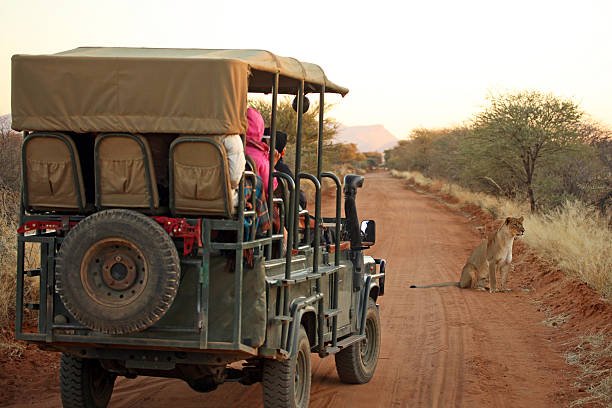
Zanzibar To Mikumi Safari: Flights, Prices And Itinerary Guide
Transition from the spice-scented beaches of Zanzibar to the wildlife-rich plains of Mikumi National Park. This guide details flight logistics, cost considerations, and sample itineraries...
View package details
Are African Safari Prices Per Person Or Vehicle? Understanding Tanzania Costs
African safari costs can be confusing. This guide clarifies whether prices are quoted per person or per vehicle, detailing factors that influence your 2026-2027 safari budget in Tanzania.
View package details
Is Tanzania Or Kenya Better For Safari? A Detailed Comparison 2026-2027
Comparing Tanzania and Kenya for your next safari? This in-depth guide breaks down wildlife viewing, landscapes, costs, and optimal travel times to help you choose the perfect East African...
View package details
Luxury African Safari Packages: The Ultimate Tanzania Experience In 2026-2027
Explore the pinnacle of African adventure with luxury safari packages in Tanzania. This guide details exclusive lodges, tailor-made itineraries, and the best wildlife experiences for your...
View package details
Tanzania Safari Tours & Packages /: Your Ultimate Wildlife Adventure 2026-2027
Discover the magic of Tanzania with expertly crafted safari tours and packages for 2026 and 2027. From the vast plains of the Serengeti to the depths of the Ngorongoro Crater, find your...
View package detailsBest African Safari Tours & Vacation Packages /: Your Ultimate Tanzania
start an unforgettable African safari adventure in 2026/2027 with expertly curated tours and vacation packages in Tanzania's most iconic wildlife destinations. From the Serengeti to the...
View package detailsNo related package matches those filters. Clear one or more filters to see the other topic-matched options.



