A Botswana Tanzania family safari combined with a Zanzibar beach holiday offers a comprehensive African experience, blending the unparalleled wildlife viewing of Botswana’s Okavango Delta and Chobe National Park with Tanzania’s iconic Serengeti and Ngorongoro Crater, followed by relaxation on Zanzibar’s tropical shores. This multi-destination journey, ideal for families in 2026-2027, requires careful planning to connect these distinct regions, often involving flights between countries and a mix of safari lodges and beach resorts. Expect to encounter diverse ecosystems and abundant wildlife, from desert-adapted species in Botswana to the Great Migration in Tanzania, before unwinding on pristine beaches.
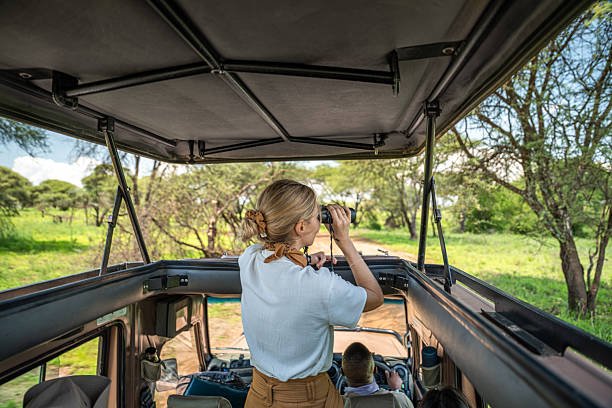
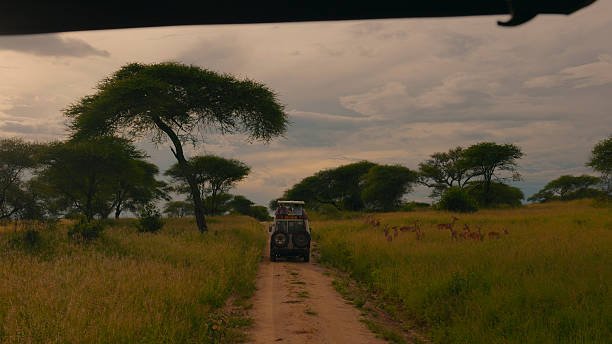
Planning Your Botswana Tanzania Family Safari & Zanzibar Beach Holiday
Combining Botswana and Tanzania for a family safari, followed by a Zanzibar beach holiday, is a dream trip for many, offering an extraordinary range of experiences. It’s a journey that contrasts the unique, water-based wildlife spectacles of Botswana with the classic, vast savannah landscapes and teeming herds of Tanzania, capped off with the idyllic relaxation and cultural richness of Zanzibar. For families planning their adventure in 2026 or 2027, this multi-faceted itinerary promises unforgettable memories, but it also demands a strategic approach to logistics, timing, and budgeting.
The appeal lies in the sheer diversity. Botswana is renowned for its exclusive, low-impact tourism model, focusing on pristine wilderness and incredible game viewing, particularly in the Okavango Delta and along the Chobe River. Tanzania, on the other hand, offers the legendary Serengeti National Park, the dramatic Ngorongoro Crater, and opportunities to witness the Great Migration (depending on the season). Zanzibar provides a complete change of pace – a tropical island paradise with turquoise waters, white sandy beaches, rich history in Stone Town, and vibrant spice plantations.
However, connecting these destinations requires careful consideration. Botswana and Tanzania are not neighbours in the typical sense for tourism travel; they are separate countries with distinct entry and exit points. This means flights are almost always necessary between them, adding to the travel time and cost. Understanding the best sequence, optimal travel times for wildlife viewing in each location, and how to manage the transition from high-octane safari to tranquil beach life is key to a successful family holiday.
When planning for 2026-2027, it’s crucial to book well in advance, especially for peak safari seasons and popular accommodations. Family-friendly lodges and camps in both Botswana and Tanzania are in high demand, and securing rooms that can accommodate children, often with adjoining rooms or family suites, is paramount. Similarly, beachfront resorts in Zanzibar that cater to families will also fill up quickly.
Why Combine Botswana, Tanzania, and Zanzibar?
The synergy between these three destinations creates a truly epic African journey:
- Diverse Wildlife Experiences: Botswana excels in water-based safaris (mokoro, boat cruises) and offers a more exclusive, less crowded experience. Tanzania provides the quintessential savannah safari with immense herds, predator action, and iconic landscapes like the Serengeti and Ngorongoro.
- Contrasting Landscapes: From the arid Kalahari fringes and lush Okavango Delta in Botswana to the rolling plains of the Serengeti and the caldera of Ngorongoro, then to the palm-fringed beaches of Zanzibar, the visual and environmental shifts are dramatic and enriching.
- Cultural Immersion: Beyond the wildlife, you can experience Maasai culture in Tanzania, explore the historic Stone Town in Zanzibar, and learn about local life and conservation efforts in both countries.
- Adventure and Relaxation: The trip balances thrilling game drives, walking safaris, and mokoro excursions with serene beach time, snorkeling, diving, and exploring island culture.
- Family Appeal: Each element is designed to engage children and adults alike. The excitement of spotting animals, the wonder of new landscapes, and the fun of beach activities create shared family memories.
This combination is not a simple fly-and-flop package; it’s a grand adventure that requires thoughtful itinerary design. It’s about maximizing your time and experiencing the best of what Southern and East Africa have to offer.
Structuring Your Botswana Tanzania Family Safari and Zanzibar Beach Holiday
The order in which you visit these destinations significantly impacts the flow and logistics of your trip. While there’s no single “correct” way, some sequences tend to be more practical and offer a better overall experience, especially for families. For 2026-2027 travel, considering flight routes and seasonal wildlife movements is crucial.
Option 1: Botswana First, Then Tanzania, Then Zanzibar (Recommended for many families)
This is often the most logical and rewarding sequence:
- Botswana: Start with the unique water-based and delta safaris. This provides an incredible introduction to African wildlife in a different context than what Tanzania offers. It’s often a more intimate safari experience.
- Tanzania: Fly from Botswana (likely via Johannesburg or another hub) to Tanzania. This allows you to experience the classic savannah safari, potentially timing it with the Great Migration.
- Zanzibar: Fly from Tanzania (Kilimanjaro or Arusha, or even direct from Serengeti airstrips depending on flights) to Zanzibar for your beach relaxation.
Pros:
- Logical Flow: It generally aligns well with international flight paths and offers a natural progression from a more specialized safari to a broader one, then to relaxation.
- Wildlife Variety: Experiencing Botswana’s unique ecosystems first sets a high bar and offers a different perspective before the classic Serengeti experience.
- Ease of Transition: Ending with Zanzibar provides a relaxing conclusion after two intensive safari destinations.
Cons:
- Flight Complexity: Flights between Botswana and Tanzania can be lengthy and may involve multiple stops, adding travel time and cost.
Option 2: Tanzania First, Then Botswana, Then Zanzibar
- Tanzania: Begin with the iconic parks of Northern Tanzania.
- Botswana: Fly from Tanzania to Botswana.
- Zanzibar: Fly from Botswana to Zanzibar.
Pros:
- Classic Start: Many people dream of the Serengeti first, so this can satisfy that initial desire.
- Potential for Direct Flights: Depending on routes, there might be more direct flight options into Tanzania from major hubs.
Cons:
- Logistical Challenges: Connecting Tanzania to Botswana can still be complex.
- Order of Experience: Some find starting with the vast plains of Tanzania and then moving to Botswana’s more intimate delta experience less impactful than the reverse.
Option 3: Zanzibar First, Then Tanzania, Then Botswana
- Zanzibar: Start with beach relaxation.
- Tanzania: Fly from Zanzibar to mainland Tanzania for safari.
- Botswana: Fly from Tanzania to Botswana.
Pros:
- Immediate Relaxation: If the priority is to decompress first, this works.
- Potential for Easier Initial Flights: Zanzibar has good international connections.
Cons:
- Safari Fatigue: Ending with two intensive safari destinations after beach relaxation might feel less balanced.
- Flight Complexity: Connecting Tanzania to Botswana remains a significant logistical step.
Recommendation for 2026-2027: For most families, starting in Botswana, moving to Tanzania, and finishing in Zanzibar offers the most compelling narrative and logistical advantages, even with the inter-country flights. It builds from a unique safari experience to a classic one, and then to deserved relaxation. This structure also allows for better timing of specific wildlife events like the Migration in Tanzania.
Botswana: The Okavango Delta and Chobe National Park
Botswana is synonymous with pristine wilderness and exceptional wildlife viewing, often considered the pinnacle of luxury, low-impact safari. For families, its unique ecosystems and activities offer a different kind of thrill.
Okavango Delta: A Watery Wilderness
The Okavango Delta is a UNESCO World Heritage site, a vast inland delta that fans out from the Okavango River into the Kalahari Desert. It’s a labyrinth of channels, lagoons, and islands, teeming with life.
- Key Wildlife: Expect to see large herds of elephants, hippos, crocodiles, abundant birdlife, lions, leopards, wild dogs, buffalo, and various antelope species. The delta’s unique environment supports a rich diversity of life.
- Activities:
- Mokoro Excursions: A quintessential Okavango experience. Glide silently through the shallow waterways in a traditional dug-out canoe (mokoro), piloted by a local guide. This is perfect for quiet wildlife observation and birdwatching. It’s incredibly peaceful and offers a unique perspective.
- Boat Cruises: On the larger channels and lagoons, motorboats allow for wider exploration and excellent sightings of hippos and crocodiles, as well as elephants coming to drink.
- Walking Safaris: Many camps offer guided bush walks, providing an intimate encounter with the smaller details of the ecosystem and a chance to track animals on foot. These are often best suited for older children (usually 12+ or 16+ depending on the camp’s policy).
- Game Drives: While not the primary focus in water-centric areas, some concessions offer excellent game drives on islands or drier fringes of the delta.
- Family Suitability: The Okavango is generally excellent for families. Mokoro and boat trips are safe and engaging for children. Walking safaris require careful consideration of age and maturity. The emphasis on a low guest-to-guide ratio ensures personalized attention.
- Accommodation: Camps range from rustic luxury to ultra-exclusive. For families, look for camps with family suites or adjoining rooms. Some camps are more geared towards children with specific activities. Expect tented camps, often on elevated platforms, with en-suite bathrooms.
Chobe National Park: Elephant Capital
Chobe is famous for its massive elephant herds, particularly along the Chobe Riverfront. It’s easily accessible and offers incredible game viewing opportunities, especially from the water.
- Key Wildlife: Chobe boasts one of the largest concentrations of elephants in Africa, often seen in herds of hundreds, especially during the dry season. You’ll also find lions, leopards, buffalo, hippos, crocodiles, and a vast array of birdlife.
- Activities:
- Boat Cruises on the Chobe River: This is the star attraction. A cruise offers unparalleled views of elephants swimming, drinking, and crossing the river, as well as hippos, crocodiles, and abundant water birds. It’s a relaxed yet incredibly rewarding way to see wildlife.
- Game Drives: The riverfront area is prime for game drives, with open vehicles offering excellent vantage points.
- Family Suitability: Chobe is extremely family-friendly. The boat cruises are a hit with all ages, and the sheer density of animals is interesting. Many lodges offer family rooms.
- Accommodation: Options range from lodges along the riverfront to exclusive mobile camps or houseboats.
Connecting Botswana to Tanzania
This is a critical logistical step. Typically, you would fly from a Botswana safari camp’s airstrip (e.g., Maun or Kasane) to a major hub like Johannesburg (South Africa) or potentially Nairobi (Kenya), and then connect to Kilimanjaro International Airport (JRO) or Arusha Airport (ARK) in Tanzania. This journey can take a significant portion of a day, sometimes requiring an overnight stop depending on flight schedules. Planning this transition carefully is essential to avoid exhaustion, especially for children.
Tanzania: Serengeti, Ngorongoro Crater, and the Great Migration
Tanzania is the land of iconic safari landscapes, the Maasai people, and the world-famous Great Migration. Northern Tanzania’s circuit offers a quintessential East African safari experience.
Serengeti National Park: Endless Plains
The Serengeti is vast, its name meaning “endless plains” in the Maasai language. It’s home to an astonishing array of wildlife and is most famous for hosting the Great Migration.
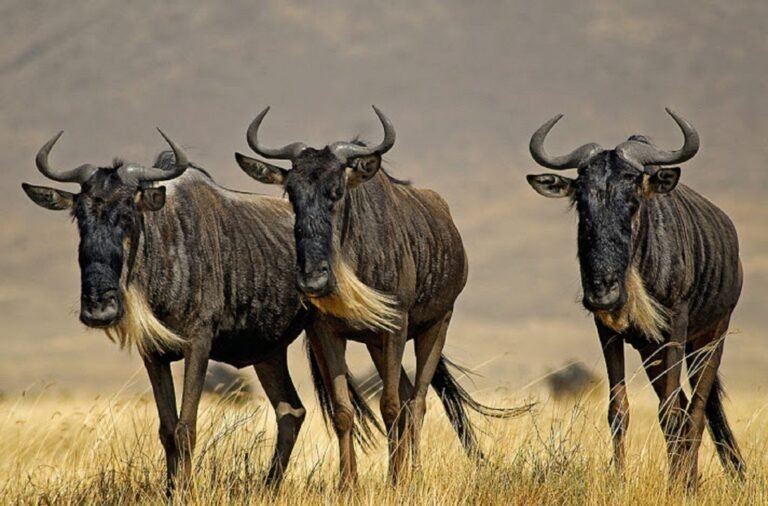
- Key Wildlife: Over 1.5 million wildebeest, 200,000 zebras, and 400,000 gazelles, plus large populations of lions, leopards, cheetahs, elephants, giraffes, buffalo, and hippos.
- The Great Migration: This is a year-round phenomenon, with the herds constantly moving in a circular pattern in search of fresh grazing. The timing of your visit in 2026 or 2027 will determine where the herds are located. Key events include calving season (Jan-Mar in the southern Serengeti), river crossings (May-July in the western/central Serengeti), and moving northwards (Aug-Oct).
- Activities:
- Game Drives: The primary activity. Open-top 4×4 vehicles are used to explore the plains and witness incredible predator-prey interactions.
- Hot Air Balloon Safaris: A spectacular way to see the Serengeti from above at sunrise, often followed by a champagne breakfast in the bush. This is a memorable splurge, suitable for older children (usually 6+ or 8+).
- Walking Safaris: Available in specific areas, offering a different perspective.
- Family Suitability: The Serengeti is fantastic for families. The sheer abundance of wildlife is interesting. Game drives are generally suitable for children of all ages, though long hours in the vehicle might test younger ones. Balloon safaris are a highlight for many families.
- Accommodation: Options range from permanent luxury lodges and tented camps to mobile camps that move with the migration. Family suites are common.
Ngorongoro Crater: The Eighth Wonder
A UNESCO World Heritage site, the Ngorongoro Crater is a perfectly preserved volcanic caldera, home to an exceptionally high density of wildlife within its 260 square kilometer floor. It’s often called Africa’s Eden.
- Key Wildlife: It’s one of the best places to see the Big Five (lion, leopard, elephant, rhino, buffalo) in a single day, including the rare black rhino. Hippos, wildebeest, zebras, flamingos, and numerous other species also inhabit the crater floor.
- Activities:
- Crater Floor Game Drives: This is the main activity. Descending into the crater offers incredible game viewing in a relatively compact area.
- Family Suitability: The Ngorongoro Crater is a highlight for families. The concentration of animals makes it exciting for children, and the relatively short time required for a game drive (half to full day) is manageable.
- Accommodation: Lodges are perched on the crater rim, offering spectacular views, or you can stay in nearby Karatu town or the conservancy. Family rooms are available.
Other Northern Circuit Parks (Optional Additions)
- Tarangire National Park: Known for its large elephant herds and baobab trees, especially good during the dry season.
- Lake Manyara National Park: Famous for its tree-climbing lions, large flamingo populations, and diverse birdlife.
Connecting Tanzania to Zanzibar
This is a relatively straightforward connection. You can fly from Kilimanjaro International Airport (JRO) or Arusha Airport (ARK) to Abeid Amani Karume International Airport (ZNZ) in Zanzibar. The flight duration is typically around 1 to 1.5 hours. Some safari camps in the Serengeti also have airstrips, and charter flights might be available directly to Zanzibar, though these are considerably more expensive.
Zanzibar: Spice Island Paradise
After the excitement of safaris, Zanzibar offers a perfect, tranquil contrast with its white sandy beaches, turquoise waters, and rich history.
Key Attractions
- Beaches:
- Nungwi and Kendwa (North): Known for beautiful beaches, calm swimming waters, stunning sunsets, and a more lively atmosphere.
- Paje and Jambiani (East Coast): Famous for kite surfing, tidal beaches (long stretches of sand at low tide), and a more laid-back vibe.
- Matemwe (Northeast): Quieter, offering access to Mnemba Atoll for diving and snorkeling.
- Stone Town: A UNESCO World Heritage site, this historic heart of Zanzibar City is a maze of narrow streets, bustling markets, intricately carved wooden doors, and Arabic, Persian, Indian, and European influences. It offers a fascinating cultural experience.
- Spice Tours: Zanzibar was historically a major spice producer. Tours allow you to see, smell, and taste exotic spices like cloves, cinnamon, vanilla, and nutmeg, often including a local lunch.
- Prison Island: A short boat trip from Stone Town, famous for its giant Aldabra tortoises and old prison ruins.
- Diving and Snorkeling: The waters around Zanzibar, especially Mnemba Atoll, are pristine and offer excellent opportunities for underwater exploration.
Family Suitability
Zanzibar is very family-friendly. The calm, warm waters on many beaches are ideal for children to swim and play. Beach resorts offer amenities like kids’ clubs, swimming pools, and water sports suitable for various ages. Stone Town can be fascinating for older children interested in history and culture, though younger ones might find it overwhelming.
Accommodation
Options range from luxurious beachfront resorts and boutique hotels to charming guesthouses in Stone Town. Many resorts offer family rooms, villas, or interconnecting rooms, along with dedicated children’s activities and dining options.
Ideal Itinerary Duration and Timing for 2026-2027
A trip combining Botswana, Tanzania, and Zanzibar is a substantial undertaking, requiring at least 14-21 days to do it justice without feeling rushed. For families, allowing a bit more time is often beneficial.
Suggested Itinerary Lengths:
- 14 Days: A fast-paced introduction. This might involve 3-4 days in Botswana, 4-5 days in Tanzania, and 3-4 days in Zanzibar, plus travel days. It’s achievable but tight.
- 16-18 Days: A more comfortable pace. This allows for 4-5 days in Botswana, 5-6 days in Tanzania, and 4-5 days in Zanzibar, with better buffer time for travel.
- 21 Days: Ideal for families. This allows for deeper immersion in each location: 5-7 days in Botswana, 7-8 days in Tanzania, and 5-7 days in Zanzibar, with ample time for relaxation and unexpected wildlife sightings.
Best Time to Travel (2026-2027):
The optimal time depends on your priorities, especially regarding the Great Migration in Tanzania and water levels in Botswana.
- Dry Season (June to October): This is generally the peak season for both Botswana and Tanzania. Game viewing is excellent as animals congregate around water sources. Botswana’s delta is at its fullest, making mokoro trips ideal. Tanzania sees dramatic river crossings if timed right. Zanzibar is pleasant with less humidity and rainfall. This is a prime time for 2026-2027 bookings.
- Shoulder Seasons (May, November): Offer a good balance with fewer crowds and potentially lower prices than the peak dry season. May sees the herds moving into western Serengeti, and November often marks the start of the rains, bringing fresh greenery and migratory birds. Zanzibar can experience short rains in November.
- Green Season (December to April): This is the low season for safaris, with lush landscapes and excellent birdwatching. Calving season in Tanzania (Jan-Mar) is spectacular, with high predator activity. Botswana can be more challenging for game viewing due to thicker vegetation and dispersed animals, though the Okavango is always spectacular. Zanzibar experiences its longest rains from March to May, but showers are often short-lived, and prices are lower.
For families prioritizing the Great Migration river crossings, aim for July-September. For calving season and lush landscapes, January-March is best. For a balance of good weather and wildlife, June-October is usually the safest bet for 2026-2027.
Family-Specific Considerations for Botswana, Tanzania, and Zanzibar
Traveling with children adds another layer of planning. Ensuring everyone’s comfort, safety, and engagement is paramount.
Age Appropriateness
- Botswana: Mokoro and boat trips are generally suitable for younger children. Walking safaris often have age restrictions (12+ or 16+). Some camps are specifically designed for families and may have children’s programs.
- Tanzania: Game drives are suitable for most ages. Hot air ballooning has minimum age requirements (often 6+ or 8+). Walking safaris are also restricted.
- Zanzibar: Most beach resorts are excellent for all ages. Water sports can be adapted for different ages, and Stone Town is more suited for older, curious children.
Accommodation Choices
Look for:
- Family Suites or Interconnecting Rooms: Essential for privacy and space.
- Kid-Friendly Amenities: Swimming pools, play areas, kids’ menus, and sometimes dedicated children’s activity coordinators.
- Safety: Camps and lodges should have safety measures in place, especially regarding wildlife proximity and children’s supervision. Elevated walkways, secure boundaries, and trained staff are important.
Health and Safety
- Vaccinations and Malaria: Consult your doctor well in advance regarding recommended vaccinations and malaria prophylaxis. Both Botswana and Tanzania are malaria-endemic areas. Zanzibar is also a malaria risk. Use insect repellent diligently.
- Travel Insurance: Comprehensive travel insurance is non-negotiable for a trip of this nature, covering medical emergencies, evacuation, trip cancellation, and lost luggage.
- Sun Protection: High SPF sunscreen, hats, and sunglasses are essential for both safari and beach portions.
Packing Essentials
Pack light, neutral-coloured clothing for safaris (avoid bright colours and dark colours like blue or black, which can attract insects). Include layers for cooler mornings and evenings. Comfortable walking shoes, swimwear, casual beachwear, a good camera, binoculars, and any personal medications are crucial. A small backpack for day trips is also useful.
Logistics and Travel Between Destinations
The inter-country travel is the most complex part of this itinerary. Understanding the flow helps in planning.
Botswana to Tanzania Flights
This is the most significant travel leg. Expect to fly from an airstrip in Botswana (e.g., Maun or Kasane) to a major international airport like Johannesburg (JNB) or Nairobi (NBO). From there, you’ll catch a flight to Kilimanjaro International Airport (JRO) or Arusha Airport (ARK). This can take a full day, sometimes requiring an overnight stop in Johannesburg or Nairobi, depending on flight connections. It’s often best to book these flights as a single ticket through a reputable tour operator to ensure smooth connections and baggage handling.
Tanzania to Zanzibar Flights
This is a much shorter and more straightforward flight. Daily flights operate between JRO/ARK and Zanzibar (ZNZ). These flights are readily available and easy to book. Some safari camps in the Serengeti may offer charter flights to Zanzibar, which can save time but are significantly more expensive.
Internal Travel within Destinations
- Botswana: Light aircraft flights are the primary mode of transport between camps within the Okavango Delta and to/from major hubs like Maun or Kasane. This is part of the safari experience, offering incredible aerial views.
- Tanzania: Similar to Botswana, light aircraft flights connect major safari areas (Serengeti, Manyara, Tarangire) to Arusha or Kilimanjaro. Game drives are used within the parks.
- Zanzibar: Transfers from the airport to hotels are typically by private vehicle. Taxis or hotel shuttles are common. For exploring the island, private transfers or organized tours are usual.
Budget Considerations for 2026-2027
A Botswana, Tanzania, and Zanzibar family safari is a high-end, bucket-list trip. The cost reflects the exclusive nature of Botswana, the iconic parks of Tanzania, and the international travel involved.
Key Cost Drivers:
- Botswana Accommodation: Botswana is known for its premium, low-volume tourism, making it the most expensive component. Camps often operate on an all-inclusive basis (meals, drinks, safari activities).
- International Flights: Flights between your home country and Africa, and crucially, between Botswana and Tanzania, are significant expenses.
- Park Fees: Fees for national parks and conservation areas in Botswana and Tanzania are substantial and are usually factored into tour packages.
- Internal Flights: Light aircraft flights within Botswana and Tanzania add up.
- Tanzania Safari Camps/Lodges: While generally less expensive than Botswana, quality lodges in prime locations for migration viewing can still be costly.
- Zanzibar Accommodation: Prices vary widely based on the resort’s luxury level and location.
- Duration: Longer trips naturally increase the overall cost.
Estimated Budget Ranges (per person, excluding international flights to/from Africa):
These are rough estimates for 2026-2027 and can vary significantly based on the level of luxury, specific camps chosen, and time of year.
- Mid-Range: $8,000 – $12,000+ per person for a 14-18 day trip. This would involve comfortable, well-regarded lodges and camps, but not the most exclusive.
- Luxury: $12,000 – $20,000+ per person for a 14-18 day trip. This includes top-tier lodges and camps in Botswana and Tanzania, prime locations, and potentially private guides or unique experiences.
- Ultra-Luxury/Exclusive: $20,000 – $35,000+ per person for a 14-18 day trip. This level often involves private concessions, exclusive-use vehicles, and the finest accommodations.
Note: A 21-day trip would naturally be more expensive, potentially adding 30-50% to these figures. Family discounts are sometimes available, but often children still incur significant costs for park fees and accommodation.
Booking for 2026-2027
Given the popularity and complexity, booking at least 9-12 months in advance is highly recommended for 2026 and 2027 travel, especially if you have specific dates or family room requirements. Peak season (June-October) books up the fastest.
Crafting Your Perfect Family Itinerary with Climb 4 Africa
Designing a Botswana, Tanzania, and Zanzibar family safari requires expertise to balance the unique offerings of each destination, manage complex logistics, and tailor activities to your family’s needs and interests. Climb 4 Africa specializes in creating these bespoke African adventures.
We understand the nuances of combining Southern and East African safaris with island getaways. Our team can help you:
- Sequence Destinations Logically: Recommending the best order for your trip based on flight availability, seasonal wildlife patterns, and your family’s preferences.
- Select Family-Friendly Accommodation: Identifying lodges and camps that offer suitable rooms, activities, and amenities for children of all ages.
- Optimize Timing for Wildlife: Advising on the best months for 2026-2027 travel to witness specific events like the Great Migration or optimal water levels in Botswana.
- Manage Complex Flights: Arranging smooth inter-country flights and internal transfers, which can be a significant challenge when planning independently.
- Tailor Activities: Suggesting activities that will engage everyone in the family, from mokoro trips and game drives to beach fun and cultural explorations.
- Budget Planning: Providing clear cost breakdowns and helping you make informed decisions to fit your budget without compromising on experience.
A Botswana Tanzania family safari with Zanzibar beach holiday is an ambitious but incredibly rewarding journey. By working with experienced local operators, you can ensure a smooth, unforgettable experience. We can assist you in crafting an itinerary that perfectly captures the magic of these diverse African destinations for your 2026 or 2027 family adventure.
To start planning your personalized Botswana Tanzania family safari with Zanzibar beach holiday for 2026-2027, please reach out to our team. We can discuss your family’s specific interests, desired pace, and budget to design an itinerary that exceeds your expectations. Contact us via WhatsApp at +255 747 477 898 or email us at climb4africa@gmail.com to begin creating your dream African adventure.
Check Availability for Botswana Tanzania Family Safari With Zanzibar Beach Holiday 2026-2027
Ready to compare dates, prices, and the best option for your group? Send the package name and travel month so the team can reply with a clear quote, availability, and what is included.
Nov 23, – 3 Day Serengeti And Ngorongoro Safari From Zanzibar
Nov 23, 2026 – 3 Day Serengeti and Ngorongoro Safari from Zanzibar.
View package details_1_John_from-rednote-web-768x1024.jpg)
Dec 13, – 2 Day Nyerere Fly-In Group Safari From Zanzibar 2026
A detailed guide to the December 13, 2026 group fly-in safari from Zanzibar to Nyerere National Park, covering the itinerary, logistics, and planning for your trip.
View package details
Dec 5, – 1 Day Mikumi Fly-In Group Safari From Zanzibar 2026
A practical guide to the December 5, 2026, group fly-in safari to Mikumi National Park. Learn about the itinerary, group logistics, and how to book your seat.
View package details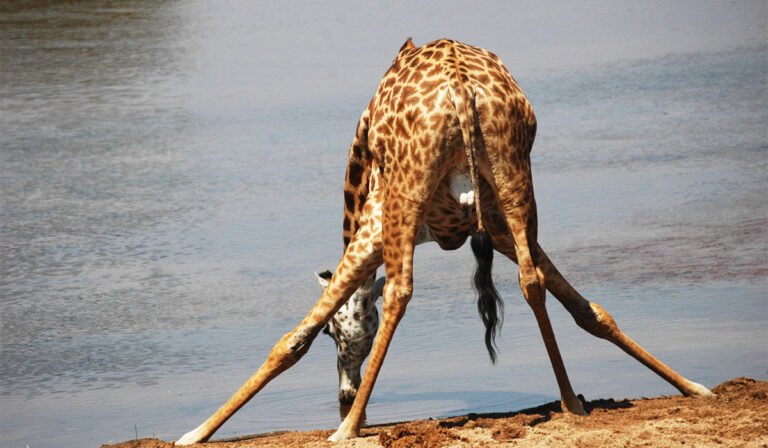
Nov 15, – 2 Day Mikumi Fly-In Group Safari From Zanzibar 2026
A practical guide and booking overview for the November 15, 2026, group fly-in safari to Mikumi National Park, departing from Zanzibar.
View package details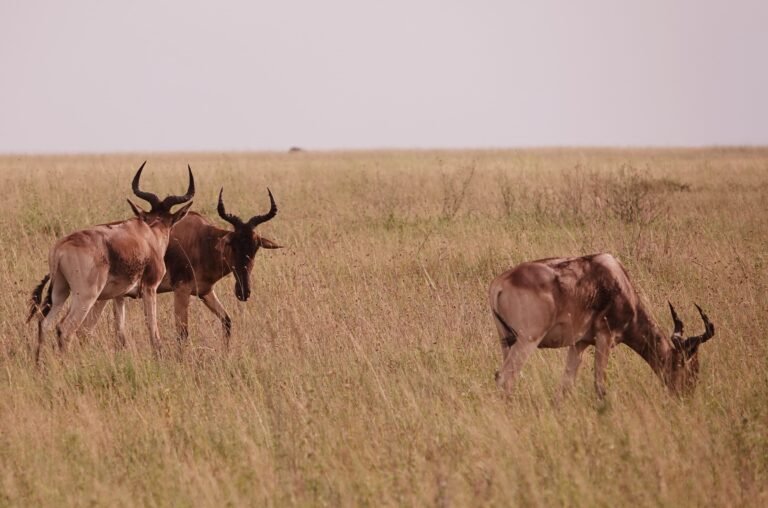
Oct 25, – 1 Day Nyerere Fly-In Group Safari From Zanzibar 2026
Secure your spot for the October 25, 2026, group fly-in safari to Nyerere National Park. A professional, time-efficient wildlife experience from Zanzibar.
View package details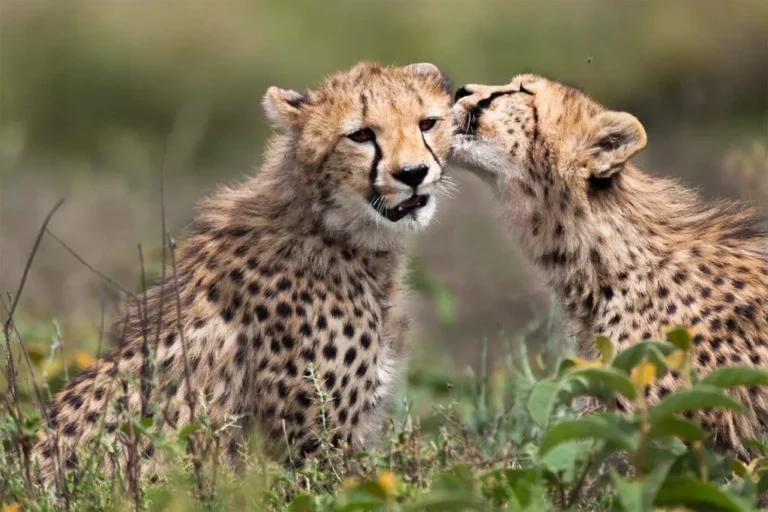
Nov 28, – 3 Day Fly-In Serengeti Group Safari From Zanzibar 2026
A detailed look at the 3-day fly-in Serengeti group safari departing November 28, 2026, including logistics, itinerary highlights, and travel tips for your Tanzania adventure.
View package details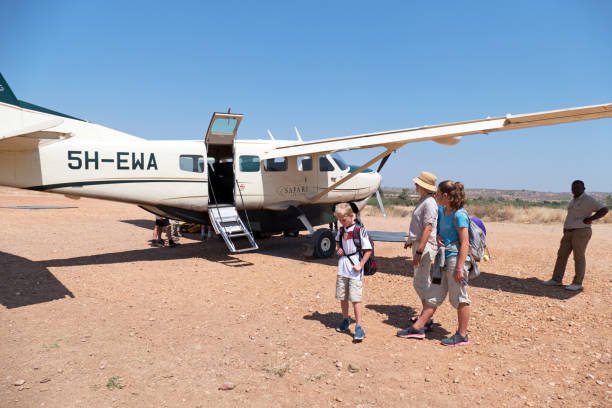
2-Day Serengeti Safari From Zanzibar By Flight: Price & Booking Guide
A practical guide to booking a 2-day Serengeti safari from Zanzibar by flight, covering itinerary logistics, cost considerations, and how to maximize your short time in the bush.
View package details
Luxury Fly-In Safari From Zanzibar: Private Packages For 2026-2027
Experience the ultimate Tanzanian getaway with a luxury fly-in safari from Zanzibar. Discover private, all-inclusive packages tailored for smooth wildlife encounters.
View package detailsBudget Fly-In Safari From Zanzibar: Best Packages & Prices 2026-2027
Discover how to plan a budget-friendly fly-in safari from Zanzibar to Tanzania's top parks without sacrificing the quality of your wildlife experience.
View package detailsZanzibar To Ruaha National Park Fly-In Safari: Prices & Booking Guide
A practical guide to planning a fly-in safari from Zanzibar to Ruaha National Park, covering flight logistics, itinerary choices, and how to book with Climb 4 Africa.
View package details2-Day Nyerere Safari From Zanzibar: Flight-Inclusive Package Prices 2026-2027
An expert guide to planning a 2-day Nyerere safari from Zanzibar, covering flight-inclusive package structures, cost drivers, and the practical rhythm of a short-stay wildlife adventure.
View package details1-Day Nyerere National Park Safari From Zanzibar By Flight: 2026-2027
Planning a one-day fly-in safari to Nyerere from Zanzibar? Understand the logistics, travel times, and wildlife expectations for a 2026 or 2027 trip.
View package detailsNo related package matches those filters. Clear one or more filters to see the other topic-matched options.