Airport and transfer accommodation for Tanzania, particularly for Kilimanjaro climbs and safaris, primarily revolves around options near Kilimanjaro International Airport (JRO) in Arusha or Moshi, and involves pre-arranged transfers to your starting point or onward journey. Travelers often book a night or two in lodges or hotels in Arusha or Moshi either immediately upon arrival or the night before their trek/safari begins, with reliable transfer services being crucial for timely and safe transit. For 2026-2027 travel, understanding these logistics ensures a stress-free start to your adventure.
This comprehensive guide unpacks everything you need to know about airport and transfer accommodation when planning your 2026-2027 journey to Tanzania, whether you’re aiming for Kilimanjaro’s summit, embarking on a wildlife safari, or relaxing on Zanzibar’s beaches. We’ll cover the practicalities of arrival, the types of accommodation available, and how to secure smooth transfers to set the stage for an unforgettable experience.
Key Arrival Airports and Logistics
When planning your adventure in Tanzania, especially if Kilimanjaro or Northern Circuit safaris are on your itinerary, the primary gateway is Kilimanjaro International Airport (JRO). Located roughly midway between Arusha and Moshi, JRO is your most convenient entry point. Understanding its location and the typical logistics upon arrival is the first step in arranging your airport / transfer accommodation.
JRO serves as the main hub for international flights into northern Tanzania. From JRO, you’ll need to arrange onward travel to your accommodation, which is typically in either Arusha or Moshi. These towns are about a 45-minute to 1-hour drive from the airport, depending on traffic and road conditions. For many travelers, the immediate priority after a long flight is to reach a comfortable place to rest and acclimatize before their main adventure begins.
While JRO is the most common, other international airports exist, such as Julius Nyerere International Airport (DAR) in Dar es Salaam, which is the largest city and main international gateway for southern Tanzania, and Abeid Amani Karume International Airport (ZNZ) in Zanzibar. If your itinerary starts in these regions, your airport / transfer accommodation planning will focus on those specific locations.
The key logistical consideration is that JRO itself does not have significant accommodation facilities directly attached. Therefore, arranging your first night’s stay in Arusha or Moshi, along with a reliable transfer from JRO, is standard practice. This ensures you bypass the need for last-minute arrangements after a potentially tiring flight and begin your trip smoothly. For planning your 2026-2027 travels, it’s wise to book these arrangements in advance, especially during peak seasons.
Understanding Airport / Transfer Accommodation
The term “airport / transfer accommodation” might sound a bit formal, but it simply refers to the lodging you arrange either at or very near your arrival airport, or accommodation that is part of a pre-booked transfer package designed to get you from the airport to your final destination with ease. In the context of Tanzania travel, especially for Kilimanjaro and safaris, this typically means booking your first night’s stay in a town like Arusha or Moshi, and ensuring a transfer service is ready to pick you up from JRO and take you there.
Why is this important? After an international flight, you’re likely to be tired, possibly jet-lagged, and potentially dealing with unfamiliar surroundings. Having your first night’s accommodation sorted and knowing that a reliable driver will be waiting for you significantly reduces stress. It allows you to transition from travel mode to holiday mode without the hassle of finding a hotel, negotiating prices, or navigating local transport for the first time when you’re most vulnerable.
For trekkers heading to Kilimanjaro, this first night’s stay is often crucial. It provides an opportunity to get a good night’s sleep, perhaps attend a pre-trek briefing with your tour operator, and ensure all your gear is in order before the climb commences. Similarly, for safari-goers, arriving at your lodge or hotel allows you to relax, enjoy a proper meal, and prepare for an early start on your first safari day.
The “transfer” aspect means that the accommodation might be bundled with the airport pickup service. Many tour operators, including Climb 4 Africa, offer packages that include airport transfers and the first night’s accommodation. This integrated approach simplifies planning immensely. You arrive, meet your driver, and are taken directly to your comfortable room. For those planning trips in 2026 or 2027, looking for such comprehensive packages can streamline your booking process.
The trade-off here is often cost versus convenience. While you could theoretically find a hotel near JRO or attempt to find transport upon arrival, pre-booking your airport / transfer accommodation and transfer service offers a higher level of assurance, comfort, and efficiency. It’s an investment in a smooth start to your Tanzanian adventure, allowing you to focus on the incredible experiences that await.
Accommodation Options Near Kilimanjaro International Airport (JRO)
Kilimanjaro International Airport (JRO) is strategically located between Arusha and Moshi, Tanzania’s two main hubs for tourism. While there aren’t many hotels directly *at* the airport itself, the vicinity offers a range of options in both Arusha and Moshi, ensuring travelers have comfortable resting places after their flights. Understanding the nuances of each town will help you decide where to book your airport / transfer accommodation.
Arusha: The Gateway City
Arusha is a bustling city and the de facto capital of northern Tanzania. It’s a common choice for travelers due to its amenities, variety of hotels, and its role as a central point for many safari departures. If you’re starting a Northern Circuit safari or have other activities planned in or around Arusha, staying here immediately after landing makes logistical sense.
Types of Accommodation in Arusha:
- Budget Guesthouses & Hostels: Basic, clean, and affordable options, often family-run. Suitable for travelers on a tight budget or those seeking a local feel.
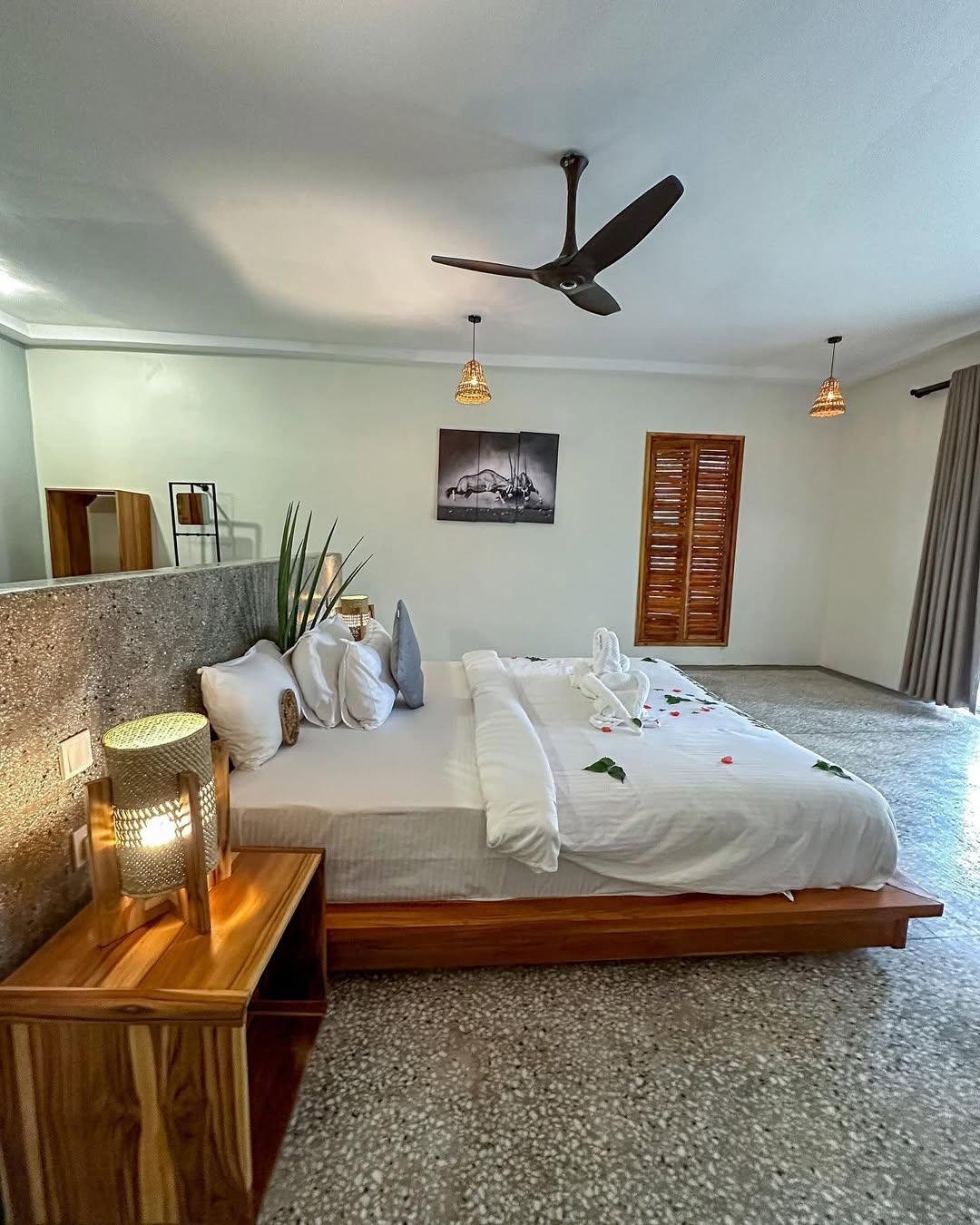
- Mid-Range Hotels & Lodges: These offer more comfort, private bathrooms, often air conditioning, swimming pools, and on-site restaurants. Many are well-equipped to handle international tourists.
- Luxury Lodges & Boutique Hotels: For those seeking higher comfort, these establishments provide upscale amenities, excellent service, fine dining, and beautiful grounds.
- Safari Lodges (City-based): Some larger safari lodges have outposts in Arusha, offering a taste of safari ambiance within the city.
Staying in Arusha means you’re close to tour operator offices, currency exchange, and local markets. It’s a good place to acclimatize and make any last-minute preparations. For 2026-2027 trips, booking your Arusha accommodation in advance is recommended, especially if you plan to travel during the dry seasons (June-October and December-February).
Moshi: The Base for Kilimanjaro
Moshi is a smaller, more laid-back town situated at the foothills of Mount Kilimanjaro. It’s the preferred base for most Kilimanjaro climbers, offering a direct connection to the mountain’s spirit and a slightly more relaxed atmosphere than Arusha. If your primary goal is to climb Kilimanjaro, staying in Moshi for your first night is often the most logical choice.
Types of Accommodation in Moshi:
- Budget Guesthouses: Similar to Arusha, Moshi has numerous guesthouses offering essential services at affordable prices.
- Mid-Range Hotels & Lodges: These provide comfortable rooms, often with views of Kilimanjaro, and amenities catering to trekkers and tourists.
- Tented Camps & Eco-Lodges: Some unique options offer a more rustic or environmentally conscious experience, often located just outside the town center.
- Climber-Focused Lodges: Many lodges in Moshi specifically cater to Kilimanjaro climbers, offering gear storage, pre-climb briefings, and post-climb relaxation facilities.
Moshi offers a charming atmosphere, with local markets and a strong community feel. It’s ideal for climbers who want to be close to the mountain and experience themselves in the local culture before their trek. For 2026-2027 Kilimanjaro expeditions, booking your Moshi accommodation early is particularly important, as many climbers prefer to stay here.
Lodge and Hotel Types
Regardless of whether you choose Arusha or Moshi, you’ll encounter a spectrum of lodging styles. Understanding these helps you match your choice to your travel style and budget for your airport / transfer accommodation.
- Standard Hotels: Offer private rooms with en-suite bathrooms, typically featuring beds, a desk, and possibly a TV. Amenities vary greatly.
- Boutique Hotels: Smaller, often more stylish hotels with personalized service and unique decor.
- Safari Lodges: These can range from city-based lodges with African-themed decor and amenities like pools, to more remote properties that offer an initial taste of the safari experience.
- Guesthouses/B&Bs: Often family-run, providing a more intimate and local experience. They usually include breakfast and can be a great way to interact with local hosts.
- Budget Hostels: Primarily for backpackers, offering dormitory-style rooms or basic private rooms.
When selecting your airport / transfer accommodation, consider what you need immediately after a long flight: a quiet place to rest, a good meal, perhaps Wi-Fi, or specific facilities like a gear check. For 2026-2027 travel, researching specific hotels based on reviews and their proximity to your tour operator’s meeting point is a good strategy.
Choosing Your Base: Arusha vs. Moshi
The decision between Arusha and Moshi for your first night’s airport / transfer accommodation hinges on your primary itinerary:
- Choose Arusha if: Your main focus is a Northern Circuit safari that starts from Arusha, you have business in the city, or you prefer a larger town with more amenities and dining options. It’s also a hub for many tour operators.
- Choose Moshi if: Your primary goal is climbing Kilimanjaro. Staying in Moshi puts you closer to the mountain, offers a calmer environment, and is where most Kilimanjaro-specific briefings and gear checks occur.
Many tour operators, including Climb 4 Africa, can arrange your accommodation in either Arusha or Moshi as part of your overall trip package. This integrated service simplifies your arrival and ensures you’re in the right place for your onward adventure, whether that’s a safari starting in 2026 or a Kilimanjaro climb in 2027.
Transfer Services Explained
A crucial element of airport / transfer accommodation is the transfer service itself. This is the transportation that will bring you from Kilimanjaro International Airport (JRO) to your chosen accommodation in Arusha or Moshi. Reliable airport transfers are non-negotiable for a smooth arrival in Tanzania.
Types of Transfers
The most common and recommended type of transfer from JRO is a private vehicle with a dedicated driver. This offers the most convenience and flexibility.
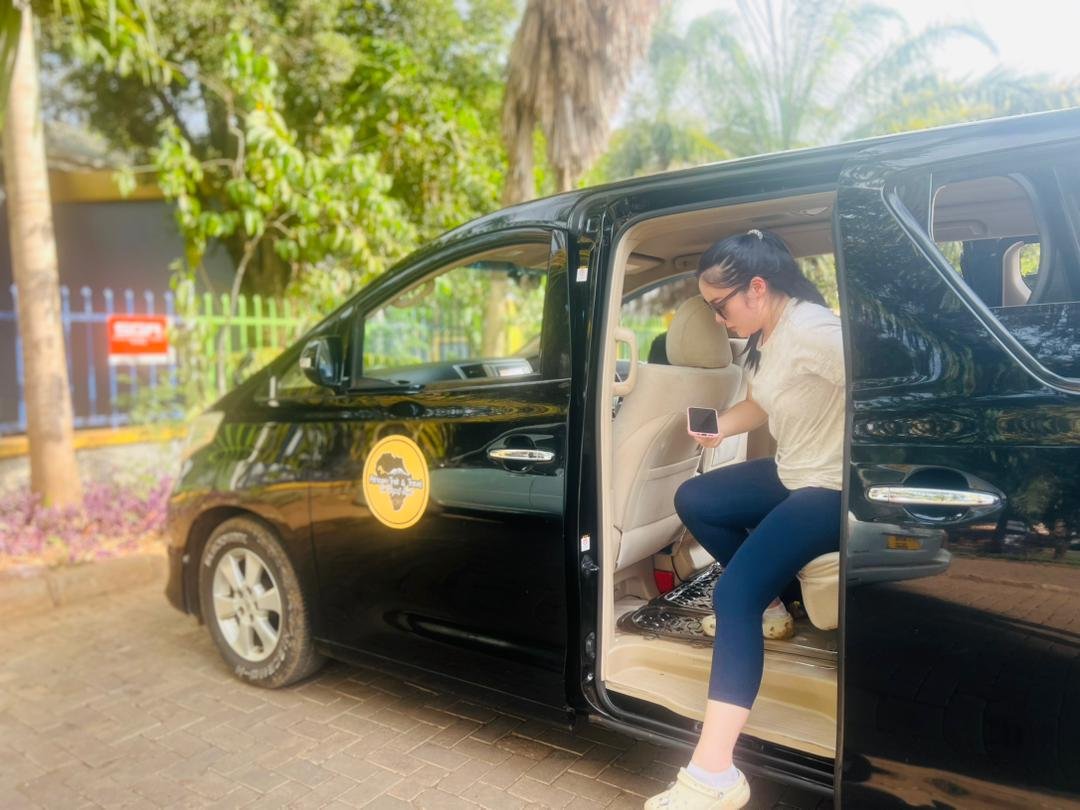
- Private Airport Transfers: You will be met at the arrivals hall by a driver holding a sign with your name. They will assist with your luggage and drive you directly to your hotel. This is the standard service offered by most reputable tour operators. It’s efficient, comfortable, and ensures you don’t have to negotiate prices or find your way through unfamiliar roads.
- Shared Shuttle Services: Less common for JRO, but might be available for specific routes or hotels. These involve picking up multiple passengers, which can lead to longer travel times. For arrival after a long flight, a private transfer is usually worth the small additional cost.
- Taxi Services: Taxis are available at JRO, but it’s generally advisable to pre-book your transfer through your tour operator. This helps ensure you get a reputable driver, a well-maintained vehicle, and a fair price. Negotiating fares with airport taxis can be challenging for first-time visitors.
For your 2026-2027 travels, prioritizing a private transfer is the best way to ensure comfort and punctuality. It’s a fundamental part of your airport / transfer accommodation planning.
Booking Your Transfer
The most straightforward way to book your airport transfer is through your tour operator. When you book your Kilimanjaro climb, safari, or Zanzibar holiday with a company like Climb 4 Africa, they will typically ask for your flight details (arrival airport, flight number, and estimated arrival time). Based on this, they will arrange a driver to meet you.
Key information to provide your tour operator for booking your transfer:
- Full name (as it appears on your passport)
- Flight number and airline
- Estimated time of arrival (ETA)
- Departure airport
This information allows the operator to track your flight and adjust pickup times if there are delays. It’s a critical step in securing your airport / transfer accommodation and onward journey.
Transfer Considerations for 2026-2027
As you plan for 2026-2027, keep these points in mind regarding transfers:
- Vehicle Type: Reputable operators will use comfortable, air-conditioned vehicles suitable for the road conditions. For longer journeys or larger groups, minibuses or safari vehicles might be used.
- Driver Qualifications: Drivers should be experienced, licensed, and knowledgeable about the local area. Many are also excellent guides who can offer insights into Tanzanian life.
- Communication: Ensure you know how to contact your tour operator or driver if there are any issues at the airport (e.g., if you can’t find them). This is usually provided in your pre-departure information.
- Luggage: Inform your operator if you have excessive luggage (e.g., trekking gear for Kilimanjaro) so they can assign an appropriate vehicle.
Booking your transfer as part of your overall package is the most secure way to manage this aspect of your airport / transfer accommodation plan.
Planning Your Arrival Day
The day you land in Tanzania is pivotal. Effective planning for your arrival day, encompassing your airport / transfer accommodation and immediate onward journey, sets the tone for your entire trip. Here’s a breakdown of what to expect and how to prepare:
1. Arrival at JRO:
- Upon disembarking, follow signs for immigration and then baggage claim.
- At baggage claim, you’ll collect your luggage. Be aware that there might be porters offering assistance; their services are usually paid.
- Proceed to customs.
- After clearing customs, you’ll enter the arrivals hall. This is where you’ll meet your driver. Look for a sign with your name or your tour operator’s name. If you’ve booked with Climb 4 Africa, your driver will be there to greet you.
2. Meeting Your Transfer Driver:
- Tip: Have your tour operator’s contact number handy in case you have trouble locating your driver.
- Your driver will assist with your luggage and guide you to the vehicle.
- Enjoy the drive to your accommodation in Arusha or Moshi. This is often your first real glimpse of Tanzania outside the airport.
3. Checking into Your Accommodation:
- Upon arrival at your hotel or lodge, your driver will help you with your luggage to the reception.
- Check-in procedures are generally straightforward. You may need to present your passport.
- Settle into your room. Take some time to rest, refresh, and perhaps have a meal at the hotel restaurant.
4. Pre-Trek/Safari Briefings:
- If you are climbing Kilimanjaro or embarking on a safari the next day, your tour operator will likely schedule a briefing. This is usually held at your hotel in the late afternoon or evening.
- During the briefing, you’ll meet your guide(s), discuss the itinerary, go over safety procedures, and have any final gear checks. For Kilimanjaro climbs, this is a crucial step to ensure you’re fully prepared.
5. First Night’s Meal:
- Enjoy dinner at your hotel or a local restaurant if you’re up for it. It’s a good opportunity to try some Tanzanian cuisine.
- Hydrate well, especially if you’re planning to climb Kilimanjaro soon.
For 2026-2027 Travelers:
- Jet Lag Management: Try to adjust to local time as quickly as possible. Avoid long naps during the day if you want to sleep well at night.
- Currency Exchange: You can exchange some currency at the airport, but rates might be better in Arusha or Moshi. ATMs are also available in these towns.
- SIM Cards: If you wish to have local mobile connectivity, consider purchasing a local SIM card in Arusha or Moshi.
A well-planned arrival day, including your airport / transfer accommodation and transfer, minimizes stress and maximizes your enjoyment from the moment you land.
Accommodation for Other Entry Points
While JRO is the primary gateway for Kilimanjaro and northern safaris, other international airports serve different regions of Tanzania. Your airport / transfer accommodation needs will shift depending on your entry point.
Zanzibar Arrival
Abeid Amani Karume International Airport (ZNZ) is the main airport for the Zanzibar archipelago. If your trip begins with a beach holiday or cultural exploration on Zanzibar, your airport / transfer accommodation planning will focus here.
Arrival Logistics: ZNZ is located on Unguja, the main island of Zanzibar. Stone Town, the historic heart of Zanzibar City, is a short drive (about 15-30 minutes) from the airport. Many resorts are located further afield along the coast, and transfer times can vary from 30 minutes to over an hour.
Accommodation Options:
- Stone Town Hotels: For those wanting to explore the historical sites, staying in Stone Town for your first night is ideal. Options range from charming boutique hotels within ancient buildings to more modern guesthouses.
- Airport Hotels: A few hotels are located closer to the airport, offering convenience if you’re just transiting or have a very early flight the next day.
- Beach Resort Transfers: If your booking is directly with a beach resort, they will typically arrange your transfer from ZNZ. This transfer is often part of the resort package and ensures you reach your destination without hassle.
For 2026-2027 Zanzibar holidays, booking your airport transfer and initial accommodation in Stone Town or directly with your resort is highly recommended. This ensures a smooth transition to the island’s unique atmosphere.
Dar es Salaam Arrival
Julius Nyerere International Airport (DAR) is the largest and busiest airport in Tanzania, serving as the main gateway for southern Tanzania, including safaris in parks like Selous Game Reserve (Nyerere National Park) and Ruaha National Park, as well as the capital city, Dar es Salaam.
Arrival Logistics: DAR is located about 12-15 km southwest of Dar es Salaam’s city center. Traffic in Dar es Salaam can be heavy, so transfer times to hotels can vary significantly (30 minutes to over an hour).
Accommodation Options:
- Airport Hotels: Several hotels are situated very close to DAR, offering convenience for transit passengers or those needing to be near the airport for an early departure.
- City Hotels: Dar es Salaam has a wide range of hotels, from business-oriented establishments to luxury properties. Staying in the city center or along the coast provides better access to restaurants and amenities.
- Safari/Southern Circuit Transfers: If your trip involves flying to southern safari destinations, you might stay near DAR for one night before taking a domestic flight. Tour operators will arrange your transfer to a hotel and then to the domestic airport terminal or a charter airstrip.
Planning airport / transfer accommodation for DAR requires considering your onward travel. If you’re flying domestically, a hotel near the airport or with easy access to the domestic terminal is practical. For 2026-2027 trips, confirming transfer arrangements and accommodation well in advance is essential for Dar es Salaam arrivals.
Cost Factors for Airport Accommodation and Transfers
The cost of airport / transfer accommodation and associated transfers can vary significantly based on several factors. Understanding these will help you budget effectively for your 2026-2027 trip.
- Accommodation Type:
- Budget Guesthouses/Hostels: Typically range from $30 – $70 per night for a private room.
- Mid-Range Hotels/Lodges: Expect to pay between $80 – $200 per night.
- Luxury Hotels/Lodges: Prices can start from $200 and go up to $500+ per night.
- Transfer Type:
- Private Airport Transfers (JRO to Arusha/Moshi): Usually range from $40 – $80 per vehicle, one way. This cost is often per vehicle, not per person, making it economical for couples or small groups.
- Shared Transfers: Less common and pricing varies, but might be slightly cheaper per person than a private transfer if available.
- Taxis: Negotiated fares, potentially higher than pre-booked transfers, especially if you don’t know the standard rates.
- Location: Hotels in prime locations or with premium amenities (e.g., swimming pools, great views) will naturally cost more.
- Seasonality: While less impactful on airport accommodation than on safari lodges, prices might see slight increases during peak tourist seasons (June-October, December-February).
- Inclusions: Some hotel rates include breakfast, while others do not. Transfers are usually a separate charge unless bundled with a tour package.
Cost-Saving Tip: Booking your airport / transfer accommodation and transfer as part of your main tour package with a reputable operator like Climb 4 Africa can often provide better value and ensures smooth integration. For example, many Kilimanjaro climb packages include your pre-climb accommodation in Moshi and the airport transfer. For 2026-2027, confirming what is included in your chosen package is key to understanding the total cost.
Example Cost Logic (Illustrative for 2026-2027):
- A comfortable mid-range hotel in Arusha for one night: $120
- A private transfer from JRO to the Arusha hotel: $50
- Total for first night’s airport accommodation and transfer: $170
This is a simplified example. Always request a detailed quote from your tour operator that specifies all inclusions and exclusions.
Booking Your Airport Accommodation and Transfer with Climb 4 Africa
Securing your airport / transfer accommodation and transfer is a critical early step in planning your Tanzanian adventure. At Climb 4 Africa, we understand the importance of a smooth and stress-free arrival, setting the stage for the incredible experiences that await you.
How We Can Help:
- smooth Integration: We offer packages that include your first night’s accommodation in either Arusha or Moshi, depending on your itinerary. This means one less detail for you to manage.
- Reliable Airport Transfers: Upon receiving your flight details, we arrange a professional, experienced driver to meet you at Kilimanjaro International Airport (JRO) and transfer you directly to your hotel. Our drivers are known for their punctuality and friendly service.
- Personalized Advice: We can help you choose the best town (Arusha or Moshi) and the most suitable type of accommodation based on your trip plans, whether it’s a Kilimanjaro climb, a safari, or a combination.
- Pre-Trek Essentials: For Kilimanjaro climbers, staying at our recommended lodges in Moshi allows for easy access to pre-climb briefings and gear checks, ensuring you’re fully prepared for the ascent.
- Customized Itineraries: If you have specific requirements or a unique itinerary for 2026-2027, we can tailor your arrival arrangements to fit perfectly.
What to Provide When Booking:
To arrange your airport / transfer accommodation and transfer, please provide us with:
- Your full name (as on passport)
- International flight details (airline, flight number, estimated arrival time)
- Your preferred arrival town (Arusha or Moshi, if you have one)
- Any specific accommodation preferences or needs
Next Steps for Your 2026-2027 Adventure:
Contact us to discuss your travel plans. We can provide you with detailed quotes that include your airport transfer and first night’s accommodation, alongside your main tour package. This comprehensive approach ensures you have peace of mind from the moment you decide to travel.
Reach out to Climb 4 Africa:
- WhatsApp: +255 747 477 898
- Email: climb4africa@gmail.com
Let us handle the logistics of your arrival so you can focus on the excitement of your upcoming Tanzanian adventure.
Frequently Asked Questions About Airport Accommodation and Transfers
Is it mandatory to book accommodation for the first night upon arrival in Tanzania?
While not strictly mandatory, it is highly recommended, especially if you are arriving at Kilimanjaro International Airport (JRO) and heading to Arusha or Moshi. After a long international flight, having pre-arranged airport / transfer accommodation and a transfer service ensures a comfortable and safe transition, allowing you to rest and prepare for your onward journey without the stress of last-minute arrangements.
Can my tour operator arrange my accommodation and transfer from JRO?
Yes, absolutely. Reputable tour operators like Climb 4 Africa routinely arrange airport / transfer accommodation and airport transfers as part of their service. By providing your flight details, they can coordinate everything for a smooth arrival. This is the most convenient option for most travelers.
What if my flight is delayed or arrives late at night?
When you book your transfer and accommodation through a tour operator, they will typically ask for your flight details and monitor flight status. If your flight is delayed, they will adjust the pickup time accordingly. If you arrive late at night, your pre-booked accommodation will be ready, and your driver will be there to meet you. It’s always good to have the operator’s contact number handy.
Should I stay in Arusha or Moshi after arriving at JRO?
The choice depends on your primary itinerary. If you are embarking on a Kilimanjaro climb, Moshi is generally preferred as it’s closer to the mountain and the hub for trekkers. If your focus is a safari starting from Arusha or you prefer a larger city with more amenities, Arusha is the better choice. Both towns offer excellent airport / transfer accommodation options.
What is included in a typical airport transfer from JRO?
A typical private airport transfer from JRO includes a vehicle (usually an air-conditioned car or minibus), a professional driver, and assistance with your luggage. The service takes you directly from the airport arrivals hall to your hotel in Arusha or Moshi. The cost is usually per vehicle, not per person.
How far in advance should I book my airport accommodation and transfer for 2026-2027?
It’s advisable to book your airport / transfer accommodation and transfer at least 2-3 months in advance, especially if you are traveling during peak seasons (June-October and December-February) or if your main trip (like a Kilimanjaro climb or safari) is already booked. This ensures availability and allows for proper logistical planning by your tour operator.
Are there hotels directly at JRO airport?
No, there are very few accommodation options directly *at* Kilimanjaro International Airport (JRO). The airport is located between Arusha and Moshi, and travelers are expected to arrange onward transport and accommodation in one of these towns. This is why planning your airport / transfer accommodation in advance is so important.
Can I book my accommodation and transfer independently?
Yes, you can book independently. Taxis are available at JRO, and you can find hotels in Arusha and Moshi through various booking websites. However, for travelers new to Tanzania, using a tour operator like Climb 4 Africa for your airport / transfer accommodation and transfer offers a layer of security, reliability, and local expertise that is often invaluable.
Planning your airport / transfer accommodation and transfer is a fundamental part of preparing for your Tanzanian adventure. By understanding the options and working with experienced operators, you can ensure a smooth and comfortable start to your 2026-2027 travels, allowing you to focus on the incredible experiences that await you.
Check Availability for Airport / Transfer Accommodation: Your Essential Kilimanjaro & Tanzania
Ready to compare dates, prices, and the best option for your group? Send the package name and travel month so the team can reply with a clear quote, availability, and what is included.
How To Fly To Ngorongoro Crater: Nearest Airports & Transfer Prices 2026-2027
Planning a trip to the Ngorongoro Crater? Discover the reality of air access, why there is no airstrip inside the crater, and how to coordinate your ground transfers.
View package detailsLake Manyara Airstrip Vs Arusha Airport: Which Is Best For Ngorongoro In ?
Deciding between Lake Manyara Airstrip and Arusha Airport for your Ngorongoro Crater safari? We compare the transfer times, costs, and travel styles to help you choose the right gateway for...
View package details
Fly-In Safari To Ngorongoro And Serengeti: Flights & Transfer Costs 2026-2027
Discover the logistics and cost breakdown for a fly-in safari to Ngorongoro and the Serengeti, including airstrip transfers, baggage limits, and vehicle positioning.
View package details
Zanzibar To Ngorongoro Crater: Flight And Road Transfer Costs ( Guide)
A detailed guide on navigating the logistical chain between Zanzibar and the Ngorongoro Crater, covering flight options, airport choices, and the cost variables involved.
View package details_1_John_from-rednote-web-768x1024.jpg)
Serengeti Airstrip Transfer Prices: From Plane To Safari Lodge 2027
Serengeti Airstrip Transfer Prices: From Plane to Safari Lodge is explained with current 2027 planning, price, itinerary and booking information.
View package details
Serengeti To Zanzibar Flight Baggage Limits And Transfer Costs Guide () 2027
This deep-dive guide covers everything you need to know about baggage restrictions and transfer expenses when flying from the Serengeti region to Zanzibar, ensuring smooth travel planning.
View package details
Zanzibar To Serengeti Flight Price –: Planning Your Safari Transfer 2027
Navigate the complex flight and transfer options between Zanzibar and the Serengeti. This deep guide breaks down expected costs, seasonal variables, and optimal routing for 2026 and 2027...
View package details
Nov 2, – 1 Day Lake Manyara Group Joining Safari: Plan & Logistics 2026
A practical guide to the November 2, 2026, group-joining safari to Lake Manyara. Learn about the logistics, the benefits of shared transport, and how to book your spot with Climb 4 Africa.
View package details
Which Serengeti Airstrip Is Best For Your Safari? Costs & Locations 2026-2027
Selecting the correct airstrip in the Serengeti is the difference between a smooth arrival and a four-hour bumpy transfer. Learn how to choose based on your itinerary.
View package detailsFly From Arusha To Serengeti For A 2-Day Safari: Understanding Flight Costs
Discover how to budget and plan a fast-paced 2-day safari to the Serengeti, starting from Arusha. We break down flight costs, transfer options, and what to expect from a short, focused trip.
View package detailsSerengeti To Zanzibar Vs Arusha To Which Is Better After Safari? 2027
Choosing the right transfer to Zanzibar after a safari—Serengeti to Zanzibar or Arusha to Zanzibar—depends entirely on your safari route, time constraints, and budget. This guide breaks...
View package detailsNo related package matches those filters. Clear one or more filters to see the other topic-matched options.