
The 7 Days Rongai Kilimanjaro Climbing Tour – 4–10 December 2026 is a bookable ascent that follows the Rongai route with a staged 7-day itinerary, emphasizing gradual altitude gain and acclimatisation. Precise departures, available spaces, and inclusions should be confirmed with Climb 4 Africa to ensure current availability and pricing for December 2026.
Day-by-day outline: 7 Days Rongai Kilimanjaro Climbing Tour – 4–10 December 2026
In this first installment, we present a practical, day-by-day flow for a Rongai Route ascent that prioritises acclimatisation and steady progress. The Rongai path approaches Kilimanjaro from the northeast, adjacent to the Tanzanian–Kenyan border, offering a quieter ascent with strong acclimatisation potential and fewer crowds than some southern routes. This plan is bookable and contingent on confirmed spaces and dates with Climb 4 Africa.
Day 1 — arrival in Moshi or Arusha and transfer to Rongai gate
The journey begins with your arrival in Tanzania, followed by a transfer to the Rongai Gate (Nale Moru/Rongai Gate area). This initial day sets the frame for the week: a relatively gentle pace, gear check, and final preparations before leaving the park boundary. You’ll complete administrative steps for park entry, meet the crew, and begin the acclimatisation narrative that will echo through the next six days. Expect a short acclimatisation walk at the gate area if travel logistics allow. The goal is to keep legs fresh and minds focused on the elevation ahead.
Day 2 — Rongai Gate to Simba Camp
On Day 2, the ascent commences into the forested portion of the Rongai route. The trail climbs gradually through evergreen montane forest, with occasional ridge crossings and a steady elevation gain designed to prompt early acclimatisation responses. Simba Camp sits at a mid-elevation camp where trekkers begin to feel thinner air, making hydration and steady pacing critical. The day’s rhythm emphasizes consistent, moderate steps, short rests, and careful nutrition to support limb endurance and oxygenation.
Day 3 — Simba Camp to Kikelewa Camp
Progressing higher, Day 3 moves through changes in vegetation zones and exposes trekkers to higher altitude dynamics. The trail eases into a more open landscape as you approach Kikelewa Camp. The acclimatisation logic intensifies here: a deliberate climb with a planned acclimatisation rest period helps the body adapt to reduced oxygen levels. Expect a lunch break with views of the surrounding moorlands and distant Shira plateau. Evening at Kikelewa Camp should emphasize warmth, hydration, and careful monitoring for fatigue or headaches.
Day 4 — Kikelewa Camp to Mawenzi Tarn Camp
Day 4 marks a significant altitude gain with a route that skirts high alpine zones. Mawenzi Tarn Camp sits at a higher elevation, placing more emphasis on steady pacing and breathing techniques. A short acclimatisation hike or rest period may be integrated to ensure the body is adapting before the next push toward the high camps. The landscape here is stark and dramatic, with sparse vegetation and rugged rock features lining the path.
Day 5 — Mawenzi Tarn Camp to School Old Camp
The journey continues toward School Old Camp, a transition point on the way to the high camps. This day consolidates the acclimatisation gains from earlier days while maintaining a conservative ascent profile. The terrain becomes rockier and thinner air makes each step meaningful. The crew will manage food, fluids, and pace, reinforcing safety while maintaining momentum toward the high camp vicinity.
Day 6 — School Old Camp to Popas and Baranco Wall vicinity
Day 6 approaches the Baranco Wall and surrounding features, introducing a gentle scramble in places as you ascend toward higher altitude terrain. This stage tests the legs and lungs with a steady, controlled ascent, followed by a rewarding stop at the Baranco area for a shorter, strategic rest. The aim is to consolidate acclimatisation, ensure energy reserves, and prepare for the final summit push the following morning.
Day 7 — Summit push and descent to Marangu Gate or Mweka Camp
The climactic Day 7 is the ascent to Uhuru Peak, commonly reached via a dawn approach after navigating the Barafu or related camps depending on the specific operator plan. Trekkers summit during the early hours and then descend to Mweka Camp or the final gate area for completion formalities. The descent is as critical as the ascent, requiring careful leg management, hydration, and gradual re-acclimatisation to lower elevations. This day concludes the seven-day journey, with logistical wrap-up at the gate or lodge where celebratory notes accompany travel into Moshi or Arusha for onward plans.
Day-by-day decision points and acclimatisation logic
The Rongai route’s strength for a 7-day schedule lies in its gentler initial ascent and deliberate acclimatisation pacing. This installment emphasizes the need to monitor sleep quality, headaches, dizziness, and fatigue. If any acclimatisation signals appear—persistent headaches, nausea, or dizziness—the plan should adjust by extending rest periods or delaying the next major ascent. This is where the operator’s on-the-ground flexibility matters, and why any booking must be confirmed with Climb 4 Africa to align the day-by-day flow with the current team, permits, and weather windows.
What’s included and what remains flexible on a 7-day Rongai climb
In this installment, we focus on the travel sequence rather than fabricating fixed hotel stays or confirmed dates beyond 4–10 December 2026. Typical inclusions for a Rongai Route climb often cover park fees, camping or lodge accommodations during the trek, meals, a qualified guide team, porters, a chef, and essential safety gear. However, exact inclusions, departures, and pricing must be confirmed with Climb 4 Africa for December 2026 to reflect availability, group sizes, and any seasonal adjustments. Always verify gear lists, altitude sickness protocols, and contingency plans with the operator before finalising your booking.
Practical considerations for travellers choosing 7 Days Rongai Kilimanjaro Climbing Tour – 4–10 December 2026
When evaluating this bookable itinerary, consider seasonal weather patterns, which can affect visibility, wind, and temperatures. December is within the short
Addressing a Practical Gap: How the 7 Days Rongai Kilimanjaro Climbing Tour balances acclimatisation with daily mileage on December 4–10, 2026
While the published outline provides the day-by-day route sequence and the core acclimatisation logic, readers often want concrete, decision-driven explanations for how each day’s mileage, terrain, and altitude interact to sustain progress toward Uhuru Peak. This section delves into the practical mechanics of the Rongai route on a 7-day schedule, clarifying what to expect on each day in terms of ascent profile, terrain transitions, and the physiological cues that guide pacing decisions. The goal is to illuminate how a climber naturally flows from forested ascents to alpine ridges while maintaining energy, avoiding fatigue buildup, and staying within safe acclimatisation windows.
Day 1 through Day 2: initial elevation gain with forested sheltering and early adaptation
From the moment you step onto the Rongai path, the pace is deliberately forgiving. Day 1 typically involves a transfer to the Rongai gate and a short, light acclimatisation walk if timing permits. On Day 2, the ascent enters the montane forest belt, where the air begins to thin but remains richly humid. The trail’s gradual incline helps your body begin to adapt, reducing the risk of an abrupt altitude spike. Hydration strategies intensify here: water becomes a regular companion with small, frequent sips, and meals focus on steady carbohydrate availability to fuel the body through the first real elevation gain. If sleep disturbance or mild headaches appear, the team’s routine allows for gentle adjustments—short rest periods, slower paces, and a heightened emphasis on breathing control during breaks. This is the critical window where acclimatisation probabilities start to take shape, and sticking to a measured rhythm pays dividends as you leave the forest behind.
Day 3: vegetation shift and deliberate altitude exposure
Midway through the ascent, vegetation thins as the route climbs toward Kikelewa Camp. The body’s response to altitude becomes more pronounced here: fewer trees, more open exposure, and a modest but noticeable drop in oxygen availability. The day’s mileage is not just about moving higher but about enabling the cardio-respiratory system to adjust to incremental hypoxic stress. Trekkers are encouraged to maintain a steady cadence, avoid long periods of standing still, and incorporate micro-pauses that emphasize diaphragmatic breathing. The acclimatisation logic from earlier days is not merely theoretical; it translates into deliberate rest intervals that prevent fatigue accumulation while still advancing toward the next high camp. If any symptoms persist, the guiding principle remains conservative progression—higher elevation with more rest, rather than forced speed.
Day 4: Mawenzi Tarn Camp as a higher-interval acclimatisation checkpoint
Reaching Mawenzi Tarn Camp represents a meaningful interval in the schedule. This stage tests both the legs and the lungs at a higher altitude, but the route’s design keeps the ascent manageable by avoiding overly long climbs in a single push. The acclimatisation tape shows itself here: a short acclimatisation excursion to a nearby vantage point or a structured rest period allows the body to register its response to thinner air. Breathing becomes a more conscious practice—inhale through the nose, exhale with abdominal engagement—and climbers frequently report a heightened sense of balance and focus after these controlled exposure sessions. The goal is not to rush, but to accumulate effective altitude experience that lowers the risk of altitude sickness later in the week. The team’s chef and support crew tailor meals to sustain energy while staying light enough to prevent digestive discomfort at higher elevations.
Day 5: Mawenzi Tarn Camp to School Old Camp — consolidating acclimatisation gains
This transition day continues the gradual ascent with terrain that grows rockier and thinner in the air. The profile remains deliberately conservative, reinforcing the acclimatisation gains achieved on Day 4. Climbers learn to pace their steps with shorter, steadier strides on rocky ground, paying attention to footing and ankle stability. Hydration remains a constant priority; electrolyte balance helps prevent headaches and fatigue that can be amplified by dehydration in higher elevations. The physical feedback loop—sleep quality, appetite, energy curves, and perceived exertion—guides minor in-the-moment adjustments. An important part of Day 5 is mental preparation: envisioning the looming Baranco Wall segment and the subsequent push toward higher camps, while keeping a comfortable baseline of rest and nourishment in reserve for the more demanding portions ahead.
Day 6: Popas vicinity and Baranco Wall — controlled exposure with a safety margin
Day 6 places a deliberate emphasis on gradually negotiating Baranco Wall and surrounding terrain with heightened altitude awareness. The ascent to Baranco Camp is not a straight line; the route meanders along ridgelines, offering short scrambling pockets that still maintain a conservative overall elevation gain for the day. The key physiological signal to watch here is the body’s ability to recover within a single night after the previous day’s exertion. Even small gains in elevation require efficient recovery, so the guide team structures a balanced pace, with set rest windows and optional acclimatisation walks that keep the heart rate within a safe range. For many climbers, this day’s mix of light scrambling and stable rest periods becomes a turning point that reaffirms confidence before the final push.
Day 7: the summit push and controlled descent — translating acclimatisation into peak success
The final ascent hinges on the cumulative acclimatisation realized over the week. A pre-dawn departure remains standard to harness the coolest, most stable atmospheric conditions. The trail to Uhuru Peak tests endurance and precision: climb technique, pace discipline, and steady breathing combine with the nervous system’s readiness built through the week. The descent back to Marangu Gate or Mweka Camp completes a cycle of altitude exposure and recovery. Throughout Day 7, the body’s signals guide the tempo—persistent headaches, dizziness, or fatigue translate into slower pacing or an extended break, ensuring safety remains paramount. Debriefing time at the gate or lodge provides space to reflect on fibres of the journey—from forested initial days to alpine summits—and to plan the post-climb recovery program and onward travel.
Operational nuance: how operator flexibility translates into a safe, personalised climb
In practice, the Rongai Route 7-day schedule thrives on the operator’s on-ground flexibility. Climb 4 Africa structures its guides, porters, and cooks to accommodate minor deviations that reflect weather windows, team dynamics, and climber responses to altitude. When a climber exhibits robust acclimatisation signals, the pace may be adjusted to optimise summit timing, but never at the expense of safety. Conversely, if fatigue or symptoms emerge, the team can insert additional rest days or compress non-essential sections while preserving the core acclimatisation arc. For anyone booking this itinerary, it is essential to understand that the published day labels reflect a typical plan, but real-world execution hinges on the crew’s professional assessment and the region’s current conditions. This is how a seven-day Rongai climb remains both reliable and adaptable.
Booking and planning notes: to ensure a coherent and safe experience for the 7 Days Rongai Kilimanjaro Climbing Tour – 4–10 December 2026, confirm with Climb 4 Africa the exact sequence, permitted routes, and any seasonal adjustments. The day-by-day progression described here is designed to help you visualise the acclimatisation ladder and the physiological demands of a gradual Rongai ascent, while still leaving room for operator-driven refinements based on live conditions.
Unanswered Practical Question: How does the 7 Days Rongai Kilimanjaro Climbing Tour maintain a disciplined acclimatisation rhythm while accommodating weather and pace variations on 4–10 December 2026?
Readers planning this specific Rongai Route itinerary rightly expect concrete, route-specific explanations for the acclimatisation strategy that underpins the 7-day plan. The Rongai path’s strength is its gradual ascent from the northeast, allowing climbers to adapt progressively to altitude. However, even with a deliberate acclimatisation arc, real-world conditions—thin air, cold nights, variable wind, and occasional delays—can alter daily mileage and rest cadence. This section fills that gap with a precise, situational, day-by-day lens on how the schedule stays safe and effective in December 2026, without resorting to generic guidance.
First, the itinerary’s core philosophy is controlled exposure. Each day’s distance and elevation gain are calibrated to push the body just enough to trigger adaptive responses without provoking acute altitude symptoms. On Day 1 and Day 2, the team prioritises forest acclimatisation in a humid, oxygen-rich zone, with a gentle climb profile that invites the body to adjust. On Day 3, as vegetation thins, the route intentionally introduces modest exposure to higher altitude while maintaining a slower pace to balance breathing efficiency with forward momentum. Day 4’s ascent toward Mawenzi Tarn Camp continues the pattern: a steady, measured gain that compounds acclimatisation while preserving energy for the alpine transition ahead. Day 5 and Day 6 consolidate adaptation by moving into rockier, thinner-air terrain but with planned rest breaks at strategic points, preventing stagnation in elevated sleep debt. The final Day 7 then capitalises on the week’s acclimatisation, executing a pre-dawn summit push only after ensuring the body has proven recovery from the prior day’s exertion.
Operationally, the guiding team implements a triad of evidence-based signals to decide pace and potential adjustments without compromising safety or the itinerary’s integrity. First, sleep quality and frequency provide a low-friction, early-warning indicator of acclimatisation status. If a climber reports consistent, restorative sleep with no headaches, nausea, or dizziness across two consecutive nights, the guide may consider a tempo increase—only if the climber demonstrates reliable daytime energy and hydration indicators. Second, hydration and urine colour are tracked at every camp, serving as practical proxies for plasma volume and acclimatisation workload. A pale, clear urine with steady daily intake supports advancing the pace; a darker hue triggers a pause or a minor regrouping stop to optimise recovery before the next elevation jump. Third, subjective well-being—energy levels, appetite, and perceived exertion—gives the crew a nuanced read on whether a climber is maintaining the acclimatisation arc or requiring a slower progression. These signals are not abstract checklists; they translate into on-the-ground decisions such as extending a rest period, shortening a leg, or adjusting the next day’s route segment by a few hundred metres in elevation gain while keeping the overall day count intact.
The December 4–10 window introduces specific meteorological realities that the Rongai itinerary teams manage with explicit planning buffers. December sits within the long dry season, often bringing clear skies and crisp mornings, but it can also deliver cold nights and strong wind gusts at higher elevations. The operator’s contingency framework reserves flexibility for one essential adjustment: when wind chill or whiteout risk increases, the ascent may temporarily reduce pace at higher camps or insert an extra rest hour within the same day’s schedule. Crucially, such adjustments do not alter the planned sequence of camps or the final summit target; they preserve acclimatisation integrity while preserving safety margins for the group as a whole. In practical terms, if weather constraints impede an efficient Barafu-like push window or inject additional time at Mawenzi Tarn Camp, the guides will lean on the established, staged acclimatisation logic to maintain safe ascent timing and the possibility of a successful summit attempt on Day 7.
For travellers considering the 7 Days Rongai Kilimanjaro Climbing Tour in December, this explained approach means you should expect a day-by-day rhythm that can flex within a narrow band. Your exact daily mileage and ascent may shift by a few hundred metres of elevation gain or a kilometre or two of trekking distance in response to trail conditions, but the overarching acclimatisation ladder remains intact: gradual gains, strategic stops, and a consistent emphasis on hydration, sleep, and symptom monitoring. The operator communicates any schedule tweaks clearly in advance, and your guide will explain any day-to-day changes that affect pace or camp order before the climb begins. This ensures you are never surprised by a late-night camp relocation or a mid-route rest requirement, while still enjoying the confidence that the route’s safety-forward, acclimatisation-centric design is being faithfully implemented.
In summary, the most valuable answer to the practical question of how the 7 Days Rongai Kilimanjaro Climbing Tour balances acclimatisation with daily mileage on December 4–10, 2026 is this: the itinerary builds a tested acclimatisation curve through deliberate day-to-day elevation increments, while a responsive, signal-driven operation allows pace and micro-adjustments without compromising safety or the seven-day framework. This combination—a disciplined ascent plan plus a disciplined, experienced crew ready to respond to real-time conditions—defines the reliability and success probability of this specific Rongai Route journey.
Related Guides and Packages
Check Availability for 7 Days Rongai Kilimanjaro Climbing Tour – 4–10 December 2026
Ready to compare dates, prices, and the best option for your group? Send the package name and travel month so the team can reply with a clear quote, availability, and what is included.
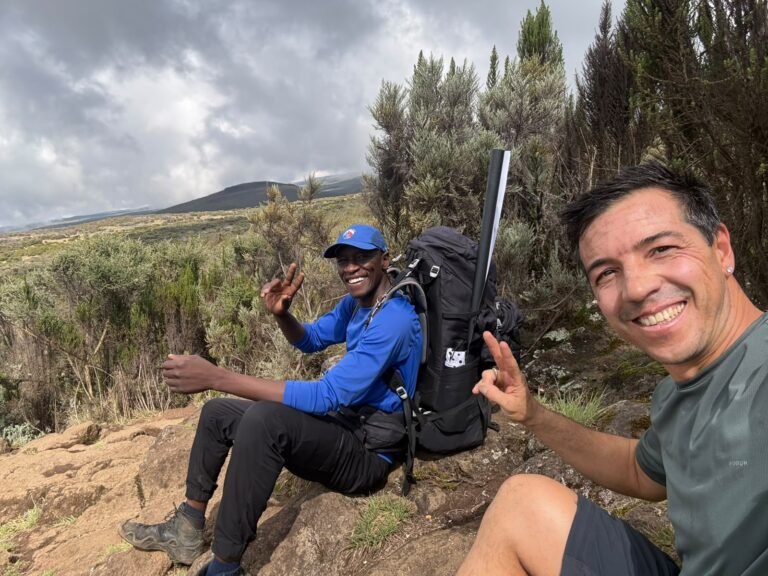
8 Days Shira Kilimanjaro New Year Trek – 26 December – 2 January 2026
8 Days Shira Kilimanjaro New Year Trek – 26 December 2026 – 2 January 2027.
View package details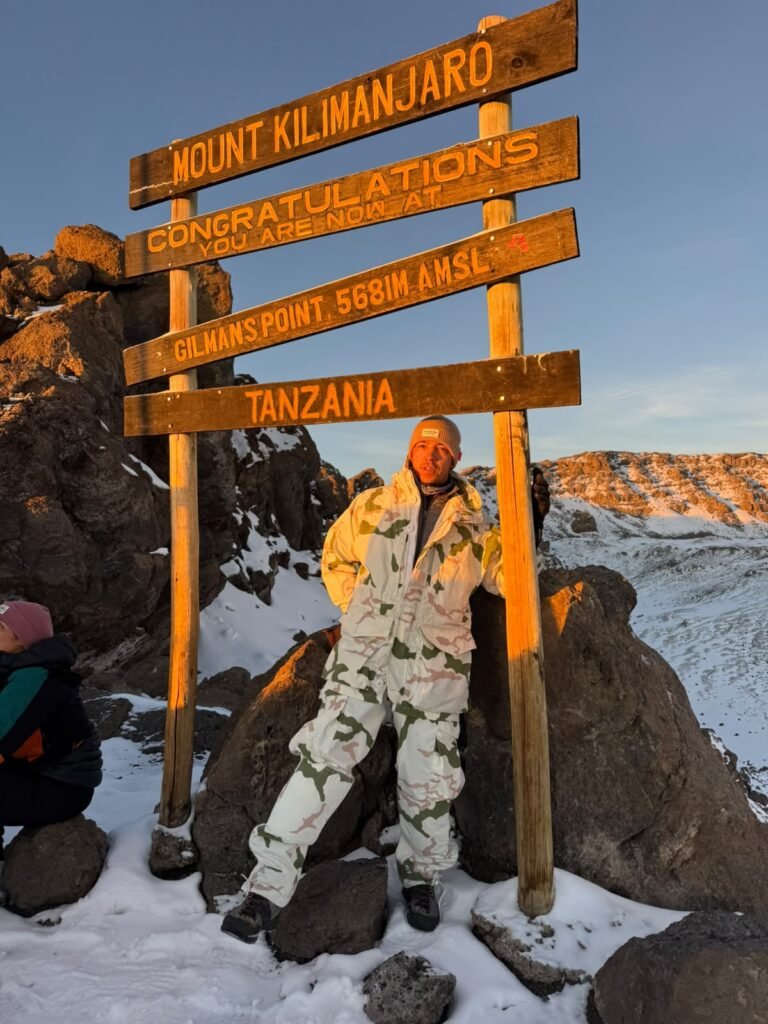
December 4, Kilimanjaro 7 Day Machame Camping Experience
December 4, 2026 Kilimanjaro 7 Day Machame Camping Experience.
View package details6 Days Rongai Kilimanjaro Group Joining – 12–17 December 2026
6 Days Rongai Kilimanjaro Group Joining – 12–17 December 2026.
View package details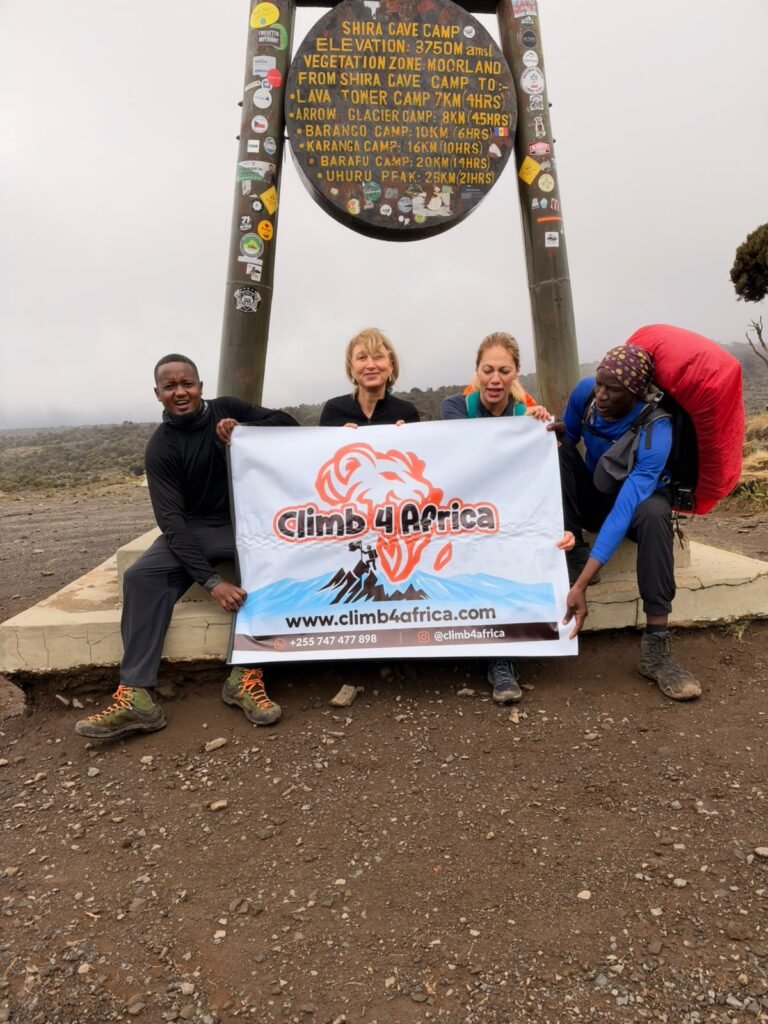
Kilimanjaro Private Climbing Tours December 2026
Kilimanjaro Private Climbing Tours December 2026.
View package detailsMount Kilimanjaro December To January Climbing Packages 2026
Mount Kilimanjaro December 2026 to January 2027 Climbing Packages.
View package details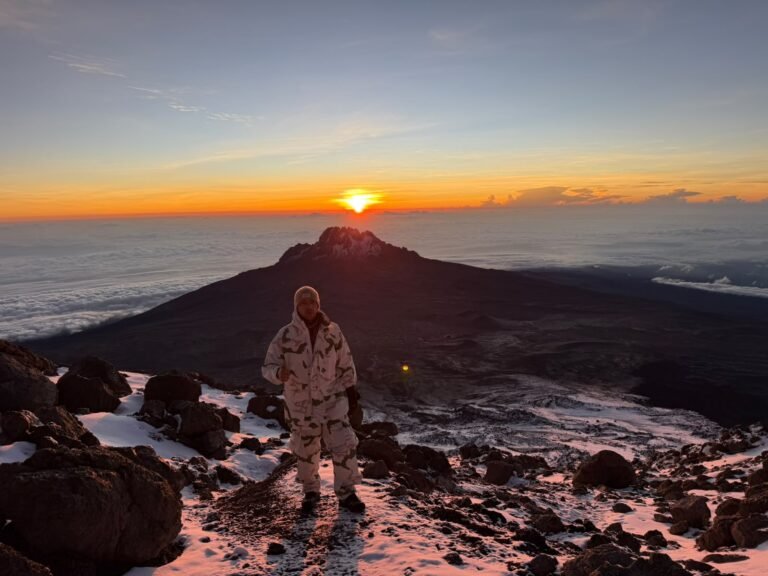
Mount Kilimanjaro Climbing Packages December 2026
Mount Kilimanjaro Climbing Packages December 2026.
View package details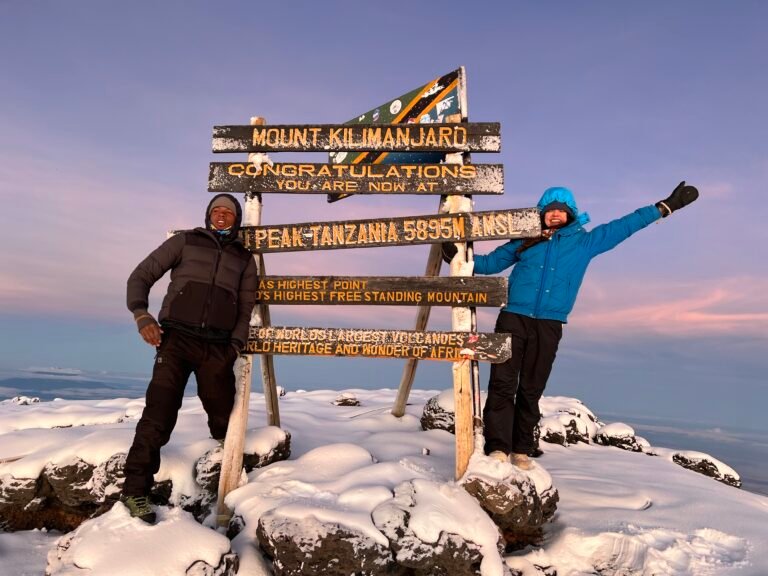
6 Days Rongai Route Kilimanjaro Hiking – 6–11 December 2026
6 Days Rongai Route Kilimanjaro Hiking – 6–11 December 2026.
View package details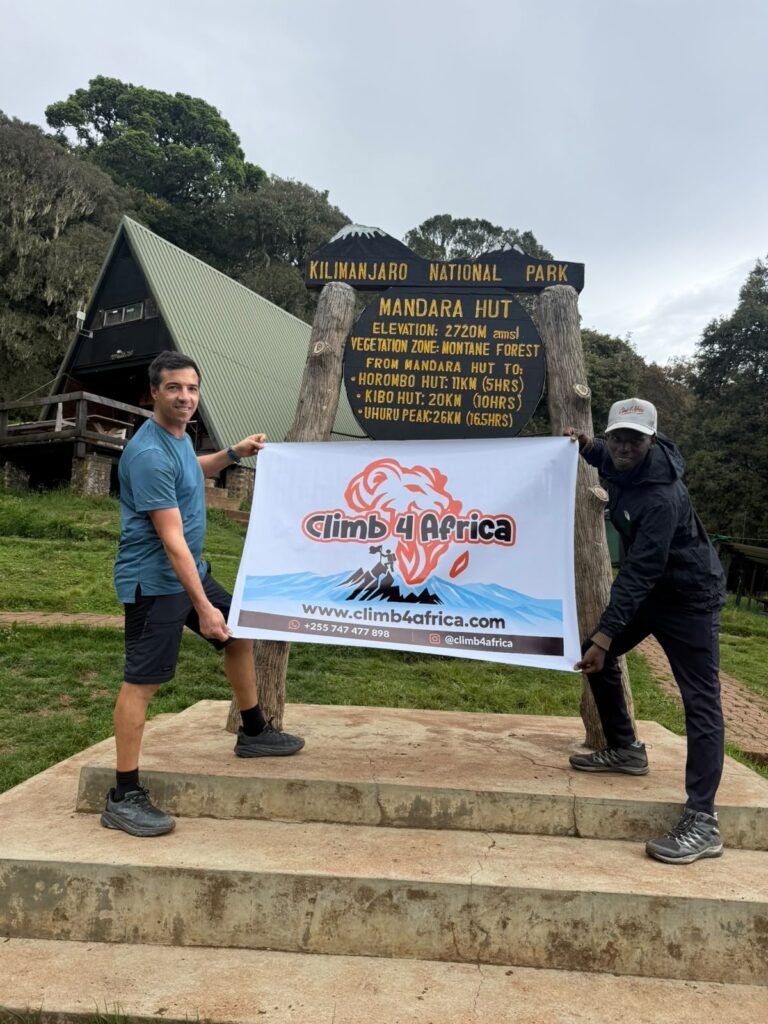
5 Days Marangu Kilimanjaro Climbing Package – 12–16 December 2026
5 Days Marangu Kilimanjaro Climbing Package – 12–16 December 2026.
View package detailsDecember 4, Kilimanjaro Solo Female Traveler Climbing Tour
December 4, 2026 Kilimanjaro Solo Female Traveler Climbing Tour.
View package detailsDecember 4, Kilimanjaro Weekend Climbing Departures
December 4, 2026 Kilimanjaro Weekend Climbing Departures.
View package details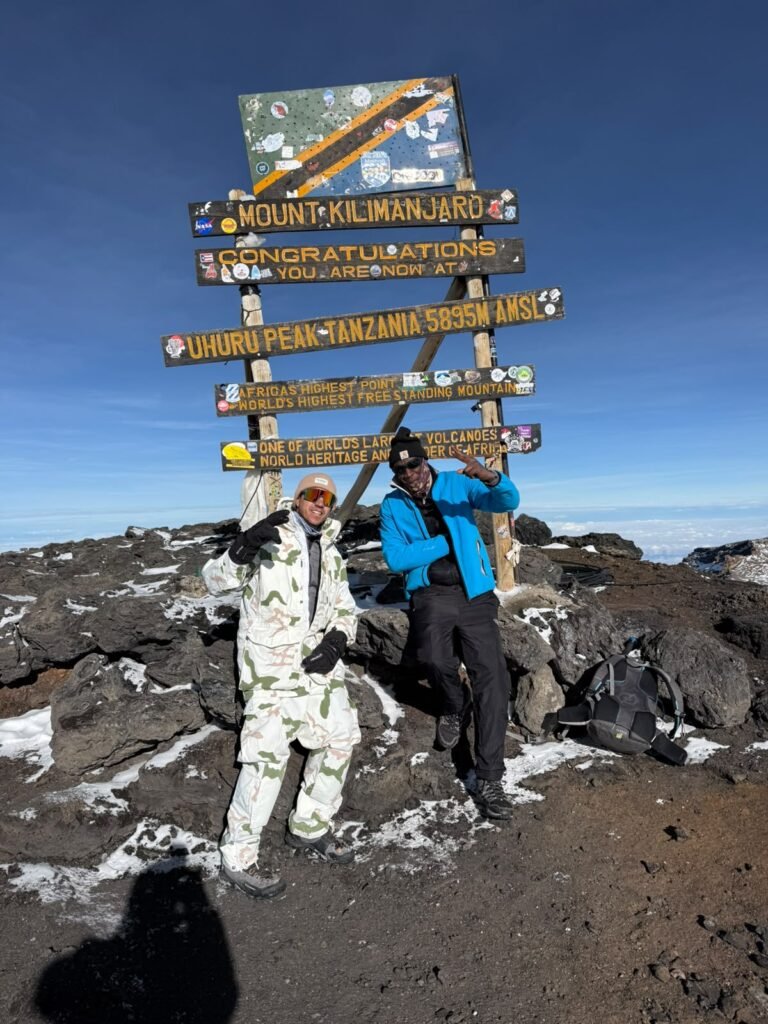
Climbing Kilimanjaro On A Budget In December 2026-2027
climbing kilimanjaro on a budget in December 2026.
View package details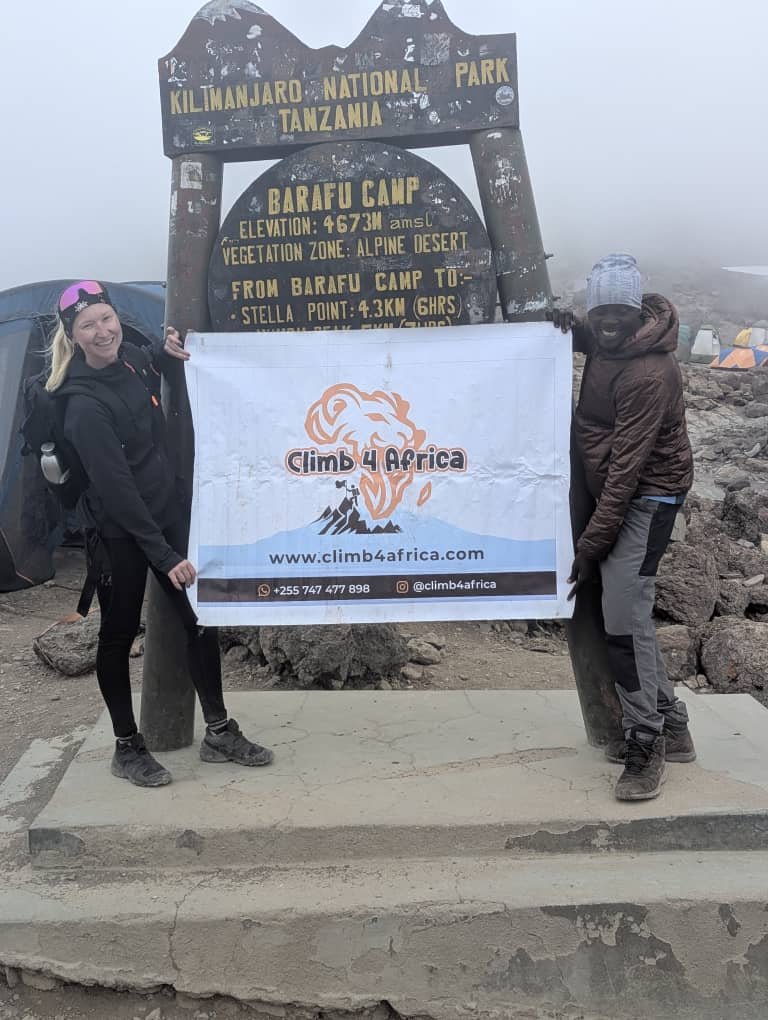
Join Kilimanjaro In 20-December-2026, Climbing From Moshi 2027
Join kilimanjaro in 20-december-2026, ClimBING from Moshi.
View package detailsNo related package matches those filters. Clear one or more filters to see the other topic-matched options.



