
Climb 4 Africa is running confirmed Kilimanjaro departures around the 2026–27 holiday window including specific Marangu-route departures: a 5-day New Year trek (29 Dec 2026–2 Jan 2027) and a 6-day New Year climb (28 Dec 2026–2 Jan 2027); there are also earlier December Marangu departures (for example 12–16 Dec 2026). For full package details, current availability and precise inclusions you must contact Climb 4 Africa to confirm spaces and any supplementary hotels or airport transfers.
Who this guide is for and what you can decide here
This article targets anyone actively choosing a Mount Kilimanjaro December 2026 to January 2027 climbing package: independent trekkers, small groups, friends planning a New Year summit, and people comparing short Marangu options during peak holiday travel. You’ll get clear comparisons of the route and duration choices that matter in the holiday period, an explanation of confirmed departures that Climb 4 Africa has published, what details still need verification before you book, and step-by-step guidance on how to secure a place without surprises.
Confirmed Climb 4 Africa departures in the holiday window
Operator-verified departures are critical when you travel over Christmas and New Year. Climb 4 Africa lists the following confirmed Marangu departures as of the operator updates provided to us:
- 5 Days Marangu New Year Trek — 29 December 2026 to 2 January 2027 (link provided by operator).
- 6 Days Marangu New Year Climb — 28 December 2026 to 2 January 2027 (link provided by operator).
- 5 Days Marangu Climbing Package — 12–16 December 2026 (additional confirmed December departure).
These departures give you immediate booking options at both mid-December and around New Year. If your preferred date is different, you must request confirmation from Climb 4 Africa because peak-season group spaces fill early and last-minute availability varies.
Which package length should you choose for December 2026 to January 2027?
Peak-season climbs during December and January present a trade-off between summit success probability, acclimatisation comfort and how much holiday time you can spare. For the holiday window, the practical choices are:
- Short (5-day) Marangu: allows travellers on tight time schedules to attempt the mountain. Expect fast-paced trekking and a tighter summit night. Confirmed operator departures include 12–16 Dec and 29 Dec–2 Jan options; ask about group pacing and whether extra acclimatisation on approach days is possible.
- Medium (6-day) Marangu: gives an extra day for acclimatisation and tends to increase summit odds. The 28 Dec–2 Jan departure is such an option and is a common choice for New Year climbers who can extend their holiday by one day.
Longer routes (like 7–9 days on other approaches) generally improve acclimatisation and success but are not listed in the operator-verified holiday departures above. If you want a longer route in late December or early January you should request a bespoke booking and availability confirmation from Climb 4 Africa.
How the New Year timing affects route choice
Summit attempts around New Year often mean stronger logistics demand (more simultaneous groups), so choosing the 6-day option or requesting a private group can reduce summit crowding at critical points such as Kibo Hut and the crater rim. If you care about a calmer climb and higher success probability, prioritise extra acclimatisation days—even if that means shifting dates slightly outside the busiest two or three days.
What is included and what you must confirm
Climb 4 Africa provides local climbing support, guides, porters and standard park permits as part of their Kilimanjaro packages, and they operate departures from Moshi and Arusha. However, operator-verified facts do not include specific prices or room allocations in the supplied updates, so you should confirm these items before paying:
- Exact package price for your preferred departure date (season surcharges may apply for holiday periods).
- Group size limits and whether the departure is guaranteed or pending minimum numbers.
- Pre- and post-climb accommodation options and whether airport transfers are included — see the operator page for Kilimanjaro climbs with airport transfers and hotels for possible package variants.
- Specific inclusions: number of guides, porter-to-client ratio, meals on the mountain, sleeping tents or hut accommodation (Marangu uses huts), national park fees and rescue insurance provisions.
Do not assume any element that is not explicitly confirmed in writing. Ask Climb 4 Africa for a written itinerary and inclusions list for the exact departure you intend to join.
Practical booking steps for December 2026–January 2027 trips
- Decide your preferred departure: pick one of the confirmed Marangu dates if they fit your schedule, or state a short range of alternative dates to the operator.
- Request up-to-date availability and a written quote that itemises inclusions, exclusions and cancellation/refund terms for the holiday period.
- Confirm whether a deposit is required and the deadline for final payment; holiday departures often have earlier final-payment cut-offs.
- Ask about
How to secure and lock in a Mount Kilimanjaro December 2026 to January 2027 climbing package — exact confirmation steps and contingencies
The single most important remaining question for anyone deciding on Mount Kilimanjaro December 2026 to January 2027 climbing packages is: once you’ve chosen a confirmed departure or requested a bespoke date, what exact sequence of confirmations, payments and contingency arrangements will reliably turn that plan into a guaranteed, travel-ready booking? Below I set out concrete, operator-neutral steps you can follow together with the specific confirmations you must obtain in writing from Climb 4 Africa (or any operator) before you stop shopping and buy.
1. Reserve, deposit and written booking confirmation
Ask the operator to hold the space and provide a written booking confirmation that includes: the exact departure date, route (Marangu 5-day or 6-day in the holiday window), total price for your party, breakdown of what is included and what is excluded, the deposit amount and the due date for the final balance, and the cancellation/refund policy specific to the holiday period. A verbal hold is insufficient — get an email or PDF confirmation that you can save with your travel documents.
Do not assume the departure is guaranteed until the operator’s confirmation clearly states whether the date is guaranteed or dependent on minimum numbers. If the booking requires a minimum group size, ask for the latest guaranteed-by date and what happens to your payment if the departure is cancelled by the operator.
2. Payment methods and receipts
Confirm acceptable payment methods (bank transfer, credit card, third-party payment platforms) and whether there are surcharges for particular methods. For international transfers, there can be intermediary bank fees or currency conversion issues that delay receipt — ask the operator for an exact payee name and reference format to prevent misapplied funds.
After you pay the deposit, request a paid invoice or receipt showing: payer name, date paid, amount, payment method, balance due and the booking reference number. Keep this with your booking confirmation; you will need it for any refund or dispute.
3. Final payment, cut-off dates and name changes
Holiday departures often have earlier final-payment cut-offs than off-season trips. Get the final-payment deadline in writing and confirm what documentation is needed before final payment (e.g., passport copies, emergency-contact information, proof of travel insurance). Ask about the operator’s name-change policy: for groups, it’s common that substitutions are allowed up to a certain date, but this must be explicit so you can manage last-minute participant changes.
4. Confirmed inclusions that matter most
Re-check the items that most affect your on-mountain experience and budget: exact hut or tent sleeping arrangements for Marangu departures (hut number if available), porter-to-client ratio, number of professional guides assigned, park permits and rescue insurance coverage, and whether airport transfers or hotel nights are included for your chosen package. If transfers or hotels are only provided on certain arrival/departure times, ask what the alternative arrangements are and any additional fees.
5. Contingency planning: flights, delays and operator cancellation
Holiday travel increases the likelihood of flight delays and cancellations. Ask Climb 4 Africa how they handle late arrivals on the scheduled start date: will they allow joining a later group, transfer you to the next available departure, or issue a credit? Get this in writing. Also confirm the operator’s policy for cancellations they initiate (weather, staff shortages, park closures) and the timeline for refunds or rebooking.
Separately, buy flexible international flights where possible and check your travel insurance covers high-altitude trekking, trip cancellation for any reason (if desired), missed connections and emergency evacuation. The operator cannot substitute travel insurance for third-party policies — it’s your responsibility to confirm the required cover levels and make the purchase before final payment.
6. Pre- and post-climb logistics that need confirmation
For the holiday window, confirm where you will stay the night before the trek starts and whether airport transfers are timed for your flight arrival. If you plan to arrive one or two days early (recommended for international travellers), request written rates and availability for pre-climb hotel nights through the operator — space is limited during the December/January peak and hotels used by operators can book out.
Likewise, ask for a written plan for post-climb transfer to the airport or town and any luggage storage options if you are continuing travel the same day. If the operator offers optional extras (e.g., a celebratory New Year dinner or additional sightseeing), request written prices and cut-off dates for those extras.
7. On-the-ground contact and emergency details
Before you finalise payment, obtain local contact details for your lead guide or office on the ground, and an after-hours emergency number. Confirm who your primary contact is in Moshi/Arusha in case of last-minute travel issues, and ensure you have a booking reference to quote. This is particularly important for Mount Kilimanjaro December 2026 to January 2027 climbing packages because operators manage many groups simultaneously.
What to do if anything is unclear
If any point above is not explicitly confirmed in writing by the operator, pause final payment and request a written amendment to your booking confirmation. Keep copies of all correspondence and receipts. Only when you have the booking confirmation, paid receipt, final-payment deadline and written answers to the inclusion and contingency questions should you consider the space locked in.
As the holiday window approaches, act early: holiday departures fill fast, and documented confirmations are the only reliable protection against misunderstandings during the busiest time on Kilimanjaro.
Why Confirming Your On-Mountain Support Team Is Critical for December 2026 to January 2027 Kilimanjaro Climbs
For climbers booking a Mount Kilimanjaro December 2026 to January 2027 climbing package, the quality and consistency of your on-mountain support team directly influence both safety and summit success. While Climb 4 Africa confirms group departures and route logistics, the specific composition of your guiding and porter team—especially during the holiday peak—remains a variable that must be verified before final payment.
During the December 2026 to January 2027 window, the Marangu route sees heightened demand, with multiple groups ascending simultaneously. This increases the pressure on local guides and porters, who are often shared across multiple operators. As a result, the actual personnel assigned to your group may differ from what is advertised in initial quotes or marketing materials. Without confirmation, you risk being assigned a less experienced guide or a porter team with insufficient staffing ratios, which can impact your acclimatisation, morale, and emergency response capability.
The most critical personnel to confirm are:
- Lead Guide: Ensure your lead guide has a valid Tanzanian climbing certification, at least 5 years of Kilimanjaro experience, and a documented history of successful summit attempts. Ask for their name and ID number, and confirm they will be assigned to your group for the full duration of the climb.
- Assistant Guides: For a 5-day Marangu climb, a minimum of two professional guides per group is standard. For 6-day or longer routes, at least three guides are typically assigned. Confirm the exact number and whether they are certified by the Tanzania National Parks Authority (TANAPA).
- Porter-to-Client Ratio: Climb 4 Africa claims a 2:1 porter-to-climber ratio for their holiday packages. However, during peak times, operators may temporarily reduce this due to staffing shortages. Request written confirmation that your group will be staffed at the advertised ratio, and ask if any porters are assigned to carry group gear only (not personal packs).
- Medical and Emergency Staff: Verify whether a trained first-aid responder or medical porter is included in your team. This person should carry a fully stocked first-aid kit, oxygen cylinder, and be certified in high-altitude emergency response (such as HAART or Wilderness First Responder).
Additionally, confirm how your team is trained and managed. Ask whether guides undergo pre-climb briefings, whether they are required to attend safety drills, and if they have access to real-time weather updates from TANAPA. In the holiday window, delays due to weather or park regulations are common, and a well-coordinated team can adapt quickly to changes in schedule or route conditions.
Climb 4 Africa’s standard practice is to assign guides and porters from certified local cooperatives. However, during peak holiday periods, some staff may be temporary hires or cross-assigned from other operators. To ensure consistency, request a list of names and roles for your team before final payment. If the operator cannot provide this, delay confirmation until they can.
This level of detail is not optional. A poorly staffed or inexperienced team can compromise your safety, especially on the critical summit night (Kibo Hut to Uhuru Peak). On the Marangu route, the final ascent begins at 2:00 a.m. from Kibo Hut, where temperatures drop below -10°C and the risk of altitude sickness escalates. A competent guide knows when to halt the climb, when to administer oxygen, and how to manage fatigue and hypothermia.
If you are booking a private group (e.g., a family or small group of friends), confirm that your entire team—guides and porters—is exclusive to your party. This ensures consistent support, faster decision-making, and a higher level of personal attention.
In summary, the Mount Kilimanjaro December 2026 to January 2027 climbing package is not just about dates and prices—it’s about who walks with you on the mountain. Prioritize confirming your on-mountain support team as a non-negotiable step. Only when you have written confirmation of guide names, roles, certifications, and staffing ratios should you proceed to final payment.
Next, ensure your personal safety net is fully active: travel insurance, evacuation coverage, and emergency contact protocols.
Confirming porter welfare, tipping expectations and regulatory compliance for December 2026–January 2027
One substantial, practical question that remains for many climbers booking a Mount Kilimanjaro December 2026 to January 2027 climbing package is: how will porters and support staff be treated and managed during the holiday-window departures, and what should you confirm before paying so you are not inadvertently responsible for unfair practices or unclear tipping expectations?
Peak-season climbs concentrate many groups on the trail and place extra demand on local crews. For travellers who care about ethical travel, safety, and a predictable final cost, this is not a peripheral issue: porter welfare affects on-mountain safety (fatigued staff are less able to respond in an emergency), the quality of your climb (experienced porters who are well looked-after move and set camp efficiently), and your social obligations on the ground. Because operators vary in standards and enforcement—especially when they supplement staff for holiday departures—you should obtain clear, written answers to a short checklist before you finalise payment.
Checklist to request and verify from Climb 4 Africa (or any operator)
- Porter-to-client ratio: Ask for the exact staffing numbers allocated to your confirmed departure (e.g., one porter per two clients, or one porter per client). Get names where possible if a private group is promised exclusive staff.
- Maximum pack weight per porter: Request the operator’s enforced maximum load per porter (commonly 20–25 kg). Ask how personal bags are counted and whether food and group gear are excluded.
- Wages and insurance: Ask whether porters are salaried by the operator, paid per trek, or contracted through cooperatives; request confirmation that porters receive statutory benefits and have access to evacuation or medical insurance for the climb.
- Equipment and clothing: Confirm that porters are provided with suitable sleeping gear, rainproof clothing, and footwear by the operator—particularly important in cold Kibo conditions during New Year climbs.
- Health checks and rest days: Ask whether porters are offered pre-climb health screenings, regular rest breaks, and adequate food and water during the trek. For long holiday window departures, clarify if any staff rotate mid-campaign or double up across groups.
- Tipping policy and guidance: Get the operator’s official tipping guideline written into your booking confirmation (a per-client suggested range or a pooled-percentage system). Confirm whether tips are collected and distributed by the head guide or handed directly to individual porters.
- Compliance with Tanzanian law and industry standards: Request written confirmation that the operator complies with Tanzanian Kilimanjaro porter regulations and local industry codes of conduct (for example, any agreements with local porters’ associations or cooperatives).
Make these requests explicit in your booking communication. Example wording you can adapt and send to the operator: “Please confirm, in writing and attached to my booking voucher, the porter-to-client ratio for my December/January departure; the maximum pack weight per porter; whether porters are covered by evacuation/medical insurance; your tipping guidance and distribution method; and whether porters receive uniforms/equipment for the climb.” Do not accept a verbal assurance for these items—ask for a written amendment to your booking confirmation.
How tipping and pooled distribution typically work — what to expect and what to require
Operators handle tips differently. Two common models are a recommended per-client amount (paid by each client directly to the head guide on summit day) or a pooled system where tips are collected and split among the team. Both are acceptable if transparent; both are problematic if left vague.
If you prefer direct tipping, request that the operator provide a suggested per-client tip range in your booking confirmation so you and your party can budget. If you prefer pooled distribution, ask for a written note of how the pool will be divided (percentages to guides vs porters is the typical disclosure) and whether that distribution is governed by an internal policy or local agreement.
For ethical travellers, it is reasonable to require the operator to state: “tips are voluntary; suggested amounts are X per client; tips will be distributed Y% to guides, Z% to porters; distribution will be overseen by the head guide and recorded in the team log.” If the operator refuses to provide this transparency, consider that a red flag and pause payment until you receive acceptable terms.
What to do on arrival and during the trek
- Bring the agreed cash for tips in small denominations in local currency (Tanzanian shillings) unless the operator explicitly accepts alternative arrangements.
- At trek start, confirm with the head guide who will manage tip collection and how it will be recorded. If you’re in a private party and want to tip directly, state this preference at briefing.
- If you observe porters carrying excessive loads or lacking basic equipment, report it immediately to your lead guide and, if unresolved, to the operator’s local office. Keep written notes and photos if you need to escalate.
Porter welfare is both an ethical and operational issue. For Mount Kilimanjaro December 2026 to January 2027 climbing packages, securing clear, written assurances on porter conditions, tipping, and staff insurance should be as routine as confirming your departure date. Adding these confirmations to your booking reduces surprises, protects local staff, and improves the overall safety and quality of your New Year climb.
Next practical step: When you request the final booking voucher or amendment, copy the checklist above into your message to Climb 4 Africa and ask for an explicit written reply that you can attach to your payment receipt.
What to Expect on the Mountain: Daily Experience and Environmental Conditions for December 2026–January 2027 Climbs
For climbers booking a Mount Kilimanjaro December 2026 to January 2027 climbing package, understanding the on-mountain experience—especially during the holiday window—is critical to managing expectations and preparing effectively. While the Marangu Route is known for its relatively straightforward trail and hut accommodations, the timing of your climb significantly influences daily conditions, group dynamics, and overall atmosphere.
December 28–31, 2026, and January 1–2, 2027, fall within the southern hemisphere’s wet season, though peak rainfall typically occurs in March–May. Still, December and early January bring increased humidity and the potential for afternoon showers, particularly on the lower slopes. The Marangu Route’s dense rainforest zone (from 1,800m to 2,700m) tends to be damp and misty during this time, with frequent fog reducing visibility. This can make the first day’s hike through the forest feel cooler and more humid than expected, even if daytime temperatures remain mild (15–20°C).
On summit day—typically January 1, 2027, for the New Year trek—expect temperatures to drop dramatically. At the summit (5,895m), temperatures can range from -10°C to -15°C, with wind chill making it feel much colder. The weather window for summit attempts is narrow and highly dependent on atmospheric stability. While December and January are not the snowiest months on Kilimanjaro, snow patches—especially around the crater rim and near the summit—can persist into early January, particularly on the southern and eastern aspects of Kibo. This means climbers may encounter icy patches on the final stretch, requiring trekking poles and careful footing.
The high volume of climbers during the holiday window also affects the daily rhythm. On the Marangu Route, huts (such as Mandara, Horombo, and Kibo) are shared accommodations, and during peak times, they can be full. For the 5-day New Year trek (29 Dec 2026 – 2 Jan 2027), you’ll likely share a hut with 8–12 climbers, depending on group size and operator configuration. The 6-day option (28 Dec 2026 – 2 Jan 2027) offers slightly better acclimatization and a lower likelihood of overcrowding, particularly at Horombo Hut (3,720m) and Kibo Hut (4,700m), where space is limited and occupancy often reaches capacity.
The climb’s pace is influenced by group size and the operator’s internal scheduling. Climb 4 Africa typically departs at 07:00–08:00 from Moshi or Arusha, with the first day’s hike lasting about 5–6 hours. By day three (around 2,700m), the trail transitions into the alpine desert zone, where temperatures swing widely between day and night. The lack of vegetation and exposed terrain can make wind and sun exposure more intense. On day four, the ascent to Horombo Hut (3,720m) is steep, and the high altitude often causes fatigue. For many, the most challenging day is day five—summit night—when climbers leave Kibo Hut at 22:00 or 23:00 and begin the final 5–6 hour climb under headlamps.
During summit night, the trail is steep and rocky, with a section known as the “Schoolhouse” and the “Barafu Ridge.” The latter is exposed and windswept, with no shelter, so climbers must be prepared for strong winds and low visibility. The final approach to Uhuru Peak involves a steep, icy scramble up the last 300 meters, which can be physically demanding, especially for those with limited climbing experience. The summit itself is a narrow, exposed ridge with limited space to stand, and the wind can make standing difficult. Despite the physical challenge, the panoramic view across the surrounding savannah and the vast ice fields of the crater rim is often described as unforgettable.
Climbers should also anticipate logistical constraints. Because the Marangu Route is the most popular and the only one with permanent huts, it attracts the highest number of climbers during the holiday window. This means longer queues at meal times, shared bathroom facilities, and limited privacy in the huts. While Climb 4 Africa provides professional guides and porters, the sheer volume of groups can lead to congestion at key points like the summit start and the crater rim. For those seeking a more intimate experience, the 6-day route offers better acclimatization and a quieter atmosphere, especially during the critical acclimatization day at Horombo Hut.
It’s important to note that while the Marangu Route is often marketed as the ‘easiest’ route, this is misleading. The ease comes from hut accommodations and a well-marked trail, not from lower altitude or fewer challenges. The physical demands of summit night remain severe, and the risk of altitude sickness (AMS) is real—especially for climbers on shorter packages. For this reason, the 6-day option is strongly recommended for those prioritizing summit success and comfort. The extra day allows for a more gradual ascent, better acclimatization, and a higher chance of reaching Uhuru Peak.
Finally, the cultural and emotional experience of climbing Kilimanjaro during the New Year period is unique. Many climbers arrive with a sense of celebration and anticipation, and the shared experience of summiting at midnight on January 1st can be deeply moving. However, this also means the atmosphere can be loud, with groups singing, cheering, and taking photos throughout the final ascent. While this can be uplifting, it may also distract from personal focus and pacing. Climbers should be prepared to maintain their own rhythm and not be swayed by the energy of others.
To summarize: for Mount Kilimanjaro December 2026 to January 2027 climbing packages, the on-mountain experience is shaped by seasonal weather, high group volume, and the physical demands of summit night. The 6-day Marangu Route offers a more balanced and safer climb, while the 5-day option is viable only for those with prior high-altitude experience and strong fitness. Confirming your operator’s daily schedule, hut occupancy policies, and guide-to-client ratio is essential to ensure a safe, respectful, and successful climb.
Related Guides and Packages
Check Availability for Mount Kilimanjaro December To January Climbing Packages 2026
Ready to compare dates, prices, and the best option for your group? Send the package name and travel month so the team can reply with a clear quote, availability, and what is included.
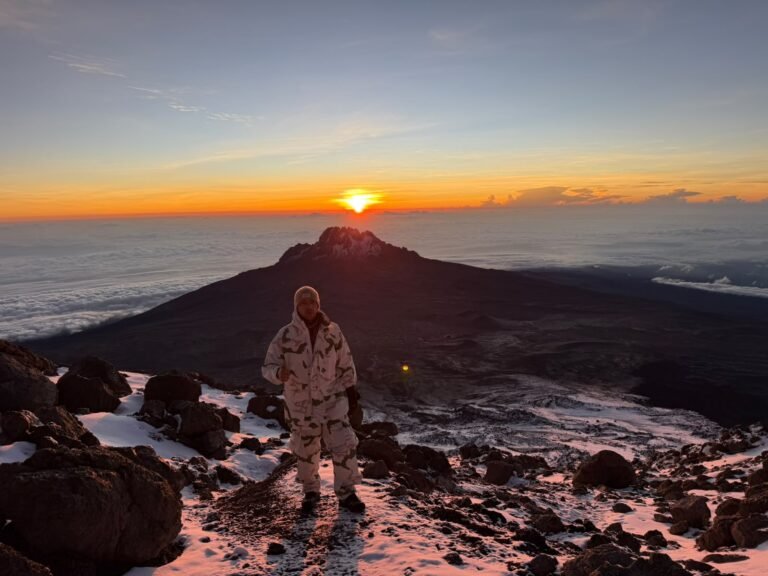
Mount Kilimanjaro Climbing Packages December 2026
Mount Kilimanjaro Climbing Packages December 2026.
View package details
5 Days Marangu Kilimanjaro New Year Trek – 29 December – 2 January 2026
5 Days Marangu Kilimanjaro New Year Trek – 29 December 2026 – 2 January 2027.
View package details6 Days Marangu Kilimanjaro New Year Climb – 28 December – 2 January 2026
6 Days Marangu Kilimanjaro New Year Climb – 28 December 2026 – 2 January 2027.
View package details5 Days Marangu Kilimanjaro Climbing Package – 12–16 December 2026
5 Days Marangu Kilimanjaro Climbing Package – 12–16 December 2026.
View package details
December 4, Mount Kilimanjaro Marangu Day Hike
December 4, 2026 Mount Kilimanjaro Marangu Day Hike.
View package details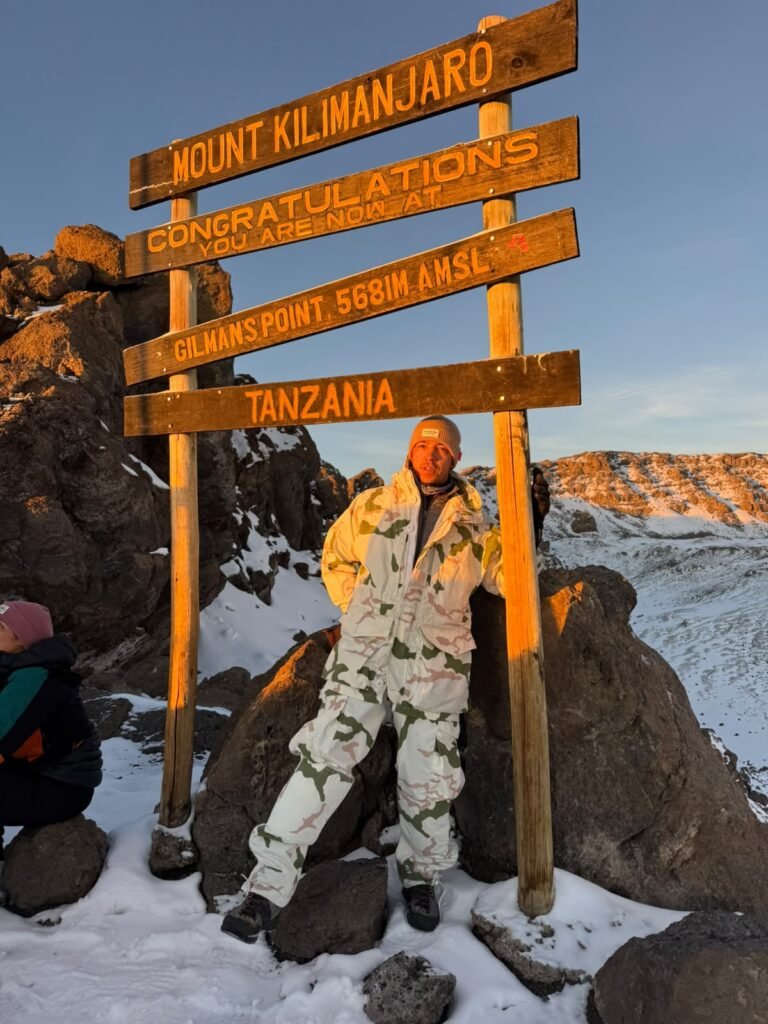
December 4, Kilimanjaro Solo Female Traveler Climbing Tour
December 4, 2026 Kilimanjaro Solo Female Traveler Climbing Tour.
View package detailsDecember 4, Kilimanjaro Weekend Climbing Departures
December 4, 2026 Kilimanjaro Weekend Climbing Departures.
View package details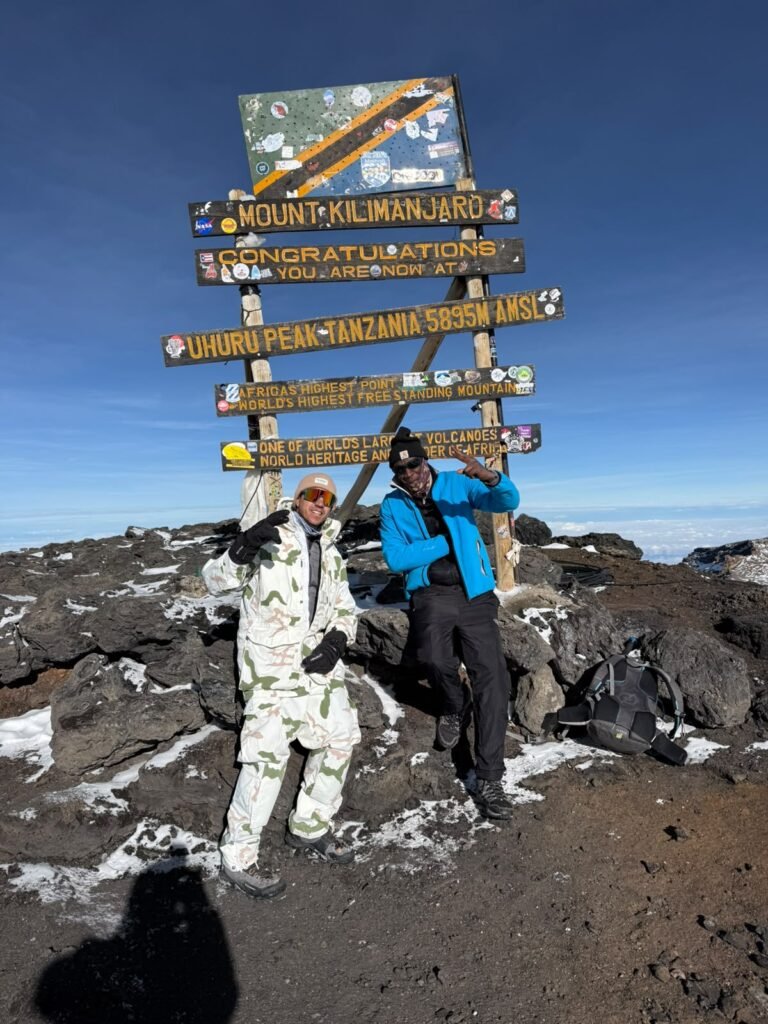
Climbing Kilimanjaro On A Budget In December 2026-2027
climbing kilimanjaro on a budget in December 2026.
View package details
Join Kilimanjaro In 20-December-2026, Climbing From Moshi 2027
Join kilimanjaro in 20-december-2026, ClimBING from Moshi.
View package details
Best Kilimanjaro Trekking Routes In December 2026
Best Kilimanjaro Trekking Routes in December 2026.
View package details
Kilimanjaro Full Moon Climb 24 December – Group Trekking 2026
Kilimanjaro Full Moon Climb 24 December 2026 – Group Trekking.
View package details1 Day Kilimanjaro Mandara Hut Hike – 12 December 2026
1 Day Kilimanjaro Mandara Hut Hike – 12 December 2026.
View package detailsNo related package matches those filters. Clear one or more filters to see the other topic-matched options.



