
The 1 Day Kilimanjaro Mandara Hut Hike – 12 December 2026 is a single-day park-registered ascent to Mandara Hut with return to the park gate the same day; you must confirm pick-up times, available porter/guide capacity, and park permits with Climb 4 Africa before booking. This plan suits acclimatisation or a highland nature walk rather than summit attempts.
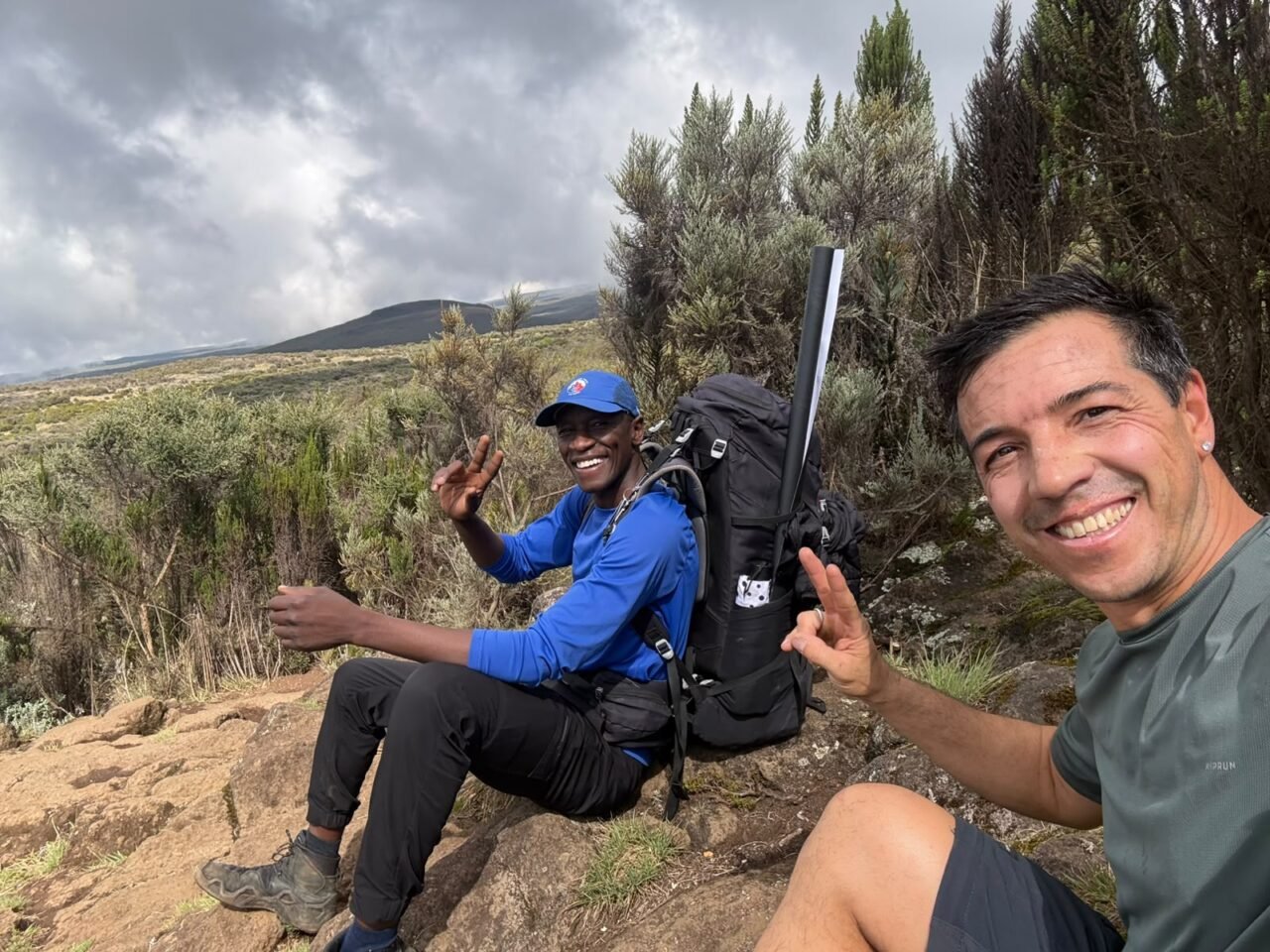
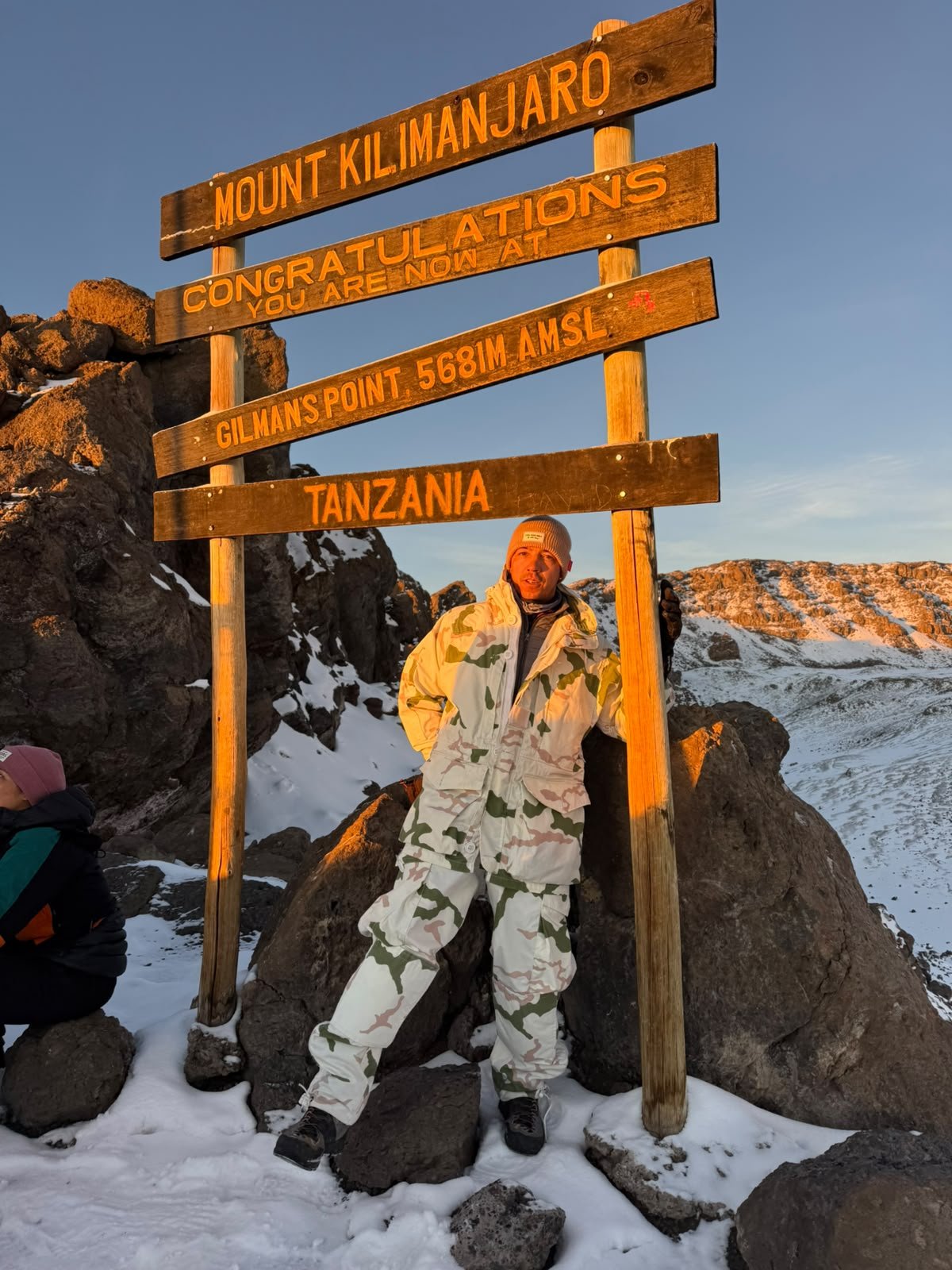
This instalment gives a detailed, operational plan for the 1 Day Kilimanjaro Mandara Hut Hike on 12 December 2026: a step-by-step timetable you can book, the route experience you should expect, fitness and kit guidance, transport and meeting logistics, what the hike achieves for acclimatisation, and the exact confirmations you must secure from the operator before arrival.
Why book a single-day Mandara Hut hike on 12 December 2026?
A day to Mandara Hut is typically chosen for three concrete reasons: short, managed exposure to Kilimanjaro’s montane zone for acclimatisation; an accessible taste of the park’s upper forest and moorland without committing to a multi-day trek; and a reliable day excursion from nearby Arusha or Moshi when you have limited time. On 12 December 2026 this is particularly useful if you plan a longer climb starting later in December and want a scheduled acclimatisation step, or if you want a short guided mountain experience during a Tanzania trip.
Confirmed booking prerequisites and what to verify with Climb 4 Africa
- Park permits and entry: all Kilimanjaro day hikes require registration at Kilimanjaro National Park; ask Climb 4 Africa to confirm that permits for 12 December 2026 are reserved under your name before you travel.
- Guide and porter availability: Mandara Hut day trips normally include an accredited guide; porters are optional on a day trip but can carry extra layers or snacks — confirm staffing levels and any porter fees.
- Transport pickup: clarify the pick-up point (hotel in Arusha or Moshi), the pick-up time and whether there are shared or private vehicle options.
- Group size and minimum numbers: request the planned group size and whether the hike will run with a single booking or be combined with others on that date.
- Payment and cancellation terms: obtain clear terms for deposit, final payment and the operator’s cancellation policy for 12 December 2026.
Practical day timetable (bookable sequence for 12 December 2026)
The following sequence is a practical bookable plan you can confirm with Climb 4 Africa. Times are illustrative of a typical single-day itinerary; ask the operator for exact times when you book.
Pre-dawn pickup (unless otherwise arranged)
Pick-up from your hotel in Arusha or Moshi usually occurs early to maximise daylight on the mountain. Expect a short drive to the park gate for registration and a final equipment check.
Park formalities and start
Arrive at Kilimanjaro National Park gate, complete entry formalities, meet your guide and porters (if any), and begin the walk. The guide will outline the route, timing and safety measures before departure.
Ascent to Mandara Hut
The ascent is managed at a steady walking pace with pauses for photographs and water. Mandara Hut sits above the montane forest; the walk passes through diverse vegetation zones that offer close views of giant heather and, at higher levels, alpine scrub. Guides will point out botanical and ecological features relevant to acclimatisation.
Hut stop and optional short explorations
At Mandara Hut you will have a rest break, refreshments and the chance to explore surrounding trails for better views of the mountain’s flanks. This is not an overnight booking: the party returns to the gate the same day after a set break time agreed with your guide.
Return descent and drop-off
Descent follows the same or a similar trail back to the gate for park exit formalities, then transfer to your hotel. Arrival back in Arusha or Moshi is typically mid-to-late afternoon depending on start time and group pace.
What this day achieves: acclimatisation, scenery and fitness
Used as an acclimatisation step, the Mandara Hut day hike
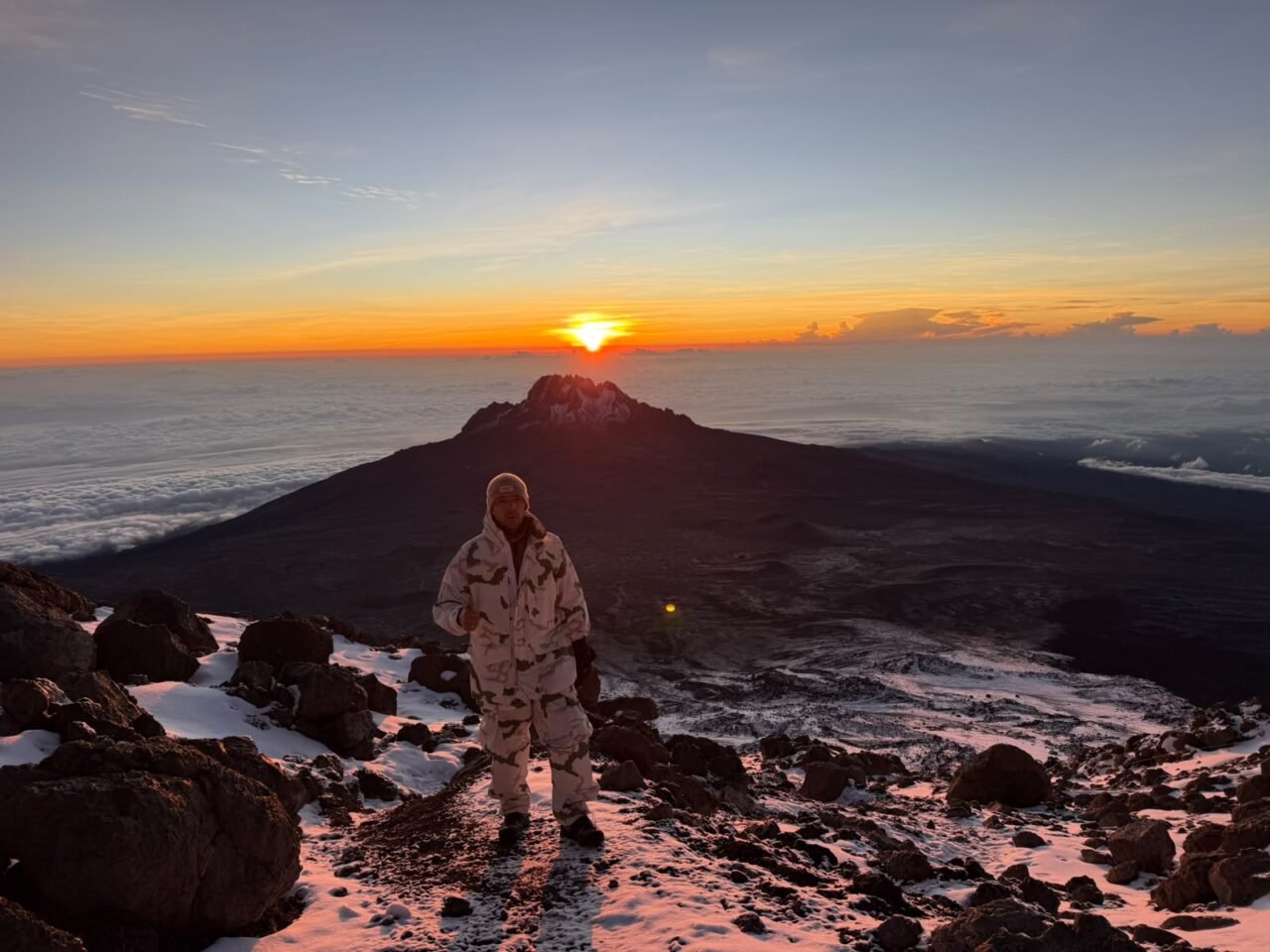
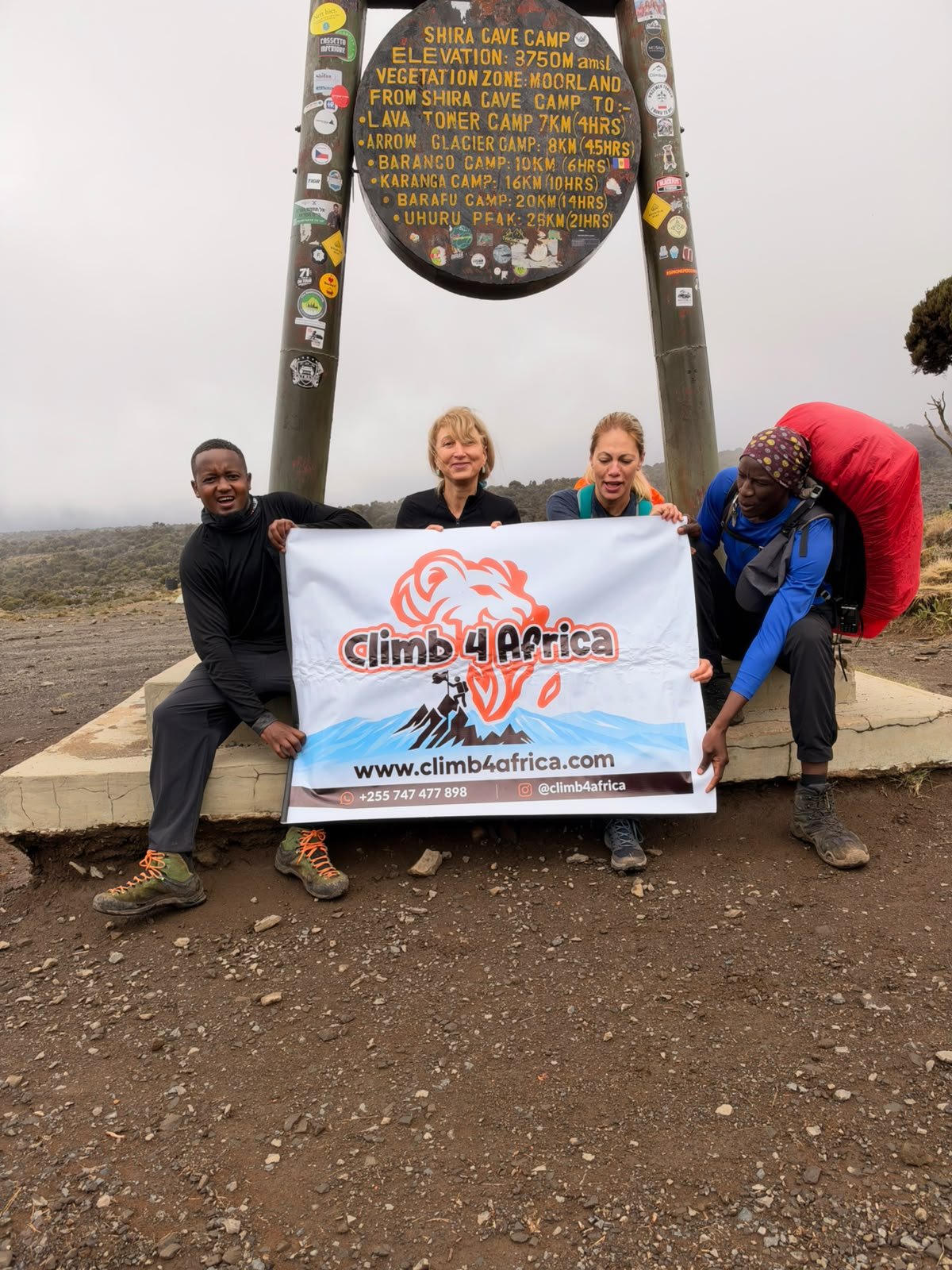
How to use the 1 Day Kilimanjaro Mandara Hut Hike – 12 December 2026 within a wider acclimatisation plan
The single-day Mandara Hut hike is most valuable when treated as a deliberate acclimatisation exposure rather than a standalone sightseeing walk. If you plan a later summit attempt in December 2026, use the 1 Day Kilimanjaro Mandara Hut Hike – 12 December 2026 to trigger specific physiological responses and confirm personal tolerance to higher altitude. Below are practical, evidence-based ways to integrate the Mandara Hut day into a multi-day programme without claiming specific operator schedules or inventing further booked days.
Altitude profile and the intended acclimatisation stimulus
Mandara Hut sits above the montane forest at roughly 2,700–3,000 metres (altitude varies by route and hut siting). A single-day ascent and descent to that elevation gives a brief but useful exposure that elevates blood oxygen stress and begins the body’s acclimatisation mechanisms (increased breathing rate, mild rise in heart rate, early erythropoietic signalling). It is not an overnight acclimatisation step; the physiological benefit comes from the climb-high, return-low effect when combined with subsequent lower-elevation sleep.
For climbers planning longer Kilimanjaro routes, schedule the Mandara Hut day 1–3 days before your main trek begins. This timing allows early acclimatisation responses to develop without causing residual fatigue that could impair subsequent days. Confirm with Climb 4 Africa how the 1 Day Kilimanjaro Mandara Hut Hike – 12 December 2026 fits your exact itinerary and whether a porter or lighter load on later days is recommended after the day hike.
Practical sequencing options (non-prescriptive)
- Option A — Pre-climb gentle exposure: Do Mandara Hut 48–72 hours before your first overnight on route. This provides an initial altitude exposure and a chance to test layering, pacing and any medication such as acetazolamide (if prescribed).
- Option B — Arrival-day gentle activity: If you arrive in Tanzania several days ahead, use the Mandara Hut hike as an intermediate-step on your second or third day to avoid sitting until the main climb starts.
- Option C — Assessment and adaptation: Use the hike as a functional test day—evaluate how you sleep, your resting heart rate, and any mild symptoms of altitude illness before committing to higher nights.
These are sequencing choices to discuss with your guide; they are not guaranteed operator itineraries and must be aligned with the confirmed bookings you hold for December 12, 2026.
Pacing, exertion control and the ‘climb high, sleep low’ principle
On the 1 Day Kilimanjaro Mandara Hut Hike – 12 December 2026, treat the ascent as a steady, conversational-pace walk. Aim to keep exertion low-to-moderate: you should be able to speak in short sentences without gasping. This conservative pace reduces risk of excessive hyperventilation or overexertion, both of which can make acclimatisation harder and accelerate fatigue.
Follow these concrete rules-of-thumb during the hike:
- Start conservatively: the first hour sets the day’s metabolic load—don’t race early sections.
- Rest frequently: short 3–5 minute pauses every 30–45 minutes for sipping fluids, checking breathing, and taking photos.
- Hydrate proactively: drink small amounts regularly rather than large volumes at once. Carry a minimum personal water supply (1–1.5 litres) and rely on guide/porter support for refills if available.
- Watch symptoms: persistent headache, dizziness, nausea, or marked breathlessness are reasons to slow, descend, or seek guidance from your accredited guide immediately.
Using medication and monitoring during the Mandara Hut day
If you have a prescription for acetazolamide or any other altitude-related medication, follow the dosing plan agreed with your prescribing clinician. The 1 Day Kilimanjaro Mandara Hut Hike – 12 December 2026 is an excellent opportunity to verify how you react to any prophylactic medication in a controlled, guided setting before higher camps.
Carry a simple monitoring checklist to share with your guide: resting pulse and subjective sleep quality the night before; symptoms during the hike; pulse and oxygen saturation if you use a fingertip oximeter (optional). Guides from experienced operators will record observations—ask Climb 4 Africa how they monitor clients on this specific day trip.
Recovery and next steps after the day hike
Return to lower-elevation accommodation (Arusha or Moshi) to sleep if your plan is a single-day exposure only; the ‘sleep low’ element preserves acclimatisation benefits without adding sustained altitude stress. If you intend to progress to a multi-day route soon after, schedule lighter activity for the rest of that day and monitor sleep and morning heart rate. If any moderate or worsening symptoms of acute mountain sickness appear, delay further ascent and consult medical advice.
Finally, discuss logistical adjustments with your operator after the hike: if the 1 Day Kilimanjaro Mandara Hut Hike – 12 December 2026 revealed unexpected fatigue, you may choose to insert an extra rest day or ask for reduced loads on subsequent trail days. Climb 4 Africa can advise on practical changes but must confirm any modifications to bookings and staffing for December 12, 2026 directly.
Summary
The single-day Mandara Hut excursion is most effective when used deliberately within a wider acclimatisation strategy: climb high and return low, maintain conservative pacing, monitor symptoms, and use the day as a practical test of fitness, gear and medication. For travellers who plan further ascent later in December 2026, align the timing of the 1 Day Kilimanjaro Mandara Hut Hike – 12 December 2026 with your first multi-day departure and confirm operational details with your operator before arrival.
Essential kit and packing decisions for the 1 Day Kilimanjaro Mandara Hut Hike – 12 December 2026
The single-day nature of the 1 Day Kilimanjaro Mandara Hut Hike – 12 December 2026 changes equipment choices compared with a multi-day climb: you need enough layers, safety kit and hydration for safe acclimatisation exposure, but you can travel light because you return to your hotel that evening. Below is a focused, practical checklist with explanation of why each item matters for this specific day trip.
Core clothing and layering
- Lightweight base layer (long sleeve): A moisture-wicking synthetic or merino top reduces chill when you stop and conserves warmth at altitude.
- Insulating mid-layer: A thin fleece or light puffy (synthetic or down) that you can put on during breaks at Mandara Hut. Temperatures up there can feel several degrees colder than at the gate.
- Windproof/waterproof shell: A breathable hardshell or packable rain jacket — mandated by sudden showers and wind higher on the trail.
- Hiking trousers and lightweight shorts: Trousers for the ascent; shorts are optional for lower-elevation comfort on the return. Convertible trousers work well.
- Socks: Two pairs of breathable hiking socks (bring a dry pair to change into at the hut if needed).
- Hat and gloves: Thin liner gloves and a warm hat or buff — top-of-forest wind and sun exposure make these useful even on a short day.
Footwear
Choose comfortable, broken-in hiking boots or trail shoes with a good tread and ankle support if you typically use boots. The Mandara Hut route is on well-maintained trails but can be muddy and rooty in the upper montane — waterproof footwear helps. Bring gaiters only if you expect heavy rain or mud; they are optional for most December day trips but useful if conditions are wet.
Daypack contents (carry this on the trail)
- Daypack 20–30L: Big enough for layers, food, water and safety kit.
- Water: At least 1.5–2 litres in bottles or a hydration bladder. You will consume more than usual on altitude exposure.
- Lunch/snacks: Operator-supplied snack and a light packed lunch; bring high-energy snacks (nuts, energy bars) if you have specific dietary needs.
- Sunscreen and sunglasses: Strong UV above the forest canopy; use SPF 30+ and wraparound sunglasses.
- Headlamp: Small torch even if you start after dawn — helpful for unexpected delays or early pre-dawn pickups.
- Personal medications: Any routine prescriptions plus water for tablets; include acetazolamide only if prescribed by your clinician.
- First-aid basics: Blister plasters, antiseptic wipes, adhesive bandage, and painkillers. Your guide carries a more comprehensive kit, but carry personal blister care.
- Identity and permits: Passport (or photo ID) and confirmation of park permit/receipt — keep originals in a waterproof pouch.
- Optional tech: Fingertip pulse oximeter to monitor SpO2 if you normally use one; small power bank for phone/camera.
Safety and emergency items
- Emergency foil blanket: Lightweight and useful in an unexpected prolonged stop.
- Whistle and small multi-tool: For signaling and minor adjustments.
- Copies of medical info: A brief card with allergies, emergency contact and any altitude medication regime to give to your guide.
Porter options and what to give a porter
Day trips occasionally include a porter if you prefer to travel very light; clarify availability and cost with Climb 4 Africa for 12 December 2026. Practical rules for what to hand to a porter on a single-day Mandara Hut hike:
- Give only non-essential, low-value bulk items you don’t need during short breaks (extra clothing layers you won’t wear, a spare bottle, additional snacks).
- Keep passport, money, camera and prescription medications on your person.
- Weight expectations: for a day hike operators typically expect minimal loads (under 7–8 kg) — confirm the exact porter allowance when you book.
Packing for the morning: a practical checklist to leave with your hotel
Before a pre-dawn pickup for the 1 Day Kilimanjaro Mandara Hut Hike – 12 December 2026, assemble a ‘ready bag’ the night before: daypack with full water, packed lunch (or operator confirmation of lunch), base layer and mid-layer, rain shell, hat, gloves, ID, small cash, and a charged phone/powerbank. Place footwear and socks near the door and confirm pickup time with reception so there’s no last-minute delay at the hotel.
These focused kit choices will keep your load light while ensuring you have the layers and safety items needed for a meaningful acclimatisation exposure to Mandara Hut on 12 December 2026. Confirm any porter or kit-transfer services with Climb 4 Africa in advance so you know which items they will carry and which must remain with you.
What to expect at Mandara Hut on 12 December 2026: facilities, trail character and operational realities
If you are booking the 1 Day Kilimanjaro Mandara Hut Hike – 12 December 2026, it helps to know exactly what the day will feel like beyond timing: the precise trail surfaces, common scenic viewpoints, hut facilities and what the park allows day visitors to do while at Mandara Hut. The points below are practical, operator-neutral facts and field-level expectations you can confirm with Climb 4 Africa when you finalise your booking.
Trail character and progressive scenery
The route to Mandara Hut on a day hike follows well-trodden park trails through Kilimanjaro’s montane forest into the upper heath and moorland. Expect the following sequence:
- Lower montane forest: shaded single-track with tree roots, occasional wooden steps and soft loam. Under wet conditions the trail becomes slippery; poles help balance.
- Mid-montane transition: the canopy thins, views open between giant lobelia and Hagenia trees. Footing becomes firmer but still uneven with exposed roots and stones.
- Upper heath and moorland near the hut: wider, rockier paths with tussock grasses and scattered alpine shrubs. Surfaces are often peaty after rain and can hold puddles.
Average walking surfaces are not technical; you will not need ropes or scrambling. However, the trail is uneven and can be muddy or slick after rain. The 1 Day Kilimanjaro Mandara Hut Hike – 12 December 2026 typically includes frequent short stops for rest, photo opportunities and brief botanist-style commentary by the guide.
Mandara Hut facilities (day-visitor reality)
Mandara Hut is a basic mountain refuge intended primarily for overnight trekkers on the Marangu route; when you visit on a day trip expect modest, functional facilities rather than hotel standards. Typical features you should plan for:
- Sheltered common area: a small covered space to rest, eat and shelter from brief showers. Seating is limited—day groups usually rotate to avoid crowding.
- Drinking water and refreshments: operators normally supply a light lunch/tea at the hut as part of a booked day trip. Confirm with Climb 4 Africa whether lunch or hot drinks are included for 12 December 2026 and whether there are vegetarian/ dietary options.
- Restroom facilities: rudimentary pit or composting latrines are provided near the hut. They are basic and may be busy; carry hand sanitiser and small tissue packets.
- Shelter from weather: the hut provides basic roofed refuge, but space is limited in bad weather. Guides will manage priorities—seating, thermal layers, and group sheltering—if a storm occurs.
Because this is a return-the-same-day plan, you will not use sleeping accommodations. Day-trip groups generally have a pre-arranged, limited window at the hut (often 45–90 minutes) for rest and exploration; confirm the exact permitted time with your guide so you can plan refreshments and short side walks.
What you can and cannot do at the hut
Mandara Hut is on a regulated section of the park. For the 1 Day Kilimanjaro Mandara Hut Hike – 12 December 2026 keep these operational constraints in mind:
- Photography and short walks: allowed. Popular short side trails offer clear views of the mountain’s southern flank and upper ridgelines; ask your guide for a recommended 10–20 minute loop.
- No camping without a multi-day reservation: day hikers are not permitted to occupy dormitories or camp overnight.
- Time limits: park managers and operators may enforce time windows to manage hut capacity. If you want an extended stay for photography or birdwatching, state this to Climb 4 Africa when booking so they can request a longer slot if possible.
- Food service: if you expect a cooked lunch, verify whether the hut’s catering on 12 December 2026 is included in your day-trip price. Some operators provide packed lunches instead; do not assume hot meals are guaranteed without confirmation.
Wildlife, plants and prime photo spots
The Mandara Hut area is excellent for close-up botanical viewing: giant lobelia, Erica heaths, and endemic alpine flowers are common. Birdlife includes highland specialists; bring a zoom lens for small passerines and raptors seen above the treeline. For photos, the best opportunities are:
- Clearing just above the hut that frames the mountain’s middle slopes—good for wide-angle shots in morning light.
- Forest-edge viewpoints on the approach—better for intimate botanical shots and diffused light portraits.
- Any short ridge walks guided from the hut—these show the contrast between forest and moorland and are ideal at low sun angles.
Weather contingencies and operator coordination
Because Mandara Hut sits in a transition zone, weather can change quickly. For the 1 Day Kilimanjaro Mandara Hut Hike – 12 December 2026 ensure Climb 4 Africa confirms the contingency plan if conditions deteriorate: shorter hut stop windows, an earlier descent, or an alternative lower-elevation turnaround. Guides are experienced at reading microclimates; follow their directions on sheltering and timing to keep the day safe and within park rules.
These operational facts and practical expectations for Mandara Hut will help you plan clothing, camera gear, and meal preferences accurately when you confirm the 1 Day Kilimanjaro Mandara Hut Hike – 12 December 2026 with Climb 4 Africa. If you need, request a short pre-trip note from the operator that states the included hut amenities and the allotted hut-stop duration so there are no surprises on the day.
Emergency, rescue and communication: what to confirm for the 1 Day Kilimanjaro Mandara Hut Hike – 12 December 2026
One significant practical question the previous sections do not fully answer is: if something goes wrong on 12 December 2026—illness, serious injury, or an unexpected weather-triggered evacuation—what exactly happens and what should you confirm with Climb 4 Africa before you travel? For a single-day exposure that deliberately goes above 2,500–3,000 m, a clear, operator-verified emergency plan reduces uncertainty and speeds any necessary response. Below are the specific items to verify and why each matters for the 1 Day Kilimanjaro Mandara Hut Hike – 12 December 2026.
Why a clear emergency plan matters on a day hike
Even though the Mandara Hut day trip is short, altitude-related illness (acute mountain sickness), slip-and-fall injuries on muddy or rooty ground, or sudden hypothermia from an unexpected storm can occur. On a one-day outing you will return to lower elevation the same day, which mitigates prolonged altitude exposure, but prompt on-trail action and an established evacuation route are still essential. Knowing how your operator will respond informs your personal decisions about medication, travel insurance, and whether to carry additional self-rescue items.
Specific confirmations to request from Climb 4 Africa
- Guide qualifications and ratio: Ask for the names and accreditation of the guide(s) allocated to your 12 December 2026 departure, their park registration number, first-aid training level (Wilderness First Aid, higher), and the planned guide-to-client ratio for the day.
- On-trail first-aid kit contents: Confirm what the guide carries: wound dressing, splints, oral rehydration salts, basic medications (analgesic, antihistamine), and any altitude-specific supplies. This clarifies what you must bring in addition.
- Emergency communications: Verify the primary and secondary communication methods the guide will have on 12 December 2026 (park radio, mobile phone coverage expectations, satellite phone or SPOT/PLB) and the protocol for using them if you become separated or injured.
- Immediate evacuation procedures: Ask for the standard operating procedure if a client needs rapid descent or stretcher evacuation: who coordinates with park rangers, typical timeframes to reach a vehicle from Mandara Hut or common turn-back points, and any decision thresholds the guide will use (e.g., severe AMS, suspected fracture, hypothermia).
- Availability of oxygen and emergency medication: Do not assume on-site oxygen or prescription drugs will be available. Confirm whether guides carry small oxygen cylinders, a pulse oximeter, or emergency acetazolamide doses and whether this is included for day-trips on 12 December 2026.
- Park rescue and hospital transfer options: Request details of the nearest acceptable medical facility and typical transfer arrangements if a clinic referral is needed after descent. Ask whether the operator will accompany a client to hospital and whether this is included in their standard day-trip service.
- Insurance and financial responsibility: Clarify what your booking covers versus what you must personally insure. Specifically ask whether Climb 4 Africa requires evidence of travel/evacuation insurance that covers helicopter evacuation (if you plan to rely on air rescue) and whether they can facilitate claims or receipts for evacuation costs if required on 12 December 2026.
- Contingency alternatives for sudden weather: On the day of the hike, a guide’s contingency may include an earlier descent, relocation to a sheltered lower trail, or a shorter hut stop. Ask what trigger-points the guide uses to enact these alternatives and whether you will be informed of a changed on-day itinerary.
How to prepare personally, based on the operator’s answers
Once you have the operator-verified emergency details for 12 December 2026, adapt three personal preparations:
- Insurance check: If the operator cannot guarantee on-mountain oxygen, helicopter evacuation or private ambulance, purchase travel insurance that explicitly covers altitude illness and emergency evacuation from Kilimanjaro (check exclusions and limits).
- Carry specific personal items: A compact personal first-aid kit, a lightweight emergency blanket, any prescription medications (with copies of prescriptions), and a small pulse oximeter if desired. If the guide lacks a satellite communicator, consider renting a personal locator device for the day.
- Share medical information: Provide the guide with a short printed medical summary (allergies, current medication, emergency contact, chronic conditions) and keep a second copy with your hotel or travel companion to ensure continuity if you require transfer after the day hike.
What to do on the day if a problem arises
If you feel unwell or are injured during the 1 Day Kilimanjaro Mandara Hut Hike – 12 December 2026, inform your guide immediately and describe symptoms precisely (e.g., headache, nausea, dizziness, inability to stand). Follow the guide’s instructions for rest, descent or treatment. If the guide activates the operator’s emergency plan, ask for a clear timeframe and whether you will be transported directly to your hotel or a medical facility. Keep communication lines open: maintain your mobile device charged and within reach; hand a printed emergency contact card to your guide on arrival at the park gate.
Confirming these items with Climb 4 Africa before booking turns an abstract safety promise into an operational plan for your 1 Day Kilimanjaro Mandara Hut Hike – 12 December 2026. This reduces on-day uncertainty and ensures that your acclimatisation objective is achieved with appropriate risk control.
Related Guides and Packages
Check Availability for 1 Day Kilimanjaro Mandara Hut Hike – 12 December 2026
Ready to compare dates, prices, and the best option for your group? Send the package name and travel month so the team can reply with a clear quote, availability, and what is included.
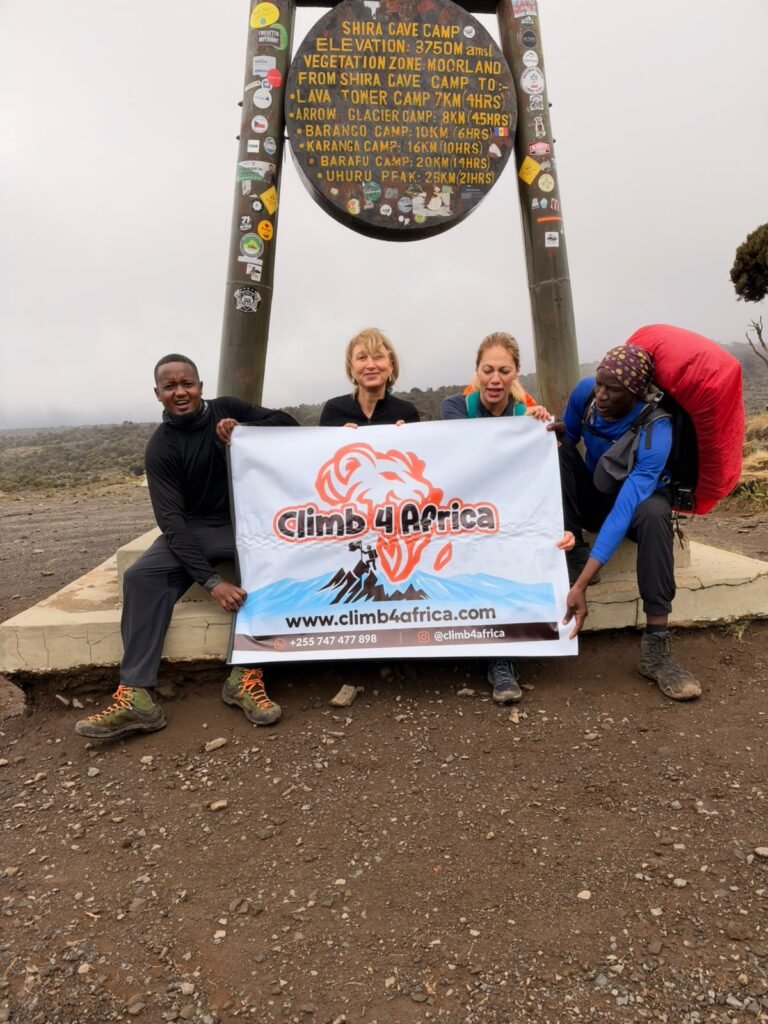
December 4, Mount Kilimanjaro Marangu Day Hike
December 4, 2026 Mount Kilimanjaro Marangu Day Hike.
View package details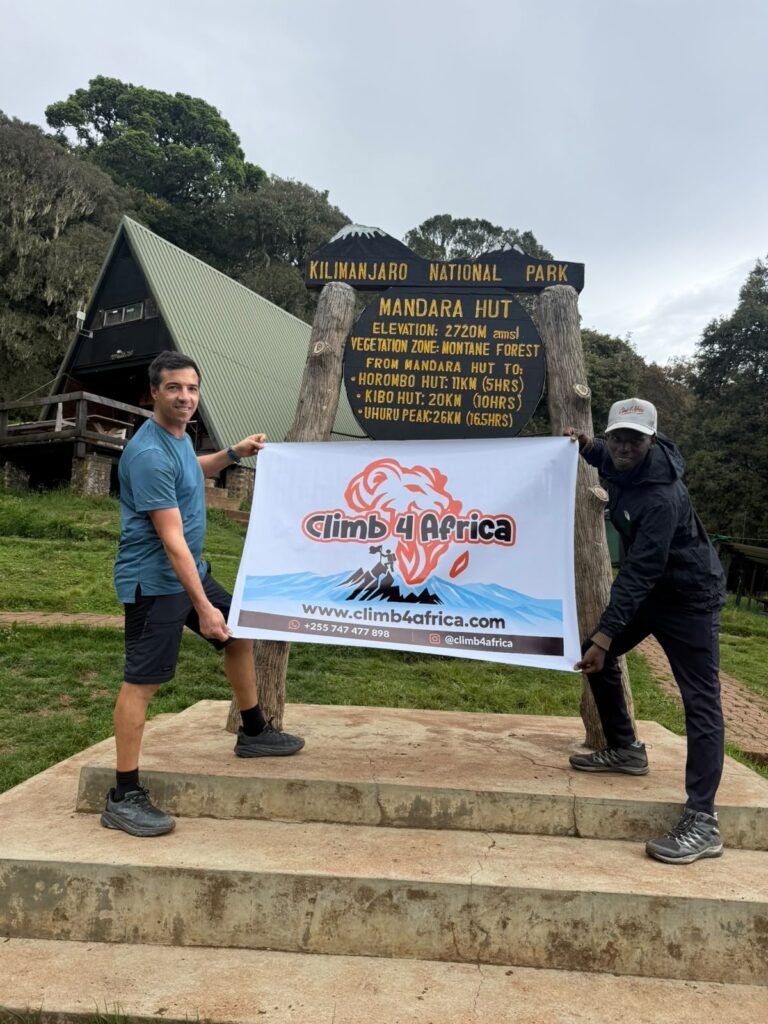
6 Days Marangu Kilimanjaro Hut Trekking – 6–11 December 2026
6 Days Marangu Kilimanjaro Hut Trekking – 6–11 December 2026.
View package details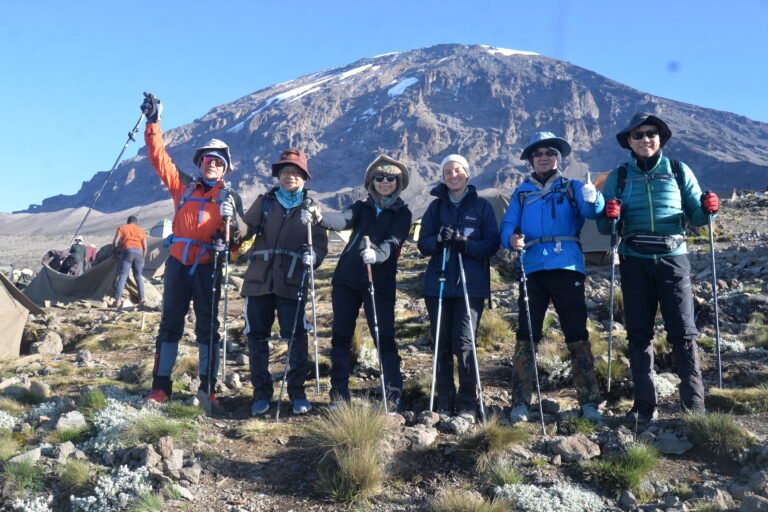
Kilimanjaro Full Moon Climb 24 December – Group Trekking 2026
Kilimanjaro Full Moon Climb 24 December 2026 – Group Trekking.
View package details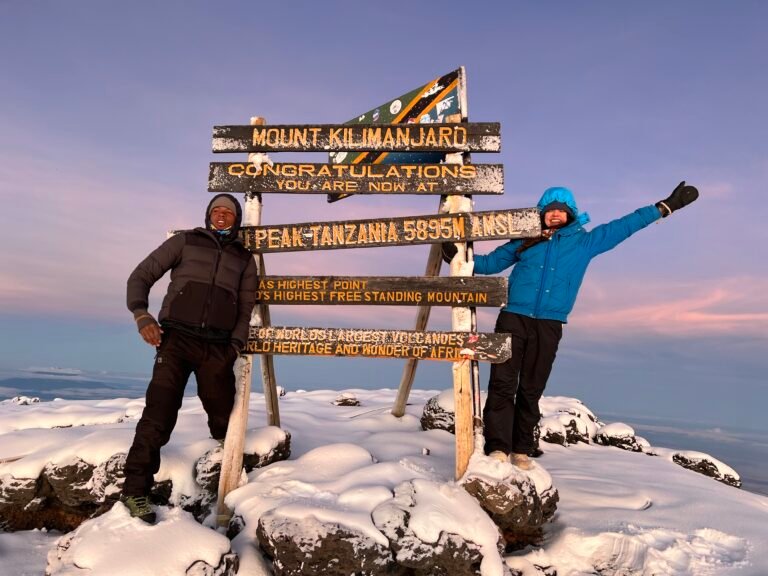
Kilimanjaro New Year Eve Climb – 31 December Summit 2026
Kilimanjaro New Year Eve Climb – 31 December 2026 Summit.
View package detailsKilimanjaro Christmas Holiday Trekking Packages December 2026
Kilimanjaro Christmas Holiday Trekking Packages December 2026.
View package details
10 Days Northern Circuit Kilimanjaro Christmas Holiday Trek – 21–30 December
10 Days Northern Circuit Kilimanjaro Christmas Holiday Trek – 21–30 December 2026.
View package details6 Days Rongai Route Kilimanjaro Hiking – 6–11 December 2026
6 Days Rongai Route Kilimanjaro Hiking – 6–11 December 2026.
View package details5 Days Marangu Kilimanjaro Christmas Trek – 22–26 December 2026
5 Days Marangu Kilimanjaro Christmas Trek – 22–26 December 2026.
View package details5 Days Marangu Kilimanjaro New Year Trek – 29 December – 2 January 2026
5 Days Marangu Kilimanjaro New Year Trek – 29 December 2026 – 2 January 2027.
View package details6 Days Marangu Kilimanjaro New Year Climb – 28 December – 2 January 2026
6 Days Marangu Kilimanjaro New Year Climb – 28 December 2026 – 2 January 2027.
View package details6 Days Marangu Kilimanjaro Christmas Holiday Climb – 21–26 December 2026
6 Days Marangu Kilimanjaro Christmas Holiday Climb – 21–26 December 2026.
View package details5 Days Marangu Kilimanjaro Full Moon Trek – 21–25 December 2026
5 Days Marangu Kilimanjaro Full Moon Trek – 21–25 December 2026.
View package detailsNo related package matches those filters. Clear one or more filters to see the other topic-matched options.



