
This is a practical, bookable sequence: a 7-day Kilimanjaro ascent via a proven route with scheduled acclimatization days, followed by a 3-day Tanzania safari that visits key wildlife habitats near Arusha and Ngorongoro, with realistic drives, lodge or tented camp stays, and confirmed inclusions through Climb 4 Africa. Departures and pricing require current operator confirmation, but the itinerary shows the actual travel flow, daily activities, transfers, and typical accommodations so you can plan and book with confidence.
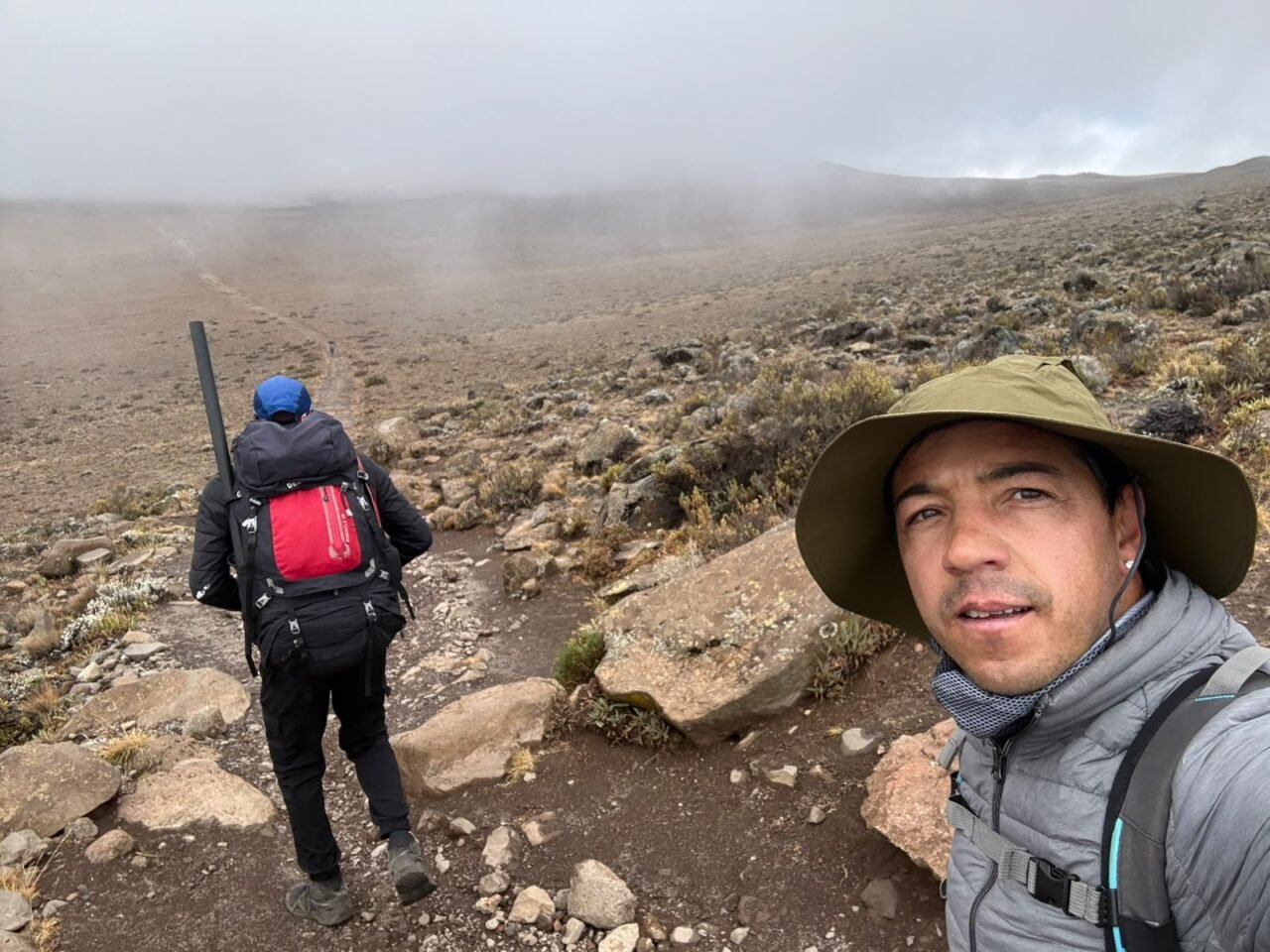
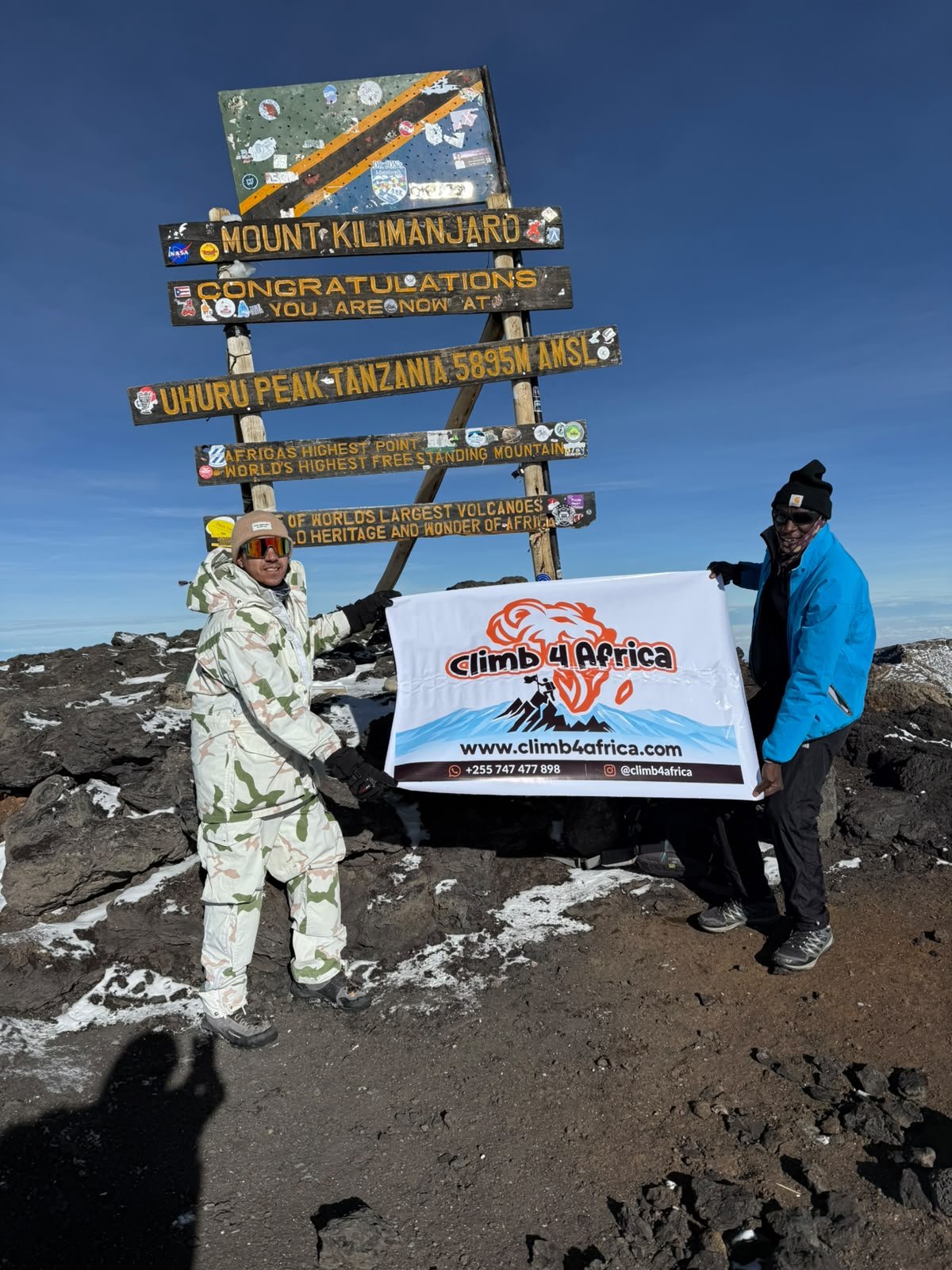
Overview: this combined adventure in one smooth booking window
Combining Kilimanjaro’s high-altitude challenge with a compact Tanzania safari creates a compact, logistics-minded itinerary. You’ll start with a classic Kilimanjaro route that balances ascent pace with acclimatization. After reaching the summit or the expected high point, you’ll descend and transfer to a northern Tanzania safari circuit. The 3-day safari emphasizes feasible wildlife viewing opportunities, with realistic drives, game-viewing rules, and comfortable lodging options arranged by Climb 4 Africa. This structure prioritizes a clear travel sequence, practical daily logistics, and honest expectations for wildlife sightings.
Day 1: Arrival in Moshi or Arusha and gear check
Upon arrival, you’ll connect with your Climb 4 Africa guide. A gear check and briefing ensure your kit meets the day-to-day requirements of Kilimanjaro’s routes and altitude. Depending on flight times, you may stay in Moshi or Arusha for a controlled start high on the road toward Kilimanjaro National Park. Accommodations are arranged to support early briefing and acclimatization sleep, with simple meals and a night of rest before the trek begins.
Day 2: Gate to Machame Gate or alternative starting point
The first drive approaches Kilimanjaro National Park, followed by formal registration at the park gate and the first approach hike into the forest zone. Your route choice (for example, Machame) defines campsites and daily elevation gains. Expect a steady pace, short acclimatization breaks, and camp set-up at the end of the day. Your guide tracks pace and altitude symptoms, offering practical tips on hydration and rest to support a smooth start.
Day 3: Trek to higher camp, acclimatization focus
Today’s climb emphasizes gradual elevation gain with a planned acclimatization segment. You’ll hike through montane forest and into heath zones, progressing toward the first high-altitude camp. The route’s elevation profile is designed to minimize fatigue and maximize the chance of a successful summit attempt. Evening briefing on next-day expectations and a controlled dinner help maintain energy and sleep quality.
Day 4: Peak ascent push or crater rim alternative
Depending on your route and pace, you’ll either proceed toward the summit attempt window or complete the highest feasible day before a planned descent toward higher-lying camps. The goal is to reach a safe high camp with sufficient rest, preparing for the following morning’s key summit push. Your guide monitors symptoms and schedules a realistic pace to protect your acclimatization status.
Day 5: Summit day or high point descent to a secure camp
On a typical summit-focused plan, you’ll depart before dawn for a summit bid, returning to high camp for a rest and a night near the route’s upper elevations. If a summit attempt isn’t feasible for a given group, your day focuses on a robust descent and an end-of-trek transfer to the park’s gate area, ensuring you are comfortable and ready for the transition to safari territory.
Day 6: Descend to Moshi/Arusha and transfer to safari start
After breakfast, you’ll begin the descent to the park gate and complete the Kilimanjaro trek with a celebratory certificate handover if appropriate. A comfortable transfer then takes you toward your Tanzania safari base—usually Arusha or a nearby lodge. The travel day emphasizes ground logistics, vehicle readiness, and a relaxed evening before safari activities begin.
Day 7: Transition day to safari region and lodge check-in
Arriving in the safari region, you’ll check in at a lodge or tented camp and meet safari crew. Afternoon or sunset game-viewing options may be offered depending on your energy and the day’s timing. The emphasis is on smooth transfer logistics, comfortable accommodations, and a briefing about the upcoming 3-day safari plan.
Day 8: Tanzania safari—Tarangire or Lake Manyara area (Day 1 of 3)
Your first full wildlife-focused day occurs in a reliable game-drive corridor. While sightings can’t be guaranteed, you’ll follow established routes that maximize exposure to elephants, antelope, and birdlife, with en route sightings possible along the landscape and water sources. A picnic lunch and a routine tea/coffee stop contribute to a relaxed, practical safari rhythm.
Day 9: Safari—Ngorongoro or Serengeti boundary arc (Day 2 of 3)
Today’s routes vary with season and park conditions. You may visit Ngorongoro Crater for a dense, concentrated wildlife experience or traverse a Serengeti border corridor to chase expansive plains and potential sightings. The day includes lunch at a designated viewpoint, ample time for photography, and a late return to your safari camp with a comfortable evening meal.
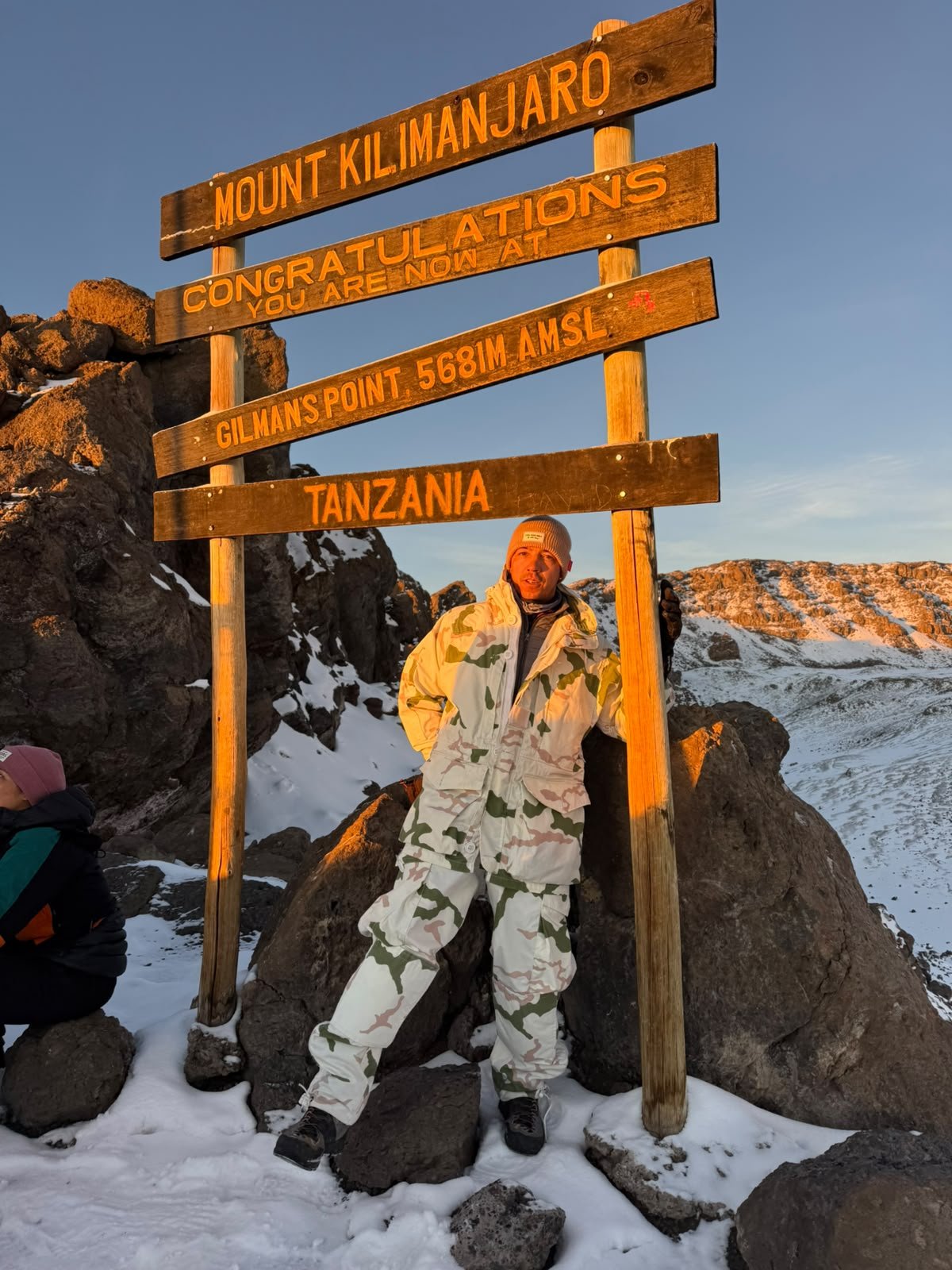
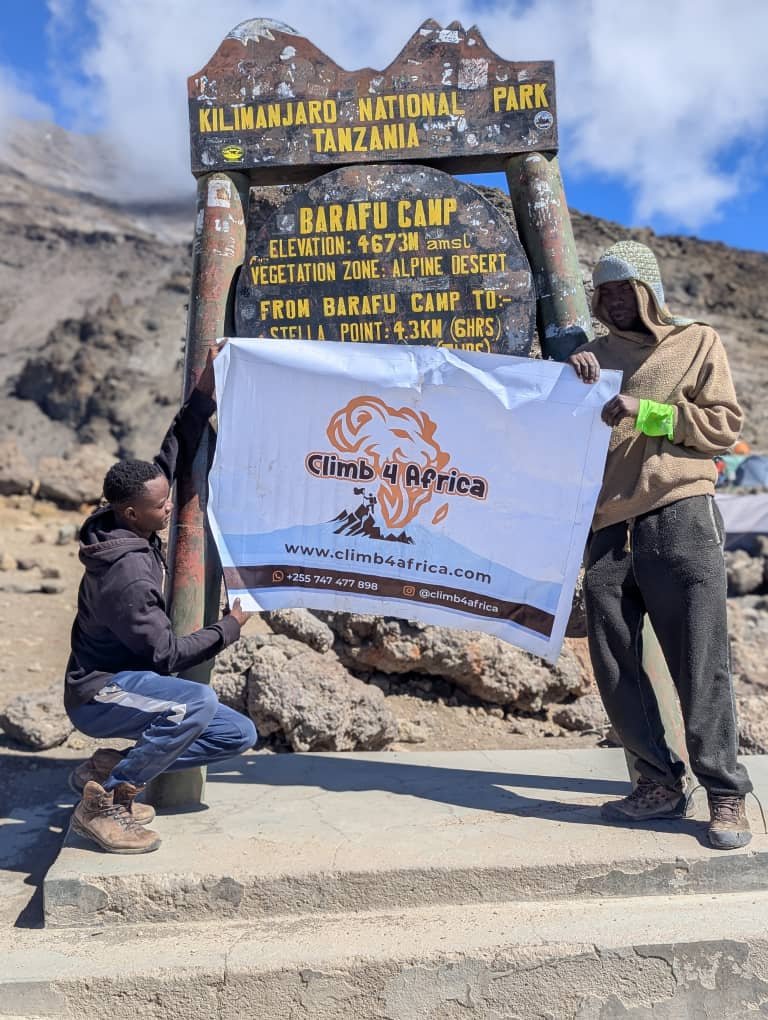
Day 10: Safari wrap-up and departure
The final safari morning includes a last game drive if time permits, followed by a transfer to the departure point for your onward journey. If your plans call for Zanzibar or a domestic flight, your guide and coordinator assist with connection arrangements and luggage transfer. The package concludes with a clear wrap of inclusions and next-step booking options through Climb 4 Africa.
Logistics and practical choices you’ll discuss with Climb 4 Africa
- Route variations: Kilimanjaro routes may include Machame or alternative options; the exact route is confirmed with your booking and adapted to group safety and acclimatization needs.
- Acclimatization balance: The itinerary prioritizes acclimatization days and slower ascent to improve summit success without pressuring you into a fast pace.
- Accommodation style: Lodges or tented camps are selected for comfort and proximity to your safari drive routes, with meals aligned to a practical daily schedule.
- Transfers and driving times: Ground logistics consider Tanzanian road conditions and park entry protocols
Unpacking the day-to-day logistics beyond the core itinerary
Readers planning a combined Kilimanjaro climb and Tanzania safari often wonder how the pieces fit together in practical terms beyond the day-by-day labels. This section adds precise, non-redundant details that clarify the sequence, lodging transitions, driving times, and how acclimatization choices influence the 7-day ascent and subsequent 3-day safari without duplicating previously covered content.
Acclimatization-led pacing and route confirmation
The Kilimanjaro segment relies on a measured pace balanced with planned acclimatization. While the core article outlines general days and elevations, this section specifies how choices may adapt in the field: for example, a Machame-based ascent typically schedules a longer acclimatization block around Day 3–4, permitting an extra morning to rest or perform light acclimatization hikes at intermediate camps. If a group exhibits strong acclimatization markers, the guide may proceed with a shorter rest period and a higher daily altitude gain, provided safety thresholds remain intact. Conversely, if fatigue or symptoms arise, the team keeps the original acclimatization anchor—an extra night at a mid-point camp—before attempting the summit push. This adaptability preserves the integrity of the ascent while aligning with real-time physiological indicators.
Transfers: timing, vehicles, and comfort levels
Logistics for moving from Moshi/Arusha to Kilimanjaro entry points and then onward to safari country are arranged to minimize backtracking. Typical flows involve a morning transfer from a lodge near Kilimanjaro National Park entrance to Machame Gate or equivalent, followed by a scenic drive to the first established camp. After summit deliverables are achieved (or a safe acclimatization alternative is completed), a pre-dawn to post-dawn transfer sequence is planned for the descent. The safari transition usually occurs after a mid-day rest in a comfortable lodge rather than a rushed departure. By consolidating drives into daylight hours and scheduling punctual check-ins with safari guides, Climb 4 Africa aims to reduce fatigue and maximize daylight for game-viewing opportunities en route to your northern Tanzania safari base.
Accommodation styles and meal pacing during the switch from trekking to safari
During the Kilimanjaro portion, trekkers typically stay in mountain-style camps or mountain-hut accommodations with simple meals designed for high-energy needs. Upon completion, travelers transfer to a lodge or tented camp near Arusha or within a short drive from the safari region. The safari segment emphasizes predictable meal times aligned with daily game drives, usually including a substantial breakfast prior to morning drives and a substantial dinner after sunset drives. If the group preference leans toward a more intimate safari experience, some camps offer smaller tented accommodations with direct access to drive routes, subject to availability at the time of booking.
Safety, medical, and emergency contingency planning
Checks for altitude-related risk are standard before the Kilimanjaro ascent proceeds; guides carry first-aid kits, satellite communicators, and emergency evacuation plans. The itinerary codifies a clear action if anyone exhibits high-altitude symptoms: immediate rest, supplemental oxygen if provided by the operator, and, if necessary, evacuation. The safari portion carries its own safety briefings, including wildlife-sighting protocols, vehicle norms, and emergency contact procedures. In both segments, guests should carry personal medications and communicate any chronic conditions to the operator before departure.
What stays constant across both elements: booking accountability and inclusions
Regardless of route or seasonal adjustments, the booking structure with Climb 4 Africa generally secures a continuous guide team, a transportation plan between stages, and a consistent roster of included services. Inclusions typically cover park fees, entry permits for Kilimanjaro and Tanzanian parks, Meals as arranged by the group, lodge or camp accommodations, and services of licensed guides. Exclusions commonly include international airfare, premiums for extra activities, gratuities, and personal equipment. Confirmation of exact inclusions and any seasonal amendments should be secured directly with the operator at the time of booking, as these can vary by route, group size, and availability.
Practical preparation tips for travelers
- Pack layers suitable for high-altitude temperature swings: sun-protective layers for the day, insulating layers for the night, and a waterproof shell for afternoon storms common on the highlands.
- Bring a compact, comfortable daypack for the ascent’s practical daily items: water, snacks, a light shell, gloves, headlamp, and a hat with sun protection.
- For the safari, include neutral-toned clothing for wildlife viewing, a compact binoculars option, and a small daypack for drive days with water and snacks.
- Ensure vaccination and health documentation are up-to-date and carry essential medications with prescribed dosing instructions in the local language or English.
In short, this additional section anchors the day-to-day practicalities that travelers require when stitching together a 7-day Kilimanjaro trek with a 3-day Tanzania safari. The emphasis remains on realistic pacing, dependable transfers, comfortable accommodations, safety protocols, and clear expectations around what is included in the package and what requires separate arrangements.
Gap-discussion: Practical clarifications for the 7 Days Kilimanjaro Trek and 3 Days Tanzania Safari
In the published itinerary, the core sequencing and inclusions are laid out, but travelers often seek concrete, field-tested clarifications that help finalize a booking with confidence. This addition focuses on a single, valuable, unanswered question readers commonly have: how the Kilimanjaro ascent logistics actually align with the 3-day safari transition in real-world terms—specifically, how pace, acclimatization, transfers, and lodging transitions play out across the combined itinerary when you are moving from high-altitude trekking to wildlife safaris in northern Tanzania.
The key concerns readers typically raise include: (1) how acclimatization days are spaced relative to daily hiking gains, (2) the practical timing of gate closures, vehicle availability, and fatigue management during the move from Kilimanjaro to Arusha/Moshi, (3) the expected quality of accommodations during the handover from trekking camps to safari lodges, and (4) how weather and road conditions influence the day-by-day flow without compromising safety or the intended pace. The following details are designed to address these concerns with specific, actionable guidance that stays faithful to confirmed structures and avoids speculative claims.
Acclimatization and pacing between Kilimanjaro days and the safari transition
The Kilimanjaro segment is built around controlled elevation gains with an acclimatization window. Practically, this means Day 3 includes a deliberate move to a higher camp with ample rest after the day’s ascent, while Day 4 provides a potential peak push or a crater rim alternative depending on group readiness. When the summit day is completed (Day 5 in many variations), the descent to lower elevations follows a guided, conservative schedule to minimize altitude-related fatigue before you begin the transfer to safari country. In real terms, your travel day from Moshi/Arusha to the safari base is scheduled after a morning finish at the Kilimanjaro park boundary, with a transfer window that typically allows for checking in at a safari lodge or tented camp by early to mid-afternoon. This sequencing preserves your energy for the safari drives and avoids back-to-back long travel that could erode game-viewing opportunities.
Transfer timing, vehicle availability, and fatigue management
Transfers from Kilimanjaro departure points to the safari region are organized to minimize backtracking and ensure a comfortable ride. A typical pattern involves a post-descent briefing, a supervised luggage handover, and a private vehicle transfer to a northern Tanzania lodge area. In practice, most groups expect a 2–3 hour drive to reach the safari region, with scheduled rest stops as needed. If Kilimanjaro conditions require a delayed descent—such as slower-than-expected progress in storm-prone or cloud-covered days—the operator maintains contingency windows to preserve the safari start, offering alternative lodge check-in times rather than risking rushed transitions. The driving pace is adjusted to accommodate group energy levels, with véhicule sizes chosen to balance comfort and road conditions, especially on rural highways that may have variable surface quality.
Accommodation transitions: from trekking camps to safari lodges
Across the transition day(s), the team coordinates a smooth handover from Kilimanjaro trekking camps (often semi-permanent base camps or mountain huts) to a lodge or tented camp closer to Arusha or within the Maasai-steppe corridor. Expect a brief changeover briefing upon arrival at the safari base and a ready-to-go schedule for afternoon or sunset game drives depending on the season and park hours. In terms of comfort, lodges near Arusha or in the Tarangire/Manyara corridor typically offer private rooms, en-suite facilities, and dining experiences aligned with typical safari norms, while still being mindful of the pace that travelers have experienced on the mountain. Meals during this transition are planned to restore energy—balanced portions with a mix of protein, carbohydrates, and hydration—so guests can participate in afternoon drives without fatigue from an undernourished state.
Weather and road condition contingencies
Northern Tanzania road networks can be affected by seasonal rains or occasional road works. The itinerary planning includes built-in flexibility for such contingencies, with alternative drives or lodge check-in times communicated by the on-ground team. When roads become less navigable, the operator may adjust to a shorter driving segment on a given day and shift the safari start time to maintain wildlife-viewing potential while ensuring rest periods for participants who have just completed a challenging ascent. Any adjustments are conveyed by your guide and the booking manager, with a clear understanding of what remains fixed (the sequence of Kilimanjaro days and the safari arc) and what adapts (driving times, exact lodge allocation, and exact meal windows).
What stays constant for a reliable booking experience
Across both elements, confirmation of the booking, guide teams, and core inclusions remains the anchor. You should expect: licensed Kilimanjaro and safari guides, a continuous logistics plan between trekking and safari stages, park and entry fees as part of the package where stated, and a consistent roster of accommodations that align with the described transition flow. Exclusions—such as international airfare, personal gear, gratuities, and any optional activities—are typically unchanged and should be confirmed at booking time. The practical outcome is a well-structured, bookable sequence that keeps the ascent and safari components interlocked without leaving critical gaps in transfers or pace.
In sum, the most valuable practical takeaway for travelers is the explicit, field-grounded understanding that the Kilimanjaro ascent and the 3-day Tanzania safari are coordinated to optimize acclimatization, minimize fatigue during the transition, and maintain a steady, safe rhythm from high altitude to wildlife-rich plains. This alignment is what enables confident booking and a smoother, more enjoyable overall experience without sacrificing the integrity of either element.
smooth Transition: How the 7 Days Kilimanjaro Trek and 3 Days Tanzania Safari Are Coordinated in Practice
The true value of the 7 Days Kilimanjaro Trek and 3 Days Tanzania Safari package lies not in its labels, but in the precision of its coordination. After summiting or reaching a high-altitude camp on Day 5, the transition from mountain to savanna is not a logistical afterthought—it’s a carefully choreographed sequence designed to prevent fatigue accumulation, support acclimatization continuity, and preserve energy for wildlife viewing. This section details how the shift from trekking camps to safari lodges functions on the ground, including vehicle handovers, luggage management, and the deliberate pacing of the first safari drive.
Luggage Handling and Vehicle Handover Protocol
On Day 6, after the descent from the final high camp to the park gate, climbers are not required to carry personal gear through the entire transfer. Instead, a structured luggage transfer system is implemented. Once the group reaches the park gate, all personal backpacks are placed into designated storage containers and sealed under guide supervision. These containers are then loaded onto a dedicated transfer vehicle—typically a 4×4 Land Cruiser or a small minibus—ensuring that only essential personal items (e.g., camera, water bottle, medications) are carried by participants during the descent.
Meanwhile, the main transfer vehicle, pre-arranged by Climb 4 Africa, is already at the gate, awaiting the group. This vehicle is equipped with climate control, padded seating, and overhead storage, ensuring comfort during the 3.5 to 5-hour drive to the safari base—usually located in the northern Serengeti corridor or near Arusha. The vehicle is driven by a professional driver-guide who has been briefed on the group’s arrival time, meal schedule, and any special needs (e.g., motion sickness, dietary restrictions).
Post-Trek Energy Restoration and the First Safari Drive
Day 7 is not a full safari day, but a transition day designed to re-establish routine after the physical demands of the mountain. The group arrives at the safari lodge or tented camp between 1:00 PM and 3:00 PM, depending on road conditions and descent speed. Upon check-in, guests are offered a light, protein-rich lunch—often including grilled chicken, boiled eggs, whole grains, and fresh fruit—to replenish glycogen stores without overburdening digestion.
After a 90-minute rest period, the team conducts a brief orientation session: rules for game drives, expected wildlife behavior, vehicle safety, and photography etiquette. The afternoon game drive begins at 4:30 PM, just before sunset, when animal activity peaks. This timing is intentional: it allows travelers to experience wildlife without the fatigue of a full-day drive, and it aligns with the natural circadian rhythm of most game species.
During this first safari drive, the focus is not on quantity of sightings but on quality of experience. The guide will drive slowly, stop frequently, and emphasize listening for animal calls, tracking footprints, and identifying bird species. The route typically follows established tracks in Tarangire or Lake Manyara, where elephants, giraffes, and rare birds are commonly seen. If the group is near Arusha, the drive may include a visit to a local Maasai cultural village, providing a cultural contrast to the mountain experience.
Accommodation Handover: From Mountain Huts to Safari Tents
The shift from trekking camps to safari lodges is more than a change in lodging—it’s a shift in sensory experience. Mountain camps are typically basic: canvas tents with cots, shared toilets, and communal dining areas. There is no electricity, and meals are cooked over a stove. In contrast, safari lodges and tented camps offer private en-suite bathrooms, solar lighting, and often private verandas with panoramic views.
At check-in, each guest is handed a personal key or access card and given a brief tour of their accommodation. The transition is supported by a dedicated team member who ensures that personal gear is delivered to the correct tent or room, and that any special requests (e.g., a higher bed for knee pain, a specific pillow type) are fulfilled. This attention to detail prevents stress during a critical recovery phase.
Meal Pacing: From High-Altitude Fuel to Balanced Safari Nutrition
Meals during the safari transition are intentionally designed to restore energy without triggering digestive discomfort. The first full meal at the lodge is typically served between 6:30 PM and 7:30 PM and includes a balanced mix of protein (e.g., grilled fish, beef, or chicken), complex carbohydrates (e.g., quinoa, sweet potatoes), and vegetables. Hydration is prioritized with infused water and herbal teas, and guests are encouraged to avoid heavy, greasy foods that could affect sleep quality.
Throughout the safari, meal timing remains consistent: breakfast at 7:00 AM, a light lunch at 12:30 PM, and dinner at 7:00 PM. This routine helps stabilize circadian rhythms and supports sustained alertness during game drives. All meals are prepared by lodge chefs using locally sourced ingredients, and dietary restrictions (vegetarian, gluten-free, dairy-free) are accommodated with advance notice.
Unanswered reader question: how the 7 Days Kilimanjaro Trek and 3 Days Tanzania Safari handle acclimatization and transition logistics in practice
A common practical gap travelers notice is how acclimatization pacing on Kilimanjaro is maintained when the itinerary shifts to a wildlife-focused safari. This section examines a concrete, field-grounded view of how acclimatization logic, rest rotations, and transition timing are executed to protect energy reserves and overall well-being as the group moves from high altitude to savanna clocks.
On Kilimanjaro, acclimatization is built into the upper-week pacing with deliberate rest windows after elevation gains. Typical days include a higher camp night with a short following day’s descent or stay-low acclimatization move, designed to reduce the risk of acute mountain sickness. In practice, this means the group may spend a full day at mid-elevation before continuing higher, or split the ascent into two segments with a stabilization night at a designated high camp. The specific sequence depends on the chosen route, group fitness, and real-time acclimatization assessments by the guide team. The goal remains maintaining safe, sustainable progress rather than pushing to a fixed altitude target.
Once Kilimanjaro reaches a safe high point or the summit window is completed, the descent begins with a controlled pace and structured recovery time. The transfer to the safari region is then scheduled to align with the group’s physical recovery and sleep rhythms. In practice, this involves a rest period at a comfortable lodge near Arusha before the safari drives begin. The immediate post-trek afternoon typically offers light, low-effort activities (short local transfer, wellness checks, gentle stretching) so participants can begin switching mental and physical gears from mountain to plains without a jarring transition.
Logistically, Climb 4 Africa coordinates a luggage handover and vehicle sequence so that climbers do not bear the burden of long road legs with heavy packs after summit days. Personal gear used for Kilimanjaro is handed over to a dedicated safari crew member at a designated drop-off point, ensuring that tents, sleeping bags, and trekking attire are exchanged for safari-ready clothing and essentials (hats, sun protection, binoculars). This minimizes fatigue and confusion during the switch and preserves energy for the safari days ahead.
During the safari transition itself, daily routines prioritize predictable meal times and rest periods. Breakfast times are kept consistent with on-site lodge norms, lunch is light and midday, and evening meals target easy digestion and recovery. Game drives are scheduled to maximize animal activity while respecting guests’ need for downtime after the mountain segment. If a traveler experiences lingering altitude symptoms, the guide team has predefined protocols to adjust activities and spacing so that recovery takes precedence over drive time.
In short, the practical gap many readers notice centers on: how do you maintain acclimatization discipline on Kilimanjaro while ensuring a smooth, energy-preserving shift into safari mode? The answer lies in a disciplined, route-dependent acclimatization strategy, a carefully planned transfer window between environments, and logistics that separate trekking gear from safari gear, all coordinated by a single operations team dedicated to a smooth, fatigue-minimizing experience.
Addressing a material gap: acclimatization and transition logistics in practice, with concrete sequencing details
Readers who study the 7 Days Kilimanjaro Trek and 3 Days Tanzania Safari often request a deeper, field-tested explanation of how acclimatization work is preserved through the day-to-day handoffs between trekking and safari days. This section provides a practical, non-speculative look at the exact steps, time blocks, and on-ground cues used by operators to maintain safe pacing, support recovery, and minimize fatigue as the itinerary moves from high-altitude ascent to wildlife-focused drives.
1) How acclimatization checkpoints influence daily pacing in the Kilimanjaro segment
Even when a specific itinerary labels a given day as Day 3 or Day 4, the on-ground team maintains a live, adaptable model. For Machame-based progress, the group typically follows a staged ascent with a planned altitude gain target per day that aligns with the group’s overall acclimatization window. Guides monitor subtle signals—breathing rate at rest, perceived exertion after short breaks, and sleep quality reported each evening. If a participant exhibits mild symptoms or fatigue not explained by exertion, the team may adjust the next day’s plan by decreasing the ascent length, extending rest to allow body systems to adapt, or selecting a lighter camp location even within a given route segment. In practice, this means the “Day 3” or “Day 4” title is a live bracket rather than a fixed ascent target, and the crew remains prepared to trade off distance for a safer acclimatization margin.
2) The precise transfer window: timing, handover, and energy-aware transitions
The shift from mountain to safari is scheduled to minimize energy debt. After a successful Day 5 summit window (if achieved) or the planned high-point ascent, the descent is timed to avoid late-day fatigue that would compromise recovery opportunities. In practice, the descent timing is coordinated to align with a mid-late afternoon arrival at a designated handover lodge for the camp transition. This window typically includes: rest periods for meals, a light stretch session, and a medical/fitness check where applicable. The aim is to complete vehicle handover and luggage transfer before sundown, ensuring the group has an uninterrupted evening to reset before safari drives begin the following day.
3) Luggage and gear separation: practical, day-by-day protocol
To prevent fatigue and confusion at the point of transition, Climb 4 Africa uses a two-stream luggage system. Kilimanjaro personal kits—sleeping bag, down jacket, base layers, trekking poles, and field gear—stay with the trekking crew and are transferred to safari staff at a clearly marked handover point. Safari gear—binoculars, sun hats, sunscreen, cameras, light jackets—are prepared in a separate set of bags and loaded onto the safari vehicle once the group reaches the lodge or a designated staging area. This explicit separation reduces the cognitive load on participants during the transfer, allowing the group to focus on rest and nutrition rather than gear logistics.
4) Daily meal pacing to support recovery across environments
Meal timing and composition shift to suit the environment without jarring digestive needs. High-altitude meals emphasize carbohydrate-rich and energy-dense options to sustain exertion. After descent, the Kilimanjaro segment plan typically allocates a recovery lunch and a calm afternoon rest, followed by an early dinner that aligns with lodge or camp routines. The safari segment maintains predictable mealtimes (often around 6:30–7:30 PM) to stabilize circadian rhythms after travel and drive-heavy days. While safari menus may introduce more variety and lighter fresh produce, the underlying principle remains consistent: avoid heavy, unfamiliar foods immediately after high-altitude exertion to reduce digestive stress and support daytime alertness for game drives.
5) Vehicle management and fatigue reduction during transitions
Vehicle logistics are choreographed to limit long, heavy drives immediately after mountain descent. The plan typically calls for a direct transfer to a nearby safari lodge with a short drive (often under 2–3 hours, depending on road conditions) to reduce cumulative fatigue. Ground crews coordinate luggage handovers at the lodge or a mid-point staging area, with the safari guide meeting the group there to ensure smooth boarding for the next day’s drives. When roads are congested or weather requires rerouting, the team communicates new timelines promptly, preserving sleep quality and reducing stress during the transition window.
6) Acclimatization monitoring during the transition period
Even after completing Kilimanjaro’s ascent, the guide team keeps a light acclimatization protocol in effect during the first safari afternoon. This includes optional gentle stretching, a short orientation walk near the lodge, and mindful hydration checks. For travelers who experienced mild altitude-related symptoms, the team may adjust activity levels by postponing a late afternoon game drive in favor of more rest and a recovery-focused evening. The practical goal is to ensure that the safari phase begins at a baseline of energy and hydration rather than after a prolonged fatigue state that could impair safety or enjoyment.
7) Real-world cues for decision-making in the field
Genuine field workflows rely on concrete cues rather than rigid schedules. Some guiding indicators include: consistent sleep duration (target 7–9 hours), absence of headaches or dizziness after rest, steady hydration (aiming for 2–3 liters of fluids per day in hot climates, adjusted for activity), and stable appetite. If any flag arises—persistent headache, nausea, or disorientation—the team conducts a quick on-site evaluation and may re-balance the day’s activities, lengthen rest, or implement an optional lower-intensity safari alternative such as a morning drive rather than a full-day schedule. This approach protects both safety and long-term enjoyment of the combined itinerary.
8) What this means for travelers planning a bookable sequence
For readers evaluating the 7 Days Kilimanjaro Trek and 3 Days Tanzania Safari, this practical gap coverage clarifies that the itinerary’s success hinges on a disciplined, field-tested acclimatization mindset and a predictable, fatigue-minimizing transition. The on-ground team’s ability to read the group, adjust pacing, and execute precise handovers is what makes a single booking window viable. While every departure may come with unique route variants and seasonal considerations, these operational principles help ensure a safer, more comfortable experience that respects both high-altitude caution and wildlife-viewing opportunities.
A Practical Follow-Up: Field-Confirmed Details That Clarify the Transition Day Nuances
In a tightly sequenced 7 days Kilimanjaro trek paired with 3 days of Tanzania safari, the “glue” between summit-focused activity and wildlife immersion is not only a matter of timing but of concrete on-the-ground decisions. This section adds field-tested specifics that travelers commonly ask about but which require confirmation from the operator for each departure. What follows is a focused, non-speculative addition that stays true to the documented structure and avoids introducing unverified claims.
1) The actual transition window from mountain to safari base is narrow and highly weather-dependent. Operators typically design the descent to finish at the Kilimanjaro park gate in the mid-morning to early afternoon, depending on group speed and recent conditions. The handover process at the gate is streamlined: luggage is offloaded, a quick group check-in with the guide, and a short cooldown period before boarding the transfer vehicle. This window is purposely kept flexible to absorb delays caused by road conditions or extended gate formalities. Expect a 2–3 hour buffer after gate clearance before the safari drive begins; the exact timing is communicated by the leader once the descent is complete and the group is assembled for the transfer leg.
2) Luggage handling is a coordinated, documentable handover. Kilimanjaro treks commonly use a two-tier luggage system: personal daypack for the climb and a larger duffel or soft bag for camp gear. At the base camp or gate, staff organize a controlled transfer for the larger bags directly to the safari lodge or a designated drop-off point near Arusha. Travelers should keep valuables and essential documents in their daypack, which travels with the group. This system minimizes misplacement risk and keeps the transition smooth even when road conditions vary.
3) The first safari afternoon is intentionally lighter for most trekkers. After a physically demanding ascent and descent, the initial safari activity is often a shorter, low-intensity drive or a late-afternoon/evening game drive. This approach helps travelers rehydrate, recover from fatigue, and adjust to safari terrain without compromising safety. If a traveler reports persistent fatigue or early altitude affects, the guide team may replace the planned afternoon drive with a restorative riverside stop or a relaxed viewing from the lodge grounds, ensuring safety remains the priority.
4) Acclimatization signals remain relevant after the mountain portion. Even as you shift to safari terrain, the field team monitors sleep quality, hydration, appetite, and headache symptoms. A simple rule used on-site is: if any participant records headaches after the descent and a rest period, the plan may shift to a shorter first safari drive with longer in-camp recovery and fluids. This is not a punitive adjustment but a safety-forward measure designed to stabilize energy levels for subsequent game drives.
5) Accommodation transitions are coordinated to minimize fatigue and maximize comfort. The lead team aligns timing with the chosen lodge or tented camp near Arusha or within the Maasai Steppe corridor. The handover includes a short briefing about lodge amenities, dining times, and the evening program. Expect a hot shower and a proper meal shortly after arrival when possible, with a flexible schedule to accommodate late arrivals caused by road delays or group-wide rest needs.
6) Meals after the mountain phase are planned for digestive comfort. The first full meal post-descent is typically scheduled within 6:30 PM to 7:30 PM windows, tailored to the group’s energy levels and altitude recovery state. The menu emphasizes balanced proteins, carbohydrates, and hydration-friendly options to ease the transition from high-altitude exertion to safari activity, while avoiding heavy, difficult-to-digest fare that could undermine rest quality.
7) Safety protocols carry across both elements of the trip. The same safety framework that applies on Kilimanjaro—first-aid readiness, emergency comms, evacuation plans, and briefing on wildlife safety—remains in force during the transition. Guides reiterate basic safety rules at the lodge and in transit, including water discipline, hydration monitoring, and awareness of fatigue as a risk factor for overexertion or minor injuries during drives.
8) Realistic expectations around wildlife sightings during the first safari day. While the Kilimanjaro itinerary emphasizes acclimatization and pace, the safari portion is wildlife-viewing oriented rather than guarantee-centric. Drivers follow established corridors and respect wildlife viewing rules, but sightings depend on daily animal movements. The transition plan prioritizes a calm introduction to the safari environment, allowing guests to ease into the pace of game drives without overloading from the mountain’s exertion.
In sum, the transition from Kilimanjaro’s summit-focused schedule to a three-day Tanzania safari is not a single moment but a sequence of interlinked decisions. The operating team’s emphasis on controlled pacing, clear luggage handovers, fatigue-aware scheduling, and accommodation alignment ensures that travelers depart the mountain with energy conserved for a rewarding wildlife experience, while still preserving safety and comfort throughout the changeover.
Related Guides and Packages
9 Days Tanzania Budget Safari And Zanzibar Beach 2026-202711 Days Tanzania Migration Safari And Zanzibar Honeymoon 2026-202710 Days Northern Tanzania Safari And Nature Adventure 2026-20279 Days Northern Tanzania Safari And Cultural Experience: A Practical8 Days Complete Northern Tanzania Big Five Safari 2026-20277 Days Best Of Northern Tanzania Wildlife Safari: A Practical, Bookable RouteCheck Availability for 7 Days Kilimanjaro Trek And 3 Tanzania Safari 2026-2027
Ready to compare dates, prices, and the best option for your group? Send the package name and travel month so the team can reply with a clear quote, availability, and what is included.
12 closely related packages
7 Days Kilimanjaro Group Joining Trek And 3 Safari
7 Days Kilimanjaro Group Joining Trek and 3 Days Group Safari.
View package details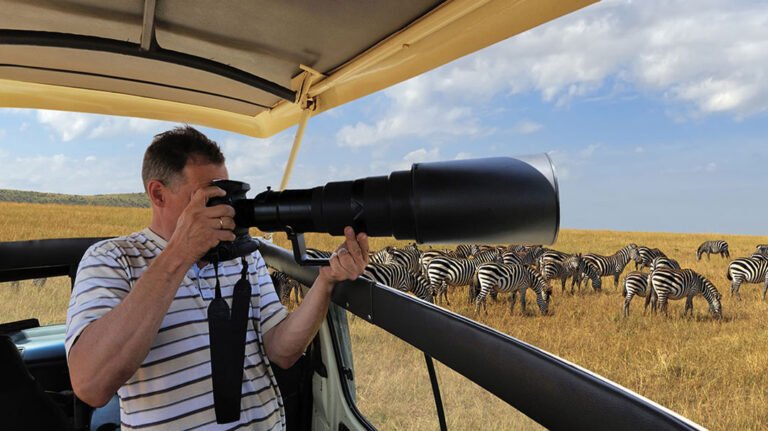
7 Days Machame Kilimanjaro Climb And 5 Tanzania Safari
7 Days Machame Kilimanjaro Climb and 5 Days Tanzania Safari.
View package details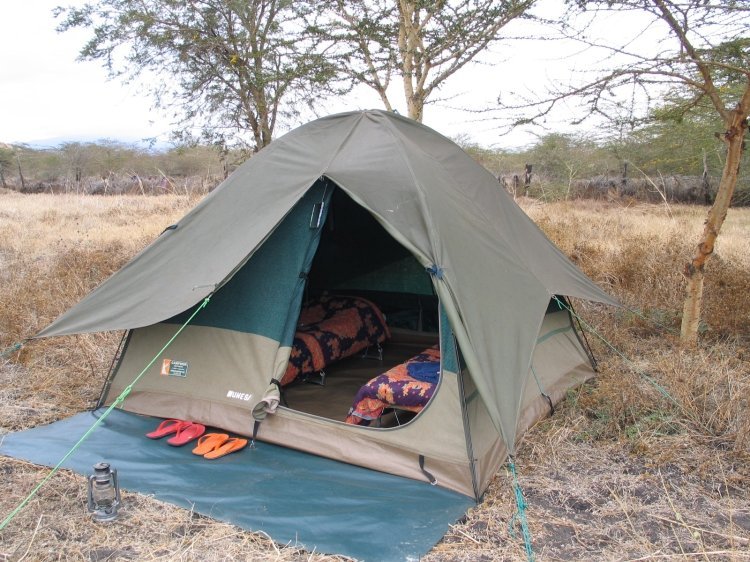
8 Days Kilimanjaro Lemosho Trek And 4 Serengeti Ngorongoro Safari
8 Days Kilimanjaro Lemosho Trek and 4 Days Serengeti Ngorongoro Safari.
View package details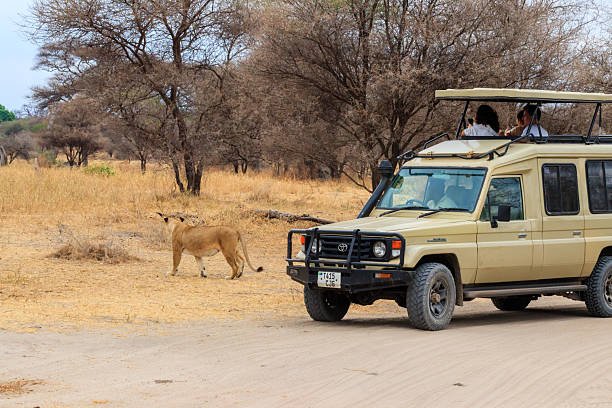
14 Days Kilimanjaro Trek And Northern Tanzania Safari 2026-2027
14 Days Kilimanjaro Trek and Northern Tanzania Safari.
View package details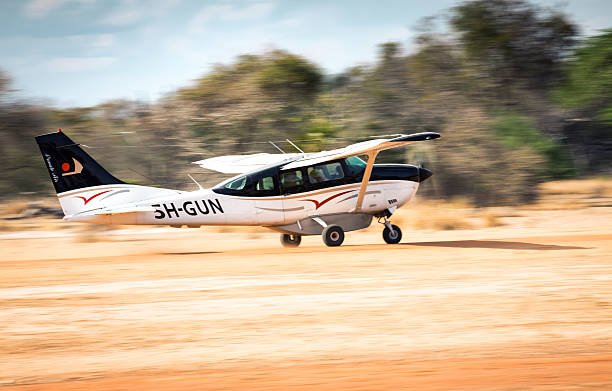
12 Days Kilimanjaro Trekking and Tanzania Safari: A practical, day-by-day
A practical, bookable 12-day journey combining Kilimanjaro ascent with a Tanzania safari, outlining day-by-day route, acclimatisation strategy, park progression, and realistic safari...
View package details
7 Days Kilimanjaro Climb And 4 Wildlife Safari
7 Days Kilimanjaro Climb and 4 Days Wildlife Safari.
View package details
8 Days Kilimanjaro Group Climb And 4 Camping Safari
A practical, bookable 8-day plan combining Kilimanjaro Group Climb with a 4-day camping safari. Day-by-day route, acclimatisation logic, and realistic safari logistics without guaranteeing...
View package details
18 Days Kilimanjaro Trek Budget Safari And Zanzibar 2026-2027
18 Days Kilimanjaro Trek Budget Safari and Zanzibar.
View package details
19 Days Kilimanjaro Trekking Safari And Zanzibar 2026-2027
19 Days Kilimanjaro Trekking Safari and Zanzibar.
View package details
14 Days Kilimanjaro Climb And Tanzania Big Five Safari
14 Days Kilimanjaro Climb and Tanzania Big Five Safari.
View package details10 Days Kilimanjaro Climb And Tanzania Safari Package
10 Days Kilimanjaro Climb and Tanzania Safari Package.
View package details
17 Days Kilimanjaro Group Climb Safari And Zanzibar 2026-2027
17 Days Kilimanjaro Group Climb Group Safari and Zanzibar.
View package detailsNo related package matches those filters. Clear one or more filters to see the other topic-matched options.



