
The 6 Days Serengeti Ngorongoro and Lake Natron Safari follows a practical, route-focused plan: start in Arusha, transfer to Tarangire or central Serengeti, explore the Serengeti ecosystem north or central depending on the season, descend into Ngorongoro Crater for crater floor game drives, then loop toward Lake Natron for a second wildlife and scenery emphasis, ending with a return to Arusha. The itinerary emphasizes realistic driving times, lodge or tented camp stays, and non-guaranteed wildlife opportunities, with options to adjust for weather, conditions, and group pace. Availability and exact lodging should be confirmed at booking.
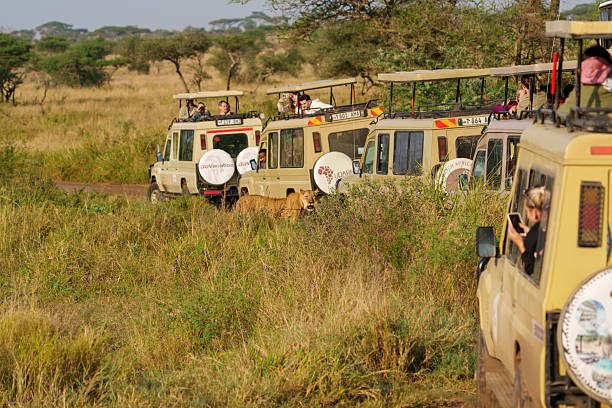
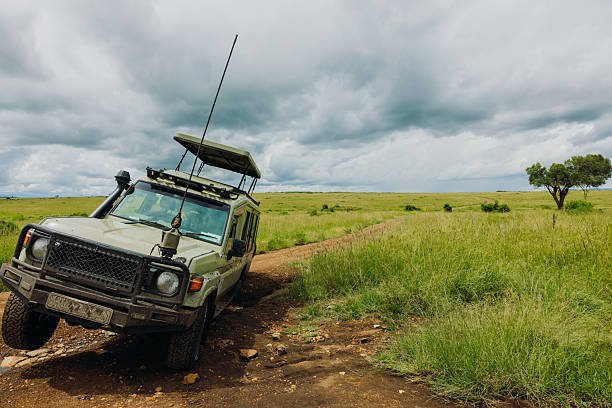
Day 1 — Arusha to Tarangire or Ngorongoro corridor: welcome briefing and transfer
Begin with a scenic transfer from Arusha to either Tarangire National Park or the Ngorongoro Conservation Area, depending on the season and group preference. The drive is long enough to adjust to Tanzania’s roads but short enough to maximize time on safari. Afternoon game viewing in Tarangire may reveal riverine landscapes, large elephant herds, and baobabs. If you head toward Ngorongoro, you’ll begin in the highlands and prepare for a crater-based day ahead, with lodge or campsite near the park gate.
Day 2 — Serengeti sector transfer and first wildlife foray
Travel from your lodge toward a designated Serengeti sector, choosing between central, western, or northern routes based on the season and wildlife movement patterns. Expect open savannah vistas, potential cheetah or lion sightings, and the chance to observe interactions along river courses or kopjes. Lunch en route or at a picnic site, followed by late-afternoon game drives and a sunset return to camp.
Day 3 — Serengeti full-day game drives
A full day in the Serengeti with morning and afternoon drives maximizes chances for diverse wildlife viewing. The specific sector depends on your guide’s plans, but common opportunities include spotting herds of wildebeest and zebra, gazelles, and predators resting in shade or patrolling fields. A picnic lunch is typical, followed by continued exploring of valleys, plains, or kopjes. Overnight at a Serengeti lodge or camp near the wildlife corridor you’re exploring.
Day 4 — Ngorongoro Crater descent and crater floor drives
Early departure to Ngorongoro Crater for a descent to the crater floor, a unique habitat with dense wildlife opportunities including rhino priorities in some seasons, herds of buffalo, elephants, hippos in the marshy zones, and occasional cheetah or lion activity. The day includes crater rim drive access, a possible picnic lunch at designated viewpoints, and a return to a nearby lodge or camp in the Ngorongoro highlands for dinner.
Day 5 — Lake Natron exploration and wildlife on the alkaline shores
Journey to Lake Natron, famed for its striking red-hued sunsets and alkaline shores hosting flamingo colonies in season. Depending on conditions, you may hike near the lake edge, visit a near-by waterfall, or encounter acacia woodland where hyraxes and small mammals roam. Evening at a Lake Natron-adjacent lodge or camp, with possible night skies and quiet wildlife sounds.
Day 6 — Return to Arusha via scenic routes or via a short air transfer option
From Natron, depart toward Arusha, either by road for a respectful driving time or by light aircraft if available and scheduled. The flight option reduces road time and can be a comfort choice for connecting international departures. Arrive in Arusha with a guided debrief, luggage transfer, and optional city activities or a final Tanzania cultural stop if you have the time. End of service.
Practical notes to help you book confidently
Route sequencing depends on seasonal wildlife movements, park regulations, and road conditions. Your operator will tailor the order of Serengeti sectors, Ngorongoro access, and Natron extensions to maximize wildlife viewing opportunities while keeping driving times reasonable. Lodges and camps vary in comfort level, from mid-range to premium-tented experiences; transfers between sites are typically via 4×4 vehicles with a knowledgeable local guide. Food, park fees, and activities are coordinated through your operator, with clear inclusions and exclusions provided in your booking contract.
Booking considerations and trade-offs
– Seasonality and wildlife flow: Central Serengeti vs. northern corridors can influence wildlife density and migratory patterns. If your priority is predictable Serengeti plains and customary big-cat sightings, discuss sector emphasis with Climb 4 Africa.
– Pace and driving: This itinerary balances longer drives with animal-watching opportunities. If you prefer shorter days with more time at a single site, you can request a slower pace or more lodge stays close to parks.
– Accommodations: Expect a mix of lodge and tented camp experiences. If you have a preference for budget, mid-range, or premium setups, mention it during planning for availability alignment.
– Natron extension: Lake Natron adds a different wildlife and scenery emphasis, especially flamingos (seasonally). If flamingo activity is a priority, verify seasonal patterns and access with your operator before booking.
What you’ll get from this bookable plan
– A clearly defined route across Serengeti, Ngorongoro, and Lake Natron with practical driving segments and logical logistics.
– Day-by-day progression that aligns with typical safari rhythms: morning drives, midday rests, afternoon/evening game viewing, and comfortable overnight stays.
– Realistic expectations about wildlife opportunities—sightings cannot be guaranteed, but the route is designed to maximize opportunities within park guidelines and seasonal movement.
Next steps
To move forward, confirm your preferred departure window, group size, and lodging style with Climb 4 Africa. They’ll tailor the sectors, lodging options, and transfer arrangements to align with your dates, budget, and comfort level, and provide a precise price and availability for your 6-day Serengeti Ngorongoro and Lake Natron Safari.
Day-by-Day Extension: Deepening practicalities for 6 Days Serengeti Ngorongoro and Lake Natron Safari
To support readers who want a tighter, booking-ready picture beyond the broad strokes already present, this extension focuses on concrete, land-transport logistics, lodging proximities, and realistic pacing for each day. It does not invent specific sightings or hotel names, but it clarifies how the day unfolds in practice, given typical route choices and park rules.
Expanded Day 1: Arusha to Tarangire or Ngorongoro corridor
Depart Arusha at a time that aligns with your arrival schedule, commonly mid-morning or early afternoon for a smoother handover from arrival to safari mindset. If you head toward Tarangire, expect a drive of roughly 2.5 to 4 hours depending on road conditions and the chosen gate. The arrival lodge or camp will be positioned to minimize subsequent early-morning starts, often within a short transfer of the park boundary. For Ngorongoro corridor options, the drive may be longer on day one, typically extending into late afternoon as you ascend into the highlands. In either scenario, a welcome briefing at the lodge or camp sets expectations: driving times for the next day, batched morning and afternoon drives, and any early morning check-in requirements for park entry. Afternoon safari windows in Tarangire emphasize riverine habitats and elephant corridors; in Ngorongoro, the first contact is with crater-adjacent landscapes and surrounding highland views. Evening meals and a restful night prepare you for the next day’s sector or crater access, with a note to respect driving schedules tied to gate opening times and park regulations.
Expanded Day 2: Serengeti sector transfer and first wildlife foray
Designate your Serengeti sector with your guide based on the latest wildlife movement reports and seasonality. If central Serengeti is chosen, the route may traverse a mix of acacia woodlands and expansive grasslands, with potential sightings along kopjes or river lines. If northern Serengeti is preferred to catch migratory corridors, anticipate longer morning drives with a mid-massage break at a picnic site to manage heat and fatigue. Lunch is typically a boxed or seated setup at a designated picnic area or a shaded lodge terrace en route. Afternoon drives can feature a change of scenery: rolling plains near a seasonal water source, or the cover of a tree line that fosters predator activity. The transfer from the previous night’s lodge to the current base is a short to moderate drive, designed to keep the vehicle efficiency high while reducing time lost to backtrack. Throughout Day 2, keep a flexible mindset—guides will adjust routes to maximize chances for open savannah sightings without guaranteeing specific animals.
Expanded Day 3: Serengeti full-day game drives
A full day in the Serengeti entails two structured driving blocks: a morning window typically starting just after sunrise, and an afternoon window that runs into dusk. The actual routes depend on your guide’s sector selection and current wildlife concentrations. Expect landscapes that vary from broad, flat plains to undulating hills near kopjes, each offering different vantage points for spotting cats, antelopes, and scavengers. Water sources, if present, can concentrate animals into easier-to-scan pockets, particularly during dry periods. Food and rest breaks are planned between drives at a designated picnic site or at the vehicle, as weather and terrain permit. The core practical outcome for Day 3 is steady exposure to a range of Serengeti habitats without overlong drives that would erode afternoon activity windows. Lodging remains a short transfer away, with the aim of balanced days that maximize wildlife viewing opportunities while preserving traveler comfort.
Expanded Day 4: Transition toward Ngorongoro or Lake Natron depending on the plan
On Day 4, the route shifts back toward Ngorongoro Crater or toward Lake Natron, based on seasonal movement and your group’s preferences. If the crater is the focus, the drive might begin early to permit a crater floor entry just after gates open, followed by a full-crater-day schedule with a mid-morning break and a late-afternoon exit. If Lake Natron is the objective, the drive will trend toward the gate and reserve edges closest to the lake, with late afternoon arrivals allowing for potential sunset silhouettes over the water and salt flats. Lodging in this transitional day is chosen to minimize backtracking: near crater gates for crater access, or near Natron’s scenic viewpoints if Natron is the target. The practical takeaway is that Day 4 acts as a hinge, setting up the most efficient sequence for the remainder of the journey while accommodating seasonally available access points and vehicle routing rules.
Expanded Day 5: Lake Natron wildlife and scenery emphasis
Lake Natron introduces a distinctive contrast to Serengeti plains: alkaline lakes, flamingo colonies (seasonal), and rugged volcanic backdrops. The day typically includes a morning activity at shallow lake edges where reflection is a photographic highlight, followed by a drive to nearby viewpoints or waterfalls along the Ngare transfer routes. Wildlife possibilities here are more specialized: you may encounter vervet monkeys, reedbed birds, and small ungulate assemblages along rocky shorelines, rather than the large herds that define the Serengeti. A midday rest in a lodge or tented camp with views toward the lake helps mitigate the heat of the day. In the late afternoon, a guided drive or short nature walk may reveal desert-adapted flora and fauna or basaltic formations created by ancient lava flows. The key practical point is aligning expectations: Natron offers distinct scenery and birdlife opportunities that complement Serengeti game viewing, rather than mirroring it.
Expanded Day 6: Return to Arusha from Natron or Ngorongoro corridor
The final day centers on a practical, timely transfer back to Arusha. If Natron was the concluding focus, the drive to Arusha involves longer highway stretches and a recharge stop, with arrival in the afternoon or evening depending on traffic and road conditions. If Ngorongoro remained the anchor, a return from crater gates to Arusha follows a similar pattern, with a midday lunch break factored in and a last wildlife-spotting opportunity en route if time allows. The final lodge check-out is timed to match your transport method—shared shuttle, private vehicle, or air transfer if arranged—and any last-minute shopping or photo retrieval is included in the pre-departure checklist. The overarching practical outcome is a smooth, predictable exit from the safari corridor, with final reflections on movement patterns and the shared experience of tracking wildlife across multiple ecosystems.
Booking reminders you’ll encounter in the practical planning phase include confirming the exact sequence of Serengeti sectors, crater access windows, and Natron extension feasibility for your travel window. Expect a clear breakdown in your contract of inclusions and exclusions, including park fees, meals, domestic transfers, and the potential for weather-driven changes. The itinerary’s strength lies in its flexibility: a capable operator can adjust the day-by-day order to maximize wildlife opportunities while keeping drive times reasonable and respecting local regulations.
Unanswered Practical Question: How to Adapt the 6-Day Schedule When Weather or Road Conditions Disrupt Transit Between Key Sectors
Readers often wonder what concrete steps a well-briefed safari operator will take if a key transit leg—such as Arusha to Tarangire, or a Serengeti sector transfer—becomes delayed by rain, floods, or poor road conditions. The following field-tested adjustments stay true to the existing, booking-ready framework of the 6 Days Serengeti Ngorongoro and Lake Natron Safari while preserving realistic driving times and wildlife opportunities.
1) Pre-emptive buffering and flexible handover windows: As part of the booking, most operators include a window for venue changes within the same calendar day. If Tarangire traffic or Ngorongoro gate delays threaten the planned afternoon game drive, guides typically shift the sequence to maintain safety and maximize exposure to wildlife within the first 24 hours. In practice, expect a built-in 1–2 hour buffer between arrival in a new sector and the first game drive block, with an alternate activity such as a themed wildlife watching stop, a village or cultural interaction, or a scenic viewpoint added as a contingency.
2) Sector-first pivot logic: The core logic is to stay within the same ecosystem family (Tarangire/Nairobi corridor–like landscapes; Serengeti plains; Ngorongoro highlands) while adjusting the order of activities. If a morning transfer to Serengeti central is delayed, the plan may flip to an afternoon game drive in Tarangire or shift Serengeti transfers to the next available daylight window. This preserves the day’s intent—safaris in open habitats with opportunities for predation, herds, and distinctive terrain—without forcing a rushed, long drive in poor conditions.
3) Lodge and camp coordination for dynamic routing: Lodging arrangements in this itinerary are typically near park gates or along access routes. Should conditions deteriorate en route, operators can dispatch ground teams to reposition pickups and meals, ensuring clients still receive a substantial wildlife experience within the revised routing. In some cases, guests may enjoy a relaxed midday break at a lodge with panoramic views, followed by a shorter late-afternoon drive to catch cooler animal activity without imposing excessive heat or fatigue.
4) Realistic wildlife opportunities under changeable weather: While it is not guaranteed to witness particular species, the surrounding ecosystems respond to weather in predictable ways. For example, rain-softened soils may slow driving speeds but increase bird activity and small mammals near transient pools; soft light after rain can enhance photography along riverine edges; and wildlife tends to concentrate along reliable water sources, which guides can target regardless of sector order. The key is transparent communication: guides describe what is visible and adjust expectations without promising specific sightings.
5) Safety and legal compliance as non-negotiables: When conditions require longer drives or alternate routes, drivers adhere to speed limits and park regulations, with updated radio coordination to avoid gate closure conflicts. Any detour must stay within the permit zones of the designated corridor, and inflight or on-ground fuel and water planning is updated to prevent stoppages. For passengers, this translates to a calm, informed transfer rather than a rushed sprint between gates and accommodations.
6) Practical pacing for a revised Day 1–Day 2 transition: If Day 1’s plan to Tarangire is delayed and Ngorongoro becomes the preferred corridor due to rainfall-induced closures, the revised Day 1 may feature a late afternoon arrival at a lodge near Ngorongoro Gate, followed by a highland overlook stop at golden hour rather than a standard Tarangire riverine drive. Day 2 would then be recalibrated to a crater-focused morning, with Serengeti sector transfers rescheduled to the earliest feasible window the next day, preserving the core arc: highland-to-crater-to-straight Serengeti exposure as weather allows.
7) Clear communication for travelers: A responsible operator provides an updated, written plan each evening, outlining the revised movement timings, potential wildlife opportunities, and expected driving distances for the next day. This transparency helps travelers adjust personal expectations, plan camera batteries and clothing layers, and understand meal timing changes tied to the new schedule.
8) Documentation and record-keeping: In disrupted days, the operator notes the cause, the alternate route taken, and the revised gate entry times to ensure park authorities and the client’s records reflect the evolving plan. These details are useful for post-safari logistics, such as insurance claims or future trip planning, and reinforce accountability for both guests and operators.
By incorporating these adaptive steps—buffering, sector-first logic, lodge coordination, realistic wildlife expectations, safety, pacing, clear communication, and meticulous documentation—the 6-Day Serengeti Ngorongoro and Lake Natron Safari remains practical and enjoyable even when weather or road conditions require on-the-fly adjustments. The result is a coherent, bookable experience that respects the realities of East Africa’s roads and climate while maintaining the integrity of the itinerary’s ecological journey.
Practical Enhancements: Parking, Park Rules, and Lodge Proximity for a Smooth 6‑Day Serengeti Ngorongoro and Lake Natron Safari
Beyond route sequencing, there are concrete, bookable decisions that shape the day-to-day experience in a way that travellers can verify in a proposal. This section adds granular, logistics‑driven details that frequently come up in final itineraries, without altering the core day structure or making unverified commitments.
1) Lodging proximity to gates and key wildlife zones. In Ngorongoro and Lake Natron corridors, most lodges cluster near park gates or overlooks with direct access to early-morning routes or crater rims. When confirming a booking, request a map showing the exact gate or access point for your lodge, the shortest drive time to that gate at sunrise, and the typical departure window allowed by the lodge staff for morning departures. Even within the same lodge group, rooms facing the crater rim or with a private veranda can meaningfully reduce warm-up time before a first light drive while keeping breakfast service punctual for a 6:00–6:30 a.m. start (subject to season and gate rules).
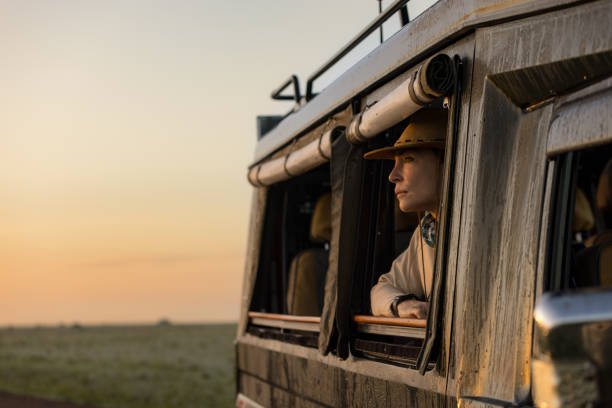
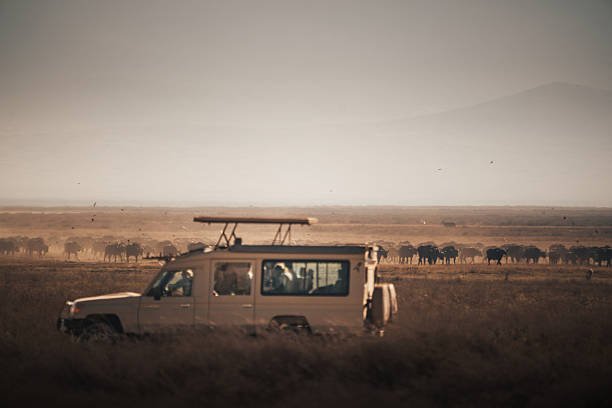
2) Vehicle configuration and space planning. Safari vehicles are often open-sided 4×4 land cruisers or similar, seating six guests with a driver-guide. Confirm the vehicle model and number of guests per vehicle at booking, and request a dedicated, non‑shared seating plan for any days with longer drives. For families or photographers, specify the desire for a slightly higher seating vantage (if available) or a longer window between shaded stops to protect gear and batteries. Ensure the operator understands any sensitive equipment needs (tripod space, lens length) so gear can be accommodated without delaying the group.
3) Fuel and water strategy in remote stretches. Even with careful routing, fuel and water logistics can influence daily pacing. Ask the operator to publish a simple, layperson-friendly plan showing fueling stops, water re-supply points, and estimated times for each leg. This helps guests prepare quick refreshments and plan camera battery changes, particularly on Day 2 or Day 5 when longer Serengeti drives or crater approaches might occur.
4) Gate timings and buffer windows. Gates have seasonal operating hours that affect morning departures and afternoon returns. Before arrival, obtain a gate timetable for your dates, including maximum permitted drive times in a day and any gate closures due to wildlife densities or park maintenance. Request the guide to keep a daily buffer—15 to 30 minutes—before the gate opening or closing window, to avoid rushed transitions and to preserve the planned crater or lake stop opportunities.
5) Meal timing and flexibility. In practice, lunch stops are often “picnic” in the field or at designated picnic sites adjacent to drive routes, with flexibility for early or late departures. Confirm a preferred meal rhythm with the camp or lodge: a light snack at the vehicle, a hot meal during a mid‑day break, or a packed lunch at a scenic viewpoint. If a crater morning requires departure a touch earlier than usual, coordinate a ready-to-go breakfast parcel that aligns with gate opening and permit timing, ensuring no loss of drive time due to food preparation delays.
6) Health and safety contingencies. In remote Tanzania, having a clear plan for medical emergencies, altitude or dehydration concerns, and skin protection is essential. If the group includes children or guests with specific health considerations, request a concise, site-specific emergency plan from the operator, including nearest medical facilities and the process for contacting park rangers or guides in event of a vehicle issue or medical needs. Carrying a basic first aid kit and informing the guide about any allergies or medications reduces risk and speeds response times.
7) Photography and wildlife etiquette. With no guarantees of sightings, a practical approach is to pre‑arrange a couple of photosessions within the day’s structure—perhaps a golden hour stop at a known kopje or river bend near Day 2’s Serengeti drive. Share preferences for vehicle placement, noise levels, and approach distances with the guide so the group can maximize humane wildlife observation while minimizing disruption to animal behavior.
8) Contingency‑driven itinerary notes for guests. The daily written plan is a critical touchpoint in adaptive travel. Request that the operator deliver a brief evening update after each day, noting any changes to departure times, gate access, or drive distances for the next day. This helps guests plan camera settings, clothing layers, and personal needs without guesswork when the schedule shifts due to weather or road conditions.
9) Language and briefing consistency. To avoid misalignment between expectations and actual movement, confirm that the briefing language will remain consistent with the itinerary’s terms: the day’s sequence, the chosen Serengeti sector, and the crater or Natron emphasis. If the group includes non‑English speakers, request bilingual briefing materials or a guide who can translate key logistics, so everyone remains aligned with the bookable sequence even when a day’s plan shifts.
10) Documentation for post-trip needs. A simple, shared document at trip end summarizing the day-by-day legs, alternative routes taken, and any gate times can streamline insurance or future booking processes. The document should avoid sensitive personal data and focus on schedule changes, driving distances, and lodging arrangements, making it easier to recreate or adjust plans for future safaris.
These practical enhancements center on grounded, bookable specifics rather than generic recommendations. They respect the 6‑day arc—Arusha to Tarangire or Ngorongoro corridor, Serengeti sector forays, Ngorongoro crater or Lake Natron as focal points, and a return to Arusha—while acknowledging the real-world frictions of East Africa’s roads, park rules, and remote accommodations. The aim is to empower readers and operators with tangible checklists that translate the itinerary into a reliably executed, smoothly logged experience.
Gaps and refinements: practical inclusions for a truly bookable 6‑Day Serengeti Ngorongoro and Lake Natron Safari
Readers often encounter last‑mile questions that can influence a booking decision, even when the core day structure is clear. This section adds concrete, bookable considerations that were not fully addressed in the prior extensions, focusing on transfer logistics between sectors, lodge handovers, and the realities of camp availability during peak seasons. The aim is to close practical gaps without altering the established day labels or promising guaranteed wildlife outcomes.
1) Sector‑to‑sector handover timing windows and gate realities: While Day 2 and Day 4 describe moving between Serengeti sectors and between Ngorongoro/Lake Natron, a traveler often asks: what are typical gate opening times and transfer margins that operators actually target? In practice, the handover window depends on the park entry gate schedules, the location of your lodge relative to the gate, and the need to complete official vehicle checks. A realistic planning target is a 60–90 minute buffer between leaving a camp and entering a new sector, allowing for fuel, park passes, and any transient delays at gate kiosks. This buffer should be explicitly reflected in the daily briefing and your operator’s written plan, so guests can arrange in‑camp meals or light packing in a predictable rhythm rather than reacting to delays at the last minute. If a gate opens at 06:00 and drive time to the next sector is 45–60 minutes, set a soft departure time of 05:45 with a backup plan for a 06:15 start if gate operations run late.
2) Lodge proximity mapping aligned with wildlife micro‑habitats: The plan often references “near the park gate” or “camp close to action.” For booking purposes, map each night’s lodging coordinate to a practical micro‑habitat advantage: proximity to river crossings in Tarangire if the plan leans toward late‑season migratory concentrations; highland foothills for Ngorongoro access with crater floor entry timing; or crater rim viewpoints and sunrise trails near Lake Natron’s shoreline wakes that offer long, scenic approaches toward flamingo colonies when conditions permit. A precise night‑by‑night proximity note helps guests visually verify how each stay supports early starts, evening drives, and potential daytime rest periods without backtracking across long distances. Operators can provide a simple schematic: camp name, GPS coordinates, travel time to the next gate, and the likely benefit (e.g., “short drive to Seronera for central Serengeti sunrise” or “closer to Lemala Ndutu’s view points during calving season”).
3) Vehicle and crew rotations to minimize fatigue and maximize flexibility: The itinerary relies on experienced guides and safari vehicles. In practice, day‑to‑day planning should include a brief rider on driver rotations and guide handoffs at mid‑safari milestones. For groups that split into two vehicles or share a vehicle with a licensed driver‑guide, ensure that each morning briefing specifies which guide is leading which block, and which vehicle will handle the late afternoon return. This clarity reduces redundancies, helps guests tailor clothing layers to the actual drive times, and improves safety continuity after longer moves between sectors (for example, Tarangire to central Serengeti vs. Tarangire to Ngorongoro during seasonal transitions).
4) Communication protocol for weather‑driven adjustments: Readers value a practical, stepwise approach to day changes caused by rain or mud tracks. Create a simple three‑tier alert framework and embed it into the daily briefing: Green (on schedule; no change), Amber (minor adjustment; depart 15–30 minutes later, or swap morning/afternoon drives), Red (significant movement delay; switch to an alternate area with quicker access to gates and camps). Include example phrasing that operators can copy‑paste into guest communications, such as: “Day 2: Serengeti sector transfer delayed due to rain; we will commence the morning drive at 08:00 in the Serengeti central corridor and adjust lunch location accordingly.” Consistent formatting reduces guest anxiety and helps them prepare clothing and camera settings for revised light conditions.
5) Contingency‑friendly meal planning and camp rituals: Because road conditions and gate access can shift, the daily plan should explicitly address meals as flexible anchors. If a late gate entry or extended game drive reduces the standard lunch time, confirm where a hot meal can be served (near a picnic site, at a protected camp area, or as a truck‑style boxed lunch). For Lake Natron days, specify whether a dawn or dusk meal is to be taken at the lodge or en route. This reduces guest fatigue and aligns expectations for rest stops, which is especially important for families or first‑time safari guests who may be unfamiliar with East African meal rhythms in remote settings.
6) Special‑needs and pace customization notes: Some groups include guests with limited mobility, high altitude sensitivity near the Ngorongoro rim, or specific dietary restrictions. Add a dedicated line in the pre‑trip briefing to confirm accessibility requirements, preferred vehicle seating (front row vs. middle seats), and any dietary accommodations. This ensures the bookable sequence remains usable for all travelers and reduces last‑minute rearrangements that disrupt the rhythm of the day’s drives.
By weaving these actionable, booking‑friendly details into the existing Day‑by‑Day flow, operators and guests gain a more transparent, verifiable plan. The core promise—the 6‑Day Serengeti Ngorongoro and Lake Natron Safari—stays intact, but the practical execution is clarified with concrete timings, lodging proximities, and a standardized language for weather‑related changes. This approach preserves the integrity of the original layout while supplying the missing, clearly verifiable elements that travelers typically seek when finalizing a booking.
Related Guides and Packages
Check Availability for 6 Days Serengeti Ngorongoro And Lake Natron Safari: A Practical…
Ready to compare dates, prices, and the best option for your group? Send the package name and travel month so the team can reply with a clear quote, availability, and what is included.
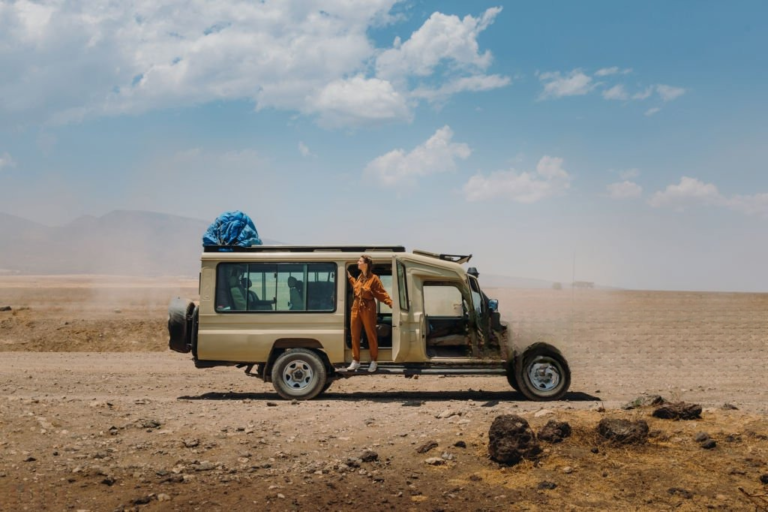
6 Days Serengeti Ngorongoro Tarangire And Lake Manyara Safari 2026-2027
6 Days Serengeti Ngorongoro Tarangire and Lake Manyara Safari.
View package details5 Days Tarangire Serengeti Ngorongoro And Lake Manyara Safari 2026-2027
5 Days Tarangire Serengeti Ngorongoro and Lake Manyara Safari.
View package details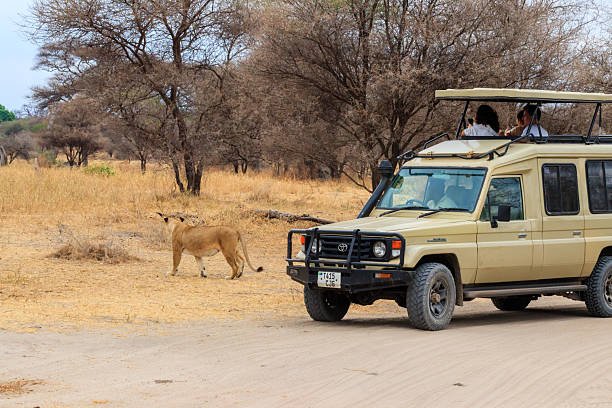
5 Days Serengeti Ngorongoro And Tarangire Lodge Safari: A Practical
A practical, lodge-based 5-day safari itinerary through Tarangire, Serengeti, and Ngorongoro, focusing on feasible driving routes, rest-focused days, and realistic wildlife opportunities...
View package details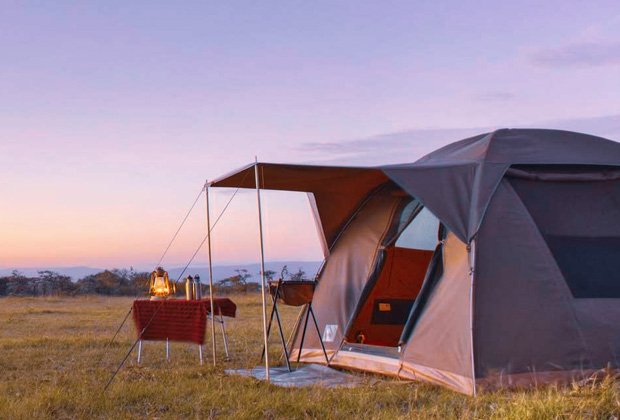
4 Days Serengeti and Ngorongoro Camping Safari
A practical 4-day camping itinerary linking Serengeti and Ngorongoro with realistic driving routes, campsites, and safari opportunities.
View package details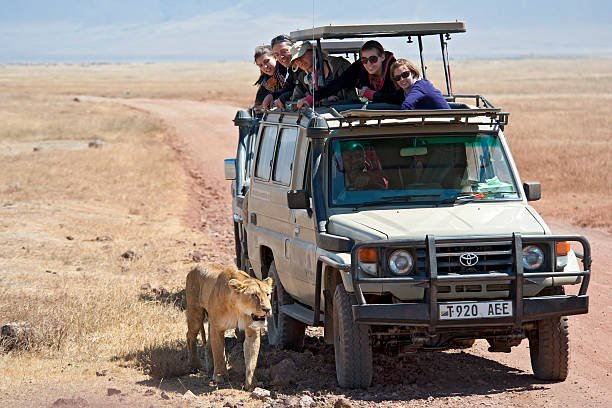
4 Days Tarangire Serengeti And Ngorongoro Safari: A Practical 4-Day
A practical 4-day journey through Tarangire, Serengeti, and Ngorongoro, designed for efficient travel planning, realistic game-viewing chances, and comfortable stays. This plan emphasizes...
View package details
6 Days Serengeti Ngorongoro And Tarangire Safari From Zanzibar: A Bookable
Plan a 6-day wildlife circuit that links Zanzibar with Tanzania’s top parks—Tarangire, Serengeti, and Ngorongoro. Discover practical routing, transfers, and realistic safari opportunities...
View package details
5 Days Tarangire Serengeti And Ngorongoro Safari From Zanzibar: Mainland
Plan a practical 5-day safari that starts with a flight from Zanzibar to Moshi/Arusha, then tours Tarangire, Serengeti, and Ngorongoro in sequence. This guide outlines day-by-day logistics...
View package details4 Days Serengeti And Ngorongoro Safari From Zanzibar: A Practical
Plan a focused 4-day combo: Zanzibar to mainland Tanzania, then Serengeti and Ngorongoro safari. Learn how days split between island relaxation and classic savannah game drives, with...
View package details
Combine The Challenge Of Kilimanjaro With Wild Beauty Of Tanzania’s Serengeti
This integrated 6-day Machame climb and 3-day safari combines the physical challenge of summiting Africa’s highest peak with in-depth wildlife encounters in the Serengeti and Ngorongoro...
View package details3 Days Serengeti And Ngorongoro Crater Safari 2026-2027
3 Days Serengeti and Ngorongoro Crater Safari.
View package details14 Days Lemosho Route And Serengeti Ngorongoro Safari 2026-2027
14 Days Lemosho Route and Serengeti Ngorongoro Safari.
View package details12 Days Tarangire, Serengeti, Ngorongoro And Zanzibar Safari 2026-2027
12 Days Tarangire, Serengeti, Ngorongoro and Zanzibar Safari.
View package detailsNo related package matches those filters. Clear one or more filters to see the other topic-matched options.



