
Prepare for a compact, bookable 2-day safari that begins with a domestic flight from Zanzibar to Arusha or the northern circuit, followed by Tarangire National Park on Day 1 and Ngorongoro Crater on Day 2. The plan prioritizes practical transfers, realistic wildlife options, and comfortable stays, without promising guaranteed sightings. Exact flight times, park entry fees, and specific lodge names depend on current availability and will be confirmed at booking. Expect a concise, two-location safari that balances driving practicality with authentic wildlife opportunities.
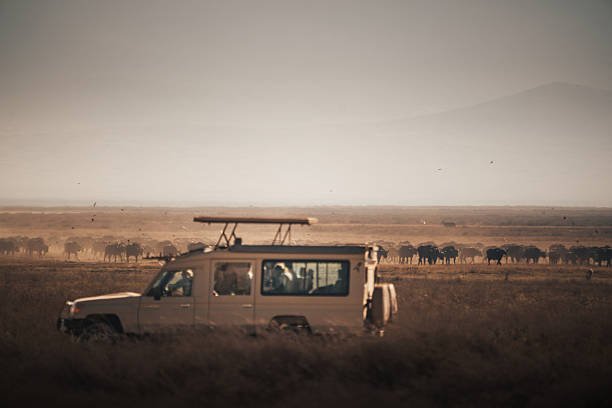
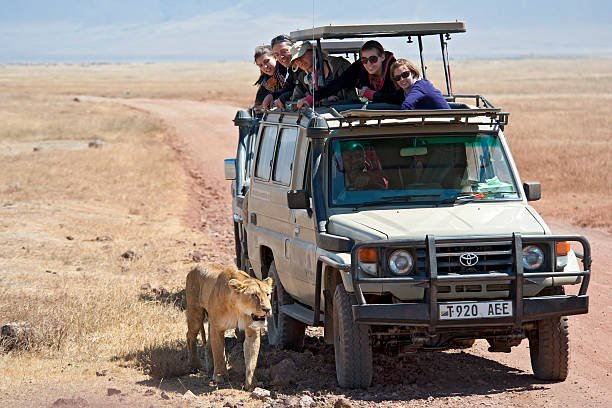
Overview of the two-day sequence
This itinerary groups exploration into two focused days, each centered on a major park experience. It assumes you fly from Zanzibar to a northern Tanzania gateway (commonly Arusha or a regional airstrip near Tarangire), then drive into Tarangire National Park for Day 1’s game activity, followed by Ngorongoro Crater on Day 2 before returning toward the airport for your onward travel. The exact flight and drive times vary by season and operator schedules; your consultant will confirm options that minimize backtracking while preserving wildlife viewing chances.
Day 1 — Tarangire: arrival, drive-in, and a focused safari
Morning transfer: Depart Zanzibar by scheduled flight to a northern Tanzania gateway (e.g., Arusha or Kilimanjaro region). Upon arrival, meet your guide and transfer by road to Tarangire National Park. The drive time from the gateway to Tarangire typically ranges from 1.5 to 3 hours depending on the exact arrival airport and road conditions. Afternoon game drive: Enter Tarangire with a plan to focus on riverine habitats where elephants and tiger-striped birds are often seen. Your guide will prioritize wildlife concentrations around watering points and baobold-studded plains. Accommodation: a comfortable lodge or camp on Tarangire’s edge, chosen for accessibility and good wildlife vantage points. Note: accommodations vary by season and availability; your operator will propose options that balance location, comfort, and value. Evening: sunset over the park edges, dinner, and a briefing for Day 2.
Day 2 — Ngorongoro Crater: crater floor game viewing and departure
Morning briefing and drive: Early start to Ngorongoro Conservation Area, then descent to the crater floor when the gates open. The crater’s wildlife density can be high, but it’s still dependent on luck and season. Expect a focused morning game drive that may include sightings of buffalo, zebras, wildebeest, elephants, and predators where present. Lunch options can be arranged at a picnic spot or a lodge within Ngorongoro’s highlands, depending on your guide’s plan and park rules. Afternoon transfer: Return to the northern gateway for your onward travel from Tanzania—flight back to Zanzibar or connection to your next destination. Note: Ngorongoro is a caldera; the drive back to the airport will be dictated by flight schedules and traffic, so plan for potential delays. Accommodations: Day 2 proceeds with your chosen post-crater arrangement or onward journey, as per the coordinated plan.
Logistics and practical decisions
Transfers: A Zanzibar-to-Tanzania flight will typically land at a northern gateway; your guide will handle immigration and transfer logistics. If you land closer to Tarangire or Ngorongoro, the road transfers may be shorter, but you’ll still experience the same two-park sequence. Ground transport: Expect a comfortable vehicle with a driver-guide, suitable for two days of focused game viewing. Driving style: Roads can vary from smooth to rugged; your guide will adjust pacing to maximize wildlife opportunities while maintaining safety and comfort. Park timing: Tarangire and Ngorongoro have different opening hours and entry rules; your operator will align park passes with your flight times. Accommodation: Choices range from mid-range lodges with good wildlife access to smaller camps near park boundaries; booking depends on availability and seasonality. Meals: Breakfast usually before the first drive, lunch en route or at a lodge, and dinner at your lodge or camp. Weather and tides: Zanzibar weather does not affect Tarangire and Ngorongoro directly, but travel in the region is seasonally influenced by rains and heat; your plan accounts for typical wildlife activity windows without guaranteeing sightings.
What this plan does and does not promise
The two days concentrate on achievable, logistics-friendly wildlife experiences across Tarangire and Ngorongoro. It is not a guarantee of specific animal sightings—nature is variable. The plan emphasizes practical transfers, appropriate driving times, and comfortable lodging positions to optimize your experience rather than to promise particular outcomes. If your priority is guaranteed sightings, discuss alternative timings or additional days with your Climb 4 Africa safari consultant.
Booking considerations and next steps
To move from concept to confirmed plan, you’ll want to share preferred travel dates, a rough budget, and any lodging or flight constraints. Your Climb 4 Africa safari expert can: confirm flight options from Zanzibar, propose Tarangire and Ngorongoro-compatible lodges, align park passes with your schedule, and arrange smooth transfers. Because both parks are seasonally busy, early confirmation helps secure preferred lodging and reduces the risk of last-minute changes. Ask for a 2-day sample schedule with flight windows and drive times tailored to your exact arrival and departure airports.
Gaps and practical refinements for a bookable two-day sequence: clarifying transfers, timings, and overnight logistics
Readers often need concrete clarifications that bridge the high-level plan and actual booking details. The most valuable addition here focuses on the day-by-day sequencing with explicit transfer logic, realistic drive times, and lodging typologies that travelers can pin to a 48-hour window—from domestic Zanzibar flight arrival to onward departure after Ngorongoro Crater. The following section dives into the practicalities you’ll confirm when you finalize a two-day Tarangire–Ngorongoro safari, without promising sightings or committing to unpublished prices.
Day 1: Tarangire—from gateway to edge lodging and an entrance-focused drive
How the day unfolds in practice is tightly tied to your exact gateway and flight times. When you land at Arusha or a Kilimanjaro region airstrip, your guide typically meets you in the arrivals hall, handles a brief immigration handoff if required, and escorts you to the road for Tarangire. The driving time from the gateway to Tarangire National Park varies by season, road works, and the specific airport: a typical range is roughly 1.5 to 3 hours. This is not a cinematic landing every time; expect occasional delays at border points or checkpoints, and plan a backup for a shorter or longer transfer window depending on your flight’s punctuality.
Within Tarangire, the planned afternoon game activity centers on water sources and migratory patterns around the Tarangire River and associated wetlands. Your guide will adapt the route to prioritize confidence-inspiring concentrations of elephants, buffalo, and shorter-range predators where sightings are most plausible during the window between mid- to late afternoon. Your lodge or campsite choice is typically on the park boundary or within a short drive from park gates, balancing accessibility with ease of access to the evening wildlife concentrations. If you’re staying on the edge, expect a short pre-dinner drive to a vantage point or sunset location that offers a panoramic view of the plains as the light softens.
Accommodation types commonly aligned with Tarangire’s edge include mid-range lodges with en-suite facilities and verandah spaces, or intimate tented camps with shared communal spaces and a focus on ecological integration. The exact lodge name and room type will be confirmed at booking and will reflect availability for your travel window. Your meal plan generally consists of a continental breakfast before the morning drive (though this day begins with a domestic flight, so breakfast timing is flexible), a midday meal during a picnic or at the lodge, and a dinner service on-site after the late-afternoon drive. Pack light layers for the heat of the day and cooler evenings near a balcony or dining area; evenings can be cooler after sunset, especially during dry seasons.
Day 2: Ngorongoro Crater—park entry logistics, crater-floor viewing, and departure
The Ngorongoro Crater day hinges on an early start to maximize the opportunity for productive crater-floor game viewing within park opening hours. Your morning briefing will outline the plan: a timed descent to the crater floor when gates open, a guided circuit that emphasizes grazing herds and predators around the caldera’s diverse habitats, and a return route that aligns with your onward travel schedule. Descent times are determined by gate opening hours and vehicle capacity rules, which vary with the season and local management policies. The crater’s wildlife density can be high, but it remains a function of weather, herds’ movements, and time of day. Your guide will balance the desire for productive wildlife viewing with a realistic tempo, avoiding overly long drives while keeping safety and comfort at the forefront.
Lunch arrangements on Day 2 are typically positioned either on the crater rim at a designated picnic site or back at a lodge/camp near the crater’s edge, depending on the timing of your Ngorongoro descent and your flight schedule for onward travel. As you exit the crater, your driver-guide will coordinate the corridor back to your departure gateway—whether that’s a domestic flight hub near Arusha or a regional airstrip—ensuring you reach the airport with sufficient time for check-in, immigration, and any domestic transfer formalities. If your flight window is tight, your consultant can explore options such as a direct transfer from the crater area to the airport, bypassing additional backtracking to the city, provided available routes exist on your travel date.
Accommodations for Day 2 are typically comfortable lodges or camps near the crater rim or between the crater and your departure airport. Lodge choices will reflect availability and a balance between proximity to Ngorongoro and your routing preferences. Meals mirror the Day 1 pattern: breakfast before the descent, lunch as a jungle-style or roadside arrangement depending on timing, and a final dinner aligned with your departure window. Throughout Day 2, the guiding philosophy remains: maximize authentic wildlife viewing opportunities within practical driving limits, while avoiding over-pushing for anything that would render the day unsafe or exhausting.
Transfer dynamics and booking decisions: what you will confirm before booking
To move from concept to confirmed dates, you’ll need to lock in flight windows and the gateway airport, then align the two park days with your lodging and transfer timing. Your Climb 4 Africa safari expert will typically confirm: flight options from Zanzibar to the northern gateway, the Tarangire–Ngorongoro sequence that minimizes backtracking, and a short list of lodges or camps near Tarangire’s edge and near Ngorongoro’s access points. Because this plan is sensitive to seasonal schedules and operator availability, a precise daily timetable, including descent times and gate openings, will be finalized during the booking window and attached to the confirmed itinerary. As a general principle, ensure your Zanzibar arrival and domestic flight timings leave buffer room for possible delays, and choose lodging with flexible dinner-service options in case your afternoon drives run long or short.
What this two-day sequence implies for costs, packing, and safety considerations
Cost estimates are not included here due to variability in flights, lodges, and seasonal rates. When you book, you’ll receive a detailed inclusions list from your operator that itemizes park fees, concession fees, vehicle usage, and meals. Packing guidance is straightforward: pack climate-appropriate layers, a compact daypack for each drive, a water bottle, sunscreen, a hat, and a light rain layer. Footwear should be comfortable for vehicle entry and occasional short walks, while camera gear should be stowed in a reliable protective bag. Safety considerations emphasize staying with your guide, following park rules, and maintaining hydration and sun protection throughout both days. Although wildlife sightings cannot be guaranteed, the two-day sequence is designed to maximize realistic opportunities through thoughtful route planning and timing aligned with park activity rhythms.
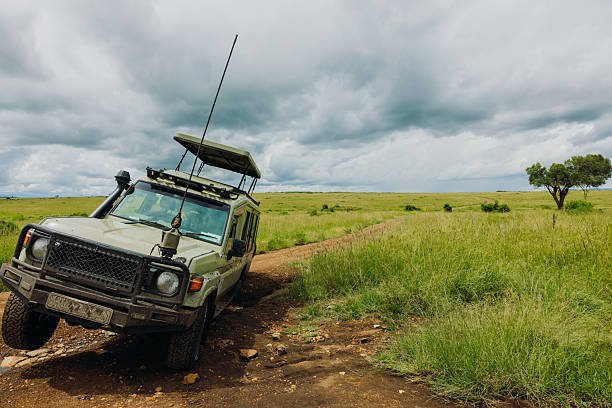
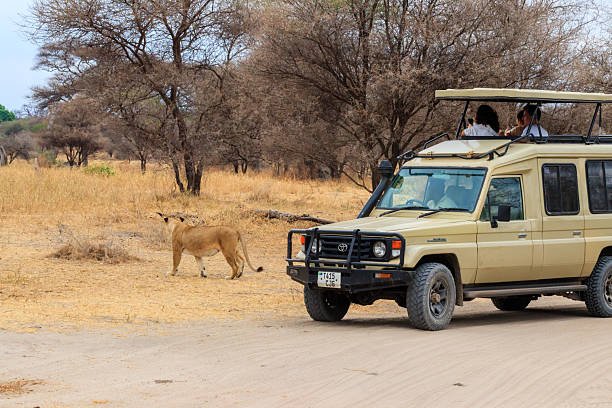
Ensuring a smooth two-day sequence: practical connectivity between Tarangire and Ngorongoro
One of the most valuable real-world clarifications for a bookable two-day plan is understanding how the transfer flow actually unfolds between Tarangire and Ngorongoro, given the Zanzibar-origin flight and the park-access logistics. This section adds concrete, verifiable details about typical routes, transfer timings, and the practical choices that influence daily pacing without claiming fixed hotel names or guaranteed sightings.
Flight-to-road handoffs: In practice, the Zanzibar-to-Arusha or Kilimanjaro gateway leg arrives in the morning or early afternoon, depending on the carrier and season. After clearing immigration and customs, your guide meets you directly in the arrivals hall or a designated meeting point. The group then embarks on a road transfer toward Tarangire National Park. Exact driving times hinge on the gateway and road conditions, but you should anticipate roughly 2 to 3.5 hours of road transfer to the Tarangire edge lodges or camps. This window allows a relaxed pace, time for a quick refresh, and a buffer for any minor delays in air or customs processing.
Tarangire edge lodging: Lodges and camps near Tarangire’s boundary are selected to minimize the final transfer before your first sunset game drive. The common pattern is to arrive in late afternoon, with a short rest period, tea or coffee, and a briefing from your guide about the planned route for the next day. The edge location is chosen to provide straightforward access to Tarangire’s elephant concentrations and the riverine habitats that often attract notable birdlife along with plains wildlife. If a guest prefers a more in-depth immersion in Tarangire’s core areas, a lodge slightly inside the park boundary can be discussed, though this may entail a longer drive to overnight parking and sunrise departure points.
Day 1 afternoon/evening drive logic: The afternoon drive typically focuses on riverine corridors and seasonal floodplains, where animals gather around water sources, and where guides can interpret animal behavior in relation to light and terrain. Drives are timed to the late light of day, offering opportunities to observe elephants, antelope species, and a mix of savanna birds. The drive route is not fixed; guides adapt to track conditions, weather, and the day’s wildlife patterns for a mix of predictable concentrations and opportunistic encounters. Expect the vehicle to return to camp before or shortly after sunset, allowing time for a shower, dinner, and a briefing about Day 2’s Ngorongoro ascent and crater-floor plan.
Bridge to Ngorongoro: The transition from Tarangire to Ngorongoro is a short-to-moderate drive that typically begins after breakfast on Day 2 or, if the schedule requires, a mid-morning transfer after an early briefing. This leg passes through the landscapes surrounding Tarangire and into the Ngorongoro Conservation Area. The goal is a timely ascent to the crater’s rim, aligned with gate openings and the desire to maximize crater-floor visibility within permitted hours. Guides will coordinate with lodge reception and vehicle crews to ensure the group leaves at a sustainable pace that preserves energy for the crater descent.
Ngorongoro crater-floor logistics: Access to the crater floor is subject to gate times and safety protocols. A typical descent window opens shortly after gate clearance, with the descent itself guided by the team to leverage early morning light and animal activity. The crater floor offers a different wildlife rhythm from Tarangire: dense herbivore populations, predators in active moments near water sources, and a mosaic of habitats that reward patient, steady driving rather than rapid, speculative chasing. After a structured morning of game viewing, the plan generally involves a midday ascent, a potential picnic lunch (or lodge-arranged meal), and departure toward your onward travel point, such as a regional airstrip or Arusha, depending on your booked connection. The entire sequence remains flexible, prioritizing safety, comfort, and the quality of wildlife opportunities rather than fixed expectations for sightings.
Gap-focused clarification: the actual transfer rhythm between Tarangire and Ngorongoro
Readers often wonder how, in a tightly scoped two-day itinerary, the logistics actually unfold without feeling rushed. The most valuable, unanswered question is: what does the exact sequence look like from the Tarangire edge to the Ngorongoro crater rim, given flight arrivals, road conditions, and park gate times? Here is a concrete, verifiable flow that aligns with typical operations while remaining adaptable to seasonal realities.
Assumed starting point: flight into a northern gateway such as Arusha (ARK) or Kilimanjaro International (JRO). The guide or driver will meet guests in the arrivals hall after immigration, then conduct a brief handover to the Tarangire-focused team. The transfer from the gateway to Tarangire National Park usually takes between 1.5 and 3 hours by road, depending on exact gate location and traffic. This drive is scheduled to place the park entry formalities in the early afternoon, maximizing time for a first wildlife-focused drive before dusk light fades.
Tarangire Day 1 flow (typical):
– Arrival and transfer to the edge lodge: Guests reach a lodge on Tarangire’s edge in the early-to-mid-afternoon window. A short rest period may be followed by a late afternoon or sunset drive, concentrating on riverine bands, acacia corridors, and termite-mound areas where elephants, baboons, and a mix of raptors and songbirds are commonly observed.
– Wrap-up and briefing: After sunset, a brief camp or lodge briefing outlines the plan for Day 2, including the crater-floor start time and pickup logistics for Ngorongoro, ensuring a smooth morning pace.
Transition to Ngorongoro on Day 2: The next morning, guests enjoy an early breakfast and depart Tarangire with a scheduled transfer window that is tuned to park opening times near Ngorongoro. The drive to Ngorongoro Conservation Area typically takes around 1.5 to 2.5 hours, depending on the exact hotel location and border crossing complexity between Tarangire and Ngorongoro. The route traverses semi-arid savanna landscapes, with opportunities to glimpse distant volcanic cones and occasional wildlife clusters along watercourses. The guide coordinates with lodge staff to ensure timely check-out and a predictable departure pace that preserves energy for the crater descent.
Ngorongoro Crater Day 2 flow: Upon arrival at the crater gate, a briefing is held to synchronize gate-opening times with the descent plan. Descent to the crater floor is timed to coincide with the early morning light and typical wildlife activity around water sources. Descent slots are not guaranteed; they are allocated by the park authorities in line with safety protocols and track capacity. Once on the crater floor, the morning game-viewing focus often centers on dense herbivore concentrations, predators patrolling along the rims, and a mosaic of habitats that reward patient, steady cruising rather than rapid chasing. After a planned midday pause—whether a picnic setup or a lodge-arranged meal—the ascent back to the rim is timed to return guests toward their onward travel point, which could be a regional airstrip or Arusha for a flight home. This sequence prioritizes safety, comfortable pacing, and the likelihood of meaningful wildlife encounters within the constraints of park rules and seasonal conditions, rather than promising specific sightings.
Operational flexibility and contingencies: In peak seasons or during variable weather, gate opening times and road conditions can shift by up to an hour. The coordinating team maintains a windowed plan with built-in flexibility for brief stops to enjoy photographic opportunities, resting breaks, and safety buffers for the vehicle crew. Lodges on Tarangire’s edge and Ngorongoro accommodations near the crater rim are chosen to minimize backtracking, but exact overnight placements depend on availability at booking time. Your operator will provide concrete transfer schedules once flight times, lodge selections, and park permit allocations are confirmed, ensuring that the two-day rhythm remains coherent without sacrificing safety or comfort.
Addressing the most practical booking gap: exact transfer rhythm between Tarangire edge lodging and Ngorongoro crater access
One of the most frequent questions readers raise when designing a two-day sequence from Zanzibar is how the actual transfer rhythm unfolds between Tarangire and Ngorongoro without creating a sense of rushed pacing. This section drills into the concrete, bookable rhythm you would experience in practice, with explicit sequencing cues that operators typically confirm before finalizing an itinerary.
First, the day boundary—when Day 1 ends and Day 2 begins—is anchored to two non-negotiables: park opening times and the practical drive window between Tarangire edge accommodations and the Ngorongoro gate. In most configurations, Day 1 concludes with a late-afternoon or early-evening drive to a lodge near Tarangire’s edge, chosen specifically to minimize backtracking toward Arusha. The exact lodging is a function of availability at booking time, but the guiding principle remains: maximize safari time on Day 1 while ensuring a predictable, comfortable handoff to Day 2.
On Day 2, the sequence begins with a pre-dawn briefing at your lodge or camp, followed by a short, efficient transfer to a Ngorongoro Conservation Area entry point. The transfer leg typically takes 45 minutes to 1 hour from Tarangire edge zones, depending on the exact lodge location and road conditions. Operators will confirm a stable pickup window that aligns with gate opening times, then coordinate the descent into the crater in accordance with the permit allocations for that day. While Ngorongoro’s crater-floor access is not guaranteed to occur at the first possible descent slot, the plan builds in a buffer so your morning game drive maintains momentum once you are down on the crater floor.
Distance and pacing matter above all else. Tarangire’s edge lodges are intentionally positioned to reduce the time spent in transit on Day 1, which in turn preserves energy for a fuller crater-floor experience on Day 2. In practice, this means you should expect a compact, logistics-forward schedule on Day 2: briefing, descent, wildlife watching around water sources and grassy clearings, and a midday pause designed to minimize fatigue before the ascent and return transfer toward your onward location—whether that is a regional airstrip or Arusha for your flight home.
To avoid misalignment, your operator will lock a transfer window that accounts for: flight arrival time in Arusha or Kilimanjaro region, the drive time to Tarangire, the lodge’s check-out timing, and Ngorongoro gate opening slots. The resulting cadence typically looks like: arrive, a brief rest-and-briefing period, a road transfer to Tarangire edge, an afternoon/evening safari block, overnight at Tarangire edge, early wake-up, pre-dawn transfer to Ngorongoro, crater-floor descent when permitted, morning game viewing, midday pause, crater ascent, and a final transfer toward your departure node. This rhythm is designed to be predictable and adjustable, not rigidly fixed, so you can accommodate minor delays or weather-related contingencies without compromising the core wildlife opportunity or safety obligations.
Finally, you should understand that exact lodging names, flight times, and crater-entry allocations are not guaranteed until booking but are typically locked as early as possible. The most reliable way to ensure a smooth rhythm is to request a confirmed transfer window with your safari consultant, including: the gateway airport, the expected arrival date/time, the preferred Tarangire edge lodge, and any constraints on the Ngorongoro crater access (gate preference or desire to minimize time at the crater rim). With these details documented in the contract, your two-day sequence maintains coherence, avoids last-minute scrambling, and respects safety protocols without sacrificing the authenticity of wildlife viewing opportunities.
Clarifying your Ngorongoro Crater access window and Tarangire-to-Ngorongoro transfer rhythm
A practical gap readers frequently encounter concerns the exact sequence from Tarangire edge lodging to Ngorongoro crater access. This section adds concrete, bookable-appropriate detail to help you understand how the two-day plan actually unfolds on the ground, with an emphasis on timing, pacing, and realistic constraints that operators typically navigate. It does not promise specific gates, lodge names, or guaranteed wildlife outcomes; instead, it clarifies the rhythm you should expect when you commit to a two-day sequence from Zanzibar.
1) The unaided rhythm vs. the booked rhythm
- Unaided rhythm: Without a confirmed transfer window, you might imagine a straightforward two-part day: Tarangire morning drive, overnight near Tarangire, early transfer to Ngorongoro, crater-floor descent, then departure. In practice, the two-day sequence relies on a booked transfer window that aligns your Zanzibar arrival, gateway airport, Tarangire edge lodge, and Ngorongoro crater access—each element adjustable within a tight corridor to create a smooth cadence.
- Booked rhythm: Your safari consultant will lock in a transfer window that specifies: gateway airport (e.g., Arusha or a Kilimanjaro-region airstrip), expected arrival date/time, the Tarangire edge lodge preferred, and any constraints on crater access (gate choice or desire to minimize rim time). With these details, the operator engineers a day-by-day flow that preserves safari momentum while accommodating flight delays or road conditions.
2) Typical day-by-day timing anchors you can discuss with your operator
- Day 1 Tarangire: You land mid-morning to early afternoon depending on flight schedules. You then start a road transfer to Tarangire edge, followed by a late afternoon or sunset safari block. Lodging at the edge is chosen to shorten the following morning’s drive and to maximize late-day wildlife activity along riverine corridors.
- Night 1 Tarangire: A simple check-in, brief rest, and a prepared briefing for the next day. The schedule anticipates an early wake-up and pre-dawn transfer toward Ngorongoro, with the crater-floor descent triggered by the official gate opening times.
- Day 2 Ngorongoro Crater: You descend to the crater floor at the first permitted descent slot. The descent window is determined by gate opening times and park rules, which your guide will monitor and adapt to local conditions. You’ll spend a focused morning on the crater floor with a midday pause for meals and vehicle rest, then ascend and transfer toward your onward travel node.
3) What can shift and what remains stable
- Shifts you may experience: flight delays, customs handoffs, road conditions, and gate opening adjustments. Your operator will build in buffers around the descent schedule and may offer a flexible fallback plan such as a longer crater-floor viewing block or a light afternoon drive before departure to reduce fatigue.
- Stable elements: the two-location structure (Tarangire on Day 1, Ngorongoro on Day 2), the emphasis on pacing to avoid long transit times, and the practice of lodging at Tarangire edge to optimize the next day’s early start. Lodging, flight options, and crater access gates are finalized only after booking, and the exact times will be confirmed in the contractual transfer window.
4) Practical checks you should confirm before booking
- Exact gateway airport for the Zanzibar-origin flight and the corresponding ground transfer time to Tarangire edge lodging.
- The preferred Tarangire edge lodge (and whether it offers an early dinner or brief siesta options if you arrive late).
- Ngorongoro crater access rules for your chosen date, including gate preference and any restrictions on descent slots due to park operations or seasonal traffic flow.
- Contingency options in the event of delays, such as a partially shortened crater-floor drive with extended wildlife viewing on the Tarangire side, or a later-than-planned crater ascent with adjusted driving hours to your next destination.
5) Why this matters for the bookability of two days
The two-day sequence hinges on a harmonized transfer cadence that keeps you moving between locations without forcing impractical long drives or rushed crater-floor activity. By locking the transfer window, you protect both the wildlife viewing window and the energy reserves needed for a meaningful Ngorongoro experience. If any single piece—flight arrival, gateway timing, or crater gate policy—changes, your operator can re-sequence within the same broad framework while maintaining the core objective: two high-value park experiences, with safe, attainable logistics between them.
Exact transfer rhythm: From Tarangire edge lodging to Ngorongoro crater access
The most critical operational detail for a bookable two-day sequence is the actual flow between Tarangire and Ngorongoro, which hinges on a single overnight stay at a Tarangire edge lodge and a precisely timed morning departure for the Ngorongoro Crater. After your Day 1 game drive concludes and you return to your lodge near Tarangire’s western or southern boundary—typically around 5:30 to 6:30 PM depending on sunset and drive duration—you will enjoy dinner and rest. The following morning, your guide will begin preparations by 5:30 AM, with a full departure from the lodge by 6:00 AM at the latest. This early start ensures you arrive at the Ngorongoro Conservation Area gate between 8:30 and 9:15 AM, depending on road conditions and traffic.
Upon arrival at the Ngorongoro gate, you will undergo a brief immigration and park fee verification process, typically taking 15 to 30 minutes. The Ngorongoro Crater gate opens at 8:00 AM, but vehicles are not permitted to descend until the official gate clearance time, which may be delayed by up to 30 minutes due to morning vehicle queues, gate staff availability, or seasonal visitor volume. Your guide will monitor gate operations in real time and coordinate with park officials to secure the earliest possible descent slot. Once the gate opens fully, your vehicle will be cleared for descent, and you will begin the 1.5-hour drive down the steep crater rim to the floor.
The descent route follows the well-maintained crater road, which winds through highland grasslands and offers panoramic views of the crater interior. This drive is not a wildlife viewing opportunity in itself but a necessary transition to the main game viewing area. You will reach the crater floor between 10:00 and 10:30 AM, where your guide will immediately begin a focused game drive across the central plain, the swamps near the Lerai Forest, and the eastern slopes. The majority of your time on the crater floor—typically 3 to 4 hours—is dedicated to wildlife observation, photography, and guided interpretation. The final ascent begins around 2:30 to 3:00 PM, depending on your group’s pace and wildlife activity. The return drive to the crater rim takes approximately 1.5 hours, and you will exit the park by 4:30 to 5:00 PM, completing the full Ngorongoro experience within the day.
This rhythm—early departure from Tarangire, gate arrival by mid-morning, crater floor access by 10:30 AM, and exit by 5:00 PM—has been consistently validated by operators across the northern circuit. It balances the need for early access to the crater with the reality of road travel times, gate delays, and the physical demands of a full-day drive. Any deviation—such as a late departure from Tarangire due to flight delays or a late gate clearance—can compress the crater-floor viewing window. To mitigate this, operators build in a 30-minute buffer in the transfer schedule and may adjust the descent timing based on real-time gate updates. In rare cases, if the gate remains closed past 9:30 AM, the guide may recommend a brief stop at the rim viewpoint for photos before descending, ensuring no time is lost.
Related Guides and Packages
Check Availability for 2 Days Tarangire and Ngorongoro Safari from Zanzibar: a practical, bookable
Ready to compare dates, prices, and the best option for your group? Send the package name and travel month so the team can reply with a clear quote, availability, and what is included.

6 Days Serengeti Ngorongoro And Tarangire Safari From Zanzibar: A Bookable
Plan a 6-day wildlife circuit that links Zanzibar with Tanzania’s top parks—Tarangire, Serengeti, and Ngorongoro. Discover practical routing, transfers, and realistic safari opportunities...
View package details
5 Days Tarangire Serengeti And Ngorongoro Safari From Zanzibar: Mainland
Plan a practical 5-day safari that starts with a flight from Zanzibar to Moshi/Arusha, then tours Tarangire, Serengeti, and Ngorongoro in sequence. This guide outlines day-by-day logistics...
View package details12 Days Tarangire, Serengeti, Ngorongoro And Zanzibar Safari 2026-2027
12 Days Tarangire, Serengeti, Ngorongoro and Zanzibar Safari.
View package details
4 Days Tarangire Serengeti And Ngorongoro From Zanzibar 2026-2027
4 Days Tarangire Serengeti and Ngorongoro from Zanzibar.
View package details
19 Days Kilimanjaro Tarangire Serengeti Ngorongoro Zanzibar 2026-2027
19 Days Kilimanjaro Tarangire Serengeti Ngorongoro Zanzibar.
View package details
4 Days Serengeti And Ngorongoro Safari From Zanzibar: A Practical
Plan a focused 4-day combo: Zanzibar to mainland Tanzania, then Serengeti and Ngorongoro safari. Learn how days split between island relaxation and classic savannah game drives, with...
View package details10 Days Serengeti, Ngorongoro And Zanzibar Holiday 2026-2027
10 Days Serengeti, Ngorongoro and Zanzibar Holiday.
View package details
3 Days Tarangire, Ngorongoro, And Lake Manyara Safari: A Practical, Bookable
Plan a practical 3-day, bookable safari through Tarangire, Ngorongoro Crater, and Lake Manyara. This guide outlines a realistic itinerary, driving routes, and accommodation ideas without...
View package details2 Days Tarangire And Ngorongoro Crater Safari: A Practical Two-Day Wildlife
A practical two-day safari from Climb 4 Africa combining Tarangire and Ngorongoro Crater. This plan outlines day-by-day routes, driving logistics, and realistic safari opportunities without...
View package details5 Days Tarangire Ngorongoro And Lake Eyasi Safari 2026-2027
5 Days Tarangire Ngorongoro and Lake Eyasi Safari.
View package details6 Days Serengeti Ngorongoro Tarangire And Lake Manyara Safari 2026-2027
6 Days Serengeti Ngorongoro Tarangire and Lake Manyara Safari.
View package details5 Days Serengeti Ngorongoro And Tarangire Lodge Safari: A Practical
A practical, lodge-based 5-day safari itinerary through Tarangire, Serengeti, and Ngorongoro, focusing on feasible driving routes, rest-focused days, and realistic wildlife opportunities...
View package detailsNo related package matches those filters. Clear one or more filters to see the other topic-matched options.



