
Plan a 2-day itinerary that starts in Zanzibar, flies to the Tanzanian mainland for a safari in Nyerere National Park, then connects to a boat safari along the coast. You’ll experience a practical sequence: Zanzibar to the mainland by flight, a guided game drive in Nyerere, then a boat-based coastal excursion before returning. Costs and exact departures vary by date and operator; actual availability must be confirmed at booking. The plan prioritizes realistic driving times, lodge or camp options, and clear transitions between land and water safari activities.
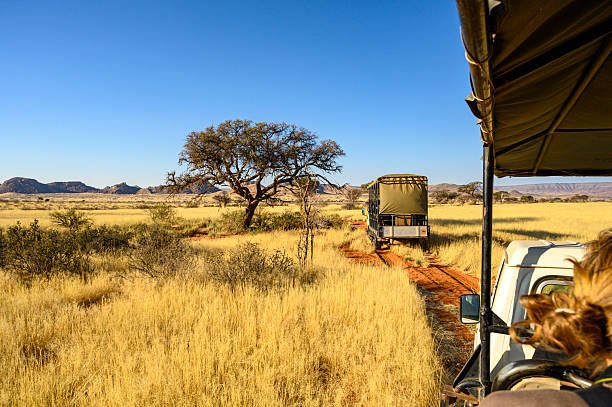

Overview of the sequence and what you’ll get
This 2-day package blends a compact mainland safari with a refreshing boat safari along the coastline after arrival from Zanzibar. The route and timing are designed for practicality rather than fixed timing guarantees, since flight connections, park entry times, and boat departures can shift with season and local logistics. Expect a brief mainland wildlife encounter in Nyerere National Park and a relaxed boat safari that showcases riverine and coastal habitats. Accommodations are chosen for convenient access to airstrips and park gates, not for luxury guarantees; you’ll have a comfortable base with a clear day-by-day flow.
Day 1 — Zanzibar to Nyerere National Park: transfer and first safari
Departure from Zanzibar typically involves a domestic air connection to a mainland airstrip near Nyerere National Park. After arrival, a short drive brings you to your forest- or savannah-adjacent lodge or camp. The first afternoon or late morning game drive in Nyerere National Park begins with a focused look at primary habitats, grassy plains, and water sources that concentrate wildlife around open areas. The pace is relaxed, allowing for stretch breaks and interpretation from a licensed guide about animal behavior, spoor, and the landscape. A light evening meal at the lodge completes the day, with an optional preview briefing for the next day’s boat safari. Transfers are structured to minimize road fatigue; exact times depend on flight schedules and park gate hours.
Logistics to consider for Day 1: confirm the Zanzibar-to-mainland flight, verify park entry requirements, and ensure you have required documents for early morning transfers. Expect practical costs for internal flights, park fees (if applicable), and lodging that supports easy access to the next day’s river-and-coast excursion.
Day 2 — Nyerere National Park to coastal boat safari and return
Morning game viewing in Nyerere is followed by a transfer to a coastal launch point for a boat safari along the river delta or nearshore habitats. This leg emphasizes water-based wildlife and birdlife, offering a different slice of Tanzania’s biodiversity compared with the land-based experience. The boat safari should be kept flexible to tides and water levels, with a guide who can discuss navigable routes and safety considerations. After the boat excursion, you’ll be transferred back to an airstrip or port for the return flight to Zanzibar or an onward connection, depending on your broader itinerary. The day is built to avoid rushing transitions and to provide a practical end to the two-day plan.
Logistics to consider for Day 2: tides, boat availability, and the possibility of combining a shorter land transfer with the boat trip. Ensure you have a confirmed return flight from the mainland or an overnight option if schedules require it.
Practical choices and trade-offs
Two days means prioritizing feasibility over a full wilderness sweep. This plan leans into a single mainland park experience (Nyerere) rather than a multiple-park circuit, minimizing driving time and maximizing time on activity. The boat safari adds a coastal flavor to the trip, but tide windows and weather can affect the water-based portion. Accommodations are selected to balance comfort with quick access to airstrips and park gates. If you prefer a longer land-based safari in addition to the boat portion, consider extending the trip by one or two days and adding Mikumi or another nearby park.
Connections and transfers: how the logistics actually work
The essential connection is Zanzibar to the mainland by light aircraft, followed by a land transfer into Nyerere National Park. After the land safari, you’ll move to a coastal launchpoint for the boat safari. Keep in mind that flight times, check-in windows, and boat departures shift with season. Your itinerary should specify the exact flight numbers, gate times, and the boat operator’s departure window. If a same-day return to Zanzibar isn’t feasible, you may arrange an overnight stay near the mainland airport or lodge with easy access to the next morning departure.
What you should book now and what to confirm later
Book the core: Zanzibar-to-mainland flight, Nyerere National Park safari vehicle and guide, lodge accommodations, and the coastal boat safari operator. Confirm the exact distance and drive times between the airstrip, park gates, and lodge, plus the boat’s start point and tide window. Prices and availability change; reserve the core components first and leave flexible elements such as exact boat departure times or specific lodge rooms to final confirmation. Your operator can provide a realistic, current quote with the day-by-day plan clearly laid out.
Unpacking the coastal boat safari logistics: where the second day actually happens
Readers assessing a compact 2-day plan naturally wonder not just what happens on each day, but how the two legs connect in real terms. This section adds concrete, procurement-relevant detail about the practicalities that sit between the land-based game drive in Nyerere National Park and the subsequent coastal boat safari, without overpromising fixed times or sightings.
The transition from inland to coast hinges on a reliable land transfer to a designated boat departure point. In practice, operators synchronize with local air schedules and park gate openings to minimize wait times, yet the exact timing remains date- and operator-dependent. Expect a window of several hours between the morning game drive’s end and the boat launch; this gap accommodates vehicle circulation, briefing, and the short drive to the riverine or nearshore embarkation point. If the vehicle park entry and check-out align earlier in the day, you may gain extra time before the boat departs, but do not anticipate a rigid, clockwork sequence.
When booking, insist on a concrete handover plan: your guide will confirm the land-drive finish time and provide the name of the boat operator and the exact launch point. The walk-through should include: where you’ll transfer from minivan to the boat crew, how your luggage is stowed at the launch, and the anticipated duration of the boat segment given current tides and navigational conditions. Even with a fixed start point, boat times can shift due to weather, river currents, or wildlife activity along the delta; a responsive operator will communicate any adjustments and offer flexible dining or rest options at the launch area if delays occur.
The boat safari itself centers on close-quarters viewing of riverine and nearshore habitats. Passengers should be prepared for a seated, relatively low-speed cruise, with wildlife typically encountered along the banks or on sandbars as water levels modulate access. The experience emphasizes birdlife, aquatic mammals when present, and the ecological dynamics of tidal channels rather than a guaranteed wildlife tally. Pack light, waterproofing for camera gear, and a small dry bag for personal belongings, as splash is common and seating areas may be exposed to sun and wind.
On the return leg, the same logistical discipline applies. Your guide and the boat crew will coordinate the end of the boat safari with the final land transfer, aiming to reach the mainland or airstrip with minutes to spare before check-in windows close. If domestic flight schedules constrain a same-day return, the plan may include a brief overnight stay near the coast or the mainland airport to ensure a calm morning departure. Your operator should provide a fallback plan in writing during the booking stage, detailing alternate timings, possible lodging options, and contact points for the boat operator and ground team.
For travelers who prefer a tighter, more predictable flow, two practical steps help to reduce uncertainty: first, request a single, named contact person for both the land and sea portions; second, ask for a provisional day-by-day timetable that lists the launch point, expected land transfer duration, and the boat departure window. While this cannot erase all variability, it offers a transparent frame you can reference when packing, budgeting, and communicating dietary or rest needs with your guide and the boat crew.
In sum, the Day 2 experience is intentionally designed to be fluid rather than strictly scripted. The inland and coastal segments are linked by careful timing, but the exact hours, tide-influenced windows, and wildlife sightings depend on real-time conditions. The best-practice approach is to enter the sequence with clear expectations: a reliable land transfer post-safari, a flexible boat departure window, and a prepared return path to the mainland that accommodates flight or onward travel commitments.
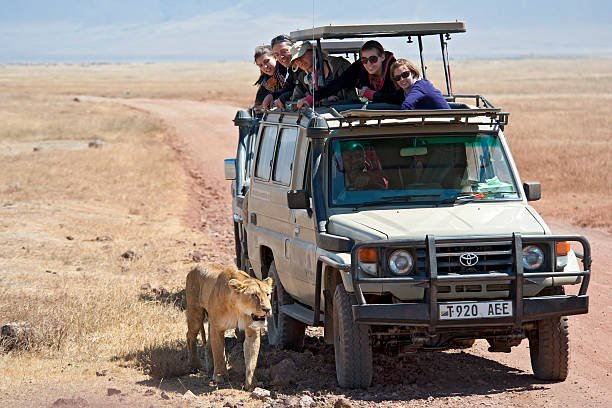
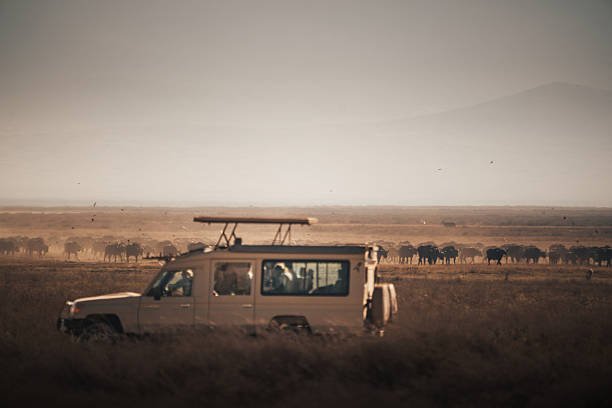
Gaps and practical clarifications: approaching the coastal boat safari day
Readers often wonder about the exact mechanics tying Day 1 on the mainland to Day 2 on the coastal boat safari, especially when flight connections, park gate timing, and tide-influenced launch points can shift. This section adds concrete, booking-relevant detail that sits between the familiar Day 1 land segment and the Day 2 water segment, without duplicating the already-covered narrative of transfers, drives, or typical wildlife expectations.
Where the coastline actualizes the second day depends on a booked operator’s preferred coastal launch point and the tide window. In practice, the Day 2 boat safari begins after a morning or early-afternoon land safari in Nyerere National Park. A licensed guide will coordinate with the boat crew to transition you smoothly from the park’s exit gates to the coast-facing launch facility. Expect a short, shaded transfer road or a structured meet-and-greet at a designated staging area where luggage is secured in a dry storage zone on the boat. The transfer leg is usually a matter of 20–60 minutes, depending on the lodge’s location relative to the park gates and the chosen coastal embarkation point.
Important booking detail: confirm the exact coastal embarkation point before travel. Some operators base the boat at a delta-side launch that requires a brief water-tence transfer (a short motorized ride across a river channel) to reach the main craft. Others use a more distant coastline launch near a beach village, which may involve a longer road transfer and a staggered arrival to catch a tide window. Because tidal patterns influence access to river channels and nearshore habitats, the operator typically provides a provisional timetable that lists the approximate start time for boarding and the expected early-afternoon departure. In practice, the boat is ready to depart within a flexible window, but you will usually be asked to arrive at the embarkation point with your belongings and any essential medications a few minutes early to accommodate last-minute checks.
Onboard logistics are crafted to minimize disruption to wildlife viewing. Seating arrangements prioritize sightlines for the riverine edge and sandbars where wildlife tends to appear. Water splashes near the bow are common, so guests often carry a light rain jacket or poncho for seat protection and small camera rain covers to shield lenses from spray. A compact dry bag for personal items—phones, wallets, passports, and spare batteries—is recommended, as pockets may not be fully waterproof during the vessel’s shallow-water navigation. The boat crew will provide a briefing at boarding, including safety instructions, expected wildlife behavior, and a reminder to maintain quiet, non-intrusive observation distances.
Weather and sea state influence the second-day experience as much as tide phase. A calm sea opens possibilities for longer observation along the coast and riverside channels; rougher conditions shorten the viewing windows and can shift the itinerary inland to more protected estuary stretches. Operators mitigate this by maintaining a flexible schedule and offering alternative viewing points—often a switch to inland riverine backwaters if coastal conditions become unfavorable. This adaptability is a standard feature of a well-managed coastal safari plan and is communicated in the booking documentation before arrival.
From a practical standpoint, you should plan for a modest meal arrangement on Day 2. The boat crew typically provides light refreshments or a shaded snack break during the voyage, with more substantial meals arranged at a coastal lodge or a designated landing point upon return. If dietary requirements or special meals are essential, communicate these at booking and reconfirm on the day of departure to ensure kitchen readiness and any pre-arranged provisions at the launch site.
Finally, confirm the contingency options in writing. A responsible operator will outline what happens if Day 2’s launch window cannot be met due to adverse weather or navigation restrictions. This may include an overnight stay near the launch site, an alternative coastal pathway with a shorter boating segment, or an adjusted return schedule to align with adjusted flight connections. Having a written fallback plan helps you coordinate luggage handling, domestic flight check-ins, and any overnight arrangements without last-minute scrambling.
Booking logic for a smooth two-leg flow
To preserve the value of a compact two-day itinerary, booking accuracy matters as much as the day-by-day pacing. The core sequence remains: Zanzibar arrival, mainland flight to a near-Nyerere airstrip, a guided land safari in Nyerere, then a coordinated transfer to a coastal embarkation point for a boat safari, followed by a return to the mainland for onward travel. The exact numbers (airstrip names, lodge identifiers, boat operator, and launch point) are operator-specific and date-dependent. When evaluating options, consider these practical checks:
- Flight compatibility: Ensure the domestic flight arrival into the mainland leaves sufficient time for the land transfer and the park’s entry process. A buffer of 1–2 hours between the expected land safari end and the coastal boat departure reduces risk of cascading delays.
- Lodge proximity: A lodge positioned near the park exit gate and the coastal launch area minimizes drive time between Day 1’s last game drive and Day 2’s embarkation. Clarify the lodge’s access times to avoid missing a boat departure window.
- Boat operator coordination: Request the named boat operator and the guide of record for Day 2. Having a single contact reduces miscommunication if delays arise on the inland leg and helps align the tide-based schedule with the boat’s availability.
- Tide and launch feasibility: If your dates fall near extreme low or high tides, discuss how the operator manages channel access, including potential alternates that preserve wildlife viewing without compromising the trip’s core rhythm.
- Clear written contingencies: Secure a plan that addresses late arrivals, cancelled coastal departures due to weather, and a documented alternate itinerary (including possible overnight stays) so you know exactly what to expect if disruptions occur.
With these checks, you’ll maintain clarity about what the two days can realistically deliver and avoid overpromising on specific sightings or fixed times. The emphasis remains on practical feasibility, transparent transitions, and a memorable balance between land-and-sea wildlife experiences, all while maintaining control over logistics and safety considerations.
Gaps and practical clarifications: refining the two-leg flow for Day 2
Readers who are considering this 2-day plan often encounter practical questions about how the inland and coastal legs truly connect on the calendar, especially when flight times, park gate policies, and seasonal tide windows influence the exact sequence. This section digs into concrete, verifiable details that travelers can plan around without promising fixed sightings or rigid timings.
First, the transition from inland to coastal activity hinges on three anchor points: the inland safari finish time, the lodge’s proximity to the park exit, and the coastal launch point’s tide schedule. In practice, guides arrange a buffer window of approximately 1–2 hours between the last short- to mid-afternoon game drive in Nyerere National Park and the inland transfer to the coastal embarkation area. This cushion accommodates late animal viewing pauses, luggage handling at the lodge, and last-minute check-ins with the boat operator. If the inland drive concludes earlier than expected, operators may advance the towel-and-water break at the lodge to keep the schedule aligned with the coastal boat’s departure window.
Second, exactly where Day 2 begins depends on the operator’s logistics, not a single fixed point. In many itineraries, guests depart the lodge by vehicle to a designated launch point along the river or nearshore delta. The waterway chosen is selected to optimize wildlife viewing opportunities and boat maneuverability, with the actual launch point confirmed a day or two before travel. If tides or weather constrain access to the usual launch zone, a nearby alternative that preserves the core water-safari experience will be used. This means you should expect a practical, not ceremonial, touchdown on Day 2 rather than a ceremonial start at a single fixed quay.
Third, tide-driven timing is not a showpiece but a practical variable. Coastal boat safaris in this region must contend with tide levels that influence how far a boat can safely travel and which channels are navigable. Operators typically publish a day-of schedule window rather than a fixed time, and they may adjust departure times within a small range to accommodate the tidal flood or ebb. If your dates come with unusual tidal patterns, the operator will propose a slightly adjusted embarkation plan that keeps wildlife viewing opportunities intact while honoring safety requirements. Travelers should be prepared for a modest shift in the coastal activity window—commonly within 30–60 minutes—rather than a major disruption to the overall two-day rhythm.
Fourth, vehicle and boat handover procedures are practical touchpoints that reduce friction at the moment of transition. Upon arrival at the lodge after Day 1, your luggage is typically placed into secure storage or onto a transfer vehicle designated for Day 2. When you reach the coastal embarkation area, a dedicated guide from the boat operator will meet you, confirm your party size, and perform a brief safety and briefing, including expectations for photography, wildlife behavior around boats, and any restrictions related to close approaches to birds or mammals. Knowing who your Day 2 guide is ahead of time and having a confirmed contact at the boat operator helps smooth the handover if any inland delays occur.
Fifth, safety and environmental considerations frame the practicalities. Because Day 2 involves riverine or nearshore waterways, the operator will check weather conditions, water levels, and wind warnings before departure. If conditions are marginal (for example, choppy water, strong currents, or reduced visibility), the plan will pivot to a shorter but still rewarding voyage with enhanced focus on birdlife and habitat interpretation from the boat. In extreme cases, a temporary postponement may be advised for safety, with a clear alternative arrangement such as an extended inland activity or an overnight option. The overarching intent is to preserve the two-leg experience without compromising safety or animal welfare.
Sixth, documentation and confirmations. Given the dependency on multiple vendors—airlines for the Zanzibar-to-mainland leg, the inland safari operator, lodge arrangements, and the coastal boat operator—participants benefit from receiving a single, consolidated itinerary that lists each service provider, contact person, and the expected time windows. A mobile copy of this itinerary plus printed copies at the lodge reduces miscommunication when carousels of luggage are involved or when flights are delayed. If any element becomes uncertain, request a written contingency plan that specifies alternate launch points, alternate boat operators, or overnight accommodations, so you are not left without a concrete path forward.
Finally, realistic expectations for wildlife and sightings. With a tight two-day frame, the inland and coastal experiences are designed to deliver variety in habitats—forest-savannah transition in Nyerere and water-edge ecosystems along the coast—without guaranteeing specific species. Adjusted pacing, flexible timing, and focus on habitat interpretation enhance your odds of encountering a broad spectrum of wildlife and birds, but it remains a nature-based itinerary where sightings can be influenced by weather, season, and animal behavior. This section focuses on delivering the practical sequencing and coordination that make the two-leg flow workable, credible, and smooth in real-world conditions.
Checklist for a smooth Day 2 transition
- Confirm the Day 2 launch point and the boat operator’s guide of record in writing at least 48 hours ahead.
- Ask for the latest tide window and best-practice launch times for your travel dates and request a contingency plan if tides prevent full coastal navigation.
- Verify the lodge’s readiness to store luggage securely and provide a smooth handover to the coastal transfer team.
- Secure a backup itinerary in case inland or coastal segments encounter weather-related delays.
- Include the final contact details for all vendors in your travel app or itinerary pack for quick reference on the day.
By understanding these practical interaction points and clarifying the sequence in advance, you’ll approach Day 2 with confidence, minimizing surprises while preserving the core experience of a land-and-sea safari limited to two days.
Addressing a key practical gap: how your two-day sequence handles timing uncertainties
Readers often worry about the exact timing of transitions between the mainland safari and the coastal boat safari. The 2-day plan hinges on three interdependent windows: the Zanzibar-to-mainland flight, the land safari drive in Nyerere National Park, and the coastal launch for the boat safari. Given seasonal flight schedules, gate closures, lodge check-in windows, and tidal windows for coastal departures, the sequence cannot be guaranteed to the minute. This section details how to interpret those timing flexibilities and what practical steps you can take to minimize stress while preserving the two-leg flow.
1) The three-pronged timing framework
Think of your itinerary as a thread with three anchored points rather than a rigid clock: (a) arrival and transfer to the mainland airstrip, (b) the land safari window in the park (typically a late morning or early afternoon game drive), and (c) the coastal launch window (tide-dependent) that leads to the boat safari. The edges between these segments are where contingencies live. If the mainland flight lands later than planned or the drive to the park entrance takes longer, expect the land safari to slip into a shorter slot, but not vanish. If tides delay the coastal launch, the operator will typically offer a corrective window within that day or shift the boat portion to the following morning if necessary, subject to local logistics and wildlife-watching feasibility.
2) What you should confirm in advance
To reduce on-site friction, request: (1) a written day-by-day flow with estimated windows for each segment, (2) the expected coastal launch window based on your travel date and the latest tide charts, and (3) a clearly stated contingency plan with alternative launch points or overnight accommodation options if a tide or gate policy prevents the full coastal program. Having these in writing provides a concrete fallback that preserves the two-leg concept even if minor delays occur.
3) How operators handle day-of variability
On the mainland, guides are trained to adjust the schedule within the permit and park rules. If the first game drive finishes earlier or later, you’ll still depart for the coastal transfer at a time that keeps you within the practical constraints of the coast-based leg. The coastal operator typically coordinates with the lodge or camp to ensure your luggage, briefing, and handover are smooth. In practice, you’ll be kept informed of any revised launch times as soon as they are confirmed, with the plan communicated to you via your primary contact at the lodge or the operator’s guide of record.
4) Luggage and handover considerations in timing shifts
Because the coastal day involves a launch from a riverine or nearshore point, secure luggage handling is essential. Confirm with your lodge that your bags will be transferred to the coastal transfer team and can be stored securely during the inland drive and the boat safari. If a late inland finish compresses the window, you may still have the option to depart with a smaller, hand-carried essentials bag for the coastal portion, while larger bags remain at the lodge or are sent via a tracked courier to the final hotel only if permissible by the operator.
5) What “two days” practically means in practice
The two-leg concept is maintained even when one segment is shortened or rescheduled: you still experience a mainland land safari in Nyerere National Park and a coastal boat safari that reveals different habitats. The day labels remain stable to help planning, but the actual durations of each segment may trim or flex by a couple of hours. This is a deliberate design to maximize encounter opportunities within a realistic travel window without overcommitting to fixed times that the geography and logistics cannot sustain.
6) Example of a typical flexible day flow
– Day 1: Zanzibar departure, mainland air transfer, lodge check-in, afternoon/evening land safari in Nyerere National Park. If the flight arrives late, the land safari may start mid-afternoon and extend into sunset, but the clock remains governed by park rules and safety considerations.
– Day 2: Morning land safari wrap-up, transfer to the coastal launch point at the agreed coastal facility, boat safari along river delta or nearshore habitats, return transfer to a lodge or onward travel point. If tide windows require delaying the boat portion, the team will attempt the earliest feasible tide within daylight, or reorganize to a morning launch on the next day if it’s possible within permissions and logistics.
7) How this impacts safety and wildlife viewing
Flexibility is not a workaround for safety. Guides will never push activity beyond legal limits or unsafe conditions. If weather or tides prevent a coastal leg, the plan may shift to enhanced land-based wildlife interpretation, boat-based birding from a sheltered point, or a nearby alternative water-facing activity that aligns with conservation guidelines and maintains the two-leg structure.
By preparing for timing variability and clarifying contingency paths in advance, you retain the essence of a two-part journey—land safari plus coastal boat experience—without creating a brittle schedule that falls apart if a window shifts. This approach keeps the plan practical, bookable, and responsive to real-world conditions while delivering a coherent, memorable two-day itinerary.
Gaps and practical clarifications: confirming the coastal boat safari day — a focused gap-hunting addendum
Readers who plan this exact two-day sequence often arrive with a final practical uncertainty: what happens if the coastal boat launch is delayed by tides, weather, or small local disruptions, and how does that affect the Day 2 experience without breaking the mainland-to-coast flow? This section drills into the most tangible, bookable details that genuinely affect a traveler’s ability to lock in a practical plan without overcommitting to rigid timing.
First, identify the anchor points that truly drive Day 2 logistics. The coastal portion hinges on two non-negotiables: (1) the designated coastal launch point (or boat facility) where the river delta or nearshore habitats are accessed, and (2) the window of suitable tides that permit safe navigation or, if tides are unfavorable, a permissible alternative activity or re-timing slot. These aren’t abstract concepts; they are the practical levers that operators use to preserve safety and wildlife viewing opportunities while respecting conservation rules.
To reduce risk, require written confirmations in advance for both elements. The launch point should be named in the contract or booking note, along with the operator’s on-site liaison contact and a point-of-contact at your lodge for handoffs. The tide window or nautical constraints should be stated as a concrete date-and-time range for your travel dates, not a generic statement like “tide permitting.” If the exact window isn’t known at the time of booking, ask for the latest forecast-based estimate with a commitment to re-confirm 48–72 hours ahead and again on the morning of Day 2.
Secondly, establish a contingency plan that is operationally realistic within a two-day frame. Contingencies might include: shifting to an earlier or later boat launch within daylight hours, substituting a coastal birding-focused activity from a sheltered point if water access is restricted, or deferring the coastal leg to the following morning if permissions and local guidelines allow. The key is to have a mutually understood backup arrangement documented in writing with your guide, lodge liaison, and boat operator so all parties are prepared to implement it without last-minute confusion.
Third, clarify luggage and provisioning logistics that often derail a smooth transition. The coastal boat safari day frequently involves additional packing considerations: smaller bags, waterproof cases, and secure storage for any gear that cannot go on the boat. Ask the operator for the exact load-out rules and whether the lodge can provide a temporary storage solution for items not needed on the boat leg (for example, larger backpacks or core camera gear). If a courier option exists for sending excess items to the final hotel, confirm feasibility, costs, and timing as part of the pre-trip briefing.
Fourth, align the day’s exact sequence with park and reserve rules that govern the inland-to-coast transfer. Some operators build in a short buffer after the inland safari to accommodate the potential need to depart early for a coastal window; others may compress the inland drive to maintain a fixed Day 2 approach. The practical effect is this: you should expect and plan for a transfer that allows for a coastal window, but verify whether the inland leg ends at a point where a timely handoff to the coastal team is guaranteed. If you receive two slightly different itineraries from separate operators, favor the version that explicitly coordinates the handoff time and the confirmed launch point, with a written schedule reference.
Fifth, verify what “coastal” entails for your specific dates. Some coastal components emphasize river delta navigation with shallow-draft launches; others may hinge on nearshore mangrove channels or estuarine habitats that can only be accessed at certain states of the tide. Understanding the habitat focus helps set expectations for wildlife opportunities without asserting sightings. If possible, request a brief habitat-scape briefing as part of the Day 2 handoff so you know what birdlife and aquatic mammals or reptiles are more likely to be observed at your launch time, independent of any guaranteed sightings.
Finally, keep a realistic risk mindset about weather. The two-day itinerary is designed to be flexible, not indestructible. If a front or heavy rain blocks the coastal leg, the practical alternative is a high-quality sheltered-water birding session or a short motor-boat excursion along a protected stretch that adheres to safety guidelines. This keeps you engaged with your two-leg concept rather than losing the coastal experience entirely. The essential question you should have solved in advance is: what is the operator’s policy and the lodge’s policy for weather-related disruption, and how will we be rebooked or reallocated within the allotted two-day frame?
In summary, this gap-focused check ensures you lock in concrete launch points, tide-friendly windows, and practical contingency paths for Day 2, plus clear luggage handling and habitat context. Thoughtful pre-trip confirmations reduce the likelihood of friction on the ground and help preserve the intended balance between land safari immersion and a coastal-water experience within a compact two-day itinerary.
Related Guides and Packages
Check Availability for 2 Days Nyerere Safari From Zanzibar With Boat Mainland Parks, Shared
Ready to compare dates, prices, and the best option for your group? Send the package name and travel month so the team can reply with a clear quote, availability, and what is included.

3 Days Nyerere Safari And Boat Experience From Zanzibar: Mainland To National
A practical, bookable 3-day sequence starting from Zanzibar: fly to the mainland, game drive in Nyerere National Park, river/boat safari, and a day on the coast for a Zanzibar boat...
View package details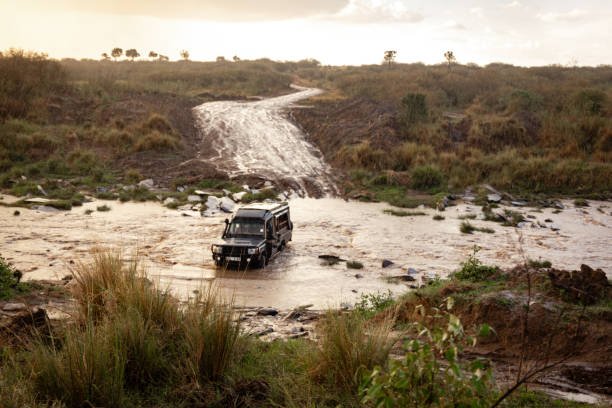
4 Days Nyerere And Mikumi Safari From Zanzibar 2026-2027
4 Days Nyerere and Mikumi Safari from Zanzibar.
View package details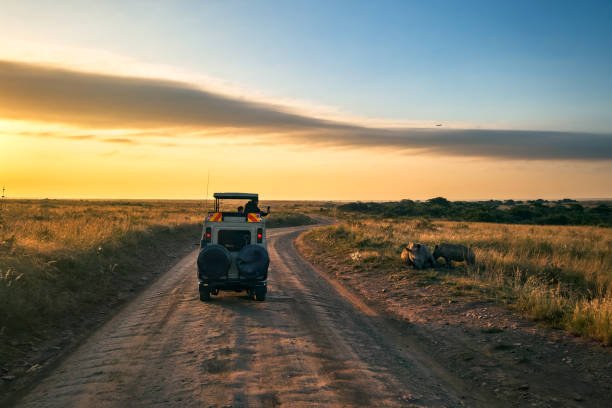
1 Day Nyerere National Park Fly-In Safari From Zanzibar 2026-2027
1 Day Nyerere National Park Fly-In Safari from Zanzibar.
View package details
3 Days Luxury Serengeti Fly-In Safari From Zanzibar: A Practical
A focused, bookable 3-day Serengeti fly-in safari that begins with a Zanzibar departure and lands you into the Serengeti for guided game drives, with practical transfer details and...
View package details
3 Days Serengeti Safari From Zanzibar By Flight: A Practical, Bookable
A practical, bookable 3-day Serengeti safari from Zanzibar by flight, detailing how the island-to-mainland transfer works, and what to expect each day without overpromising wildlife.
View package details2 Days Tarangire and Ngorongoro Safari from Zanzibar: a practical, bookable
A practical, bookable 2-day safari itinerary starting from Zanzibar, linking Tarangire National Park and Ngorongoro Crater with sensible transfers, realistic drives, and grounded...
View package details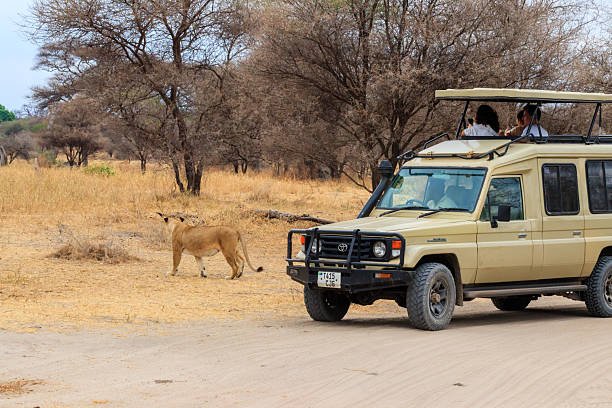
2 Days Mikumi National Park Safari From Zanzibar: Practical, Bookable Route
A concise, bookable 2-day Mikumi safari from Zanzibar combining mainland park exploring with a Zanzibar connection. This guide explains the practical sequence, transfers, and where you’ll...
View package details10 Days Great Migration Safari And Zanzibar Beach Holiday 2026-2027
10 Days Great Migration Safari and Zanzibar Beach Holiday.
View package details9 Days Serengeti Migration Safari And Zanzibar Beach 2026-2027
9 Days Serengeti Migration Safari and Zanzibar Beach.
View package details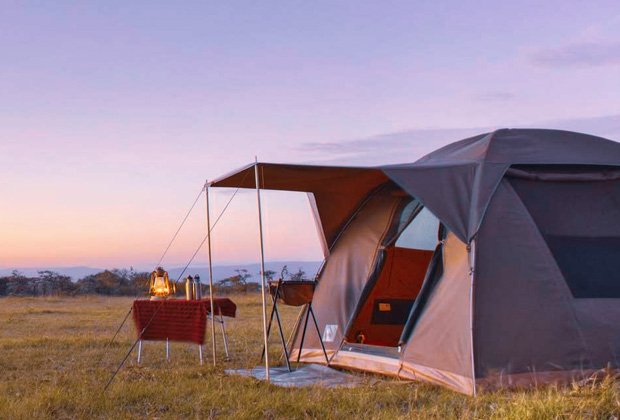
4 Days Budget Camping Safari From Zanzibar 2026-2027
4 Days Budget Camping Safari from Zanzibar.
View package details
6 Days Serengeti Ngorongoro And Tarangire Safari From Zanzibar: A Bookable
Plan a 6-day wildlife circuit that links Zanzibar with Tanzania’s top parks—Tarangire, Serengeti, and Ngorongoro. Discover practical routing, transfers, and realistic safari opportunities...
View package details5 Days Private Northern Tanzania Safari From Zanzibar: Mainland Circuit Plus
Private 5-day Northern Tanzania safari starting from Zanzibar, combining a mainland circuit with a Zanzibar transfer. Practical logistics, realistic safari aims, and flexible lodging...
View package detailsNo related package matches those filters. Clear one or more filters to see the other topic-matched options.



