
The 21 Days Tanzania Grand Adventure combines a Tanzania mainland safari route (including iconic parks) with a guided Kilimanjaro ascent, followed by a Zanzibar beach extension. The sequence typically moves from Nairobi-like transport into arid southern routes, ascends Mount Kilimanjaro with acclimatization days, then travels through northern circuit parks before flying to Zanzibar for a relaxed coastal finish. Exact day counts depend on your chosen departure and accommodation style, but the core flow is Kilimanjaro → safari → Zanzibar, with practical transfers and rest days built in.
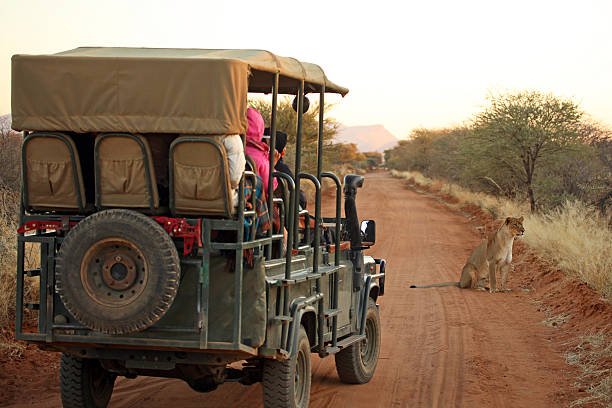

First leg: practical start to Kilimanjaro and acclimatization planning
Most itineraries begin in Arusha or Moshi, where guests meet their guide and gear up for Kilimanjaro. The plan emphasizes acclimatization-friendly pacing and a realistic ascent schedule, typically using the Machame or Lemosho routes as options, with 5–7 days on the mountain depending on group fitness and the chosen route. Before the climb, you’ll have a short acclimatization walk at a lower altitude and a gear check to ensure you’re prepared for night ascent hours. Local support means you can adjust pacing to avoid fatigue while maintaining safety and celebration-worthy summits when conditions permit.
Key decisions you’ll make here include: which route to tackle, private versus group climbs, and your daily sleeping arrangements (camping vs. huts). Each choice affects altitude exposure, success probability, and total packing weight. Our planning approach favors flexible start times and built-in rest days to accommodate travel delays or weather windows while preserving your summit chances.
Mid-mountain to park transfer logic: turning east to a mainland safari
After Kilimanjaro, the itinerary typically transitions to a vast wildlife corridor by air or a short domestic flight to the northern safari strongholds. The most common sequence is a drive-and-fly plan: descend from the mountain, transfer to a regional airport, and fly into Arusha or Manyara airstrips that service adjacent parks. This shift marks the move from high-altitude trekking to lowland savannahs, and the days are structured around wildlife-viewing windows, which usually align with morning and late-afternoon drives. No guarantees of sightings are offered; rather, guests learn to maximize opportunities and keep expectations balanced with the realities of wildlife in natural habitats.
Park sequence options commonly shaped by flight schedules and lodge locations include: Lake Manyara for birding and tree-climbing lions, Tarangire for elephant herds and baobels, and the Serengeti for vast plains and seasonal migrations. Depending on flight timing, you may cluster two to three parks in a logical south-to-north or central axis traversal, minimizing backtracking and optimizing driving times for vehicle comfort and daytime activity windows.
Day-by-day structure: the mainland safari core (approximate framing)
Example skeleton sequence (adjustable by season and availability):
- Day 1–2: Fly to Arusha/Moshi, transfer to a lodge near Kilimanjaro, gear check and briefing.
- Day 3–4: Kilimanjaro ascent starts; acclimatization days and shorter hikes nearby to condition legs.
- Day 5–7: Summit attempt window with safe turnaround time; descend to finish the climb and rest day in Arusha.
- Day 8–9: Fly to Lake Manyara region; first safari drives, light-day rest between game drives.
- Day 10–12: Tarangire National Park for elephant and iconic ribbed baobels; evenings at a lodge with sunset views.
- Day 13–15: Serengeti ecosystem – central or northern corridor for broader wildlife, with guided morning and evening drives.
- Day 16–17: Flight to Zanzibar; transfer to Stone Town or the east coast depending on beach preference.
Note: This is a planning blueprint. Exact days, park order, and flight legs hinge on the season, park access and local availability. Our team will tailor the sequence to your pace, allowing extra acclimatization or relaxing rest days if needed while maintaining the overall arc of Kilimanjaro → safari → Zanzibar.
Reflection on route choices: why some parks come before others
Starting Kilimanjaro first is logistically efficient for many groups because it concentrates mountain logistics upfront and avoids backtracking into the same air hubs later. From there, moving into the northern circuit or nearby parks reduces domestic travel time and keeps driving legs manageable. The Serengeti and Ngorongoro crater options balance wide-open savannahs with high wildlife density in certain seasons, while Tarangire often provides a calmer, human-friendly introduction to safari life with large elephant herds and iconic landscapes. Zanzibar follows as a separate block because crossing from the mainland to the island typically requires a domestic flight, a short transfer, and a beach or cultural segment that does not disrupt the safari rhythm.
Island phase: choosing Zanzibar beats and beach zones
On the Zanzibar leg, you’ll decide between a Stone Town cultural break, a north coast beach base, or a southeast beach stretch near Jambiani or Paje. Transfers usually involve a short domestic flight to an airport near the island and a road transfer to your chosen beach resort. Tide considerations and reef visibility influence some water-based activities, but the core plan remains a restorative finish to a high-impact adventure. The Zanzibar portion is designed to loosen the pace after challenging mountain and safari days, with daylight activities and plenty of time for snorkeling, spice tours, or simply resting by the sea.
Practicalities you’ll decide around booking
Key booking decisions include: the level of comfort in lodges and camps, private guide versus group dynamics, and how many days you want allocated to the Kilimanjaro ascent as opposed to safari intensity. Availability and exact flight timings will shape the final day counts, but the shared framework keeps the journey coherent: Kilimanjaro ascent, mainland safari through a curated sequence of parks, then a Zanzibar beach extension. Our team documents transfer times, drive durations, and lodge check-ins to help you compare options without over-promising wildlife outcomes.


What you should know before you book
Prepare for a mix of high altitude trekking and hot-season savannahs. Equipment lists, acclimatization buffers, and optional rest days are part of the plan. While wildlife sightings cannot be guaranteed, the itinerary improves your odds through mindful park selection, optimal drive times, and experienced guides who know where to position the vehicle for best angles and light. If you’re traveling with family or a mixed group, we tailor both pace and accommodations to suit different energy levels
Connecting the Mosaic: Flight and Transit Realities Between the Mainland and Zanzibar
One practical gap travelers often face in a combined Kilimanjaro–safari–Zanzibar itinerary is the exact rhythm and timing of the non-trekking transitions. While the core allure lies in scaling Kilimanjaro, the safari circuit, and then unwinding on a tropical coast, the success of the overall experience hinges on concrete transfer logic and day allocations, not vague aspirations. This section adds tangible, bookable-transfer detail to help you lock in a realistic sequence without overpromising wildlife sightings or sudden schedule miracles.
First, establish the anchor: Kilimanjaro ascent days. Most groups plan 5–7 days on the mountain, with the longest routes (e.g., Lemosho) skewing toward the upper end. Your post-climb safari block should begin with a clear, minimum travel day that respects daylight windows for domestic flights and the time needed for Kilimanjaro gear return, packing, and guide briefings. A typical, bookable pattern is to descend in the late morning or early afternoon of the final summit day, connect with a domestic flight in the late afternoon, and arrive in Arusha or Kilimanjaro region hotels by early evening. From there, the safari sequence can begin the following morning, preserving a natural, fatigue-conscious ramp-down from altitude to plains.
Flight infrastructure matters more than it appears at first glance. The most reliable connectors use scheduled domestic flights between Kilimanjaro International Airport (JRO) or a nearby domestic hub and either Arusha (via a short air or road transfer) or directly to the northern safari gateways (e.g., Manyara or Serengeti). While bush flights add cost and schedule sensitivity, they cut travel time and maximize floor-to-vehicle time during prime wildlife hours. When booking, ask your operator for a guaranteed minimum connection window (for example, a 3–4 hour buffer between Kilimanjaro descent and the next flight) to guard against weather-induced delays or airport congestion. If a same-day connection seems tight, consider an extra rest night in Arusha with the subsequent morning flight to the safari base rather than risking burnout on a back-to-back travel day.
Onward to the mainland parks, the choices often crystallize into a practical sequence rather than a fixed map: Tarangire for a lighter introduction with dramatic baobhs and elephant concentrations; Lake Manyara for tree-clade birding and unique cliff-face scenery; then Serengeti and Ngorongoro for the staggered variance of open plains and crater-dominated landscapes. However, the exact order should reflect seasonality, flight availability, and camp or lodge capacity rather than a single ‘default’ path. Bookable options should specify transfer times between the airstrip and your first game lodge, with a realistic drive-day count that aligns with breakfast-to-dundalike drives and afternoon wildlife activity windows. If you’re chasing the rare calving or migration peaks, your operator will tailor the sequence to capitalize on the expected wildlife densities. In all cases, avoid long unknown drives on day one of the safari block; short, comfortable starts help acclimatization to vehicle motions and daily routine rhythms.
Is Zanzibar’s beach finish a simple add-on or a carefully sequenced wind-down? It depends on how you frame your travel rhythm. Bookable itineraries should present Zanzibar as a clearly separated block with its own transfer logic, not as a vague, optional extension. The typical flow is a domestic flight from the northern safari gateway to Zanzibar’s international or domestic terminal, followed by a road transfer to your chosen beach zone. The time-of-day of arrival should factor into your first sea- or shore-based activity: if you land mid-afternoon, a relaxing sunset dhow or a gentle half-day snorkel can fit neatly before a restorative dinner. If you land earlier, you might opt for a cultural stroll in Stone Town or a spice tour before beach time. Explicit, bookable day counts for Zanzibar—such as “3 nights on the north coast” or “4 nights in Stone Town and Jambiani”—clarify how many rest days versus activity days you’ll have at the beach and prevent inflated expectations about seas, tides, and visibility of reefs.
Practical questions to resolve during booking discussions include: which lodge pairings or camp experiences maximize the transfer buffers (e.g., a lodge near JRO for the Kilimanjaro descent, a Serengeti camp a short flight away, and a Zanzibar resort with direct access to water-sport options), and how much time you want allocated to travel versus game-viewing. The most repeatable, bookable configuration usually spaces the mountain to safari transition with a 1–2 night buffer in Arusha or Moshi, followed by a 2–4 night safari block in a sequence that reflects seasonal animal behavior, then a 3–4 night Zanzibar finale. This structure keeps driving days manageable, reduces fatigue, and allows for weather contingencies without sacrificing the core experiences.
Finally, clarify the inclusions and limitations of your package. Confirm what is covered by your flight segments (luggage allowances, light aircraft fees, and checked bag rules differ across carriers), what transfers are included in the price (and what surcharges might apply for late arrivals, domestic inconsistencies, or changes in the park permit regime), and how your guide will handle day-by-day adjustments caused by weather, wildlife visibility, or porters’ availability. A transparent booking itinerary should present exact transfer windows, a realistic sequence of lodges, and contingency days that you can rely on when you’re on the ground. With these details locked in, the 21 Days Tanzania Grand Adventure becomes not just a concept but a practical, bookable journey you can verify ahead of time.
Gap-Driven Detail: Clarifying the Exact Transfer Rhythm and Day Allocation Between Mainland Safari and Zanzibar
One of the most practical questions readers still have after reviewing the core flow—Kilimanjaro ascent, followed by a northern safari circuit, then a Zanzibar beach finale—is how many days are genuinely dedicated to each phase, and how transfers stitch these blocks together without backtracking or wasted travel time. The specificity matters because it determines daily fatigue, creature-comfort expectations, and the realism of wildlife-spotting opportunities within the constraints of flights, visas, and park opening hours.
In the bookable framework that emerges from typical operator templates, the Kilimanjaro portion is usually allocated 5–7 days on mountain with acclimatization buffers built in. The mainland safari block commonly spans 6–8 days, tallied across a sequence of northern circuit parks or their close equivalents, and is carefully ordered to align with flight windows and airstrip schedules. The Zanzibar extension then commonly comprises 3–5 nights, designed to cushion transit days and offer a relaxed coastal finish. This isn’t an arbitrary partition; it respects practical transfer times, flight frequencies, and the tempo required for altitude recovery before a long-haul flight home.
What travelers rarely see spelled out in generic guides is the exact cadence of day counts in a way that mirrors real-world booking constraints. For instance, if your Kilimanjaro ascent uses Machame as the chosen route, your climb may require 6 days on the mountain plus 1 acclimatization day near Moshi. If you couple that with a 7-day northern safari circuit—split as 3 days in the Maasai Steppe-adjacent regions, 2 days in a central Serengeti corridor, and 2 days-wise buffer days for weather or wildlife visibility—that already sets a robust, believable backbone for the mainland portion. The Zanzibar leg then capitalizes on a 3–4 night stay in a northern beach enclave or Stone Town-based cultural interlude, followed by a possible 1- or 2-night wind-down back in Arusha or Moshi if required by flight connections.
In practical terms, the day-by-day sequence often looks like this: you land, transfer to a Kilimanjaro-adjacent lodge for gear checks and briefing (0–2 days), ascend over 5–6 days with an acclimatization buffer (total on-mountain time: 6–7 days), descend and repack for a short domestic flight to the safari heartlands (0.5–1 day for transfer), then span 6–8 days across the chosen parks with 1–2 buffer days interspersed to accommodate weather, wildlife behavior, or permit movements. Finally, you connect to Zanzibar via a morning flight that lands before lunch, then settle into a beach base with a flexible schedule for snorkeling, spice tours, or cultural activities that align with tides and local guides’ low-tide recommendations.
By framing the itinerary with clearly defined blocks, the plan avoids the common pitfall of “pooled” stays—where a traveler is shuffled between lodges without regard to flight slots or the likelihood of reaching a park at a reasonable hour. It also allows you to negotiate with operators around where you want buffers, which parks you prioritize for driving hours, and how much rest you want between high-output days (climbing and long game drives) and low-output days (shorter game drives, cultural activities, or spa buffers).
Another nuanced detail concerns the transfer rhythms that determine your daily pace. Some guests prefer to minimize total flight legs by choosing a single air hub in the Arusha/Moshi corridor and then forgoing a secondary domestic hop, even if it means longer road days. Others prioritize shorter road times for comfort and wildlife viewing in the early hours, accepting more legs in the travel schedule. The reality is that both approaches can be bookable; the difference lies in ensuring the flight schedules align with the parks’ permit windows, the domestic carriers’ luggage rules, and the timing of your Zanzibar arrival to synchronize with a predictable beach rhythm.
Because this is a bookable travel plan rather than a glossy brochure, the emphasis remains on transparent sequencing rather than aspirational endpoints. When you’re negotiating with a tour operator, you should be able to confirm: the exact number of nights allocated to Kilimanjaro versus safari versus Zanzibar; the airport codes and transfer times for each leg; the anticipated local departure times from lodges to airstrips; and the contingency days built into the schedule for delays or weather. If your operator provides a draft itinerary, request the day-by-day grid with specific lodge names and park areas for the safari block, and the exact flight segments for the Zanzibar stage. This level of detail reduces ambiguity and strengthens your ability to verify the bookability before committing.
Practical decision points that shape the transfer rhythm
- Flight sequencing and buffer days: Ensure at least one night’s buffer between the mountain descent and the first safari flight, and another between the safari finish and Zanzibar departure if possible. This helps manage fatigue and weather-induced delays.
- Park-viewing optimization vs. drive-time comfort: If you’re chasing a particular ecosystem or staggered animal activity, discuss how the day-lengths in each park align with sunrise start times and the typical dusk dispersal patterns for wildlife.
- Arrival times and tides on Zanzibar: Choose a beach base whose activity schedule (snorkeling, dhow trips, spice tours) can adapt to the tides. This yields more predictable days and reduces the risk of wasted waiting periods.
- Bed-night continuity: Where possible, select lodges that minimize intra-day lodge transfers during the high-heat hours. Shorten travel bursts by clustering adjacent parks or using a single airstrip as a hub when feasible.
- Contingency days zoning: Build in explicit contingency days for weather, wildlife visibility, or permit changes so your overall sequence remains intact and non-linear detours don’t cascade into a lost day.
This tighter, departure-aware approach is the real value-add for a 21-day plan: it clarifies what is truly fixed and what is adjustable, enabling you to book with confidence and to adjust expectations around the day-to-day rhythm without sacrificing the core experiences that define Kilimanjaro climbing, northern Tanzania safaris, and a Zanzibar finale.
Bridging the Transfer Rhythm: Practical Sequencing Nuances That Shape Your Bookable Plan
Beyond the high-level flow Kilimanjaro → mainland safari → Zanzibar, the single most consequential gap readers often notice is the exact distribution of days between the mountain ascent, the safari circuit, and the Zanzibar beach finale. This section closes that gap with concrete, bookable-action detail that you can verify with operators without drifting into speculative pricing or fixed dates.
First, anchor the Kilimanjaro block with a transparent allocation. A typical climber aiming for a comfortable ascent pace and acclimatization buffer will allocate five to seven days on Kilimanjaro, depending on route choice and group fitness. In practical booking terms, specify the exact number of nights you will spend in Moshi/Arusha before the climb begins, the number of trekking nights on the mountain (split across huts or camping), and the post-climb recovery day if your operator includes one. This creates a non-negotiable baseline that informs all subsequent transfers and prevents accidental overbooking of safaris into the same window. Operators often counterbalance this by offering a single, shared airstrip for the descent-to-safari transfer to minimize backtracking; insist on a clear transfer window with an anticipated arrival time at a lodge near the first northern park, not just a generic time range.
Next, define the safari block with explicit, verifiable day counts and park coverage rather than generic park names. If you’re targeting the northern circuit, a common bookable template is: 3–4 days in a sequence of two to three parks (e.g., Tarangire, Lake Manyara, Serengeti), with a fixed lodge-hopping rhythm or a central camp-to-camp transport plan. The critical booking detail is the exact airstrip for each flight leg and the corresponding lodge transfer arrangements. Ask your operator to present a day-by-day grid that lists: the park name for each day, the driving hours, the expected game-drive start times, and the hotel or camp names with their respective airstrip pickups. This granular layout helps you compare operators on actual sequence fidelity rather than perceived promises.
For Zanzibar, translate the island finale into a concrete payload of days and logistics. The island transfer rhythm should specify not only the number of nights on the coast but also the exact flight segment (for example: Kilimanjaro area to Zanzibar via Kilimanjaro International Airport to Abeid Amani Karume International Airport) and the transfer type from the airport to the beach base (road transfer vs. private vehicle with a staggered arrival time). Clarify whether your beach stay is split between a Stone Town–based cultural leg and a separate beach resort, or a single beachfront base with day trips to nearby villages or spice farms. If you’ll have a shared transfer, confirm the pickup window and the possibility of a mid-beach day rest before onward travel, as this reduces fatigue and keeps the sequence smooth even in adverse weather alike.
Contingency planning should be built into the bookable framework, not treated as a separate add-on. Request explicit buffer days between the mountain descent and the first safari flight, and between the safari finish and Zanzibar departure. For a 21-day plan, a practical constraint is to secure at least one overnight buffer after Kilimanjaro to absorb possible weather delays, followed by a second buffer between the last safari day and Zanzibar departure to accommodate flight rescheduling or late wildlife sightings. When operators present the draft itinerary, push for the final version to include: exact dates or ranges, the airport codes for every leg, the overnight stops with hotel or lodge names, and any drive-day notes (for example, early starts to catch dawn light in the Serengeti or Tarangire). This is not merely bureaucratic; it’s the practical guardrail that ensures you won’t lose a day to sequencing ambiguity.
Finally, align the practical pacing with your personal priorities. If you value wildlife density and day-length predictability, you may prefer tighter safari blocks with a larger focus on early-morning drives and a single long day per park, balanced against a shorter Kilimanjaro climb. If you’re more drawn to cultural immersion on Zanzibar and longer beach downtime, reserve fewer safari days and a more generous coast-section. The booking conversation should translate these preferences into a concrete schedule: the exact number of nights per leg, the precise transfers, and the optional rest days that the operator can accommodate without derailing the core Kilimanjaro–safari–Zanzibar arc.
In short, the meaningful gap to fill isn’t a new destination nor an extra activity; it’s the verifiable day-by-day allocation, the explicit transfer sequencing, and the contingency protections that turn a promising plan into a reliably bookable itinerary. By insisting on a complete grid with lodge names, park names, airstrip details, and buffer days, you preserve flexibility while eliminating the ambiguity that often derails last-minute changes or weather-induced reroutes. This is the practical spine of a 21-day plan that remains adaptable without surrendering the integrity of Kilimanjaro ascent, northern safari exposure, and a restorative Zanzibar finale.
Unanswered Practical Nuance: Exact Day Allocation Details by Park and Island Zones
In a bookable 21-day Tanzania grand itinerary that threads Kilimanjaro ascent, a northern safari circuit, and a Zanzibar finish, the single most practical gap readers often encounter is the precise day-by-day allocation when parks, drives, and beach downtime must coexist with flight schedules. This section adds a concrete, verifiable approach to translating the general flow into a defensible, bookable sequence without inventing specific operator departures or hotel names.
1) Concrete day-count framing by segment. Rather than a high-level Kilimanjaro → safari → Zanzibar arc, adopt a fixed-day scaffold with three pillars: (a) mountain days, (b) safari block days, and (c) island leisure days. A typical middle-ground allocation for a 21-day plan keeps Kilimanjaro to 5–7 days, safari to 9–11 days, and Zanzibar to 5–7 days, with one or two buffer days distributed between transitions. This structure preserves acclimatization, wildlife opportunities, and beach rest without over-committing to a single leg.
2) Park-by-park sequencing logic. For the mainland safari, keep the most reliable wildlife concentrations earlier in the block (Tarangire and Serengeti) while reserving later days for Ngorongoro or Arusha-based experiences, depending on flight timings. The practical impact: you allocate 2–3 days for Tarangire, 3–4 for the Serengeti ecosystem (split between central and northern or remote zones), and 1–2 for Ngorongoro Crater depending on access routes and drive times. Use travel-time buffers between parks on drive days to absorb early-morning drive timings and potential weather delays. In a bookable plan, this translates to explicit night-by-night placements: Tarangire Lodge (Night 3), Serengeti Base Camp (Nights 4–6), Ngorongoro (Night 7 or 8), then a two-flight sequence to Zanzibar if weather or logistics require it.
3) Flight-linked transfer windows. Zanzibar access almost always relies on a daytime domestic flight from Kilimanjaro International Airport (JRO) or Arusha’s domestic hubs to Abeid Amani Karume International (ZNZ) or secondary airstrips. The practical outcome: ensure a minimum 6–8 hour buffer after the last Serengeti day before departing by air to avoid missing the flight due to early-morning wildlife sightings, road delays, or last-minute park closures. Conversely, plan a day or two of contingency if a overcast morning or a late animal sighting pushes the last Serengeti activity into late afternoon and threatens a morning flight the next day. In a bookable plan, the exact flight numbers and transfer days would be confirmed by the operator, but the structure calls for explicit buffer days and clearly stated transfer windows in the draft itinerary.
4) Zanzibar zone differentiation. On Zanzibar, the decision hinges on balancing cultural immersion with rest, and on coastline aesthetics with practicalities of tides and activities. The typical bookable split should reflect: (i) Stone Town cultural immersion for 1–2 days, (ii) a north-coast beach base for 2–3 days focusing on snorkeling, water sports, and relaxation, or (iii) a southeast beach stretch for 2–3 days with calmer seas and tidal-lagoon experiences. The exact accommodation footprint can be constrained by the island’s flight connections, domestic transfer times from the airport, and the availability of beach access during the preferred daylight hours for activities such as snorkeling or sunset dhow cruises. In the draft plan, these are expressed as Nights X–Y in Stone Town-adjacent boutique hotels, Nights X+1–X+3 in a north-coast resort, and Nights X+4–X+5 in a southeast-lied property, all with transfer times and potential overnight stops spelled out for transparency.
5) Buffer-day logic as a non-negotiable tool. Readers frequently underestimate how weather, wildlife behavior, or internal flight delays ripple through a tightly packed schedule. A robust, bookable plan maintains at least one buffer day after Kilimanjaro descent before the first safari flight, and another between the final safari day and the Zanzibar departure. In practice, this means you specify a “Day 0” or “Transition Day” near the mountain, plus a “Rest/Buffer Day” before your Zanzibar start. While the exact activities on buffer days are optional, the plan should clearly state when you depart for the next leg and what the alternative arrangements are if delays occur—for example, optional city-based acclimatization rest, a scenic return drive to a preferred airstrip, or an extra lodge-night that can be forfeited if flights align smoothly.
6) Explicit lodging and park-spotting realism. To avoid marketing puffery, a bookable itinerary will present a concrete but flexible lodging framework rather than guaranteed wildlife sightings. For each park block, outline a practical day rhythm: a dawn game-drive window, a mid-morning siesta or leisure time, an afternoon drive during the animal-activity peak, and a possible night-drive (where permitted) or a cultural stop. The lodging section should list the general class (e.g., mid-range lodge, luxury tented camp) without fabricating names or star ratings, but with clear notes on location relative to park gates, drive times, and inclusive services (meals, transfers, and activities). This helps a traveler gauge pacing and comfort while staying honest about what can be reasonably expected from a given park rotation.
7) Deliverable checklist for the draft itinerary. When your operator provides the draft, demand a grid that includes: exact dates or date ranges, airport codes for each leg, overnight stops with lodge/camp category (not necessarily names), drive-day notes (start/finish times and indicative distance), the internal flight numbers or codes, and the buffer days clearly labeled. This is not nitpicking; it is the practical guardrail that ensures the calendar remains workable under weather shifts and schedule changes. If any element is missing, request a revised draft that packages these details into an editable table rather than prose so you can compare across operators.
8) Personalization hooks within a fixed framework. A well-constructed bookable plan allows for simple personalization without breaking the calendar: you can trade a beach day for one more safari morning in a park with higher wildlife abundance, or swap a Zanzibar cultural excursion for an extra diving session if the traveler prioritizes marine experiences. The structure should support these swaps by exposing the levers: how many nights per leg, where buffers sit, and which transfers would shift as a consequence. This keeps the plan flexible but not arbitrary, preserving the logic that Kilimanjaro acclimatization, safari density, and Zanzibar downtime are the three pillars of the trip.
In short, presenting a credible, bookable 21-day plan requires moving beyond generic destination commentary to a day-by-day blueprint that reconciles mountain logistics, park logistics, and island logistics with real-world transfer windows. The gap readers most benefit from filling is a transparent, park-by-park and leg-by-leg day allocation that operator drafts can adopt, with explicit buffers and transition windows. When the draft itinerary includes these details, travelers gain the confidence to confirm, adjust, and book without fear of last-minute disruptions derailing the core Kilimanjaro–safari–Zanzibar arc.
Related Guides and Packages
Check Availability for 21 Days Tanzania Grand Adventure – Kilimanjaro Safari And Zanzibar 2026-2027
Ready to compare dates, prices, and the best option for your group? Send the package name and travel month so the team can reply with a clear quote, availability, and what is included.
18 Days Kilimanjaro Full Moon Safari And Zanzibar Holiday: Practical
An actionable, bookable 18-day itinerary weaving a Kilimanjaro Full Moon ascent with a northern Tanzania safari and a Zanzibar beach finale. Practical transfers, timing, and non-guaranteed...
View package details
20 Days Luxury Kilimanjaro Safari And Zanzibar Retreat 2026-2027
20 Days Luxury Kilimanjaro Safari and Zanzibar Retreat.
View package details
18 Days Kilimanjaro Trek Budget Safari And Zanzibar 2026-2027
18 Days Kilimanjaro Trek Budget Safari and Zanzibar.
View package details17 Days Kilimanjaro Group Climb Safari And Zanzibar 2026-2027
17 Days Kilimanjaro Group Climb Group Safari and Zanzibar.
View package details
20 Days Northern Circuit Kilimanjaro Safari And Zanzibar 2026-2027
20 Days Northern Circuit Kilimanjaro Safari and Zanzibar.
View package details20 Days Ultimate Tanzania Kilimanjaro Safari And Beach 2026-2027
A complete 20-day, bookable Tanzania itinerary weaving Kilimanjaro ascent, northern safari circuits, and a Zanzibar-style beach finale with practical logistics and real-world pacing.
View package details
19 Days Kilimanjaro Trekking Safari And Zanzibar 2026-2027
19 Days Kilimanjaro Trekking Safari and Zanzibar.
View package details18 Days Kilimanjaro Safari And Zanzibar Holiday Package 2026-2027
18 Days Kilimanjaro Safari and Zanzibar Holiday Package.
View package details17 Days Kilimanjaro Climb Safari And Zanzibar Beach 2026-2027
17 Days Kilimanjaro Climb Safari and Zanzibar Beach.
View package details
16 Days Kilimanjaro Serengeti Safari And Zanzibar 2026-2027
16 Days Kilimanjaro Serengeti Safari and Zanzibar.
View package details15 Days Kilimanjaro Safari And Zanzibar Holiday 2026-2027
15 Days Kilimanjaro Safari and Zanzibar Holiday.
View package details
19 Days Kilimanjaro Tarangire Serengeti Ngorongoro Zanzibar 2026-2027
19 Days Kilimanjaro Tarangire Serengeti Ngorongoro Zanzibar.
View package detailsNo related package matches those filters. Clear one or more filters to see the other topic-matched options.



