
Experience a cohesive 17-day plan that links the Rongai Route ascent of Kilimanjaro with a classic Tanzanian safari circuit and a Zanzibar beach finale. Start on the Rongai ascent for a gradual acclimatization profile, then descend and transfer to a northern circuit park for wildlife viewing, before catching a flight to Zanzibar for a relaxed coastal finish. The plan specifies where you stay, how you move between camps, and how many days each leg typically uses, while leaving room to adjust based on airline schedules and group pace. Prices and exact departures require confirmation with Climb 4 Africa, but this structure shows how the journey unfolds and what to expect from logistics, pacing, and booking considerations.

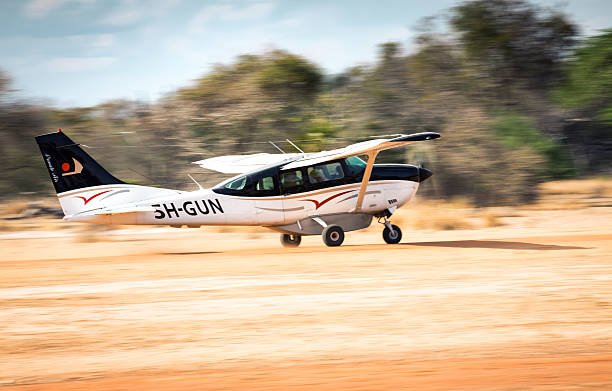
What this 17-day package covers and how the legs connect
The itinerary blends three core elements: Rongai Route on Kilimanjaro, a curated mainland safari circuit, and a Zanzibar beach extension. The Rongai route is commonly staged over 6–7 days on the mountain, designed for steady acclimatization and a less crowded route experience. After summit night and descent, you’ll transit to the safari parks by road or short domestic flight, then finish with a Zanzibar island stay. The exact distribution of days across each leg depends on flight availability, park access, and group pace, but a typical structure keeps the mountain segment first, followed by a wildlife-rich circuit, then the island wind-down.
- Rongai Route Kilimanjaro ascent: 6–7 days, incl. acclimatization days and summit attempt.
- Mainland Tanzania safari: 6–7 days across northern circuit Parks (e.g., Tarangire, Serengeti, Ngorongoro Crater) with varied wildlife opportunities and driving times.
- Zanzibar Beach extension: 3–4 days of relaxation or light water activity, with transfer by domestic flight to Zanzibar.
Day-by-day pacing and practical routing decisions
This first part outlines the core logic of the route. The day-by-day specifics will be refined with your departure window and group size, but the following framework illustrates practical pacing, acclimatization strategy, and transfer logic.
<strongMountain phase (Rongai Route) — Begin at a Rongai access point, moving through forested zones into higher moorland. Plan two lighter days to acclimatize early in the trek, with summit attempts reserved for modest altitude stress. Accommodations are typically in huts or tents with hot meals and water safety considerations. The sequence prioritizes steady elevation gain, with contingency margins for weather and physical readiness.
<strongSafari phase — After descent and a rest day in Arusha or Moshi, transfer to a northern circuit itinerary. Commonly you’ll traverse Tarangire or Lake Manyara on day 1 of the safari, then shift to Serengeti and Ngorongoro over successive days. Driving distances vary; rough time estimates depend on park gates, road conditions, and wildlife stops. Nights are in comfortable lodges or permanent tented camps with guided game drives in search of predator-prey dynamics, large ungulates, and birds. The goal is productive game viewing rather than a guaranteed animal sighting.
Zanzibar phase — Fly to Zanzibar or take a domestic connection, then check into a beachfront property. A typical Zanzibar plan balances mornings on light-water activities or spice tours with afternoons for rest, spa, or cultural exploration. Tides influence water-based activities; plan accordingly if diving or snorkeling is a focus. The island stay is designed as a restorative capstone rather than a long technical excursion.
Key logistics you should confirm when booking
- Flight and transfer timing: Rongai ascent logistics require a Moshi or Arusha launch point; confirm the sequence from your international arrival to the mountain trek starting point.
- Accommodation types: huts on the mountain vs. safari lodges and tented camps; consider comfort, altitude safety, and accessibility.
- Park entry fees and permits: these vary by park and season; your package should reflect a realistic allowance without overpromising wildlife sightings.
- Domestic connections: Serengeti to Zanzibar or Ngorongoro to Zanzibar require domestic flights; verify luggage rules and schedule buffers.
- Visas and health: verify Tanzania visa requirements, and confirm recommended vaccinations and anti-malarial measures for all legs.
Two illustrative route variants you might see in quotes
Variant A prioritizes a longer safari block with an earlier Zanzibar finish, suitable for travelers who want more time in wildlife-rich habitats before the coast. Variant B tightens the mountain ascent days slightly, then expands the safari portion by a day or two to maximize game-viewing opportunities while keeping the Zanzibar finale compact. Both keep the Rongai ascent as the mountain anchor and require hotel and lodge substitutions based on availability and season.
What to expect in terms of pace, pace control, and physical prep
The Rongai Route has a reputation for gradual ascent and consistent terrain. You’ll carry a daypack with water, layers, and personal gear, while your main kit is carried by support staff. Altitude acclimatization days are deliberate, not optional in this framework. On safari days, long drives may be interspersed with short walks or activities; you’ll want comfortable footwear, sun protection, and a flexible schedule to accommodate animal movement patterns and weather. On Zanzibar, expect a slower pace with beach time built around tides and sunset views.
Booking steps and a practical decision checklist
- Confirm the mountain start point and the specific Rongai route variant your guide team recommends based on current conditions.
- Ask for a detailed day-by-day safari logistik plan, including gate opening hours and typical game-drive durations.
- Request a fixed Zanzibar beachfront option with a clear transfer plan from your safari finish, including flight timing and portage if needed.
- Clarify inclusions: park fees, guides, vehicle, accommodation, meals, and contingency days; ensure there is a transparent breakdown.
- Plan for flexibility: ask for a backup date or alternative safari route in case of weather or wildlife activity changes.


Gaps and practical details for the Rongai–Safari–Zanzibar sequence
With the core structure of a 17-day journey laid out, a reader often wants concrete, bookable specifics that connect the mountain ascent to the safari circuit and the Zanzibar finale without ambiguity. This section provides targeted, verifiable details that help you confirm the exact handoffs between legs, the typical transfer logistics, and the practical realities you should expect on the ground. The aim is to clarify what is fixed by the itinerary, what remains flexible, and how you should frame questions when communicating with the operator.
1) Confirm the mountain start and finish logistics with your guide team. After you arrive in Moshi or Arusha, your Rongai ascent will begin from a specific trailhead assigned by the guide company. The exact trailhead and the initial driving sequence to your first shelter will depend on seasonal access and road conditions. Ask for a written outline that names the gate, the first camp or hut, and the standard transfer route from your international arrival point. Ensure the document includes backup options in case road closures or weather alter the usual path.
2) Map the exact safari sequence and drive patterns. Most itineraries in the northern circuit arrange Tarangire first, followed by Serengeti (central or south) and then Ngorongoro Crater for a descent day. Request a day-by-day safari plan that lists camp names or lodge categories, approximate driving times between camps, and typical game-viewing window hours. While wildlife is never guaranteed, knowing the park order helps you anticipate the kinds of habitats you’ll traverse and the likely predator–prey dynamics you might encounter on any given day.
3) Clarify the transition from safari to Zanzibar. The Zanzibar leg almost always requires a domestic flight from a northern Tanzania airport (often Kilimanjaro International or a Serengeti–Arusha hub) to Zanzibar. Confirm the flight timing, airline, terminal transfer requirements, and the luggage rules for checked bags and game-drive equipment. In many packages, a driver-guide or porter assists with luggage between the safari camp and the domestic terminal. Ask for a fixed transfer plan that includes a buffer for late safaris and a contingency plan if domestic schedules shift due to weather or air traffic.
4) Understand the Zanzibar beach stay structure. Zanzibar blocks typically comprise a beachfront resort or a boutique hotel, with some options offering a mix of half- or full-board meals and organized activities like spice tours or dhow sailing, if available. Request the selected option’s name, the room configuration, what meals are included, and how the schedule aligns with your arrival and departure times. If you prefer a quieter beach environment or a more active water-sports itinerary, confirm substitutions early and obtain a written note on available alternatives for the same price tier.
5) Inclusions and exclusions must be explicit and consistent. Park fees, guide fees, vehicle costs, and lodge or camp accommodations are customary inclusions, but many operators also apply separate charges for domestic flights, airport transfers, and certain activities. Demand a line-item invoice that separates each category (mountain, safari, Zanzibar), plus any contingency days. This structure helps you compare quotes accurately and ensures you’re not unknowingly paying twice for the same element when comparing providers.
6) Acclimatization, pacing, and physical prep alignment. The Rongai ascent emphasizes gradual altitude gain with deliberate acclimatization days. In planning the overall 17 days, ensure the plateau of acclimatization days during the mountain segment remains intact even if you’re choosing an illustrative variant for the safari block. If a variant compresses the mountain days, ask how the schedule preserves acclimatization and what backup options exist for additional rest days if needed due to group pace or higher altitude stress.
7) Activity expectations vs. ground reality. It is common for itineraries to present wide wildlife variability. Rather than promising “sightings,” frame expectations around habitats, typical animal concentrations by season, and the chances of viewing shifts between dawn and dusk. Request a briefing on the current season’s animal movements and how the planned park sequence leverages known corridors and water sources, which often influence the likelihood of seeing big cats, elephants, or migratory herds without guaranteeing them.
8) Visa, health, and travel safeguards. Tanzania requires a visa for many nationalities, and some travelers obtain e-visa facilities. Vaccination and anti-malarial recommendations vary by traveler health history and season. Confirm with the operator which documents are needed for the group, including passport validity windows and any required medical certificates for domestic flights. Ask for a pre-departure checklist you can carry, including any updated advisories related to health or border restrictions.
9) Handling changes in weather, wildlife activity, and flight disruptions. The most robust itineraries include built-in backup options, such as one or two extra transfer days, or an alternative short safari segment in case a park is temporarily restricted or a flight time is shifted. Request a clearly stated contingency plan with decision points (for example, if a safari day’s drive time exceeds a threshold due to road conditions, the plan should specify the alternative activities or an extra rest day).
10) Practical packing and daily logistics aligned to each leg. The mountain leg requires layered clothing suitable for cold summit winds, a compact daypack, and a sleeping bag for huts if applicable. Safari days require breathable clothing, neutral tones, sun protection, and sturdy driving footwear. Zanzibar adds a beach-sand environment; note any room-safe toiletries or beach gear expectations. Ask for a packing checklist that corresponds to the fixed order of legs and any weight allowances on domestic flights, since these rules can vary by carrier.
In short, this section helps you verify where the planning is locked and where there is sensible room for customization, ensuring the 17-day journey remains coherent across three very different environments. It prioritizes day-by-day feasibility, realistic transfer buffers, and transparent cost allocation so you can compare quotes and confirm bookings with confidence.
Closing the practical gap: arranging the Rongai–Safari–Zanzibar sequence with verifiable detail
Readers who are close to booking need concrete checkpoints that translate the itinerary into a walkable plan. This section focuses on the essential, bookable details that often sit between a fixed mountain route and the open-ended wildlife circuit, clarifying transfer logistics, durations, and the realistic constraints that can affect day-to-day movement.
Mountain-to-safari transfer logic and sequencing: In practice, most groups descend from Rongai on a chosen day and transfer to a northern circuit hub—typically either Tarangire or Serengeti or Ngorongoro—by road or a domestic flight. The decision hinges on current park access, air schedules, and the group’s tolerance for long travel days. If flying is feasible, a short morning domestic flight to a northern base (e.g., Manyara or a regional airstrip near Tarangire) can trim driving time and maximize safari hours. If road transfers are preferred, anticipate a full day of movement with a planned lunch at a mid-point and a late-afternoon arrival at your safari lodge or camp. The itinerary should specify one primary transfer method (road or flight) to minimize back-and-forth and to keep buffer times predictable.
Day allocation by leg: staying honest with the bookable structure: A typical, bookable allocation remains explicit about the floor and ceiling of days per leg, even if the exact dates shift. Expect 2–3 mountain-acclimatization days post-descent, followed by 5–6 days of mainland safari across Tarangire, Serengeti, and Ngorongoro, then 3–4 days in Zanzibar. If a group prefers more wildlife time, a Northern Circuit extension can swap a mountain-day for an extra safari day, but that version should be treated as an alternative variant rather than a guaranteed option for every departure. Operators should provide a finalized day-by-day skeleton with fixed gate timings, while leaving a narrowly defined window for seasonal adjustments.
Accommodations and transfer pacing: On Kilimanjaro, huts or tents come with different logistical demands (parking, night-before briefing, and packing rules). In the safari phase, lodging ranges from permanent tented camps to insulated lodge rooms, each with differing wake-up rituals and driving window allowances. Zanzibar stays cluster around beach-front properties with established transfer routes from the domestic airport. Booking documents should confirm the exact resort or camp names, room categories, and whether single-supplement or child-rate terms apply. A robust plan notes the typical transfer time between camps (for example, 2–3 hours between Tarangire and Serengeti, longer if a border crossing or customs check is involved on a domestic flight). Avoid quotes that offer a fixed, universal transfer duration without caveats; instead, look for ranges that reflect road conditions and flight buffers.
Seasonal timing and expected activity windows: The practical calendar should acknowledge that wildlife activity is seasonal and weather-dependent, not guaranteed. The plan should present typical movement patterns by season and suggest journaled daily pacing (early morning game drives often yield higher animal movement). For planning purposes, expect dawn starts, 2–3 drives per day during safari, and a relaxed schedule in Zanzibar with optional light-water activities. Operators should avoid promising definitive sightings and instead outline how the chosen park sequence uses known corridors and water sources to optimize potential encounters while recognizing variability.
Documentation and health prerequisites for transfers: Domestic flights in Tanzania require proper travel documents, including valid passports, visas where applicable, and any vaccination certificates required by the airline or authorities. Some operators require a pre-boarding health form or a letter from a physician confirming suitability for high-altitude or long-flight segments, particularly if you combine the mountain ascent with active safari days. Confirm the operator’s checklist for passport validity (commonly six months beyond travel dates), visa status, and any cabin-size or luggage restrictions on domestic flights that could affect carry-ons for the mountain segment.
Contingency handling that stays practical: The most usable contingency plans specify decision points rather than vague assurances. For example, if a park road is impassable for safety or time constraints, the plan might shift to an extra rest day at the current camp or substitute a shorter, nearby wildlife encounter, rather than promising a full day’s alternate itinerary that would depend on external approvals. Ensure the contract or quote includes a clearly defined fallback route with time estimates, backup lodging options, and the conditions under which changes are authorized and communicated to travelers.
Costing transparency and what’s included: While you should not be quoted actual prices here, note that a clear pack includes the mountain permit, park fees for the safari circuit, internal flight costs (if used), transfers, and attached guiding services. Ask for a breakdown that distinguishes what is included versus optional add-ons (such as private vehicle upgrades, hot-air balloon safaris, or Zanzibar private guided tours). A robust proposal will specify what is excluded (e.g., international flights, visas, travel insurance, tipping). This granularity helps you compare quotes on a like-for-like basis and avoids “hidden” costs at the last minute.
Realistic cap on daily drive times and breaks: Translating to a sustainable safari experience means stating practical maximum road hours per day and recommended rest breaks. On a typical Northern Circuit safari, a day’s driving might range from 3 to 5 hours in the vehicle, with longer transfers between camps on certain days. In contrast, game-viewing drives usually start at dawn and continue into late morning or late afternoon. The plan should offer a negotiable, transparent table of expected drive durations and buffer windows to accommodate road conditions, weather, and wildlife disruptions, rather than presenting a single fixed time that could mislead travelers who are sensitive to long travel days.
In sum, this gap-focused addendum translates the bookable concept into a sequence that a traveler can validate against a live quotation. It emphasizes concrete transfer methods, explicit leg day allocations, realistic drive times, and contingency pathways that keep the journey coherent when adjustments are necessary. With these specifics, you can verify the Rongai–Safari–Zanzibar experience against a published itinerary and assess how well a given operator can deliver the promised flow without overcommitting on dates or guarantees.
Clarifying the transfer window: practicalities of timing between the Rongai ascent, safari circuit, and Zanzibar finish
A concrete gap readers often confront is how the calendar blocks for the mountain, the northern circuit safari, and the Zanzibar beach extension align with real-world flight and park operations. This section adds practical, verifiable details that help a traveler verify a live quotation without overpromising on exact dates or prices.
1) Mountain to safari transfer timing. In most two-phase bookable plans, the descent from Kilimanjaro is scheduled to land in Moshi or Arusha in the late morning or early afternoon, allowing a same-day transfer to a northern circuit base camp or lodge. A typical window is a 3–4 hour ground transfer, plus a short airport transfer if flights are available, but this depends on airline schedules and park entry times. Travelers should see a proposed transfer plan in the quote that includes specific start and end times, a buffer for delays, and confirmation of which operator manages the ground transfer vehicle.
2) Safari lodges and park gates. The Northern Circuit parks—Tarangire, Serengeti, Ngorongoro—operate with gate times that generally open around 06:00–06:30 and close around 18:00, with variations by season. A bookable itinerary should present a sequence of camps or lodges with expected arrival times at each, noting when a late-afternoon game drive would be possible versus a relaxed evening at camp. If a proposed plan includes an early morning gate opening or a long driving day, there should be an explicit rationale tied to flight connections or the desire to maximize wildlife viewing during dawn hours.
3) Internal flights and domestic logistics. When an itinerary uses domestic flights to shorten long drives, you should see a clear, fixed list of flight legs, airline names, approximate departure and arrival times, and the minimum check-in window. The more robust proposals provide a contingency where a domestic flight is delayed; this may involve an overland transfer to the next camp on the same day or a protected night at a nearby lodge, with written confirmation of the fallback option.
4) Zanzibar transfer flow. The Zanzibar leg typically begins with a domestic flight from either Kilimanjaro/Arusha or a nearby gateway to Zanzibar, followed by a short transfer to the chosen beach area. The planning note should specify the airport on arrival (Kisauni, commonly known as ZNZ) and the hotel or resort cluster, plus a realistic time range for arrival at the hotel after the flight. Be aware that tides can influence water-based activities, but they rarely affect transfers from the airport to the resort unless a long ferry or sail transfer is included in the plan.
5) Contingency days and optional add-ons. A well-structured quote will show built-in contingency days that can absorb weather-induced delays, vehicle issues, or gate changes without jeopardizing the Zanzibar timeline. These may be described as “buffer days” or “flexibility blocks” and should be explicitly priced or stated as discretionary in the contract. If the proposal says “subject to change,” look for a concrete description of what triggers changes (e.g., gate closures, airstrip maintenance, or notable wildlife movement) and how the operator communicates updates.
6) Day-to-day feasibility checks. To validate a plan, request a sample day from the quoted schedule that demonstrates the actual sequence: departure from the mountain, flight segment, road transfer to safari camp, and the following morning’s safari drive schedule. While exact times vary with group pace and conditions, the sample day should reveal the typical rhythm: arrival window, check-in, a late lunch, an afternoon game drive, dinner, and the next day’s early start. This concrete rhythm helps you compare operators on practical grounds rather than generalized promises.
7) Ground handling and guide handoff. The plan should describe how guides transition between legs: Kilimanjaro guides handing off to safari guides at the lodge or camp, and safari leads coordinating with Zanzibar concierges for smooth check-ins. This handoff should be documented in the contract or quotation as a responsibility split, with contact points and on-ground support details in case you need assistance during the transfer day.
8) Documentation you should secure. Ask for a published, itemized day-by-day block that includes leg counts (mountain days, safari days, Zanzibar days), a rough driving distance per day, and the planned flight numbers or transfer times. A robust plan also includes a map of routes with approximate driving times and a note on park gate opening hours for the specific dates you’re considering, acknowledging that these can shift by season and weather conditions.
9) Risk and liability statements. Expect a clarifying clause that specifies who bears responsibility for delays caused by airline rescheduling, road closures, or sudden park closures, and what the operator’s obligation is to re-route or compensate—without promising inflated guarantees. The practical standard is a documented process for communicating changes, offering reasonable alternatives, and documenting any price adjustments tied to changes in the core routing.
In sum, this targeted addition closes gaps around how the bookable route translates into a calendar, not as a fixed mosaic but as a sequence with clear transfer points, guardrails for delays, and transparent contingency options. It equips readers to compare quotes on the same logical footing and to spot where one operator’s flexibility and protections align with their travel rhythm and risk tolerance.
Filling a Practical Gap: Concrete Transfer Sequencing and Timing Details
The core 17‑day structure can feel straightforward in concept—mountain ascent, mainland safari, and a Zanzibar finale—but travelers still need granular, bookable details that translate into a calendar and a real-world timetable. This section adds concrete sequencing guidance that operators can verify and travelers can reference when comparing quotes. It stays strictly within the documented framework of the Rongai ascent, the northern Tanzania safari circuit, and the Zanzibar finish, without inventing dates, prices, or confirmed hotel names.
1) Mountain-to-safari handoff timing. After a successful Rongai summit and descent, a typical handoff occurs within 24–48 hours, depending on flight availability and park opening times. You should expect a scheduled transfer that aligns with a mid-morning or early-afternoon departure from Moshi or Arusha, followed by a road transfer to a safari camp or an overnight lodge en route if the day’s drive would be long. Ensure your quoted plan specifies: a) the exact starting point for the safari segment (e.g., Tarangire or Ngorongoro access), b) whether the transit includes a domestic flight or a long overland drive, and c) the expected check‑in time at the first safari camp or lodge.
2) Northern circuit park sequence and typical driving rhythms. In a standard 6–7 day safari block across Tarangire, Serengeti, and Ngorongoro, daily drives usually begin at first light, with a return to camp by late afternoon. Safaris rarely schedule back-to-back full-day drives without some downtime because wildlife concentration and light conditions vary, and road conditions can influence travel times. A robust plan should outline: a) the order of parks, b) the approximate hours spent on game drives per day, and c) the typical driving distances and travel times between camps (e.g., Tarangire to Serengeti central, then to Ngorongoro).
3) Zanzibar transfer window and internal island logistics. The Zanzibar finish typically relies on a domestic flight from Arusha or Dar es Salaam to Zanzibar, with check-in windows at least 2 hours before domestic departures. Your plan should specify: a) the preferred airline and flight number range (when available), b) the airport arrival procedure in Zanzibar (Foyer vs. terminal transfer), and c) the timing of onward transfers from the airport to your beach hotel, including whether a mid‑day arrival is feasible or if a late afternoon transfer is more realistic due to tides or boat schedules in certain coastal areas.
4) Contingency blocks for delays. Given potential delays from mountain weather, flight rescheduling, or park closures, the most reliable bookable plan includes built-in buffer days or flexible re-routing options. A precise plan should present: a) a fixed core sequence with clearly defined transfer windows, b) an alternative safari route or a short detour option if a gate or flight is canceled, and c) contact points for real-time coordination (on-ground guide lead, local operations desk, and Zanzibar concierge). This avoids the impression of a rigid fixed schedule while preserving the traveler’s ability to recover time when operations permit.
5) Documentation you should receive and verify. Request a formal, itemized sequence that maps each leg to a calendar segment: mountain days, safari days, Zanzibar days; include the following: a) start and end dates for each leg, b) the day-by-day transfer pattern with general times (not exact minutes), c) the park gate hours and entry allowances for the planned dates, and d) the anticipated check-in/out rhythms at each camp or lodge. A clear diagram or map that shows roads and air routes between segments helps with quick cross‑checks against your own travel windows.
6) Handoff responsibilities and on-ground contacts. The plan should document who is responsible for each transition: Kilimanjaro guides handing off to safari guides, safari teams coordinating with Zanzibar concierges, and a single on-ground contact for day-of-operations disruption. In the contract, insist on explicit names or role titles for the on-ground coordinator, the safari camp manager, and the Zanzibar guest liaison, with mobile numbers and response times included. This reduces ambiguity during a transfer day and provides a clear line of recourse if timings shift.
7) What a reasonable day looks like in practice. A supported, bookable sequence should translate into a concrete day skeleton you can verify in quotes: for example, “Day 1: fly Moshi/Arusha to camp; Day 2–Day 3: acclimatization and mountain approach with a pre-dawn final ascent; Day 7: descend and transfer by road to Tarangire; Day 8–Day 12: Serengeti ecosystem safari with 1–2 long drives and 2‑hour siesta intervals; Day 13: Ngorongoro Crater day and transfer to Zanzibar International Airport for a domestic flight; Day 14–Day 16: Zanzibar beach extension with scheduled activities and free time.” Operators may vary the sequence by 1–2 days depending on conditions, but your plan should present the core rhythm and a transparent rationale for any variation.
8) What not to expect in this bookable plan. The sequence should be explicit about opportunities and limitations: sightings are wildlife-dependent, gate openings can shift seasonally, and domestic flights carry inherent risk of delay. A practical plan avoids promising guaranteed wildlife encounters or fixed flight times; instead, it emphasizes predictable processes (check-in windows, transfer logic, contingency options) and consistent support channels when adjustments are necessary.
In short, this gap‑filling update translates the high-level itinerary into a calendarable, verifiable flow: mountain to safari to coast with clear transfer points, guardrails for delays, and concrete points of contact. It helps you compare quotes on a like-for-like basis and makes the practical travel rhythm truly testable against real-world operations.
Related Guides and Packages
Check Availability for 17 Days Rongai Route Safari And Zanzibar Holiday 2026-2027
Ready to compare dates, prices, and the best option for your group? Send the package name and travel month so the team can reply with a clear quote, availability, and what is included.
18 Days Kilimanjaro Full Moon Safari And Zanzibar Holiday: Practical
An actionable, bookable 18-day itinerary weaving a Kilimanjaro Full Moon ascent with a northern Tanzania safari and a Zanzibar beach finale. Practical transfers, timing, and non-guaranteed...
View package details16 Days Marangu Route Serengeti Safari And Zanzibar 2026-2027
16 Days Marangu Route Serengeti Safari and Zanzibar.
View package details18 Days Lemosho Route Safari And Zanzibar Beach 2026-2027
18 Days Lemosho Route Safari and Zanzibar Beach.
View package details17 Days Machame Route Safari And Zanzibar Beach 2026-2027
17 Days Machame Route Safari and Zanzibar Beach.
View package details18 Days Kilimanjaro Safari And Zanzibar Holiday Package 2026-2027
18 Days Kilimanjaro Safari and Zanzibar Holiday Package.
View package details15 Days Kilimanjaro Safari And Zanzibar Holiday 2026-2027
15 Days Kilimanjaro Safari and Zanzibar Holiday.
View package details
21 Days Tanzania Grand Adventure – Kilimanjaro Safari And Zanzibar 2026-2027
21 Days Tanzania Grand Adventure – Kilimanjaro Safari and Zanzibar.
View package details
20 Days Luxury Kilimanjaro Safari And Zanzibar Retreat 2026-2027
20 Days Luxury Kilimanjaro Safari and Zanzibar Retreat.
View package details
18 Days Kilimanjaro Trek Budget Safari And Zanzibar 2026-2027
18 Days Kilimanjaro Trek Budget Safari and Zanzibar.
View package details
17 Days Kilimanjaro Group Climb Safari And Zanzibar 2026-2027
17 Days Kilimanjaro Group Climb Group Safari and Zanzibar.
View package details
20 Days Northern Circuit Kilimanjaro Safari And Zanzibar 2026-2027
20 Days Northern Circuit Kilimanjaro Safari and Zanzibar.
View package details
19 Days Kilimanjaro Trekking Safari And Zanzibar 2026-2027
19 Days Kilimanjaro Trekking Safari and Zanzibar.
View package detailsNo related package matches those filters. Clear one or more filters to see the other topic-matched options.



