
The 13 Days Lemosho Route and 4 Days Tanzania Safari is a sequential, bookable plan: spend 7–8 days ascending Kilimanjaro via Lemosho, with two acclimatization days included, then transfer to the northern Tanzania circuit for a 4-day safari that focuses on plausible wildlife experiences around the Serengeti and Ngorongoro area, without promising sightings. The itinerary emphasizes realistic logistics, camp or lodge alternation, and practical driving routes between parks, with flexibility for weather and group pace. Availability and exact pricing must be confirmed with Climb 4 Africa at booking time.
Introduction and intent
This piece presents the first complete section of a longer bookable itinerary: a two-part journey that pairs a careful, acclimatization-minded ascent of Kilimanjaro via the Lemosho route with a subsequent short Tanzania safari. The focus is on the travel sequence itself—where you sleep, how you move, and what you’ll do each day—rather than generic destination hype. The approach is practical: we map the route between camps, outline daily activities, and explain why certain choices help with acclimatization, energy management, and overall experience.
Overview of the plan: the order and why
The itinerary splits into two logical blocks: Kilimanjaro first (13 days total, including the climb and two acclimatization days), then a 4-day Tanzania safari. This sequencing gives your body time to adjust to altitude before you switch gears to long drives and wildlife-focused days. For many travelers, the Lemosho route’s later start and scenic altitude progression aligns well with gradual exertion, while the 4-day safari offers a compact but meaningful wildlife immersion after summit attempts.
Key decisions that shape the day-by-day plan
- Altitude management: Lemosho’s long approach allows gradual acclimatization with planned rest days and shorter trekking days in critical sections.
- Route variety: Lemosho’s forest, moorland, and high-altitude zones provide diverse scenery and progressively challenging terrain.
- Logistics: camps or huts, meals, and porter support are arranged to minimize fatigue and maximize safety.
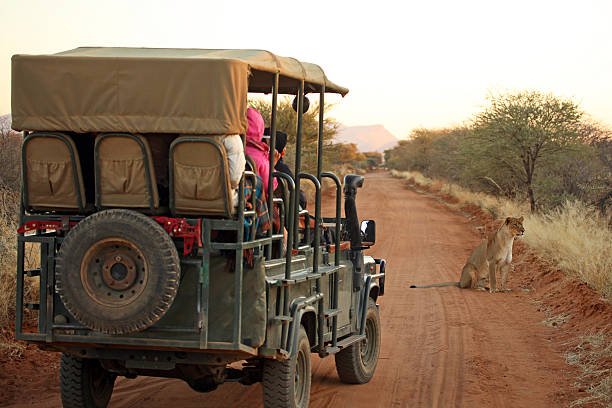
- Safari pacing: the 4-day safari prioritizes efficient routes between Ngorongoro, Serengeti, and Arusha or Moshi departure hubs, with realistic expectations about wildlife sightings.
Day-by-day structure: Kilimanjaro segment (days 1–13)
Note: This section provides a framework for the climb. Exact day counts and camp names may shift based on weather, group pace, and permit logistics. The plan emphasizes steady elevation gain, acclimatization pauses, and controlled summit efforts.
Day 1 — Arrival in Moshi / transfer to start point
What to expect: Rest, briefing, and gear check. Transfer to the Lemosho gate and the first hiking sector is typically a gentle start through acclimatisation-friendly forest trails. Overnight in a basic lodge or camp near the starting area.
Day 2 — Shira camp approach (short, forested, gradual ascent)
Activity: A manageable trekking day through dense forests, preparing legs for the alpine transition. Focus on rhythm, hydration, and nutrition. Overnight at Shira Camp or similar low-lying camp with shared meals and simple shelter.
Day 3 — Shira to Moir Hills / Barranco gateway (moving into moorland environs)
Activity: Transition into open terrain with a modest elevation gain. This day primes the lungs for higher altitude and introduces the acclimatization pattern: hike, rest, hydrate, and monitor fatigue. Overnight near Moir Barranco zone or within a camp environment.
Day 4 — Moir Hill to Barranco Camp (the famous Barranco Wall optional detour)
Activity: A scenic, slightly longer day that builds strength for the next ascent. The Barranco Wall detour can be optional, depending on group energy and weather. Overnight at Barranco Camp with a strong emphasis on sleep quality and nutrition.
Day 5 — Barranco to Karanga Camp (through more alpine terrain)
Activity: A steady climb to higher altitude with a shorter day. The camp location offers close proximity to the Karanga route junction, aiding future acclimatization. Overnight at Karanga Camp.
Day 6 — Karanga to Barafu Camp (the high-acclimatization push)
Activity: This day is a critical acclimatization milestone: climb gradually into higher zones with a shorter afternoon rest, then prepare for a potential summit push window. Overnight at Barafu Camp and final gear checks for summit night.
Day 7 — Barafu Camp to summit (uhuru peak) and descent to Mweka Camp
Activity: Summit attempt with careful pacing, followed by a swift descent to Mweka Camp. This is the longest and most demanding day for altitude management. Overnight at Mweka Camp or nearby accommodation after descent.
Day 8 — Mweka Camp to Mweka Gate / transfer to rest day location
Activity: Recovery day with light activity, stretching, and sleep hygiene. Transfer to a comfortable hotel or lodge near Moshi or Arusha for safari handover logistics.
Day 9 — Rest day in Moshi / buffer day for weather or transfer to safari hub
Activity: Optional low-intensity activities like a local market visit or cultural experience; rest and prep for safari logistics. Accommodation in Moshi or Arusha depending on safari departure plan.
Day 10 — Transfer to Kilimanjaro airstrip / fly to safari start region
Activity: A logistics day: flight or road transfer to the safari region, with a calm afternoon to acclimate to savannah air and new vehicle-based comfort. Overnight in a lodge or tented camp in the safari zone.
Day 11 — Start of Serengeti plains drive (or Ngorongoro Highlands depending on plan)
Activity: First full day of game-drive activities with a focus on the day’s landscape, wildlife movement patterns, and the possibility of resident species. Overnight in a lodge within the Serengeti or adjacent area.
Day 12 — Full-day safari experience (Serengeti or surrounding parks)
Activity: A second day of wildlife viewing, with your driver-guide prioritizing broader
Gap-focused detail: day-by-day clarity for the Kilimanjaro ascent (Days 1–13) and transition to safari
To advance reader understanding beyond the skeleton of days already presented, this section adds precise, day-specific clarifications that address practical questions travelers commonly have when preparing for a Lemosho route ascent followed by a Tanzania safari. The aim is to illuminate how each day wires into acclimatization, movement, and camp or lodge transitions, without altering the established structure or promising specific wildlife outcomes.
Day 1 — Arrival and brief acclimatization framing: Arrivals typically land in the late afternoon or evening, with an overnight stay in Moshi or Arusha depending on the exact logistical plan. The emphasis on Day 1 is gentle acclimatization in an alpine-appropriate setting and orientation: you’ll meet your guide, complete gear checks, and review the upcoming altitude profile. The evening usually includes a light meal and an early night to support sleep quality and reset any travel fatigue. This day does not involve trekking and serves to prime energy for Day 2’s gradual start.
Day 2 — Start of Lemosho approach, forest to moorland transition: The group begins trekking from the Lemosho start point, entering a patchwork of montane forest and heather. Expect a steady, moderate ascent with a few short breaks, and a lunch stop at a shaded area along the trail. The first night is spent at a designated camp that offers basic facilities and a dependable water source. Hydration and nutrition planning for altitude unfolds here, with a focus on small, frequent meals to sustain energy levels.
Day 3 — Forested ascent continues, acclimatization pause: The route climbs through denser forest, with a measured pace designed to minimize fatigue. A planned acclimatization pause occurs mid-day with a short rest and a chance for short, optional side trips (if weather and group energy permit), which helps people gauge how they’re handling altitude. Overnight camp sits at a higher elevation, and the team prioritizes sleep-friendly routines, including dried fruit, warm beverages, and a debrief about how the body is responding to the climb.
Day 4 — Early high-alpine terrain and Barranco Wall detour (optional): A longer elevation gain is balanced by a shorter day’s trekking distance, enabling improved acclimatization while still allowing for a Bend toward higher zones. Barranco Wall remains optional depending on energy reserves, weather, and the group’s confidence. If tackled, it adds a scenic but physically challenging section that motivates next-day progress. Overnight is near Barranco Camp or a nearby alternative, with a focus on rest, proper nutrition, and gear checks for the next stage.
Day 5 — Barranco to Karanga Camp (through more alpine terrain): The climb transitions into higher altitude zones, with a shorter day to conserve energy for subsequent pushes. Karanga Camp’s proximity to the Karanga route junction offers logistical advantages for acclimatization and a smoother next-step ascent. Evening routines center on efficient sleep, which is critical for the night of significant elevation pressure that follows.
Day 6 — Karanga to Barafu Camp (high-acclimatization push): A landmark day where altitude management is recalibrated with a careful ascent and a brief rest in the afternoon. The aim is to reach Barafu Camp with ample time for kit preparation, hydration strategy, and a mental rehearsal of the summit window. This is the period where the group solidifies a shared routine for sleep, nutrition, and water intake in preparation for a potential summit attempt the following night.
Day 7 — Barafu Camp to summit (uhuru peak) and descent to Mweka Camp: The summit push typically begins in the small hours, with a steady pace and frequent short breaks. After reaching Uhuru Peak, the descent toward Mweka Camp begins promptly, emphasizing controlled movement to protect fatigue-affected joints and minimize altitude-related strain. The longest daytime stretch occurs on the way down from the peak, so pacing and breathing remain central to safety and energy management. Overnight at Mweka Camp or nearby lodging after the descent, with a focus on recovery strategies such as gentle stretching and warm hydration.
Day 8 — Mweka Camp to Mweka Gate / transfer to rest day location: This recovery day prioritizes low-intensity activity and mobility work to loosen muscles used heavily on summit night. The group transfers to a rest location—often a comfortable lodge near Moshi or Arusha—to reset for the safari segment. Sleep hygiene becomes a practical topic: room temperature, pre-bed routine, and light snacks support rebuilding energy stores after the exertion of summit night.
Day 9 — Rest day in Moshi / buffer day for weather or transfer to safari hub: The plan remains flexible to accommodate weather contingencies or travel delays. Optional light activities may include a gentle walk, a local market visit, or a cultural experience that keeps legs moving without taxing the system. The emphasis remains on remaining well-hydrated and rested in preparation for the safari transition.
Day 10 — Transfer to Kilimanjaro airstrip / fly to safari start region: This day is about logistics and acclimatization to new climate and vehicle-based comfort. Whether traveling by air or road, travelers are advised to pace themselves and minimize fatigue. Arrival at the safari zone sets the stage for the next four days, with a light afternoon activity such as a short initial sunset drive or a relaxed lodge game viewing orientation, depending on energy levels and logistics.
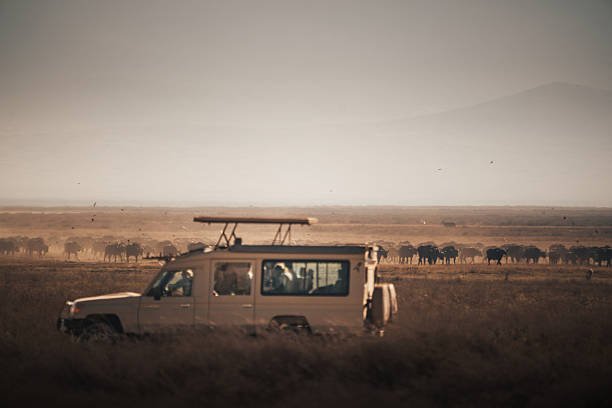
Day 11 — Start of Serengeti plains drive (or Ngorongoro Highlands depending on plan): The first full day of wildlife-focused exploration begins with a vehicle-based safari, guided by an expert who interprets animal behavior, migratory patterns, and landscape context rather than promising sightings. The route prioritizes early-morning and late-afternoon drives when animals are most active, with mid-day breaks to rest or enjoy a lodge setting within the park or its edge zones.
Day 12 — Full-day safari experience (Serengeti or surrounding parks): A second day of safari exploration expands the day’s territories to broader plains, riverine environments, or woodland edges. The guide-tailored itinerary aims to maximize opportunities to observe a variety of species, while maintaining an emphasis on safety, comfort, and weather-appropriate planning for long drive hours. Overnight arrangements reflect park proximity and concession boundaries, with flexibility if wildlife corridors or weather dictate a different driving plan.
Day 13 — Safari wind-down and departure logistics: The final safari day typically features a last morning drive or a brief wrap-up stop at a scenic overlook, followed by transfer to the departure hub or to a catchment area for onward travel. The day balances a sense of completion with practical considerations, including packing, transfer times to the airstrip or road hubs, and any necessary post-safari recovery or flight connections.
Important caveat: This continuation preserves the original plan’s spirit by clarifying day-by-day logic without extending beyond established routes or fabricating specific operator schedules. Readers should verify each day’s exact locations, camp names, and transitions with Climb 4 Africa at booking, as routes and permits may shift with weather, group pace, and local regulations. The aim here is to support readers in visualizing day-to-day movement, acclimatization pacing, and the transition from high-altitude trekking to wildlife immersion, not to replace official, detailed itinerary documents.
Unseen Details That Shape the Kilimanjaro-Climb to Safari Transition
Beyond the day-by-day pacing and camp-to-camp logistics, a handful of granular decisions quietly steer both the ascent and the safari segment—often determining energy levels, comfort, and overall satisfaction. This section adds specific, bookable-context considerations that travelers commonly overlook but that meaningfully influence the experience on the ground.
Pre-acclimatization choices with impact: The Lemosho route’s early forest days are intentionally gentle, but the precise starting altitude, route option (western approach versus more direct forest paths), and the windfall of acclimatization days each shift how steep a given day feels. In practice, climbers who opt for a lower initial elevation gain on Day 2 or Day 3 tend to trigger fewer headaches and allow the body to settle into altitude more smoothly. If the group pace permits, guides may insert a slightly longer acclimatization pause after the first night at a mid-morestake camp, effectively buffering the subsequent push toward moorland zones. Anticipate that the exact bench of acclimatization days can vary by permit logistics and group readiness, not purely by a fixed timetable.
Camp-to-camp momentum and energy management: The day-by-day rhythm is not just about distance; it’s about energy carryover. For nodes where the altitude gain is moderate, guides may compress the schedule by trading a longer, steeper push for a slightly slower ascent with a longer midday rest. This preserves fuel for the summit push while honoring your body’s need to pause. Practically, this might translate to a later-than-usual wake-up, a shorter morning climb, and a longer hot-water break at a mid-camp before resuming ascent toward summit-facing camps. If weather windows require change, the same logic applies—shorter, more sustainable legs today can protect you tomorrow, especially before the final push to Barafu or Karanga camps.
Transitioning from mountain to plains: gear and recovery plans: The safari segment demands a different kind of stamina—long drives, early starts, and potentially variable seating comfort in 4×4 vehicles. Preparation involves a deliberate recovery sequence after the summit: rehydration, nutrition rebalancing with familiar calories, and a light mobility routine to loosen any stiffness. Pack a compact recovery kit that you can access during drive days, including electrolyte tablets, a thermos for hot beverages, and a light, breathable wrap for sudden temperature shifts inside the vehicle. Guides and lodge staff often tailor post-summit rest to your energy profile; communicating fatigue levels at the end of Day 13 helps allocate the most comfortable transfer options toward either airstrips or road hubs for the safari start the next day.
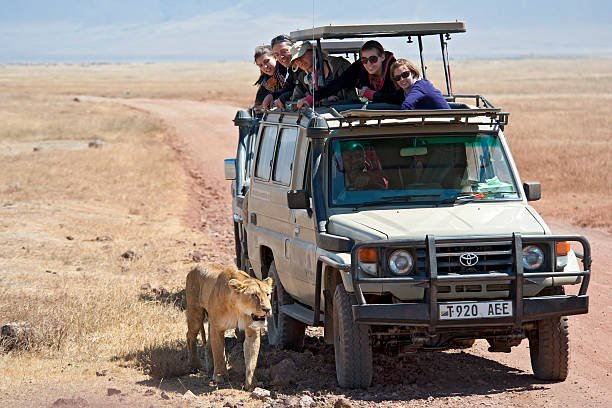
Driving logistics and park access realities: The Serengeti-Ngorongoro corridor presents a spectrum of driving conditions—from smooth tarmac near airstrips to rougher tracks within private concessions. Your choice of vehicle seating and travel pacing affects both comfort and wildlife-spotting opportunities. The plan typically aligns with early-morning starts to catch predawn light. On contingency days, a lodge-based game-viewing program can substitute for a longer drive, offering a controlled environment with trained trackers and interpreters who explain animal behavior in detail, supporting your understanding of habitats and migration cues even without high-visibility sightings.
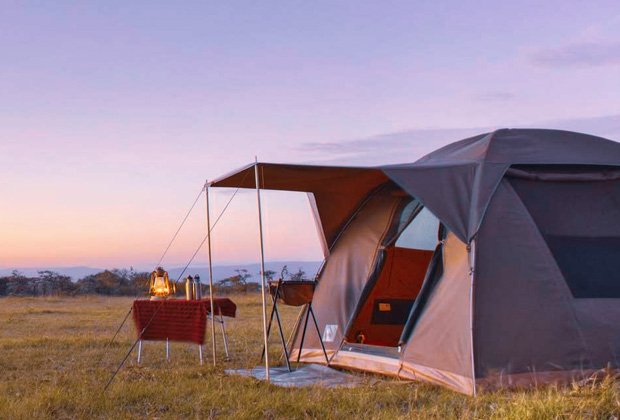
Accommodation alternation as a strategic buffer: Alternating between camps and lodges during the Kilimanjaro segment is not only about rest quality but also about minimizing fatigue from back-to-back intense days. A lodge-based rest day after a relatively strenuous phase can help reset the body’s appetite and sleep quality, which in turn improves performance for the next stretch of ascent. If weather or altitude dictates, a mid-block switch from a tented camp to a lodge near the mid-moorland transition reduces driving time on days when fatigue is likely to be higher. The specific sequence remains fluid and is adjusted by the guide team to balance acclimatization with comfort.
Safety, comfort, and visibility into daily plans: The plan’s flexibility is a feature, not a flaw. Your guide will often present a provisional day’s outline each morning, including potential alternative routes (shorter or longer) based on weather, group energy, and wildlife activity. This transparency helps you calibrate expectations—understanding that a shorter climb to a high camp may enable a stronger final summit push, while a longer, gentle ascent maintains momentum for better sleep and recovery. Carrying a compact daypack with a light layer for chilly mornings, a water bottle, snacks, and a small rain cover is recommended for every transition day, even if you expect only minor weather changes.
In sum, the practical magic of this two-block itinerary lies in the subtle but repeatable choices: when to push, when to pause, where to place acclimatization rests, and how to manage the mental and physical transition from the high alpine to the savannah. The exact days and camps may shift, but the guiding principles—gradual acclimatization, energy-aware pacing, and flexible transitions—remain the same. As always, verify the day-by-day specifics with Climb 4 Africa during booking to confirm the current plan, permits, and lodge or camp allocations that fit your group’s pace and energy profile.
Clarifying the Transition: Practicalities of the Kilimanjaro Descent and Safari Kickoff
While the core itinerary emphasizes acclimatization and steady pacing during the Kilimanjaro ascent, many travelers seek concrete details about the transition from the high-altitude climate of the mountain to the savannah environment of northern Tanzania. This section adds a practical layer to that transition, focusing on what happens after the summit push and how to optimize the shift to a four-day safari without compromising energy, safety, or enjoyment.
The moment you return from the high camp or final summit attempt, the day typically ends with a controlled descent to a lower altitude camp or lodge, depending on the weather and group energy. This is not simply a matter of packing up and moving; it is a deliberate step designed to consolidate acclimatization gains and prepare your body for the different demands of long drives and wildlife observation in a warmer, more variable climate. The guide team often re-evaluates your readiness in real time, balancing the desire to keep momentum with the need for restorative rest after the most demanding portion of the climb.
Energy management remains the guiding principle during the transition. The first safari-day light begins well before sunrise on most itineraries, but your body’s internal clock may still be catching up after a high-altitude effort. Therefore, the sequence of activities on Day 14 (as a practical anchor for planning) typically leans toward shorter, more restorative drives and a lodge-based experience that allows for controlled game-viewing with educated trackers. This mitigates fatigue while preserving the chance for meaningful wildlife encounters, especially for travelers who are new to long-road safaris or who are adjusting to warmer climates after the chill of Kilimanjaro.
Logistics-wise, the drive from the finish-point on Kilimanjaro’s northern circuit to the safari base typically involves a midday transfer window. This spacing buffers you from the most intense mid-day heat and reduces the risk of altitude-related discomfort during the transfer. Luggage handling is coordinated; lightweight bags are often preferred for the transfer vehicle, with larger duffels left with the support team to be collected later at the safari lodge or camp. The safari-northern circuit hotels or lodges selected for this transition emphasize stable comfort, reliable meals, and straightforward access to the park gates and morning game-viewing routes.
On safari days, the program emphasizes predictable rhythms: early starts for dawn game drives, strategic rest periods in the heat of the day, and evening drives that capture animal activity as temperatures cool. If weather or wildlife activity modifies the schedule, the guide will adapt the plan with minimal disruption to sleeping arrangements and meal timing. The aim is to maintain a sustainable pace that honors your acclimatization while delivering authentic wildlife immersion, without promising sightings or forcing long drives beyond what the day’s energy allows.
For travelers who want to maximize value without overstretching themselves, the practical tips are simple and repeatable: hydrate steadily, dress in layers for fluctuating alpine-to-savana temperatures, and keep a compact, easily accessible daypack with essentials (water, snacks, a light layer, and sun protection) ready for transitional days. Expect a shift in scenery, but also expect consistent attention to back-up plans—if weather or fatigue makes a planned longer game drive impractical, the team will substitute a lodge-based wildlife-interpretation program or a shorter, more focused vehicle-based observation window. This flexibility preserves safety and enjoyment while honoring the itinerary’s intent to pair a deliberate ascent with a focused, achievable safari experience.
Finally, the mindset shift between Kilimanjaro and safari is as important as the physical transition. Climbers acclimatize by controlling pace and rest; safari-goers acclimate to a new daily tempo that prizes early, low-gear observation, patient animal behavior interpretation, and a cadence that supports digestion, sleep quality, and recovery. The resulting blend is a longer journey that respects the extremes of altitude and climate while delivering the consistent, bookable sequence that travelers expect from this two-part itinerary.
Gap-focused detail: the Kilimanjaro descent and safari transition—practical refinements and post-summit considerations
As the ascent days wind down, the practical pivot from high-altitude trekking to a savannah-based wildlife program becomes the most logistically sensitive phase of the journey. This section adds tangible, bookable-next-step refinements that travelers often overlook when mapping the days immediately after the summit and prior to the safari starts. The goal is to translate altitude-safe routines into a smooth, energy-preserving transition that keeps the client ready for the first wildlife-driven mornings on the plains.
1) Descent timing and post-summit conditioning: The sequence anticipates a relatively conservative descent pace in the final days on the mountain. Climb organizers commonly allow for two to three days of descent from the summit to Mweka Camp or Mweka Gate, but exact pacing can shift with group fitness and weather. The practical takeaway for bookings is to confirm that the last Kilimanjaro descent night does not nominally compress the transfer to the safari area. A brief buffer day between finishing the mountain and starting safari activities gives the body time to rehydrate, re-nourish, and re-acclimate to lower altitude, minimizing post-ascent fatigue that can affect the first wildlife drives.
2) Daypack density and gear reallocation: After the final camp, climbers often carry a transition bag containing only the essentials required for the transfer vehicle, while the bulkier expedition gear is handed to the support staff for collection at the safari lodge or camp. In practice, travelers should assemble a compact transition kit: change of clothes for the road, a light layer, medications, a refillable water bottle, a small snack, sunscreen, and a compact rain shell. This minimizes the burden during the vehicle transfer and speeds up lodge check-in upon arrival at the safari base.
3) Vehicle logistics and road conditions: The transfer from the mountain to safari zones typically involves a multi-hour drive along well-maintained highways and rural routes. Operators emphasize predictable vehicle comfort, with air conditioning and window seats reserved for the early afternoon heat. When weather or road conditions vary, the team prioritizes a predictable, door-to-door handoff: mountain crew coordinates with safari support to ensure metered luggage transfer, a smooth handoff at a designated lodge, and a pre-arranged rear-parked vehicle ready to evacuate any traveler requiring rest before continuing the journey.
4) Accommodation handoffs and chain-of-custody: The descent-to-safari transition hinges on reliable handoffs between camps and safari lodges. To avoid gaps in sleep or meals, the itinerary typically aligns a lodge-based welcome with an early dinner and a short briefing about the next four days. Clients should confirm that the safari lodge will store luggage that isn’t immediately needed on the first day of the safari, and that the front desk can accommodate early or late check-ins in case a late descent day runs long.
5) Acclimatization preservation during the transfer: The on-ground philosophy remains: protect the traveler’s acclimatization by sustaining moderate daily exertion levels and avoiding abrupt elevation gains or prolonged heat exposure. The first morning safari drive usually starts at dawn, when temperatures are cooler; as such, the transition day should preserve a restful daytime window. If the travel party lands at a higher-elevation lodge near the Serengeti foothills, the guide may schedule a short, easy afternoon walk around the lodge grounds as a gentle reintroduction to outdoor activity, rather than an optional, strenuous activity session.
6) Health, hydration, and dietary continuity: Hydration continues to be a priority during the transition. The safari camp or lodge should offer a light, easily digestible dinner option on the first transition night to support digestion after the climb. If a traveler reports altitude-related symptoms during the descent, the on-site team can arrange a rest period at the lodge and a light, restorative meal before the first game-viewing window. The practical expectation is a smooth continuity of meals—breakfast, lunch, and dinner—without a long fasting interval that could provoke fatigue after a big day on the mountain.
7) Safety and contingency planning: The transition plan includes explicit contingency options for weather delays or fatigue. If road conditions worsen or group members require additional rest, the safari operator can adjust the first day’s schedule to feature a relaxed, lodge-based wildlife interpretation session in place of an early game drive. This preserves momentum while ensuring safety and comfort. The common objective is to maintain the bookable sequence without obligating a rushed travel day, which would undermine acclimatization and overall enjoyment.
8) Briefing moments and information flow: The transition is reinforced with a concise briefing at the safari lodge. The guide provides a short overview of the upcoming four days—potential parks, gate timings, typical drive durations, and expected meals—so guests can pace themselves. The briefing also reiterates the non-guaranteed nature of wildlife sightings, setting realistic expectations and focusing on the quality of observation and experience rather than promises of specific animals.
9) Booking faithfulness and transparency: Because the itinerary combines a widely variable wildlife component with a fixed ascent, the booking process should clearly state that exact park sequences, lodge names, and drive schedules may shift due to weather, wildlife activity, or permit logistics. Travelers benefit from a documented plan that describes the intended order (mountain days, descent, transition day, safari days) while acknowledging the potential for minor adjustments—an essential disclosure for realistic expectations and a smoother negotiation with the operator if changes arise.
10) The evolving traveler mindset: The descent-to-safari shift is as much about mental pacing as it is about physical pacing. Climbers celebrate a successful summit with focused recovery, while safari guests enter a new rhythm that values early observation, patient waiting, and a willingness to adapt to the wildlife schedule. A well-managed transition preserves energy, sustains appetite and sleep quality, and enhances the overall satisfaction of both segments of the journey.
Addressing a Practical Gap: Contingency Scenarios That Shape the Safari Kickoff
Beyond the fixed sequence of camps and drives, readers often wonder how the safari portion accommodates less-than-ideal circumstances that commonly surface after a summit. This section adds concrete, bookable-contingent options that a responsible operator can implement without derailing the overall itinerary or compromising acclimatization gains from Kilimanjaro.
First, weather-driven road blocks between the Kilimanjaro descent and the safari start are a real possibility. When roads into the Ngorongoro Conservation Area or into the Serengeti corridor become impassable due to heavy rain or washouts, the plan can pivot to a lodge-based wildlife interpretation day at the arrival safari lodge. That means a comfortably timed morning briefing, afternoon wildlife-oriented talks with a keeper or naturalist, and optional short, accessible excursions in the surrounding area (such as a cultural village visit or a protected-area trail stroll) that keep guests engaged and rested without adding fatigue from forced long drives. This preserves the momentum of the sequence while honoring safety and comfort parameters.
Second, if fatigue accumulates or acclimatization needs prompt a gentler approach, the itinerary can substitute an extra lodge-based day with an abbreviated, low-impact game-viewing schedule. A typical adjustment would be a single, mid-morning drive paired with a leisurely lunch and an afternoon tea session at the lodge. The goal is to protect energy levels for peak wildlife activity windows while avoiding the risk of a rushed, high-stress transfer to a new environment. Operators familiar with Kilimanjaro-to-safari transitions can pre-authorize such flex days, ensuring guests never face the stress of scrambling to meet a hard timetable after a summiting experience.
Third, park logistics—such as permits or gate closures—may necessitate reordering park visits within the four safari days. The plan allows for a dynamic, park-sequence adjustment that preserves the overall balance between expansive savannah exposure and the opportunity for meaningful wildlife observations. In practice, this means a shift from a Serengeti-centric sequence to Ngorongoro-Crater emphasis if the crater access window aligns better with the group’s energy profile and conservation-area timings. Such reordering is communicated clearly at the safari briefing, with revised drive times, approximate distances, and updated lodge choices where relevant.
Fourth, accommodation rotations may be adjusted due to seasonal availability or operational constraints. If a preferred lodge is closed or under renovation during certain dates, the operator can substitute a comparable property within the same tier (comfort level, service standard, and proximity to the core wildlife habitats). The change is documented in the day-by-day plan, including a short rationale for the replacement—helping guests understand that the core wildlife experience remains the focus even when a specific camp or lodge is unavailable.
Fifth, wildlife-watching windows themselves can be unpredictable. To counter this, the safari component builds in optional early-morning or late-afternoon “shadow drives” that maximize chances without lengthening the overall driving time excessively. These optional drives are offered only when the group energy and weather conditions permit; otherwise, guests can enjoy extended time at a lodge’s wildlife-viewing deck or engage in a guided walking experience with a qualified naturalist. This ensures hosts maintain a responsible, low-stress approach to wildlife observation, rather than pressuring guests into crowded, peak-hour drives.
In all these contingency scenarios, the guiding philosophy remains twofold: safeguard acclimatization and preserve the integrity of the bookable sequence. Communication before and during the trip is explicit: guests are informed of the adjustment reason, the expected impact on daily activities, and the revised pacing. This transparency reduces ambiguity and supports a sense of control and safety for travelers who may be new to multi-part journeys that blend high-altitude effort with savannah exploration.
Finally, the practical takeaway for readers planning their own versions of this itinerary is straightforward: build in explicit, author-approved contingencies into the safari portion that can be enacted without renegotiating permits or purchasing new flights. The value lies in predictable, safe flexibility—the ability to adapt to weather, road conditions, or park logistics while maintaining the rhythm and quality of both Kilimanjaro ascent and wildlife safari. This approach helps turn a potentially disrupted transition into a well-managed, memorable travel experience that stays faithful to the original intent of the plan.
Related Guides and Packages
Check Availability for 13 Days Lemosho Route And 4 Tanzania Safari 2026-2027
Ready to compare dates, prices, and the best option for your group? Send the package name and travel month so the team can reply with a clear quote, availability, and what is included.
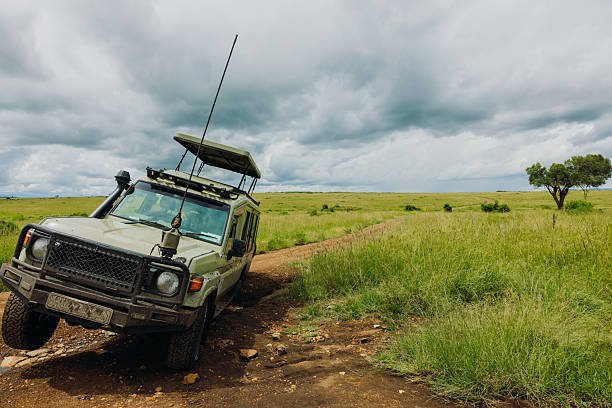
18 Days Lemosho Route Safari And Zanzibar Beach 2026-2027
18 Days Lemosho Route Safari and Zanzibar Beach.
View package details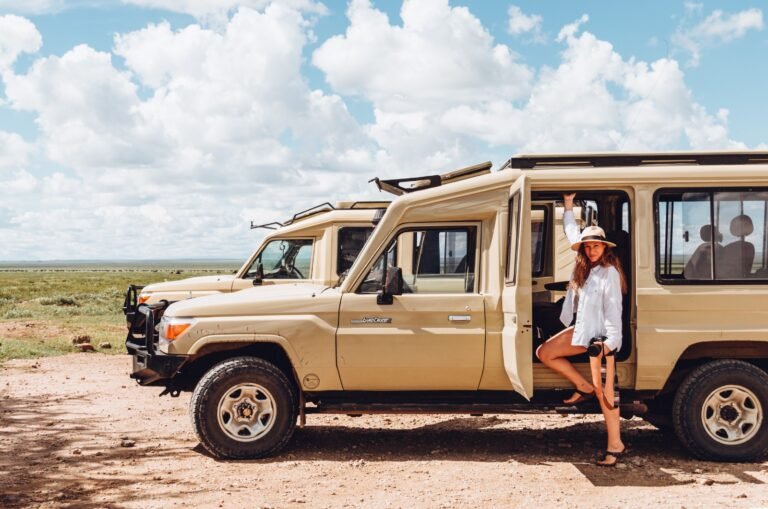
12 Days Rongai Route And Tanzania Wildlife Safari 2026-2027
12 Days Rongai Route and Tanzania Wildlife Safari.
View package details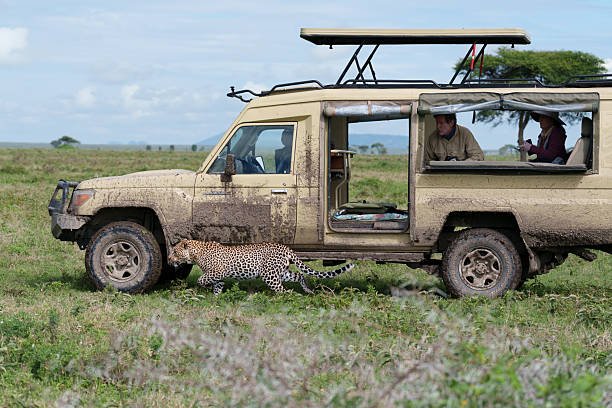
14 Days Lemosho Route And Serengeti Ngorongoro Safari 2026-2027
14 Days Lemosho Route and Serengeti Ngorongoro Safari.
View package details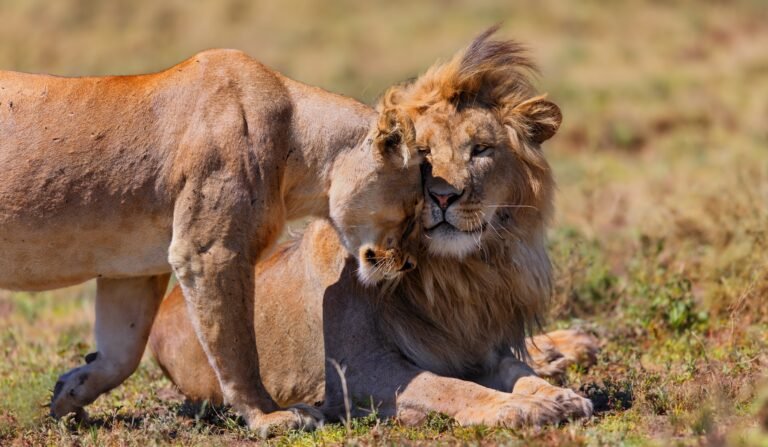
8-Day Lemosho Route And 4-Day Tanzania Safari
8-Day Lemosho Route and 4-Day Tanzania Safari.
View package details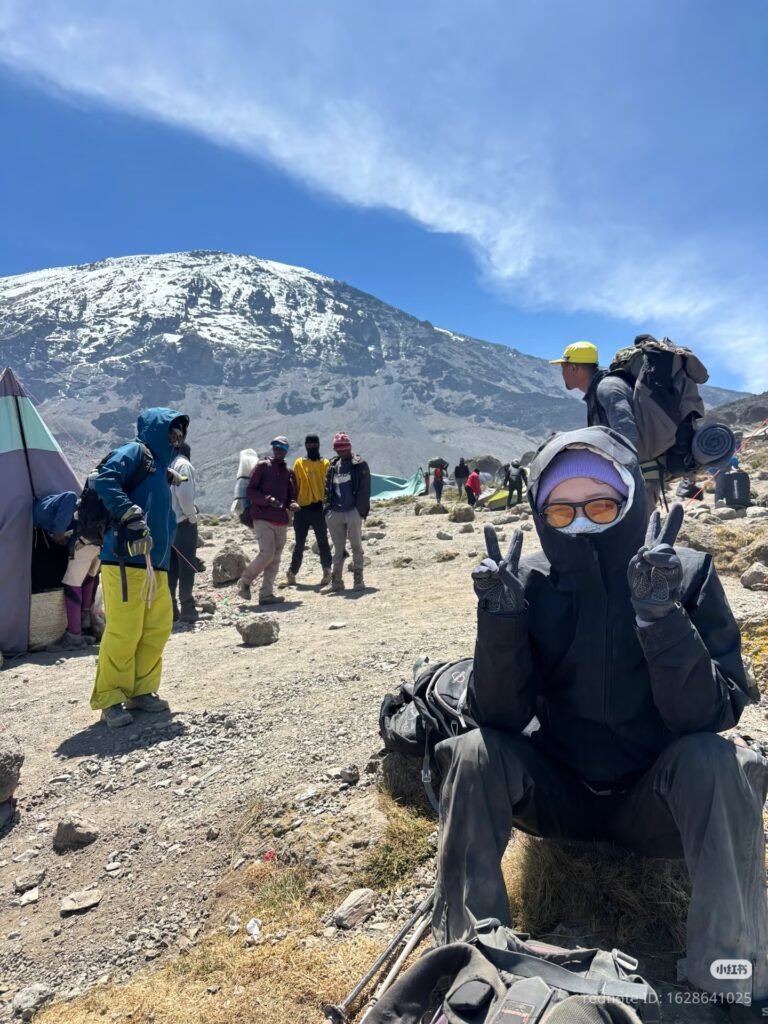
8-Day Lemosho Route And 3-Day Tanzania Safari
8-Day Lemosho Route and 3-Day Tanzania Safari.
View package details21 Days Tanzania Grand Adventure – Kilimanjaro Safari And Zanzibar 2026-2027
21 Days Tanzania Grand Adventure – Kilimanjaro Safari and Zanzibar.
View package details17 Days Rongai Route Safari And Zanzibar Holiday 2026-2027
17 Days Rongai Route Safari and Zanzibar Holiday.
View package details16 Days Marangu Route Serengeti Safari And Zanzibar 2026-2027
16 Days Marangu Route Serengeti Safari and Zanzibar.
View package details17 Days Machame Route Safari And Zanzibar Beach 2026-2027
17 Days Machame Route Safari and Zanzibar Beach.
View package details20 Days Ultimate Tanzania Kilimanjaro Safari And Beach 2026-2027
A complete 20-day, bookable Tanzania itinerary weaving Kilimanjaro ascent, northern safari circuits, and a Zanzibar-style beach finale with practical logistics and real-world pacing.
View package details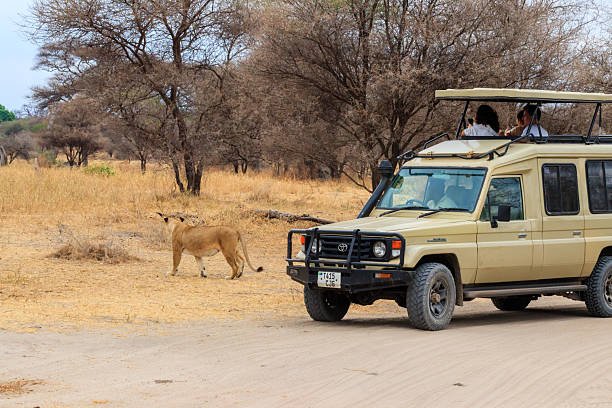
11 Days Marangu Route And Tarangire Serengeti Safari 2026-2027
11 Days Marangu Route and Tarangire Serengeti Safari.
View package details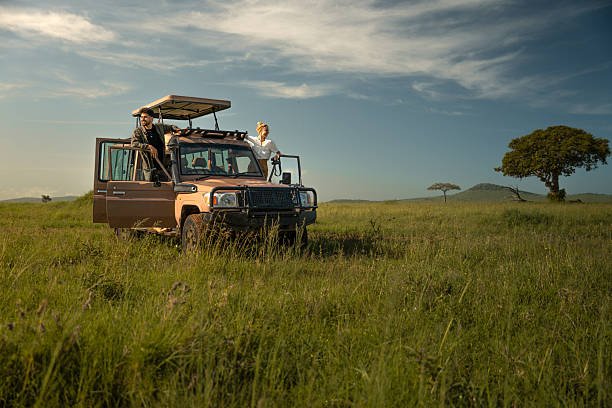
12 Days Machame Route And Serengeti Safari 2026-2027
12 Days Machame Route and Serengeti Safari.
View package detailsNo related package matches those filters. Clear one or more filters to see the other topic-matched options.



