
For travelers planning a Tanzania itinerary in September 2027, the flight connection between the Serengeti and Zanzibar is a defining logistical detail. Because September falls within the peak dry season, domestic flight prices are subject to higher demand and tighter availability. There is no single ‘fixed’ ticket price; instead, your cost will fluctuate based on the specific Serengeti airstrip used (e.g., Kogatende in the North vs. Seronera in the Central), the airline carrier, and how far in advance you secure your booking. As a general rule, booking your internal flights as part of a consolidated safari package is more reliable than purchasing individual tickets, as it ensures all connections are synchronized with your game drives.
Understanding the September 2027 Travel Landscape
September is arguably one of the most sought-after months for a Tanzanian safari. The weather is dry, wildlife is concentrated around water sources, and the Great Migration is typically situated in the Northern Serengeti, crossing the Mara River. When you combine this with a post-safari relaxation in Zanzibar, you are effectively navigating the busiest travel corridor in East Africa.
For your September 2027 planning, it is critical to recognize that flight prices are not just about the distance covered. They are about logistical efficiency. Domestic airlines operating in Tanzania—such as Coastal Aviation, Auric Air, and Regional Air—utilize smaller aircraft that serve remote bush strips. These flights are not like commercial jets; they operate on flight schedules that are often flexible to accommodate weather, passenger load, and the specific airstrip locations near your chosen lodge.
Why Flight Prices Vary in September
When you research flight prices for September 2027, you will notice significant variance. This is driven by three main factors:
- Airstrip Location: A flight from the Kogatende Airstrip (Northern Serengeti) to Zanzibar is often priced differently than a flight from Seronera (Central Serengeti). Kogatende is more remote, and flights often require a stopover or a specialized route.
- Peak Season Demand: September is peak season. As lodges fill up, so do the flights. Airlines rarely offer last-minute discounts during this window; instead, prices tend to rise as availability decreases.
- Baggage Constraints: The cost of your flight often includes a strict baggage allowance (typically 15kg in soft-sided bags). Excess weight fees are a common hidden cost that can significantly impact your total travel budget if not planned for in advance.
For more detailed information on specific routes, you can review our guide on Arusha to Serengeti flight time, prices, and baggage allowance to better understand how these logistics function.
The “Bush-to-Beach” Connection: Logistics for 2027
The most common pain point for travelers is the transition from the rugged Serengeti to the relaxed beaches of Zanzibar. In September, the logistics are high-traffic. You are likely moving from a dusty, remote airstrip directly to the bustling Zanzibar International Airport (ZNZ).
When you book through a specialist operator like Climb 4 Africa, we treat this not as a simple ticket purchase, but as a synchronized transfer. This is crucial because if your morning game drive runs late, or if the small bush plane is delayed by weather, a standalone ticket does not offer the same protection as a coordinated itinerary. We ensure that your flight timing aligns with your final game drive, minimizing downtime in the bush while maximizing your time on the coast.
If you are considering how this fits into a broader trip, our Serengeti Great Migration fly-in safari breakdown provides insight into how these flight sequences are structured to prioritize game viewing over travel time.
Comparison: Scheduled Flights vs. Private Charter
For some travelers, the standard scheduled flight is perfect. For others, particularly families or those on a tight time constraint, a private charter might be a better consideration. Here is how they compare for your 2027 planning:
| Feature | Scheduled Bush Flight | Private Charter |
|---|---|---|
| Cost Structure | Per-seat pricing; standard market rates. | Flat rate for the entire aircraft; higher total cost. |
| Flexibility | Fixed departure times; limited to airline schedules. | Customized timing; allows for early or late departures. |
| Experience | Shared with other travelers; multiple stops possible. | Direct routing; exclusive to your group. |
| Best For | Couples and small groups looking for value. | Large families or groups with tight schedules. |
To understand the specific flight durations between these regions, you may find our article on how long the flight is from Serengeti to Zanzibar helpful for setting realistic expectations for your travel day.
Planning Your September 2027 Booking Window
If you are targeting September 2027, the best time to start the conversation is 10 to 12 months in advance. This is not to create artificial urgency, but to ensure you have the widest choice of flight times and lodge availability.
In the safari industry, the most convenient flight times (those that allow for a morning game drive followed by an afternoon flight to the coast) are the first to sell out. By waiting, you risk having to take a very early morning flight—which cuts your safari short—or a very late flight that leaves you arriving in Zanzibar in the middle of the night.
What to Request from Your Operator
When you contact us, provide the following details to get an accurate assessment of your logistics:
- Your exact safari dates: Be specific about when you want to be in the Serengeti.
- Number of travelers and luggage expectations: Remember the 15kg soft-bag rule.
- Preferred Zanzibar location: Are you heading to Nungwi, Kendwa, or Stone Town? This impacts your onward transfer from the airport.
- Any mobility or health considerations: Small aircraft have specific seating and boarding requirements.
For those looking at the full picture of a combined trip, our resource on Tanzania safari and Zanzibar holiday domestic flights costs offers a transparent look at how these elements integrate.
Frequently Asked Questions About 2027 Travel
Are airport taxes included in the quoted flight prices?
Generally, yes, standard airport taxes are included in the ticket price provided by reputable operators. However, always confirm this when receiving your final quote, as some remote airstrips have distinct conservation or landing fees that may be listed separately in your itinerary.
What happens if my bush flight is delayed?
Delays in the bush are occasionally caused by weather or aircraft technical checks. If you book as part of a managed itinerary, your operator (like Climb 4 Africa) is responsible for re-routing you and ensuring your Zanzibar transfer is adjusted accordingly. If you book flights independently, you become responsible for managing these re-bookings yourself, which can be difficult in remote areas.
Can I carry hard-shell suitcases on these flights?
No. Most bush flights strictly prohibit hard-shell suitcases because they do not fit into the cargo pods of the smaller aircraft. You must use soft-sided duffel bags. This is a non-negotiable safety and space requirement for domestic aviation in Tanzania.
Next Steps for Your Tanzania Journey
Planning a trip that spans the vast Serengeti plains and the turquoise waters of Zanzibar requires careful coordination of domestic flight schedules. We recommend focusing your efforts on securing your lodge and flight logistics simultaneously to avoid gaps in your itinerary. Our team at Climb 4 Africa specializes in these multi-location journeys, ensuring that your transition from the bush to the beach is handled with local expertise.
If you are ready to start planning your September 2027 adventure, please reach out to us with your travel dates and preferences. You can contact us via WhatsApp at +255 747 477 898 or email us at climb4africa@gmail.com. Alternatively, you can send your inquiry to our backup email at info@climb-4-africa.com. We are here to help you navigate the logistics so you can focus on the experience itself.
Managing Your Zanzibar Arrival Logistics
Once your bush flight touches down at Zanzibar International Airport (ZNZ), your logistical journey is not quite over. A common oversight for travelers planning a September 2027 trip is failing to account for the ground transfer time from the airport to their specific beach resort. Zanzibar is larger than many visitors anticipate, and road conditions can vary significantly depending on your final destination. Recognizing the difference between flight arrival and hotel check-in is essential for a stress-free transition.
Direct vs. Multi-Leg Routing
It is important to clarify that very few bush flights operate a ‘direct’ service from a remote Serengeti airstrip to Zanzibar. Most itineraries involve a scheduled stopover at Arusha Airport (ARK). This creates a ‘multi-leg’ day of travel. You will typically depart the Serengeti in the morning, touch down in Arusha for a brief transit, and then board a secondary flight to Zanzibar. When evaluating your flight price, ensure you understand if your itinerary involves these connections. A lower fare might sometimes reflect a longer layover in Arusha, which can turn a simple travel day into a full-day commitment. Always verify the total transit time, not just the departure and arrival times of the individual legs.
The Distance Factor: Stone Town vs. The Northern Beaches
When you book your ground transfer, the location of your accommodation dictates the final leg of your journey. Transfers to Stone Town are short, typically taking 15 to 20 minutes. However, if you are heading to the popular northern beaches like Nungwi or Kendwa, you are looking at a 60 to 90-minute drive from the airport. If your flight arrives in the late afternoon, this transfer will occur during the local traffic peak. While not comparable to major global metropolises, Zanzibar traffic on narrow roads can be slow. Always coordinate with your operator to have a pre-booked transfer waiting; negotiating with independent taxi drivers at ZNZ after a long day of flying is rarely the ideal start to a beach holiday.


Navigating Luggage Weight Restrictions and the ‘Extra Seat’ Policy
While the prohibition of hard-shell suitcases is a well-known requirement for Tanzanian bush flights, the more complex challenge for September travelers is managing total luggage weight. Domestic flight operators in Tanzania utilize light aircraft—typically Cessna Grand Caravans—where weight distribution and total payload are not merely suggestions; they are critical safety parameters. Because September is a peak travel month, these aircraft often fly at full passenger capacity. When a plane is fully booked, the pilot has zero flexibility regarding the total weight on board.
Most scheduled bush operators enforce a strict 15-kilogram (approximately 33-pound) weight limit per passenger. This limit includes your checked bag and your carry-on items, such as camera gear, binoculars, and daypacks. It is a common misconception that this weight is an airline policy intended to generate fees; in reality, it is a performance limitation dictated by the short, unpaved runways of the Serengeti and the high temperatures that can affect aircraft lift capabilities during the mid-day heat. If you arrive at an airstrip with 25 kilograms of gear, you may be denied boarding, or you may be forced to leave your luggage behind to be flown on a later, separate cargo flight, which is both costly and logistically disruptive.
For travelers who cannot reasonably consolidate their gear into 15 kilograms, the only professional solution is to book an ‘extra seat’ for luggage. This is a common practice for professional photographers carrying heavy lenses or families with specific gear requirements. When you book an extra seat, you are essentially paying for the weight capacity of a second passenger. This ensures your bags travel on the same aircraft as you, preventing the anxiety of separated luggage. If you anticipate needing an extra seat, you must communicate this to your operator during the initial booking phase—not at the airstrip. Last-minute requests for extra weight capacity are frequently rejected because the aircraft simply does not have the available payload to accommodate the additional mass.
To avoid the need for an extra seat, September travelers should leverage the services provided by their lodges. Almost every reputable lodge in the Serengeti and the surrounding conservancies offers same-day or 24-hour laundry services. This allows you to pack for a five-day cycle rather than a two-week duration. Furthermore, consider the ‘wear-it-on-the-plane’ strategy: wear your heaviest hiking boots, largest jacket, and heaviest layers during your bush flights. These items do not count toward your luggage weight if they are on your person, and this simple adjustment can often save you from having to purchase an additional seat or risking a weight-related delay.
Finally, remember that the 15-kilogram limit is a ‘per person’ allowance, not a ‘per couple’ allowance. If you are traveling as a pair, you cannot aggregate your 30 kilograms into one massive 30-kilogram suitcase. The aircraft cargo pods are designed for smaller, individual soft-sided bags. If your luggage is too large or too heavy, it physically will not fit into the cargo compartment, regardless of the total weight. Adhering to these specifications is the single most effective way to ensure a smooth transition from your morning game drive in the Serengeti to your afternoon arrival in Zanzibar.
The “Safari from the Sky” Experience
When booking your September 2027 flight, it is helpful to shift your perspective on the bush-to-beach transit. Unlike a standard commercial flight where the goal is to be in the air as little as possible, your bush flight is often a continuation of your safari. These flights typically operate at lower altitudes in smaller aircraft like the Cessna Caravan. Because the flight paths often weave over the Serengeti plains and the Ngorongoro Conservation Area before heading toward the coast, the journey itself offers a unique, bird’s-eye view of the topography you have just explored on the ground.
However, this experience comes with the reality of “puddle-jumping.” Your flight is rarely a private taxi service; it is a shared shuttle. You may find that your pilot makes two or three stops at other airstrips within the Serengeti or nearby reserves to pick up or drop off other travelers. While this adds time to your total travel day, it is a standard operational necessity for these airlines. Understanding this beforehand prevents the frustration of unexpected stops. Embrace these segments as additional game-viewing opportunities; it is not uncommon to spot herds of elephants or giraffes from the window as the aircraft descends into a remote bush strip.
Distinguishing Between Flight Fares and Conservation Levies
A frequent point of confusion for travelers budgeting for their 2027 trip is the distinction between the “flight fare” and “airstrip levies.” When you receive a quote for your internal flights, the base fare covers the operational costs of the aircraft, crew, and fuel. However, some specific airstrips—particularly those located within private concessions or specific protected areas—impose additional “landing fees” or “conservation levies.”
These are not always included in the initial ticket price because they are often charged by the governing authority of the land where the airstrip is located, rather than the airline itself. If you are flying into or out of a private concession, verify with your operator whether these fees are bundled into your “safari package” or if they are “extra costs” to be settled locally. While these fees are usually nominal compared to the total cost of the trip, clarifying this at the booking stage ensures you are not surprised by a final invoice or a request for payment upon arrival at a remote airstrip. Always ask for a “total inclusive cost” to ensure that conservation contributions, landing fees, and flight taxes are all accounted for in your financial planning.
Navigating the Domestic-to-International Transition
A critical, often overlooked aspect of your September 2027 transit is the physical separation between domestic and international terminals. When your bush flight from the Serengeti touches down at Zanzibar International Airport (ZNZ), you are arriving at the domestic terminal. If your onward travel involves an international flight—whether back to Dar es Salaam for a connection or directly out of the country—you must factor in the time required to transfer between the domestic and international facilities. These are distinct structures, and while the distance is short, the process involves re-checking luggage, passing through customs, and clearing immigration formalities. Do not assume that your luggage will be automatically transferred from your small bush aircraft to your international carrier; it is almost never the case. You will need to retrieve your bags from the tarmac, clear the domestic arrivals area, and transit to the international departures hall.
This transition is particularly important if you are planning a tight connection. We strongly advise against scheduling an international departure within four hours of your expected bush flight arrival. Weather patterns in September, while generally dry, can occasionally cause minor delays in the bush, and the domestic-to-international transfer process is manual and time-consuming. Always communicate your international flight details to your ground operator well in advance, so they can ensure your transfer vehicle is waiting at the correct terminal and that you have ample buffer time for these procedural handoffs.
Currency and Payment Logistics at Remote Airstrips
While the majority of your flight costs, including conservation levies and taxes, should be settled via your pre-booked safari package, there are scenarios where you might need to handle payments at a remote airstrip. It is a common misconception that remote bush locations are equipped with standard banking infrastructure. In reality, card terminals at remote airstrips are notoriously unreliable due to poor cellular connectivity and lack of electricity grids. If you anticipate needing to pay for excess baggage weight, last-minute seat upgrades, or specific park entry fees that were not bundled into your initial quote, you must arrive prepared with cash.
For these incidental payments, United States Dollars (USD) are widely accepted, but strict rules apply. Ensure your bills are clean, unmarked, and printed in the year 2009 or later. Many Tanzanian operators and authorities will refuse older or damaged currency. While the Tanzanian Shilling (TZS) is the local currency, USD remains the standard for tourism-related transactions in the bush. Avoid relying on your credit card for any on-the-ground adjustments in the Serengeti; having a small reserve of cash for these specific, operator-verified extra costs is the only way to ensure your departure remains smooth and uninterrupted by payment system failures.
Related Guides and Packages
Check Availability for Tanzania Flight Prices September : Serengeti And Zanzibar Planning
Ready to compare dates, prices, and the best option for your group? Send the package name and travel month so the team can reply with a clear quote, availability, and what is included.
How Long Is The Flight From Serengeti To Zanzibar? ( Planning Guide)
Planning your bush-to-beach connection? Discover the actual flight durations, stopover logistics, and booking realities for traveling from the Serengeti to Zanzibar.
View package details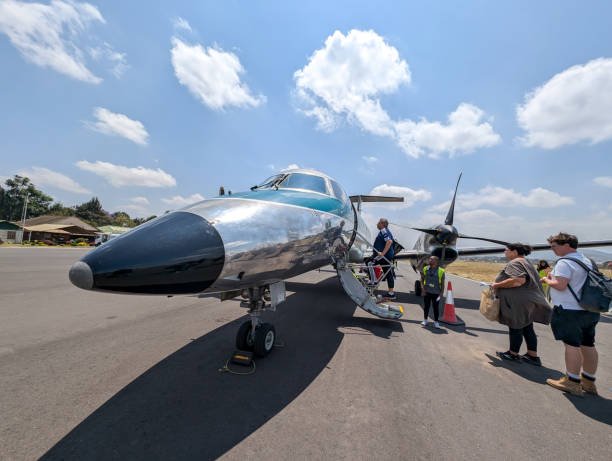
How Much Is A Flight From Zanzibar To Serengeti?
How Much Is a Flight From Zanzibar to Serengeti?
View package details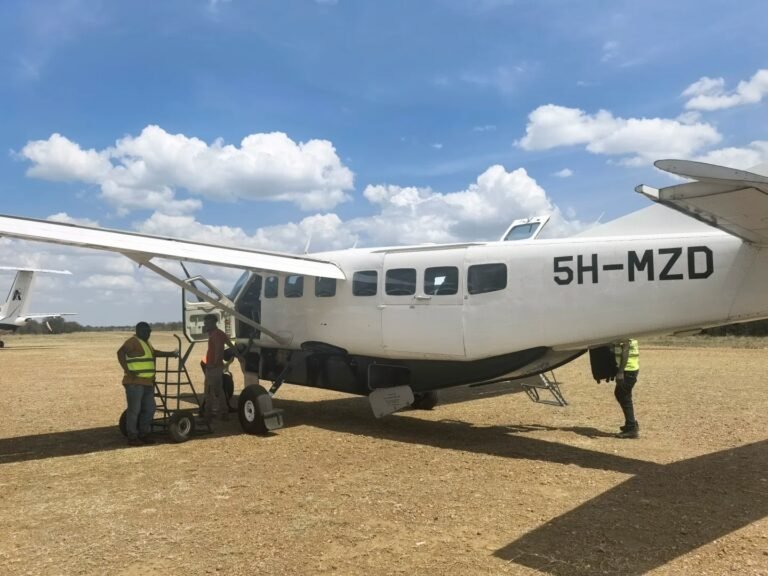
Can You Fly Directly From Zanzibar To Serengeti? A Planning Guide
A practical guide to flying from the beaches of Zanzibar to the Serengeti plains, covering bush plane logistics, baggage restrictions, and planning advice.
View package details
Can I Fly From Zanzibar To Serengeti And Return The Same Day? Guide
A professional assessment of the feasibility of same-day air travel between Zanzibar and the Serengeti, including logistical realities and better alternatives for your Tanzanian itinerary.
View package detailsTanzania Flight Prices February : Safari & Zanzibar Routes
A detailed guide to navigating flight logistics and budget factors for Tanzania travel in February 2027, focusing on safari circuits and Zanzibar connections.
View package detailsTanzania Honeymoon Safari And Zanzibar With Flights: Package Prices
Tanzania Honeymoon Safari and Zanzibar With Flights: Package Prices.
View package detailsTanzania Safari And Zanzibar Holiday With Domestic Flights: Costs Guide
A guide to understanding the costs, logistics, and planning strategies for combining a Tanzanian wildlife safari with a Zanzibar beach getaway using domestic flights.
View package details
Zanzibar To Nairobi Flight Price & Schedule: Planning Your Connection
A practical guide to navigating flights from Zanzibar to Nairobi, covering airport logistics, price factors, and how to coordinate your beach-to-safari transition.
View package detailsBest Time To Book Flights To Zanzibar In : Planning Your Island Getaway
Expert advice on securing the best flight arrangements for your 2027 Zanzibar holiday, including seasonal booking windows and coordination with Tanzania safari itineraries.
View package detailsWhich Tanzanian Airport Is Best For A Safari And Zanzibar Holiday?
Which Tanzanian Airport Is Best for a Safari and Zanzibar Holiday?
View package detailsTen Day Afcon Tanzania Safari And Zanzibar Holiday: Planning Guide
Planning a ten-day trip for AFCON 2027? This guide covers the ideal itinerary, logistics for combining a Northern Circuit safari with a Zanzibar beach holiday, and how to manage your travel...
View package detailsAfcon Football Safari And Zanzibar Holiday: Expert Planning Guide
A guide to combining the AFCON 2027 football tournament with a Tanzanian safari and Zanzibar beach holiday, focusing on logistics, timing, and travel planning.
View package detailsNo related package matches those filters. Clear one or more filters to see the other topic-matched options.



