
October remains one of the most strategic months to visit Tanzania. As the dry season begins to transition, the dust starts to settle, the wildlife congregates around the remaining water sources in the Serengeti, and the mountain trails of Kilimanjaro are generally dry and stable. When planning your trip for October 2027, your flight budget will be a major component of your total expenditure. Understanding how airlines price their routes during this specific month is the key to securing the best value without compromising your itinerary.
Because October falls toward the end of the peak safari season, you are unlikely to see the extreme price spikes associated with the height of summer or the festive season. However, flight prices to Tanzania are rarely static. They are governed by fuel surcharges, airline alliances, and the specific logistics of connecting international long-haul flights with domestic bush flights.
Expert Planning Note: For travel in October 2027, we generally recommend finalizing your international flight bookings at least 6 to 8 months in advance. While last-minute deals occasionally surface, the high demand for safari-focused travel in October means that the best connections—particularly those that get you into Arusha or Kilimanjaro International Airport (JRO) by midday—tend to sell out first.
Understanding International Flight Patterns to Tanzania
Your entry point into Tanzania defines your flight strategy. Most international travelers heading for a Kilimanjaro climb or a Northern Circuit safari will aim for Kilimanjaro International Airport (JRO). Flying into JRO saves you a long, costly, and tiring drive from Dar es Salaam or Nairobi. If your trip focuses on the Southern Circuit or a beach-first itinerary, you might look at Julius Nyerere International Airport (DAR) in Dar es Salaam.
For October 2027, major carriers such as KLM, Qatar Airways, Ethiopian Airlines, and Turkish Airlines will continue to be the primary players. KLM remains the most direct option for travelers from Europe, offering a reliable link to JRO. Qatar Airways and Emirates provide extensive global connectivity with a stop in the Middle East, which often results in competitive pricing due to the volume of their operations. Ethiopian Airlines is frequently a cost-effective alternative, though it requires a transit through Addis Ababa, which adds to your total travel time.
When comparing these airlines, look beyond the base fare. Consider the total travel time, the quality of the connection, and the baggage policy. If you are climbing Kilimanjaro, you will likely have significant gear; ensure your international ticket has a generous checked baggage allowance to avoid excess fees before you even leave your home country.
The Domestic Flight Logic: Connecting to the Bush
Once you arrive in Tanzania, your domestic flight strategy is just as important as your international one. If you are heading from Kilimanjaro to the Serengeti or from the Serengeti to Zanzibar, you will likely be using smaller regional carriers like Precision Air, Coastal Aviation, or Auric Air. These flights are fundamentally different from international ones.
Domestic flight prices in October are relatively stable, but availability on the smaller bush planes is limited. These aircraft are small, often seating only 12 to 14 passengers. If a flight is full, it is full. There is no “overbooking” strategy that works in your favor here. For travelers looking to understand the costs and logistics, our guide on how much a domestic flight costs in Tanzania provides a breakdown of what to expect.
A common mistake is booking domestic flights too early or without considering the connection window. If your international flight is delayed—a common occurrence in global aviation—you need a buffer. We always advise clients to allow at least 3 to 4 hours between an international arrival and a domestic connection. Booking these on separate tickets carries a risk; if the first is delayed, the second is often non-refundable. For more on this, read our advice on booking same-day domestic flights to ensure your travel remains smooth.
Comparison of Travel Routes and Strategies
Your choice of route significantly impacts your total flight cost. The most efficient route for a classic Northern Circuit trip is flying into JRO and out of Zanzibar (ZNZ). This “open-jaw” ticket might look more expensive on paper, but when you factor in the cost and time of backtracking to your entry airport, it is almost always the more economical and efficient choice.
| Route Type | Best For | Price Factor | Booking Strategy |
|---|---|---|---|
| Round-trip JRO/JRO | Kilimanjaro-only trips | Usually lowest base fare | Book 8+ months out |
| Open-jaw JRO/ZNZ | Safari + Zanzibar combo | Moderate (often cheaper than two singles) | Use “multi-city” search tools |
| Round-trip DAR/DAR | Southern Circuit/Coastal | Competitive | Check seasonal demand |
If you are planning a safari followed by a beach holiday, you might find our insights on Zanzibar to Serengeti safari flights helpful. These flights are the “glue” of your itinerary, and securing them early prevents the need for long, arduous road transfers between the park and the coast.
Managing Your Flight Budget in 2027
While we cannot predict exact flight prices for October 2027, we know the factors that drive them. Fuel prices, seasonal demand, and airline capacity are the primary drivers. October is a month of high demand because the weather is ideal, meaning the “cheap seats” sell out faster than in the low season.
To manage your budget effectively:
- Use Price Alerts: Set up alerts on aggregators for your specific dates.
- Check Alternative Airports: If JRO is prohibitively expensive, check if flying into Nairobi (NBO) and taking a shuttle to Arusha saves you enough to justify the extra travel time and border crossing logistics.
- Bundle Carefully: Sometimes booking your international flight with a domestic “add-on” through a major airline alliance is cheaper, but it can be less flexible if your itinerary changes.
- Weight Limits: Remember that bush planes have strict weight limits (usually 15kg in soft bags). If your international airline allows 30kg, you will still be restricted by the domestic leg. Plan your packing accordingly.
For travelers concerned about whether domestic flights are cheaper than private transfers, the answer is usually a trade-off between time and cost. A flight to the Serengeti saves you a full day of driving, which, in the context of a 7-day trip, is often worth the premium.
Booking Your October 2027 Expedition
Whether you are planning a Kilimanjaro climb or a comprehensive safari, the flight is just the first step. At Climb 4 Africa, we specialize in building itineraries that account for these logistical realities. If you have your dates, we can help you understand the most efficient way to structure your travel to maximize your time in the field.
For personalized advice on how to align your international flight arrival with our group departure dates, or to discuss the best domestic connections for your specific safari route, reach out to our team. We can help you navigate the complexities of October travel, ensuring you spend less time in transit and more time on the mountain or in the bush.
You can contact us via WhatsApp at +255 747 477 898 or email us at climb4africa@gmail.com. For backup inquiries, you can also reach our team at info@climb-4-africa.com. We are here to help you plan a trip that is as smooth as it is memorable.
Navigating Airline Alliances and Frequent Flyer Programs for Tanzania
For travelers targeting October 2027, leveraging airline alliances is perhaps the most overlooked strategy for reducing costs and increasing logistical reliability. Tanzania is well-served by three major global airline alliances: Star Alliance, oneworld, and SkyTeam. Understanding which alliance your preferred international carrier belongs to can be the difference between a smooth transit and a logistical nightmare when connecting to smaller bush planes or regional carriers.
Most travelers flying from North America or Europe will find that their long-haul ticket is the primary “anchor” of their travel budget. By aligning your long-haul booking with an alliance partner that services East Africa, you can often secure “interline” agreements. These agreements are crucial for luggage transfers. If you book an international flight on a carrier that has an interline agreement with your domestic Tanzanian bush airline (such as Precision Air or regional safari charters), your luggage can often be checked through to your final destination, such as the Serengeti or Zanzibar, rather than requiring you to re-check bags at Kilimanjaro (JRO) or Dar es Salaam (DAR).
The Practicality of Miles and Points for October Travel
October is a shoulder-to-peak season transition, meaning award seat availability is generally better than in the peak summer months, but still highly competitive. If you are planning to use frequent flyer miles to offset the cost of your 2027 trip, the strategy must shift from “finding the cheapest cash price” to “finding the earliest release window.” Most major airlines release award seats 330 to 355 days in advance. For an October 2027 trip, this means you should be actively monitoring availability as early as November 2026.
Be aware that “fuel surcharges” often apply even on award tickets. While the base fare might be covered by miles, the taxes and surcharges for flights into Tanzania can sometimes run into the hundreds of dollars. When evaluating whether to use miles, compare the cash price of the ticket against the cash-equivalent value of the miles you are spending. If the miles only save you $300 on a $1,500 ticket, it may be better to save those points for a future business class upgrade or a different route entirely.
Handling Transit Disruptions and Airline Responsibility
The reality of air travel in 2027 remains subject to the same operational pressures as previous years. When you book your international flight and domestic bush flight on separate tickets (a common practice when trying to save money), you assume the risk of the connection. If your international flight is delayed, the domestic bush plane will not wait, and you will likely lose the fare for that missed domestic leg.
To mitigate this, prioritize booking your international arrival into Tanzania with a “buffer period.” A standard rule of thumb for October travel—where afternoon thunderstorms can occasionally cause minor air traffic control delays—is to allow at least four to five hours between your international arrival and your domestic departure. If you are forced to book separate tickets, consider purchasing travel insurance that specifically covers “missed connection” scenarios due to carrier delays. Many standard travel insurance policies will not cover missed domestic flights if they were booked as a separate, independent transaction from your international flight.
Luggage Logistics: The Hidden Cost of Small Aircraft
A significant factor in your total flight expenditure that is often excluded from “ticket price” calculations is the cost of excess baggage. Bush planes operating in Tanzania, such as those flying into Serengeti airstrips, are strictly limited by weight and volume. Unlike international carriers that may allow two checked bags weighing 23kg each, bush planes often impose a 15kg limit per passenger, and this must be in a soft-sided bag.
If you arrive at the airport with a hard-shell suitcase that exceeds these limits, you may be forced to pay a significant excess baggage fee or, in worst-case scenarios, leave your luggage behind to be flown on a later cargo flight at your own expense. When pricing your flights for October 2027, factor in the cost of purchasing appropriate soft-sided luggage if you do not already own it, as this is a functional necessity for the domestic portion of your trip. Some travelers find it cheaper to book an extra “seat” on the bush plane for their luggage rather than paying the per-kilo excess baggage rate, particularly if they are traveling with specialized camera gear or climbing equipment for Kilimanjaro.


Mastering Multi-City Booking Mechanics for Tanzania
When searching for flights to Tanzania for October 2027, the standard “round-trip” search tool is often your worst enemy. Most travelers default to this setting, which forces them to look for flights in and out of the same airport, typically Kilimanjaro International Airport (JRO). However, because Tanzania’s geography is expansive—with the Northern Circuit safari zone in the north and the Zanzibar archipelago in the east—the most efficient route is almost always an “open-jaw” itinerary: flying into JRO and out of Zanzibar (ZNZ), or vice versa. To execute this correctly, you must utilize the “Multi-City” search function on airline aggregators. This tool allows you to treat two one-way flights as a single ticket, which is critical for two reasons: price and protection.
When you book two separate one-way tickets on different carriers, you lose the “through-ticket” protection. If your first flight is delayed, the second carrier has no obligation to rebook you. By using the Multi-City search, you can often keep the entire itinerary on a single ticket (or at least on a single airline alliance ticket), ensuring that if the first leg is delayed, the airline is responsible for getting you to your final destination. For October travel, where international connections are tight, this is the single most important technical detail in your flight strategy.
The Code-Share Trap: What Your Ticket Doesn’t Tell You
As you navigate booking engines for your October 2027 trip, you will frequently encounter “code-share” flights. This occurs when you book a ticket with one airline (e.g., United or Lufthansa), but the flight is actually operated by another carrier (e.g., Ethiopian Airlines or Qatar Airways). While this is a standard industry practice, it introduces significant risks regarding baggage policies and customer service accountability. In the context of flying into Tanzania, where you may be connecting from a major international hub onto a smaller, regional carrier, the baggage allowance of the “marketing” carrier may differ from the “operating” carrier.
Always verify the baggage policy of the operating carrier, not the one whose logo is on your ticket. If your international flight allows two checked bags but your regional connection (often a code-share partner) only allows one, you could face unexpected fees at the transfer desk. Furthermore, if a disruption occurs, the airline that sold you the ticket is the one you must contact, but they may be unable to see or modify the operating carrier’s flight inventory in real-time. For October, when the volume of passengers is high and rebooking options are limited, ensure your code-share ticket is issued on a single booking reference (PNR) to avoid being stranded between two different airline systems.
Factoring “Last-Mile” Costs into Your Flight Budget
Travelers often fixate on the ticket price while completely ignoring the “last-mile” cost—the expense of getting from the airport to your hotel or the next bush plane connection. This is a critical error in budgeting for Tanzania. For instance, flights arriving at Kilimanjaro International Airport (JRO) late at night may seem cheaper, but they necessitate a private transfer to Arusha or Moshi, which can be significantly more expensive than a shared shuttle arriving during daylight hours. Similarly, the transit from Julius Nyerere International Airport (DAR) to the ferry terminal for Zanzibar involves navigating Dar es Salaam traffic, where costs vary wildly depending on the time of day and the reliability of the transport service.
When comparing flight options, create a spreadsheet that adds the estimated cost of your ground transfer to the ticket price. A flight that arrives at 10:00 AM might cost $150 more than one arriving at 11:00 PM, but if the late-night arrival requires an overnight stay in a hotel near the airport due to the lack of safe, reasonably priced transport, you have not actually saved money. Factor in the “cost of convenience,” including airport lounge access for long layovers and the potential cost of a private driver if your flight arrival time forces you to travel during peak congestion hours.
Fare Class Nuances and Cancellation Flexibility
In October 2027, the demand for travel to Tanzania will be robust. Airlines will likely utilize dynamic pricing, meaning the cheapest fare classes—often non-refundable and non-changeable—will sell out first. When you see a “great deal” on a flight, check the fare rules immediately. Many of the lowest-priced tickets for October travel come with severe restrictions. If your plans change, or if you need to adjust your Kilimanjaro climb dates by even 24 hours, you may find that the cost of changing your ticket exceeds the cost of purchasing a brand-new one.
For a trip as complex as a Tanzanian expedition, prioritize fare classes that offer “changeability” for a fee, rather than those that are strictly non-refundable. While these tickets may appear 15–20% more expensive at the time of booking, they act as a form of insurance. Given the logistical complexity of coordinating safari operators, mountain guides, and domestic bush flights, having the flexibility to shift your international arrival by a day or two without forfeiting the entire value of your airfare is a strategic financial decision, not just a convenience.
Related Guides and Packages
Check Availability for Tanzania Flight Prices October : Airlines & Booking Guide
Ready to compare dates, prices, and the best option for your group? Send the package name and travel month so the team can reply with a clear quote, availability, and what is included.

Tanzania Flight Prices January : Airlines & Booking Tips
Practical advice on navigating air travel to Tanzania for January 2027, covering seasonal demand, airline choices, and booking strategies for safaris and climbs.
View package details
Last-Minute Flights In Tanzania: Prices & Expert Booking Tips
Understand why last-minute flight bookings in Tanzania often lead to higher costs and logistical challenges, and learn the best strategies to secure your travel.
View package detailsTanzania Flight Prices November : Seasonal Airfares And Booking Guide
A practical guide to understanding Tanzania flight pricing for November 2027, covering seasonal weather impacts, airport selection strategies, and booking timelines.
View package details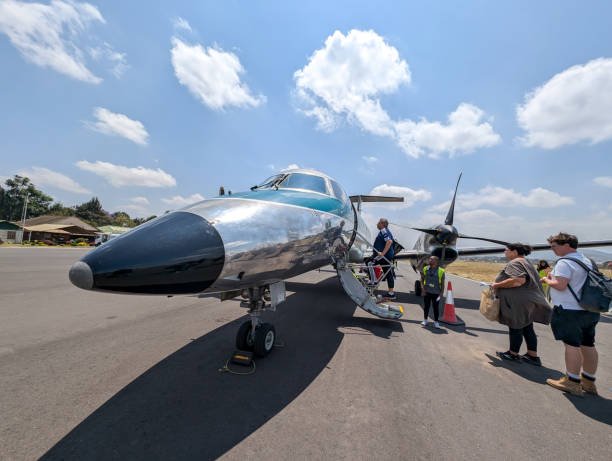
Tanzania Flight Prices September : Serengeti And Zanzibar Planning
Expert advice on navigating domestic flight logistics, seasonal pricing, and the crucial 'bush-to-beach' connection for your September 2027 Tanzania itinerary.
View package detailsTanzania Flight Prices August : Kilimanjaro & Safari Travel Guide
A deep-dive guide into managing airfare costs and travel logistics for your August 2027 Kilimanjaro climb and Tanzania safari, including expert tips on timing, booking windows, and regional...
View package details
Tanzania Flight Prices July : Peak Safari Season Planning Guide
July is the absolute peak of the safari season in Tanzania. Here is how to navigate flight pricing, airline choices, and booking strategies for your July 2027 trip.
View package detailsTanzania Flight Prices June : Safari Season Airfares
A practical guide to navigating flight costs and logistics for Tanzania in June 2027, focusing on the seasonal shift from shoulder to peak.
View package details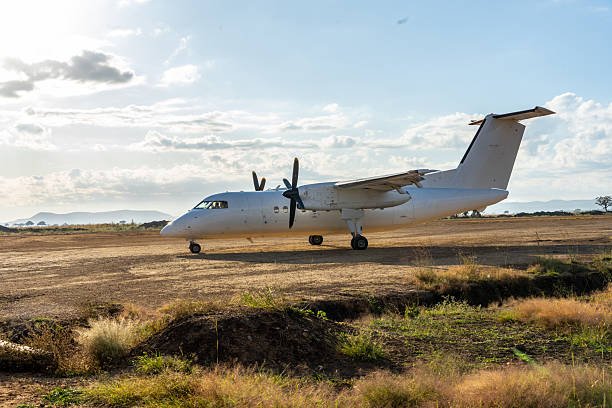
Kenya To Tanzania Safari Flights: Prices & Booking Guide
A practical guide to connecting Kenya and Tanzania by air for your safari. Learn about border logistics, booking realities, and why most travelers choose specific routes over others.
View package details
Best Airlines For Tanzania Safari Flights: Prices & Comparison ()
A guide to navigating Tanzania's domestic airline market for safari travel, covering reliability, baggage constraints, and booking strategies for 2027.
View package detailsNairobi To Zanzibar Flights: Ticket Prices & Booking Guide
A comprehensive guide to understanding flight costs, airline choices, and logistics for the popular Nairobi to Zanzibar route.
View package detailsKilimanjaro International Airport Flight Prices & Airlines: A Planning Guide
A deep look at planning your travel to JRO, understanding airline options, price variables, and how to coordinate your arrival for a successful Kilimanjaro climb.
View package detailsChild Flight Ticket Prices In Tanzania: Airline Fare Rules & Planning Guide
Planning a family trip to Tanzania? Don't assume child discounts apply everywhere. Learn the specific rules for domestic carriers versus bush flights and how to manage your booking.
View package detailsNo related package matches those filters. Clear one or more filters to see the other topic-matched options.



