
If you are considering a trip to Tanzania for your next major challenge, you might be asking: Is December 2026 a good time to climb Kilimanjaro? The short answer is yes, it is an excellent time, but it requires a specific approach to planning. December acts as a transition month on the mountain, straddling the end of the short rainy season and the arrival of the peak holiday season. For many climbers, this window offers a unique combination of lush, green landscapes at lower elevations and clear, crisp air as you approach the summit.
December is a popular time for Kilimanjaro because the temperatures are generally warmer, and the lower slopes are vibrant and green. However, it is essential to distinguish between early December, which is quieter, and late December, which is the busiest time on the mountain due to Christmas and New Year’s holiday traffic. If you plan to climb in late 2026, you should secure your permits and guide team well in advance.
The Climate Reality: Navigating the Short Rains
When people hear “rainy season” in East Africa, they often imagine persistent, heavy downpours. That is not the case for Kilimanjaro in December. We experience what is locally called the “short rains.” These are typically brief, afternoon showers that clear quickly, leaving the air feeling fresh and the dust settled. By the time you reach the higher altitude zones—the alpine desert and the arctic zone—the weather tends to be much drier and more stable.
For climbers, this has a distinct advantage: the mountain is not parched and dusty. The flora at the lower levels, particularly on the western and southern routes, is lush and photogenic. If you are a photographer or someone who appreciates the dramatic contrast between the rainforest and the snow-capped peak, December is one of the most visually rewarding times to climb. However, you must be prepared for the possibility of damp conditions on your first and last days of the trek. Investing in high-quality, breathable rain gear is not optional; it is a necessity for a comfortable experience.
The Holiday Effect: Early vs. Late December
Your experience on the mountain will shift significantly depending on when in December you choose to depart. This is a critical decision factor for your 2026 itinerary.
Early December (December 1st – December 15th): This period is often the “sweet spot” for climbers who prefer a quieter trail. The rush of holiday travelers has not yet arrived, and you will find more solitude at the campsites. If you prefer a more personal, meditative experience on the mountain, exploring Kilimanjaro early December 2026 quieter climbs before Christmas is a strategy we highly recommend.
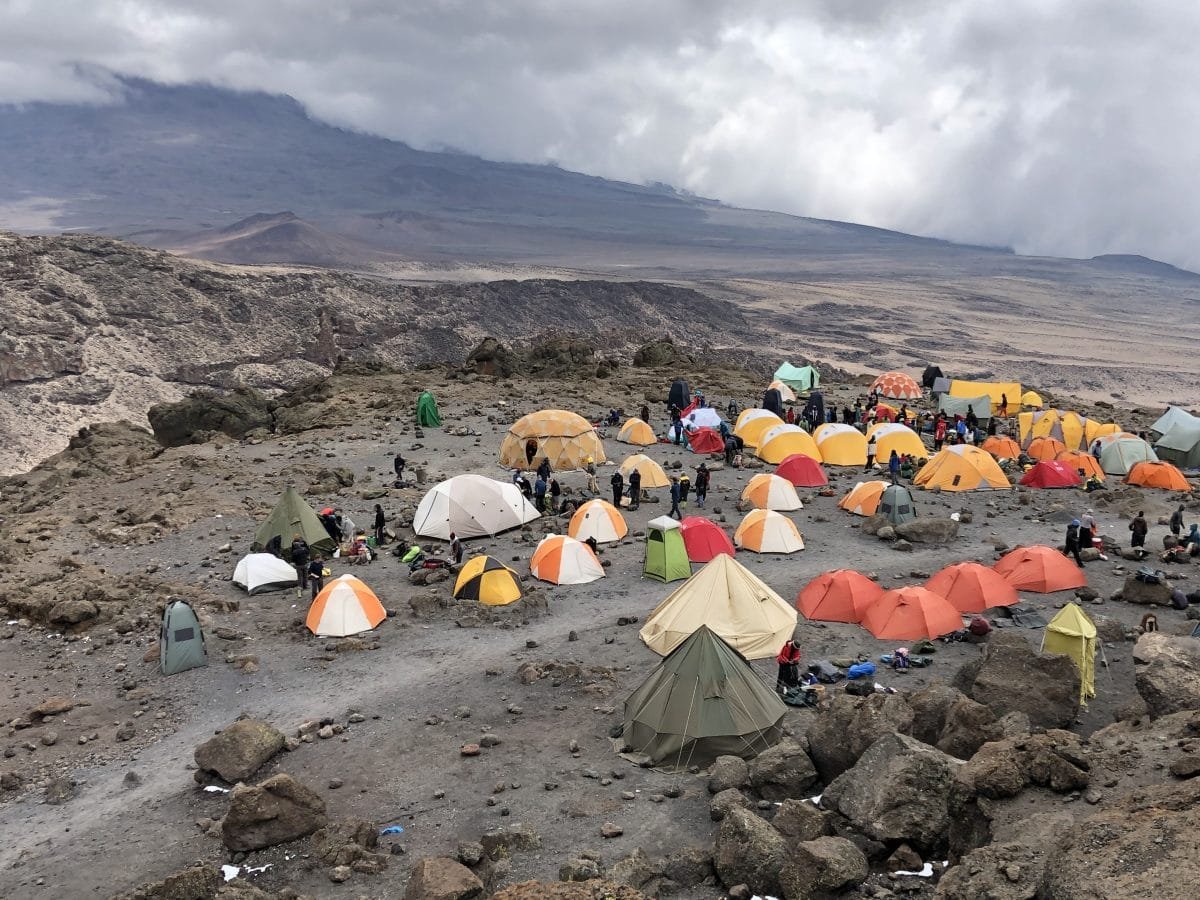
Late December (December 20th – December 31st): This is peak season. You will be sharing the trails with more hikers, and the campsites at locations like Barranco and Barafu will be bustling. While this creates a vibrant, social atmosphere—complete with holiday cheer and shared celebrations at the camps—it means less privacy. If you are planning a climb Mount Kilimanjaro on Christmas Day 2026, be prepared for a festive, busy, and truly memorable summit push, often shared with climbers from all over the world.
Choosing the Right Route for December
Because December can bring sporadic rain, your choice of route is even more important than during the dry season. Some routes provide better protection or faster access to higher, drier elevations.
- The Rongai Route: Located on the northern side of the mountain, this route is in the “rain shadow” of Kilimanjaro. It is significantly drier than the southern routes, making it a smart choice if you are worried about precipitation. It also offers a more remote experience. You can review a 7-day Rongai route Kilimanjaro holiday climb for December 2026 to see if this fits your pace.
- The Northern Circuit: If you have the time, this is arguably the best route for acclimatization. It circles the north side of the mountain, offering the same rain-shadow benefits as the Rongai route but with a much slower, safer ascent profile.
- The Machame Route: Often called the “Whiskey Route,” this is popular for its scenery. While it is more exposed, it is a classic for a reason. If you choose this, consider a 6-day Machame route climb, but be aware that the 7-day variation offers significantly better acclimatization, which is crucial if you are flying in from a low-altitude location.
Planning Your 2026 Itinerary: The Logistics
Planning a trip for December 2026 requires more than just picking a date. Because this is the peak travel season for Tanzania, flight availability and accommodation in Moshi or Arusha can tighten quickly. We suggest finalizing your core plans at least 6 to 9 months in advance.
If you are a solo traveler or a small group, joining an existing team is a practical way to manage costs and enjoy the social aspect of the climb. We organize various December 2026 Kilimanjaro group departures for solo travelers. These departures are set up to ensure you have a support team, fellow hikers, and a structured, safe itinerary.
For couples, December is a popular time for a combined adventure. Many of our clients choose a Kilimanjaro honeymoon climbing and Zanzibar beach holiday in December. It balances the high-intensity physical challenge of the mountain with the relaxation of the Indian Ocean, which is at its best during this time.
The Cost and Value of a December Climb
Budgeting for December requires accounting for peak season surcharges on flights and potentially higher demand for private guides. When looking at your Kilimanjaro December 2026 climbing cost including park fees, ensure you are comparing “apples to apples.” Some operators cut costs by reducing the number of days on the mountain, which increases your risk of altitude sickness and decreases your summit success rate. We always prioritize safety and acclimatization, which is why we generally discourage 5-day itineraries in favor of 6, 7, or 8-day options.
If you are looking for the cheapest Kilimanjaro climbing options for December 2026, be wary of operators that promise rock-bottom prices. High-quality food, experienced mountain guides, proper medical gear (like pulse oximeters and oxygen), and fair wages for porters are non-negotiable for a safe climb. These elements are what make the difference between a successful summit and a trip cut short.
Beyond the Mountain: The Full Tanzania Experience
One of the biggest advantages of visiting in December is that it is a fantastic time for wildlife viewing. The short rains have rejuvenated the plains, and many migratory birds are present. If you have extra time, adding a safari to your itinerary is highly recommended. You can browse our Tanzania safari group departures to see how they can be combined with your trekking dates. Imagine descending from the summit of Kilimanjaro and, a few days later, watching the Great Migration in the Serengeti or elephants in Tarangire.
Your Next Steps to Booking
If you have decided that December 2026 is the right time for your Kilimanjaro adventure, the next step is to reach out and discuss your specific goals. Are you looking for a group to join, or are you planning a private, tailor-made experience? Do you need help with the logistical transition from the mountain to the beach?
We are here to help you navigate the nuances of the permit process, gear lists, and training preparation. You can reach us directly for a custom quote or to check availability for specific dates:
Contact Climb 4 Africa for 2026 Planning:
- WhatsApp: +255 747 477 898
- Email: climb4africa@gmail.com
- Backup Email: info@climb-4-africa.com
When you reach out, please let us know your preferred dates, your level of trekking experience, and if you are interested in a specific route like the Northern Circuit or the Machame Route. We can then provide a detailed, transparent breakdown of what your December 2026 climb will look like.
Frequently Asked Questions
Is it too rainy to climb Kilimanjaro in December?
No, it is not too rainy. December is part of the “short rains” season, which typically features short, localized afternoon showers. It rarely rains all day, and the trails remain accessible and enjoyable. The moisture actually helps clear the air, often providing better visibility for summit views.
What is the best route for a December climb?
The Rongai Route is excellent in December because it sits in the rain shadow of the mountain, making it drier than other routes. If you have extra time, the Northern Circuit is also a superb choice for both its weather patterns and superior acclimatization profile.
Are the campsites crowded during the Christmas holidays?
Yes, late December is the busiest time on Kilimanjaro. Campsites, especially on popular routes like the Machame or Marangu, will be very active. If you prefer a quieter experience, we recommend booking a climb for the first two weeks of December.
Do I need special gear for December?
You need the same high-quality mountain gear as any other month, but you should prioritize excellent rain protection (a high-quality poncho or rain shell) for your first and last days in the rainforest zone. Your sleeping bag must still be rated for sub-zero temperatures, as the summit remains cold regardless of the season.
The Summit Experience: December’s Unique Visibility
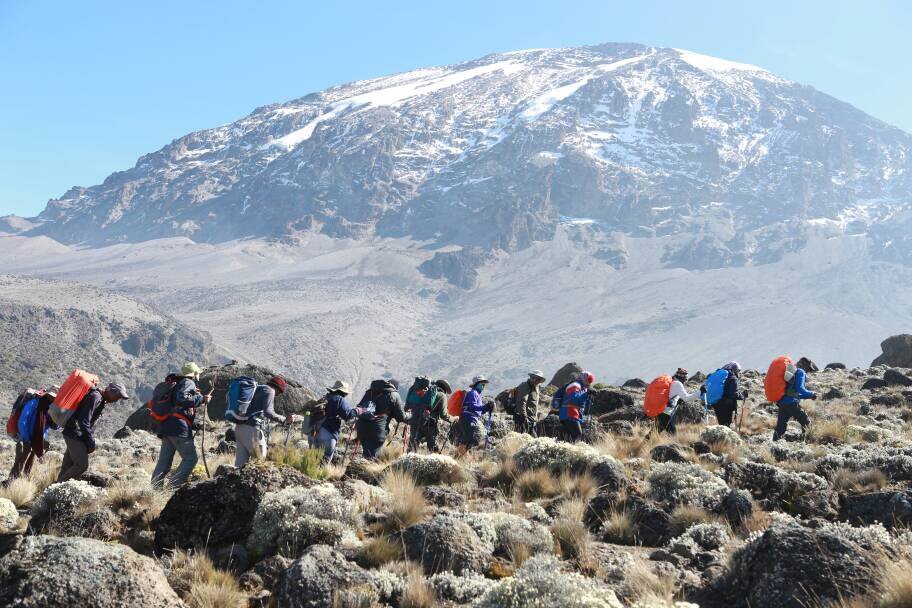
Beyond the logistical considerations of rain and crowds, there is a distinct atmospheric advantage to climbing in December: the clarity of the air. While the “short rains” can bring afternoon moisture, they also serve to scrub the atmosphere of the fine volcanic dust that often hangs over the mountain during the dry season. For photographers and those seeking the quintessential Kilimanjaro vista, this period often yields the most crisp, high-contrast views of the glaciers and the surrounding plains.
When you reach the arctic zone for your summit attempt, the moisture from the lower elevations is usually far below you. The result is often a stark, piercing blue sky that makes the remaining ice fields appear brilliant against the volcanic rock. If you are prioritizing landscape photography or simply want the best possible visibility for your summit sunrise, the post-rain clarity of mid-to-late December is difficult to beat. This is not a guarantee—mountain weather is famously volatile—but statistically, the air quality is often superior to the hazy, dry-season months of September or October.
Targeting a New Year’s Eve Summit: A Strategic Approach
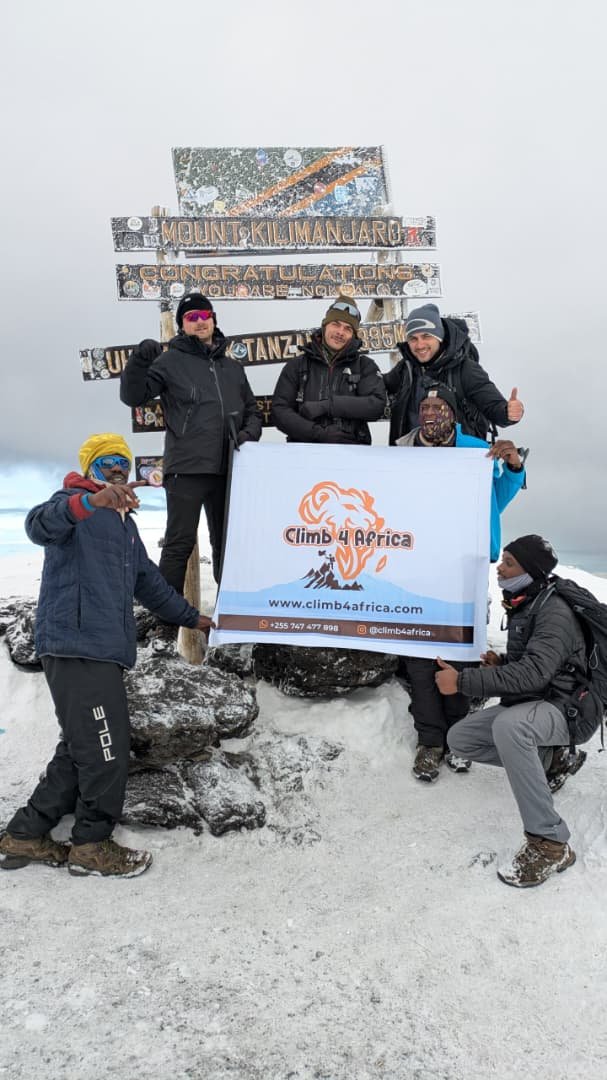
Many climbers are drawn to December specifically for the opportunity to stand on Uhuru Peak as the calendar turns. A New Year’s Eve summit attempt is a profound, bucket-list experience, but it requires a very specific approach to your itinerary and mindset. If this is your goal, you must communicate it to your operator during the initial booking phase, not just because of the high demand for guides, but because it dictates your entire schedule on the mountain.
To summit on the morning of January 1st, you must be physically prepared to arrive at the trailhead several days prior. This necessitates a strict adherence to your acclimatization schedule. Do not be tempted to condense your itinerary to “make the date”; Kilimanjaro does not respect human calendars, and rushing your ascent is the fastest way to altitude sickness, regardless of the date on your watch. Furthermore, be prepared for a highly communal summit night. Because the New Year’s summit is a popular goal, you will likely share the trail with other groups. While this creates a unique, festive atmosphere—often filled with camaraderie and shared encouragement—it also means you should expect congestion at the final push to Stella Point and Uhuru Peak. Patience is your greatest asset on this specific morning; maintain your own pace, trust your guide, and focus on the personal milestone rather than the rush of the crowd.
Physical and Mental Preparation for the December Window
While much of the planning for a December 2026 expedition focuses on logistics, the physical reality of climbing during this specific transition month requires a nuanced approach to training. Because December marks the tail end of the short rains, the lower rainforest zones are often humid and muddy. This is a stark contrast to the arid, frozen conditions of the summit. Your training must prepare your body for this rapid transition in microclimates, which can be more taxing on the body than a uniformly dry season climb.
Adapting Your Training for Humid Terrain
Many climbers focus their preparation on steep inclines and high-altitude simulation, but they often neglect the reality of the “humid hike.” In early December, the rainforest section of your ascent—typically the first day or two—can be slippery and humid. Unlike the dry, dusty trails of August, the paths in December may require more stability and core strength to navigate muddy, uneven terrain. Incorporating “weighted pack training” on uneven, natural trails rather than just stair-climbers or gym treadmills is vital. You need to train your ankles and stabilizer muscles to handle the potential for mud, which can lead to fatigue before you even reach the higher, drier camps.
Managing the Psychological Shift of Holiday Climbs
Climbing in late December brings a unique psychological challenge: the “Holiday Paradox.” You are physically exerting yourself at the limits of your endurance while the rest of the world is celebrating. It is common to feel a sense of isolation or, conversely, a strange disconnect when you realize you are in a tent on a mountainside while your family and friends are gathering for festivities. Mental preparation is just as critical as physical conditioning. We recommend that climbers planning a late December summit acknowledge this disconnect before they arrive. Bring small, lightweight reminders of home—a photo, a specific snack you enjoy, or a pre-downloaded playlist—to help bridge the gap between the festive season and your rugged reality on the mountain.
Hydration and Nutrition in Variable Temperatures
The variable temperatures of December create a unique challenge for hydration management. In the lower, humid zones, you will sweat significantly more than you might expect, increasing your risk of dehydration early in the climb. Conversely, as you ascend, the cold, dry air can deceive you into thinking you don’t need as much water. A common mistake is to reduce water intake in the higher camps because of the cold. You must maintain a strict hydration schedule regardless of the ambient temperature. Furthermore, because you are climbing during a period often associated with indulgence, your body might crave different types of fuel. Work with your guide team to ensure your meal plan includes high-energy, easily digestible foods that you are accustomed to, rather than relying solely on trail mix or standard expedition rations. If you are climbing during the Christmas period, many operators offer special, festive-themed meals on the mountain; while these are a nice morale booster, ensure they align with your digestive needs to avoid unnecessary stomach distress at high altitude.
The Post-Summit Transition: Returning to the Holiday Rush
While most planning for a December expedition focuses on the ascent, the descent into the towns of Moshi or Arusha during the final week of the year presents a logistical hurdle that catches many travelers off guard. You will be transitioning from the relative silence and isolation of the mountain directly into the peak of Tanzania’s domestic and international holiday season. The towns surrounding Kilimanjaro are vibrant, loud, and incredibly busy during the last week of December, creating a jarring contrast to the solitude you experienced on the trails.
Transportation is the most immediate challenge. Because late December is the busiest time for safari operators and airport transfers, private drivers and shuttles are often booked to capacity weeks or months in advance. If you have not pre-arranged your post-climb transport—whether you are heading to a hotel, a safari departure point, or back to Kilimanjaro International Airport (JRO)—you may find yourself waiting hours or struggling to secure a reliable vehicle. Do not assume you can “figure it out” once you reach the park gate; ensure your transport provider has your specific descent date and time confirmed well before you even begin your climb.
Furthermore, the “post-summit crash” is real. After the adrenaline of Uhuru Peak, your body will demand rest, but the festive atmosphere in the region can make finding a quiet, restorative environment difficult. If your itinerary allows, prioritize booking a hotel or lodge slightly outside the main town centers of Moshi or Arusha for your first night back. These properties often provide the quiet recovery space you will need, away from the festivities occurring in the city center, allowing you to re-acclimate to lower altitudes and the hustle of civilization at your own pace.
Navigating Staffing Dynamics and Tipping During the Festive Season
Climbing during the Christmas and New Year period adds a layer of human complexity to your expedition. Your mountain crew—guides, cooks, and porters—are spending their holidays working to facilitate your experience, often away from their own families and local celebrations. While professionalism remains the standard regardless of the date, recognizing this sacrifice is a significant part of the December climbing culture.
Tipping is standard practice on Kilimanjaro, but many climbers ask if the holiday season necessitates a change in etiquette. There is no formal requirement to increase your tip percentages, but many climbers choose to acknowledge the holiday by providing a slightly more generous gratuity or by offering a thoughtful gesture for the crew. If you choose to do this, ensure it is done in a way that respects the team structure. It is generally advised to handle tips through the lead guide or the established “tipping ceremony” protocol rather than handing out cash individually, which can cause confusion or inequity within the team. If you wish to provide something extra, such as a small gift for the crew’s children or a collective meal contribution, discuss this with your lead guide before the final day to ensure it can be organized fairly and effectively.
Remember that the best “bonus” you can provide is a genuine expression of appreciation. A handwritten note or a heartfelt thank you during the final ceremony, acknowledging the work they did to help you reach the summit during the holidays, is often valued as highly as the financial tip. This mutual respect creates a positive, professional environment that defines the best of the Kilimanjaro climbing experience.
Managing the Thermal and Environmental Extremes of December
One of the most significant challenges of a December expedition is the dramatic delta between your starting conditions and your summit objective. You are effectively climbing through two distinct seasons: the humid, tropical rainforest at the base and the sub-zero, arid arctic zone at the summit. Managing your gear and personal comfort across this spectrum is a skill that separates the prepared climber from the overwhelmed one.
Protecting Your Gear in the Rainforest Zone
Because December can bring sporadic afternoon showers, the rainforest zone—typically the first two days of your ascent—poses a specific risk to your equipment. Moisture is the enemy of warmth. If your sleeping bag, down jacket, or spare base layers become damp during the initial trek, they will lose their insulating properties by the time you reach the higher, colder camps. It is not enough to rely on the rain cover provided by your backpack. You must implement a system of internal waterproofing. Use high-quality, heavy-duty dry bags or robust trash compactor liners to line the interior of your pack. Place your sleeping bag and dry clothing inside these liners before packing them. This ensures that even if you are caught in a heavy downpour while hiking, your critical gear remains bone-dry.
The Layering Strategy for Variable Climates
In December, the tendency is to overdress for the lower slopes because of the humidity, or to underdress for the summit because of the perceived warmth at the trailhead. Your strategy must be modular. In the rainforest, you will likely be hiking in synthetic, moisture-wicking layers that dry quickly. Avoid cotton entirely, as it retains moisture and will leave you chilled during the brief, damp afternoon showers. As you ascend into the moorland and alpine desert, the temperature will drop rapidly once the sun sets. Your layering system should allow you to add or remove items without stopping for long periods. Keep your “summit day” gear—heavy gloves, windproof shell, and thermal base layers—in a separate, easily accessible compartment, not buried at the bottom of your duffel. By the time you reach the final ascent, the humidity of the forest will be a distant memory, replaced by the dry, biting cold of the crater rim.
Sustainable Climbing: Navigating the High-Season Impact
December is one of the most popular months for Kilimanjaro, which means the mountain infrastructure faces its highest stress test of the year. Being a responsible climber during this peak window is not just about logistics; it is about preserving the integrity of the ecosystem and the experience for others.
Trail Etiquette in Crowded Conditions
When the trails are busy, as they inevitably are during the Christmas and New Year period, patience becomes a crucial part of your climbing equipment. You will encounter groups of varying speeds, and there will be moments of congestion on narrow sections of the trail. The established etiquette is for the descending climber to have the right of way, but in high-season traffic, this often requires clear communication. If you are part of a larger group, stay compact. Avoid spreading out across the trail, which prevents others from passing safely. If you find yourself behind a slower group, use the opportunity to practice “active recovery”—take a slow, rhythmic pace, maintain your hydration, and use the time to observe the flora rather than focusing on the frustration of the delay.
Minimizing Your Environmental Footprint
The increased volume of climbers in December places significant pressure on the mountain’s fragile waste management systems. “Leave No Trace” is a principle that must be adhered to with extra vigilance during this time. This includes carrying out every piece of trash, including biodegradable items like fruit peels, which do not decompose quickly in the high-altitude, cold environment. Furthermore, avoid the temptation to wander off-trail, especially in the muddy sections common in early December. Cutting switchbacks causes severe soil erosion and damages the alpine vegetation that is struggling to survive in the harsh climate. Stick to the designated paths, even if they are muddy or busy. By respecting the physical boundaries of the trail, you contribute to the longevity of the route for the climbers who will follow you in 2027 and beyond.
Check Availability for Is December A Good Time To Climb Kilimanjaro? A Local Expert Guide 2026
Ready to compare dates, prices, and the best option for your group? Send the package name and travel month so the team can reply with a clear quote, availability, and what is included.
Kilimanjaro December Climbing Cost Including Park Fees: A Transparent
A detailed look at the financial structure of a Kilimanjaro climb in December 2026, focusing on mandatory park fees, ethical operator standards, and route-specific cost variables.
View package details
Cheapest Kilimanjaro Climbing Options For December 2026 Guide
When searching for the most affordable way to climb Kilimanjaro in December 2026, the key is understanding that 'cheap' should never mean 'unsafe.' We break down how to manage costs through...
View package details
Kilimanjaro Honeymoon Climbing And Zanzibar Beach Holiday: December Planning
A practical guide for couples planning a Kilimanjaro climb and Zanzibar beach holiday in December 2026, focusing on route selection, recovery logistics, and planning timelines.
View package details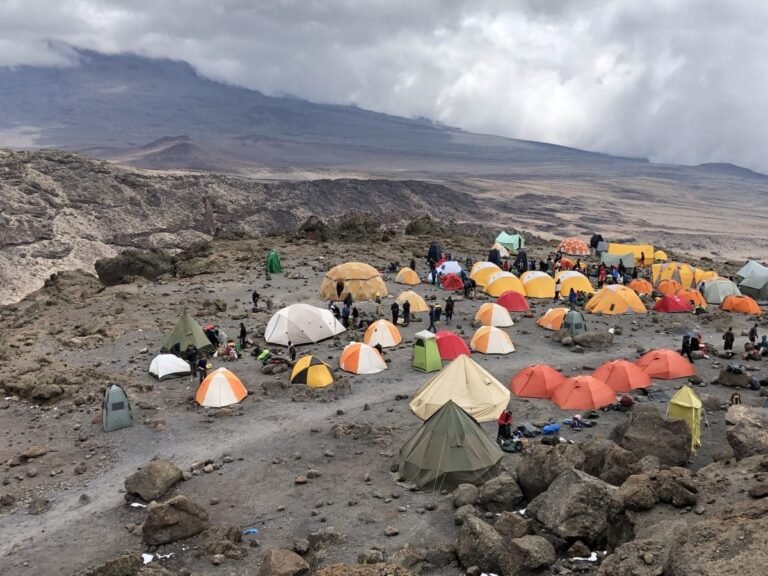
7 Days Rongai Route Kilimanjaro Holiday Climb December : Expert Guide 2026
A deep look at the 7-day Rongai Route for December 2026 climbers, focusing on route logic, acclimatization benefits, and practical planning for your holiday expedition.
View package detailsBook December , 6 Days Machame Route Kilimanjaro Climb: Expert Guide 2026
A deep look at the logistics, physical demands, and planning steps for a 6-day Machame Route Kilimanjaro climb in December 2026.
View package details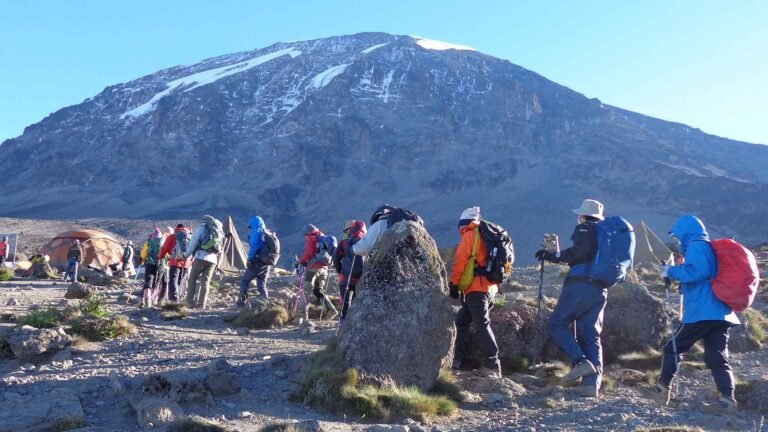
Last Minute Kilimanjaro Group Joining Deals December : Planning Your Climb
Looking for last-minute Kilimanjaro group joining deals in December 2026? Discover how to secure your spot, understand the route trade-offs, and plan your mountain ascent with expert local...
View package details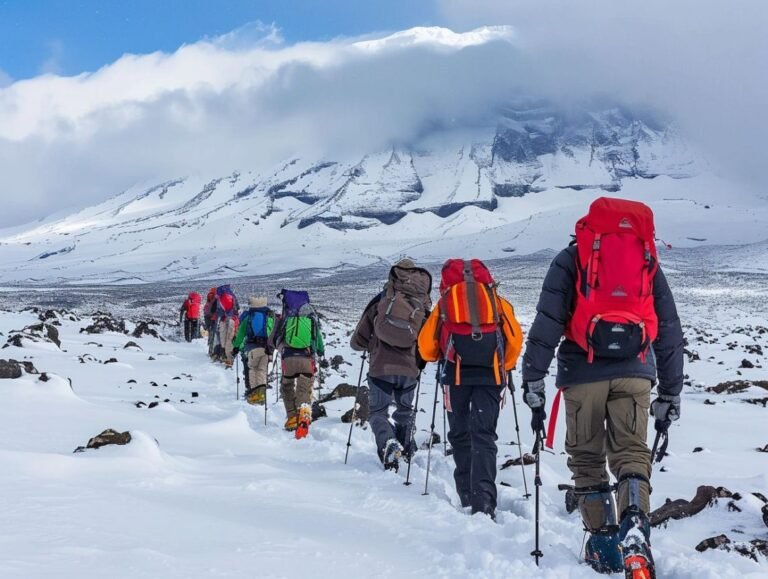
December Kilimanjaro Group Departures For Solo Travelers: Planning Your Climb
A practical guide for solo travelers planning to climb Kilimanjaro in December 2026, covering group joining benefits, route selection, and booking logistics.
View package details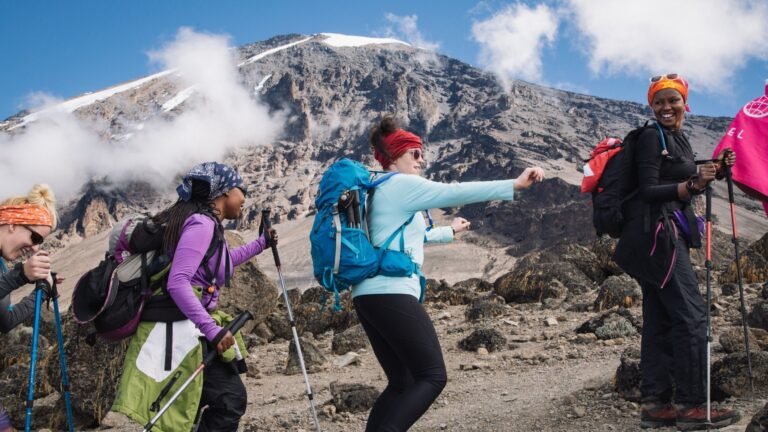
Join A Kilimanjaro Christmas Climbing Group In December 2026
A guide to securing your spot on a Kilimanjaro Christmas group climb for 2026, including route advice, group logistics, and essential planning steps.
View package details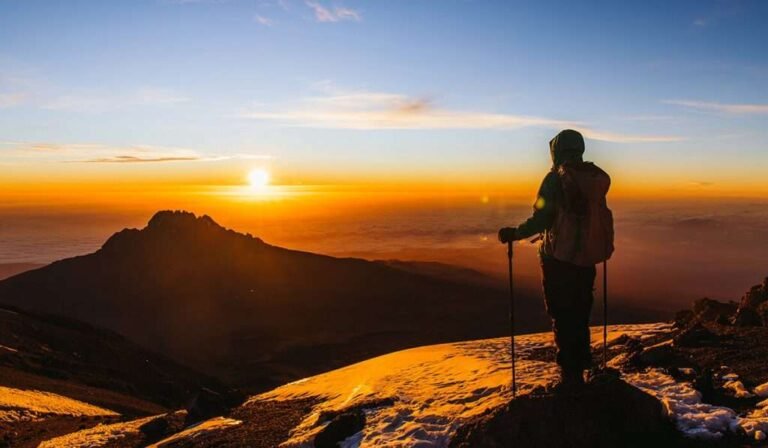
How Early Should I Book A December Kilimanjaro Group Trek? A Planning Guide
Planning a December Kilimanjaro climb? Learn the ideal booking window, why holiday dates fill up fast, and how to secure your spot for 2026-2027.
View package details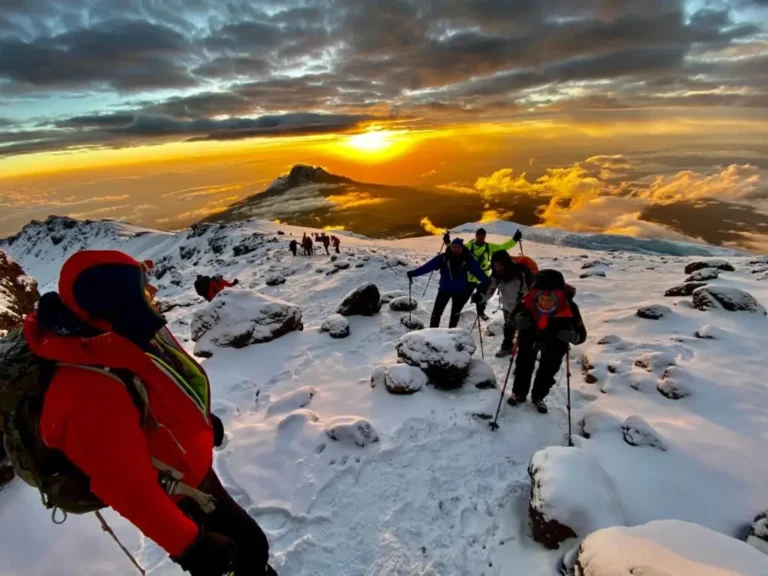
Kilimanjaro New Year Summit Packages: Planning Your December Departure 2026
A practical guide to securing your Kilimanjaro New Year 2027 summit. Learn why starting your climb in late December 2026 is critical for a successful, stress-free ascent.
View package details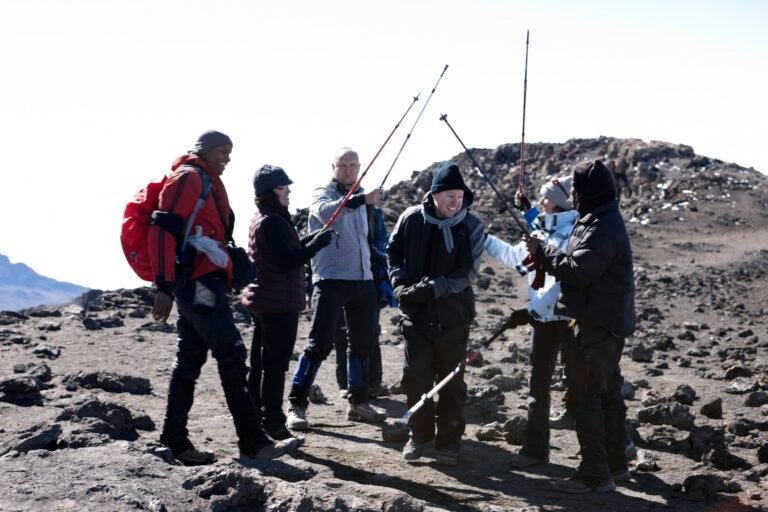
Romantic Kilimanjaro Summit Adventure For Couples December : Planning Your
A detailed guide for couples planning a Kilimanjaro summit in December 2026, focusing on route selection, acclimatization, and the benefits of private trekking arrangements.
View package detailsLuxury Mount Kilimanjaro Trekking Packages December : Planning Your Premium
A detailed guide to booking luxury Kilimanjaro trekking packages for December 2026, covering route selection, premium service standards, and planning essentials.
View package detailsNo related package matches those filters. Clear one or more filters to see the other topic-matched options.



