
For climbers aiming for a Kilimanjaro full moon climbing experience on December 24, 2026, timing your itinerary is critical. A full moon summit typically requires arriving at the summit (Uhuru Peak) during the window when the moon is at its brightest. For a December 24th full moon, your summit night would likely commence on the evening of the 23rd or early hours of the 24th. This scheduling allows for the iconic “moonlit summit” experience, where the glacial fields of the crater are illuminated by the lunar glow, often reducing the need for heavy reliance on headlamps and providing a unique, ethereal atmosphere at 5,895 meters.
Planning a climb during the holiday season requires more than just picking a date. It involves coordinating with local park authorities, securing your mountain crew well in advance, and selecting a route that maximizes your acclimatization while aligning with the lunar cycle. At Climb 4 Africa, we treat the full moon climb not just as a date on the calendar, but as a logistical operation that requires precision.
Why the Full Moon Matters on Kilimanjaro
Many climbers ask if the full moon actually changes the experience. While it does not alter the physical difficulty of the climb, it significantly changes the summit night experience. The ascent to Uhuru Peak traditionally begins around midnight to reach the crater rim by sunrise. On a standard, moonless night, you are entirely dependent on your headlamp. During a full moon, the landscape is bathed in silver light. You can often see the path ahead, the silhouettes of the surrounding glaciers, and the vast expanse of the mountain below without needing to constantly look down at your boots.
This visibility can be a psychological boost during the most grueling part of the climb—the steep ascent from Barafu or Kibo Hut. Being able to see the mountain and the stars more clearly, rather than just the small circle of light from your headlamp, can make the experience feel more expansive and less claustrophobic.
Selecting the Right Route for Your December Expedition
December is a popular time for Kilimanjaro, and the weather is generally favorable, though you should always be prepared for changing conditions. When planning for a December 24th, 2026 summit, your choice of route dictates your day-by-day experience and your success rate. We often recommend longer routes for those who want to ensure they are fully acclimatized before the final push.
- 9 Days Northern Circuit: This is our top recommendation for a relaxed, high-success-rate itinerary. It circles the mountain, offering unparalleled views and superior acclimatization. You can explore the 9 Days Northern Circuit Kilimanjaro Trek December 2026 to see why this is preferred by experienced trekkers.
- Machame Route: Often called the “Whiskey Route,” this is a classic. A 7-day variation is much safer than the 6-day version, providing that extra day for your body to adjust to the altitude.
- Lemosho Route: Similar to the Northern Circuit in its scenic beauty, the Lemosho route starts from the west and offers a beautiful, gradual ascent. It is an excellent choice for those who want a mix of challenge and stunning scenery.
If you are looking for something more specialized, we also offer Private Kilimanjaro Climbing Tours for Christmas Holidays 2026, which allow you to set your own pace and focus on a personalized experience.
The Logistics of a Christmas Summit
Summiting on or around December 24th means you will be on the mountain during the Christmas holiday. This is a unique time to be in Tanzania. While the mountain itself remains a wilderness, the atmosphere among the crew and other climbers is often festive. Our teams are well-accustomed to the holiday season and work hard to ensure that even while you are camping at high altitude, the experience feels special.
However, because this is a peak travel window, logistics require earlier planning than usual. Permits, park fees, and mountain crew staffing must be confirmed well ahead of time. We recommend reaching out to us at WhatsApp +255 747 477 898 or emailing climb4africa@gmail.com at least 8 to 12 months in advance to secure your preferred dates and crew.
Comparison: 6-Day vs. 7-Day Itineraries
When selecting your route, the duration is the most significant decision you will make regarding your health and safety. Here is how they typically compare:
| Feature | 6-Day Itinerary | 7-Day Itinerary |
|---|---|---|
| Acclimatization | Faster, higher risk of AMS | Gradual, significantly better success rate |
| Daily Pace | More strenuous, longer hiking hours | Balanced, more time for “pole pole” (slowly) |
| Rest/Recovery | Minimal | Adequate |
| Best For | Very fit, experienced high-altitude hikers | Most climbers, prioritizing success and safety |
We generally discourage 6-day itineraries for those who have not climbed at altitude before. The 7-day (or longer) options provide the best balance of challenge and safety.
Preparation and Training for Your 2026 Climb
Preparation is the foundation of a successful Kilimanjaro summit. Even if you are an avid hiker, the altitude on Kilimanjaro is a different challenge. We recommend a structured training plan that includes:
- Cardiovascular Training: Start 4-6 months before your departure. Focus on endurance rather than speed. Hiking, running, and cycling are excellent.
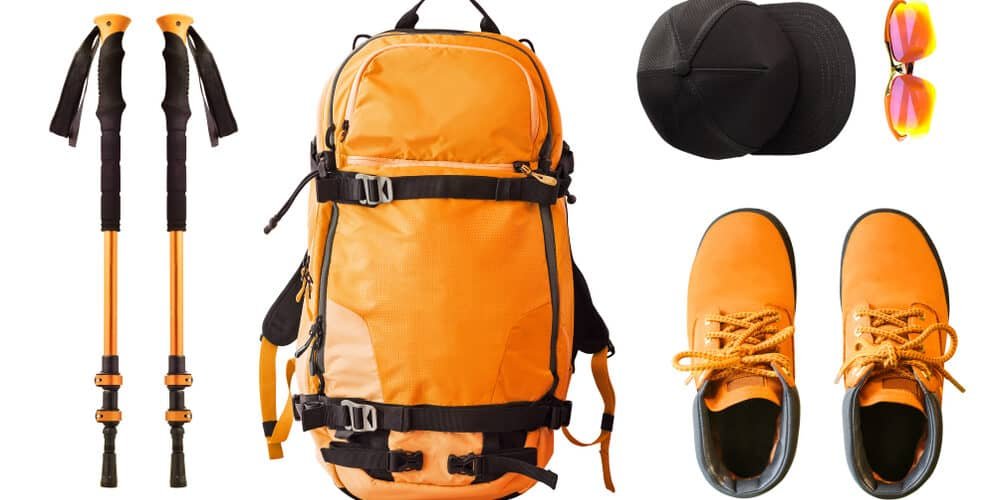
- Back-to-Back Hiking: If possible, spend weekends doing long hikes with your boots and a weighted backpack. This prepares your joints and muscles for the specific stress of the mountain.
- Gear Testing: Never take brand-new boots to Kilimanjaro. Break them in over several months.
For those looking for a premium experience, our Luxury Mount Kilimanjaro Trekking Packages December 2026 offer enhanced support, including superior camping gear and additional comfort measures, which can be particularly beneficial during the colder nights of the December season.
What to Expect on Your Full Moon Summit Night
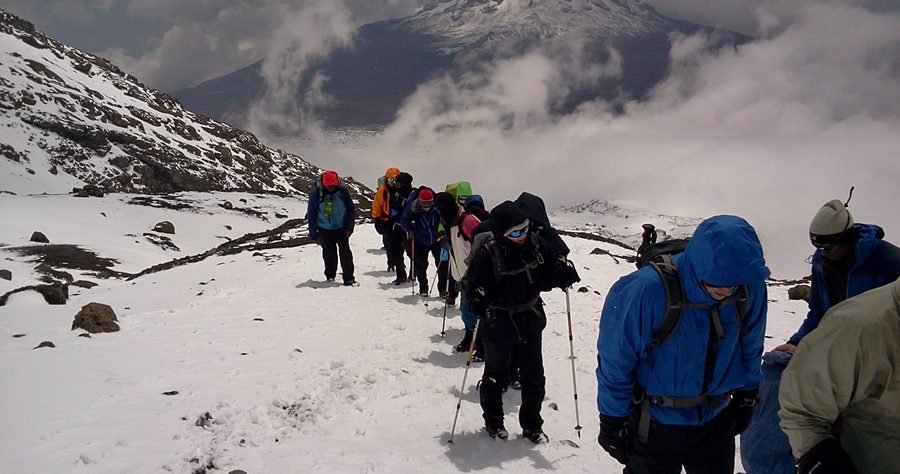
On the night of your summit, the air will be thin and the temperature will be significantly below freezing. Your guide will wake you, usually around midnight, for a light meal before the final ascent. This is where the full moon truly shines. As you climb the steep scree slopes towards Stella Point or Gilman’s Point, the moonlight reflects off the glaciers. It is a surreal, almost silent experience. You are surrounded by the vastness of the mountain, and the path is visible in a way that feels almost supernatural.
Once you reach the crater rim, the challenge is not over, but the psychological hurdle is cleared. The final walk to Uhuru Peak as the sun begins to rise (or just before) is one of the most memorable experiences a climber can have. After taking your photos at the summit sign, the descent begins. This is often harder on the knees than the ascent, so ensure you have trekking poles and well-fitting boots.
Combining Your Climb with a Safari or Beach Holiday
Many of our clients choose to combine their Kilimanjaro climb with a safari or a trip to Zanzibar. After the physical exertion of the mountain, a few days on the beaches of Zanzibar or a safari in the Serengeti is the perfect way to recover. We can arrange Kilimanjaro Honeymoon Climbing and Zanzibar Beach Holiday December 2026 packages that seamlessly integrate your mountain adventure with a relaxing coastal getaway.
If you are traveling with a group of friends or students, check out our Kilimanjaro Small Group Climbing Tours Before Christmas 2026. These are designed to provide the camaraderie of a group climb with the expert support of our local team.
Booking Your December 2026 Adventure
To start planning your Kilimanjaro full moon climbing experience for December 24, 2026, the best first step is to contact us directly. We do not use automated booking systems for these expeditions because each climber has different needs, fitness levels, and travel goals. We prefer to build a custom itinerary that fits your specific requirements.
When you contact us, please provide the following details so we can assist you effectively:
- Your preferred route (or ask for our recommendation based on your experience).
- The number of people in your party.
- Whether you intend to add a safari or beach holiday to your trip.
- Any specific health or dietary requirements.
You can reach our team at climb4africa@gmail.com or our backup address info@climb-4-africa.com. We are here to answer your questions, clarify the logistical realities of the December window, and help you prepare for a successful summit.
Frequently Asked Questions
Is the weather significantly different in late December compared to other times?
December is generally considered a good time to climb. It is part of the short dry season. While you may encounter some short afternoon rains at lower elevations, the mountain is typically clear and the temperatures at the summit are standard for the altitude.
Do I need to be an expert mountaineer for a full moon climb?
No. The full moon climb does not require technical mountaineering skills like climbing with ropes or ice axes. It is a trekking expedition. However, it does require a high level of physical fitness and mental endurance.
Are all full moon climbs the same?
The moon is full for a specific date, but the “experience” is excellent for a 2-3 day window around that date. We plan your itinerary so that your summit night falls right within that optimal visibility window.
What if I cannot make the exact date of the full moon?
That is perfectly fine. The full moon is a bonus for visibility and atmosphere, but thousands of climbers summit successfully without it. We can plan your climb for any date in December that suits your schedule.
How far in advance should I book for December 2026?
December is a high-demand month due to the holidays. We recommend booking at least 8 to 12 months in advance to ensure you have your preferred dates, flight availability, and the best mountain crew.
Managing the Physiological Demands of a High-Altitude Christmas
While the allure of a full moon summit on December 24, 2026, is undeniable, the physiological reality of high-altitude trekking during the holiday season requires a strategic approach to health. Many climbers underestimate the cumulative fatigue that builds up over the course of a 7-day expedition, particularly when the body is trying to acclimatize while simultaneously processing holiday excitement, travel fatigue, and the specific stressors of the Kilimanjaro environment.
The most critical physiological factor to manage is the rate of ascent. Because you are aiming for a specific summit date—December 24th—your itinerary is fixed. Unlike a flexible trek where you might choose to spend an extra day at a lower camp if you feel sluggish, your schedule is anchored to the lunar cycle. This means your preparation must be robust enough to handle the “pole pole” (slowly, slowly) pace without falling behind. The tendency for many, especially those eager to reach the summit for a Christmas morning milestone, is to push too hard on the lower slopes. This is a tactical error. Your cardiovascular system requires time to adjust to the partial pressure of oxygen, which drops significantly above 3,000 meters.
Hydration and Nutrition at Altitude
At high altitudes, the air is not only thin but also extremely dry. This combination accelerates dehydration, which is often the first domino to fall in the progression of Acute Mountain Sickness (AMS). On your December climb, you must be disciplined about water intake. A common guideline is to consume 3 to 4 liters of water daily, even if you do not feel thirsty. The cold temperatures of the December dry season can suppress your thirst mechanism, making it deceptively easy to become dehydrated.
Furthermore, your appetite may naturally decrease as you ascend. However, your body requires significant caloric intake to maintain core temperature and fuel the muscles. High-carbohydrate meals are essential. On a Kilimanjaro expedition, your guides will typically provide hearty, warm meals. Eating these, even when your appetite is suppressed, is a non-negotiable part of your summit success. If you are prone to altitude-related nausea, consider bringing familiar, calorie-dense snacks that you know you can tolerate—such as energy gels, dried fruits, or specific protein bars—to ensure you maintain energy levels during the long trek to the summit.
Recognizing the Signs of Altitude Distress
Every climber should be intimately familiar with the symptoms of AMS. During your December 24th ascent, you will be surrounded by a festive atmosphere, which can sometimes lead to a “group mentality” where individuals hide their symptoms to avoid slowing down the team or missing the summit window. This is dangerous. The symptoms to watch for include persistent headache, loss of appetite, nausea, fatigue, and difficulty sleeping. If these symptoms are mild, the standard protocol is to rest, hydrate, and potentially descend to a lower altitude to recover before attempting to go higher.
However, if symptoms progress to ataxia (a loss of coordination), confusion, or a persistent, non-productive cough, these can be signs of High Altitude Cerebral Edema (HACE) or High Altitude Pulmonary Edema (HAPE). These are medical emergencies. While our guides are highly trained in wilderness first aid and monitoring oxygen saturation levels, your own self-awareness is the first line of defense. Communicating honestly with your lead guide about how you feel—not how you *want* to feel—is the most important contribution you can make to your own safety.
The Psychological Aspect of the Christmas Summit
Climbing Kilimanjaro in late December presents a unique psychological landscape. You are away from family and traditional holiday comforts. For some, this is liberating; for others, it can induce a subtle form of homesickness that, when combined with the physical stress of altitude, can sap motivation. Mentally preparing for this environment is as important as physical training. Visualize your success, but also visualize the challenges. Understand that the summit night will be cold, dark, and difficult. When you reach that mental wall—and most climbers do—remember that the full moon, which you specifically chose for this date, is there to light the way. Use the visual beauty of the lunar-illuminated glaciers to ground yourself and maintain focus on the objective: Uhuru Peak.
Mastering the Descent: The Reality After the Summit
While the summit of Uhuru Peak is the primary objective of your December 2026 expedition, it is vital to remember that the summit is merely the halfway point. Many climbers, fueled by the adrenaline of the full moon ascent and the relief of reaching the top, underestimate the physical and mental toll of the descent. On a December climb, you will likely be descending on Christmas Day or the day immediately following, and the transition from the arctic conditions of the crater rim back to the lush rainforest is both rapid and physically demanding.
The descent from the summit back to your high-altitude camp—typically Barafu or Kibo Hut—is often where the most significant joint strain occurs. The steep, loose scree slopes that you ascended in the dark will now be visible in the full light of day. Gravity, combined with the fatigue of the previous 12 to 15 hours of exertion, puts immense pressure on your knees and quadriceps. Using trekking poles is not merely a suggestion; it is a critical safety measure. Proper technique involves shortening your stride and planting your poles firmly in front of you to absorb the impact, rather than relying solely on your joints to brake your momentum.
Furthermore, the psychological “letdown” after achieving your goal can lead to complacency. As you move from the thin, freezing air of the summit back down to lower elevations, your oxygen saturation levels will improve, which often brings a false sense of invincibility. It is common for climbers to want to rush the descent to reach the comfort of a lower camp or to celebrate the holiday with their team. However, rushing increases the risk of slips, trips, and ankle sprains. Maintain the same disciplined, rhythmic pace on the way down as you did on the way up. Your guides will continue to monitor your progress, but your personal vigilance remains the best tool for avoiding injury during this final, crucial phase of the expedition.
Managing the Temperature Transition
One of the most jarring aspects of the descent is the rapid change in climate. You will likely start your summit descent in sub-zero temperatures with high winds, but by the time you reach the lower camps, you may be back in a temperate or even warm environment. It is essential to manage your layers proactively. Do not wait until you are overheating to shed your heavy summit gear. Stop, adjust your layers, and stow them properly in your daypack. Overheating leads to excessive sweating, which, when you stop to rest or if the wind picks up, can cause rapid chilling and significantly increase your risk of illness or fatigue during the final days of your trek.
Navigating the Social Dynamics of a Christmas Expedition
While your primary focus on a December 24, 2026, climb is the summit, it is important to recognize that you are sharing this experience with a dedicated team of Tanzanian guides, porters, and cooks who are also spending their holiday away from their families. Understanding the social dynamics of the mountain during this season can significantly enhance the quality of your expedition and foster a deeper, more respectful connection with your crew.
Respecting the Crew’s Experience
It is easy to view your Kilimanjaro climb through the lens of a personal adventure, but for the mountain staff, this is a demanding professional period. Many of your porters and guides have their own Christmas traditions and family gatherings that they are missing to facilitate your summit attempt. While the atmosphere on the mountain is generally professional, there is often a quiet, shared understanding among the crew during the holidays. They are working under the same physical constraints as you—facing the same cold, the same altitude, and the same long hours—but without the personal accomplishment of a summit to look forward to in the same way. Acknowledging their sacrifice with simple, genuine expressions of gratitude goes a long way. A sincere ‘thank you’ at the end of each day, or taking a moment to ask about their families, helps bridge the gap between ‘client’ and ‘teammate’ that often forms on the trail.
Tipping and Gifting Etiquette
The question of how to handle gifts or additional recognition during the Christmas season is common among climbers. It is vital to prioritize practicality over sentimentality when it comes to material goods. Do not feel pressured to bring gifts from home; in fact, bringing bulky or heavy items can be a burden for the crew, as they have strict weight limits for their own gear and the equipment they carry for you. If you wish to provide a token of appreciation, cash tips remain the most universally valued and respectful form of gratitude. These funds allow the staff to support their families according to their own needs and priorities. If you feel compelled to give physical items, consider clothing that is high-quality and durable—such as warm, moisture-wicking base layers or sturdy socks—which are always in demand on the mountain. Always consult with your head guide before distributing any items to ensure that the distribution is fair and avoids creating unintended friction within the team.
Managing Expectations for Christmas Day
On a December 24th full moon climb, your Christmas Day will likely not resemble a traditional holiday at home. Depending on your specific itinerary, you will likely be descending from the summit or moving between lower camps on December 25th. You may be tired, dehydrated, or experiencing the ‘summit comedown.’ The festive atmosphere you might expect may be muted by the physical reality of the descent. Do not be disappointed if Christmas Day feels like a day of quiet exhaustion rather than a celebration. The most meaningful way to ‘celebrate’ is to maintain your focus on safety, hydration, and recovery. If your team organizes a small celebration—perhaps a slightly more elaborate meal or a brief moment of song—participate with enthusiasm, but recognize that the crew is also likely eager to complete the trek and return to their own homes. Your cooperation and positive attitude during this final phase are the best gifts you can offer them.
Capturing the Lunar Summit: Photography at High Altitude
The visual allure of a full moon summit on Kilimanjaro is often the primary driver for booking a late December expedition. The sight of the glaciers illuminated by moonlight is an ethereal experience that many climbers hope to capture forever. However, attempting to document this moment requires a drastic departure from your standard photography habits. At 5,000 meters and above, the environment is hostile to both your body and your equipment. If you intend to photograph the 2026 full moon ascent, you must approach it with the same logistical rigor you apply to your physical training.
The most significant technical challenge is battery performance. Lithium-ion batteries, which power virtually all modern smartphones and mirrorless cameras, experience a rapid, often catastrophic, voltage drop in sub-zero temperatures. A battery that shows 80% charge at the trailhead can effectively ‘die’ within minutes on the summit approach. To mitigate this, you must keep your spare batteries, and the active camera itself, inside your inner layers—against your base layer—to utilize your body heat. Avoid storing electronics in outer jacket pockets or in the side pockets of your daypack, where they are exposed to the ambient cold. If you are using a smartphone, consider a dedicated, insulated pouch, though be aware that even this may not prevent performance degradation during the four-to-six-hour push to the crater rim.
Regarding camera settings, the ‘full moon’ lighting is deceptive. While the moon provides significant ambient light, it is still a low-light environment. Autofocus systems, which rely on contrast, often struggle to lock onto subjects or the landscape in the dark, leading to ‘hunting’—where the lens constantly searches for focus, wasting battery life. Switch your camera to manual focus before you begin the ascent. If you are shooting the moon itself, treat it as you would a daylight subject; the moon is bright, and if you expose for the dark sky, the moon will be a blown-out white circle. Aim for a fast shutter speed to avoid motion blur, as your hands will likely be trembling from a combination of fatigue and the biting wind.
Avoid the temptation to carry a full-sized tripod. While it is the gold standard for landscape photography, it is a significant liability on the summit night. The wind speeds at the crater rim can be intense, and a lightweight travel tripod will likely be knocked over or become a nuisance to manage while you are wearing heavy mittens. Instead, practice ‘bracing’ techniques: use your trekking poles as a makeshift monopod or rest your camera on a stable, flat rock. If you must use a tripod, ensure it is a sturdy, professional-grade model, but be prepared to carry it yourself, as your porters will be occupied with essential safety and emergency gear.
Finally, there is a psychological trap regarding photography: the ‘save it for the summit’ mentality. Many climbers wait until they reach Uhuru Peak to take their best photos, assuming they will have the energy and mental clarity to compose the perfect shot. In reality, the summit is often a place of rapid, breathless turnover. You will likely reach the top, take a few quick photos, and be immediately urged by your guides to begin the descent to avoid the onset of altitude-related fatigue. Prioritize capturing the ascent itself—the ‘blue hour’ before dawn, the silhouettes of your team against the moonlit scree, and the vast, silvered landscape—rather than banking on a long, stationary photo session at the peak.
Managing Lens Condensation and Equipment Care
Beyond the summit night, you must manage your gear throughout the entire trek to prevent equipment failure. A common mistake occurs when moving between temperature zones. If you bring a cold camera from the outside air directly into a warm, humid mess tent, condensation will form instantly on the lens and, more dangerously, on the internal circuitry. This moisture can lead to short circuits or fungal growth within the lens elements. To prevent this, place your camera in a sealed, airtight plastic bag (a Ziploc or dry bag) before entering a warm space. Leave it in the bag for at least an hour until the gear slowly reaches the ambient temperature of the tent, allowing the moisture to accumulate on the outside of the bag rather than inside your camera housing.
Check Availability for Kilimanjaro Full Moon Climbing Experience December 24 : Planning Your Summit
Ready to compare dates, prices, and the best option for your group? Send the package name and travel month so the team can reply with a clear quote, availability, and what is included.
Kilimanjaro Honeymoon Climbing And Zanzibar Beach Holiday: December Planning
A practical guide for couples planning a Kilimanjaro climb and Zanzibar beach holiday in December 2026, focusing on route selection, recovery logistics, and planning timelines.
View package details
Kilimanjaro December Climbing Cost Including Park Fees: A Transparent
A detailed look at the financial structure of a Kilimanjaro climb in December 2026, focusing on mandatory park fees, ethical operator standards, and route-specific cost variables.
View package details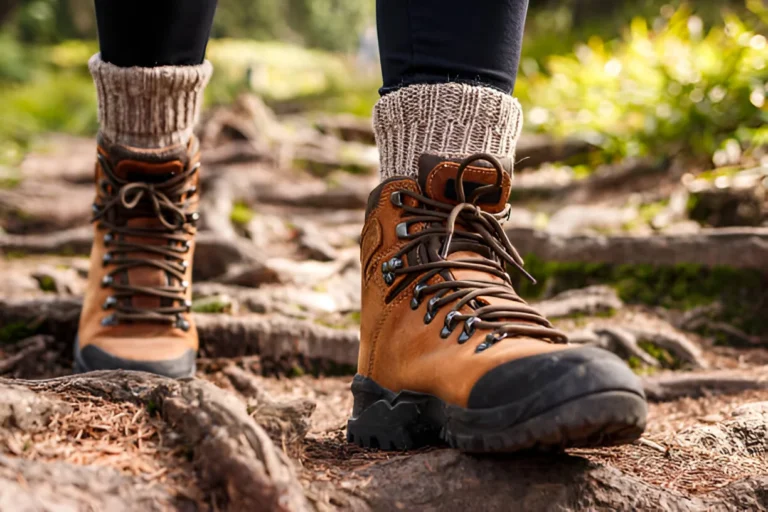
Kilimanjaro Climbing Packages For Students On December Holidays 2026
Kilimanjaro Climbing Packages for Students on December Holidays.
View package detailsCheapest Kilimanjaro Climbing Options For December 2026 Guide
When searching for the most affordable way to climb Kilimanjaro in December 2026, the key is understanding that 'cheap' should never mean 'unsafe.' We break down how to manage costs through...
View package detailsShira Route Kilimanjaro Climbing Itinerary For December : Expert Guide 2026
A deep look at the Shira Route for December 2026, covering the unique high-start logistics, acclimatization advantages, and step-by-step itinerary planning.
View package details
Join A Kilimanjaro Christmas Climbing Group In December 2026
A guide to securing your spot on a Kilimanjaro Christmas group climb for 2026, including route advice, group logistics, and essential planning steps.
View package detailsBest Kilimanjaro Group Climbing Packages For December : A Practical Guide 2026
A practical guide to selecting Kilimanjaro group climbing packages for December 2026, focusing on route logistics, weather considerations, and cost-sharing benefits.
View package details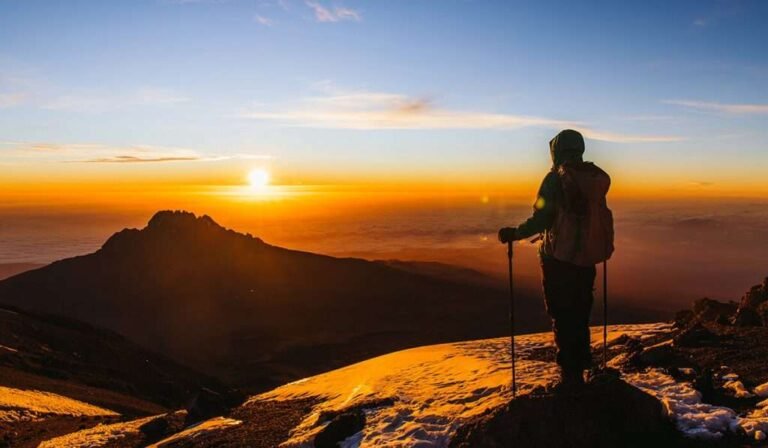
How Early Should I Book A December Kilimanjaro Group Trek? A Planning Guide
Planning a December Kilimanjaro climb? Learn the ideal booking window, why holiday dates fill up fast, and how to secure your spot for 2026-2027.
View package details
Can I Join A Kilimanjaro Group Alone In December ? Expert Guide 2026
Planning a solo trip? Find out how you can join a Kilimanjaro group in December 2026, the benefits of group departures, and the steps to secure your spot.
View package details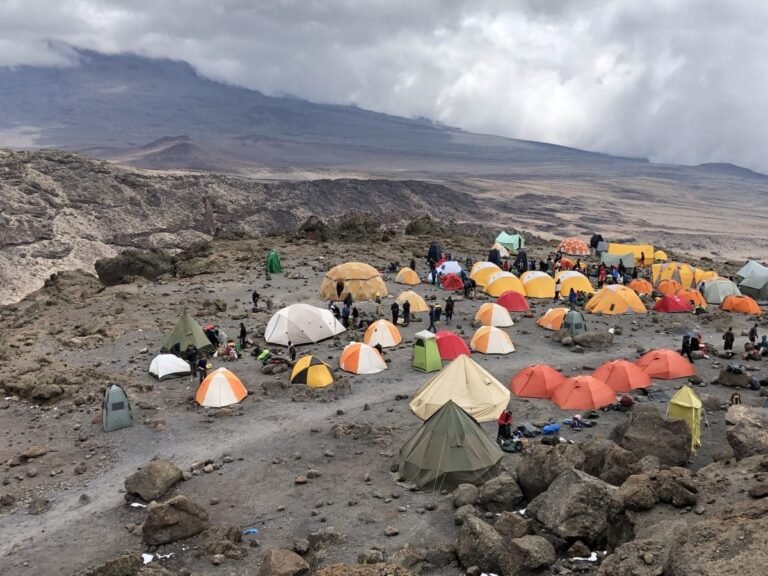
Is December A Good Time To Climb Kilimanjaro? A Local Expert Guide 2026
Planning for December 2026? Discover why this month is a popular choice for Kilimanjaro climbs, how the 'short rains' affect your trek, and why early booking is essential for the holiday...
View package detailsMount Kilimanjaro Weather In December : A Climbers Guide 2026
A practical guide to the conditions you can expect on Mount Kilimanjaro in December 2026, covering the seasonal 'short rains', trail conditions, and holiday planning.
View package details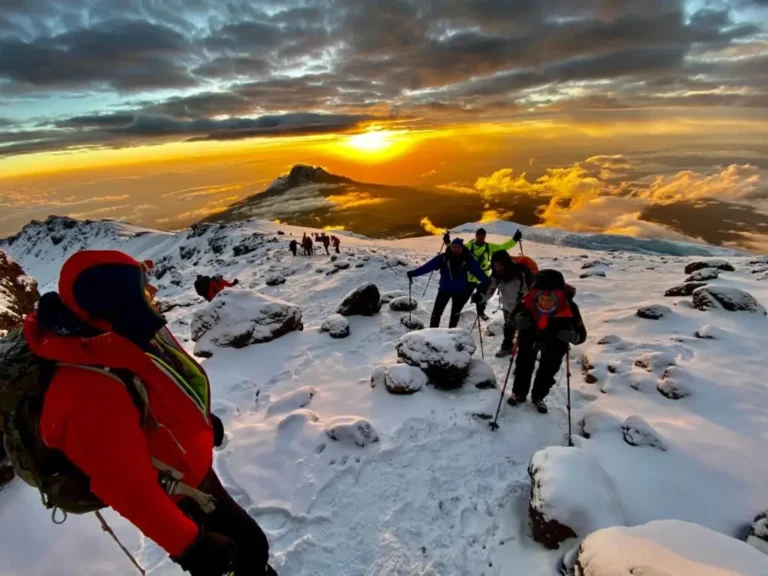
Kilimanjaro New Year Summit Packages: Planning Your December Departure 2026
A practical guide to securing your Kilimanjaro New Year 2027 summit. Learn why starting your climb in late December 2026 is critical for a successful, stress-free ascent.
View package detailsNo related package matches those filters. Clear one or more filters to see the other topic-matched options.



