
Securing a spot on Kilimanjaro small group climbing tours before Christmas 2026 requires more than just booking a flight; it requires a strategic understanding of mountain logistics, the specific weather patterns of the mid-December window, and the operational differences between joining a group versus trekking privately. For travelers aiming to stand on Uhuru Peak before the holiday rush, the window between early December and the days immediately preceding Christmas offers a unique blend of manageable trail traffic and stable mountain conditions.
At Climb 4 Africa, we operate with a focus on practical, local support, ensuring that your climb is not just a bucket-list item but a well-managed expedition. When you choose a small group tour, you are effectively sharing the fixed costs of the climb—such as park fees, guide services, and logistical support—while benefiting from the social dynamic of a team working toward the same summit goal.
The Advantage of Pre-Christmas Climbing in 2026
Many climbers gravitate toward the mid-December period because it sits in the transition period between the short rainy season and the dry, clearer weather of January. While no one can guarantee perfect conditions on a mountain as massive as Kilimanjaro, the weeks leading up to Christmas 2026 typically offer a window where the lower slopes are lush from recent rains, and the upper slopes are stabilizing for the upcoming climbing season.
By opting for a climb that concludes before Christmas Day, you avoid the absolute peak of the holiday traffic that floods the mountain trails between December 26th and New Year’s Day. This means easier access to camp sites, less congestion at the Barranco Wall, and a more serene experience at the Barafu and Kibo camps. For those looking to join a group, this timing allows you to complete your descent and be back in Moshi or Arusha, or perhaps off on a Tanzania group safari, just as the holiday season begins.
Selecting the Right Route for Your Group
Not all routes are created equal when it comes to group dynamics or acclimatization profiles. When evaluating Kilimanjaro small group climbing tours before Christmas 2026, you should look at the route duration as a key indicator of your success probability. A shorter route might seem appealing for a quick trip, but the mountain does not negotiate on altitude.
| Route | Duration | Best For | Acclimatization Profile |
|---|---|---|---|
| Machame Route | 6-7 Days | Active hikers, classic scenery | Good, especially on 7-day variants |
| Lemosho Route | 7-8 Days | Those wanting quieter trails | Excellent, gradual ascent |
| Rongai Route | 6-7 Days | Hikers preferring northern side | Moderate, steady |
The Machame Route is the most popular choice for group departures because it balances scenic diversity with a challenging ascent. If you are joining a group, you will likely find more availability on Machame simply because it is the most frequently requested path. However, if you are looking for a more remote experience, the Lemosho Route often attracts smaller, more intimate groups who prefer a longer, more gradual approach to the summit. You can review our Machame Route group departures to see if they align with your 2026 travel plans.
What ‘Small Group’ Means at Climb 4 Africa
When we organize small group tours, our goal is to maintain the safety and flexibility of a private climb while providing the camaraderie of a shared expedition. A ‘small group’ in this context generally means a team size that allows for efficient movement on the trail and personal attention from the lead guide. You are not a number in a massive queue; you are part of a team.
Key benefits of our small group structure include:
- Shared Logistics: Costs for transport, park entry, and mountain crew are distributed among the group, making it a more accessible entry point than a bespoke private trek.
- Safety Protocols: Our guides maintain the same rigorous safety standards for groups as they do for private climbs, including daily health checks and oxygen monitoring.
- Social Dynamics: You will be climbing with like-minded individuals, which can be a significant morale booster during the challenging ascent days.
If you are traveling solo, you might be wondering about the feasibility of joining an existing team. Many of our climbers are solo travelers who want to share the experience. You can read more about this in our guide on joining a Machame Route group as a solo traveler.
Planning Your 2026 Ascent: A Practical Timeline
Preparation for a December 2026 climb should ideally begin well in advance. While you might be tempted to wait until the last minute, the popularity of Kilimanjaro means that permits and quality staffing are finite resources. To secure your spot:
- Define Your Window: Decide if you need to be off the mountain by a specific date (e.g., December 23rd or 24th).
- Consult on Routes: Reach out to us via WhatsApp at +255 747 477 898 to discuss which routes have the best alignment with your dates.
- Assess Fitness: Ensure your training regimen is tailored to the specific demands of a multi-day hike. You do not need to be an elite athlete, but you do need stamina.
- Flight Logistics: Aim to arrive at Kilimanjaro International Airport (JRO) at least 24 hours before your climb starts to allow for rest and gear checks.
If you have questions about whether you can join a group, or if you are curious about the specific prices and dates for December group joining tours, please contact us directly. We provide transparent information on what is included—such as mountain crew, park permits, and accommodation—so there are no surprises when you arrive.
Combining Your Climb with a Safari
Many travelers planning their Kilimanjaro small group climbing tours before Christmas 2026 choose to extend their trip into a full Tanzanian experience. The week before Christmas is an excellent time for a safari. The wildlife in the Serengeti and Ngorongoro Crater remains active, and the weather is generally favorable for game drives. If you are interested in this, you can explore our available Christmas group safari options. Combining a mountain trek with a safari is the most efficient way to maximize your time in Tanzania, as it minimizes the need for extra international flights and simplifies your logistics.
Common Questions About December Group Climbs
Is it colder in December?
Kilimanjaro is a high-altitude environment, and the summit is always cold, regardless of the month. While the lower slopes might feel warmer during the day in December, you must still pack for sub-zero temperatures at the summit. Our gear list focuses on layering, which is the most critical aspect of your preparation.
How do I know if the group is a good fit?
When you inquire with Climb 4 Africa, we provide details on the group’s general composition and the route’s intensity. We prioritize matching climbers with similar expectations. If you are looking for a specific type of group experience, let us know when you contact us at climb4africa@gmail.com.
Can I book a private climb instead?
Yes, absolutely. If you prefer not to join a group, we specialize in tailor-made private climbs. A private climb offers more flexibility in your itinerary and pace. You can inquire about a private Kilimanjaro climb by providing us with your preferred dates and group size.
Next Steps for Your 2026 Expedition
The best way to move forward is to open a direct line of communication with our local team. We don’t rely on automated booking systems that might miss the nuances of your specific travel needs. Whether you are a solo traveler looking to join a group or a small team of friends wanting a private expedition, we are here to provide the local expertise required to make your 2026 climb successful.
For the most accurate information on availability for December 2026, please reach out to us. You can email us at info@climb-4-africa.com or use the WhatsApp link above. Be sure to include your preferred route, your estimated arrival date, and any specific concerns you have regarding acclimatization or gear. We look forward to helping you reach the roof of Africa.
Navigating Group Arrivals and the Pre-Climb Briefing
One of the most common logistical questions for those joining a small group tour is how the operator handles members arriving on different international flights. Because group members often book their own airfare to Kilimanjaro International Airport (JRO), it is rarely the case that everyone arrives at the same time. At Climb 4 Africa, we utilize a centralized hub model in Moshi or Arusha to manage this.
Typically, your expedition will begin with a designated ‘Day 0’—a mandatory briefing day held at our base hotel. Regardless of whether you arrive at 2:00 AM or 4:00 PM the day before, this day serves as the anchor for the entire group. This is the moment where the logistics shift from individual travel to a cohesive team. During this briefing, your lead guide will perform a thorough gear check. This is not just a formality; it is a critical safety step. We verify that every climber has the correct layering systems, the right grade of footwear, and the necessary personal medical supplies. If a group member is missing a crucial item, this is the time we facilitate a rental or purchase from our local partners.
Furthermore, the briefing is where you will meet your fellow climbers. While you may have communicated via email or messaging apps, the face-to-face meeting is where the group dynamic truly forms. We discuss the route, the specific acclimatization strategy for your group, and the pace expectations. For those joining a group, this day is essential for setting the tone of the climb—it shifts your mindset from ‘solo traveler’ to ‘member of a team’ before you even set foot on the mountain trail.
The Demographic Profile of Pre-Christmas Climbers
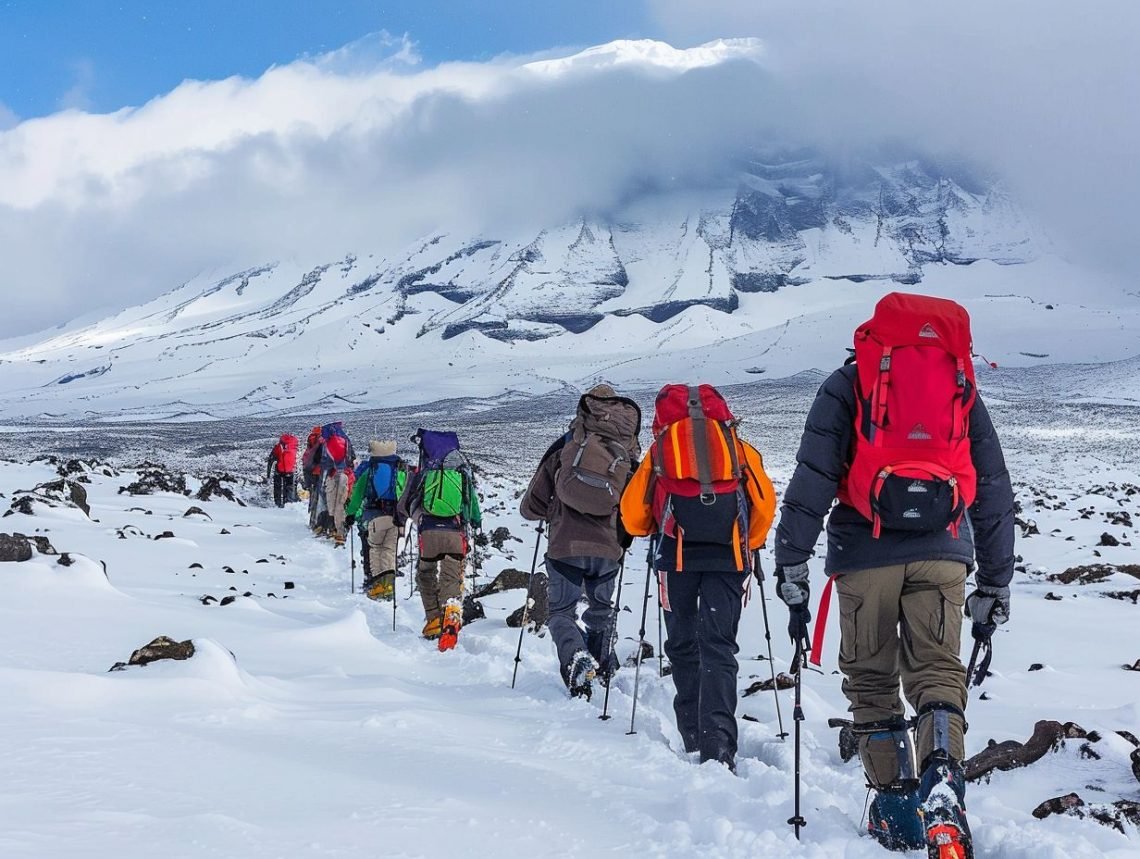
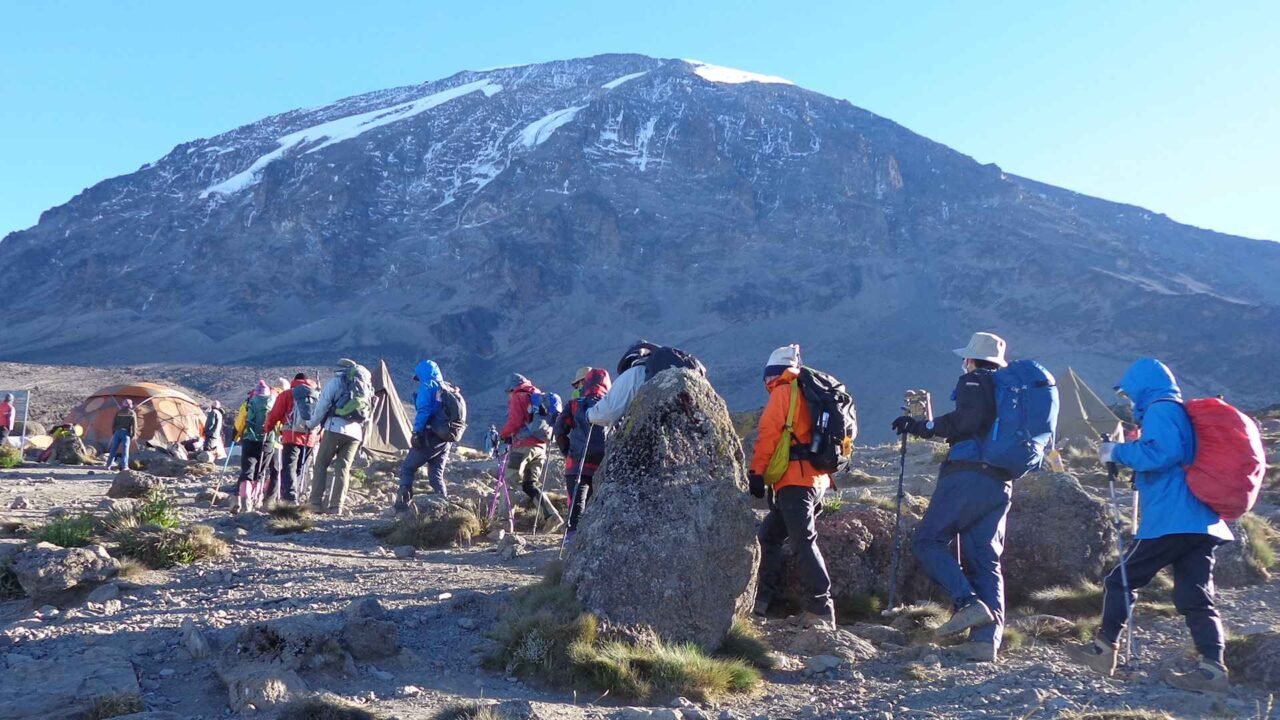
Understanding who typically joins these small group tours can help you decide if this format is the right fit for your personality. Climbing Kilimanjaro in December is a distinct choice; it attracts a specific type of traveler. Unlike the summer months, which often see a higher volume of large, organized charity groups, the pre-Christmas window tends to attract independent, motivated individuals.
You will often find a mix of solo professionals, couples looking for a non-traditional holiday, and small circles of friends who have wanted to tackle a major challenge together. The common thread among these climbers is a desire to achieve a significant physical goal as a capstone to their year. Because the group sizes are kept intentionally small, the atmosphere is generally more focused and intimate than larger commercial tours. You are less likely to encounter the ‘crowd noise’ of massive expeditions and more likely to find a supportive, camaraderie-driven environment. If you are a solo traveler, this demographic is ideal because it creates a natural social structure where mutual encouragement becomes a key part of the summit success strategy.
Managing Expectations for Group Pacing
A frequent concern for climbers joining a group is the fear that they will be either ‘too fast’ or ‘too slow’ for their teammates. It is important to understand that in a professionally managed small group, ‘pacing’ is not a race. Our guiding philosophy emphasizes the ‘pole-pole’ (slowly, slowly) methodology, which is the gold standard for high-altitude acclimatization on Kilimanjaro.
When you join a group, you are committing to a shared rhythm. While you may have different levels of fitness, the guides are trained to manage the group so that the pace is dictated by the slowest member, ensuring everyone has the best possible chance of reaching Uhuru Peak. This is a crucial distinction from private climbs, where you have total control over the pace. In a group setting, you must be comfortable with the collective pace. If you are a highly competitive climber or someone who requires a very specific, personalized speed to feel comfortable, you might find the group format restrictive. However, for most, this shared rhythm is actually a benefit, as it prevents the common mistake of ‘summit fever’ where climbers move too quickly in the early days and burn out before reaching the higher camps.
Navigating the Pre-Climb Gear Check and Equipment Logistics
For many climbers joining a small group tour, the pre-climb gear check is the first time the entire team meets in person. This session, typically held at your hotel in Moshi or Arusha the day before your ascent begins, is a critical logistical milestone. It is not merely a formality; it is an essential safety review where our lead guides inspect your equipment to ensure it meets the requirements for Kilimanjaro’s unpredictable mountain environment.
When you are part of a group, the gear check also serves as a bonding experience. You will see what others are packing, which can be reassuring if you are worried about whether your sleeping bag is warm enough or if your boots are broken in correctly. Our guides use this time to help you organize your kit into two distinct categories: what you will carry in your daypack, and what the porters will carry in your duffel bag. Understanding this division is vital for your comfort on the trail. For the December window, we often advise climbers to ensure their waterproof layers are easily accessible, as the lower rainforest zones can be humid, while the summit gear must be kept dry and protected in waterproof liners.
If you discover that a piece of your gear is inadequate or if you have chosen to travel light to avoid excess airline baggage fees, this is the moment to utilize professional rental services. Reliable local operators maintain high-quality inventories of technical gear—such as -15°C rated sleeping bags, trekking poles, and heavy-duty down jackets—specifically for climbers who prefer not to transport these bulky items internationally. Rental equipment in Tanzania has improved significantly in recent years, and for a one-off trip, renting is often more cost-effective and practical than purchasing expensive gear you may not use again. We strongly recommend notifying your operator of any rental needs at least two weeks before your arrival, rather than waiting until the briefing, to ensure availability and proper sizing.
The Shared Responsibility of Altitude Monitoring in a Group
While climbing Kilimanjaro is an individual physical feat, joining a small group adds a layer of collective responsibility that can actually enhance your safety. In a private climb, you might be tempted to ‘push through’ discomfort to meet your personal itinerary. In a group setting, however, the dynamic shifts. You are part of a team, and the health of the group is inextricably linked to the health of each individual member. This creates a culture of transparency where reporting early signs of altitude sickness—such as a persistent headache, nausea, or loss of appetite—is encouraged rather than stigmatized.
We train our guides to foster an environment where climbers feel comfortable speaking up about their physical state. If you are struggling, you are not ‘letting the team down’; you are helping the guides make informed decisions about the group’s ascent profile. Often, a simple adjustment—such as slowing the pace further, increasing hydration, or taking an extra rest break—is all that is needed to keep a climber on track. Because our group sizes are kept small, the guides have the bandwidth to monitor each climber closely, conducting daily pulse oximeter readings and asking specific questions about your sleep quality and energy levels.
This group dynamic also mitigates the risk of ‘summit fever.’ When you are climbing with others who are also monitoring their health, there is a natural check-and-balance system. If one member of the group is struggling, the team often rallies to support them, creating a camaraderie that is difficult to replicate on a solo trek. This shared journey creates a supportive atmosphere where the goal is not just to reach the summit, but to ensure that everyone arrives safely and enjoys the process. By viewing your teammates as allies in your altitude acclimatization, you create a safer, more sustainable rhythm that benefits everyone.
Navigating Post-Climb Tipping and Departure Logistics
As your Kilimanjaro expedition draws to a close, the logistical focus shifts from altitude management to the practicalities of descent, gratuities, and your departure from Tanzania. For those joining a small group tour, the final days of the climb require a coordinated approach to tipping, which is a significant part of the Tanzanian trekking culture. In a group setting, it is highly recommended to handle tipping collectively rather than individually. This approach avoids the confusion of different climbers offering varying amounts and ensures that the entire support team—guides, assistant guides, cooks, and porters—is recognized equitably for their hard work.
Most reputable operators will provide a clear, recommended tipping range per climber for the entire crew. By pooling your contributions into a single, organized event, often held at the final campsite or upon return to your hotel in Moshi or Arusha, you can present the gratuity in a way that is respectful and transparent. We suggest designating one group member to act as the liaison with the lead guide to manage this process, ensuring that the distribution is handled according to the established local norms. This collective effort not only simplifies the process but also strengthens the camaraderie built during the ascent.
The Necessity of a Post-Summit Buffer Day
Because you are scheduling your climb for the pre-Christmas window, your departure logistics are subject to the broader travel demands of the holiday season. A common mistake among first-time climbers is attempting to book an international flight for the evening of their descent day. We strongly advise against this. The descent from the summit to the park gate is physically demanding and can take several hours, often leaving climbers exhausted and prone to delays. Furthermore, the Kilimanjaro International Airport (JRO) can become exceptionally busy in the days leading up to Christmas.
Allowing for at least one full buffer day in Moshi or Arusha after your descent serves several purposes. First, it provides a crucial period of decompression. Your body will need time to recover from the physical exertion and the effects of high altitude. Second, it acts as a contingency against unforeseen delays on the mountain, such as slow group pacing or inclement weather that might push your summit day back. Finally, this buffer day allows you to properly settle your accounts, return any rental gear, and enjoy a celebratory meal with your group before the holiday rush begins. Using this time to transition slowly back to sea level and civilization ensures that your departure is stress-free, allowing you to carry the memory of your achievement home without the anxiety of a tight travel connection.
Managing Dietary Logistics and Nutritional Needs in a Shared Group
One of the most frequently overlooked aspects of joining a Kilimanjaro small group tour is the reality of communal dining. Unlike a private climb where you might have more latitude to request specific, daily changes to your menu, a group expedition relies on a structured, high-energy menu designed to support the collective caloric needs of the team. Understanding how your operator manages these logistics is essential, particularly if you have specific dietary restrictions.
When you join a group, the kitchen team prepares meals for the collective. This is a logistical necessity; carrying, storing, and cooking multiple, vastly different menus in a remote mountain environment is not just challenging—it is a safety risk. If the kitchen team is stretched too thin trying to accommodate individual preferences, the quality of nutrition for the entire group can suffer. However, reputable operators are well-versed in managing common dietary requirements. Whether you are vegetarian, vegan, gluten-free, or have severe allergies, these must be communicated to the office at least 30 to 45 days before your departure. This lead time allows the logistics team to source specific ingredients in Moshi or Arusha that may not be available once you are on the mountain.
It is important to manage your expectations regarding the ‘mountain palette.’ High altitude naturally suppresses appetite; even the most food-motivated climber may find themselves struggling to eat at 4,000 meters. The meals provided on our small group tours are specifically formulated to be calorie-dense, easily digestible, and rich in the complex carbohydrates your body needs to generate heat and sustain effort. You will find that the menu is repetitive by design—not out of a lack of creativity, but because familiar, predictable foods are safer for your stomach when it is stressed by altitude. If you have specific ‘comfort foods’ or electrolyte supplements that you know work for you, bring them. While the kitchen team provides the core nutrition, having a personal supply of familiar snacks for the summit night or particularly grueling stretches can be a significant psychological and physiological boost.
The Autumn Training Cycle for a December Ascent
Because your expedition is scheduled for the pre-Christmas window, your training timeline is unique. You are essentially training through the autumn months, which provides a distinct advantage: you are conditioning your body during the transition from the warmer, more active months into the cooler, darker days of late autumn. This mimics the environmental reality of the mountain, where you will start in humid, lush rainforest zones and ascend into freezing, arid alpine conditions.
For a December 2026 climb, your training should shift from general fitness to ‘mountain-specific’ conditioning by early October. Since you will be in a group, your goal is to arrive with a baseline of endurance that allows you to maintain the group’s ‘pole-pole’ (slowly, slowly) pace without falling behind. Focus your training on ‘time on feet’ rather than just distance. A two-hour hike with a weighted pack is far more beneficial than a quick, high-intensity run. If possible, seek out trails that involve elevation gain and loss, as this trains your quadriceps for the eccentric loading of the descent—the phase of the climb where most knee injuries occur.
Furthermore, because you are climbing in December, consider incorporating cold-weather training sessions into your final weeks. If you live in a climate that cools down in November, do not shy away from those outdoor hikes. Wearing the boots and layers you plan to use on Kilimanjaro during these colder, longer training walks will help you break in your footwear and identify any potential friction points or gear issues before you leave for Tanzania. This ‘field test’ approach ensures that when you arrive in Moshi, your gear is an extension of your body, not a source of distraction, allowing you to focus entirely on the group dynamic and the challenge of the ascent.
Check Availability for Kilimanjaro Small Group Climbing Tours Before Christmas 2026
Ready to compare dates, prices, and the best option for your group? Send the package name and travel month so the team can reply with a clear quote, availability, and what is included.
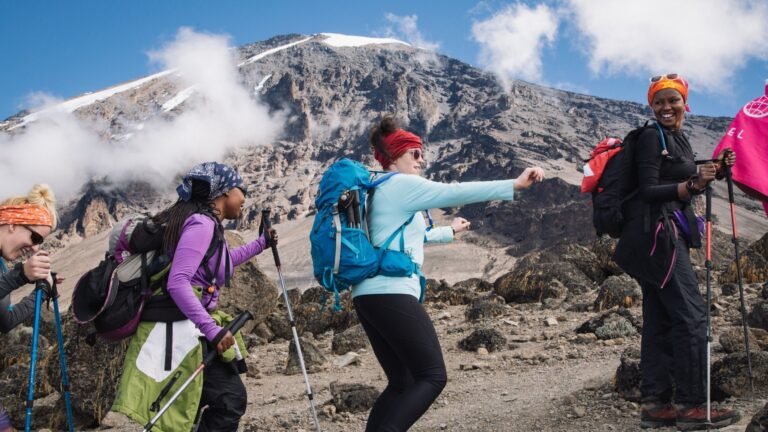
Join A Kilimanjaro Christmas Climbing Group In December 2026
A guide to securing your spot on a Kilimanjaro Christmas group climb for 2026, including route advice, group logistics, and essential planning steps.
View package details
Best Kilimanjaro Group Climbing Packages For December : A Practical Guide 2026
A practical guide to selecting Kilimanjaro group climbing packages for December 2026, focusing on route logistics, weather considerations, and cost-sharing benefits.
View package details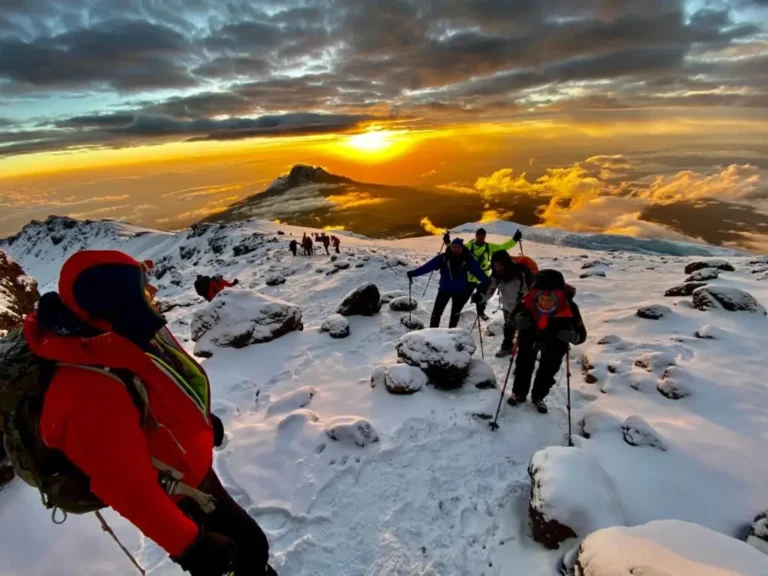
Kilimanjaro New Year Summit Group Departures December : Planning Your Ascent
Planning a New Year summit on Kilimanjaro requires specific logistics. Learn how to join a group departure for December 2026, choose the right route, and prepare for your climb.
View package details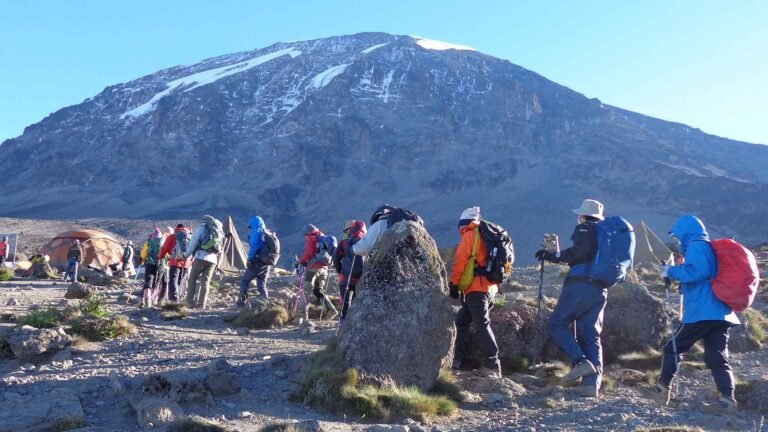
Last Minute Kilimanjaro Group Joining Deals December : Planning Your Climb
Looking for last-minute Kilimanjaro group joining deals in December 2026? Discover how to secure your spot, understand the route trade-offs, and plan your mountain ascent with expert local...
View package details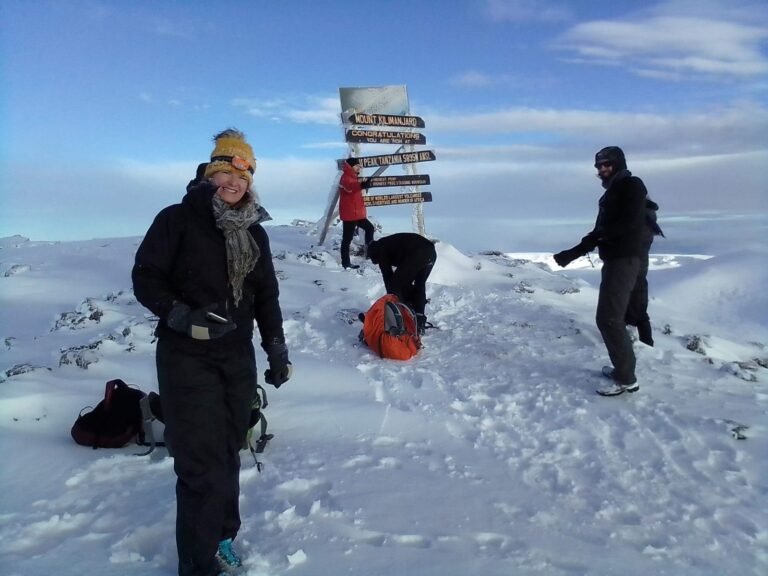
Affordable Kilimanjaro Group Joining Safari And Trekking Packages December
A practical guide to booking affordable, reliable group joining treks on Kilimanjaro and wildlife safaris in Tanzania for December 2026, focusing on logistics, shared costs, and travel...
View package details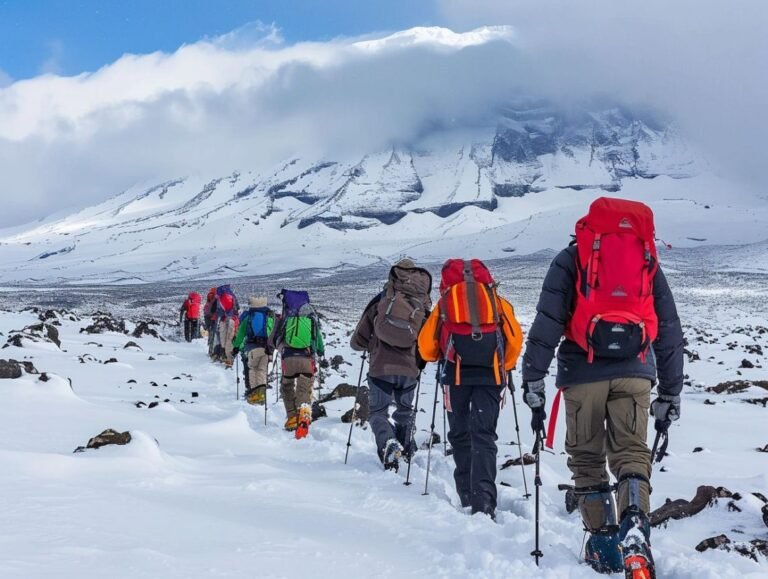
December Kilimanjaro Group Departures For Solo Travelers: Planning Your Climb
A practical guide for solo travelers planning to climb Kilimanjaro in December 2026, covering group joining benefits, route selection, and booking logistics.
View package detailsKilimanjaro Group Joining Tours December : Planning, Routes, And Availability
A detailed guide on planning your Kilimanjaro group joining climb for December 2026, including route comparisons, logistics, and how to secure your spot with Climb 4 Africa.
View package detailsTraveling Alone To Kilimanjaro In December: Can You Join A Machame Route 2026
A practical guide for solo travelers planning a December Kilimanjaro climb. Discover how group joining works on the Machame Route, the realities of cost-sharing, and how to prepare for your...
View package detailsKilimanjaro Group Joining Climbs: December Planning Guide 2026
Planning your Kilimanjaro adventure for December 2026? Find out how group joining climbs work, why December is a prime time to summit, and how to secure your spot with our expert team.
View package detailsCan I Join A Safari Group Directly From Kilimanjaro Airport? Logistical Guide
A practical guide to coordinating your arrival at Kilimanjaro International Airport (JRO) with a scheduled group safari, including logistical requirements and booking tips.
View package details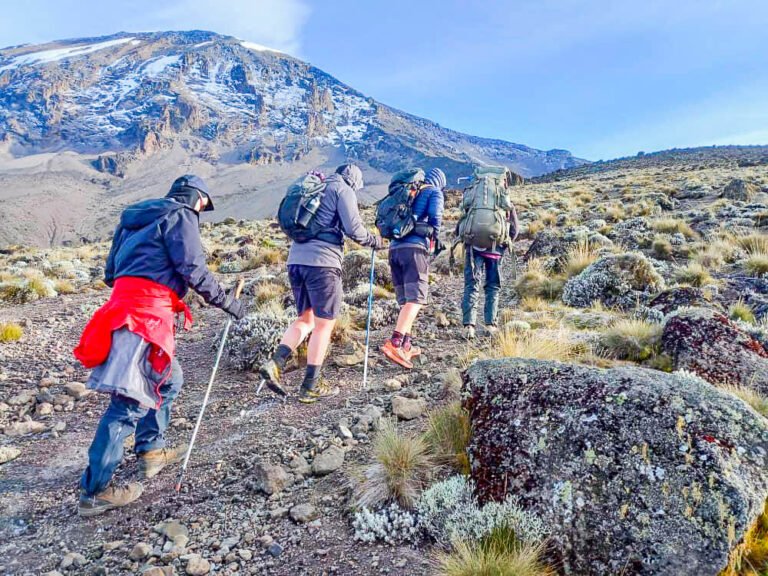
Private Kilimanjaro Climbing Tours For Christmas Holidays 2026
A deep-dive guide for planning your private Kilimanjaro expedition for the 2026 holiday season, focusing on route selection, acclimatization, and logistics.
View package details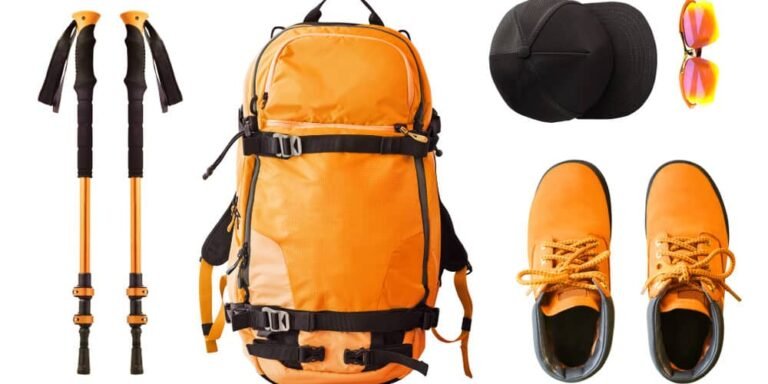
Kilimanjaro Honeymoon Climbing And Zanzibar Beach Holiday: December Planning
A practical guide for couples planning a Kilimanjaro climb and Zanzibar beach holiday in December 2026, focusing on route selection, recovery logistics, and planning timelines.
View package detailsNo related package matches those filters. Clear one or more filters to see the other topic-matched options.



