
Trekking Mount Meru and Kilimanjaro offers distinct yet complementary challenges and rewards, with Meru serving as an excellent acclimatization climb and Kilimanjaro presenting Africa’s highest summit. Planning for Mount Meru and Kilimanjaro trekking in 2026-2027 involves understanding their individual demands, optimal combinations, best times to climb, and essential preparation, allowing for a comprehensive and successful African mountain adventure.
Mount Meru vs. Kilimanjaro: Understanding the Differences
When considering Mount Meru and Kilimanjaro trekking, it’s crucial to differentiate the two giants. While both are located in Tanzania and are popular trekking destinations, they offer vastly different experiences and challenges.
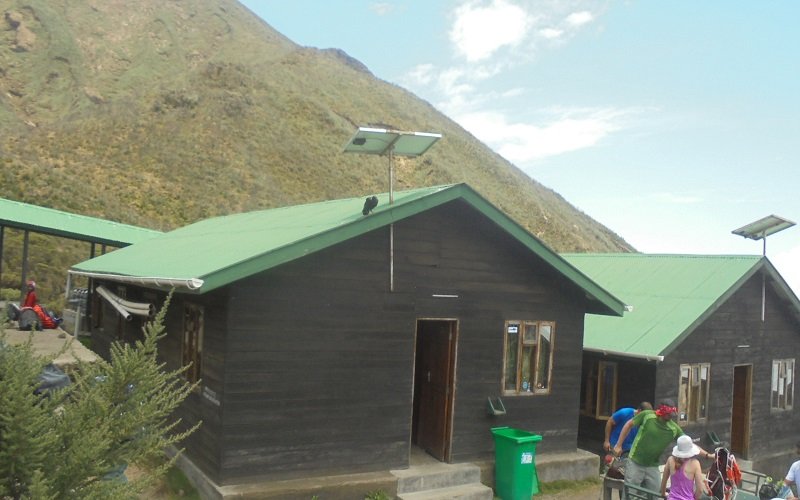
Mount Meru, standing at 4,566 meters (14,980 feet), is often overshadowed by its colossal neighbor, Kilimanjaro. However, Meru is a formidable mountain in its own right, known for its dramatic scenery, steep ascents, and the opportunity for genuine wilderness trekking. It’s an active stratovolcano, and its caldera rim walk is a highlight, offering impressive views into the crater and across to Kilimanjaro on clear days.
Kilimanjaro, on the other hand, is Africa’s highest peak at 5,895 meters (19,341 feet). It is a dormant volcano composed of three volcanic cones: Shira, Kibo, and Mawenzi. Climbing Kilimanjaro is a significant undertaking, primarily a high-altitude trek rather than a technical climb, but the sheer altitude makes it a serious challenge for most. The journey traverses diverse ecological zones, from rainforest to alpine desert and arctic summit.
Key Distinctions:
- Altitude: Kilimanjaro is significantly higher (nearly 1,300 meters difference), demanding greater acclimatization and physical endurance.
- Scenery: Meru offers rugged, volcanic landscapes, steep crater rim walks, and rich wildlife in its lower reaches. Kilimanjaro presents a grander scale of ecological zones and vast glacial landscapes near the summit.
- Technicality: Neither is technically difficult for experienced trekkers, but Meru can feel more demanding due to its steeper trails and rougher terrain in places. Kilimanjaro’s main challenge is altitude.
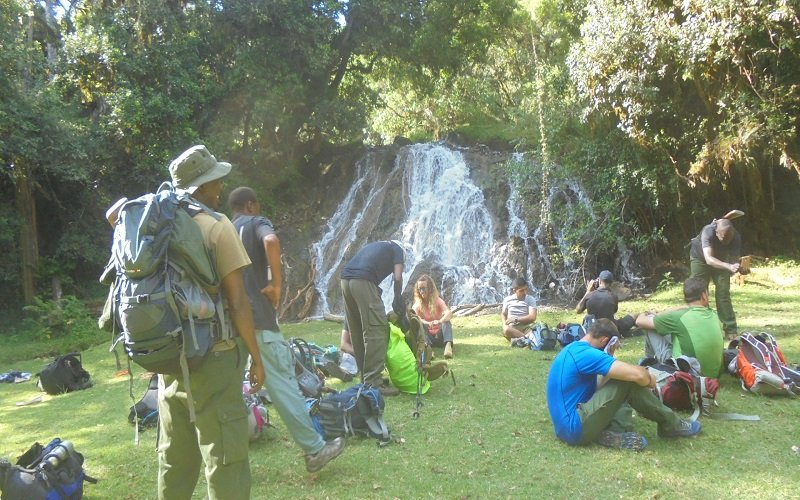
- Wildlife: Meru National Park, surrounding the mountain, is home to diverse wildlife, including buffalo, antelope, and primates, which you might encounter on the trek. Kilimanjaro’s lower slopes are also forested, but wildlife sightings are less common during the trek itself compared to Meru.
- Crowds: Kilimanjaro is a much busier mountain, especially on popular routes. Meru is significantly less crowded, offering a more solitary and wild experience.
- Duration: Meru treks typically range from 3 to 5 days. Kilimanjaro climbs range from 5 to 9 days, depending on the chosen route.
Understanding these differences is the first step in planning effective Mount Meru and Kilimanjaro trekking, especially when considering a combined itinerary for your 2026 or 2027 adventure.
The Strategic Advantage: Why Combine Mount Meru and Kilimanjaro Trekking?
For many ambitious trekkers aiming for Kilimanjaro, incorporating a climb up Mount Meru beforehand is a highly recommended strategy, and it’s a popular choice for those planning their 2026-2027 expeditions. This combination offers several compelling advantages:
- Superior Acclimatization: This is the most significant benefit. Mount Meru, at 4,566 meters, provides an excellent stepping stone to Kilimanjaro’s 5,895 meters. Completing a Meru trek allows your body to adjust to higher altitudes gradually. This significantly improves your chances of reaching Kilimanjaro’s summit and reduces the risk of severe altitude sickness. A 3-5 day Meru climb followed by a Kilimanjaro trek creates a robust acclimatization period.
- Enhanced Fitness and Endurance: The Meru climb is physically demanding. Its steep ascents and rugged terrain will test your stamina and prepare your body for the sustained effort required for Kilimanjaro. It’s a fantastic way to gauge your fitness and make any necessary adjustments to your training before the main event.
- A Complete Tanzanian Mountain Experience: Meru offers a wilder, more intimate mountain experience with abundant wildlife in its lower sections. Kilimanjaro provides the iconic, grand scale of a high-altitude trek. Combining them gives you a richer, more diverse appreciation of Tanzania’s volcanic landscapes and mountain environments.
- Logistical Efficiency: Both mountains are accessible from Moshi or Arusha, Tanzania. Organizing a combined trip with a reputable local operator like Climb 4 Africa means smooth transfers and logistics between the two climbs, minimizing travel hassle and maximizing your time on the mountains.
- A Sense of Accomplishment: Successfully summiting two of Tanzania’s most prominent peaks provides an unparalleled sense of achievement. Meru’s challenging final ascent to the crater rim and Kilimanjaro’s Uhuru Peak summit form a powerful duo of mountain conquests.
Consider This Combination for 2026-2027 If:
- You want to maximize your chances of summiting Kilimanjaro.
- You are seeking a more challenging and comprehensive Tanzanian mountain adventure.
- You appreciate experiencing diverse mountain ecosystems and wildlife.
- You have sufficient time (typically 10-14 days total for both climbs plus rest days) and budget.
Many trekkers find that the Meru climb, while shorter, is intensely rewarding and helps build confidence for the greater challenge of Kilimanjaro. For those planning their Mount Meru and Kilimanjaro trekking adventure for 2026 or 2027, this combined approach is often the wisest path to success and a deeper experience.
Essential Planning for Your 2026-2027 Mount Meru and Kilimanjaro Trek
Successful Mount Meru and Kilimanjaro trekking requires meticulous planning, especially when looking ahead to the 2026-2027 trekking seasons. Advance preparation is key to a safe, enjoyable, and successful expedition.
Best Time to Climb Mount Meru and Kilimanjaro
Both mountains share similar ideal climbing seasons, dictated by the prevailing weather patterns in Tanzania. The best times are generally during the dry seasons:
- January and February: Often very clear, warm days, but can be cold at night. This is a popular time, so booking for 2026 or 2027 should be done well in advance.
- June to October: This is the longest dry season, characterized by clear skies, cooler temperatures, and lower humidity. It’s considered the prime season for both mountains. Expect higher demand and potentially more trekkers on Kilimanjaro during these months in 2026 and 2027.
Avoid the rainy seasons:
- March, April, and May: These are the long rains, with heavy precipitation, muddy trails, and reduced visibility. Climbing is generally not recommended.
- November and December: These months can be transitional, with short rains. While sometimes climbable, conditions can be unpredictable.
For those planning a combined Mount Meru and Kilimanjaro trekking expedition in 2026-2027, aligning your trip with one of the dry seasons is paramount. The dry seasons offer the best balance of favorable weather, clearer views, and safer trail conditions. Many trekkers opt for the June-October window for its reliability.
Choosing Your Kilimanjaro Route
Kilimanjaro has several established routes, each with its own characteristics, difficulty, scenery, and success rates. The choice of route significantly impacts your overall experience and acclimatization. For Mount Meru and Kilimanjaro trekking, selecting a longer route for Kilimanjaro is highly recommended to improve acclimatization and summit success.
Popular Kilimanjaro Routes:
- Marangu Route (Coca-Cola Route): 5-6 days. The oldest and most established route. It’s the only route with hut accommodations and is known for its gradual ascent but has a lower success rate due to its rapid ascent profile.
- Machame Route (Whiskey Route): 6-7 days. Arguably the most popular route. It’s known for its scenic beauty and excellent acclimatization profile, often referred to as the “walk high, sleep low” route. It has a high success rate. Recommended for those combining with Meru.
- Lemosho Route: 7-8 days. Considered one of the most scenic routes, starting in the west and offering excellent acclimatization. It’s longer and often more expensive but provides a more remote and rewarding experience. Excellent choice for a combined trek.
- Shira Route: 7 days. Similar to Lemosho but starts at a higher altitude.
- Rongai Route: 6-7 days. Approaches Kilimanjaro from the north, offering a different perspective and drier conditions, especially during rainy seasons. It’s a good option but less scenic than Lemosho or Machame.
- Northern Circuit: 9 days. The longest route, offering the best acclimatization and highest success rates. It circumnavigates the mountain, providing stunning views from all sides. Ideal for serious trekkers prioritizing success and a comprehensive experience.
- Umbwe Route: 5-6 days. The shortest and steepest route, technically challenging and demanding excellent fitness and acclimatization. Not recommended for beginners or those combining with Meru unless very experienced.
For a combined Mount Meru and Kilimanjaro trekking plan in 2026-2027, prioritizing longer routes like Lemosho (7-8 days), Machame (6-7 days), or the Northern Circuit (9 days) for Kilimanjaro is strongly advised. These routes offer more days for gradual acclimatization, which is vital after the Meru climb and for tackling the extreme altitude of Kilimanjaro.
Mount Meru Routes
Mount Meru is typically climbed via one main route:
- The Momella Route: This is the standard and most common route. It’s usually completed over 3 to 5 days. The trek starts from the Momella Gate and involves traversing diverse landscapes, including savannah, rainforest, heather, and moorland, before reaching the summit crater rim. The final ascent to the summit (Socialism Peak) is steep and requires scrambling, making it a challenging but exhilarating push. A 4-day itinerary is common, while a 5-day option allows for more relaxed acclimatization and enjoyment of the scenery.
When planning your Mount Meru and Kilimanjaro trekking itinerary for 2026-2027, the 4-day Momella Route is a good balance for acclimatization. A 5-day option provides even better acclimatization and allows for a more leisurely pace, which can be beneficial before the rigors of Kilimanjaro.
Duration and Itinerary Considerations
A combined Mount Meru and Kilimanjaro trekking adventure requires significant time. A typical itinerary would look something like this:
- Day 1: Arrive in Tanzania (Kilimanjaro International Airport – JRO), transfer to Arusha/Moshi.
- Day 2: Briefing, gear check, final preparations.
- Days 3-6/7: Mount Meru Climb (4-5 days).
- Day 7/8: Rest and recovery day in Arusha/Moshi. This is crucial after Meru.
- Day 8/9: Transfer to Kilimanjaro gate, begin Kilimanjaro climb.
- Days 9-15/17: Kilimanjaro Climb (6-9 days depending on route).
- Day 16/18: Descend Kilimanjaro, transfer back to hotel.
- Day 17/19 onwards: Departure or onward travel (e.g., safari, Zanzibar).
This means a combined trek typically requires 15 to 18 days in Tanzania, including arrival, departure, rest days, and the climbs themselves. For 2026-2027 planning, ensure you allocate sufficient time. Rushing the acclimatization or recovery between climbs significantly increases the risk of failure and altitude sickness.
Fitness and Physical Preparation
Both Mount Meru and Kilimanjaro demand a high level of physical fitness. While neither requires technical mountaineering skills (except perhaps the final scramble on Meru), the sustained effort at altitude is the primary challenge.
- Cardiovascular Fitness: Focus on aerobic activities like hiking, running, cycling, and swimming. Aim for at least 3-4 sessions per week.
- Hiking with a Pack: Undertake long hikes (4-8 hours) carrying a moderately weighted backpack (5-10 kg). This simulates trek conditions and strengthens relevant muscles.
- Strength Training: Concentrate on leg and core strength. Squats, lunges, step-ups (especially with added weight), and core exercises will be beneficial.
- Stair Climbing: Regularly climb stairs, ideally with a backpack. This is excellent preparation for the relentless ascents on both mountains.
- Consistency is Key: Begin your training 3-6 months before your planned 2026 or 2027 trek. Gradual progression is more effective than intense, short bursts.
For the Combined Trek:
Your training should prepare you for consecutive days of strenuous activity. The Meru climb will be a significant test, and your recovery and subsequent Kilimanjaro climb will depend heavily on the foundation you build. Think of Meru as your pre-trek training camp.
Gear and Equipment Essentials
Proper gear is non-negotiable for Mount Meru and Kilimanjaro trekking. Layering is the key principle, as temperatures can fluctuate dramatically from the humid rainforests to the freezing summit. You’ll need high-quality, waterproof, and windproof outer layers, warm mid-layers (fleece, down), and moisture-wicking base layers.
Key Gear Items:
- Boots: Broken-in, waterproof hiking boots with good ankle support.
- Clothing: Multiple layers of thermal base layers, fleece jackets, insulated down jacket, waterproof and windproof outer shell (jacket and trousers).
- Headwear: Warm beanie/woolen hat, sun hat with a brim, balaclava or neck gaiter.
- Gloves: Warm, waterproof gloves and thinner liner gloves.
- Footwear: Hiking socks (wool or synthetic), camp shoes or trainers for evenings.
- Backpack: A comfortable daypack (30-40 liters) for essentials during the trek. Porters will carry larger duffel bags.
- Sleeping Bag: A 4-season sleeping bag rated for -15°C to -20°C (0°F to -4°F).
- Trekking Poles: Highly recommended for reducing strain on knees during descents and aiding ascents.
- Headlamp: With spare batteries. Essential for summit night.
- Water Bottles/Hydration Reservoir: At least 3 liters capacity. Insulated covers are useful in cold weather.
- Sun Protection: High SPF sunscreen, lip balm with SPF, sunglasses.
- Personal Items: Toiletries, personal first-aid kit, hand sanitizer, wet wipes.
Your tour operator, like Climb 4 Africa, will provide a detailed packing list. Ensure all gear is in good condition before your 2026-2027 expedition.
Altitude Sickness Prevention and Management
Altitude sickness (Acute Mountain Sickness – AMS) is the primary concern on both mountains. While Meru is lower, it still poses a risk, and a combined trek requires careful management.
- Ascend Slowly: This is the golden rule. The longer routes for Kilimanjaro and a 4-5 day itinerary for Meru are designed for this.
- Hydrate: Drink plenty of water (3-4 liters per day). Avoid alcohol and caffeine, which can dehydrate you.
- Eat Well: Consume plenty of carbohydrates. Your appetite may decrease at altitude, but fueling is critical.
- Pace Yourself: “Pole pole” (slowly, slowly) is the mantra. Avoid overexertion.
- Monitor Symptoms: Be aware of headache, nausea, dizziness, and fatigue. Report any symptoms to your guide immediately.
- Medication: Discuss Diamox (acetazolamide) with your doctor. It can help prevent and treat AMS symptoms. Your guide will also carry a comprehensive medical kit.
For Combined Treks:
The Meru climb acts as a fantastic acclimatization tool for Kilimanjaro. However, do not become complacent. Continue to apply all AMS prevention strategies diligently on Kilimanjaro. If symptoms worsen, descent is the only cure. Your guide’s decision is final and paramount for your safety.
Detailed Packing List Considerations
Beyond the essential gear, consider these details for your Mount Meru and Kilimanjaro trekking preparation for 2026-2027:
- Waterproofing: Ensure your outer shell is truly waterproof and breathable. Consider dry bags for inside your duffel bag to protect electronics and clothing.
- Foot Care: Blister prevention is crucial. Bring blister treatment (moleskin, Compeed), antiseptic wipes, and good quality foot powder. Keep your feet as dry as possible.
- Sun Protection: The sun is intense at altitude, even when cold. High SPF sunscreen, a wide-brimmed hat, and UV-protective sunglasses are vital. Lip balm with SPF is often overlooked but essential.
- Headlamp: A reliable headlamp with fresh batteries is essential for summit night and any night hiking. Consider a spare.
- Camera & Power: Bring extra batteries and memory cards. Cold temperatures drain batteries quickly, so keep them in an inside pocket. Power banks are useful for recharging devices if you bring them.
- Personal First Aid: While guides carry comprehensive kits, bring your personal medications, pain relievers (e.g., ibuprofen), antiseptic wipes, bandages, and any personal remedies.
- Snacks: While meals are provided, carrying your favorite energy bars, nuts, or dried fruit can provide a welcome boost during tough moments.
- Hygiene: Biodegradable soap, toothbrush, toothpaste, hand sanitizer, and a small trowel for digging catholes (though designated toilets are usually available).
Logistics and Local Support for Mount Meru and Kilimanjaro Treks
When planning Mount Meru and Kilimanjaro trekking, the quality of your local support team is paramount. A reputable operator ensures your safety, comfort, and overall success.
What to Expect from a Good Operator (like Climb 4 Africa):
- Experienced Guides: Certified guides with extensive knowledge of the mountains, altitude sickness, first aid, and local flora/fauna. They are trained to monitor your health and make critical decisions.
- Support Crew: A team of porters to carry your main luggage (duffel bag), cooking staff, and assistant guides. The ratio of porters to clients is important for efficiency and ethical treatment.
- Logistics Management: Handling park permits, park fees, rescue fees, transportation to/from the mountain gates, and accommodation before and after the climbs.
- Equipment: Provision of tents (for camping routes on Kilimanjaro), mess tents, tables, chairs, and cooking equipment.
- Food: Nutritious, varied, and delicious meals prepared by dedicated cooks. This is crucial for energy and morale.
- Safety Protocols: Emergency procedures, communication systems (satellite phones or radios), and oxygen cylinders for emergencies.
For a combined Mount Meru and Kilimanjaro trekking trip in 2026-2027, you will need to coordinate with your operator for the smooth transition between the two mountains. This includes:
- Pre-Trek Briefings: Comprehensive briefings covering both climbs, gear checks, and itinerary details.
- Transfers: Reliable transportation between your accommodation, the national park gates for both mountains, and to/from the airport.
- Rest Day Management: Ensuring comfortable and appropriate accommodation for your rest day between the Meru and Kilimanjaro climbs.
Choosing an operator with a strong track record and a commitment to safety and ethical treatment of their staff is vital. This ensures that your focus remains on enjoying the incredible experience of Mount Meru and Kilimanjaro trekking.
Cost Considerations for Mount Meru and Kilimanjaro Trekking
The cost of Mount Meru and Kilimanjaro trekking can vary significantly based on the operator, route duration, group size, and inclusions. For 2026-2027, expect pricing to reflect current market conditions, park fees, and operational costs.
Key Cost Factors:
- Park Fees: These are set by Tanzania National Parks Authority (TANAPA) and are a substantial portion of the cost for Kilimanjaro and Mount Meru. Fees include entry, camping/hut accommodation, and rescue services.
- Operator’s Margin: This covers their operational overhead, marketing, office staff, and profit.
- Team Wages: Fair wages and conditions for guides, porters, and cooks are essential and contribute to the overall cost. Ethical operators invest heavily here.
- Duration and Route: Longer Kilimanjaro routes (e.g., Lemosho, Northern Circuit) are more expensive due to more days on the mountain and higher park fees.
- Group Size: Private climbs are more expensive per person than joining a group departure.
- Inclusions: What is included in the price? Typically, this covers park fees, guide and crew salaries, food, tents, and transport. Exclusions often include flights, visas, travel insurance, tips, personal gear, and vaccinations.
General Price Ranges (Estimates for 2026-2027):
- Mount Meru (4-5 days): Can range from $800 – $1,500+ per person, depending on inclusions and group size.
- Kilimanjaro (6-9 days): Prices can range from $1,800 – $3,500+ per person for standard routes on group departures. Longer or more premium routes can go higher.
- Combined Mount Meru and Kilimanjaro Trekking: This will be roughly the sum of the individual costs, plus any additional logistics or rest day accommodation. Expect a combined trip to cost anywhere from $2,800 to $5,000+ per person.
Why Invest in Quality for 2026-2027 Treks?
While cheaper options exist, they often compromise on safety, crew welfare, or the quality of equipment and food. For a challenging undertaking like Mount Meru and Kilimanjaro trekking, investing in a reputable operator like Climb 4 Africa ensures you have experienced guides, well-equipped support teams, and robust safety measures. This is critical for your success and well-being.
When enquiring for 2026-2027 expeditions, always ask for a detailed breakdown of what is included and excluded. Climb 4 Africa offers transparent pricing and prioritizes client safety and crew welfare.
Always get a detailed quote tailored to your specific needs for Mount Meru and Kilimanjaro trekking. Factors like private vs. group climbs and specific route choices will influence the final price.
Environmental Responsibility on the Mountains
Responsible tourism is paramount when trekking Mount Meru and Kilimanjaro. Both mountains are located within national parks and are fragile ecosystems. For your 2026-2027 treks, adopting an environmentally conscious approach is essential.
Leave No Trace Principles:
- Pack It In, Pack It Out: Carry out all your trash, including organic waste, to prevent littering the trails and campsites.
- Stay on Trails: Stick to designated paths to prevent erosion and protect vegetation.
- Respect Wildlife: Do not feed animals. Maintain a safe distance and observe them from afar.
- Proper Waste Disposal: Use designated toilets where available. If not, dig catholes at least 200 feet (70 meters) from water sources, trails, and campsites. Pack out toilet paper.
- Minimize Campfire Impact: Campfires are often prohibited. If permitted, use designated fire rings and ensure fires are completely extinguished. Using portable stoves is preferred.
- Conserve Water: Use water sparingly, especially when washing.
- Be Considerate: Minimize noise and respect the natural environment and other trekkers.
Your tour operator should also adhere to strict environmental policies. For instance, Climb 4 Africa is committed to sustainable tourism practices, ensuring that the mountains remain pristine for future generations. This includes proper waste management by the crew and educating clients on responsible trekking during your Mount Meru and Kilimanjaro trekking adventure.
Post-Trek Options: Safaris and Zanzibar
After successfully completing your Mount Meru and Kilimanjaro trekking, many travelers choose to extend their Tanzanian adventure with other iconic experiences. These are often integrated seamlessly into a comprehensive itinerary.
- Wildlife Safaris: Tanzania is world-renowned for its incredible wildlife viewing. Popular safari destinations include:
- Serengeti National Park: Famous for the Great Migration and vast plains teeming with wildlife.
- Ngorongoro Conservation Area: A UNESCO World Heritage Site featuring a massive volcanic caldera with high concentrations of animals.
- Tarangire National Park: Known for its large elephant herds and baobab trees.
- Lake Manyara National Park: Famous for its tree-climbing lions and diverse birdlife.
A safari offers a stark contrast to mountain trekking, immersing you in the heart of African wilderness. Many operators, including Climb 4 Africa, offer bespoke safari packages that can be combined with your climbs. This is an excellent way to experience the diverse natural beauty of Tanzania in 2026 or 2027. See group safari departures.
- Zanzibar Holidays: For relaxation and cultural immersion, the tropical island of Zanzibar is the perfect complement. Known for its stunning white-sand beaches, turquoise waters, historic Stone Town, and spice plantations, Zanzibar offers a tranquil escape.
- Beaches: Nungwi and Kendwa in the north offer lively atmospheres and spectacular sunsets. Paje and Jambiani on the southeast coast are popular for kitesurfing and a more laid-back vibe.
- Stone Town: Explore the narrow alleyways, vibrant markets, and rich history of this UNESCO World Heritage site.
- Spice Tours: Discover the island’s fragrant spice farms.
A few days on Zanzibar after your mountain adventures provides a well-deserved break and a chance to reflect on your achievements.
Combining Mount Meru and Kilimanjaro trekking with a safari and/or Zanzibar is the ultimate Tanzanian experience, offering a comprehensive taste of the country’s diverse attractions. Planning this well in advance for your 2026-2027 travel is highly recommended.
Booking Your Adventure
Choosing the right partner for your Mount Meru and Kilimanjaro trekking adventure is a critical decision. For 2026-2027 expeditions, early booking is advisable, especially if you aim for peak seasons or specific dates.
When you’re ready to plan your combined Mount Meru and Kilimanjaro trekking trip, or if you have any questions about tailoring an itinerary for 2026 or 2027, reaching out to experienced local operators is the best approach. They possess intimate knowledge of the mountains, logistics, and current conditions.
Climb 4 Africa specializes in Kilimanjaro climbs and Tanzanian adventures, offering:
- Expert guidance on route selection and itinerary planning for combined treks.
- Commitment to safety, ethical crew treatment, and environmental responsibility.
- Tailor-made itineraries to suit your fitness, time, and budget.
- smooth organization from arrival to departure, including safaris and Zanzibar extensions.
To start planning your unforgettable Mount Meru and Kilimanjaro trekking journey for 2026-2027, get in touch. Provide details about your preferred dates, the number of people in your group, and any specific requirements. This will help us craft the perfect expedition for you.
Contact Climb 4 Africa:
For personalized advice and quotes for your 2026-2027 Mount Meru and Kilimanjaro trekking adventure, please contact us:
- WhatsApp: +255 747 477 898
- Email: climb4africa@gmail.com
- Website: Climb 4 Africa
We look forward to helping you achieve your mountain dreams in Tanzania.
Check Availability for Mount Meru And Kilimanjaro Trekking: A Comprehensive Guide For Climbs
Ready to compare dates, prices, and the best option for your group? Send the package name and travel month so the team can reply with a clear quote, availability, and what is included.
Mount Meru Trekking 3 Tage: Your Essential Planning Guide 2026-2027
A comprehensive guide to the 3-day Mount Meru trek, covering essential planning details for 2026-2027, including routes, preparation, what to expect, and booking advice.
View package details
Mount Meru Trekking Ab Arusha 2026-2027
Mount Meru Trekking ab Arusha is explained with current 2026-2027 planning, price, itinerary and booking information.
View package details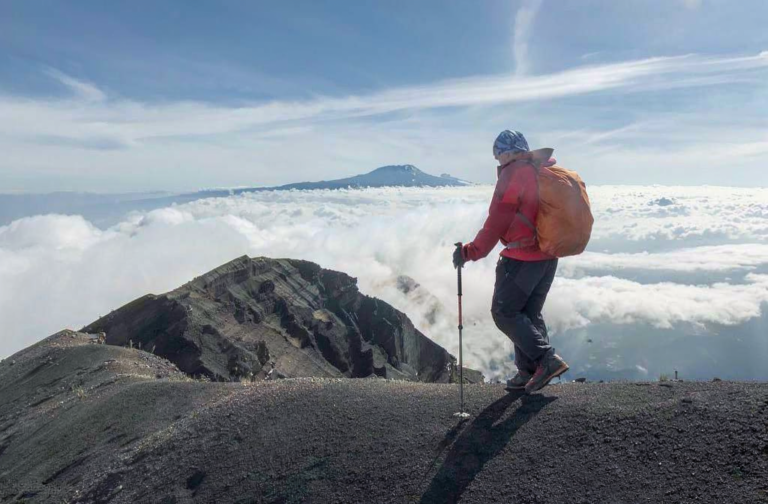
Trekking Monte Meru Desde Arusha: Your Ultimate Guide For 2026-2027
Your comprehensive guide to trekking Mount Meru from Arusha, covering everything from route options and difficulty to essential preparation and booking advice for climbs in 2026-2027.
View package details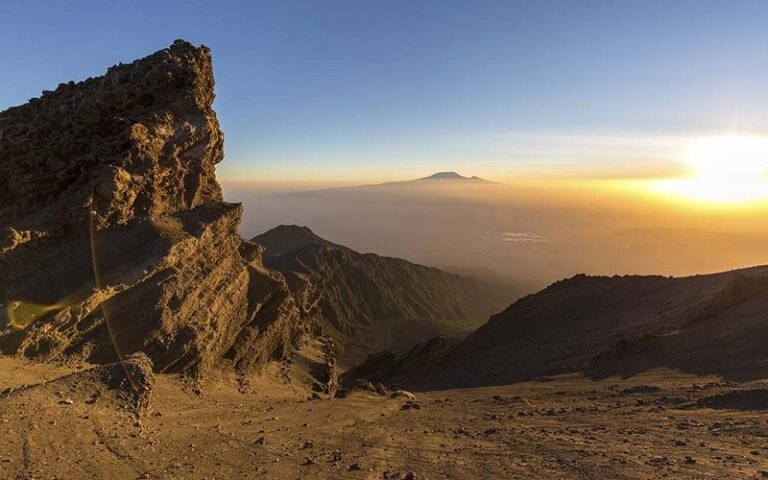
Monte Meru Y Kilimanjaro: Trekking En Tanzania 2026-2027
Discover the ultimate trekking experience in Tanzania by combining Mount Meru and Mount Kilimanjaro. This comprehensive guide covers everything from route selection and preparation to...
View package detailsMonte Meru Tanzania Trekking From Arusha: Your Essential Guide 2026-2027
start a trek up Mount Meru from Arusha, Tanzania's stunning dormant volcano. This guide covers everything from routes and difficulty to preparation and best times to go for your 2026-2027...
View package detailsTrek Mont Meru 4 Jours: Your Complete Guide 2026-2027
start a 4-day trek up Mount Meru, a challenging yet rewarding climb near Kilimanjaro. This guide covers routes, preparation, gear, and essential tips for your 2026-2027 expedition.
View package detailsRuta Momella Monte Meru: Your Complete Guide 2026-2027
Your comprehensive guide to the Momella Route on Mount Meru, covering everything from preparation and typical itineraries to what makes this climb a unique Tanzanian adventure, ideal for...
View package details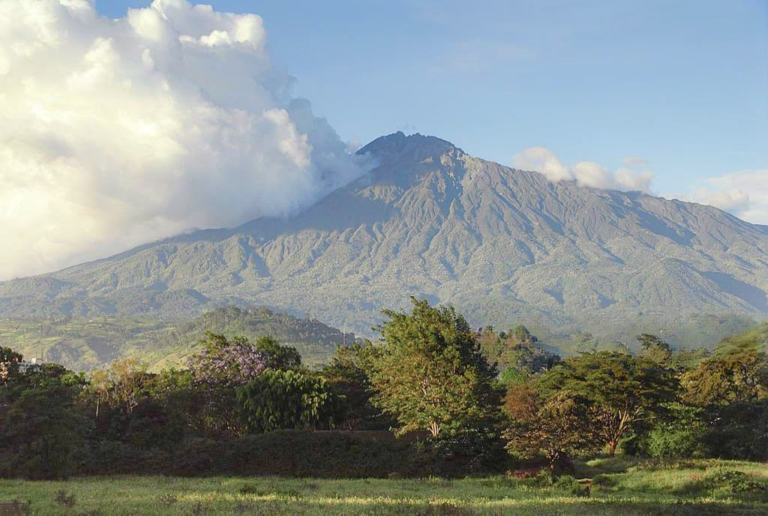
Momella Route Mount Meru 2026-2027
Momella Route Mount Meru is explained with current 2026-2027 planning, price, itinerary and booking information.
View package details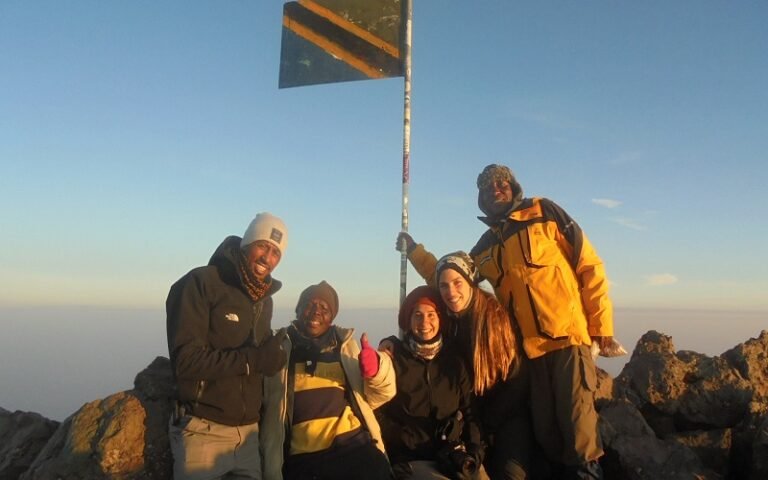
Trekking Monte Meru Tanzania: Precios, Ruta Y Consejos 2026-2027
Trekking Monte Meru Tanzania: precios, ruta y consejos is explained with current 2026-2027 planning, price, itinerary and booking information.
View package details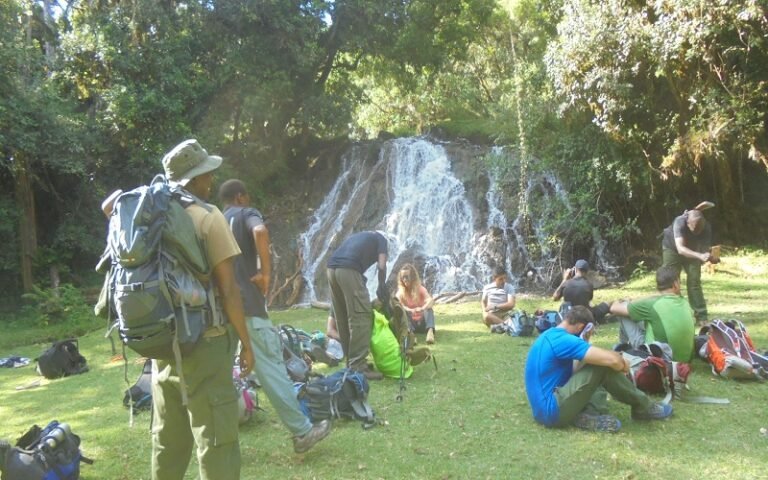
Precio Trekking Monte Meru: ¿Cuánto Cuesta Tu Aventura En ? 2026-2027
Planifica tu aventura en el Monte Meru conociendo los costos detallados. Explora las opciones de rutas, duraciones y lo que influye en el precio para tu expedición 2026-2027.
View package details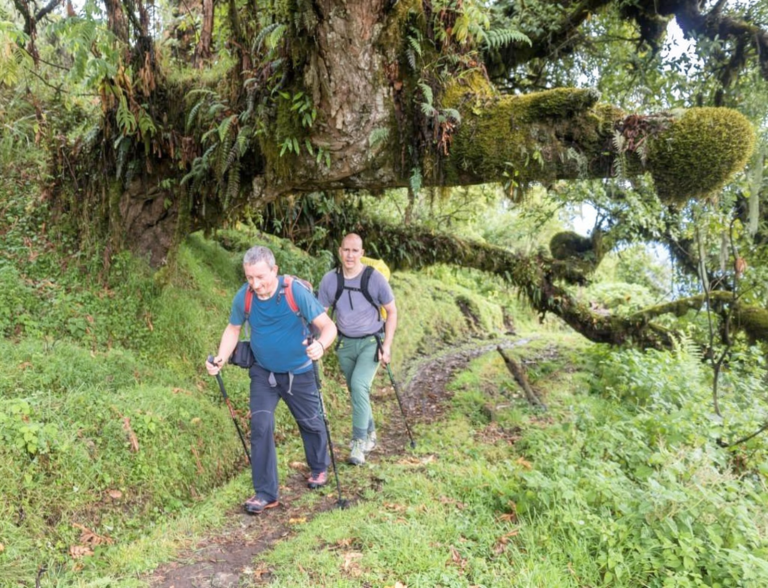
Trekking Monte Meru 4 Días 2026-2027
Trekking Monte Meru 4 días is explained with current 2026-2027 planning, price, itinerary and booking information.
View package detailsTrekking Monte Meru 3 Días 2026-2027
Trekking Monte Meru 3 días is explained with current 2026-2027 planning, price, itinerary and booking information.
View package detailsNo related package matches those filters. Clear one or more filters to see the other topic-matched options.



