An Ethiopia to Tanzania safari and Kilimanjaro holiday package is an ambitious but deeply rewarding journey, typically involving 14-21 days of travel. It combines the rich cultural heritage of Ethiopia, particularly the historical north, with the world-renowned wildlife viewing of Tanzania’s Northern Circuit (Serengeti, Ngorongoro) and the ultimate challenge of climbing Mount Kilimanjaro. Such packages require careful planning regarding logistics, visas, vaccinations, and optimal timing, ideally booked well in advance for 2026 or 2027 to secure preferred dates and operators.
The Grand African Journey: Ethiopia to Tanzania Safari and Kilimanjaro Holiday Package
Embarking on an Ethiopia to Tanzania safari and Kilimanjaro holiday package is not merely a trip; it’s a meticulously orchestrated expedition across two of Africa’s most iconic and diverse nations. This is a journey for the traveler who seeks depth – the profound historical narratives of Ethiopia, the unparalleled wildlife spectacles of the Serengeti and Ngorongoro Crater, and the awe-inspiring physical and mental triumph of summiting Africa’s highest peak, Kilimanjaro. Such a package offers a rare blend of cultural immersion, thrilling wildlife encounters, and a significant personal achievement, all woven into a single, unforgettable African adventure.
For those considering this ambitious undertaking for 2026 or 2027, the planning stages are critical. It involves understanding the distinct geographical, cultural, and logistical elements of each destination and how they can be seamlessly integrated. This guide aims to provide a comprehensive overview, helping you visualize this grand African journey, from the ancient rock-hewn churches of Lalibela to the vast plains teeming with the ‘Big Five’ and the snow-capped caldera of Kilimanjaro.
Why Combine Ethiopia, Tanzania Safari, and Kilimanjaro? The Allure of Diversity
The primary draw of an Ethiopia to Tanzania safari and Kilimanjaro holiday package lies in its extraordinary diversity. It caters to a traveler who appreciates the multifaceted nature of Africa, seeking more than just a single experience. Let’s break down the compelling reasons to weave these three distinct elements together:
- Cultural Depth vs. Wildlife Spectacle: Ethiopia offers a window into ancient civilizations, unique religious traditions, and a history that predates many European nations. This provides a rich cultural counterpoint to the raw, natural spectacle of a Tanzanian safari. You move from exploring millennia-old history to witnessing the planet’s most impressive terrestrial wildlife migrations and ecosystems.
- The Ultimate Challenge and Reward: Climbing Kilimanjaro is a bucket-list achievement for many. It tests physical endurance and mental fortitude, offering unparalleled bragging rights and a profound sense of accomplishment. Combining it with a safari means you’re not just conquering a mountain but also experiencing the pinnacle of African wildlife viewing.
- Logistical Synergy (with Expert Planning): While seemingly disparate, these destinations are geographically connected enough to be combined efficiently, especially with expert local knowledge. Overland travel or short flights can bridge the gap, and operators specializing in multi-country East African adventures can streamline the process, making what seems complex, manageable.
- A Comprehensive African Experience: This package offers a holistic view of East Africa. You gain insight into diverse human cultures, witness the power of nature in its most untamed forms, and push your personal boundaries. It’s a journey that engages the mind, body, and spirit.
- Maximizing Your Time and Impact: For travelers with a significant block of time, combining these elements ensures you experience the very best of what this region offers. Instead of multiple separate trips, you can cover vast cultural and natural landscapes in one extended, epic adventure, making your travel time highly impactful.
The appeal of an Ethiopia to Tanzania safari and Kilimanjaro holiday package is its ability to satisfy multiple travel desires simultaneously: the intellectual curiosity of historical exploration, the thrill of observing wildlife in its natural habitat, and the personal achievement of a challenging ascent. It’s a journey that resonates long after you return home.
Crafting Your Ethiopia to Tanzania Safari & Kilimanjaro Itinerary: The Art of Integration
Designing an itinerary for an Ethiopia to Tanzania safari and Kilimanjaro holiday package is where the adventure truly begins. The sequence and duration of each component are crucial for an enjoyable and logistically sound experience. Typically, this journey involves starting in Ethiopia, then flying or traveling overland to Tanzania for the safari and Kilimanjaro climb. Here are common approaches and considerations for your 2026-2027 travel plans:
Option 1: Ethiopia First, Then Tanzania (Safari & Climb)
This is often the most logical flow, allowing for cultural immersion before the physical demands of Kilimanjaro and the wildlife focus of the safari.
- Days 1-7: Ethiopia Exploration. Focus on the historical heartland: Addis Ababa (museums, markets), Gondar (castles), Lalibela (rock-hewn churches), and potentially the Simien Mountains for trekking or scenery. This provides a deep look at Ethiopia’s unique heritage.
- Day 8: Travel to Tanzania. A flight from Addis Ababa to Kilimanjaro International Airport (JRO) near Arusha is the most efficient method. This transition day involves travel, check-in, and rest.
- Days 9-13: Tanzania Safari. A 4-5 day safari circuit focusing on the Northern Parks. A common route includes Tarangire National Park (elephants), Lake Manyara National Park (tree-climbing lions), the Ngorongoro Conservation Area (dense wildlife in the crater), and the Serengeti National Park (vast plains, big cats, migration if timed correctly).
- Days 14-20: Kilimanjaro Climb. After the safari, you’d transition to your chosen Kilimanjaro route. Most routes take 5-8 days. For example, the Machame Route (7 days) is popular for its acclimatization profile.
- Day 21: Departure. Descend Kilimanjaro, transfer to Arusha or JRO for your onward journey.
Considerations for this flow: This structure allows you to acclimatize culturally before the physical demands of climbing. It also means you can enjoy the safari relaxation after the exertion of the climb, or vice versa, depending on your preference for intensity sequencing.
Option 2: Ethiopia & Safari First, Then Kilimanjaro
This option places the climbing challenge at the very end of your trip.
- Days 1-7: Ethiopia Exploration. Similar to Option 1.
- Day 8: Travel to Tanzania. Flight from Addis Ababa to Kilimanjaro International Airport (JRO).
- Days 9-14: Tanzania Safari. A slightly longer safari, perhaps including Lake Natron or a more in-depth exploration of the Serengeti.
- Day 15: Preparation for Kilimanjaro. Arrive in Moshi or Arusha, meet your climbing team, gear check, and final briefing.
- Days 16-22: Kilimanjaro Climb. A 7-day climb, for instance.
- Day 23: Departure. Post-climb celebration and transfer.
Considerations for this flow: Ending with Kilimanjaro means you are potentially less rested from travel but have the entire African experience culminating in a major personal achievement. Ensure you have adequate rest days before starting your ascent.
Option 3: Split Itinerary (e.g., Ethiopia, then Kilimanjaro, then Tanzania Safari)
Less common due to logistical complexities, but possible.
- Days 1-7: Ethiopia.
- Day 8: Travel to Tanzania. Flight to JRO.
- Days 9-15: Kilimanjaro Climb.
- Day 16: Rest & Transfer. Post-climb recovery in Arusha/Moshi.
- Days 17-21: Tanzania Safari. A shorter, focused safari.
- Day 22: Departure.
Considerations for this flow: This requires careful timing to allow for recovery after Kilimanjaro before embarking on safari activities. It also breaks up the safari experience, which might be less ideal for optimal wildlife viewing if migration patterns are a key focus.
Duration and Pace
A typical Ethiopia to Tanzania safari and Kilimanjaro holiday package will range from 14 to 21 days. Shorter durations (14 days) might feel rushed, especially when covering Ethiopia’s historical sites. Longer trips (18-21 days) allow for a more relaxed pace, deeper exploration, and buffer days for travel or rest. For 2026 or 2027 bookings, consider your available time and desired pace carefully. A 16-day package might be a good balance for many.
Key Planning Decisions for Your Itinerary:
- Ethiopia Focus: Which historical sites are most important to you? The ‘Historical Circuit’ (Addis, Gondar, Lalibela, Bahir Dar) is common but requires time.
- Safari Circuit: How many parks do you want to visit? How long in each? The Serengeti and Ngorongoro are must-sees for many.
- Kilimanjaro Route: Duration, difficulty, and acclimatization profile of routes like Machame, Lemosho, or Marangu.
- Travel Between Countries: Flights are recommended for efficiency between Ethiopia and Tanzania.
- Pace: Do you prefer a fast-paced trip covering more ground, or a slower exploration with more downtime?
Working with a specialist operator like Climb 4 Africa is invaluable here. They can help tailor the itinerary to your interests, fitness levels, and available time, ensuring a smooth transition between vastly different experiences.
Mount Kilimanjaro Climb: Routes, Challenges, and Preparation for 2026-2027
The ascent of Mount Kilimanjaro is a significant undertaking and a central pillar of an Ethiopia to Tanzania safari and Kilimanjaro holiday package. Success hinges on choosing the right route, proper preparation, and choosing a reputable operator. For those planning their climb for 2026 or 2027, early preparation is key.
Choosing Your Kilimanjaro Route: A Critical Decision
There are several routes to the summit, each with distinct characteristics:
- Machame Route (7 days recommended): Often called the ‘Whiskey Route’. It’s one of the most popular due to its scenic beauty and good acclimatization profile, leading to a high success rate. It’s challenging but rewarding.
- Lemosho Route (7-8 days recommended): Considered by many to be the most beautiful route, offering stunning views and excellent acclimatization. It’s longer and therefore more expensive but offers a high success rate and a less crowded experience, especially in the early days.
- Marangu Route (5-6 days): The ‘Coca-Cola Route’. It’s the oldest and simplest route, offering accommodation in huts rather than camping. However, its shorter duration means poorer acclimatization, leading to lower success rates. It’s generally less scenic.
- Northern Circuit (9 days recommended): The longest route, offering the highest success rate due to excellent acclimatization and ample time to enjoy the scenery. It circles the mountain, providing diverse views. It’s also the most expensive.
- Rongai Route (6-7 days): Approaches from the north, making it a good option during the rainy seasons as it’s drier. It’s a more gradual ascent but less scenic than the western routes.
Recommendation: For an Ethiopia to Tanzania safari and Kilimanjaro holiday package, we generally recommend the Machame or Lemosho routes for 7 days. These offer the best balance of scenery, acclimatization, and a strong chance of reaching the summit. For 2026 or 2027, booking these popular routes early is advisable.
The Physical and Mental Challenge
Climbing Kilimanjaro is not a technical climb but a demanding high-altitude trek. The primary challenge is altitude sickness. Symptoms can range from headaches and nausea to more severe conditions. Proper acclimatization (achieved through longer routes and slow, steady ascent – ‘pole pole’) is paramount. Weather can also be extreme, with temperatures dropping significantly near the summit, and conditions can change rapidly.
Preparation is Non-Negotiable
Fitness: While you don’t need to be an elite athlete, good cardiovascular fitness is essential. Focus on hiking, running, cycling, or swimming in the months leading up to your climb. Practice hiking with a backpack on hilly terrain.
Gear: Investing in or renting good quality gear is vital. This includes waterproof and windproof outer layers, warm layers (fleece, down), thermal base layers, sturdy hiking boots, a warm hat, gloves, and a good sleeping bag rated for cold temperatures. Your operator will provide a detailed packing list.
Mental Preparedness: Kilimanjaro is as much a mental challenge as a physical one. You need resilience, determination, and a positive attitude, especially during the grueling summit night. Understanding the risks and challenges beforehand helps in managing expectations.
Health and Vaccinations: Consult your doctor well in advance regarding necessary vaccinations (e.g., Yellow Fever, Hepatitis A/B, Typhoid) and malaria prophylaxis. Discuss altitude sickness medication (like Diamox) and any personal health concerns.
What Your Climb Package Should Include:
A comprehensive Ethiopia to Tanzania safari and Kilimanjaro holiday package should clearly outline what’s included in the climb cost. Typically, this includes:
- Park fees (very significant)
- Experienced, licensed mountain guides and crew (cooks, porters)
- All meals on the mountain
- Camping equipment (tents, sleeping mats)
- Tents for guides and crew
- Emergency oxygen and first-aid kit
- Transport to and from the mountain
- Salaries and provisions for the crew
Exclusions usually involve personal gear, tips for the crew (a significant portion of the crew’s income), travel insurance (mandatory), and personal expenses.
For your 2026-2027 Kilimanjaro climb, ensure your operator has a strong safety record, excellent crew welfare policies, and a high success rate. Climb 4 Africa prioritizes these aspects, offering well-supported climbs for travelers combining them with safaris.
Tanzania Safari: Wildlife Encounters and Iconic National Parks
A Tanzanian safari is synonymous with iconic landscapes and unparalleled wildlife viewing. When integrated into an Ethiopia to Tanzania safari and Kilimanjaro holiday package, it offers a thrilling contrast to the historical explorations of Ethiopia and the physical challenge of Kilimanjaro. The Northern Circuit is the most popular and accessible for this type of trip.
The Classic Northern Circuit Itinerary
A 4-5 day safari, often following the route below, is common for combined packages:
- Tarangire National Park: Known for its huge elephant herds and iconic baobab trees. It’s particularly vibrant during the dry season (June-October) when animals congregate around the Tarangire River.
- Lake Manyara National Park: Famous for its tree-climbing lions, large troop of baboons, and diverse birdlife. Its compact size makes it great for a half-day or full-day visit.
- Ngorongoro Conservation Area: A UNESCO World Heritage Site and a true natural wonder. The Ngorongoro Crater, a vast caldera, hosts an incredible density of wildlife, including the ‘Big Five’ (lion, leopard, elephant, rhino, buffalo), all within a relatively small area. Access is strictly controlled to preserve the ecosystem.
- Serengeti National Park: The crown jewel of Tanzanian safaris. Its name means ‘endless plains’ in the Maasai language, and it’s renowned for its vast herds of wildebeest and zebras (especially during the Great Migration), large prides of lions, cheetahs, leopards, and a spectacular bird population. The Serengeti is enormous, and the best areas to visit depend on the time of year and the migration’s location.
For 2026-2027: The timing of your safari might influence which parks are most rewarding. If you’re keen on witnessing the Great Migration, you’ll need to plan your dates around its movements, typically from the Serengeti’s southern plains (calving season, Jan-March) to the western corridor (river crossings, May-July) and northern Serengeti (crossing the Mara River, July-October).
Safari Styles and Vehicle Choices
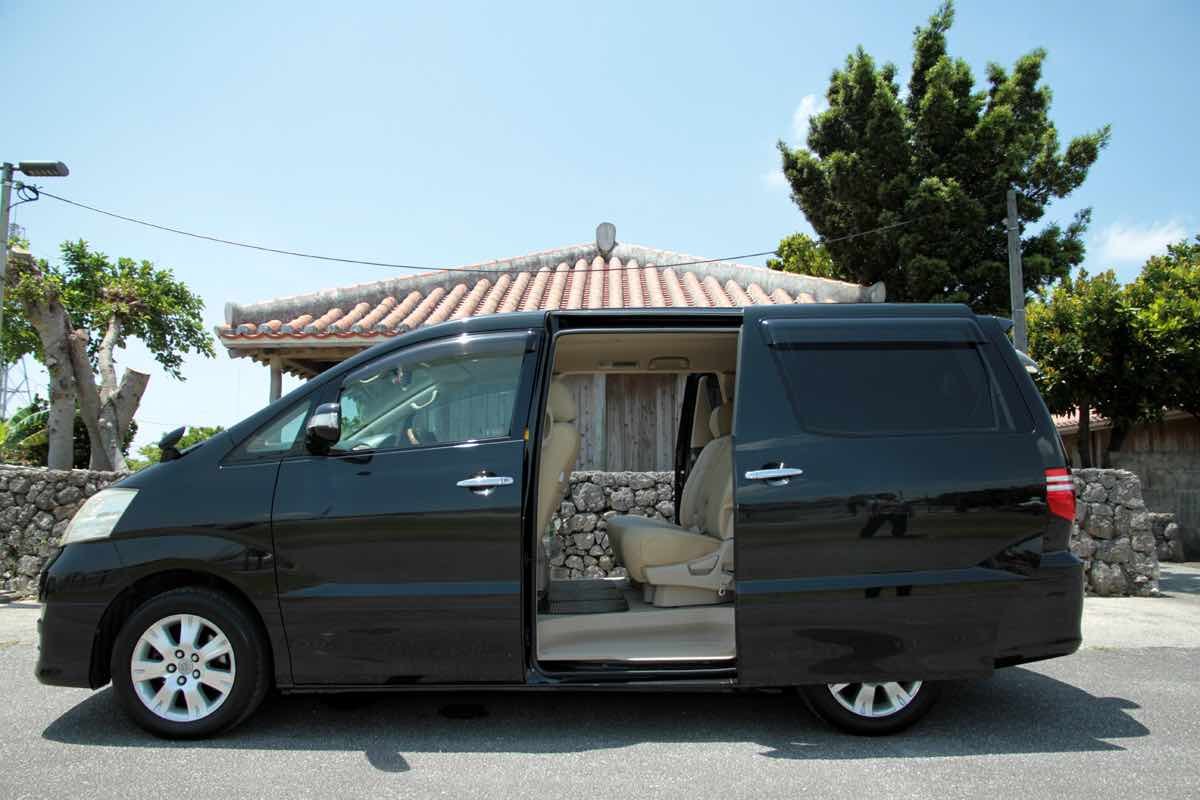
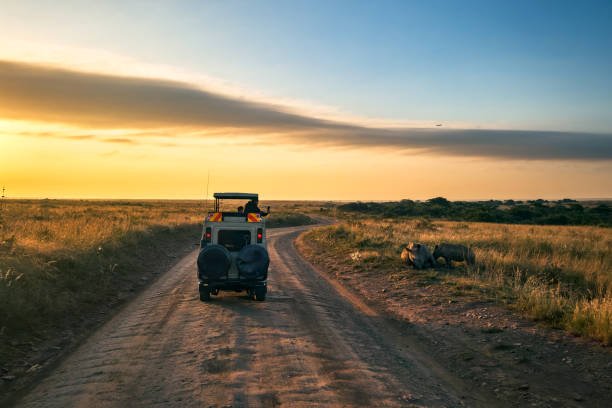
For a combined Ethiopia to Tanzania safari and Kilimanjaro holiday package, most safaris will utilize a 4×4 safari vehicle. These are typically custom-built Land Cruisers or Land Rovers with pop-up roofs for optimal game viewing and photography. You’ll likely have a dedicated driver-guide for the duration of your safari portion.
Shared vs. Private Safaris:
- Shared Safaris: These operate on fixed departure dates, allowing you to join a group in a safari vehicle. They are more budget-friendly. Climb 4 Africa offers shared departures, which can be a great option for solo travelers or those looking to reduce costs for their 2026-2027 trip.
- Private Safaris: You have exclusive use of the vehicle and guide, offering maximum flexibility in terms of pace, game drives, and itinerary. This is more expensive but provides a more personalized experience.
Given the complexity of combining Ethiopia, safari, and Kilimanjaro, a private safari portion in Tanzania might offer greater flexibility and convenience, though shared options are also excellent.
What to Expect on Safari
Safaris are typically early morning and late afternoon drives when animals are most active. Midday is usually spent at a lodge or campsite resting. Accommodation ranges from comfortable mid-range lodges and tented camps to luxurious lodges. Your operator will usually arrange these based on your budget and preference.
Key inclusions for a safari package:
- Park entrance fees
- A 4×4 safari vehicle with a professional driver-guide
- Accommodation during the safari
- Meals (full board is common)
- Water in the vehicle
Exclusions typically include drinks, tips for the guide, travel insurance, and personal expenses. For 2026-2027, booking your safari well in advance, especially if aiming for peak migration seasons, is highly recommended.
Ethiopia’s Cultural mix: Historical Highlights for Your Journey
Ethiopia stands apart in Africa with its ancient history, unique culture, and distinct traditions. Integrating Ethiopia into your Tanzania adventure provides a profound cultural dimension that few other African trips can match. While a full Ethiopian exploration can take weeks, a focused 5-7 day segment is feasible within a combined package.
The Historical Circuit: A Glimpse into Ethiopia’s Past
The most common cultural focus for travelers combining Ethiopia with Tanzania is the ‘Historical Circuit’ in the northern part of the country:
- Addis Ababa: The vibrant capital city. Key sites include the National Museum (home to ‘Lucy’, the hominid fossil), the Holy Trinity Cathedral, and Merkato, one of Africa’s largest open-air markets. It’s a good starting point to understand modern Ethiopia and its history.
- Gondar: Known as the ‘Camelot of Africa’, Gondar was once the royal capital. Its main attractions are the Royal Enclosure with its magnificent castles and palaces, and the Debre Berhan Selassie Church, famous for its stunning interior murals.
- Lalibela: The absolute highlight for many. This UNESCO World Heritage site is home to 11 ancient monolithic rock-hewn churches, carved directly from the earth in the 12th century. They are architectural marvels and active places of worship, offering a unique spiritual and historical experience.
- Bahir Dar & Lake Tana: Situated on the shores of Lake Tana, Ethiopia’s largest lake, Bahir Dar is a pleasant city. Boat trips on Lake Tana offer visits to ancient island monasteries, some with beautiful frescoes. The Blue Nile Falls (Tis Abay) are also nearby.
For 2026-2027: Flights between these Ethiopian cities are the most efficient way to cover ground, especially on a tighter schedule. Ethiopian Airlines operates a robust domestic network.
Cultural Immersion and Local Life
Beyond the historical sites, Ethiopia offers rich cultural experiences:
- Food and Drink: Experience traditional Ethiopian cuisine, centered around injera (a sour fermented flatbread) with various stews (wots). Try the famous Ethiopian coffee, which is central to social and cultural life.
- Festivals: If your travel dates for 2026 or 2027 coincide with Ethiopian festivals like Timkat (Epiphany) or Meskel, you’ll witness spectacular religious ceremonies and cultural displays.
- People: Ethiopians are known for their hospitality. Engaging with local communities, even briefly, can be a highlight.
Logistical Considerations for Ethiopia
Visas: Most nationalities can obtain a tourist visa on arrival at Addis Ababa Bole International Airport or apply for an e-visa in advance. Check current requirements for your nationality well before your 2026-2027 trip.
Health: Malaria is present in some lower-lying areas, though less so in the historical northern highlands. Consult your doctor about malaria prophylaxis and other necessary vaccinations. Water and food safety are also important considerations.
Currency: The Ethiopian Birr (ETB) is the local currency. ATMs are available in major cities, but carrying some USD or EUR for exchange is advisable.
Integrating Ethiopia provides an unparalleled depth of historical and cultural understanding, making your Ethiopia to Tanzania safari and Kilimanjaro holiday package a truly comprehensive African exploration.
Essential Logistics for Your Ethiopia to Tanzania Safari & Kilimanjaro Holiday (2026-2027)
Planning an adventure that spans two countries and includes a challenging trek requires meticulous attention to detail. For your Ethiopia to Tanzania safari and Kilimanjaro holiday package in 2026 or 2027, consider these crucial logistical aspects:
Visas and Entry Requirements
Ethiopia: Most nationalities can obtain a visa on arrival at Addis Ababa Bole International Airport (ADD) or apply for an e-visa. Always check the latest requirements from the Ethiopian embassy or consulate in your country.
Tanzania: Many nationalities require a visa for Tanzania. These can often be obtained online via the Tanzanian immigration website or sometimes on arrival at Kilimanjaro International Airport (JRO). Ensure you have the correct visa for your entry point. Yellow Fever vaccination certificates are often required for entry into Tanzania, especially if arriving from Ethiopia or another endemic country.
Recommendation: Secure your visas in advance where possible to avoid potential delays or complications upon arrival. For 2026-2027 travel, start researching visa processes at least 6-9 months ahead.
Health and Vaccinations
Consult Your Doctor: This is the most critical step. Schedule a travel health consultation 6-8 weeks before your trip. Discuss:
- Vaccinations: Routine vaccinations, plus recommended ones for Ethiopia and Tanzania (e.g., Hepatitis A, Typhoid, Yellow Fever).
- Malaria: Both countries have malaria risk, especially in lower altitudes and certain seasons. Discuss appropriate antimalarial medication and preventative measures (insect repellent, long sleeves).
- Altitude Sickness: For Kilimanjaro, discuss preventative medication (e.g., Diamox) and understanding symptoms.
- General Health: Any pre-existing conditions and preparedness for remote travel.
Travel Insurance: Mandatory for Kilimanjaro climbs and highly recommended for the entire trip. Ensure your policy covers high-altitude trekking (up to 6,000 meters), emergency medical evacuation, trip cancellation, and lost baggage.
Best Time to Travel for 2026-2027
Combining these destinations means balancing different ideal seasons:
- Ethiopia: The dry season from October to June is generally best for historical tours, with the shoulder months (Oct-Nov, Feb-Mar) offering pleasant weather and fewer crowds.
- Tanzania Safari: The dry season (June to October) is prime time for game viewing as animals gather at water sources. The shoulder months (Jan-Mar, especially for calving season in the Serengeti) can also be excellent.
- Kilimanjaro: The best months are January-March and June-October, which are the driest and coldest periods, offering clearer skies and better trekking conditions.
Ideal Compromise: The period from June to October generally offers the best overlap, providing good safari conditions, excellent trekking weather on Kilimanjaro, and generally fair weather in Ethiopia. Alternatively, January-March can work well, though Kilimanjaro might experience some rain, and Ethiopian weather can be cooler.
Connectivity and Communication
Mobile Phones: SIM cards are readily available and affordable in both Ethiopia (Ethio Telecom) and Tanzania (e.g., Vodacom, Tigo, Airtel). Purchasing local SIMs is usually the cheapest way to stay connected for calls and data. Roaming charges can be very high.
Internet: Wi-Fi is available in most hotels and lodges in cities and tourist areas, though speeds and reliability can vary significantly. Expect limited or no internet access during your safari and on Kilimanjaro.
Emergency Contact: Ensure your operator provides emergency contact details and that you share your itinerary with family or friends back home. For urgent inquiries with Climb 4 Africa, you can reach them via WhatsApp at +255 747 477 898.
Packing Essentials (Beyond Kilimanjaro Gear)
You’ll need versatile clothing suitable for varied climates and activities:
- Lightweight, breathable clothing for Ethiopia and safari days
- Warmer layers for cooler evenings and higher altitudes on Kilimanjaro
- Comfortable walking shoes for Ethiopia
- Sun protection (hat, sunglasses, high SPF sunscreen)
- Insect repellent (with DEET)
- Basic first-aid kit and personal medications
- Camera and extra batteries/memory cards
- Power adapter and portable power bank
Booking Your Ethiopia to Tanzania Safari and Kilimanjaro Holiday: Making the Right Choice
Selecting the right tour operator is paramount for an Ethiopia to Tanzania safari and Kilimanjaro holiday package. Given the complexity and the significant investment of time and money, choosing a reputable, experienced company is crucial for a safe, enjoyable, and successful trip in 2026 or 2027.
Why Choose a Specialist Operator?
Expertise: Companies specializing in multi-country East African itineraries possess invaluable knowledge of logistics, local conditions, visa requirements, and the best timings for combining these diverse experiences. They understand the nuances of Ethiopian culture, Tanzanian wildlife, and Kilimanjaro climbing.
Logistical Management: Coordinating flights between countries, ground transportation, park permits, safari vehicles, guides, cooks, porters, and accommodations requires significant organizational skill. A specialist handles all these moving parts.
Safety and Support: For Kilimanjaro climbs, safety protocols, guide qualifications, emergency procedures, and crew welfare are non-negotiable. Similarly, for safaris, reliable vehicles and experienced guides are vital. A good operator ensures these standards are met.
Value for Money: While budget is always a consideration, the cheapest option is rarely the best for such an involved trip. Specialist operators often have established relationships with local suppliers, enabling them to offer competitive pricing for high-quality services. They can also advise on the best value routes and safari options.
Key Questions to Ask Potential Operators for 2026-2027 Bookings:
- Experience: How long have you been organizing combined Ethiopia, Tanzania safari, and Kilimanjaro trips?
- Itinerary Flexibility: Can the itinerary be customized to my interests, fitness level, and time frame?
- Kilimanjaro Safety: What are your safety procedures? What is the guide-to-client ratio? Do you provide oxygen and first aid? What are your crew welfare policies?
- Safari Vehicles: What type of vehicles do you use? Are they well-maintained?
- Inclusions/Exclusions: What is precisely included in the package price (e.g., park fees, crew tips, accommodation type)?
- Group vs. Private: What are the options and pricing for both?
- Payment Terms: What is the deposit required, and when is the final balance due? What is your cancellation policy?
- Reviews and References: Can you provide references or links to independent reviews? (e.g., TripAdvisor reviews for operators like Climb 4 Africa, associated with Climb 4 Africa, can be informative).
Booking with Climb 4 Africa
Climb 4 Africa specializes in creating smooth adventures that combine iconic East African experiences. For an Ethiopia to Tanzania safari and Kilimanjaro holiday package, they offer:
- Expertise: Deep local knowledge of both countries and extensive experience in organizing complex itineraries.
- Tailor-Made Packages: They excel at crafting personalized trips that match your specific interests, budget, and timeline for 2026 or 2027.
- Safety First: A strong commitment to safety on Kilimanjaro, with experienced guides and well-established protocols.
- Value: Transparent pricing and a focus on providing excellent service and memorable experiences.
When you’re ready to discuss your dream itinerary, contacting Climb 4 Africa is the next logical step. They can provide detailed quotes, suggest itinerary adjustments, and answer all your specific questions about planning your 2026-2027 adventure.
Making Your Deposit and Final Payment
Typically, a deposit (often 20-30%) is required to confirm your booking for 2026-2027. The balance is usually due 60-90 days before your departure date. Ensure you understand the payment schedule and methods accepted. Wire transfers and credit card payments are common, though credit cards may incur processing fees.
Cancellation Policies
Read the operator’s cancellation policy very carefully. This is where travel insurance becomes indispensable. Policies vary significantly, with deposits often being non-refundable and cancellations closer to the departure date incurring higher penalties.
By carefully vetting operators and understanding the booking process, you can secure a truly exceptional Ethiopia to Tanzania safari and Kilimanjaro holiday package.
Ready to Plan Your Ultimate Ethiopia to Tanzania Safari and Kilimanjaro Holiday?
Combining the ancient allure of Ethiopia, the impressive wildlife of Tanzania, and the iconic challenge of Mount Kilimanjaro creates an adventure of a lifetime. This integrated journey offers unparalleled diversity, from historical exploration and cultural immersion to thrilling wildlife encounters and a significant personal achievement.
For travelers planning their expeditions for 2026 or 2027, the key to a successful and smooth experience lies in expert planning and choosing the right partners. Understanding the nuances of each destination, selecting appropriate routes and itineraries, and preparing thoroughly for the physical and logistical demands are essential steps.
Whether you envision yourself exploring the rock-hewn churches of Lalibela, witnessing the Great Migration on the Serengeti plains, or standing on the roof of Africa atop Kilimanjaro, this comprehensive package delivers an extraordinary African adventure.
To begin crafting your personalized Ethiopia to Tanzania safari and Kilimanjaro holiday package, and to ensure your 2026-2027 travel plans are set with confidence, reach out to the experts at Climb 4 Africa. They are ready to guide you through every decision, from itinerary design to final preparations, ensuring your grand African journey is everything you dreamed of and more.
Contact Climb 4 Africa today:
- WhatsApp: +255 747 477 898
- Email: climb4africa@gmail.com
- Website: climb-4-africa.com
Let’s start planning your unforgettable 2026-2027 expedition!
Check Availability for Ethiopia To Tanzania Safari And Kilimanjaro Holiday Package: Your Ultimate
Ready to compare dates, prices, and the best option for your group? Send the package name and travel month so the team can reply with a clear quote, availability, and what is included.
Kilimanjaro And Serengeti Safari Holiday : Your Ultimate Tanzania Adventure
Discover how to combine the challenge of climbing Kilimanjaro with the majesty of the Serengeti safari in 2027. Practical advice for planning your perfect Tanzanian journey.
View package detailsTanzania Kilimanjaro And Safari Holiday Packages 2027
An expert, long-form guide to combining Kilimanjaro treks with Tanzania safaris and Zanzibar experiences, with practical planning and booking guidance for 2027.
View package details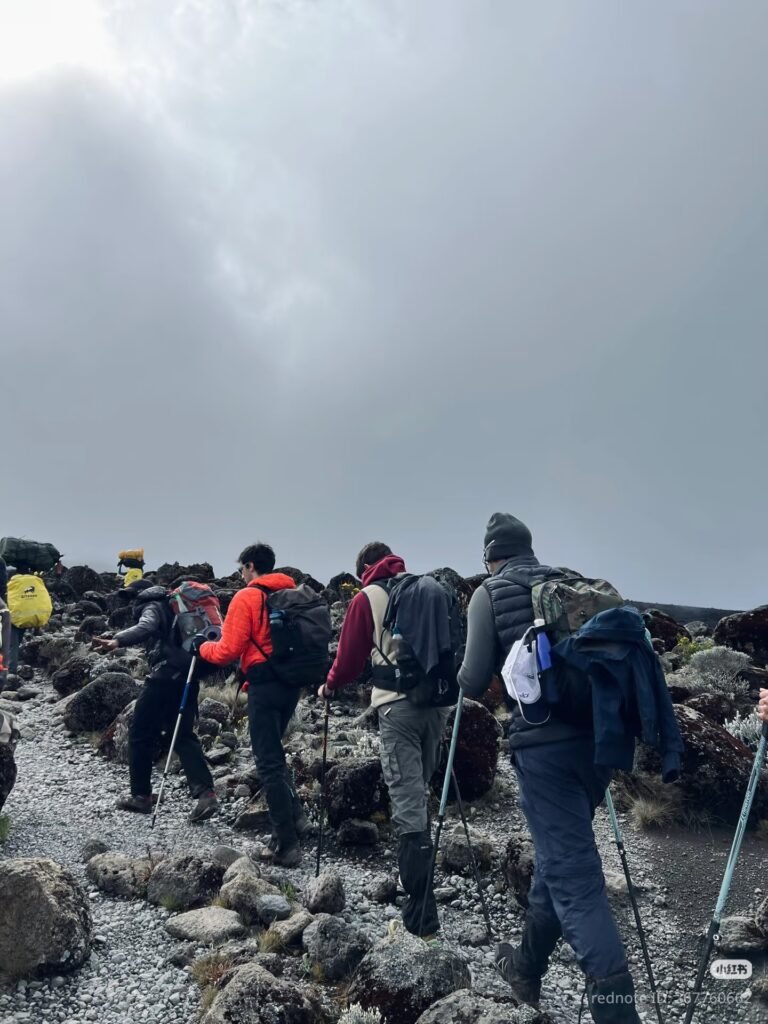
Kilimanjaro And Tanzania Safari Packages – Canadian Travel Guide 2027
- Kilimanjaro and Tanzania Safari Packages – Canadian Travel Guide is explained with current 2027 planning, price, itinerary and booking information.
View package details
Kilimanjaro Trekking Holidays From Ireland : Expert Planning Guide 2027
A comprehensive guide for Irish travelers planning their Mount Kilimanjaro ascent in 2027, covering route selection, logistics, and essential planning steps.
View package detailsKilimanjaro Group Trekking Holidays 2027
- Kilimanjaro Group Trekking Holidays 2027 is explained with current 2027 planning, price, itinerary and booking information.
View package details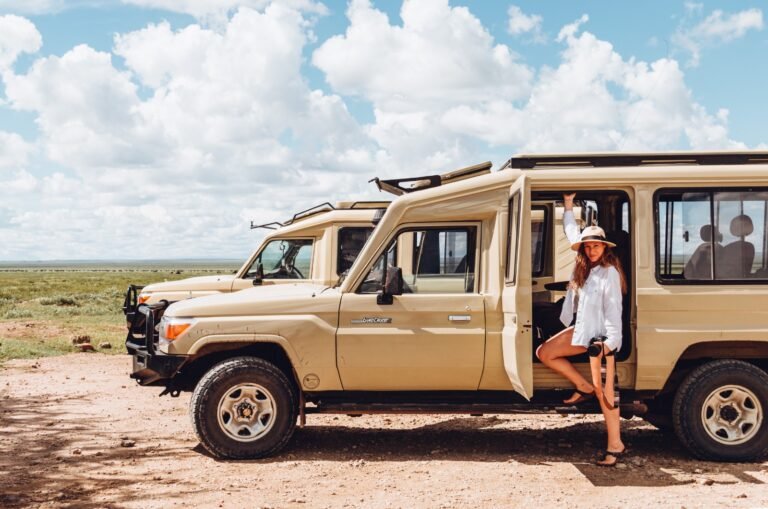
Nov 2, – 1 Day Lake Manyara Group Joining Safari: Plan & Logistics 2026
A practical guide to the November 2, 2026, group-joining safari to Lake Manyara. Learn about the logistics, the benefits of shared transport, and how to book your spot with Climb 4 Africa.
View package details
Kilimanjaro Airport To Zanzibar Flights: Ticket Prices & Airlines 2026-2027
A practical guide to flying from Kilimanjaro International Airport (JRO) to Zanzibar, covering airline choices, baggage logistics for climbers, and how to book your connection.
View package detailsZanzibar To Ruaha National Park Fly-In Safari: Prices & Booking Guide
A practical guide to planning a fly-in safari from Zanzibar to Ruaha National Park, covering flight logistics, itinerary choices, and how to book with Climb 4 Africa.
View package details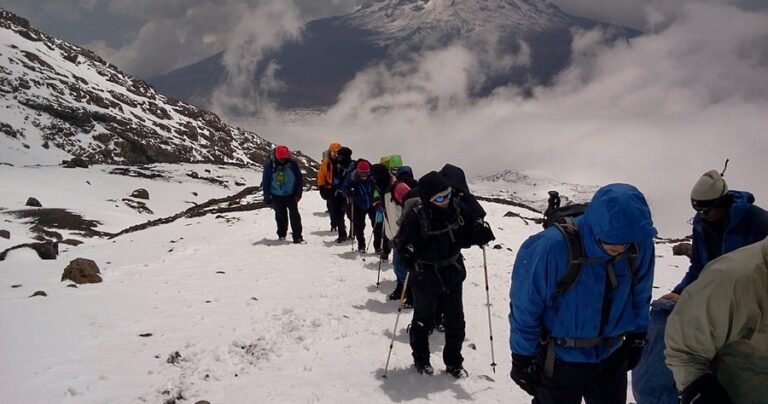
Mount Meru 4-Day Climb: The Complete Guide To Tanzania’s Hidden Peak 2026-2027
A deep look at the 4-day Mount Meru climb, covering the Momella route, altitude considerations, park logistics, and why this peak is the ultimate preparation for Kilimanjaro.
View package details
Kilimanjaro Climb August : Dates And Costs Planning Guide 2026-2027
Expert guide to planning a Kilimanjaro expedition in August 2027. We break down the logistics, cost factors, route choices, and seasonal weather patterns for your summit attempt.
View package details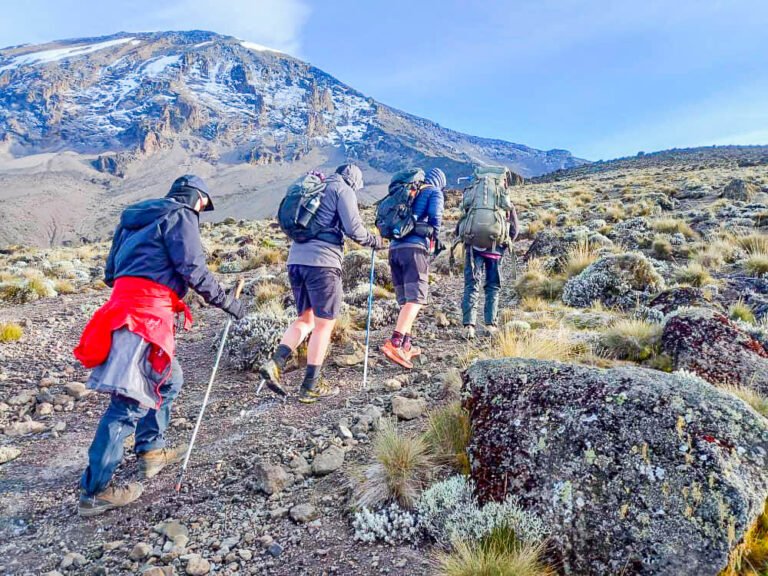
Climbing Kilimanjaro : Prices, Dates, And Routes 2026-2027
A comprehensive guide to planning your 2027 Kilimanjaro expedition, covering route choices, cost factors, and the essential logistics for a successful summit.
View package details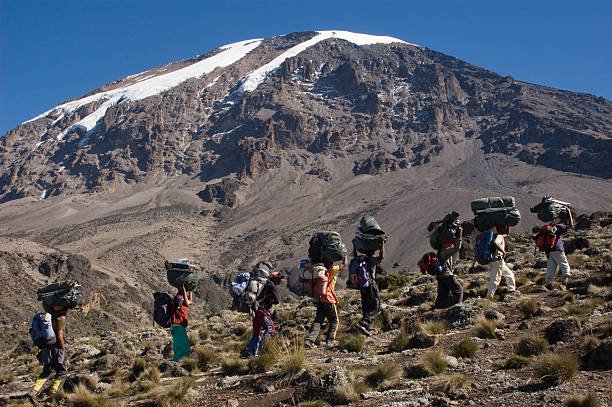
Mount Meru And Kilimanjaro Combo Trip : The Ultimate Acclimatization Strategy
Maximize your Tanzanian trekking success by combining Mount Meru and Kilimanjaro. Get expert planning advice for your 2027 expedition.
View package detailsNo related package matches those filters. Clear one or more filters to see the other topic-matched options.