A 3-week Namibia, Tanzania safari, and Zanzibar holiday offers an exceptional blend of contrasting African experiences, typically involving 7-10 days exploring Namibia’s unique desert wildlife and landscapes, 7-10 days on a classic East African safari in Tanzania’s Serengeti and Ngorongoro, followed by 3-5 days relaxing on Zanzibar’s tropical beaches. This extensive trip requires careful logistical planning, often involving flights between countries, and is best experienced between June and October 2026 or 2027 for optimal wildlife viewing and weather conditions.

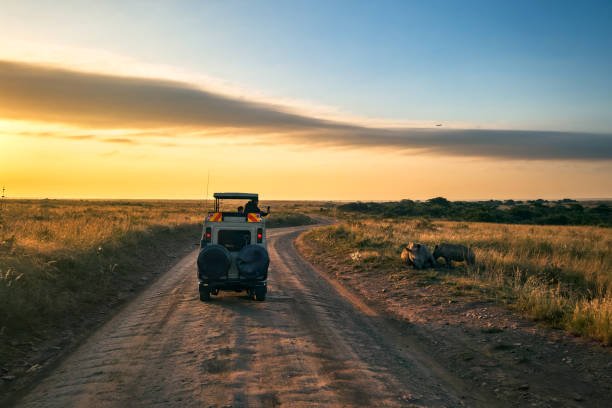
Comprehensive Overview: Your 3 Weeks Namibia, Tanzania Safari & Zanzibar Journey
Embarking on a 3 weeks Namibia Tanzania safari and Zanzibar holiday is a dream trip for many, offering an unparalleled diversity of African landscapes, wildlife encounters, and cultural experiences. This itinerary seamlessly blends the stark, majestic beauty of Namibia’s deserts and coastlines with the classic, wildlife-rich savannas of Tanzania, culminating in the idyllic, spice-scented beaches of Zanzibar. It’s a journey that requires careful coordination, typically spanning around 21 days, and is best planned for the dry seasons of both countries to maximize wildlife viewing opportunities. For 2026 and 2027 travel, booking well in advance is highly recommended, especially for prime migration viewing periods in Tanzania and popular accommodations in Namibia.
This multi-country adventure is not for the faint of heart or the last-minute planner. It involves significant travel time between destinations, often requiring internal flights, and distinct logistical requirements for each country. However, the reward is an extraordinary experience that showcases the very best of southern and eastern Africa. From the towering dunes of Sossusvlei to the vast plains of the Serengeti and the turquoise waters of the Indian Ocean, this 3-week journey promises a lifetime of memories.
Why Combine Namibia, Tanzania, and Zanzibar?
The allure of combining Namibia, Tanzania, and Zanzibar lies in their profound differences, creating a rich mix of experiences that few other itineraries can match. Each destination offers a unique window into Africa’s soul:
- Namibia: The Land of Contrasts. Known for its dramatic desert landscapes, ancient rock art, unique desert-adapted wildlife (like elephants and rhinos), and vast, sparsely populated spaces. It offers a sense of raw, untamed wilderness and photographic opportunities like no other.
- Tanzania: The Classic Safari Heart. Home to the iconic Serengeti, Ngorongoro Crater, and the annual Great Migration, Tanzania is synonymous with the quintessential African safari. Expect vast herds, abundant predators, and the chance to witness nature’s grandest spectacle.
- Zanzibar: The Spice Island Jewel. A tropical archipelago off Tanzania’s coast, offering a serene counterpoint to the safari adventures. Think white-sand beaches, crystal-clear waters, rich history in Stone Town, and the intoxicating aroma of spices.
Together, these three destinations provide a balanced adventure: the thrill of game drives, the awe of natural wonders, and the relaxation of island life. It’s an ideal itinerary for those seeking both adventure and tranquility, wildlife and culture, all within a single, well-managed 3-week trip.
Best Time to Travel for Your 3 Weeks Namibia, Tanzania Safari & Zanzibar Holiday (2026-2027)
Timing is crucial for a trip of this scope, especially when coordinating the best viewing seasons across different climates and ecosystems. For a 3 weeks Namibia Tanzania safari and Zanzibar holiday, the period from June to October 2026 and 2027 is generally considered the prime window.
Namibia: The Dry Season Advantage
Namibia experiences its dry season from May to October. During these months:
- Wildlife congregates around permanent waterholes, making game viewing in parks like Etosha exceptionally reliable.
- Vegetation thins out, improving visibility across the plains.
- The weather is generally cooler and pleasant, with sunny days and cooler nights.
- This period aligns perfectly with the safari season in Tanzania.
Tanzania: Great Migration & Dry Season Peaks
For Tanzania’s renowned wildlife spectacles:
- June to October 2026/2027 is ideal for witnessing the Great Migration in the Serengeti. While the exact location of the herds shifts, this period often sees them in the western or northern Serengeti, potentially including river crossings.
- The dry season means wildlife is concentrated around water sources, and general game viewing across all parks is excellent.
- Temperatures are comfortable, though mornings and evenings can be cool, especially in the crater highlands.
Zanzibar: Tropical Bliss Year-Round
Zanzibar enjoys a tropical climate, making it a pleasant destination year-round. However, the driest months are:
- June to October: These months offer sunny skies, low humidity, and minimal rainfall, making them perfect for beach relaxation after your safaris. This perfectly complements the dry seasons in Namibia and Tanzania.
- December to February: Another dry period, though it can be hotter.
Seasonal Trade-offs to Consider for 2026-2027
While June-October is ideal, consider these points for your 2026-2027 planning:
- Crowds: This is peak season for all three destinations, meaning higher prices and more visitors. Booking your 3 weeks Namibia Tanzania safari and Zanzibar holiday as early as possible for 2026 or 2027 is essential.
- Shoulder Seasons (April-May, November): These months can offer lower prices and fewer crowds, but you might encounter more rain, which can affect road conditions in parks and wildlife visibility. Zanzibar can be humid and have occasional showers.
Crafting Your 3 Weeks Namibia, Tanzania Safari & Zanzibar Itinerary
The sequence of your 3 weeks Namibia Tanzania safari and Zanzibar holiday significantly impacts travel logistics and the overall flow of your trip. There are two primary approaches:
Option 1: Namibia First, Then Tanzania & Zanzibar
This is a common and logical flow, starting with the dramatic landscapes of Namibia and moving east to the classic safari experience, finishing with relaxation.
- Days 1-8/10: Namibia. Arrive in Windhoek, explore Sossusvlei, Swakopmund, Damaraland, and Etosha National Park.
- Day 8/10: Travel Day. Fly from Windhoek (WDH) to Kilimanjaro International Airport (JRO) or Arusha Airport (ARK) in Tanzania. This is a long travel day, often involving a connection.
- Days 9/11-17/19: Tanzania Safari. Begin your Northern Circuit safari, typically covering Tarangire, Lake Manyara, Ngorongoro Crater, and the Serengeti.
- Day 17/19: Travel to Zanzibar. Fly from the Serengeti (or Arusha) to Zanzibar (ZNZ).
- Days 18/20-21: Zanzibar. Enjoy beaches, Stone Town, and relaxation. Depart from Zanzibar.
Pros: Ends with relaxation, good flow from desert to savanna.
Cons: Longest travel day is in the middle of the trip.
Option 2: Tanzania & Zanzibar First, Then Namibia
This option starts with the iconic East African safari and beach break before heading to the unique desert environment.
- Days 1-9/11: Tanzania Safari. Arrive at JRO/ARK, undertake your Northern Circuit safari.
- Day 9/11: Travel to Zanzibar. Fly from Arusha/Serengeti to Zanzibar.
- Days 10/12-13/15: Zanzibar. Relax on the beaches, explore Stone Town.
- Day 13/15: Travel Day. Fly from Zanzibar (ZNZ) to Windhoek (WDH), Namibia. This is another significant travel day.
- Days 14/16-21: Namibia. Explore Namibia’s highlights. Depart from Windhoek.
Pros: Safari and beach relaxation are combined, potentially easier international flight connections at the start.
Cons: Ends with the more logistically complex Namibia portion, potentially requiring a longer internal flight to connect to international departures.
Customization Note for 2026-2027 Bookings
These are just framework options. For your 3 weeks Namibia Tanzania safari and Zanzibar holiday in 2026 or 2027, we can tailor the number of days in each location based on your interests. For instance, if you’re a keen photographer, you might allocate more time to Namibia’s landscapes or the Serengeti’s wildlife. If pure relaxation is key, extend your Zanzibar stay. Early consultation is vital for securing preferred lodges and flights, especially for peak season 2026-2027 travel.
Namibia: A World Apart (Approx. 7-10 Days)
Namibia is a photographer’s paradise and an adventurer’s dream. Its vast, dramatic landscapes and unique wildlife create an unforgettable experience. For a 7-10 day segment of your 3 weeks Namibia Tanzania safari and Zanzibar holiday, you can cover the highlights.
Arrival in Windhoek & Gateway to the Desert
Your journey typically begins in Windhoek (Hosea Kutako International Airport – WDH). Depending on your arrival time, you might spend a night here to acclimatize before heading out into the wilderness. Windhoek offers a glimpse into Namibian culture and a chance to stock up on any last-minute essentials.
Sossusvlei & Deadvlei: Iconic Red Dunes
This is arguably Namibia’s most iconic landscape. Spend 1-2 nights in the Sossusvlei area. Key experiences include:
- Climbing Dune 45 or Big Daddy for sunrise.
- Exploring the surreal, ancient camel thorn trees of Deadvlei.
- Visiting the Sesriem Canyon.
The drive from Windhoek to Sossusvlei takes about 4-5 hours. Staying inside the park gates (Sesriem Campsite or Sossus Dune Lodge) allows for early access to the dunes before the general public.
Swakopmund & Walvis Bay: Coastal Adventures
A 3-4 hour drive from Sossusvlei brings you to the coastal towns of Swakopmund and Walvis Bay. This area offers a stark contrast with its cooler climate and marine life.
- Activities: Dolphin and seal cruises in Walvis Bay, kayaking, sandboarding, quad biking in the dunes, scenic flights over the Skeleton Coast.
- Wildlife: Marine Big 5 (dolphins, seals, whales, turtles, fish), flamingos in Walvis Bay lagoon.
- Accommodation: Swakopmund offers a range of guesthouses and hotels.
Allow 2 nights here to experience the diverse activities.
Damaraland: Desert-Adapted Wildlife & Ancient Art
Driving north from Swakopmund, Damaraland is a rugged, mountainous region famed for its desert-adapted elephants, black rhinos, and ancient rock engravings at Twyfelfontein (a UNESCO World Heritage Site).
- Key sites: Twyfelfontein, Organ Pipes, Burnt Mountain.
- Activities: Guided drives to track desert elephants, rhino tracking, exploring ancient rock art.
- Accommodation: Lodges are often remote and offer guided excursions.
Allocate 2 nights to explore this unique geological and cultural landscape.
Etosha National Park: Waterhole Spectacles
Etosha is Namibia’s premier wildlife destination. It’s centered around a vast salt pan, with wildlife congregating at waterholes, making for exceptional viewing.
- Key Feature: The Etosha Pan and numerous waterholes.
- Wildlife: Known for its large elephant herds, lions, leopards, rhinos, giraffes, zebras, springbok, and diverse birdlife.
- Accommodation: Options range from park-run rest camps (Okaukuejo, Halali, Namutoni) to private lodges outside the park. Okaukuejo’s floodlit waterhole is legendary.
Spend 2-3 nights here, focusing on game drives around the waterholes.
Namibia Travel Style: Self-Drive vs. Guided Safari
Namibia is famously a self-drive destination due to its vast distances and well-maintained (though often gravel) roads. A 4×4 vehicle is highly recommended for comfort and capability. However, for a 3 weeks Namibia Tanzania safari and Zanzibar holiday, especially if you prefer not to navigate long distances or manage logistics yourself, a guided safari is an excellent alternative. This allows you to relax and focus on the scenery and wildlife, with an expert guide handling navigation and vehicle management. For 2026-2027, booking a guided safari will streamline your multi-country trip significantly.
Namibia Accommodation Options
Namibia offers a range from basic campsites to luxurious lodges:
- Campsites: Well-equipped, often with ablution blocks.
- Guesthouses/B&Bs: Common in towns like Swakopmund and Windhoek.
- Lodges: Range from mid-range to ultra-luxury, often in stunning locations and offering guided activities.
- Park Rest Camps: Basic but functional, offering rooms and campsites within national parks.
Tanzania Safari: The Heart of the Wild (Approx. 7-10 Days)
Tanzania is the jewel of East African safaris, offering iconic landscapes and unparalleled wildlife density. For your 3 weeks Namibia Tanzania safari and Zanzibar holiday, focusing on the Northern Circuit is the most logical and rewarding choice.
Arrival in Tanzania & Safari Gateway
After your travel from Namibia, you’ll typically fly into Kilimanjaro International Airport (JRO) or Arusha Airport (ARK). Arusha is the primary hub for Northern Circuit safaris. You’ll usually spend your first night here to rest and prepare for the safari ahead. Your tour operator will brief you on the upcoming adventure.
Tarangire National Park: Elephants and Baobabs
Often the first stop on a Northern Circuit safari, Tarangire is famous for its large elephant herds and ancient baobab trees. It offers a different landscape from the Serengeti, with rolling hills and riverine forests.
- Key Attractions: Large elephant populations, diverse birdlife, tree-climbing pythons (rarely seen but present), baobab trees.
- Best Time: Dry season (June-October) when animals congregate near the Tarangire River.
A full day or an overnight stay here is recommended.
Lake Manyara National Park: Tree-Climbing Lions
Though small, Lake Manyara is renowned for its tree-climbing lions, a unique phenomenon. It also boasts a large population of baboons and diverse birdlife along its alkaline lake.
- Key Attractions: Tree-climbing lions, large baboon troops, abundant birdlife, flamingoes on the lake.
- Activities: Game drives, canopy walks (optional).
Often visited as a half-day or full-day excursion en route to the Ngorongoro Conservation Area.
Ngorongoro Crater: A Wildlife Caldera
The Ngorongoro Crater is a UNESCO World Heritage Site and a natural wonder. This vast caldera, formed by a collapsed volcano, supports an incredible density of wildlife year-round, including the Big Five.
- Key Attractions: High concentration of predators (lions, hyenas, cheetahs), black rhinos, large herds of wildebeest and zebra, hippos, diverse birdlife.
- Experience: A full day spent on the crater floor offers exceptional game viewing. Accommodation is typically on the crater rim or just outside the conservation area.
- Note: Strict limits on visitor numbers and time spent on the crater floor are in place.
Allocate at least one full day for the crater itself.
Serengeti National Park: The Great Migration & Endless Plains
The Serengeti is the heart of the safari experience, famous for its vast plains and the annual Great Migration of over 1.5 million wildebeest and zebras.
- Key Attractions: The Great Migration (location varies by season), high predator concentrations (lions, leopards, cheetahs), diverse herbivores, vast open landscapes.
- Regions: Central Serengeti (Seronera) offers good game viewing year-round. The Western Corridor is known for Grumeti River crossings (May-July), and the Northern Serengeti for Mara River crossings (July-October).
- Accommodation: Ranges from luxury tented camps to lodges, strategically located to follow the migration or be in prime wildlife areas.
You’ll need at least 2-3 nights in the Serengeti to truly appreciate its scale and wildlife.
Focusing on the Great Migration in 2026-2027
If witnessing the Great Migration is a priority for your 3 weeks Namibia Tanzania safari and Zanzibar holiday in 2026 or 2027, precise planning is needed. For June-October, the herds are typically in the northern Serengeti, with river crossings often occurring between July and September. Booking lodges or tented camps in the Northern Serengeti during this period is essential and requires booking up to a year in advance.
Tanzania Safari Vehicles & Guides
Safari vehicles in Tanzania are typically custom-built 4×4 Land Cruisers or Land Rovers, equipped with pop-up roofs for excellent viewing and photography. You will be accompanied by an experienced, English-speaking safari guide who is knowledgeable about the local wildlife, flora, and fauna. For group tours, you’ll share a vehicle; for private tours, you’ll have your own vehicle and guide.
Tanzania Safari Accommodation Tiers
Tanzania offers a spectrum of accommodation:
- Budget: Safari lodges and tented camps with basic amenities, often outside park boundaries.
- Mid-Range: Comfortable lodges and tented camps with en-suite facilities, good service, and excellent locations within or near parks.
- Luxury: High-end lodges and exclusive tented camps offering gourmet dining, private verandas, exceptional service, and prime locations, often with exclusive game viewing areas.
Zanzibar: Spice Island Paradise (Approx. 3-5 Days)
After the dust and drama of safari, Zanzibar offers a tranquil, tropical conclusion to your 3 weeks Namibia Tanzania safari and Zanzibar holiday.
Flying to Zanzibar: smooth Transition
From Arusha or the Serengeti airstrips, you’ll take a short domestic flight to Zanzibar International Airport (ZNZ). This is the most efficient way to reach the island, saving considerable travel time compared to driving and taking a ferry. Your transfer from the airport to your accommodation will be arranged.
Stone Town: UNESCO Heritage & Spice Tours
Begin your Zanzibar experience with a day or two in Stone Town, a UNESCO World Heritage site and the historic heart of the island.
- Explore: Wander through its labyrinthine alleys, discover intricately carved wooden doors, visit the House of Wonders, the Old Fort, and the former slave market.
- Spice Tours: A must-do is a guided spice tour to learn about the cultivation and uses of cloves, nutmeg, cinnamon, vanilla, and tropical fruits.
- Culture: Experience the vibrant mix of Swahili, Arab, Indian, and European influences.
Stay in a boutique hotel within Stone Town for an in-depth experience.
Nungwi & Kendwa: Pristine Northern Beaches
Located on the northern tip of the island, Nungwi and Kendwa are famous for their powdery white sand, crystal-clear turquoise waters, and spectacular sunsets. They offer a lively atmosphere with plenty of beach bars and restaurants.
- Activities: Swimming, sunbathing, snorkeling, diving, sunset dhow cruises, visiting the Mnarani Marine Turtle Conservation Pond.
- Atmosphere: Generally more developed and busier than the east coast.
Ideal for those seeking beautiful beaches and a good social scene.
Paje & Jambiani: Kite Surfing & Laid-back Vibes
The southeast coast, including Paje and Jambiani, is characterized by vast tidal flats, making it a world-renowned destination for kite surfing and windsurfing. It offers a more relaxed, local feel.
- Activities: Kite surfing (Paje is a hub), windsurfing, snorkeling, diving, visiting local villages, exploring the Jozani Forest (home to Red Colobus monkeys).
- Atmosphere: Laid-back, authentic, with beautiful, albeit tide-dependent, beaches.
Perfect for water sports enthusiasts or those seeking a quieter island escape.
Zanzibar Activities Beyond the Beach
Beyond relaxing and water sports, Zanzibar offers:
- Prison Island: Visit to see giant tortoises and snorkel.
- Jozani Forest: Home to the endemic Red Colobus monkeys.
- Diving & Snorkeling: Particularly around Mnemba Atoll.
- Local Markets: experience the local culture and cuisine.
Zanzibar Accommodation Styles
From charming guesthouses in Stone Town to luxurious beachfront resorts and rustic bungalows, Zanzibar caters to all tastes and budgets. Consider splitting your stay between Stone Town and a beach location for a varied experience.
Logistics and Travel Between Countries for Your 3 Weeks Namibia, Tanzania Safari & Zanzibar Holiday
Coordinating travel between Namibia and Tanzania, and then to Zanzibar, requires attention to detail. This is where a specialist tour operator excels, particularly for 2026-2027 bookings.
International Flights
Your international flights will likely arrive in Windhoek (WDH) and depart from Zanzibar (ZNZ) or vice versa, or potentially involve returning to a major hub like Nairobi or Dar es Salaam after Zanzibar. Booking an “open-jaw” ticket is often the most efficient for multi-country trips.
Inter-Africa Flights: Key Connections
The most critical travel legs are the flights between Namibia and Tanzania, and then to Zanzibar:
- Windhoek (WDH) to Kilimanjaro (JRO) / Arusha (ARK): This is a long flight, typically 5-8 hours, often with a stopover in Johannesburg (South Africa) or Nairobi (Kenya). These flights are operated by airlines like Ethiopian Airlines, Kenya Airways, or Airlink.
- Arusha (ARK) / Serengeti Airstrip to Zanzibar (ZNZ): Short flights (approx. 1-2 hours) are available from Arusha or various Serengeti airstrips. These are usually operated by local carriers like Precision Air or Coastal Aviation.
- Zanzibar (ZNZ) to Dar es Salaam (DAR): Frequent short flights connect Zanzibar to the mainland, from where you can connect to international flights.
Booking these flights well in advance is crucial for securing availability and the best prices, especially for 2026-2027 peak season travel.
Visa Requirements
Visa requirements vary by nationality. Research these thoroughly for both Namibia and Tanzania well before your trip.
- Namibia: Many nationalities receive a visa on arrival or visa-free for short stays. Check the Namibian Ministry of Home Affairs website.
- Tanzania: Most nationalities require a visa. This can often be obtained online (e-visa) or on arrival, but applying in advance is recommended to avoid delays.
- Zanzibar: Zanzibar is part of Tanzania, so your Tanzanian visa covers your stay.
Always consult the official government immigration websites of each country for the most up-to-date information.
Health and Vaccinations
Consult your doctor or a travel clinic 4-6 weeks before your trip regarding recommended vaccinations and malaria precautions.
- Malaria: Both Namibia and Tanzania (including Zanzibar) are malaria-risk areas. Prophylaxis and insect repellent are essential.
- Yellow Fever: A Yellow Fever vaccination certificate may be required, especially if arriving from or transiting through a country with a risk of Yellow Fever. Check current regulations.
- Other Vaccinations: Hepatitis A, Typhoid, Tetanus, and Diphtheria are often recommended.
Travel Insurance
Comprehensive travel insurance is non-negotiable. Ensure it covers:
- Medical emergencies, including evacuation.
- Trip cancellation and interruption.
- Lost or delayed baggage.
- Activities like game drives, hiking, and water sports.
Currency and Budgeting
You will need multiple currencies:
- Namibia: Namibian Dollar (NAD), which is pegged 1:1 to the South African Rand (ZAR). ZAR is widely accepted.
- Tanzania: Tanzanian Shilling (TZS). USD is widely accepted for tourist services (safaris, lodges) and is often preferred. Carry smaller denominations.
- Zanzibar: USD is accepted, but TZS is useful for local markets and smaller purchases.
ATMs are available in major towns, but carrying a mix of USD cash and credit/debit cards is advisable. Inform your bank of your travel plans.
Packing Essentials for a 3-Week Multi-Destination Trip
Packing for such a diverse trip requires versatility. Layering is key, as temperatures can vary significantly between desert days, cool safari mornings, and tropical island heat.
Clothing
- Neutral-colored, breathable clothing: Earth tones (khaki, beige, olive green) are best for safaris to avoid startling wildlife. Avoid bright colors and dark blue/black (attracts tsetse flies).
- Lightweight long-sleeved shirts and trousers: For sun protection and to ward off insects.
- Warm layers: Fleece jacket, down vest, or warm sweater for cool mornings and evenings on safari.
- T-shirts and tops.
- Shorts or skirts (for warmer days, especially in Zanzibar).
- Swimsuit for Zanzibar.
- A smart-casual outfit for any nicer dinners.
Footwear
- Comfortable walking shoes or hiking boots: Broken-in and suitable for light walking or lodge grounds.
- Sandals or flip-flops: For relaxing in Zanzibar and around lodges.
- Closed-toe shoes for evenings.
Health and Safety Gear
- Personal first-aid kit: Including any personal medications, blister treatment, antiseptic wipes, pain relievers.
- Insect repellent: With DEET.
- Sunscreen: High SPF.
- After-sun lotion.
- Hand sanitizer.
- Malaria medication (as prescribed by your doctor).
Electronics
- Camera and accessories: Extra batteries, memory cards, zoom lens.
- Power bank.
- Universal travel adapter and voltage converter (Namibia and Tanzania use 220-240V, Type D and G plugs are common).
- Binoculars: Essential for wildlife viewing.
Documents
- Passport: Valid for at least 6 months beyond your stay, with blank pages.
- Visas (if required).
- Flight tickets and confirmations.
- Travel insurance details.
- Copies of all important documents (stored separately).
- Vaccination certificates (e.g., Yellow Fever).
Miscellaneous Items
- Sun hat or cap.
- Sunglasses.
- Reusable water bottle.
- Small backpack or daypack for daily excursions.
- Dry bag (useful for boat trips or beach days).
- A good book for downtime.
Tip: Pack light, as luggage allowances on internal flights can be strict, especially for small bush planes. Soft duffel bags are often preferred over hard suitcases.
Budgeting Your 3 Weeks Namibia, Tanzania Safari & Zanzibar Holiday (2026-2027)
A trip combining three distinct destinations like Namibia, Tanzania, and Zanzibar represents a significant investment. The cost will depend heavily on your chosen accommodation level, safari style (private vs. group), and the season of travel. Planning for 2026 or 2027 means understanding these factors.
Key Cost Factors
- Accommodation: This is typically the largest expense. Luxury lodges in Namibia and Tanzania can be very costly, while mid-range options offer a great balance. Zanzibar has a wide range from budget guesthouses to high-end resorts.
- Transportation: Internal flights between countries are a significant cost. Self-drive in Namibia has rental costs, fuel, and park fees. Guided safaris include vehicle and driver costs.
- Park Fees: Namibia and Tanzania have daily park entry fees which add up.
- Activities: Optional activities like scenic flights, hot air ballooning, diving, or specialized tracking tours will increase the budget.
- Time of Year: Peak season (June-October 2026/2027) will be more expensive than shoulder or low seasons.
- Private vs. Group: Private safaris are considerably more expensive than joining a small group.
Typical Budget Ranges (Per Person, Excluding International Flights)
These are approximate estimates for a 21-day trip, assuming mid-range to upper-mid-range travel in 2026-2027:
- Mid-Range: $7,500 – $12,000 USD per person. This would include comfortable lodges, small group or well-priced private safaris, and standard beach accommodation.
- Luxury: $12,000 – $20,000+ USD per person. This level features high-end lodges, exclusive camps, private guides and vehicles, and premium beach resorts.
Note: These figures exclude international flights, visas, travel insurance, personal expenses, and tips.
Cost-Saving Tips for 2026-2027 Travel
- Travel in the shoulder season: If your schedule allows, consider April-May or November for potentially lower rates.
- Opt for small group tours: Sharing costs with other travelers significantly reduces individual expenses.
- Balance accommodation: Mix high-end lodges with more moderately priced options.
- Limit optional activities: Focus on the core safari and beach experiences.
- Book early: Especially for 2026-2027 peak season, early booking can sometimes secure better rates or preferred lodges before they sell out.
What is Usually Included in Tour Packages?
Most reputable tour operators for a 3 weeks Namibia Tanzania safari and Zanzibar holiday will include:
- Accommodation for the duration of the trip.
- Most meals (full board on safari, often breakfast in Zanzibar).
- All park entrance fees and conservation fees.
- Ground transportation in a 4×4 safari vehicle with an English-speaking guide in Namibia and Tanzania.
- Internal flights (e.g., Arusha to Zanzibar), but *not* international flights.
- Activities as specified in the itinerary (e.g., game drives).
- Airport transfers.
Exclusions typically are: International flights, visas, travel insurance, tips for guides and staff, personal expenses, alcoholic beverages, and optional activities.
Booking Your 3 Weeks Namibia, Tanzania Safari & Zanzibar Holiday
Planning and booking a multi-country African adventure like this requires expertise. Working with a specialist tour operator is highly recommended to ensure a smooth and memorable experience for your 2026 or 2027 travels.
Why Work with a Specialist Tour Operator?
A company like Climb 4 Africa, with extensive experience in Tanzania and connections across Africa, can:
- Craft the perfect itinerary: Tailoring the 3 weeks Namibia Tanzania safari and Zanzibar holiday to your interests, budget, and pace.
- Handle complex logistics: Coordinating flights between countries, ground transfers, and accommodation bookings across different regions.
- Provide expert advice: Guidance on the best times to visit, optimal routes, visa requirements, health precautions, and packing.
- Secure preferential rates: Due to established relationships with lodges and transport providers.
- Offer on-the-ground support: Ensuring smooth operations during your trip and providing assistance if any issues arise.
Key Booking Considerations for 2026-2027
- Book Early: For peak season 2026-2027 travel, especially if you have specific lodge preferences or wish to see the Great Migration river crossings, booking 9-12 months in advance is crucial.
- Understand Inclusions: Carefully review what is and isn’
Check Availability for 3 Weeks Namibia Tanzania Safari And Zanzibar Holiday 2026-2027
Ready to compare dates, prices, and the best option for your group? Send the package name and travel month so the team can reply with a clear quote, availability, and what is included.
12 closely related packages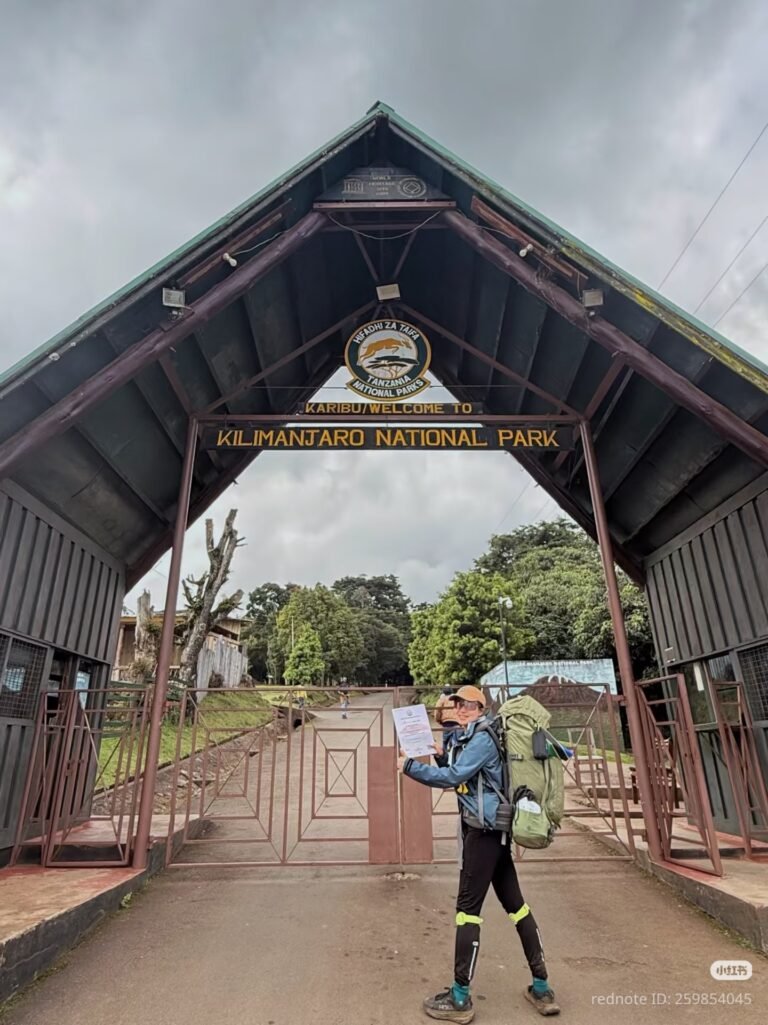
Tanzania Kilimanjaro And Safari Holiday Packages 2027
An expert, long-form guide to combining Kilimanjaro treks with Tanzania safaris and Zanzibar experiences, with practical planning and booking guidance for 2027.
View package details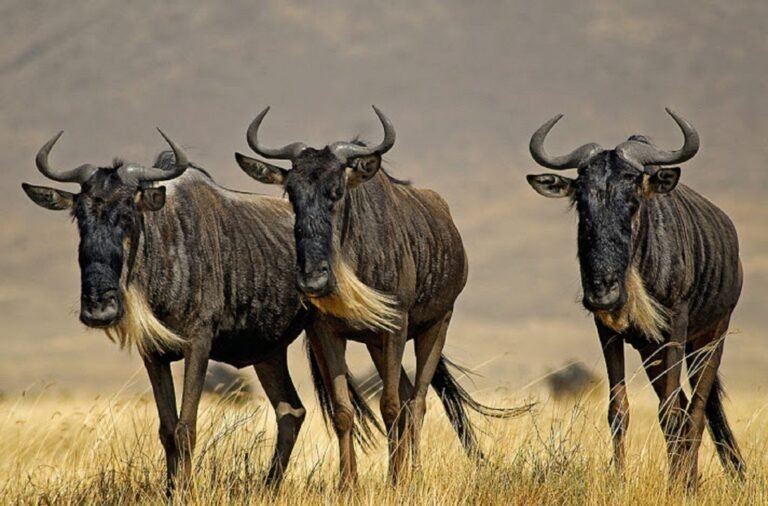
Nov 23, – 3 Day Serengeti And Ngorongoro Safari From Zanzibar
Nov 23, 2026 – 3 Day Serengeti and Ngorongoro Safari from Zanzibar.
View package details_1_John_from-rednote-web-768x1024.jpg)
Dec 13, – 2 Day Nyerere Fly-In Group Safari From Zanzibar 2026
A detailed guide to the December 13, 2026 group fly-in safari from Zanzibar to Nyerere National Park, covering the itinerary, logistics, and planning for your trip.
View package details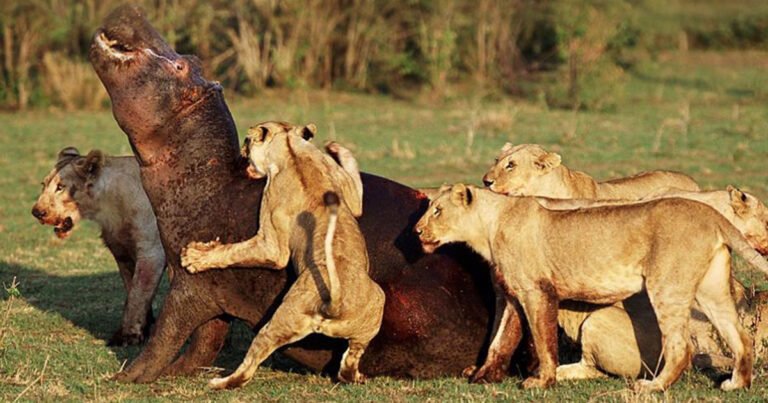
Dec 5, – 1 Day Mikumi Fly-In Group Safari From Zanzibar 2026
A practical guide to the December 5, 2026, group fly-in safari to Mikumi National Park. Learn about the itinerary, group logistics, and how to book your seat.
View package details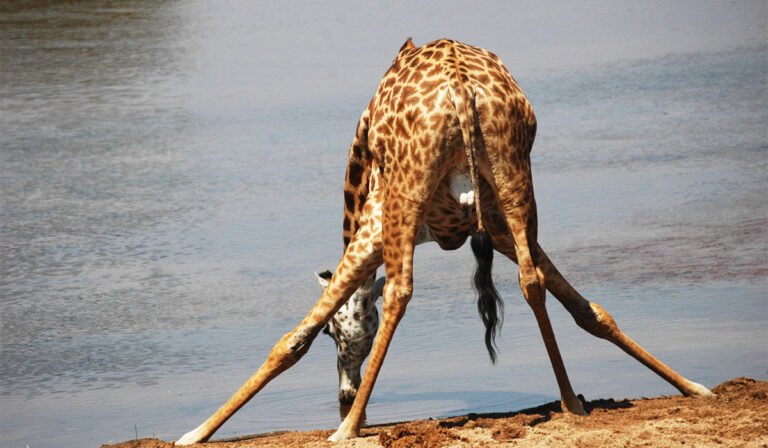
Nov 15, – 2 Day Mikumi Fly-In Group Safari From Zanzibar 2026
A practical guide and booking overview for the November 15, 2026, group fly-in safari to Mikumi National Park, departing from Zanzibar.
View package details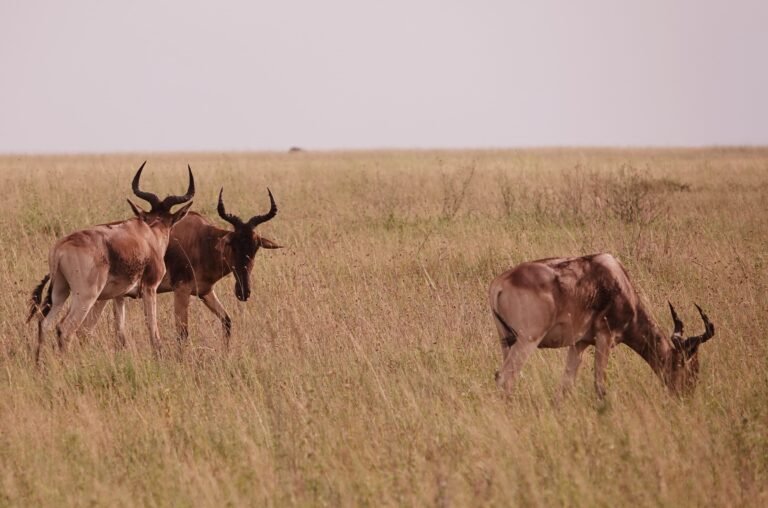
Oct 25, – 1 Day Nyerere Fly-In Group Safari From Zanzibar 2026
Secure your spot for the October 25, 2026, group fly-in safari to Nyerere National Park. A professional, time-efficient wildlife experience from Zanzibar.
View package details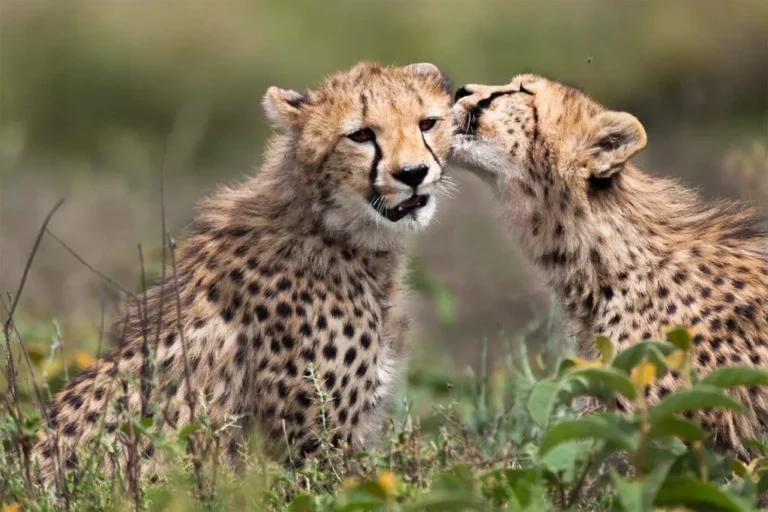
Nov 28, – 3 Day Fly-In Serengeti Group Safari From Zanzibar 2026
A detailed look at the 3-day fly-in Serengeti group safari departing November 28, 2026, including logistics, itinerary highlights, and travel tips for your Tanzania adventure.
View package details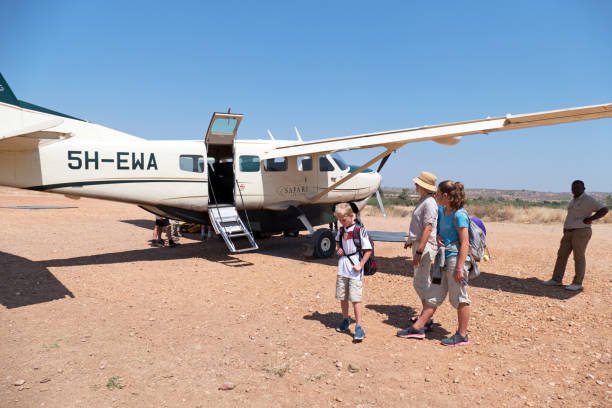
2-Day Serengeti Safari From Zanzibar By Flight: Price & Booking Guide
A practical guide to booking a 2-day Serengeti safari from Zanzibar by flight, covering itinerary logistics, cost considerations, and how to maximize your short time in the bush.
View package details
Luxury Fly-In Safari From Zanzibar: Private Packages For 2026-2027
Experience the ultimate Tanzanian getaway with a luxury fly-in safari from Zanzibar. Discover private, all-inclusive packages tailored for smooth wildlife encounters.
View package detailsBudget Fly-In Safari From Zanzibar: Best Packages & Prices 2026-2027
Discover how to plan a budget-friendly fly-in safari from Zanzibar to Tanzania's top parks without sacrificing the quality of your wildlife experience.
View package detailsZanzibar To Ruaha National Park Fly-In Safari: Prices & Booking Guide
A practical guide to planning a fly-in safari from Zanzibar to Ruaha National Park, covering flight logistics, itinerary choices, and how to book with Climb 4 Africa.
View package details2-Day Nyerere Safari From Zanzibar: Flight-Inclusive Package Prices 2026-2027
An expert guide to planning a 2-day Nyerere safari from Zanzibar, covering flight-inclusive package structures, cost drivers, and the practical rhythm of a short-stay wildlife adventure.
View package detailsNo related package matches those filters. Clear one or more filters to see the other topic-matched options.