
Trekking Kilimanjaro via the 8-day Lemosho Route offers an excellent balance between acclimatization, scenic beauty, and a high success rate for reaching Uhuru Peak. This longer itinerary allows for a more gradual ascent, significantly improving your body’s adaptation to the altitude, which is crucial for a safe and enjoyable climb. The route starts on the western side of Kilimanjaro, traversing diverse landscapes before merging with the Machame Route for the final push to the summit and descent.
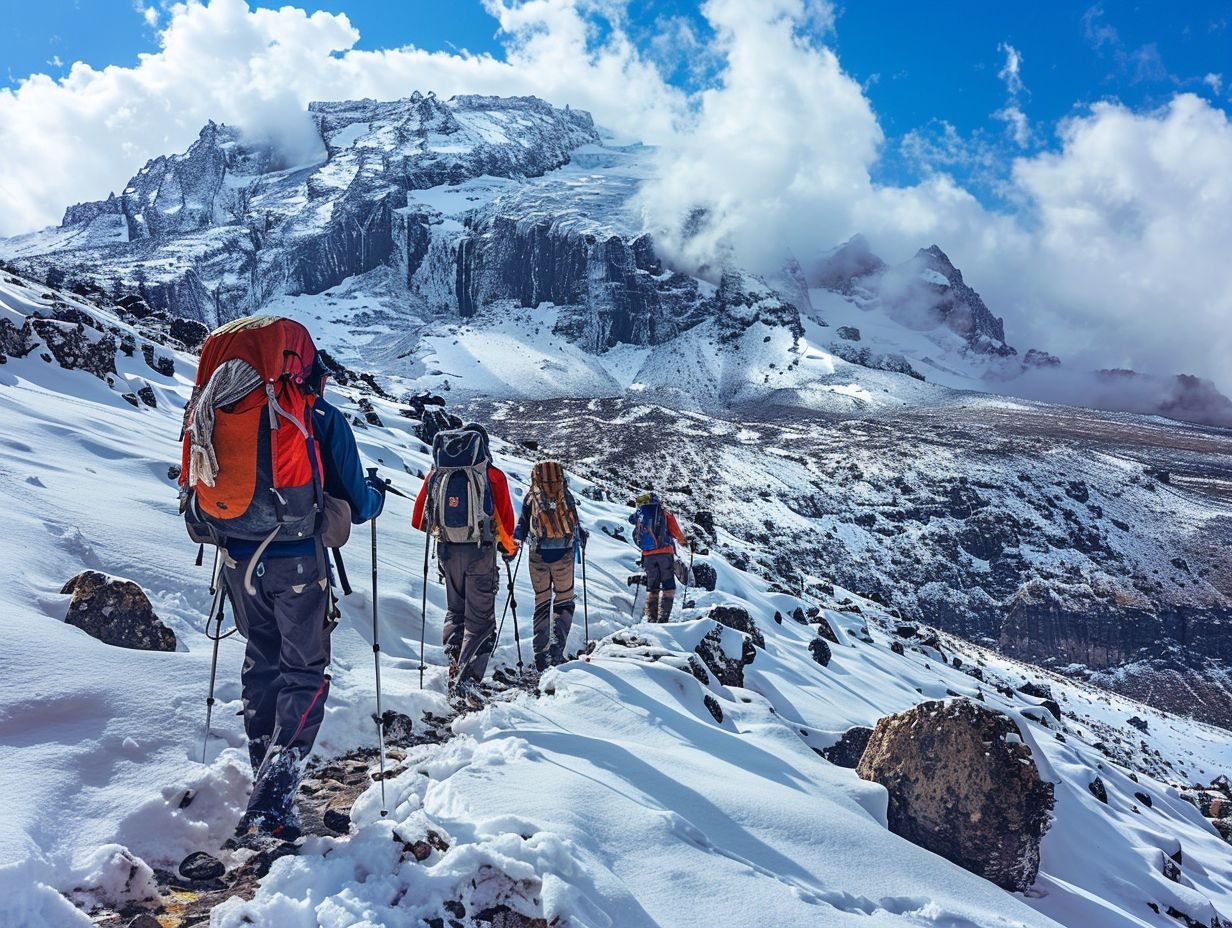
Choosing the right route for your Kilimanjaro ascent is one of the most critical decisions you’ll make when planning your climb. Among the most recommended options, especially for those prioritizing acclimatization and a rewarding experience, is the 8-day Lemosho Route. This itinerary is celebrated for its stunning scenery, relatively low crowds in the initial days, and a well-paced progression that aids in successful summit attempts. For trekkers considering a climb in 2026 or 2027, understanding the nuances of the Lemosho route is key to a well-prepared adventure.
Understanding the 8-Day Lemosho Route’s Appeal
The Lemosho Route is often considered one of Kilimanjaro’s more picturesque paths, originating on the western flank of the mountain. Its popularity stems from several key factors that contribute to a safer and more enjoyable trek:
- Superior Acclimatization: The 8-day duration provides an extra day for acclimatization compared to shorter itineraries, significantly increasing your chances of reaching the summit comfortably. This gradual ascent allows your body more time to adapt to the thinning air.
- Scenic Variety: The initial days traverse the remote and lush Shira Plateau, offering impressive views and a sense of wilderness that is less common on other routes.
- Higher Success Rates: Due to the extended acclimatization period, the 8-day Lemosho Route typically boasts higher summit success rates than its 7-day counterparts.
- Lower Crowds Initially: Starting on the less-travelled western side means you’ll encounter fewer trekkers in the first couple of days, allowing for a more serene experience.
While the 7-day Lemosho is also an option, the 8-day version is generally preferred by our team at Climb 4 Africa for its enhanced acclimatization profile. For 2026-2027 climbs, booking this route ensures you’re on a path designed for success.
The 8-Day Lemosho Route Itinerary: A Day-by-Day Breakdown
The 8-day Lemosho Route is structured to maximize acclimatization and enjoyment. Here’s a typical day-by-day breakdown, detailing the ascent, descent, and key landmarks:
Day 1: Londorossi Gate to Mti Mkubwa Camp
Start Point: Londorossi Gate (2,360m / 7,742ft)
End Point: Mti Mkubwa Camp (2,820m / 9,252ft)
Trekking Time: 3-4 hours
Trekking Distance: 6 km / 3.7 miles
Habitat: Montane forest
Your Kilimanjaro adventure begins at the Londorossi Gate, located on the western side of the mountain. After completing park formalities, you’ll drive a short distance to the trailhead. The trek today is relatively short and gentle, leading you through the dense montane rainforest. This is a fantastic opportunity to spot Colobus monkeys and various bird species. The goal is to reach Mti Mkubwa Camp (meaning ‘Big Tree Camp’), where you’ll spend your first night surrounded by the sounds of the forest.
Local Insight: The forest zone is rich in biodiversity. Keep an eye out for unique flora and fauna. The relatively low altitude gain on day one helps ease you into the trek.
Day 2: Mti Mkubwa Camp to Shira 2 Camp
Start Point: Mti Mkubwa Camp (2,820m / 9,252ft)
End Point: Shira 2 Camp (3,850m / 12,631ft)
Trekking Time: 6-7 hours
Trekking Distance: 14 km / 8.7 miles
Habitat: Moorland
Today involves a significant altitude gain as you leave the forest behind and enter the moorland zone. The trail ascends steadily, offering increasingly dramatic views of the surrounding landscape. You’ll cross the Shira Ridge and descend slightly to the Shira Plateau, a vast, windswept expanse. Your camp for the night, Shira 2 Camp, is situated on this plateau, offering stunning sunset views over the plains below. This is a substantial jump in altitude, so staying hydrated and moving slowly is crucial.
Acclimatization Note: This day is key for acclimatization. While the distance is considerable, the pace is kept slow. You’ll notice the air getting thinner, and temperatures will drop significantly as you gain altitude.
Day 3: Shira 2 Camp to Lava Tower to Barranco Camp
Start Point: Shira 2 Camp (3,850m / 12,631ft)
End Point: Barranco Camp (3,950m / 12,959ft)
Trekking Time: 7-8 hours
Trekking Distance: 12 km / 7.5 miles
Habitat: Alpine desert
This day is a prime example of the ‘climb high, sleep low’ acclimatization strategy. You’ll trek east across the Shira Plateau towards the Lava Tower (4,630m / 15,190ft), a prominent volcanic plug. This high-altitude point provides spectacular views. After a break at Lava Tower, you’ll begin your descent to Barranco Camp, which sits at a lower altitude than where you started the day. This descent is vital for allowing your body to acclimatize more effectively overnight.
Key Feature: The Lava Tower is one of the highest points you’ll reach on Kilimanjaro without climbing to the summit. The dramatic change in landscape as you move into the alpine desert zone is remarkable.
Day 4: Barranco Camp to Karanga Camp
Start Point: Barranco Camp (3,950m / 12,959ft)
End Point: Karanga Camp (4,200m / 13,780ft)
Trekking Time: 4-5 hours
Trekking Distance: 5 km / 3.1 miles
Habitat: Alpine desert
Today’s trek is shorter in distance but involves a significant challenge: the Barranco Wall. This is a steep, almost vertical climb that requires scrambling and using your hands. While it looks daunting, it’s a well-trodden path and is managed by guides and porters. Reaching the top of the Barranco Wall is a major achievement and offers incredible views. You’ll then descend slightly before ascending to Karanga Camp, situated in a valley with stunning vistas.
The Barranco Wall: This is a highlight for many trekkers. It’s not technically difficult but requires a good level of fitness and confidence. The views from the top are your reward.
Day 5: Karanga Camp to Barafu Camp
Start Point: Karanga Camp (4,200m / 13,780ft)
End Point: Barafu Camp (4,640m / 15,223ft)
Trekking Time: 4-5 hours
Trekking Distance: 4 km / 2.5 miles
Habitat: Alpine desert
The landscape becomes increasingly barren and rocky as you ascend towards Barafu Camp. This camp is located on a rocky ridge and serves as the base for your summit attempt. The day is shorter to allow for rest and preparation for the challenging summit night. You’ll reach Barafu Camp in the early afternoon, giving you ample time to hydrate, eat, and try to get some sleep before the midnight start. The air is thin here, and temperatures will be very cold.
Preparation is Key: Tonight is about rest and preparation. Ensure all your gear is ready for the summit attempt. Your guides will brief you on the plan.
Day 6: Summit Night and Descent to Mweka Camp
Start Point: Barafu Camp (4,640m / 15,223ft)
End Point: Mweka Camp (3,100m / 10,170ft)
Trekking Time: 10-12 hours (summit) + 4-6 hours (descent)
Trekking Distance: 5 km / 3.1 miles (ascent) + 12 km / 7.5 miles (descent)
Habitat: Arctic and alpine desert
This is the most challenging day of your trek. You’ll start climbing just after midnight, heading towards Stella Point (5,739m / 18,829ft) on the crater rim. The ascent is steep and slow, often in freezing temperatures and high winds. From Stella Point, it’s a further 1-2 hour walk to Uhuru Peak (5,895m / 19,341ft), the highest point in Africa. After celebrating your achievement, you’ll begin the long descent, passing Barafu Camp and continuing down to Mweka Camp. This descent is tough on the knees but is often accompanied by a sense of exhilaration.
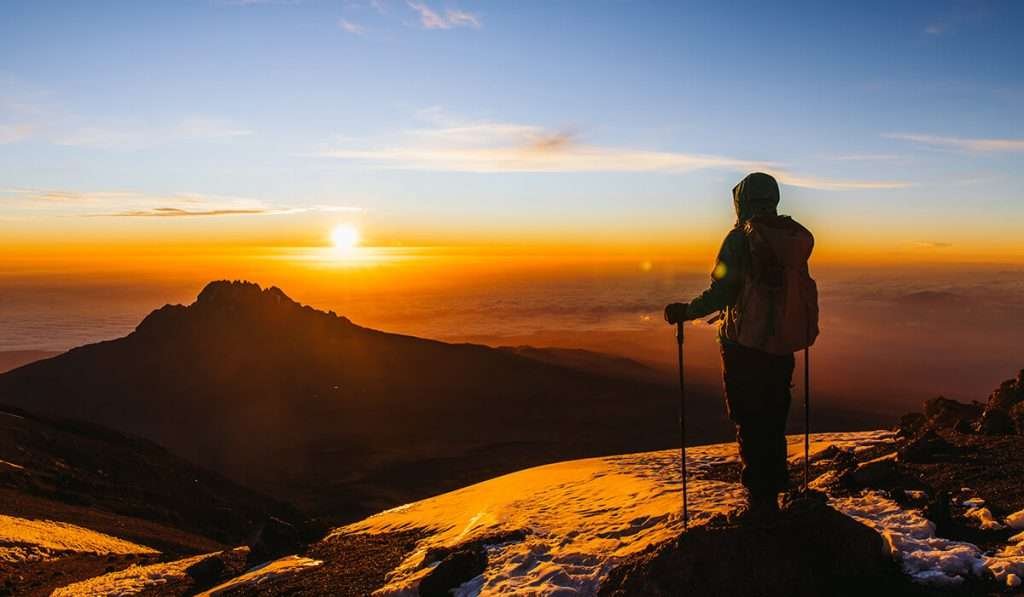
Summit Success: Reaching Uhuru Peak is an incredible accomplishment. The sunrise from the crater rim is a memory you’ll cherish forever. The descent is just as important as the ascent for safety.
Day 7: Mweka Camp to Mweka Gate
Start Point: Mweka Camp (3,100m / 10,170ft)
End Point: Mweka Gate (1,640m / 5,380ft)
Trekking Time: 3-4 hours
Trekking Distance: 10 km / 6.2 miles
Habitat: Forest
Your final day on the mountain is a pleasant walk through the rainforest. You’ll descend from Mweka Camp, enjoying the lush vegetation and warmer temperatures. The trail is generally well-maintained. Upon reaching Mweka Gate, you’ll have a small ceremony and receive your trekking certificates. From here, you’ll be transferred back to your hotel in Moshi or Arusha, ready to relax and celebrate your incredible achievement.
Celebration: The descent is usually faster and less strenuous than the ascent. Enjoy the final views and the feeling of accomplishment.
Day 8: Buffer Day / Departure
This day is often included as a buffer for unforeseen circumstances or for trekkers to have a final rest day before departing Tanzania. It can also be used for further exploration or relaxation.
Why the 8-Day Lemosho Route is Preferred for 2026-2027 Climbs
When planning a Kilimanjaro climb for 2026 or 2027, the 8-day Lemosho Route stands out for several compelling reasons, especially if your primary goal is a safe and successful summit experience. While shorter routes are available, they often compromise on acclimatization, leading to a higher risk of altitude sickness and a lower probability of reaching Uhuru Peak.
Trade-offs: Time vs. Success
- Time Commitment: The 8-day Lemosho requires an additional day on the mountain compared to the 7-day Lemosho or routes like Marangu or Machame. This means slightly higher costs and a greater time commitment.
- Success Rate: For trekkers who might not have extensive high-altitude experience, the extended acclimatization of the 8-day Lemosho significantly boosts their chances of success. This is a crucial factor when investing time and resources into such an expedition.
- Enjoyment: A more gradual ascent allows for a more enjoyable trek. You’ll have more energy to appreciate the stunning scenery, interact with your guides and porters, and less physical discomfort related to altitude.
For those booking their 2026-2027 Kilimanjaro adventure, consider the 8-day Lemosho Route as the benchmark for a well-rounded and successful climb. It provides the best ratio of scenic beauty, acclimatization, and summit probability among the popular routes.
Kilimanjaro Lemosho Route 8 Days: Key Considerations for 2026-2027
Planning a Kilimanjaro trek is a significant undertaking, and for the 8-day Lemosho Route, several factors require careful consideration, especially when looking ahead to 2026 and 2027. These elements directly impact your experience, safety, and overall success.
1. Acclimatization and Altitude Sickness
The 8-day Lemosho Route is designed with acclimatization as a priority. However, individual responses to altitude vary greatly. Understanding the symptoms of Acute Mountain Sickness (AMS) and how to manage them is paramount.
- Symptoms: Headache, nausea, dizziness, fatigue, loss of appetite, and difficulty sleeping are common. Severe AMS can lead to more dangerous conditions like HAPE (High Altitude Pulmonary Edema) and HACE (High Altitude Cerebral Edema).
- Prevention: The gradual ascent of the 8-day Lemosho is your primary tool. Additionally, staying well-hydrated, moving ‘pole pole’ (slowly slowly), avoiding alcohol and strenuous activity upon arrival, and informing your guides immediately of any symptoms are vital.
- Medication: Diamox (acetazolamide) can be prescribed by your doctor to aid acclimatization, but it’s not a substitute for proper ascent profiles. Discuss its use with your physician.
For your 2026 or 2027 climb, ensure your chosen operator has a strong emphasis on acclimatization protocols and experienced guides trained to manage altitude sickness.
2. Route Comparison: 8-Day Lemosho vs. Other Popular Routes
While the 8-day Lemosho is excellent, comparing it to other popular routes helps solidify its advantages for your specific needs.
- Machame Route (7 days): Very popular, scenic, good acclimatization profile, but often crowded. The 8-day Lemosho offers a better acclimatization curve and starts in a more remote area.
- Marangu Route (5-6 days): The ‘Coca-Cola’ route, known for its huts. It’s the shortest and fastest, leading to lower success rates due to poor acclimatization. The 8-day Lemosho is far superior for success and scenery.
- Northern Circuit (9 days): The longest route, offering the best acclimatization and highest success rates, with a unique circuit around the northern slopes. If you have the time and budget, it’s exceptional, but the 8-day Lemosho provides a fantastic balance for many.
- Shira Route (7 days): Similar to Lemosho but starts at a higher altitude on the Shira Plateau, potentially skipping some initial acclimatization benefits.
For a robust climb in 2026-2027, the 8-day Lemosho often hits the sweet spot, offering a great balance. If absolute highest success is paramount and time/budget allows, the 9-day Northern Circuit is the ultimate choice.
3. Gear and Packing List
Proper gear is essential for comfort and safety on Kilimanjaro. The conditions change drastically from the humid rainforest to the icy summit. For an 8-day Lemosho trek in 2026-2027, consider the following:
- Layering System: Base layers (thermal), mid-layers (fleece), and outer layers (waterproof and windproof jacket and trousers).
- Footwear: Broken-in, waterproof hiking boots are non-negotiable. Good quality socks (wool or synthetic) are also critical.
- Headwear: Warm hat, sun hat, and a balaclava or neck gaiter for summit night.
- Handwear: Warm gloves and liner gloves.
- Sleeping Gear: A warm sleeping bag (rated to -10°C or -20°C / 0°F to -4°F) and a sleeping pad.
- Other Essentials: Headlamp with extra batteries, sunglasses, sunscreen, lip balm, water bottles or hydration reservoir (with insulation), toiletries, personal first-aid kit, and trekking poles.
Most reputable operators, like Climb 4 Africa, provide detailed packing lists. It’s also possible to rent some gear in Moshi.
4. Physical Preparation
While you don’t need to be an elite athlete, a good level of physical fitness is required. The 8-day Lemosho Route involves sustained trekking, significant altitude gain, and a demanding summit night.
- Cardiovascular Fitness: Engage in regular aerobic activities like hiking, running, cycling, or swimming for several months leading up to your climb.
- Strength Training: Focus on leg strength (squats, lunges) and core stability.
- Practice Hikes: Undertake long hikes with elevation gain, preferably with a weighted backpack, to simulate trek conditions.
Proper training will not only improve your physical ability but also boost your confidence for the 8-day Lemosho trek.
5. Environmental Considerations and Sustainability
Trekking Kilimanjaro comes with a responsibility to protect its fragile ecosystem. For climbs booked for 2026-2027, choosing a responsible operator is crucial.
- Leave No Trace: Pack out everything you pack in. Do not leave any litter behind.
- Waste Management: Follow park regulations regarding waste disposal. Operators should have systems for managing human waste responsibly.
- Respect Wildlife: Do not feed or disturb any animals you encounter.
- Support Local Communities: Choose operators that employ local guides and porters fairly and ethically.
Climb 4 Africa is committed to sustainable tourism practices, ensuring your trek benefits both you and the local environment and community.
Choosing Your Kilimanjaro Operator for the 8-Day Lemosho Route
Selecting the right tour operator is perhaps the most critical decision you will make when planning your 8-day Lemosho Route trek for 2026 or 2027. The quality of your experience, your safety, and your success rate are heavily dependent on the operator’s expertise, equipment, and support staff.
What to Look For in an Operator
- Experience and Reputation: Look for companies with a proven track record, especially on Kilimanjaro. Online reviews, testimonials, and certifications can be indicators.
- Safety Protocols: A reputable operator will have stringent safety measures, including trained guides in first aid and wilderness medicine, regular oxygen monitoring, and clear emergency evacuation plans.
- Guide and Porter Welfare: Ethical treatment of guides and porters is paramount. This includes fair wages, adequate food, proper gear, and reasonable working hours. Kilimanjaro National Park has regulations regarding porter welfare, and responsible operators adhere to these.
- Group Size: Smaller groups generally offer a more personalized experience and better attention from guides.
- Inclusions and Exclusions: Clearly understand what is included in the price. This typically includes park fees, camping fees, food, guides, porters, and basic equipment. Exclusions often involve tips, personal gear, travel insurance, and flights.
- Acclimatization Strategy: Ensure the operator’s itinerary, especially for the 8-day Lemosho, is designed for optimal acclimatization.
Climb 4 Africa’s Approach to the 8-Day Lemosho Route
At Climb 4 Africa, we specialize in Kilimanjaro expeditions and understand the critical elements that contribute to a successful and safe trek. For the 8-day Lemosho Route, our commitment includes:
- Experienced Local Guides: Our guides are highly trained, certified, and possess extensive knowledge of Kilimanjaro, altitude management, and local culture.
- Safety First: We prioritize safety with comprehensive medical kits, regular health checks, and emergency procedures. Our guides are equipped to handle altitude-related issues.
- Ethical Porter Practices: We are committed to the fair treatment and welfare of our support crew, ensuring they are well-equipped and compensated.
- Quality Equipment: We provide high-quality tents, cooking gear, and ensure all equipment is well-maintained.
- Tailored Itineraries: While the 8-day Lemosho is a standard, we can discuss individual needs and offer customized support.
When planning your 2026 or 2027 climb, choosing an operator like Climb 4 Africa means partnering with experts dedicated to making your Kilimanjaro dream a reality.
Booking Your 8-Day Lemosho Kilimanjaro Trek for 2026-2027
Securing your spot for a Kilimanjaro climb, especially on a popular route like the 8-day Lemosho, requires timely planning. For treks scheduled for 2026 and 2027, it’s advisable to start the booking process well in advance.
When to Book
The peak seasons for climbing Kilimanjaro are generally January-March and June-October. These periods offer the most stable weather conditions. However, the 8-day Lemosho Route can be climbed year-round. Booking 6-12 months in advance is recommended, especially if you have specific dates in mind for 2026 or 2027, to ensure availability and allow ample time for your physical training and logistical preparations.
What to Expect During Booking
When you contact an operator like Climb 4 Africa, the booking process typically involves:
- Initial Inquiry: You’ll share your desired dates, group size, and any specific requests.
- Quotation: You’ll receive a detailed quote outlining what’s included and excluded. For the 8-day Lemosho, this will cover park fees, guide and porter salaries, food, accommodation (camping), and transfers.
- Deposit: A deposit is usually required to confirm your booking. The amount varies but is typically 20-30% of the total cost.
- Pre-Trek Information: Once booked, you’ll receive comprehensive pre-trek information, including packing lists, training advice, and visa requirements.
- Final Payment: The remaining balance is usually due 30-60 days before your trek start date.
Cost Considerations for 2026-2027
The cost of an 8-day Lemosho Route trek can vary significantly based on the operator’s quality, inclusions, and group size. Generally, you can expect costs to range from $2,000 to $4,000+ per person for a reputable, safety-conscious operator. Factors influencing price include:
- Park Fees: These are fixed by the Tanzanian government and constitute a significant portion of the cost.
- Guide and Porter Wages: Ethical operators pay fair wages.
- Quality of Food and Equipment: Higher-quality camps and meals come at a higher price.
- Safety Measures: Operators investing in extra safety equipment and training will reflect this in their pricing.
- Group vs. Private: Private treks are more expensive per person than group treks.
For 2026-2027 climbs, it’s wise to budget for potential price increases due to inflation and evolving park regulations. Always prioritize safety and quality over the cheapest option.
Getting Started with Climb 4 Africa
Ready to plan your 8-day Lemosho Route Kilimanjaro climb for 2026 or 2027? We are here to help you every step of the way. Our team offers expert advice, transparent pricing, and a commitment to providing an unforgettable and safe mountain experience.
You can reach us directly via WhatsApp at +255 747 477 898 or by email at climb4africa@gmail.com. Let us know your preferred dates, group size, and any questions you have. We’ll help you craft the perfect Kilimanjaro adventure.
Frequently Asked Questions about the 8-Day Lemosho Route
Here are answers to common questions about trekking Kilimanjaro via the 8-day Lemosho Route:
Q1: Is the 8-day Lemosho Route suitable for first-time trekkers?
A1: Yes, the 8-day Lemosho is highly recommended for first-time trekkers due to its excellent acclimatization profile, which significantly increases the chances of success and reduces the risk of altitude sickness. The gradual ascent allows your body ample time to adapt to the thinning air.
Q2: What is the best time of year to trek the 8-day Lemosho Route?
A2: The best times are the dry seasons: January to March and June to October. However, the route can be trekked year-round. Shoulder seasons might offer fewer crowds. For 2026-2027, these general guidelines still apply.
Q3: How difficult is the 8-day Lemosho Route?
A3: It is considered a challenging trek, requiring good physical fitness. The altitude is the primary difficulty. The 8-day itinerary makes it more manageable than shorter routes. The Barranco Wall climb on day 4 is a notable physical challenge, but not technically difficult.
Q4: What is the success rate for the 8-day Lemosho Route?
A4: Reputable operators on the 8-day Lemosho Route typically report success rates of 80-90% or higher. This is largely due to the superior acclimatization provided by the longer itinerary.
Q5: What is the difference between the 7-day and 8-day Lemosho Route?
A5: The 8-day Lemosho route includes an additional day for acclimatization, typically spent at Barranco Camp or a similar altitude before ascending further. This extra day significantly aids acclimatization and increases the likelihood of reaching the summit comfortably.
Q6: What kind of accommodation is provided?
A6: The Lemosho Route is a camping route. You will sleep in tents, with separate tents for dining and for the guides and porters. We provide high-quality, comfortable tents.
Q7: What is the cost of an 8-day Lemosho trek?
A7: For 2026-2027, expect costs from reputable operators to range from $2,000 to $4,000+ per person. This price typically includes park fees, camping fees, meals, guides, porters, and transfers. Always check what is included.
Q8: Do I need travel insurance for Kilimanjaro?
A8: Yes, comprehensive travel insurance is mandatory. It must cover emergency medical evacuation, trip cancellation, and medical expenses. Ensure it covers high-altitude trekking.
Q9: What are the typical weather conditions?
A9: Weather varies by altitude. Expect rainforest conditions at the start, cooler moorland, cold alpine desert, and freezing arctic conditions near the summit. The summit night is often the coldest and windiest.
Q10: How much should I tip the guides and porters?
A10: Tipping is customary and expected. A general guideline is $20-25 per day for guides, $15-20 per day for assistant guides, and $10-15 per day for porters, per trekker. Your operator will provide specific recommendations.
start Your Kilimanjaro Adventure with Climb 4 Africa
The 8-day Lemosho Route presents a compelling case for anyone aiming to trek Kilimanjaro, offering an ideal blend of scenic beauty, superior acclimatization, and a high probability of summit success. Whether you are planning for 2026 or 2027, this route provides a robust framework for a safe and rewarding journey to the Roof of Africa.
At Climb 4 Africa, we are passionate about guiding you to the summit of Kilimanjaro. Our local expertise, commitment to safety, and dedication to ethical trekking practices ensure your adventure is not only successful but also responsible and memorable. We handle the complexities of logistics, support, and safety, allowing you to focus on the incredible experience of climbing Kilimanjaro.
Ready to take the next step? Contact us today to discuss your 8-day Lemosho Route trek. We can answer all your questions, provide a detailed itinerary and quote, and help you prepare for this special expedition. Reach out via WhatsApp at +255 747 477 898 or send an email to climb4africa@gmail.com. Let’s make your Kilimanjaro dream a reality.
Check Availability for Trekking Kilimanjaro 8 Days: The Lemosho Route Experience | Climb 4 Africa
Ready to compare dates, prices, and the best option for your group? Send the package name and travel month so the team can reply with a clear quote, availability, and what is included.
Monte Meru Y Kilimanjaro: Trekking En Tanzania 2026-2027
Discover the ultimate trekking experience in Tanzania by combining Mount Meru and Mount Kilimanjaro. This comprehensive guide covers everything from route selection and preparation to...
View package detailsWhat To Expect On Your First Kilimanjaro Trek: A Comprehensive Guide 2026-2027
Planning your first climb up Kilimanjaro? This comprehensive guide covers everything you need to know, from choosing a route and preparing your body to what daily life on the mountain is...
View package detailsKilimanjaro Climb Machame Route : Expert Guide For Your Trek 2026-2027
Discover the ultimate guide to climbing Mount Kilimanjaro via the Machame Route for your 2026 or 2027 adventure. This comprehensive resource covers everything from choosing an itinerary and...
View package detailsWhy Do People Travel From Around The World To Climb Kilimanjaro? 2026-2027
Why Do People Travel From Around the World to Climb Kilimanjaro? is explained with current 2026-2027 planning, price, itinerary and booking information.
View package detailsWhy Do Thousands Of Travelers Visit Kilimanjaro Every Year? Your Expert Guide
Thousands of adventurers flock to Kilimanjaro each year, drawn by its status as Africa's highest peak and a bucket-list trekking challenge. This guide explores the compelling reasons behind...
View package detailsKilimanjaro Routes: Which Is Best For Your Climb? 2026-2027
Choosing the right Kilimanjaro route is crucial for a successful and enjoyable climb. This comprehensive guide compares the main routes, helping you select the best option for your...
View package details10 Mistakes To Avoid Before Climbing Kilimanjaro In 2026-2027
Planning a Kilimanjaro climb is exciting, but avoiding common mistakes is key to a successful and enjoyable experience. This guide details ten critical errors to sidestep, from choosing the...
View package details10 Most Challenging Mountains To Climb In Africa 2026-2027
While Mount Kilimanjaro is Africa's most famous peak, the continent harbors a spectrum of formidable mountains that test even seasoned climbers. This guide details the 10 most challenging...
View package details
Trek Mont Meru 4 Jours: Your Complete Guide 2026-2027
start a 4-day trek up Mount Meru, a challenging yet rewarding climb near Kilimanjaro. This guide covers routes, preparation, gear, and essential tips for your 2026-2027 expedition.
View package detailsWhy Is Climbing Kilimanjaro So Expensive? 2026-2027
Why Is Climbing Kilimanjaro So Expensive? is explained with current 2026-2027 planning, price, itinerary and booking information.
View package detailsWhy Is Kilimanjaro One Of The World’s Most Famous Mountains? Your Planning
Kilimanjaro's fame stems from its status as the highest free-standing mountain, its accessibility to non-technical climbers, its iconic snow-capped summit, and its location in a biodiverse...
View package details10 Things To Know Before Climbing Kilimanjaro 2026-2027
10 Things to Know Before Climbing Kilimanjaro is explained with current 2026-2027 planning, price, itinerary and booking information.
View package detailsNo related package matches those filters. Clear one or more filters to see the other topic-matched options.



