
For trekking Kilimanjaro over 7 days, the Machame and Lemosho routes are the most popular choices, offering excellent acclimatization profiles and scenic beauty. The Machame route is often considered more challenging with steeper ascents but is highly social, while the Lemosho route provides a more gradual ascent and more remote trekking, generally leading to higher success rates. When planning for 2026-2027, your decision hinges on balancing acclimatization, scenery, and your personal trekking experience.
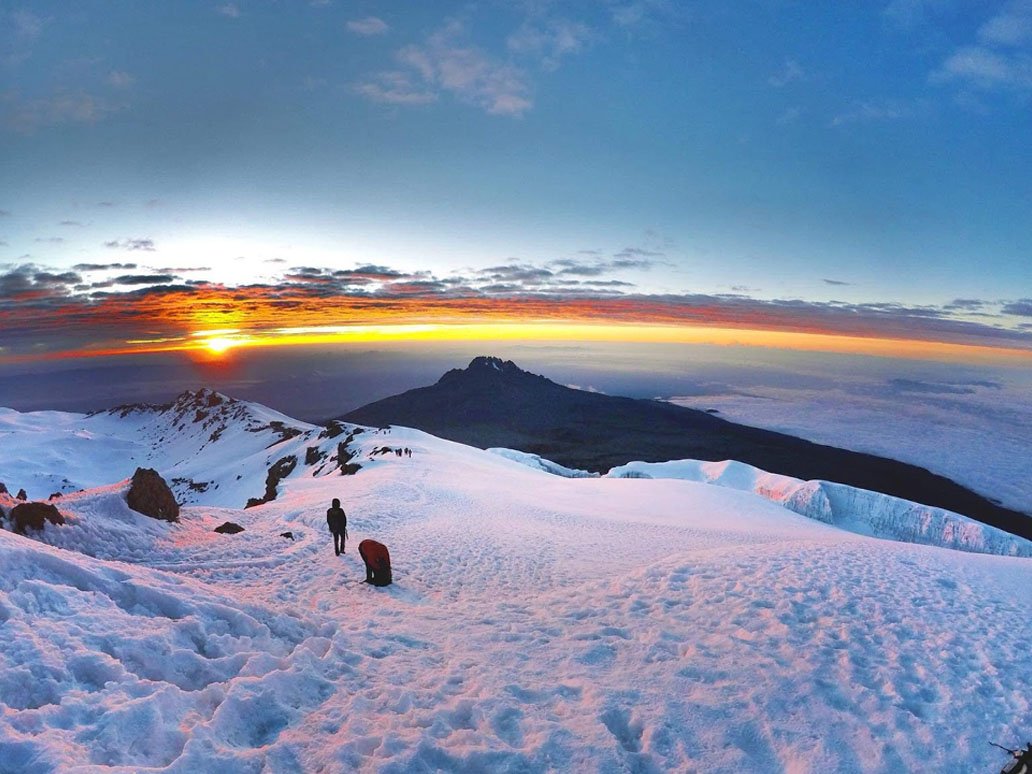
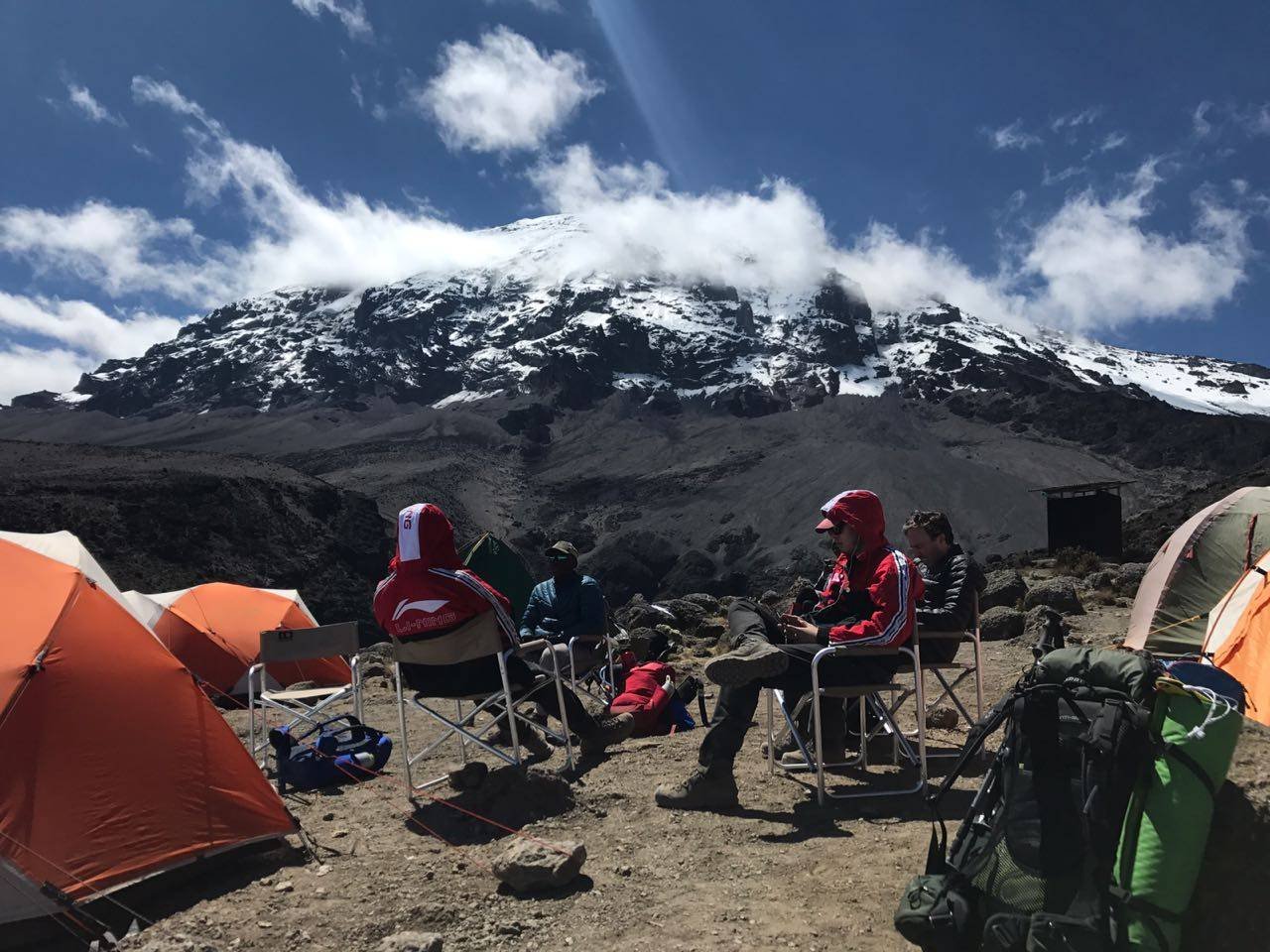
Machame vs. Lemosho: The 7-Day Kilimanjaro Dilemma
Choosing between the Machame and Lemosho routes for your 7-day Kilimanjaro trek is a significant decision, one that will shape your entire experience on Africa’s highest peak. Both routes are highly regarded for their scenic beauty and provide a good balance of ascent and acclimatization over a week. However, they differ in subtle yet crucial ways that can impact your comfort, your chances of reaching the summit, and your overall enjoyment. When planning for 2026 or 2027, understanding these distinctions is key to selecting the route that best aligns with your expectations and physical capabilities.
Many trekkers find themselves weighing the social atmosphere and established popularity of the Machame route against the more serene and arguably better acclimatizing profile of the Lemosho route, especially when opting for a 7-day itinerary. While longer versions of Lemosho are often praised for superior acclimatization, the 7-day variation still offers distinct advantages over its 7-day Machame counterpart. This detailed comparison aims to demystify these two popular options, helping you make an informed choice for your 2026-2027 Kilimanjaro adventure.
Understanding the 7-Day Advantage for Kilimanjaro Treks
Opting for a 7-day trek on Kilimanjaro, whether via Machame or Lemosho, represents a common and often effective choice for many climbers. The primary benefit of a 7-day itinerary is its balance: it provides sufficient time for acclimatization, which is paramount for summit success, without extending the trek duration excessively. This duration is often ideal for individuals with limited vacation time or those who prefer a challenging but not overly protracted expedition.
Compared to shorter 5 or 6-day treks, a 7-day climb allows for an extra day of ascent, which is critical for gradually moving higher and allowing your body to adjust to the decreasing oxygen levels. This extra day significantly boosts acclimatization, a crucial factor in preventing altitude sickness and increasing your probability of reaching Uhuru Peak. Conversely, excessively long treks (8+ days) can sometimes lead to mental fatigue or increased costs, making the 7-day window a sweet spot for many.
The Machame and Lemosho routes, when operated over 7 days, both offer a superior acclimatization curve compared to shorter routes like Marangu or Machame (6-day). They incorporate the essential “climb high, sleep low” principle more effectively, which is vital for physiological adaptation. Therefore, when you’re considering your 2026-2027 Kilimanjaro climb, a 7-day option on either Machame or Lemosho is a solid foundation for a successful and enjoyable ascent.
The Machame Route: A 7-Day Kilimanjaro Trek
The Machame Route, often dubbed the “Whiskey Route” due to its popularity and perceived difficulty, is one of the most frequently chosen paths up Kilimanjaro. For a 7-day itinerary, it offers a compelling blend of challenging ascents, diverse scenery, and a lively trekking atmosphere.
Machame Route 7-Day Itinerary Overview
A typical 7-day Machame itinerary is structured to gradually ascend through Kilimanjaro’s distinct ecological zones. While variations exist between operators, the general flow involves:
- Day 1: Machame Gate (1,800m/5,905ft) to Machame Camp (3,050m/10,007ft): A moderate hike through lush rainforest, often muddy, taking 5-7 hours.
- Day 2: Machame Camp (3,050m) to Shira 2 Camp (3,850m/12,631ft): Ascending above the treeline into moorland, with steeper sections. This day involves climbing higher and then descending slightly, aiding acclimatization. Takes 4-6 hours.
- Day 3: Shira 2 Camp (3,850m) to Lava Tower (4,600m/15,091ft) and then to Barranco Camp (3,950m/12,959ft): This is a crucial acclimatization day. You climb to Lava Tower, a significant altitude, and then descend to sleep lower at Barranco Camp. This “climb high, sleep low” strategy is vital. Takes 6-8 hours.
- Day 4: Barranco Camp (3,950m) to Karanga Camp (4,000m/13,123ft): A shorter but demanding day involving the famous Barranco Wall scramble, followed by a traverse to Karanga. Takes 3-5 hours.
- Day 5: Karanga Camp (4,000m) to Barafu Camp (4,650m/15,255ft): The final camp before summit night. You ascend through alpine desert. This is a shorter day, allowing rest before the summit push. Takes 3-5 hours.
- Day 6: Barafu Camp (4,650m) to Uhuru Peak (5,895m/19,341ft) and descend to Mweka Camp (3,100m/10,170ft): The summit attempt begins around midnight. This is the longest and most challenging day, involving a steep, cold ascent to Stella Point, then Uhuru Peak, followed by a long descent to Mweka Camp. Takes 7-9 hours to summit, 4-6 hours descent.
- Day 7: Mweka Camp (3,100m) to Mweka Gate (1,640m/5,380ft): A final descent through the rainforest to the gate. Takes 3-5 hours.
Machame Route: Scenery and Terrain
The Machame route is celebrated for its diverse and dramatic scenery. You begin by trekking through dense, vibrant rainforest, alive with the sounds of nature. As you ascend, the vegetation gradually thins, giving way to open moorlands dotted with giant heathers and senecios. Higher still, you enter the alpine desert zone, characterized by stark, rocky landscapes and otherworldly flora adapted to the harsh conditions. The final approach to the summit passes through the Arctic zone, a barren, icy terrain.
The terrain on Machame is varied and often steep. The ascent to Lava Tower on Day 3 and the scramble up the Barranco Wall on Day 4 are notable challenges. While the Barranco Wall is not technical rock climbing, it requires careful hand-and-foot work and can be intimidating for some. The path is generally well-maintained but can be dusty or muddy depending on the season.
Machame Route: Acclimatization Profile
The 7-day Machame route offers a good acclimatization profile, primarily due to the critical “climb high, sleep low” day on Day 3, where climbers ascend to Lava Tower (4,600m) and then descend to sleep at Barranco Camp (3,950m). This strategy is fundamental to helping the body adjust to higher altitudes. The route also involves ascending to Karanga Camp (4,000m) before heading to Barafu Camp (4,650m), allowing for further acclimatization at significant altitudes.
However, compared to longer versions of the Machame route (8 days) or some other routes, the 7-day Machame can feel a bit rushed in its later stages, particularly the ascent from Karanga to Barafu. While the extra day compared to a 6-day climb is a significant improvement, it’s still a demanding itinerary. Success rates are generally good, but it’s essential to be well-prepared physically and mentally.
Pros and Cons of the 7-Day Machame Trek
Pros:
- Excellent Scenery: Offers a visually stunning journey through all of Kilimanjaro’s ecological zones.
- Good Acclimatization (for a 7-day trek): The “climb high, sleep low” day is a key feature.
- Popular and Social: You’ll likely meet many other trekkers, creating a communal atmosphere.
- Well-Established Infrastructure: Campsites are well-developed, and guides are experienced on this route.
- Higher Success Rate than 6-Day Treks: The extra day makes a noticeable difference.
Cons:
- Steeper Ascents: Can be more physically demanding in parts, particularly the initial days.
- Barranco Wall: While not technical, the scramble can be challenging and cause anxiety for some.
- Crowded: As a popular route, it can feel busy, especially during peak seasons.
- Potentially Rushed Summit Push: The final stages from Karanga to Barafu can feel fast-paced.
The Lemosho Route: A 7-Day Kilimanjaro Trek
The Lemosho Route is renowned for its beauty, offering a more remote and scenic experience than many other Kilimanjaro trails. While longer versions (8 days or more) are typically recommended for optimal acclimatization, the 7-day Lemosho itinerary is a viable and excellent option for trekkers seeking a balance of wilderness and a good chance of summiting.
Lemosho Route 7-Day Itinerary Overview
The 7-day Lemosho route typically starts further west on the mountain, entering Kilimanjaro National Park via the Lemosho Gate and camping on the Shira Plateau. The itinerary generally looks like this:
- Day 1: Lemosho Gate (2,100m/6,890ft) to Mti Mkubwa Camp (2,800m/9,186ft): A gentle hike through the rainforest. Takes 3-4 hours.
- Day 2: Mti Mkubwa Camp (2,800m) to Shira 2 Camp (3,850m/12,631ft): Ascending through moorland, crossing the Shira Ridge to reach the Shira Plateau. Takes 5-7 hours.
- Day 3: Shira 2 Camp (3,850m) to Lava Tower (4,600m/15,091ft) and then to Barranco Camp (3,950m/12,959ft): Similar to Machame, this is a key acclimatization day. You climb high to Lava Tower and descend to Barranco. Takes 6-8 hours.
- Day 4: Barranco Camp (3,950m) to Karanga Camp (4,000m/13,123ft): Crossing the Barranco Wall and traversing to Karanga. Takes 3-5 hours.
- Day 5: Karanga Camp (4,000m) to Barafu Camp (4,650m/15,255ft): Ascending through alpine desert to the final camp before summit night. Takes 3-5 hours.
- Day 6: Barafu Camp (4,650m) to Uhuru Peak (5,895m/19,341ft) and descend to Mweka Camp (3,100m/10,170ft): The summit push, starting around midnight, heading for Stella Point and Uhuru Peak, then descending. Takes 7-9 hours to summit, 4-6 hours descent.
- Day 7: Mweka Camp (3,100m) to Mweka Gate (1,640m/5,380ft): Descending through the rainforest to the park exit. Takes 3-5 hours.
Lemosho Route: Scenery and Terrain
The Lemosho route is widely considered one of the most beautiful Kilimanjaro routes. It begins in a remote forest area, offering a true sense of wilderness from the outset. The trek through the dense rainforest is often accompanied by sightings of colobus monkeys and diverse birdlife. Upon reaching the Shira Plateau, you are greeted by vast, open moorlands with spectacular views of the Shira caldera and Mount Meru in the distance. The route then joins the Machame route from the third day onwards, sharing the same dramatic landscapes and terrain as it traverses towards the summit.
The terrain on the initial days of Lemosho is generally gentler than Machame, with more gradual ascents. Once it merges with Machame, the terrain becomes similar, including the challenging but rewarding scramble up the Barranco Wall and the steep scree slopes leading to Barafu Camp. The summit night ascent is identical to the Machame route.
Lemosho Route: Acclimatization Profile
The 7-day Lemosho route provides a slightly better acclimatization profile than the 7-day Machame route, primarily due to its earlier days. The initial trek to Shira 2 Camp is longer and higher than the equivalent days on Machame, and crossing the Shira Plateau allows for good acclimatization at altitude. Crucially, like the Machame route, the 7-day Lemosho includes the “climb high, sleep low” day to Lava Tower and Barranco Camp. This pattern of ascending to high altitudes and then sleeping at lower elevations is vital for adaptation.
While an 8-day Lemosho itinerary offers even more gradual ascents and an extra day on the Shira Plateau for better acclimatization, the 7-day version still offers a superior acclimatization curve compared to shorter routes or even the 6-day Machame. It is often cited as having higher success rates due to its gentler initial approach and well-structured acclimatization days.
Pros and Cons of the 7-Day Lemosho Trek
Pros:
- Exceptional Scenery: Offers a more remote and wild trekking experience, particularly in the initial days.
- Better Acclimatization (compared to 7-day Machame): The initial days on the Shira Plateau contribute to better altitude adjustment.
- Higher Success Rates: Generally considered to have a higher summit success rate due to its acclimatization profile.
- Less Crowded Initially: The first two days are significantly less crowded, offering a more peaceful experience.
- Good Wildlife Opportunities: More likely to see wildlife in the initial forest sections.
Cons:
- More Expensive: Typically costs more than Machame due to longer transfers and park entry points.
- Joins Machame Route: From Day 3 onwards, it merges with the Machame route, meaning you’ll encounter more trekkers.
- Barranco Wall: Still involves the Barranco Wall scramble, which can be a challenge.
- Longer Transfers: Getting to the Lemosho starting point involves a longer drive.
Comparing 7-Day Machame and Lemosho: Key Differences
When you’re choosing between a 7-day Machame and a 7-day Lemosho trek for your 2026-2027 Kilimanjaro climb, the core differences lie in their starting points, initial scenery, and acclimatization pacing. While both routes merge and share the same demanding approach to the summit from Day 3 onwards, the first two days set them apart significantly.
Acclimatization and Success Rates
Both 7-day routes are designed with acclimatization in mind, featuring the crucial “climb high, sleep low” day to Lava Tower and Barranco. However, the Lemosho route’s initial days are generally considered to offer a slightly gentler and more gradual ascent to altitude, especially by spending time on the Shira Plateau. This can lead to a marginally better physiological adaptation for some climbers.
Consequently, the Lemosho route, even in its 7-day format, is often associated with higher summit success rates. This isn’t to say the 7-day Machame is a poor choice for acclimatization; it’s simply that Lemosho’s layout offers a small but significant edge in helping the body cope with the extreme altitude. For trekkers prioritizing the absolute best acclimatization on a 7-day climb, Lemosho usually has the slight advantage. Remember that personal fitness, hydration, and proper acclimatization practices on any route are paramount for success.
Scenic Beauty and Trekking Experience
Lemosho is often praised for its pristine beauty and sense of wilderness, particularly during the first two days. The trek through untouched forests and across the expansive Shira Plateau provides a more remote and visually diverse experience. It feels like you’re truly venturing into the wild before joining the more established paths.
Machame, while also incredibly scenic, starts immediately on a more established path. The rainforest is dense, and the moorland and alpine desert sections are equally stunning. The terrain on Machame can be steeper and more rugged from the outset. For those who value solitude and a feeling of exploration in the early stages, Lemosho typically wins. If you don’t mind a more direct, albeit challenging, ascent through beautiful but more frequented landscapes, Machame is excellent.
Crowds and Social Aspects
Machame is one of the most popular routes on Kilimanjaro. This means that during peak trekking seasons, you are likely to encounter many other groups. This can be a positive for those who enjoy a communal atmosphere, sharing the experience with fellow trekkers and guides. The campsites can feel lively.
Lemosho, on the other hand, is significantly less crowded for the first two days. This offers a more tranquil and personal trekking experience. However, from Day 3 onwards, the Lemosho route merges with the Machame route, and you will then share the path and campsites with Machame trekkers. So, while the beginning is more serene, the latter half of the trek will be similar in terms of group numbers to Machame.
Route Logistics and Starting Points
The Machame route starts from Machame Gate in the south-west of Kilimanjaro. The drive to the gate is relatively shorter from Moshi or Arusha.
The Lemosho route starts from the Lemosho Gate, located further west. This means a longer drive from Moshi or Arusha to the trailhead. Due to its starting point and the need for more remote camping in the initial days, 7-day Lemosho treks are generally more expensive than their 7-day Machame counterparts. This cost difference is a factor for many trekkers planning their 2026-2027 budget.
Who Should Choose Which 7-Day Route?
Deciding between the 7-day Machame and Lemosho routes ultimately depends on your priorities as a trekker. Consider these profiles to help you make the best choice for your 2026-2027 Kilimanjaro climb.
The Ideal Climber for a 7-Day Machame Trek
- Prioritizes a Balance of Challenge and Scenery: You want a route that is engaging and offers varied landscapes.
- Enjoys a Social Atmosphere: You don’t mind sharing the trail with other groups and appreciate the camaraderie.
- Budget-Conscious but Wants Good Acclimatization: Machame offers a good acclimatization profile for a 7-day climb at a generally more accessible price point than Lemosho.
- Physically Fit and Mentally Prepared: You are comfortable with steeper ascents and potentially challenging scrambles like the Barranco Wall.
- Limited Time but Wants More Than 6 Days: The 7-day option provides that crucial extra acclimatization day over the 6-day version.
The Ideal Climber for a 7-Day Lemosho Trek
- Values Wilderness and Serenity: You prefer a more remote and less crowded experience, especially in the initial days.
- Prioritizes Acclimatization: You want the best possible acclimatization profile on a 7-day trek, potentially leading to higher success rates.
- Appreciates Stunning, Diverse Scenery: You are drawn to the pristine beauty and panoramic views offered by the Shira Plateau.
- Willing to Spend a Little More: You understand that the slightly higher cost of Lemosho reflects its unique starting point and initial remoteness.
- Experienced Trekker or Well-Prepared Novice: While offering good acclimatization, it’s still a demanding climb that requires good fitness.
Planning Your 7-Day Kilimanjaro Trek for 2026-2027
Regardless of whether you choose Machame or Lemosho for your 7-day Kilimanjaro trek in 2026 or 2027, thorough planning is essential. This includes selecting the right time to go, preparing physically, packing appropriately, and understanding the operational aspects of climbing Kilimanjaro.
Best Time to Trek Kilimanjaro (7-Day Routes)
Kilimanjaro can be climbed year-round, but certain periods offer more favorable weather conditions. The two main dry seasons are generally considered the best times for trekking:
- January to March: Warm, dry, and clear. Excellent for trekking. The short rains often begin in late March.
- June to October: Cooler, dry, and clear. This is a very popular period, and the weather is typically stable.
The shoulder seasons can also be good, though with a higher chance of rain:
- April to May: Long rainy season. Usually wet, often cloudy, and less recommended for trekking.
- November to December: Short rainy season. Can be unpredictable, with chances of rain but also clear days.
For 2026 and 2027, aiming for the dry seasons (Jan-Mar and Jun-Oct) will maximize your chances of clear views and comfortable trekking conditions. The summit night is always cold and challenging, but dry weather reduces the risk of extreme wind and rain.
Fitness and Preparation for a 7-Day Climb
To successfully complete a 7-day Kilimanjaro trek on either route, a good level of cardiovascular fitness is crucial. This means engaging in regular aerobic activities for at least 2-3 months prior to your climb.
- Cardiovascular Exercise: Aim for activities like hiking (with a backpack), running, cycling, or swimming 3-5 times per week.
- Hiking with Elevation: If possible, practice hiking on hills or mountains with a loaded backpack. This simulates the actual trekking experience and strengthens relevant muscles.
- Strength Training: Focus on leg strength (squats, lunges) and core strength to support your body on long trekking days and steep ascents/descents.
- Mental Preparation: Understand that a 7-day trek is demanding. Be prepared for long days, cold temperatures, and the physical and mental challenges of altitude.
While you don’t need to be an elite athlete, being well-prepared will significantly enhance your enjoyment and increase your chances of reaching the summit on your 2026-2027 Kilimanjaro expedition.
Packing Essentials for 7-Day Machame and Lemosho
Proper gear is vital for comfort and safety on Kilimanjaro. While your tour operator will provide a detailed packing list, here are some key essentials for both the 7-day Machame and Lemosho routes:
- Layering System: Base layers (thermals), mid-layers (fleece), and an outer layer (waterproof and windproof jacket and trousers).
- Footwear: Broken-in waterproof hiking boots, comfortable camp shoes or sandals, and several pairs of hiking socks (wool or synthetic).
- Headwear: Warm beanie hat, sun hat with a brim, and a buff or scarf.
- Handwear: Warm gloves and liner gloves.
- Sleeping Bag: A 4-season sleeping bag rated to at least -10°C (15°F).
- Backpack: A comfortable daypack (30-40L) and a larger duffel bag (80-100L) for your porters.
- Headlamp: Essential for summit night and camp use.
- Sun Protection: High SPF sunscreen, sunglasses, and lip balm.
- Hydration: Water bottles or a hydration reservoir (at least 3 liters capacity).
- Personal Items: Toiletries, personal first-aid kit, camera, power bank, and any personal medications.
Your operator will also provide tents, cooking equipment, and often sleeping mats. Ensure you check your operator’s specific inclusions.
Understanding Kilimanjaro Park Fees and Guide Salaries
The cost of climbing Kilimanjaro is significantly influenced by park fees, crew wages, and operational costs. For 2026-2027 climbs, these costs remain a substantial part of the overall price.
- Park Fees: These are set by the Tanzania National Parks Authority (TANAPA) and are per person, per day. They are a fixed cost for all operators.
- Crew Wages: Ethical operators like Climb 4 Africa pay their guides, assistant guides, cooks, and porters fair wages, which are often higher than the legal minimum. This ensures experienced and motivated staff, contributing to a safer and more enjoyable climb.
- Other Costs: These include food, equipment, transportation to the mountain, rescue fees, and administrative overheads.
When comparing prices for 7-day Machame or Lemosho treks for 2026-2027, be sure to understand what is included. Reputable operators will clearly list these inclusions, ensuring transparency. Be wary of prices that seem too good to be true, as they often indicate compromises on safety, crew welfare, or quality of service.
Making the Decision and Booking Your 7-Day Trek
Choosing between the 7-day Machame and Lemosho routes is a personal decision based on your priorities. Once you’ve weighed the pros and cons, the next step is to select a reputable operator and begin the booking process.
Why Choose Climb 4 Africa for Your 7-Day Trek?
As experienced Kilimanjaro experts and a local Tanzanian travel company, Climb 4 Africa is dedicated to providing safe, ethical, and unforgettable climbing experiences. We understand the nuances of the Machame and Lemosho routes, especially when tailored to a 7-day itinerary for 2026-2027.
- Local Expertise: Our team is based in Tanzania, giving us intimate knowledge of the mountain and local conditions.
- Safety First: We prioritize your safety with experienced guides, proper acclimatization protocols, and comprehensive emergency procedures.
- Ethical Operations: We are committed to fair wages and good working conditions for our entire crew, ensuring a motivated and professional team.
- Tailored Experiences: We can help you customize your 7-day Machame or Lemosho trek to suit your needs.
- Comprehensive Inclusions: Our packages are designed to be transparent, covering most essential aspects of your climb.
We believe that choosing the right operator is as important as choosing the right route. Let us help you plan your dream Kilimanjaro trek.
Next Steps for Booking a 2026-2027 Climb
Ready to start your 7-day Kilimanjaro adventure via the Machame or Lemosho route in 2026 or 2027? Here’s how to proceed:
- Contact Us: Reach out to our team to discuss your preferred route (7-day Machame or 7-day Lemosho), desired travel dates, and any specific questions you might have. You can connect with us via WhatsApp at +255 747 477 898 or email us at climb4africa@gmail.com.
- Get a Personalized Quote: Based on your preferences, we will provide a detailed itinerary and a transparent quote outlining inclusions and exclusions for your 2026-2027 climb.
- Review and Confirm: Carefully review the proposal. We are here to answer any further questions to ensure you feel confident about your choice.
- Book Your Trek: Once you are ready, we will guide you through the booking process, including deposit and payment arrangements.
We look forward to helping you achieve your Kilimanjaro dream in 2026 or 2027. Let’s start planning your unforgettable journey!
Check Availability for Trekking Kilimanjaro 7 Días: Machame Vs. Lemosho Routes For Climbs 2026-2027
Ready to compare dates, prices, and the best option for your group? Send the package name and travel month so the team can reply with a clear quote, availability, and what is included.
Kilimanjaro Climb Machame Route : Expert Guide For Your Trek 2026-2027
Discover the ultimate guide to climbing Mount Kilimanjaro via the Machame Route for your 2026 or 2027 adventure. This comprehensive resource covers everything from choosing an itinerary and...
View package details
Monte Meru Y Kilimanjaro: Trekking En Tanzania 2026-2027
Discover the ultimate trekking experience in Tanzania by combining Mount Meru and Mount Kilimanjaro. This comprehensive guide covers everything from route selection and preparation to...
View package detailsWhat To Expect On Your First Kilimanjaro Trek: A Comprehensive Guide 2026-2027
Planning your first climb up Kilimanjaro? This comprehensive guide covers everything you need to know, from choosing a route and preparing your body to what daily life on the mountain is...
View package detailsWhy Do People Travel From Around The World To Climb Kilimanjaro? 2026-2027
Why Do People Travel From Around the World to Climb Kilimanjaro? is explained with current 2026-2027 planning, price, itinerary and booking information.
View package detailsWhy Do Thousands Of Travelers Visit Kilimanjaro Every Year? Your Expert Guide
Thousands of adventurers flock to Kilimanjaro each year, drawn by its status as Africa's highest peak and a bucket-list trekking challenge. This guide explores the compelling reasons behind...
View package detailsKilimanjaro Routes: Which Is Best For Your Climb? 2026-2027
Choosing the right Kilimanjaro route is crucial for a successful and enjoyable climb. This comprehensive guide compares the main routes, helping you select the best option for your...
View package details10 Mistakes To Avoid Before Climbing Kilimanjaro In 2026-2027
Planning a Kilimanjaro climb is exciting, but avoiding common mistakes is key to a successful and enjoyable experience. This guide details ten critical errors to sidestep, from choosing the...
View package details10 Most Challenging Mountains To Climb In Africa 2026-2027
While Mount Kilimanjaro is Africa's most famous peak, the continent harbors a spectrum of formidable mountains that test even seasoned climbers. This guide details the 10 most challenging...
View package details
Trek Mont Meru 4 Jours: Your Complete Guide 2026-2027
start a 4-day trek up Mount Meru, a challenging yet rewarding climb near Kilimanjaro. This guide covers routes, preparation, gear, and essential tips for your 2026-2027 expedition.
View package detailsWhy Is Climbing Kilimanjaro So Expensive? 2026-2027
Why Is Climbing Kilimanjaro So Expensive? is explained with current 2026-2027 planning, price, itinerary and booking information.
View package detailsWhy Is Kilimanjaro One Of The World’s Most Famous Mountains? Your Planning
Kilimanjaro's fame stems from its status as the highest free-standing mountain, its accessibility to non-technical climbers, its iconic snow-capped summit, and its location in a biodiverse...
View package details10 Things To Know Before Climbing Kilimanjaro 2026-2027
10 Things to Know Before Climbing Kilimanjaro is explained with current 2026-2027 planning, price, itinerary and booking information.
View package detailsNo related package matches those filters. Clear one or more filters to see the other topic-matched options.



