
A simple 3-day mid-range lodge safari from Moshi or Arusha typically focuses on the northern Tanzanian circuit, most commonly including Lake Manyara National Park, the Ngorongoro Conservation Area, and Tarangire National Park, offering a condensed yet rich wildlife experience. These tours utilize comfortable mid-range lodges or tented camps for accommodation, providing a balance of authentic safari feel and essential amenities, with all-inclusive packages usually covering park fees, accommodation, meals, a safari vehicle, guide, and transfers from Moshi or Arusha for 2026-2027 travel. The primary trade-off for this shorter duration is less time to explore each park in depth compared to longer itineraries, but it’s an excellent option for those with limited time seeking a quality lodge safari experience.

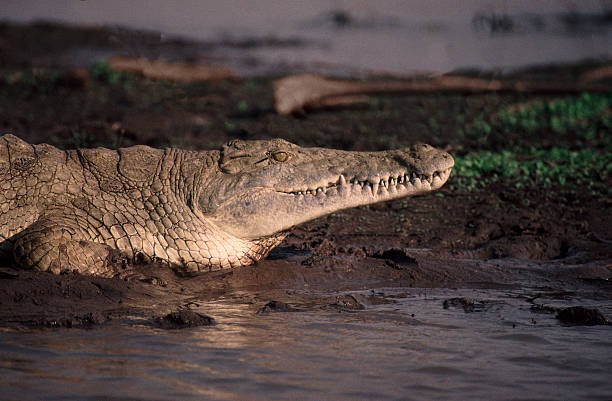
Understanding the 3-Day Mid-Range Lodge Safari from Moshi/Arusha
A 3-day mid-range lodge safari starting from Moshi or Arusha is a popular choice for travelers who want to experience Tanzania’s renowned wildlife without committing to a longer, more extensive trip. This timeframe is carefully designed to give you a taste of the magic of East African safaris, focusing on some of the most accessible and biodiverse national parks in the northern circuit. It’s an efficient way to witness iconic animals and stunning landscapes, all while enjoying the comforts of well-appointed lodges.
When we talk about a “simple” safari, it implies a focus on the core safari experience: game drives, wildlife viewing, and comfortable overnight stays. The “mid-range” aspect is crucial; it signifies a balance. You’re not roughing it in basic campsites, nor are you in the lap of ultra-luxury. Instead, you’re looking at comfortable, clean, and well-located lodges or tented camps that offer essential amenities like private bathrooms, comfortable beds, and often dining rooms and common areas. These accommodations are chosen for their proximity to the parks and their ability to provide a good night’s rest after a day of adventure. The “lodge safari” format means you’ll be staying in permanent structures rather than setting up tents each night, which many travelers find more convenient.
The starting points, Moshi and Arusha, are the primary hubs for safaris in northern Tanzania. Moshi is located at the foot of Mount Kilimanjaro, while Arusha is a larger city often referred to as the ‘safari capital’ of Tanzania. Both offer convenient access to the circuit parks. For a 3-day itinerary, the logistics are streamlined. Typically, you’ll be picked up directly from your hotel in either town, and transportation will be in a sturdy, custom-built 4×4 safari vehicle with a pop-up roof, driven by an experienced local guide. The entire trip is usually packaged, meaning park fees, accommodation, meals, and guide services are bundled together, simplifying the planning process for you.
This kind of safari is perfect for those on a tighter schedule, perhaps extending a Kilimanjaro climb, or fitting in a safari before heading to Zanzibar. It’s also a great introduction to Tanzania for first-time safari-goers who want a well-organized, comfortable, and impactful wildlife encounter. The focus is on maximizing your game-viewing opportunities within the limited time, ensuring you see as much of the diverse fauna and flora as possible. We’ll explore the specific parks that make up these popular 3-day routes, the types of lodges you can expect, and what practical considerations are vital for a successful trip in 2026 and 2027.
Why Choose a 3-Day Mid-Range Lodge Safari?
Deciding on a 3-day safari is a strategic choice driven by several factors, each making it an appealing option for a specific type of traveler. It’s not just about having limited time; it’s about optimizing that time for a quality experience.
- Time Efficiency: This is the most obvious benefit. If you have only a few days in Tanzania, perhaps as part of a larger itinerary involving Kilimanjaro climbs or beach holidays, a 3-day safari is perfectly suited. It allows you to get a substantial wildlife experience without requiring a significant chunk of your vacation. For instance, after descending Kilimanjaro, many trekkers opt for a short safari before returning home or heading to other destinations. A 3-day trip provides that essential wildlife fix without feeling rushed through too many locations.
- Budget Friendliness (Relative): While any safari involves costs, a 3-day trip is naturally less expensive than a week-long expedition. By focusing on a few key parks, you reduce the number of park fees, accommodation nights, and days of vehicle hire. For travelers seeking a mid-range experience, this shorter duration helps manage overall trip costs, making it more accessible. It offers a significant return on investment in terms of wildlife sightings and memorable experiences for the time and money spent.
- Focused Experience: A 3-day safari allows for a concentrated immersion into one or two distinct ecosystems. Instead of trying to cover vast distances, you can spend more quality time in carefully selected parks. This means more time on game drives, increasing your chances of seeing specific animals or observing animal behaviors. For example, focusing on Lake Manyara and Ngorongoro means you get to experience the contrast between the soda lake’s birdlife and forests and the Ngorongoro Crater’s dense predator population.
- Convenience and Simplicity: Shorter itineraries are inherently simpler to plan and execute. With fewer logistics involved, there’s less to worry about regarding travel times between locations, packing, and itinerary adjustments. A 3-day lodge safari is often a well-trodden path with established routes and services, making it straightforward to book and enjoy. This simplicity is particularly attractive for first-time safari-goers or those who prefer a more curated, hassle-free travel experience.
- Great Introduction to Tanzania’s Wildlife: For many, a 3-day safari serves as an excellent introduction to the wonders of African wildlife and the Tanzanian landscape. It provides enough exposure to understand why Tanzania is such a sought-after safari destination. If you fall in love with the experience, as many do, you can always plan a longer safari for future trips in 2026 or 2027.
- Comfortable Lodge Stays: The “mid-range lodge” aspect ensures a comfortable and restful experience. After a day of exciting game drives, returning to a comfortable lodge with amenities like private bathrooms, hot showers, and good food is a significant advantage over camping for many. This blend of adventure and comfort is a key appeal of this safari type.
In essence, a 3-day mid-range lodge safari from Moshi or Arusha offers a highly efficient, enjoyable, and accessible way to witness the spectacle of East African wildlife, making it an ideal choice for many travelers heading to Tanzania.
Typical Routes and Itineraries for a 3-Day Safari
When planning a 3-day mid-range lodge safari from Moshi or Arusha, the routes are generally designed to maximize wildlife viewing within the limited timeframe by focusing on the northern circuit’s most accessible and productive parks. While variations exist, two primary itinerary structures are most common, often involving a combination of Lake Manyara National Park, the Ngorongoro Conservation Area, and sometimes Tarangire National Park.
Option 1: Lake Manyara & Ngorongoro Crater Focus
This is arguably the most popular and logistically straightforward 3-day route.
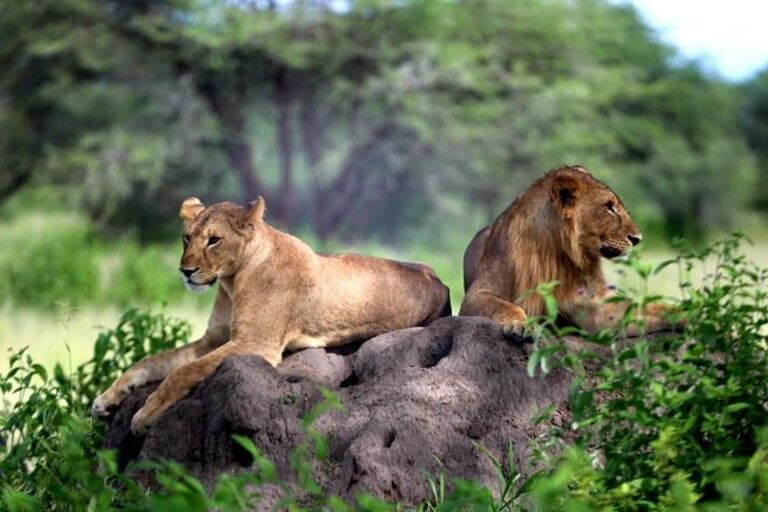
- Day 1: Arusha/Moshi to Lake Manyara National Park. After an early morning pickup from your hotel, you’ll drive to Lake Manyara National Park. This park is famous for its diverse ecosystems, including groundwater forests, acacia woodlands, and the alkaline lake itself. It’s particularly known for its tree-climbing lions, large troops of baboons, and abundant birdlife. You’ll enjoy a full day of game drives within the park before heading to a lodge or tented camp located just outside the park or in the nearby Karatu area for the night.
- Day 2: Ngorongoro Conservation Area (Crater Tour). Following breakfast, you’ll drive to the Ngorongoro Conservation Area. After ascending to the crater rim and taking in the impressive views, you’ll descend into the caldera for a half-day game drive. The Ngorongoro Crater is a UNESCO World Heritage Site and home to an incredible density of wildlife, including the Big Five (lion, leopard, elephant, rhino, buffalo) and numerous other species. The unique geography of the crater floor creates a microcosm of African wildlife. After your crater tour, you’ll ascend and stay at a lodge or tented camp in the Karatu area or on the crater rim.
- Day 3: Karatu to Arusha/Moshi. After a leisurely breakfast, you might have a final short game drive in a different section of the Ngorongoro Conservation Area (if time and itinerary permit) or visit a local cultural site if pre-arranged. Alternatively, you’ll begin your scenic drive back to Arusha or Moshi, arriving in the afternoon.
Option 2: Tarangire National Park & Ngorongoro Crater Focus
This route is excellent for those who want to experience the iconic baobab trees and large elephant herds of Tarangire.
- Day 1: Arusha/Moshi to Tarangire National Park. After pickup, you’ll drive to Tarangire, a park renowned for its massive elephant herds, especially during the dry season (June to October), and its distinctive baobab trees. The park’s Silale swamp provides a vital water source, attracting a wide array of animals. You’ll spend the day on game drives, seeking out predators and herbivores, before retiring to a lodge or tented camp near the park or in the Karatu region.
- Day 2: Tarangire to Ngorongoro Conservation Area. You might have an early morning game drive in Tarangire to catch the animals at their most active before driving towards the Ngorongoro Conservation Area. Upon arrival, you’ll descend into the Ngorongoro Crater for a thrilling game drive, aiming to spot the resident wildlife, including the critically endangered black rhino. Your overnight stay will be in a lodge or tented camp in the Karatu area.
- Day 3: Karatu to Arusha/Moshi. Similar to the first itinerary, after breakfast, you’ll begin your journey back to Arusha or Moshi, reflecting on the incredible wildlife encounters of the past few days.
Key Considerations for Itinerary Planning:
- Travel Time: Distances in Tanzania can be significant, and road conditions vary. A 3-day safari requires efficient planning to minimize travel time and maximize game drive time. Your tour operator will factor this into the route and lodge selection.
- Park Fees: The cost of park entrance fees is a major component of safari pricing. These itineraries are designed to fit within a 3-day window while covering the most impactful parks.
- Accommodation Location: Lodges are chosen for their proximity to the parks and the quality of experience they offer. Mid-range options provide comfort without excessive travel to and from the park gates each day.
- Flexibility: While these are typical routes, experienced operators like Climb 4 Africa can tailor them slightly based on your interests, the season, and current wildlife movements. For example, if birdwatching is a high priority, they might suggest more time at Lake Manyara.
Choosing between these options often depends on what you most want to see. Tarangire offers a more expansive feel with its large herds and iconic trees, while Lake Manyara provides diverse habitats in a smaller area, and the Ngorongoro Crater is unparalleled for its concentration of wildlife.
What “Mid-Range Lodge” Really Means in Tanzania
The term “mid-range” in the context of Tanzanian safaris is often used to define a category of accommodation that offers a comfortable and pleasant experience without the premium price tag of luxury lodges or the simplicity of budget tented camps. For a 3-day lodge safari from Moshi or Arusha, understanding what this entails is key to setting expectations.
Typical Characteristics of Mid-Range Lodges:
- Comfortable Rooms: Expect well-appointed rooms that are clean, spacious, and furnished with comfortable beds, mosquito nets, and basic amenities. Most mid-range lodges will offer private en-suite bathrooms with flushing toilets and hot showers. This is a significant step up from basic camping or budget guesthouses.
- Location: These lodges are strategically chosen for their proximity to the national parks or conservation areas. This minimizes travel time to and from game drives, allowing you to maximize your time in the parks. Many are situated just outside park gates or within scenic areas like Karatu, offering beautiful views and a tranquil atmosphere.
- Dining Facilities: Mid-range lodges typically have a central dining area where meals are served buffet-style or as set menus. The food is usually a mix of international and local cuisine, prepared to a good standard. Expect hearty breakfasts, packed lunches (often enjoyed picnic-style in the park), and delicious dinners.
- Common Areas: Most lodges will have a lounge or bar area where you can relax, socialize with other travelers, or enjoy a drink after your safari activities. Some may also have swimming pools, particularly those in warmer regions or further from the immediate park gates.
- Service: While not always personalized to the degree found in luxury lodges, the service at mid-range accommodations is generally friendly, efficient, and attentive. Staff are usually accustomed to handling safari guests and ensuring their comfort.
- Power and Connectivity: Lodges typically have electricity, often from generators, which may run for set hours. This means you can charge your cameras and phones. Wi-Fi might be available in common areas, though it can be slow and unreliable in more remote locations.
- Atmosphere: Mid-range lodges often strike a good balance between offering a sense of being close to nature and providing modern comforts. Many are designed to blend into the natural surroundings, using local materials and architecture.
What to Potentially Expect (and What Not To):
- Do Expect: Cleanliness, comfort, private bathrooms, hot water, good meals, and friendly service. These are the foundations of a good night’s sleep and a pleasant stay after a day in the bush.
- Don’t Expect: Ultra-luxury amenities like private plunge pools in every room, gourmet dining with extensive wine lists, or high-speed internet throughout the property. While some lodges might offer elements of luxury, the core offering is comfort and convenience.
For a 3-day safari, the quality of your accommodation significantly impacts the overall experience. Mid-range lodges provide that essential comfort and a place to recharge, ensuring you’re ready for each day’s adventures. When booking for 2026 or 2027, always check specific lodge examples provided by your tour operator to ensure they align with your expectations.
Key Inclusions and Exclusions: What to Expect
Understanding what is included in your 3-day mid-range lodge safari package is crucial for accurate budgeting and avoiding surprises. Tour operators like Climb 4 Africa typically offer comprehensive packages, but it’s always wise to clarify the specifics. Here’s a breakdown of common inclusions and exclusions.
Common Inclusions:
- Accommodation: Overnight stays in selected mid-range lodges or tented camps as per the itinerary. This usually covers one room per couple or a single room if requested (often with a supplement).
- Meals: All meals are typically included from lunch on Day 1 to lunch or breakfast on Day 3, depending on the itinerary and departure time. This includes breakfast, lunch, and dinner, often featuring a mix of buffet and à la carte options at the lodges.
- Park Entrance Fees: This is a significant cost and is almost always included. It covers entry into Lake Manyara, Ngorongoro Conservation Area, and potentially Tarangire National Park, based on your chosen itinerary.
- Crater Service Fee: For Ngorongoro, this fee allows vehicle entry into the crater itself and is vital for the game drive.
- Vehicle and Guide: A 4×4 safari vehicle with a pop-up roof, driven by a professional English-speaking driver-guide. The guide is your expert on wildlife, tracking, and local culture.
- Vehicle Running Costs: Fuel for the safari vehicle.
- Transfers: Pick-up and drop-off from your hotel in Moshi or Arusha at the beginning and end of the safari.
- Bottled Water: Usually provided in the vehicle during game drives.
Common Exclusions:
- International Flights: Flights to and from Tanzania are not included.
- Visa Fees: Tanzania requires a visa for many nationalities, which is an additional cost.
- Travel Insurance: Comprehensive travel and medical insurance are essential and must be arranged by the traveler.
- Tips for Guide and Staff: While not mandatory, tipping is customary and greatly appreciated for good service. A guideline will usually be provided.
- Personal Expenses: This includes items like souvenirs, laundry, alcoholic beverages, soft drinks (unless specified), and any items of a personal nature.
- Optional Activities: Any activities not explicitly mentioned in the itinerary, such as cultural village visits (unless part of a specific package), night game drives (often not permitted in national parks), or guided walks.
- Gratuities for Lodge Staff: While tips for the guide are standard, some travelers choose to leave a small tip for lodge staff as well.
- Pre- and Post-Safari Accommodation: Accommodation in Arusha or Moshi before the safari starts or after it ends is usually not included unless specified.
Clarifying with Your Operator:
Before confirming your booking for a 2026 or 2027 safari, it’s highly recommended to ask your tour operator, such as Climb 4 Africa, for a detailed list of inclusions and exclusions specific to the package you are considering. This clarity ensures you can budget accurately and know exactly what to expect on your safari adventure.
Planning Your Safari for 2026-2027: Timing and Logistics
Successful planning for your 3-day mid-range lodge safari from Moshi or Arusha involves considering the best time to visit, booking in advance, and understanding the logistical flow. Especially when planning for future years like 2026 and 2027, early preparation can make a significant difference.
Best Time to Travel:
Tanzania’s northern circuit offers excellent wildlife viewing year-round. However, certain periods are more popular and can influence availability and pricing.
- Dry Season (June to October): This is generally considered peak season. The weather is pleasant with less rain, making game viewing easier as animals congregate around water sources. Vegetation is less dense, improving visibility. However, it’s also the busiest and most expensive time. For 2026-2027, expect higher demand during these months.
- Wet Season (November to May): This is the low or shoulder season. There are fewer tourists, and prices can be lower. The landscape is lush and green, and it’s a fantastic time for birdwatching. The “short rains” usually occur in November, and the “long rains” from March to May can mean some areas are less accessible, and game drives might be interrupted. However, even in the wet season, safaris are very much possible, and wildlife is still abundant. The Great Migration river crossings, if you were on a longer itinerary, are typically around July-September. For a 3-day safari, the impact of rains is less critical unless roads become impassable, which is rare for the main circuit parks.
Booking in Advance:
For a 3-day mid-range lodge safari, especially if you have specific lodge preferences or are traveling during peak season (June-October) in 2026 or 2027, it’s advisable to book at least 3-6 months in advance. This ensures:
- Availability: Popular mid-range lodges can fill up quickly, particularly during peak times.
- Better Pricing: While prices can fluctuate, booking early often secures current rates before potential seasonal adjustments.
- Customization: It gives your tour operator ample time to arrange all logistics and confirm your preferred lodge options.
Logistical Flow:
Your safari typically begins with a pickup from your accommodation in Moshi or Arusha. This is usually scheduled for early morning (around 8:00 AM) to maximize your first day. The drive to the first park takes several hours, depending on its location.
- Day 1: Pickup -> Drive to Park -> Game Drive -> Overnight Lodge.
- Day 2: Breakfast -> Drive to Next Destination (e.g., Ngorongoro) -> Game Drive -> Overnight Lodge.
- Day 3: Breakfast -> Final Game Drive (optional) or direct drive -> Return to Arusha/Moshi.
Arrival in Arusha or Moshi is usually in the late afternoon (around 4:00 PM – 6:00 PM). Your tour operator will coordinate with you on the exact pickup and drop-off points. If you have international flights departing on Day 3, it’s essential to inform your operator so they can plan the return journey accordingly, ensuring you reach Kilimanjaro International Airport (JRO) or Arusha Airport with sufficient time.
Travel Documents:
Ensure your passport is valid for at least six months beyond your intended stay and has sufficient blank pages for entry and exit stamps. Check visa requirements for Tanzania based on your nationality. For 2026-2027 travel, researching and obtaining your visa in advance (often possible online) can save time upon arrival.
By considering these timing and logistical aspects well in advance, you can ensure a smooth and enjoyable 3-day mid-range lodge safari experience.
Wildlife Highlights of the Northern Circuit Parks
The parks typically included in a 3-day mid-range lodge safari from Moshi or Arusha are celebrated for their exceptional biodiversity and reliable game viewing. Even in a short timeframe, you stand an excellent chance of encountering a wide array of Africa’s most iconic wildlife.
Lake Manyara National Park:
Known for its compact size but remarkable diversity, Lake Manyara offers a concentrated safari experience.
- Tree-Climbing Lions: While not guaranteed, Lake Manyara is one of the few places where lions are known to regularly climb trees, a behavior often attributed to escaping the heat or biting insects.
- Large Elephant Herds: You’ll often find substantial herds of elephants moving through the park, particularly in the acacia woodlands.
- Birdlife: With over 400 species recorded, it’s a paradise for birdwatchers. Expect to see flamingos (though numbers vary seasonally), pelicans, storks, and numerous smaller, colorful species.
- Primates: Large troops of baboons are a common sight, often seen along the roadside or in the forest. Vervet monkeys are also prevalent.
- Other Mammals: Expect to see giraffes, zebras, wildebeest, buffalo, hippos, and various antelopes like dik-diks and impalas. Leopards are present but elusive.
Ngorongoro Conservation Area (Crater):
Often described as the “eighth wonder of the world,” the Ngorongoro Crater is a UNESCO World Heritage Site and a true jewel of Tanzania.
- High Density of Mammals: The crater floor boasts an astonishing concentration of wildlife, with over 30,000 animals residing within its 260 square kilometers.
- The Big Five: It’s one of the best places in Tanzania to see all of the Big Five: lion, leopard, elephant, rhino, and buffalo. The Ngorongoro Crater is one of the few remaining strongholds for the endangered black rhinoceros, making sightings particularly special.
- Predator Action: Lions are abundant and often seen hunting. Hyenas, jackals, and cheetahs are also frequently spotted.
- Birdlife: While not as diverse as Lake Manyara, the crater still hosts a good variety of bird species.
- Scenic Beauty: The sheer scale and beauty of the caldera, with its varied habitats (grasslands, swamps, acacia forests), make the game drives visually spectacular.
Tarangire National Park:
Famous for its large elephant populations and ancient baobab trees, Tarangire offers a different, more sprawling landscape.
- Massive Elephant Herds: During the dry season, Tarangire is a magnet for elephants, with herds numbering in the hundreds often seen.
- Baobab Trees: The park is dotted with iconic, giant baobab trees, creating a unique and memorable landscape.
- Predators: Lions, leopards, and cheetahs are present, though often harder to spot than in the Ngorongoro Crater. Tree-climbing pythons are also found here.
- Diverse Wildlife: Expect to see large herds of wildebeest and zebras, giraffes, buffalo, various antelopes (oryx, gerenuk), and a rich birdlife, especially around the Tarangire River and swamps.
For a 3-day safari, the focus will be on maximizing sightings within these parks. Your guide’s expertise will be invaluable in tracking animals and understanding their behavior, significantly enhancing your wildlife encounters. While a 3-day trip doesn’t allow for deep exploration of migration patterns or elusive species, it provides a fantastic overview of Tanzania’s incredible biodiversity.
Booking Your Safari: The Climb 4 Africa Advantage
Choosing the right tour operator is as important as choosing the destination itself. For a simple 3-day mid-range lodge safari from Moshi or Arusha, partnering with an experienced, local company like Climb 4 Africa ensures a well-organized, authentic, and memorable experience. Here’s why booking with us is a smart decision for your 2026-2027 adventure.
Local Expertise and Knowledge:
As a Tanzania-based company, Climb 4 Africa possesses an intimate understanding of the northern circuit parks, the best times to visit, local wildlife behaviors, and the nuances of mid-range lodge operations. This local knowledge is invaluable for crafting efficient itineraries that maximize your wildlife viewing opportunities within a 3-day window. We know the roads, the parks, and the lodges intimately.
Tailored Mid-Range Experiences:
We specialize in providing excellent value for money. Our mid-range lodge safaris are not just about budget; they are about carefully selected accommodations that offer comfort, cleanliness, and strategic locations. We partner with lodges that consistently provide good service and a pleasant atmosphere for our guests, ensuring your downtime is as enjoyable as your time in the parks. We understand that “mid-range” means different things to different people, and we aim to exceed expectations within this category.
Logistical Precision:
Organizing a safari involves complex logistics: park permits, vehicle maintenance, guide scheduling, and lodge bookings. Climb 4 Africa handles all of this meticulously. For a short 3-day safari, efficiency is key. We ensure minimal travel time between locations and maximum time on game drives, making every moment count. Our team works to confirm all bookings and arrangements well in advance, especially for future travel in 2026 and 2027.
Experienced and Professional Guides:
Your safari guide is your window into the wilderness. Our guides are not just drivers; they are passionate naturalists, trained in wildlife tracking, animal behavior, and conservation. They are committed to providing you with an informative and engaging experience, answering your questions, and helping you spot even the most elusive creatures. Their expertise is fundamental to the success of any safari, especially a shorter one where every sighting is precious.
Transparent Pricing and Inclusions:
We believe in clear and honest communication. The safari packages we offer are designed with transparent pricing, detailing exactly what is included and excluded. This helps you budget effectively and avoids any hidden costs or misunderstandings. When you inquire about a 3-day mid-range lodge safari, we will provide a comprehensive breakdown tailored to your specific needs.
Personalized Service:
While we offer standard itineraries, we also pride ourselves on personalized service. We take the time to understand your interests, preferences, and any special requirements you may have. Whether you have specific wildlife you’re eager to see or dietary needs, we will do our best to accommodate them within the scope of a 3-day lodge safari.
Building Trust for 2026-2027 Travel:
Planning a trip for 2026 or 2027 requires trust in your operator’s reliability and commitment. Climb 4 Africa has a proven track record of delivering exceptional safari experiences. We are dedicated to making your safari dreams a reality, ensuring every detail is managed with professionalism and care.
Ready to Plan?
To start planning your simple 3-day mid-range lodge safari from Moshi or Arusha, or to discuss customization options for 2026-2027, please don’t hesitate to reach out. You can contact us via:
- WhatsApp: +255 747 477 898
- Email: climb4africa@gmail.com
Let us help you craft an unforgettable short safari adventure.
Practical Tips for Your 3-Day Lodge Safari
To ensure your 3-day mid-range lodge safari from Moshi or Arusha runs as smoothly and enjoyably as possible, here are some practical tips to keep in mind. These are based on common traveler experiences and are relevant for planning your trip in 2026 or 2027.
- What to Pack (Lightly): Since it’s a short trip, you won’t need extensive luggage. Focus on comfortable, neutral-colored clothing suitable for warm days and cooler evenings. Layers are recommended. Essential items include:
- Lightweight, breathable clothing (long-sleeved shirts and trousers for sun and insect protection)
- A fleece or warm jacket for early mornings and evenings
- Comfortable walking shoes or trainers
- Sandals or flip-flops for the lodge
- Sun hat, sunglasses, and high SPF sunscreen
- Insect repellent (especially for evenings)
- Binoculars (highly recommended for wildlife viewing)
- Camera with extra batteries and memory cards
- A small backpack for daily essentials (water, camera, snacks)
- Personal medications and a basic first-aid kit
- Hand sanitizer
- A reusable water bottle
- Stay Hydrated: Drink plenty of water throughout the day, especially during game drives. Your guide will ensure water is available in the vehicle, but always stay mindful of your intake.
- Listen to Your Guide: Your driver-guide is an expert. Follow their instructions regarding safety, where to stand or sit in the vehicle, and when it’s safe to move around. They know the parks and the wildlife best.
- Respect Wildlife: Maintain a safe distance from animals. Never feed them. Avoid loud noises or sudden movements that could disturb them. Remember, you are a visitor in their natural habitat.
- Photography Etiquette: Always ask permission before taking photos of local people. When photographing wildlife, be patient and avoid using flash photography, which can disturb animals.
- Charging Electronics: Lodges usually have electricity, but it might be generator-powered and run for specific hours. Bring a universal adapter and a power bank for your phone and camera batteries.
- Tipping: Tipping your driver-guide is customary and a significant part of their income. Your tour operator will provide guidelines, but typically, it’s around $20-$30 per day per group for the guide.
- Currency: The Tanzanian Shilling (TZS) is the local currency, but US Dollars are widely accepted for safari-related payments, park fees, and at lodges. Ensure you have smaller denominations for tips and souvenirs. Major credit cards may be accepted at some lodges but are not reliable for small purchases or tips.
- Health Precautions: Consult your doctor about vaccinations and malaria prophylaxis well in advance of your trip for 2026-2027.
- Connectivity: Mobile phone reception can be spotty in the parks. Wi-Fi at lodges is often available but can be slow. Embrace the opportunity to disconnect and enjoy the natural surroundings.
- Embrace the Experience: A 3-day safari is a condensed but intense experience. Be prepared for early mornings, long game drives, and incredible wildlife encounters. Go with an open mind and an adventurous spirit!
Following these tips will help ensure your short safari is comfortable, safe, and filled with unforgettable moments.
Frequently Asked Questions About 3-Day Safaris
Here are some common questions travelers have when considering a 3-day mid-range lodge safari from Moshi or Arusha.
Q1: Is 3 days enough time for a safari in Tanzania?
For a 3-day safari, you get a fantastic taste of Tanzania’s wildlife. It’s sufficient to visit one or two key parks like Lake Manyara and Ngorongoro, offering significant wildlife viewing. While longer safaris allow for deeper exploration and seeing more diverse ecosystems, a 3-day trip provides a highly rewarding experience, especially for those with limited time. It’s a perfect introduction for future, longer safaris in 2026 or 2027.
Q2: What is the best time of year for a 3-day safari?
The dry season (June to October) offers the most predictable weather and easier game viewing as animals congregate. However, Tanzania’s northern circuit parks are excellent year-round. The shoulder seasons (November, February-March) can offer fewer crowds and greener landscapes. For a 3-day trip, any time is generally good, but consider your preference for weather and crowds when booking for 2026-2027.
Q3: Can I see the “Big Five” on a 3-day safari?
The Ngorongoro Crater offers one of the best chances to see the Big Five (lion, leopard, elephant, rhino, buffalo) due to its high animal density. While sightings are never guaranteed, a 3-day itinerary including the Ngorongoro Crater significantly increases your probability of spotting all five within a short period.
Q4: What kind of vehicle will I use?
For mid-range lodge safaris, you’ll typically travel in a specially designed 4×4 safari vehicle, usually a Toyota Land Cruiser or Land Rover. These vehicles have a pop-up roof, which is essential for game viewing and photography, allowing you to stand up and get unobstructed views of the wildlife.
Q5: How much should I tip my guide?
Tipping your driver-guide is customary and appreciated. For a 3-day safari, a general guideline is between $20 to $30 USD per day per group for the guide. Your tour operator will provide specific recommendations based on the tour length and service quality.
Q6: Are park fees included in the price?
Yes, for most reputable mid-range safari packages, park entrance fees, including the Ngorongoro Crater service fee, are included in the overall price. Always confirm this with your tour operator when booking for 2026 or 2027 to avoid any surprises.
Q7: Can I customize a 3-day safari itinerary?
Absolutely. While standard 3-day itineraries are efficient, operators like Climb 4 Africa can often tailor them to your interests, perhaps spending more time in a specific park or focusing on particular types of wildlife. Discuss your preferences when you inquire.
Q8: What if I am traveling alone?
Solo travelers are welcome. For 3-day mid-range safaris, you can either book a private safari, which will incur a single supplement for your room and potentially the vehicle, or join a small group if available. Group safaris can be more budget-friendly. Discuss your options with your operator.
Q9: What’s the difference between a lodge safari and a camping safari?
A lodge safari means staying in permanent structures like lodges or tented camps with en-suite bathrooms and comfortable amenities. A camping safari involves staying in canvas tents, often with basic facilities, sometimes in designated campsites within or near the parks. For a mid-range lodge safari, you are guaranteed the comfort of a lodge.
Q10: How far in advance should I book for 2026/2027?
For peak season travel in 2026 or 2027 (June-October), booking 4-6 months in advance is recommended to secure your preferred lodges and vehicle. For the low or shoulder seasons, 2-3 months might suffice, but early booking is always best for peace of mind.
We hope these FAQs help clarify any remaining questions about planning your simple 3-day mid-range lodge safari from Moshi or Arusha.
A simple 3 days mid-range lodge safari from Moshi/Arusha offers an excellent balance of wildlife immersion, comfort, and efficiency for travelers with limited time. By choosing this option, you can experience the iconic landscapes and abundant wildlife of Tanzania’s northern circuit without extensive planning or a lengthy commitment. The focus on mid-range lodges ensures a comfortable stay, while the curated itineraries maximize your chances of incredible sightings within a short timeframe. Whether you’re extending a Kilimanjaro climb or simply seeking a concentrated safari experience, this 3-day adventure is a highly rewarding choice for 2026 and 2027 travel.
Ready to plan your unforgettable 3-day mid-range lodge safari? Contact Climb 4 Africa today to discuss your ideal itinerary, get a personalized quote, and secure your spot. We’re here to help you create a smooth and memorable adventure.
WhatsApp: +255 747 477 898
Email: climb4africa@gmail.com
“,
“faq_schema”: [
{
“question”: “Is 3 days enough time for a safari in Tanzania?”,
“answer”: “For a 3-day safari, you get a fantastic taste of Tanzania’s wildlife. It’s sufficient to visit one or two key parks like Lake Manyara and Ngorongoro, offering significant wildlife viewing. While longer safaris allow for deeper exploration and seeing more diverse ecosystems, a 3-day trip provides a highly rewarding experience, especially for those with limited time. It’s a perfect introduction for future, longer safaris in 2026 or 2027.”
},
{
“question”: “What is the best time of year for a 3-day safari?”,
“answer”: “The dry season (June to October) offers the most predictable weather and easier game viewing as animals congregate. However, Tanzania’s northern circuit parks are excellent year-round. The shoulder seasons (November, February-March) can offer fewer crowds and greener landscapes. For a 3-day trip, any time is generally good, but consider your preference for weather and crowds when booking for 2026-2027.”
},
{
“question”: “Can I see the “Big Five” on a 3-day safari?”,
“answer”: “The Ngorongoro Crater offers one of the best chances to see the Big Five (lion, leopard, elephant, rhino, buffalo) due to its high animal density. While sightings are never guaranteed, a 3-day itinerary including the Ngorongoro Crater significantly increases your probability of spotting all five within a short period.”
},
{
“question”: “What kind of vehicle will I use?”,
“answer”: “For mid-range lodge safaris, you’ll typically travel in a specially designed 4×4 safari vehicle, usually a Toyota Land Cruiser or Land Rover. These vehicles have a pop-up roof, which is essential for game viewing and photography, allowing you to stand up and get unobstructed views of the wildlife.”
},
{
“question”: “How much should I tip my guide?”,
“answer”: “Tipping your driver-guide is customary and appreciated. For a 3-day safari, a general guideline is between $20 to $30 USD per day per group for the guide. Your tour operator will provide specific recommendations based on the tour length and service quality.”
},
{
“question”: “Are park fees included in the price?”,
“answer”: “Yes, for most reputable mid-range safari packages, park entrance fees, including the Ngorongoro Crater service fee, are included in the overall price. Always confirm this with your tour operator when booking for 2026 or 2027 to avoid any surprises.”
},
{
“question”: “Can I customize a 3
Check Availability for Simple 3 Days Mid-Range Lodge Safari, From Moshi/Arusha 2026-2027
Ready to compare dates, prices, and the best option for your group? Send the package name and travel month so the team can reply with a clear quote, availability, and what is included.
3 Day Joining Safari Group Departures From Moshi: 2026
Discover convenient 3-day group safari departures from Moshi, perfect for maximizing your Tanzania adventure. Explore wildlife-rich parks like Tarangire, Manyara, or the Serengeti on shared...
View package details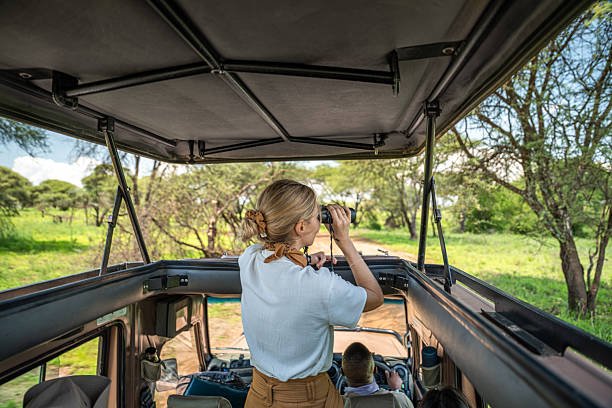
2 Day Group Joining Safari Departures From Moshi: Your Essential Guide
Explore 2-day group joining safaris departing from Moshi, Tanzania. This guide covers essential planning, itinerary options, what's included, and how to book your shared wildlife adventure...
View package details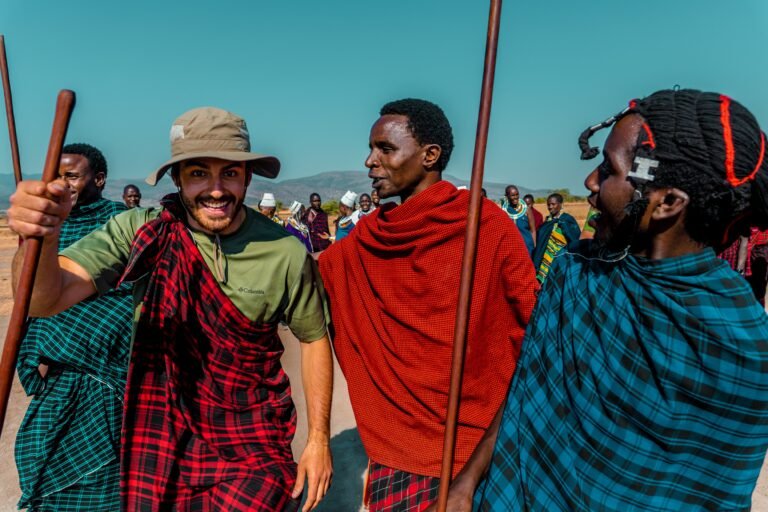
2 Days 1 Night Safari To Mikumi, Udzungwa & Maasai Village: 2026
Discover the highlights of Tanzania's southern circuit on a rapid 2-day, 1-night safari, combining wildlife viewing in Mikumi, unique landscapes in Udzungwa, and cultural immersion with the...
View package detailsWhat Do You Actually Pay For On An African Safari? 2026-2027
What Do You Actually Pay for on an African Safari? is explained with current 2026-2027 planning, price, itinerary and booking information.
View package detailsWhat Does A $1,000 African Safari Look Like? 2026-2027
What Does a $1,000 African Safari Look Like? is explained with current 2026-2027 planning, price, itinerary and booking information.
View package details20 Things You Never Knew About African Safari Animals Guide
Uncover fascinating and often overlooked aspects of African safari animals. This comprehensive guide reveals 20 incredible facts that will deepen your appreciation for wildlife on your...
View package detailsWhy Are Leopards So Difficult To See On Safari? 2026-2027
Why Are Leopards So Difficult to See on Safari? is explained with current 2026-2027 planning, price, itinerary and booking information.
View package detailsWhere Do Elephants Go During The Dry Season? Planning Your Tanzania Safari
During Tanzania's dry season, elephants migrate to areas with reliable water sources, often congregating in national parks and game reserves known for their permanent waterholes and rivers...
View package detailsWhat I Wish I Knew Before My First African Safari: A Practical Guide 2026-2027
Your first African safari is a monumental trip. This comprehensive guide shares essential, often overlooked, insights to help you plan and enjoy every moment, covering everything from...
View package details10 Mistakes First-Time Safari Travelers Make 2026-2027
10 Mistakes First-Time Safari Travelers Make is explained with current 2026-2027 planning, price, itinerary and booking information.
View package detailsWhat Nobody Tells You About African Safaris: Expert Insights For 2026-2027
Going on an African safari is a dream for many, but there are crucial details often overlooked. This guide reveals what nobody tells you about African safaris, covering everything from...
View package details15 Things Nobody Tells You Before Your First Safari In Tanzania 2026-2027
Planning your first Tanzanian safari? Beyond the stunning wildlife, there are practical, often unspoken, aspects of the experience that can significantly impact your trip. This guide...
View package detailsNo related package matches those filters. Clear one or more filters to see the other topic-matched options.



