
A 4-day mid-range lodge safari in Tanzania typically costs between $1,200 to $2,500 per person, depending on the specific parks visited, accommodation choices, and inclusions. A common itinerary focuses on the Northern Circuit, often including Tarangire National Park and the Serengeti National Park, with accommodation in comfortable lodges or tented camps, full board meals, park fees, and a private safari vehicle with a guide.

Understanding Mid-range Lodge Safari Costs
When planning a 4-day mid-range lodge safari in Tanzania, understanding the cost is paramount. The term “mid-range” itself implies a balance between comfort and value, avoiding the austerity of budget camping while not venturing into the exclusive luxury tier. For a 4-day adventure, this typically means staying in well-appointed lodges or comfortable tented camps that offer essential amenities like en-suite bathrooms, comfortable beds, and often dining facilities, but perhaps without the private plunge pools or expansive grounds of higher-end properties. The cost is a direct reflection of the quality of these accommodations, the parks you visit, the transportation, and the services provided by your tour operator.
The price range of $1,200 to $2,500 per person for a 4-day trip is a broad estimate, and the actual figure will depend on numerous variables. This is not a static price; it shifts based on the season, the specific national parks included, the number of people sharing the vehicle, and the exact inclusions of the safari package. For instance, a 4-day safari solely within Lake Manyara National Park will likely be at the lower end of this spectrum, whereas a swift tour encompassing Tarangire and a brief foray into the Serengeti will push the cost upwards. When considering future travel, such as for 2026 or 2027, it’s wise to anticipate slight annual increases due to inflation and operational costs, though the core pricing structure remains consistent.
It’s crucial to distinguish between per-person costs for shared safaris and private tours. Most operators price shared safaris on a per-person basis, assuming a minimum number of occupants in the safari vehicle (often 4-6 people). If you opt for a private safari, even for just four days, the cost will be higher per person because you are essentially covering the operational costs of the vehicle and guide yourself, regardless of how many people are in your group. For a 4-day mid-range lodge safari, opting for a shared departure can significantly reduce the per-person expense, making it a more accessible way to experience Tanzania’s wildlife.
Key Factors Influencing Your 4-Day Safari Budget
Several critical elements directly impact the final price of your 4-day mid-range lodge safari. Understanding these will help you manage expectations and make informed decisions when comparing quotes for your 2026-2027 travels.
Park Selection and Entry Fees
The choice of national parks is perhaps the most significant cost driver. Tanzania has a tiered park fee system, with some parks commanding higher daily entrance fees than others. For a short 4-day trip, operators often focus on parks that are logistically feasible and offer excellent wildlife viewing within a limited timeframe. Common choices include:
- Tarangire National Park: Known for its large elephant herds and baobab trees. Fees are typically around $50-$60 per person per day.
- Lake Manyara National Park: Famous for its tree-climbing lions and diverse birdlife. Fees are generally around $50-$60 per person per day.
- Serengeti National Park: The crown jewel, with vast plains and iconic wildlife. Serengeti fees are higher, often in the range of $70-$80 per person per day, plus a vehicle entry fee.
- Ngorongoro Conservation Area: While not a national park, it has conservation fees, typically around $70-$80 per person per day, with an additional vehicle fee for crater descent.
A 4-day itinerary that includes the Serengeti will inherently be more expensive than one focused on Tarangire and Manyara due to these higher park fees and longer driving distances, which also impact fuel and guide costs.
Accommodation Level and Type
As mentioned, “mid-range” can span a spectrum. Lodges and tented camps often have different pricing tiers based on their amenities, location, and exclusivity. A lodge with a swimming pool, on-site restaurant, and private balconies will naturally cost more than a simpler tented camp with basic but comfortable facilities. For a 4-day safari, the number of nights spent in these accommodations is limited, but the quality still matters. Expect to find options ranging from comfortable guesthouses on the outskirts of parks to well-established lodges within or near park boundaries.
Transportation: Vehicle and Guide
The safari vehicle and the guide are central to your experience and your budget. Most mid-range safaris utilize a 4×4 Land Cruiser or Land Rover, essential for navigating rough terrain. The cost of the vehicle, fuel, and the guide’s salary and expenses are bundled into the tour price. Private safaris, where you have the vehicle exclusively for your group, will always be more expensive per person than joining a group departure. The expertise of the guide is invaluable, and operators invest in experienced guides who know the parks intimately.
Group Size and Private vs. Shared
This is a significant factor for a 4-day trip. Joining a scheduled group safari is the most cost-effective way to experience a mid-range lodge safari. These are often advertised with specific departure dates. If your dates are flexible, this can be a great option for 2026 or 2027. A private safari, tailored to your schedule and preferences, offers more flexibility but comes at a higher per-person cost. For a 4-day safari, the difference might be noticeable, so consider your priorities: flexibility and exclusivity versus cost savings.
Time of Year (Seasonality)
Tanzania experiences distinct seasons, and prices can fluctuate accordingly. High season (typically June to October and December to February) sees higher demand and thus higher prices for lodges and sometimes even park fees. The shoulder seasons (like March, April, May, and November) can offer better value, though weather might be less predictable. Planning a 4-day mid-range lodge safari for the low season in 2026 or 2027 could lead to savings.
Inclusions and Exclusions
Always scrutinize what is included in the quoted price. A comprehensive mid-range package will typically cover accommodation, park fees, vehicle and guide, meals (full board), and airport transfers. However, exclusions can add up: international flights, visa fees, travel insurance, tips for guides and lodge staff, alcoholic beverages, and optional activities like hot air balloon safaris. Ensure you have a clear understanding of these to accurately budget for your 4-day adventure.
A Typical 4-Day Mid-range Lodge Safari Itinerary
A 4-day safari is relatively short, so itineraries are often designed to maximize wildlife viewing within a limited geographic area, typically focusing on the Northern Circuit’s most accessible and rewarding parks. Here’s a common example, assuming Arusha as the starting and ending point:
Day 1: Arusha to Tarangire National Park
After breakfast at your lodge in Arusha, you’ll meet your safari guide and depart for Tarangire National Park. This park is renowned for its large elephant populations, baobab trees, and diverse birdlife. You’ll spend the day on a game drive, exploring the park’s landscapes and searching for wildlife. Your accommodation for the night will be a mid-range lodge or tented camp located either inside or just outside the park boundaries. Meals typically include lunch and dinner.
Approximate Driving Time: 2-3 hours from Arusha.
Activities: Full-day game drive in Tarangire.
Accommodation: Mid-range lodge/tented camp near Tarangire.
Meals: Lunch, Dinner.
Day 2: Tarangire to Serengeti National Park (Central)
After an early breakfast, you’ll depart Tarangire and drive towards the legendary Serengeti National Park. The journey itself is scenic, often passing through the Ngorongoro Conservation Area. You’ll enter the Serengeti and start a game drive en route to your lodge or tented camp. The Serengeti is famous for its vast plains, the Great Migration (seasonal), and an incredible density of predators. Spend the afternoon exploring the central region, known for its resident wildlife year-round. Your accommodation will be a comfortable mid-range lodge or camp.
Approximate Driving Time: 5-6 hours from Tarangire to Central Serengeti.
Activities: Game drive en route to lodge, afternoon game drive in Serengeti.
Accommodation: Mid-range lodge/tented camp in Central Serengeti.
Meals: Breakfast, Lunch, Dinner.
Day 3: Serengeti National Park
Dedicate the full day to exploring the Serengeti. Depending on the season and wildlife movements, your guide will take you to areas known for exceptional sightings. You might focus on predator sightings, witness herds grazing, or explore different ecological zones within the park. Early morning and late afternoon game drives are often the most productive times for spotting active wildlife. Enjoy another night at your mid-range lodge or camp, perhaps with the sounds of the African bush surrounding you.
Activities: Full-day game drives in Serengeti (morning and afternoon).
Accommodation: Mid-range lodge/tented camp in Central Serengeti.
Meals: Breakfast, Lunch, Dinner.
Day 4: Serengeti to Ngorongoro Crater rim and Arusha
After a final morning game drive in the Serengeti, you’ll begin your journey back towards Arusha. The route will likely take you past the Ngorongoro Conservation Area. Depending on time and logistics, your tour operator might arrange a descent into the Ngorongoro Crater for a brief game drive. The crater is a UNESCO World Heritage Site and a natural amphitheater teeming with wildlife, including the rare black rhino. After your crater experience (or drive-by if time is very short), you’ll continue the drive back to Arusha, arriving in the late afternoon or early evening. This concludes your 4-day mid-range lodge safari.
Approximate Driving Time: 3-4 hours from Central Serengeti to Ngorongoro rim; 3-4 hours from Ngorongoro to Arusha.
Activities: Morning game drive in Serengeti, optional Ngorongoro Crater descent and game drive.
Meals: Breakfast, Lunch.
Note: This itinerary is a sample. For a 4-day mid-range lodge safari, it’s common to focus on Tarangire and the Serengeti, or perhaps Tarangire and Lake Manyara with a scenic drive through the Ngorongoro Conservation Area without crater descent, to manage driving times effectively. Including the Ngorongoro Crater descent usually requires an additional day or a very long final day.
Choosing Your Parks for a 4-Day Safari
Given the limited time of a 4-day mid-range lodge safari, strategic park selection is crucial to avoid spending too much time in transit and maximizing wildlife viewing opportunities. The Northern Circuit offers the most popular and logistically sound options for short trips.
The Northern Circuit: Classic for Short Safaris
This circuit is the most common choice for 4-day safaris due to its accessibility from Kilimanjaro International Airport (JRO) or Arusha, and the concentration of world-renowned parks. The parks are relatively close to each other, minimizing travel time.
- Tarangire National Park: Often the first stop, especially during the dry season (June-October) when the Tarangire River attracts large concentrations of wildlife, particularly elephants and predators. Its landscapes are also unique with massive baobab trees. It’s an excellent introduction to Tanzania’s wildlife and a good fit for Day 1 of a 4-day trip.
- Lake Manyara National Park: A smaller park, famous for its tree-climbing lions, large baboon troops, and diverse birdlife (including flamingos when water levels are high). It can be visited as a half-day or full-day excursion and is often combined with Tarangire or as a stop on the way to the Serengeti. Its compact size makes it efficient for a short safari.
- Serengeti National Park: The vastness of the Serengeti is its main appeal, offering unparalleled game viewing. For a 4-day safari, focusing on the central region (Seronera) is usually best. This area has resident wildlife year-round, making it reliable for sightings. Attempting to cover the entire Serengeti in just two days (Days 2 and 3 of a 4-day trip) is impossible, so a focused approach on Seronera is key. The Great Migration’s location shifts seasonally, so if seeing the migration is a priority, you’d need to plan your 2026 or 2027 trip accordingly and potentially adjust the itinerary or duration.
- Ngorongoro Crater: This is a highlight for many. However, descending into the crater requires a full day or at least a significant portion of one. The fees are also substantial. For a strict 4-day safari, fitting in a full crater descent can make the itinerary feel rushed, especially if it includes Tarangire and Serengeti. Often, operators might offer a drive along the crater rim for scenic views, or a brief descent if time is squeezed. If the Ngorongoro Crater is a must-see, consider extending your safari to 5 days.
Alternative Considerations for Very Short Trips
While less common for lodge safaris of this duration, if time is exceptionally tight or you prefer less travel, some operators might offer:
- Tarangire and Lake Manyara focus: A 4-day trip concentrating on these two parks offers excellent wildlife viewing without the extensive travel to the Serengeti. This can be a more relaxed pace for a short safari.
- Day trips from Arusha: For the absolute shortest experience, some might offer a day trip to a nearby conservancy or park, but this is far from a comprehensive lodge safari.
For a 4-day mid-range lodge safari aiming for the classic Tanzanian experience, a combination of Tarangire and the Serengeti, with a drive through the Ngorongoro Conservation Area, is generally the most recommended structure, accepting that the Serengeti portion will be a focused exploration of the central region.
Accommodation Options for Mid-range Lodges
The “mid-range” classification for accommodation on your 4-day mid-range lodge safari is where you’ll find a good balance of comfort, services, and value. These aren’t basic campsites, nor are they opulent five-star resorts. They are designed to provide a comfortable and authentic safari experience without breaking the bank. For trips planned in 2026 or 2027, you can expect a consistent quality across well-established operators.
Characteristics of Mid-range Lodges and Camps
- En-suite Bathrooms: This is a standard expectation. Rooms will have private bathrooms with hot and cold running water, showers, and toilets.
- Comfortable Beds: Expect proper beds with mattresses, linens, and pillows.
- Private Verandas or Patios: Many lodges offer a private space to relax and enjoy the surroundings, though not always with expansive views or private plunge pools.
- Dining Facilities: On-site restaurants serving buffet-style or à la carte meals. The quality of food is generally good, with a mix of local and international cuisine.
- Common Areas: Lounges or bars where guests can relax, socialize, and often enjoy sundowners.
- Electricity and Charging: Most lodges have electricity, though it might be generator-powered and available during specific hours. Facilities for charging electronics are usually available, but it’s wise to bring a universal adapter and power bank.
- Location: Mid-range lodges are often situated either inside the national parks (offering proximity to wildlife but potentially being more basic) or just outside the park gates (offering more amenities but requiring a short drive into the park each day).
- Atmosphere: They aim for a comfortable, welcoming atmosphere that enhances the safari experience without being overly formal or rustic.
Examples of Types of Mid-range Accommodations
While specific lodge names can vary by operator and park, you might encounter accommodations falling into these categories:
- Permanent Tented Camps: These are not the canvas tents of camping. They are spacious, canvas-walled structures on solid bases, often with proper beds, furniture, and en-suite bathrooms. They offer a more intimate connection with nature while providing comfort.
- Standard Lodges: These are more traditional brick-and-mortar structures, offering comfortable rooms, often arranged in bungalows or a central lodge building. They usually have more extensive facilities like swimming pools and larger dining areas.
- Boutique Lodges: Some operators partner with smaller, locally-owned lodges that offer a more personalized feel. While still mid-range, they might have unique charm and character.
When booking your 4-day mid-range lodge safari, ask your tour operator for specific examples of the lodges they use in each park. This will give you a clearer picture of the comfort level and amenities you can expect for your 2026 or 2027 adventure. Photos and descriptions on the operator’s website or provided in quotes are helpful indicators.
What Is Usually Included in a 4-Day Lodge Safari Package?
A well-structured 4-day mid-range lodge safari package from a reputable operator like Climb 4 Africa aims to provide a comprehensive and hassle-free experience. Understanding these inclusions is vital for budgeting and comparing different safari offers for your 2026-2027 travel plans.
Standard Inclusions for a 4-Day Mid-range Lodge Safari:
- Accommodation: Nights in mid-range lodges or tented camps as per the itinerary. This usually covers 3 nights for a 4-day safari.
- Meals: Full board is standard for safari days (breakfast, lunch, and dinner). This ensures you’re well-fed throughout your game drives and evenings. Drinks are typically not included unless specified.
- Park Entrance Fees: All park and conservation fees for the duration of the safari are covered. These can be a significant portion of the total cost.
- Vehicle and Fuel: A 4×4 safari vehicle (Land Cruiser or Land Rover) equipped for game viewing, with sufficient fuel for the entire itinerary.
- Professional Safari Guide: An experienced, English-speaking (or your preferred language) driver-guide with extensive knowledge of wildlife, flora, fauna, and local culture.
- Game Drives: Scheduled game drives within the national parks as outlined in the itinerary.
- Bottled Water: Typically, a cooler box with bottled water is provided in the vehicle for use during game drives.
- Airport Transfers: Transfers from Kilimanjaro International Airport (JRO) or Arusha Airport to your starting hotel and from the end of the safari back to the airport or your hotel in Arusha.
- Crater Service Fees (if applicable): If the Ngorongoro Crater descent is included, the associated vehicle and guide fees for the crater floor are covered.
Common Exclusions to Budget For:
It’s equally important to be aware of what is typically *not* included, as these items will represent additional costs for your trip:
- International Flights: Flights to and from Kilimanjaro International Airport (JRO).
- Visa Fees: Tanzania visa costs, which can often be obtained on arrival or in advance.
- Travel Insurance: Comprehensive travel and medical evacuation insurance is highly recommended and mandatory for many operators.
- Tips: Gratuities for your safari guide, camp/lodge staff, and any other service providers. This is a customary practice and an important part of supporting local livelihoods.
- Alcoholic and Soft Drinks: While water is usually provided, other beverages from the lodge bar or purchased separately are typically extra.
- Optional Activities: Such as hot air balloon safaris in the Serengeti, guided bush walks (where available and permitted), or cultural visits.
- Personal Expenses: Souvenirs, laundry, personal medication, etc.
- Pre- and Post-Safari Accommodation: If you arrive a day or two early or stay longer in Arusha, these nights are usually not part of the safari package.
When requesting a quote for your 4-day mid-range lodge safari for 2026 or 2027, always ask for a detailed list of inclusions and exclusions. This transparency ensures there are no surprises and allows you to fully budget for your adventure.
What to Expect From Your 4-Day Safari Guide and Vehicle
The safari guide and the vehicle are your primary tools for experiencing the wildlife on a 4-day mid-range lodge safari. They are central to your comfort, safety, and the success of your game viewing. Understanding what to expect will enhance your appreciation for their role.
The Safari Guide: Your Window to the Wild
Your safari guide is much more than just a driver. They are trained professionals with deep knowledge and experience:
- Wildlife Expertise: They possess an intimate understanding of animal behavior, habitats, and the best locations and times to find specific species. They can often identify animals by sound or tracks long before you see them.
- Navigation: They know the park’s road networks intimately, allowing them to navigate efficiently and reach optimal viewing spots without wasting precious safari time.
- Safety: Your guide is trained in safety protocols. They will advise you on how to behave in the vehicle and when exiting (if permitted), ensuring your well-being around potentially dangerous wildlife.
- Cultural Insights: Many guides are also knowledgeable about local cultures, traditions, and the history of the region, adding another layer to your safari experience.
- Vehicle Mechanics: In remote areas, guides are often skilled in basic vehicle maintenance, which can be crucial if a minor issue arises.
- Communication: They act as your liaison with the tour operator and lodge staff, ensuring your needs are met.
For a 4-day mid-range lodge safari, expect your guide to be enthusiastic, patient, and dedicated to providing an exceptional experience. They will often ask about your interests (e.g., specific animals, photography) to tailor the game drives accordingly.
The Safari Vehicle: Your Mobile Observation Post
The vehicle is your primary base for game viewing. For mid-range safaris, this typically means:
- Type: A sturdy 4×4 safari vehicle, usually a Land Cruiser or Land Rover, is standard. These vehicles are built for rough terrain and offer excellent ground clearance.
- Pop-up Roof: The most crucial feature is the pop-up roof, which allows you to stand up and get unobstructed 360-degree views of the wildlife. This is essential for photography and optimal viewing.
- Comfort: While not luxurious, the seats are generally comfortable, and there is adequate space for luggage in the back. For a 4-day trip, you won’t be packing excessively, so space is usually sufficient.
- Windows: Large windows provide good visibility even when the roof is down.
- Cooler Box: A cooler box with bottled water is usually provided, keeping your drinks refreshingly cold during game drives.
- Power Outlets: Some vehicles may have USB ports or 12V sockets for charging devices, but this is not guaranteed. It’s best to rely on your power bank or charge at the lodge.
- Capacity: For mid-range safaris, vehicles typically seat between 5 to 7 passengers comfortably, allowing each person a window seat. If you’ve booked a private safari, you might have more space.
When booking your 4-day mid-range lodge safari for 2026 or 2027, confirm the type of vehicle and the number of passengers typically accommodated. This ensures you have a clear picture of your safari setup. A reliable vehicle and a knowledgeable guide are the cornerstones of a successful and enjoyable safari experience.
Planning Your 4-Day Safari for 2026-2027
Planning a 4-day mid-range lodge safari requires a bit of foresight, especially if you’re looking ahead to 2026 or 2027. While it’s a short trip, making the most of it involves strategic decisions about timing, booking, and preparation.
Best Time to Travel
For a 4-day safari, the weather is a key consideration. The dry seasons generally offer the best wildlife viewing as animals congregate around water sources, and the vegetation is less dense.
- Peak Dry Season (June – October): Excellent for wildlife viewing, cooler temperatures. Higher demand and prices.
- Short Rains (November – December): Lush landscapes, fewer crowds, but some roads might be affected. Prices can be slightly lower.
- Long Rains (March – May): Green season, very few tourists, dramatic skies. However, some lodges might close, and game viewing can be more challenging due to dispersed wildlife and difficult road conditions. Prices are lowest.
- Transition Seasons (January – February): Can be good, with wildlife around, and fewer crowds than peak season.
For a 4-day mid-range lodge safari, aiming for the dry season (June-October) or the shoulder months (like January-February) often provides a good balance of reliable game viewing and manageable costs for your 2026 or 2027 trip. If seeing the Great Migration is a priority, research its typical location during your chosen months.
Booking Window and Availability
While a 4-day safari might seem short, popular lodges and safari vehicles can book up, especially during peak seasons. For 2026 and 2027 travel, especially if you’re targeting specific dates or looking for shared departures, it’s advisable to book:
- 6-12 months in advance for peak season travel.
- 3-6 months in advance for shoulder or off-peak seasons.
This lead time ensures you get your preferred accommodation and safari vehicle, and it can sometimes lock in better rates before potential price adjustments.
Essential Preparation
Before you start your 4-day mid-range lodge safari, consider these preparation steps:
- Visas: Check Tanzania’s visa requirements for your nationality and apply in advance if necessary.
- Vaccinations and Health: Consult your doctor about recommended vaccinations (e.g., Yellow Fever, Hepatitis A) and malaria prophylaxis.
- Travel Insurance: Ensure you have comprehensive travel insurance that includes medical evacuation.
- Packing: Pack light, neutral-colored clothing suitable for warm days and cooler evenings. Essential items include sunscreen, insect repellent, a wide-brimmed hat, sunglasses, comfortable walking shoes, and a good pair of binoculars. A camera with extra batteries and memory cards is a must.
- Currency: Have some US dollars (newer bills are preferred) for tips and personal expenses. Local currency (Tanzanian Shilling) is useful for small purchases in towns.
Thorough planning for your 4-day mid-range lodge safari will ensure a smooth and memorable experience, allowing you to focus entirely on the incredible wildlife and landscapes Tanzania has to offer in 2026 or 2027.
Booking Your 4-Day Mid-range Safari
Securing your 4-day mid-range lodge safari is the final step in bringing your Tanzanian adventure to life. When you’re ready to move forward, working with an experienced and reputable tour operator is key. Climb 4 Africa specializes in creating tailored safari experiences, including short, impactful 4-day trips, with a focus on providing excellent value and practical local support.
To get the most accurate quote and ensure your safari meets your expectations for 2026 or 2027, consider the following when contacting us:
- Your preferred travel dates: Flexibility can sometimes lead to better availability and pricing.
- Number of travelers: Specify if you are looking for a shared departure or a private safari.
- Specific parks or interests: While a 4-day safari is short, let us know if you have particular wildlife you’re keen to see or specific parks in mind.
- Accommodation preferences: Mention if you have any specific requirements or preferences within the mid-range category.
- Any special requests: For example, dietary needs, photography focus, or if you are combining the safari with a Kilimanjaro climb.
We can then provide a detailed itinerary and a transparent quote outlining all inclusions and exclusions, helping you understand exactly what your 4-day mid-range lodge safari package covers. Our team is dedicated to ensuring your safari is not just an adventure, but a well-organized and unforgettable journey.
Ready to plan your 4-day mid-range lodge safari? Contact Climb 4 Africa today to discuss your ideal itinerary for 2026 or 2027. You can reach us via WhatsApp at +255 747 477 898 or send an email to climb4africa@gmail.com. We look forward to helping you discover the magic of Tanzania!
Check Availability for 4 Days Mid-Range Lodge Safari Cost And Itinerary: Your Tanzania Wildlife
Ready to compare dates, prices, and the best option for your group? Send the package name and travel month so the team can reply with a clear quote, availability, and what is included.
How Much Does An African Safari Really Cost? 2026-2027
How Much Does an African Safari Really Cost? is explained with current 2026-2027 planning, price, itinerary and booking information.
View package details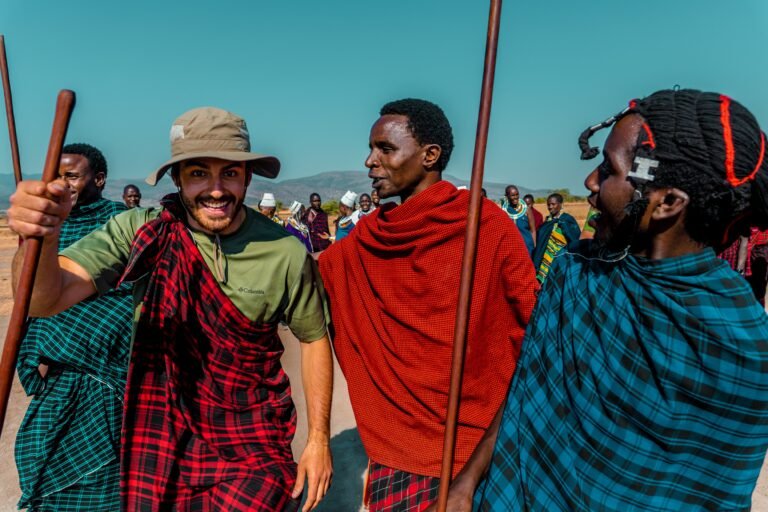
2 Days 1 Night Safari To Mikumi, Udzungwa & Maasai Village: 2026
Discover the highlights of Tanzania's southern circuit on a rapid 2-day, 1-night safari, combining wildlife viewing in Mikumi, unique landscapes in Udzungwa, and cultural immersion with the...
View package details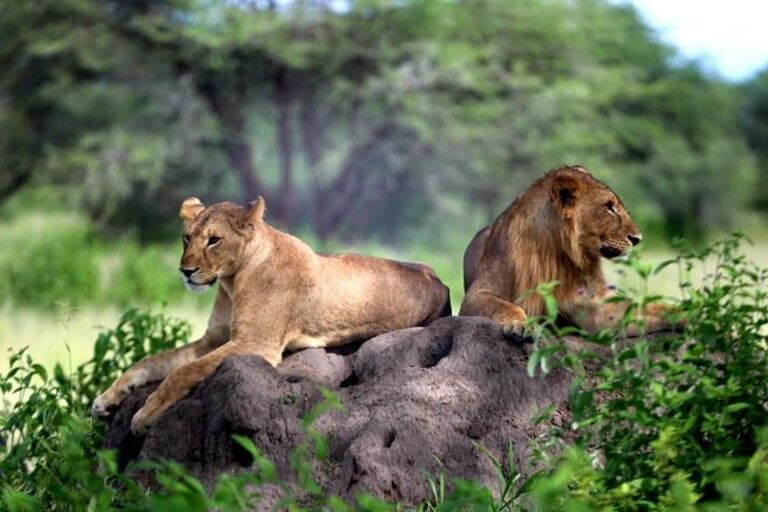
3 Day Joining Safari Group Departures From Moshi: 2026
Discover convenient 3-day group safari departures from Moshi, perfect for maximizing your Tanzania adventure. Explore wildlife-rich parks like Tarangire, Manyara, or the Serengeti on shared...
View package details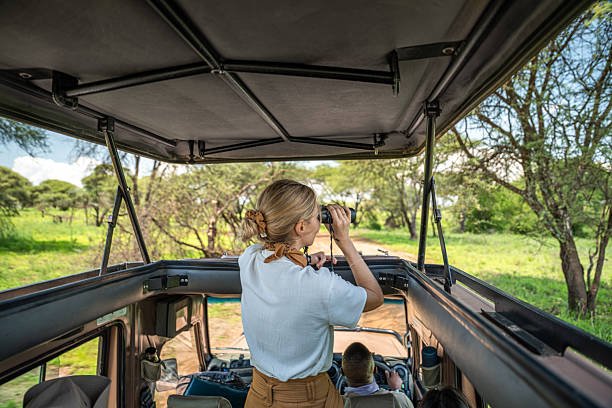
2 Day Group Joining Safari Departures From Moshi: Your Essential Guide
Explore 2-day group joining safaris departing from Moshi, Tanzania. This guide covers essential planning, itinerary options, what's included, and how to book your shared wildlife adventure...
View package detailsWhat Do You Actually Pay For On An African Safari? 2026-2027
What Do You Actually Pay for on an African Safari? is explained with current 2026-2027 planning, price, itinerary and booking information.
View package detailsWhat Does A $1,000 African Safari Look Like? 2026-2027
What Does a $1,000 African Safari Look Like? is explained with current 2026-2027 planning, price, itinerary and booking information.
View package details20 Things You Never Knew About African Safari Animals Guide
Uncover fascinating and often overlooked aspects of African safari animals. This comprehensive guide reveals 20 incredible facts that will deepen your appreciation for wildlife on your...
View package detailsWhy Are Leopards So Difficult To See On Safari? 2026-2027
Why Are Leopards So Difficult to See on Safari? is explained with current 2026-2027 planning, price, itinerary and booking information.
View package detailsWhere Do Elephants Go During The Dry Season? Planning Your Tanzania Safari
During Tanzania's dry season, elephants migrate to areas with reliable water sources, often congregating in national parks and game reserves known for their permanent waterholes and rivers...
View package detailsWhat I Wish I Knew Before My First African Safari: A Practical Guide 2026-2027
Your first African safari is a monumental trip. This comprehensive guide shares essential, often overlooked, insights to help you plan and enjoy every moment, covering everything from...
View package details10 Mistakes First-Time Safari Travelers Make 2026-2027
10 Mistakes First-Time Safari Travelers Make is explained with current 2026-2027 planning, price, itinerary and booking information.
View package detailsWhat Nobody Tells You About African Safaris: Expert Insights For 2026-2027
Going on an African safari is a dream for many, but there are crucial details often overlooked. This guide reveals what nobody tells you about African safaris, covering everything from...
View package detailsNo related package matches those filters. Clear one or more filters to see the other topic-matched options.



