
A 2-day, 1-night safari combining Mikumi National Park, Udzungwa Mountains, and a Maasai village experience offers a condensed yet impactful introduction to Tanzania’s southern circuit. This fast-paced itinerary is ideal for travelers with limited time, typically starting from Arusha or Dar es Salaam, and usually involves overnight stays in or near Mikumi or within a Maasai community. Expect a blend of diverse wildlife viewing in Mikumi’s plains, unique forest trekking in Udzungwa, and authentic cultural interaction with the Maasai people, all packed into a single, action-filled weekend or short break.
Introduction to the 2-Day Mikumi, Udzungwa & Maasai Safari
Tanzania, a land synonymous with vast savannas and iconic wildlife, offers experiences that can sometimes feel out of reach for those on a tight schedule. However, the southern circuit, often overshadowed by its northern counterparts, presents a compelling alternative for a rapid yet rewarding adventure. A 2-day, 1-night safari to Mikumi, Udzungwa, and a Maasai village is meticulously crafted for the time-constrained traveler, promising a concentrated dose of Tanzania’s diverse natural beauty and rich cultural heritage. This itinerary is more than just a quick trip; it’s a carefully curated journey designed to showcase the unique ecosystems of Mikumi National Park, the pristine rainforests of Udzungwa Mountains, and the vibrant traditions of the Maasai people. It’s an opportunity to witness the drama of the African wild, explore landscapes that defy typical safari expectations, and connect with one of Tanzania’s most celebrated indigenous communities, all within a whirlwind 48-hour window.
This compact safari is particularly attractive for those flying into Dar es Salaam or Arusha, offering a feasible escape from the city bustle without requiring extensive travel days. It appeals to a broad spectrum of travelers, from solo adventurers seeking a quick cultural and wildlife fix to couples or small groups looking for an efficient way to experience Tanzania’s magic. The challenge lies in balancing the distinct experiences of three vastly different environments – the open plains, the dense forests, and the cultural heartland – into a coherent and fulfilling short trip. Understanding the logistics, the best times to travel, and what to expect is crucial for maximizing this unique adventure, especially as you plan for potential trips in 2026 or 2027.
Why Choose a 2-Day, 1-Night Safari to Mikumi, Udzungwa, and Maasai Village?
Deciding on a safari itinerary often involves balancing the desire for depth with the practicalities of time and budget. A 2-day, 1-night safari to Mikumi, Udzungwa, and a Maasai village emerges as a strategic choice for a specific kind of traveler. It’s not about seeing everything; it’s about experiencing the essence of diverse Tanzanian landscapes and cultures efficiently and memorably. The appeal of this short safari lies in its unique combination of advantages, making it a surprisingly popular option for those who might otherwise think a Tanzanian safari is beyond their reach.
Time Efficiency: Maximizing Experience in Minimal Time
The most significant draw for this particular itinerary is its unparalleled time efficiency. In today’s fast-paced world, many travelers find themselves with limited vacation days. A 2-day, 1-night safari transforms a standard weekend or a short gap in a longer trip into an opportunity for genuine adventure. It bypasses the need for longer travel times often associated with more extensive safaris, allowing visitors to experience distinct Tanzanian environments and cultures without taking significant time off work. This compressed format is perfect for those on business trips in East Africa or for travelers who wish to add a concentrated safari experience to a longer itinerary that might include Zanzibar or a Kilimanjaro climb, maximizing their time on the ground in Tanzania. The logistical planning by operators like Climb 4 Africa is key to making this rapid pace feasible and enjoyable.
Variety of Ecosystems: Plains, Mountains, and Culture
What sets this short safari apart is the incredible diversity packed into such a brief period. Unlike a typical safari focused solely on wildlife plains, this itinerary offers a tripartite experience: the savannah of Mikumi, the montane forests of Udzungwa, and the pastoral lands of the Maasai. Mikumi provides classic safari encounters with large mammals. Udzungwa offers a completely different landscape, a haven for trekkers with unique flora and fauna, including endemic primates and birds, often described as the ‘Galapagos of Africa’. Finally, the visit to a Maasai village provides an invaluable cultural immersion, offering insights into the traditional lifestyle, customs, and social structures of one of Africa’s most iconic tribes. This blend ensures that travelers don’t just see wildlife; they engage with the broader natural and human mix of Tanzania.
Affordability: A Budget-Conscious Tanzanian Adventure
Extended safaris can represent a significant investment. A 2-day, 1-night safari is inherently more budget-friendly. By reducing the duration, you naturally cut down on costs related to accommodation, vehicle hire, park fees, and guide services. This makes a Tanzanian safari accessible to a wider range of travelers, including students, backpackers, or those on a tighter budget who still wish to experience the magic of an African safari. While it’s a short trip, the value proposition is high, offering a rich experience for a comparatively lower cost. When budgeting for 2026-2027, this option remains a compelling choice for cost-conscious adventurers.
Accessibility: Proximity to Major Hubs
The southern circuit, particularly Mikumi and Udzungwa, boasts better accessibility from major Tanzanian cities like Dar es Salaam and Arusha compared to some more remote northern parks. This strategic location is what makes the 2-day, 1-night safari logistically viable. Travel times, while still significant, are manageable within the timeframe. For instance, from Dar es Salaam, Mikumi is approximately a 4-5 hour drive, and Udzungwa is a similar distance, often accessed via the town of Ifakara or Mikumi itself. Arusha is further, but direct transfers can be arranged. This accessibility means less time spent in transit and more time for actual exploration, a critical factor for a short itinerary.
Understanding the Destinations: Mikumi, Udzungwa, and the Maasai Experience
To truly appreciate a 2-day, 1-night safari to Mikumi, Udzungwa, and a Maasai village, it’s essential to understand what makes each destination unique. These three components are not randomly chosen; they represent distinct facets of Tanzania’s natural and cultural heritage, each offering a different kind of experience that contributes to the overall richness of the short trip.
Mikumi National Park: The ‘Little Serengeti’
Mikumi National Park is Tanzania’s fourth-largest national park and serves as a vital wildlife corridor connecting Selous Game Reserve (now Nyerere National Park) with Ruaha National Park. Its strategic location along the main road between Dar es Salaam and Iringa makes it an accessible and popular safari destination, especially for short trips. Often referred to as the ‘Little Serengeti’ due to its open grasslands and abundant wildlife, Mikumi is characterized by a vast floodplain that attracts a wide array of herbivores and their predators.
Wildlife Highlights in Mikumi
Mikumi is renowned for its high chances of spotting the ‘Big Four’: lions, elephants, buffaloes, and leopards. While cheetahs are present, they are less commonly seen than in other parks. The park’s hippo pools are a major attraction, offering close-up views of these semi-aquatic mammals. Giraffes are abundant, often seen browsing from acacia trees. Herds of zebras, wildebeest, impalas, and various other antelopes graze across the plains, creating classic safari scenes. Birdlife is also prolific, with over 400 species recorded, including colorful European migrants during the cooler months. The park’s open nature means wildlife is often visible from the main road, making it ideal for game drives.
Best Time to Visit Mikumi
Mikumi can be visited year-round. The dry season, from June to October, offers the best conditions for wildlife viewing as animals congregate around dwindling water sources. Vegetation is also less dense, improving visibility. The wet season, from November to May, brings lush green landscapes and is excellent for birdwatching. However, some roads can become challenging during heavy rains, though the main circuits are usually accessible. For a 2-day, 1-night safari, planning around the dry season might offer slightly better wildlife sighting probabilities, but the park remains rewarding at any time.
Safari Activities in Mikumi
The primary activity in Mikumi is game driving, typically conducted in 4×4 safari vehicles. Drives can be self-driven (with a hired vehicle and guide) or arranged as part of a tour package. Because the park is relatively compact and has a good road network, even a short game drive on a 2-day, 1-night safari can yield significant sightings. Some lodges may offer guided walking safaris or night drives, though these are less common as standard inclusions for such a short trip and often depend on the specific operator and accommodation.
Udzungwa Mountains National Park: The Galapagos of Africa
Udzungwa Mountains National Park is a world-renowned biodiversity hotspot, part of the Eastern Arc Mountains, a chain of ancient mountain ranges. It is one of Tanzania’s most unique protected areas, characterized by its pristine tropical and montane rainforests, miombo woodlands, and grasslands. Unlike most Tanzanian national parks, Udzungwa is primarily a trekking and hiking destination, with minimal game driving. Its isolation and unique geological history have led to a high level of endemism, earning it the nickname ‘the Galapagos of Africa’ for its flora and fauna.
Unique Biodiversity in Udzungwa
Udzungwa is famous for its primates, particularly the rare Udzungwa red colobus monkey and the endangered Sanje mangabey, both found nowhere else on Earth. The park is also a haven for birdwatchers, with over 400 bird species, including several endemic ones like the Udzungwa partridge and Udzungwa spectacled weaver. The plant life is equally remarkable, featuring ancient trees, orchids, and a rich diversity of medicinal plants. The park’s rugged terrain and dense forest canopy create an environment that feels vastly different from the open plains of Mikumi.
Trekking and Hiking in Udzungwa
The main activities in Udzungwa revolve around hiking. The most popular trails include the trek to the stunning Mwaneng’eng’e Waterfall and the more challenging hike to the Lumemo Falls. The trail to the Sanje Waterfalls is also a significant draw, offering spectacular views and opportunities to spot wildlife. Hikes vary in difficulty and duration, from short, easy walks to full-day treks. For a 2-day, 1-night safari, a moderate hike to one of the waterfalls is usually incorporated, providing a refreshing contrast to the safari experience.
Best Time to Visit Udzungwa
Udzungwa can be visited year-round, but the best trekking conditions are during the dry seasons: June to October and December to February. During the rainy seasons (March-May and November), trails can become muddy and slippery, and mist can obscure views. However, even in the wet season, the forest is incredibly lush and vibrant, and birdlife is abundant. For travelers planning a 2-day, 1-night safari in 2026 or 2027, aiming for the dry months will generally provide a more comfortable trekking experience.
Maasai Cultural Village: An Authentic Encounter
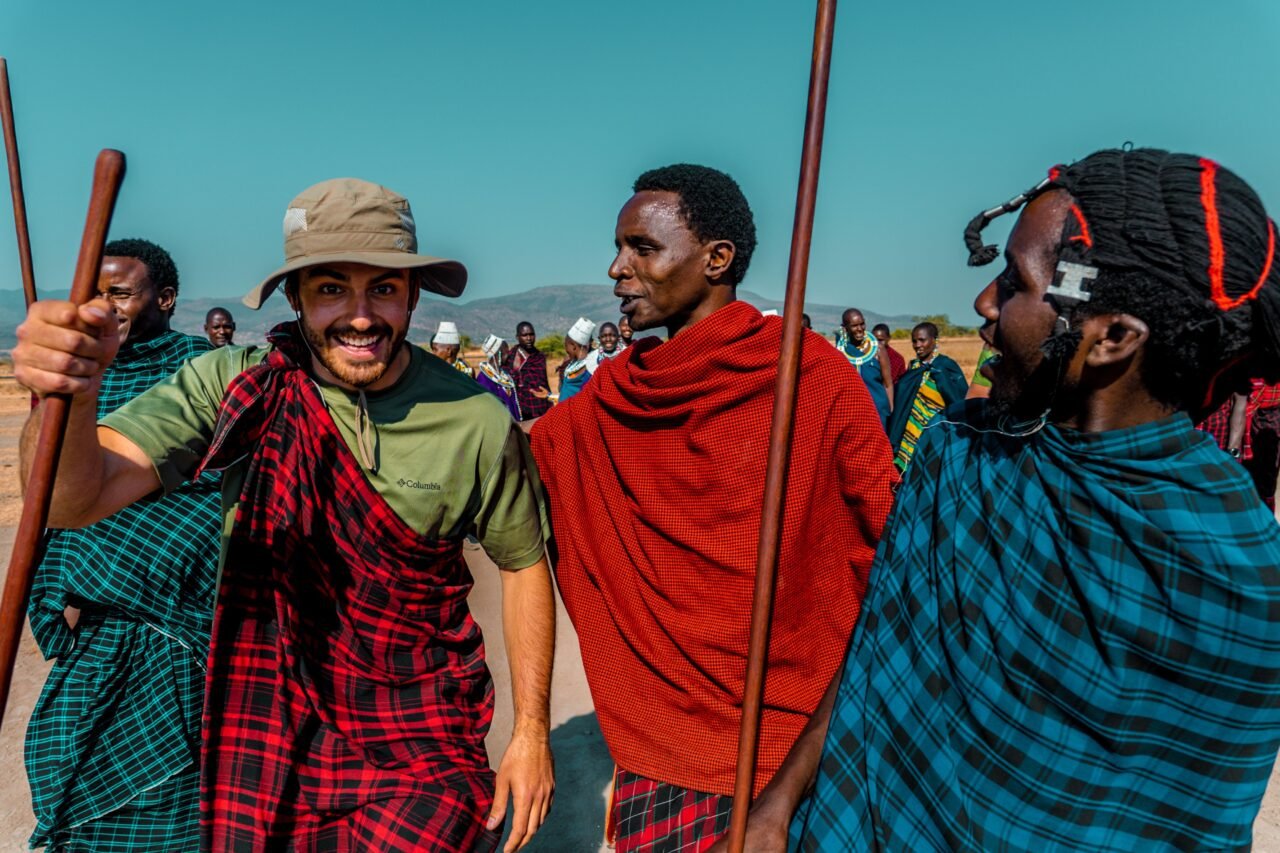
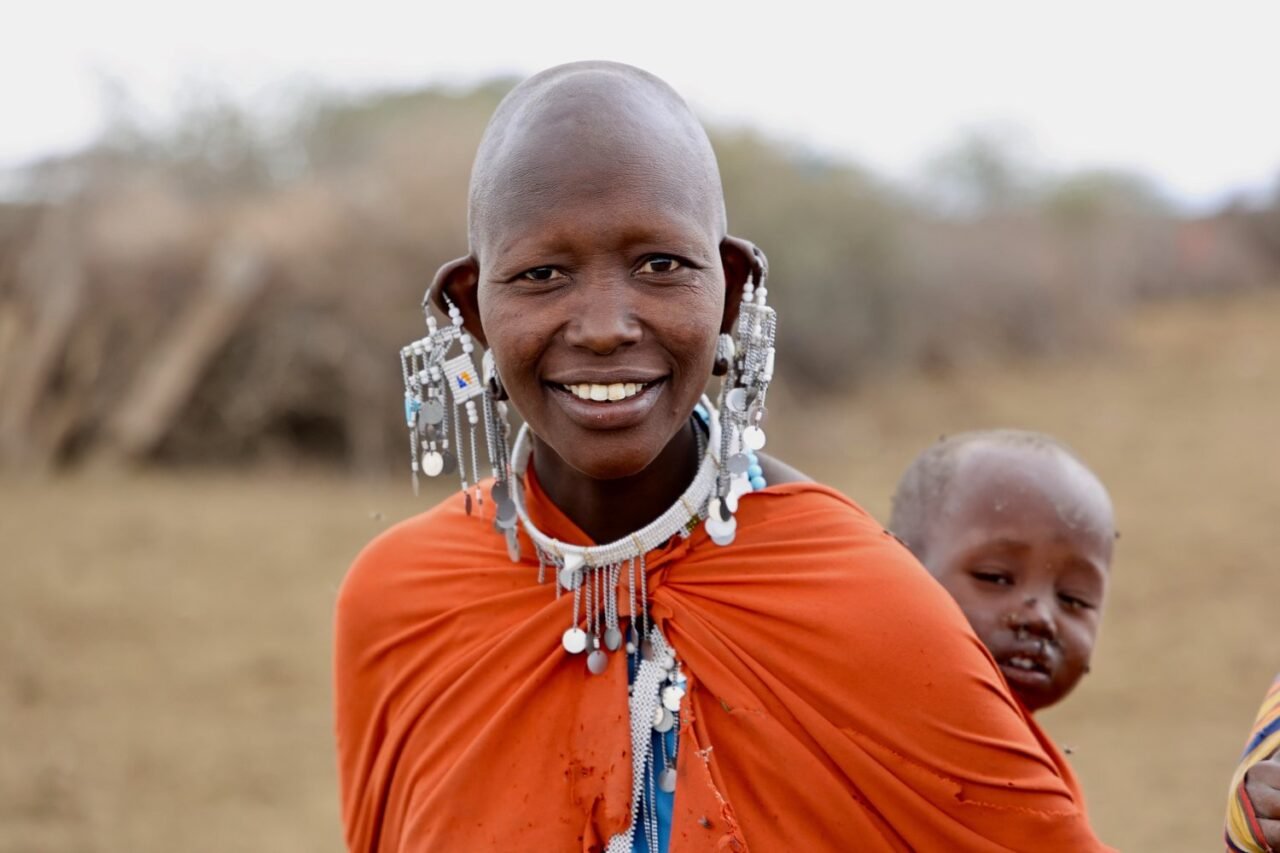
No visit to this region of Tanzania is complete without an encounter with the Maasai people, one of the most recognizable indigenous groups in East Africa. Known for their vibrant red shukas, intricate beadwork, and traditional pastoralist lifestyle, the Maasai offer a profound cultural experience. A visit to a Maasai village on a short safari is designed to provide respectful insight into their way of life, traditions, and social structures.
What to Expect During a Maasai Village Visit
A typical village visit involves being welcomed by the community, often with a traditional song and dance. You’ll have the opportunity to enter a traditional Maasai ‘boma’ (homestead), learn about their housing (enkaji), their cattle-centric economy, and their social customs. Guides will often facilitate interactions, explaining their beliefs, practices, and the challenges they face in modern times. Some villages offer opportunities to purchase authentic Maasai crafts directly from the artisans, providing direct economic benefit. The experience is educational and aims to foster mutual understanding.
Responsible Tourism with the Maasai
It is crucial that visits to Maasai communities are conducted responsibly and ethically. Reputable tour operators, like Climb 4 Africa, partner with specific villages or community projects to ensure that tourism benefits the community directly and respectfully. This means avoiding exploitative practices, respecting privacy, and engaging with genuine curiosity. Travelers are encouraged to ask questions respectfully and be open to learning. Understanding that these are real communities, not just tourist attractions, is paramount. For tours planned in 2026-2027, ensuring responsible tourism practices are in place is a priority for ethical operators.
Sample 2-Day, 1-Night Safari Itinerary: Mikumi, Udzungwa, Maasai
This sample itinerary is a blueprint for a packed 2-day, 1-night safari to Mikumi, Udzungwa, and a Maasai village. It’s designed to maximize your experience within a tight timeframe, typically starting from Arusha or Dar es Salaam. The exact order and timings can be adjusted based on your starting point and specific interests, but this provides a realistic overview of what such a trip entails.
Day 1: Morning Departure and Mikumi Game Drive
- Morning (approx. 7:00 AM): Depart from your hotel in Arusha or Dar es Salaam in a private 4×4 safari vehicle with a professional guide. The drive to Mikumi National Park typically takes 4-5 hours, depending on your starting point and road conditions. Enjoy the changing landscapes as you travel through rural Tanzania.
- Late Morning/Lunch (approx. 11:00 AM – 1:00 PM): Arrive at Mikumi National Park. You’ll likely have a packed lunch or stop at a lodge/restaurant near the park entrance. After lunch, start your first game drive.
- Afternoon (approx. 1:00 PM – 4:00 PM): Explore Mikumi National Park. Focus on the central plains where wildlife is most concentrated. Look for elephants, giraffes, zebras, wildebeest, buffaloes, and lions. Your guide will help you spot and identify various species. The park’s open terrain allows for excellent viewing opportunities.
- Late Afternoon (approx. 4:00 PM onwards): Exit Mikumi National Park and drive towards the Udzungwa Mountains region or a nearby lodge. Some itineraries may incorporate a brief Maasai village visit this evening if time and logistics permit, or it might be scheduled for the next day. Check into your accommodation.
- Evening: Dinner at your lodge. Relax and prepare for the next day’s activities.
Day 1: Afternoon Udzungwa Trekking and Maasai Visit (Alternative/Combined Approach)
- (Note: This section assumes a slightly different flow where Udzungwa/Maasai are prioritized after Mikumi, or if starting closer to Udzungwa.)
- Afternoon (approx. 4:00 PM – 6:00 PM): After your Mikumi game drive, head towards the Udzungwa Mountains National Park entrance. start a guided nature walk or a short trek to one of the accessible waterfalls, such as the viewpoint for the Mwaneng’eng’e Falls or a portion of the trail towards Sanje Falls. This offers a refreshing contrast to the safari environment.
- Late Afternoon/Early Evening (approx. 6:00 PM – 7:30 PM): Visit a local Maasai village. This cultural immersion typically involves a guided tour of the boma, learning about their traditions, and interacting with the community. You may witness a traditional dance and have the opportunity to purchase local crafts.
- Evening: Check into your accommodation, which could be a lodge near Udzungwa, a campsite, or even a community-run guesthouse if available and pre-arranged. Dinner will be served.
Day 2: Morning Mikumi or Udzungwa Exploration and Return
- Morning (approx. 7:00 AM – 9:00 AM): After breakfast, depending on your preference and the itinerary’s focus, you could opt for:
- Option A (Mikumi Focus): A final, early morning game drive in Mikumi National Park to catch wildlife activity during the cooler hours.
- Option B (Udzungwa Focus): A more extensive trek in Udzungwa Mountains National Park, perhaps to a different waterfall or a more challenging section of a trail.
- Late Morning (approx. 9:00 AM – 10:00 AM): Begin your journey back towards your starting point (Arusha or Dar es Salaam).
- Lunch (approx. 1:00 PM – 2:00 PM): Stop en route for lunch at a local restaurant.
- Afternoon (approx. 4:00 PM – 6:00 PM): Arrive back at your hotel in Arusha or Dar es Salaam, concluding your whirlwind 2-day, 1-night safari.
Logistics and Planning Your 2-Day Safari
Successfully executing a 2-day, 1-night safari to Mikumi, Udzungwa, and a Maasai village hinges on meticulous planning and understanding the logistical nuances. This isn’t a trip you can easily improvise; it requires careful consideration of transport, accommodation, timing, and what to bring to ensure a smooth and enjoyable experience, especially when planning for trips in 2026 or 2027.
Starting Points and Transport
The choice of starting point significantly impacts travel times and the feasibility of the 2-day itinerary. Both Arusha and Dar es Salaam are common starting points, each with its advantages.
From Arusha
Arusha is the traditional hub for northern circuit safaris, but it can also serve as a starting point for southern circuit excursions. The drive from Arusha to Mikumi is longer, typically 6-7 hours, meaning a very early start is essential on Day 1, and arrival back in Arusha will be late on Day 2. This longer transit time might make a 2-day trip from Arusha feel rushed, and some travelers might prefer to start from Dar es Salaam if time is extremely limited. However, it’s feasible with dedicated planning and a capable tour operator.
From Dar es Salaam
Dar es Salaam offers the most practical starting point for a 2-day, 1-night safari to Mikumi, Udzungwa, and Maasai. Mikumi is approximately a 4-5 hour drive from the city, and Udzungwa is in the same general direction. This proximity allows for a more relaxed pace on Day 1, with ample time for both Mikumi game drives and a visit to Udzungwa or the Maasai village. Similarly, the return journey on Day 2 is less demanding. Many short safaris departing from Dar es Salaam utilize this southern circuit combination.
Transport is almost exclusively via a private 4×4 safari vehicle. This is crucial for navigating park roads, providing comfort, and ensuring good viewing opportunities. The vehicle should be well-maintained, with a pop-up roof for game viewing. The guide is equally important – an experienced, knowledgeable driver-guide who understands animal behavior, park rules, and can manage the tight schedule effectively.
Accommodation Options
Given the short duration, accommodation choices are geared towards convenience and proximity to the attractions. Options typically include:
- Lodges and Tented Camps near Mikumi: These offer comfortable stays with varying levels of luxury, often situated just outside or even within the park boundaries. They provide amenities like en-suite bathrooms, restaurants, and sometimes swimming pools. Examples include Mikumi Park Cottages, Mikumi Adventure Lodge, or Vuma Hills Tented Camp.
- Basic Campsites: For budget travelers, camping within designated areas or just outside the park is an option. This involves setting up tents and often using shared facilities.
- Community-run Guesthouses/Homestays: In or near the Maasai villages or Udzungwa, there might be opportunities for more in-depth, albeit basic, accommodation. This can offer a unique cultural experience but requires pre-booking and confirmation of standards.
For a 2-day, 1-night safari, selecting accommodation that minimizes travel time on Day 1 and Day 2 is paramount. Staying near the park entrance or on the route between Mikumi and Udzungwa is often the most strategic choice.
What to Pack
Packing for a short safari requires a balance between preparedness and practicality, keeping in mind you’ll be moving quickly. Essentials include:
- Lightweight, neutral-colored clothing: Long-sleeved shirts and trousers to protect against sun and insects. Avoid bright colors.
- Comfortable walking shoes: Essential for Udzungwa treks.
- Sandals or flip-flops: For relaxing at the lodge.
- Sun protection: Wide-brimmed hat, sunglasses, high SPF sunscreen.
- Insect repellent: Especially important for evenings and forest walks.
- Camera and extra batteries/memory cards: To capture the memories.
- Binoculars: Highly recommended for wildlife spotting.
- Small backpack: For day trips and treks.
- Personal toiletries and any necessary medications.
- A reusable water bottle.
- A light jacket or fleece: Evenings can be cool, especially in the Udzungwa highlands.
Since it’s a short trip, avoid overpacking. Most lodges offer laundry services, though this might not be feasible within a 48-hour window.
Best Time of Year for This Safari (2026-2027 Outlook)
The optimal time for this combined safari depends on your priorities. Generally, the dry seasons offer the best conditions:
- June to October: This is the peak dry season. Wildlife is concentrated around water sources in Mikumi, making sightings easier. The weather is generally pleasant, though it can be cooler in the mornings and evenings. Udzungwa trails are dry and less slippery. This is a popular time for tourism in 2026 and 2027, so booking in advance is advisable.
- December to February: This is another dry period, often referred to as the ‘short rains’ season, though it’s usually characterized by sunny days with occasional showers. It’s a good time for both wildlife viewing and trekking.
- November and March to May: These are the rainy seasons. Mikumi can be lush and green, with excellent birdwatching. However, some roads might be challenging, and wildlife may be more dispersed. Udzungwa trails can be muddy and slippery, and mist can affect visibility. While still possible, these months might be less ideal for a tightly scheduled 2-day trip aiming for maximum convenience.
For planning purposes in 2026-2027, the period from June to October remains the most consistently favorable for this type of safari, balancing wildlife viewing with trekking conditions.
Vehicle and Guide Choices
For a 2-day, 1-night safari, the choice of vehicle and guide is paramount to its success. You will absolutely need a private 4×4 safari vehicle. Shared transport is generally not feasible for such a compressed itinerary, as it limits flexibility and timing. The vehicle must be robust enough for park tracks and comfortable for the travel distances. A pop-up roof is essential for game viewing and photography in Mikumi. The driver-guide is your navigator, wildlife expert, cultural interpreter, and logistics manager. An experienced guide from a reputable company like Climb 4 Africa will significantly enhance the experience, ensuring you make the most of limited time, know where to look for animals, understand the terrain in Udzungwa, and can facilitate respectful interactions with the Maasai.
Cost Considerations for a 2-Day Safari
While a 2-day, 1-night safari to Mikumi, Udzungwa, and a Maasai village is more budget-friendly than longer safaris, understanding the cost structure is key for planning, especially for trips in 2026-2027. Prices are typically quoted on a per-person basis, often for a private safari.
Factors Influencing Cost
The final price is influenced by several factors:
- Accommodation Level: Budget campsites, mid-range lodges, or more luxurious tented camps will significantly impact the overall cost.
- Vehicle Type: While a 4×4 is standard, the specific model and age can sometimes affect pricing.
- Number of People: Typically, the per-person rate decreases as the group size increases for a private safari, as costs like vehicle hire are shared.
- Inclusions: What is included in the package (meals, park fees, activity fees, guide services) plays a major role.
- Seasonality: While less pronounced for short safaris, peak season (June-October) might see slightly higher rates for accommodation.
- Operator’s Margin: Different tour operators have varying pricing structures based on their overheads and service quality.
Typical Inclusions and Exclusions
Most 2-day, 1-night safari packages will include:
- Private 4×4 safari vehicle with a professional driver-guide.
- Park entrance fees for Mikumi National Park.
- Accommodation for one night (lodge, tented camp, or campsite).
- Meals as specified (usually lunch on Day 1, dinner Day 1, breakfast Day 2, and sometimes lunch on Day 2).
- Activities like game drives and guided walks/treks in Udzungwa.
- Water in the safari vehicle.
Common exclusions are:
- Activities in Udzungwa Mountains National Park (sometimes separate fees apply for specific trails or waterfalls).
- Maasai village visit fees (often a contribution per person or per group).
- Drinks (alcoholic and non-alcoholic) beyond water.
- Tips for the guide and lodge staff.
- Travel insurance.
- Personal expenses.
- Flights to/from Tanzania or to your starting city (Arusha/Dar es Salaam).
Budgeting for 2026-2027
For a 2-day, 1-night safari to Mikumi, Udzungwa, and Maasai village in 2026 or 2027, expect prices to generally range from $350 to $700+ per person for a private safari, depending heavily on the accommodation chosen. Budget camping options would be at the lower end, while mid-range lodges would fall in the middle, and more comfortable tented camps or lodges would push the price towards the higher end. It’s always best to request a detailed quote from your chosen operator that clearly outlines all inclusions and exclusions.
Making the Most of Your Short Safari
A 2-day, 1-night safari is an intense experience. To ensure it’s memorable for the right reasons, managing expectations and booking wisely are crucial.
Managing Expectations
It’s vital to understand that this is a ‘taster’ safari. You will see wonderful wildlife in Mikumi, experience a beautiful forest environment in Udzungwa, and get a glimpse into Maasai culture. However, you won’t have the in-depth, leisurely pace of a week-long safari. Animal sightings in Mikumi are excellent, but the park is smaller than some of its northern counterparts. Udzungwa treks are rewarding but will be limited in duration. Maasai village visits are curated experiences. Embrace the pace and appreciate the diversity you *can* experience. For 2026-2027, setting realistic goals will lead to greater satisfaction.
Booking Advice
- Book in Advance: Especially if traveling during peak seasons in 2026 or 2027, or if you have specific accommodation preferences.
- Choose a Reputable Operator: This is critical for a short, complex itinerary. An experienced operator ensures smooth logistics, knowledgeable guides, and safe transport. Companies like Climb 4 Africa specialize in these types of tailored Tanzanian adventures.
- Clarify Itinerary Details: Ensure the itinerary clearly states what activities are included, the duration of game drives and treks, and the travel times.
- Communicate Your Interests: If you have specific interests (e.g., birdwatching in Mikumi, a particular type of hike in Udzungwa), communicate them to your operator.
- Confirm Inclusions/Exclusions: Understand exactly what your package covers to avoid unexpected costs.
How Climb 4 Africa Can Assist
For travelers looking to start a 2-day, 1-night safari to Mikumi, Udzungwa, and a Maasai village, Climb 4 Africa offers specialized expertise in crafting efficient and enriching short-term Tanzanian adventures. As experienced operators with deep local knowledge, we understand the logistics required to make such a condensed itinerary both feasible and unforgettable. We can tailor this safari to your specific needs, whether you are starting from Arusha or Dar es Salaam, and can accommodate preferences for accommodation levels and activity focus.
Our team is adept at navigating the best routes, selecting reliable vehicles and experienced guides, and ensuring that your interactions, particularly with the Maasai community, are conducted respectfully and beneficially for all involved. We can provide clear, detailed quotes for 2026 and 2027 travel, outlining exactly what is included and what to expect. Whether you’re looking to add this short safari as a standalone trip or as an extension to a Kilimanjaro climb or Zanzibar holiday, we are here to help you maximize your time in Tanzania. For a personalized itinerary and a quote tailored to your plans for 2026-2027, please reach out to us.
Contact Climb 4 Africa:
- WhatsApp: +255 747 477 898
- Email: climb4africa@gmail.com
We are committed to providing practical, local support to ensure your Tanzanian safari is a success, no matter how short your stay.
Check Availability for 2 Days 1 Night Safari To Mikumi, Udzungwa & Maasai Village: The Ultimate…
Ready to compare dates, prices, and the best option for your group? Send the package name and travel month so the team can reply with a clear quote, availability, and what is included.
The Most Unusual Places To Visit In Tanzania: Beyond Usual Safari 2026-2027
Tanzania offers more than just iconic wildlife and towering peaks. This guide uncovers the most unusual places to visit, from ancient cave dwellings to vibrant cultural enclaves and unique...
View package detailsWhat Really Happens During The Great Migration? Your Expert Tanzania Safari
The Great Migration is a constant, dynamic cycle of life and death in Tanzania's Serengeti and Kenya's Maasai Mara. Understand the wildebeest, zebra, and predator movements, the best times...
View package details10 Forgotten Places In Africa Every Traveler Should Know For 2026-2027
Venture beyond the typical safari circuits and iconic landmarks to uncover Africa's hidden gems. This guide explores 10 forgotten places offering unique cultural immersion, impressive...
View package detailsAfrica’s Best-Kept Travel Secrets Guide
Beyond the well-trodden paths of Kilimanjaro and the Serengeti, Tanzania holds a treasure trove of lesser-known yet equally spectacular travel experiences. This guide reveals Africa's...
View package details
A 1-Night Maasai Tour Or 2-Day / Cultural 2026-2027
A 1-night Maasai tour or 2-day / 1-night cultural is explained with current 2026-2027 planning, price, itinerary and booking information.
View package details
3 Day Joining Safari Group Departures From Moshi: 2026
Discover convenient 3-day group safari departures from Moshi, perfect for maximizing your Tanzania adventure. Explore wildlife-rich parks like Tarangire, Manyara, or the Serengeti on shared...
View package details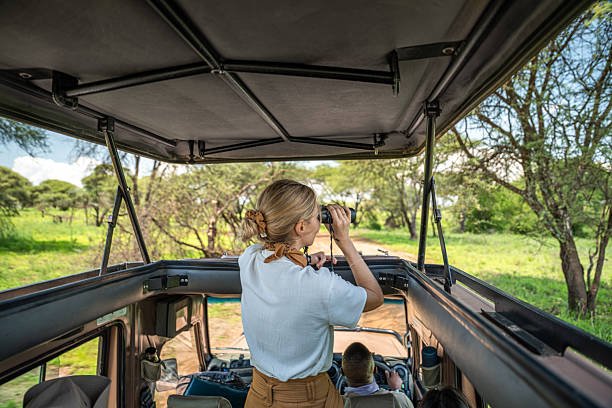
2 Day Group Joining Safari Departures From Moshi: Your Essential Guide
Explore 2-day group joining safaris departing from Moshi, Tanzania. This guide covers essential planning, itinerary options, what's included, and how to book your shared wildlife adventure...
View package details
1 Day Maasai Culture Tour From Arusha: 1 Night in Maasai
start a meaningful 1-day Maasai culture tour from Arusha, offering a genuine glimpse into the traditions, daily life, and enduring heritage of the Maasai people. This in-depth experience...
View package details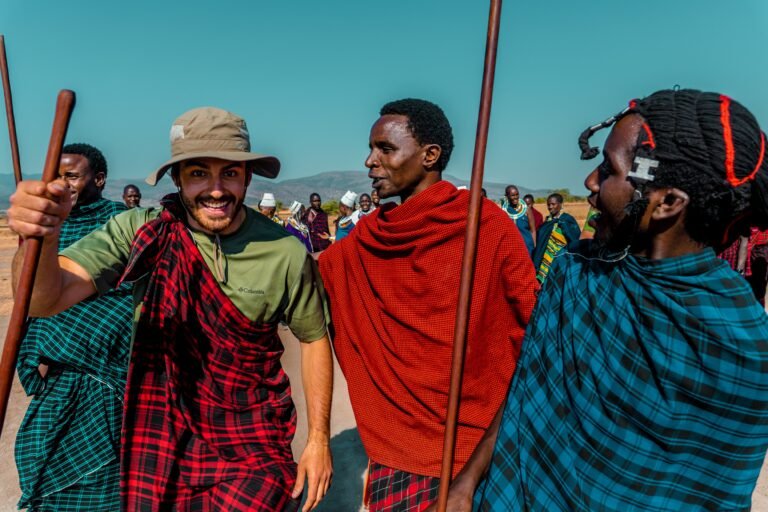
1-Night Maasai Culture Tour From Moshi: Best Guide 2026
A 1-night Maasai culture tour from Moshi offers a brief yet profound immersion into the heart of Maasai traditions, typically involving a visit to a Maasai village, interaction with elders...
View package detailsWhat Do You Actually Pay For On An African Safari? 2026-2027
What Do You Actually Pay for on an African Safari? is explained with current 2026-2027 planning, price, itinerary and booking information.
View package detailsWhat Does A $1,000 African Safari Look Like? 2026-2027
What Does a $1,000 African Safari Look Like? is explained with current 2026-2027 planning, price, itinerary and booking information.
View package details20 Things You Never Knew About African Safari Animals Guide
Uncover fascinating and often overlooked aspects of African safari animals. This comprehensive guide reveals 20 incredible facts that will deepen your appreciation for wildlife on your...
View package detailsNo related package matches those filters. Clear one or more filters to see the other topic-matched options.



