
Leopards are so difficult to see on safari primarily because they are solitary, nocturnal, and incredibly adept at camouflage, blending seamlessly into their dense habitats. Their secretive nature, combined with a preference for avoiding direct confrontation and a tendency to hunt and rest in dense cover or high in trees, means they are rarely out in the open during prime safari viewing hours. For travelers planning trips in 2026 or 2027, understanding these behaviors is key to managing expectations and appreciating the thrill when a sighting does occur.
The Elusive Leopard: Why the Challenge?
For many safari-goers, the leopard represents the ultimate prize – a creature of immense beauty, power, and mystique. Yet, it’s also the big cat that most frequently eludes even experienced trackers and dedicated photographers. If you’ve ever wondered why seeing a leopard on safari feels like winning the lottery, you’re not alone. Their shy disposition, masterful camouflage, and preference for dense environments make them incredibly difficult to spot. This isn’t a matter of bad luck; it’s a testament to the leopard’s evolutionary success in remaining hidden. Understanding the ‘why’ behind their elusiveness is the first step in appreciating the incredible experience when you do finally lay eyes on one, and it’s crucial for setting realistic expectations for your planned 2026-2027 Tanzania safari.
The African leopard (Panthera pardus) is a solitary hunter found across much of sub-Saharan Africa, thriving in diverse habitats from rainforests to deserts, and critically, in the woodlands and savannas of Tanzania’s world-renowned national parks. Unlike their more gregarious lion cousins or the more visible cheetah, leopards are champions of discretion. They are built for survival through subtlety, and this translates directly to their visibility on a game drive. Their incredible eyesight, acute hearing, and silent movement are all honed for a life spent largely unseen.
When planning a safari, particularly for the peak seasons of 2026 and 2027, it’s important to understand that leopard sightings are often serendipitous rather than guaranteed. This doesn’t diminish the thrill of a safari; rather, it elevates the significance of any leopard encounter. It’s a reminder that you are observing a wild animal in its natural, untamed environment, living by its own rules. This article will explore the specific behavioral traits and ecological factors that contribute to the leopard’s legendary elusiveness, offering insights for travelers looking to maximize their chances and appreciate the entire safari experience, whether you are on a budget trip or a luxury expedition.
Understanding Leopard Behavior: The Root of Elusiveness
The primary reasons leopards are so hard to spot stem directly from their fundamental biology and behavior. These are not animals that readily expose themselves; their survival depends on their ability to remain hidden from both prey and potential threats. Delving into these aspects helps paint a clearer picture of why a leopard sighting requires patience, skill, and often, a good dose of luck.
Nocturnal Nature and Crepuscular Activity
Leopards are fundamentally nocturnal, meaning they are most active during the night. Their hunting and foraging activities peak from dusk till dawn. This is when their exceptional night vision and keen senses give them a significant advantage. For safari vehicles, however, operating primarily during daylight hours (typically from dawn until dusk), this nocturnal lifestyle means you are often missing them at their most active. While dawn and dusk game drives offer the best chances, much of their activity still occurs in complete darkness.
Furthermore, leopards are also crepuscular, exhibiting heightened activity during the twilight hours of dawn and dusk. These periods can be excellent for sightings, as they might be moving between hunting grounds or enjoying cooler temperatures. However, these times are also brief, and the low light conditions can make spotting them even more challenging, even with powerful spotlights on night drives. Many safari itineraries focus on midday, when animals are often resting or seeking shade, making leopards less likely to be visible.
This natural inclination towards darkness means that by the time most safari vehicles are out on their morning or afternoon drives, leopards may have already completed their night’s hunting or are settling down to sleep in a secluded spot. For travelers aiming for 2026-2027 safaris, understanding this peak activity window is crucial for planning the most effective game drive times.
Solitary and Territorial Lives
Unlike lions, which live in prides and are often seen interacting in groups, leopards are profoundly solitary creatures. They maintain large, overlapping territories, and encounters between adults are typically limited to mating or territorial disputes. This solitary nature means you’re usually looking for a single animal, not a family or a pride. They don’t congregate at waterholes in large numbers, nor do they often engage in communal activities that would make them easier to find.
Each leopard patrols its territory, marking it with scent and vocalizations. They are masters of moving through their domain without being detected. When a leopard is spotted, it’s often a lone individual, moving purposefully or resting unseen. This lack of group dynamics means there are fewer individuals visible at any given time and place compared to, say, a pride of lions, further reducing the statistical probability of a sighting.
Their territoriality also means they often utilize dense cover within their home range for security and ambush points. This reinforces their preference for areas that are difficult for safari vehicles and their occupants to penetrate visually, especially from a distance. This solitary, territorial existence is a fundamental aspect of why leopards remain so elusive on safari.
Masters of Stealth and Camouflage
The leopard’s coat is its most remarkable adaptation for remaining hidden. The rosette patterns are not just beautiful; they are a sophisticated form of disruptive camouflage. These irregular spots break up the animal’s outline, allowing it to melt into the dappled light and shadows of its environment. Whether it’s the tall grass of the savanna, the dense undergrowth of a thicket, or the branches of a tree, the leopard’s coat provides near-perfect concealment.
Their movement is equally stealthy. Leopards are known for their silent tread, moving with a fluid, almost liquid grace that allows them to approach prey undetected and to retreat from perceived threats without making a sound. They are acutely aware of their surroundings, constantly scanning, listening, and smelling. If they sense they have been spotted by a vehicle, their immediate instinct is often to freeze, allowing their camouflage to do the work, or to silently melt back into the bush.
This combination of a visually disruptive coat and incredibly quiet, deliberate movement means that even when a leopard is relatively close, it can be incredibly difficult to spot if it doesn’t want to be seen. Many sightings occur when a leopard is caught in motion, crossing an open path, or when it’s resting in a conspicuous but still camouflaged position, like on a tree branch. The effectiveness of their camouflage is a primary reason why spotting leopards requires a keen eye and often, a bit of luck.
Habitat Preference: Dense Cover is Key
Leopards are not exclusively savanna dwellers. While they can be found in open grasslands, they show a strong preference for habitats that offer dense cover. This includes riverine forests, thickets, rocky outcrops, and woodlands. These environments provide ample opportunities for ambushing prey and for resting undisturbed. For safari vehicles, navigating and observing within such dense vegetation is inherently more challenging.
In parks like the Serengeti, where vast open plains are common, leopards might be found along riverbanks, in acacia woodlands, or in areas with kopjes (rocky outcrops) that offer both vantage points and hiding places. In Tarangire, the dense sausage trees and acacia forests are prime leopard territory. Their preference for these areas means that your chances of spotting them are higher in specific microhabitats within a larger park, requiring guides to know these particular zones intimately.
When a leopard is resting, it will almost always choose a spot that offers maximum concealment. This could be a thick bush, a hollow log, or high up in the branches of a large tree. These are precisely the locations that are difficult to scan thoroughly from a safari vehicle, especially from a distance or when the vegetation is dense. This preference for cover is a significant factor in their elusiveness.
Avoidance and Defense Strategies
Leopards are not apex predators in the same way lions are; they are often preyed upon by lions and hyenas, especially when young or injured. This has instilled in them a strong instinct for avoidance. They are incredibly sensitive to the presence of other large predators and will often move away from areas where lions are known to be active. This means that even if a leopard is in a particular area, it might be actively hiding from lions, further reducing its visibility.
When threatened or when they feel exposed, their primary defense is to disappear. They are not fighters in the way lions are; they are masters of evasion. This can involve climbing trees, squeezing into impossibly small crevices, or simply melting into the shadows. They are also highly intelligent and learn to associate safari vehicles with potential disturbance, often choosing to remain hidden rather than risk an encounter that could disrupt their hunting or resting.
This innate caution and sophisticated avoidance behavior mean that leopards are constantly assessing their surroundings and taking steps to remain unseen. This natural survival mechanism is a primary contributor to their reputation as one of Africa’s most elusive big cats.
Hunting and Feeding Habits
Leopards are opportunistic predators, hunting a wide variety of prey, from insects and rodents to antelopes. Their hunting strategy relies heavily on stealth and ambush. They will stalk their prey patiently, using cover to get as close as possible before a final, explosive rush. This method requires them to be hidden until the very last moment, further reinforcing their elusive nature.
Once a leopard makes a kill, it often drags its prey up into a tree to protect it from scavengers like lions and hyenas. This behavior means that sometimes, a leopard might be visible near its kill, but it will be high up in a tree, often with the carcass draped precariously on a branch. While this can lead to a sighting, it’s a very specific situation and doesn’t make them any easier to spot when they are simply moving through their territory or resting.
Their feeding habits are also quite solitary. Unlike lions that might share kills within a pride, a leopard typically eats alone. This means you are unlikely to see a group of leopards feeding together, which would increase the chances of spotting at least one. The act of hunting and feeding is carried out with maximum discretion, making sightings during these crucial activities rare.
Where to Look: Habitats Most Likely to Yield Sightings
While leopards are found across Tanzania’s famous parks, certain areas offer a statistically higher chance of a sighting due to their specific habitat characteristics and leopard population density. Knowing where to focus your attention can significantly enhance your safari experience, especially for your 2026-2027 Tanzania safari plans.
Serengeti National Park: Iconic but Challenging
The Serengeti is, of course, a premier safari destination, famous for its vast plains and the Great Migration. While it hosts a healthy leopard population, their elusiveness is amplified by the open nature of much of the landscape. Leopards here tend to favor the acacia woodlands, riverine forests along the Grumeti and Mara rivers, and the rocky kopjes. These areas provide the necessary cover and hunting opportunities.
During the migration season, when vast herds are on the move, leopards might be seen near river crossings or in areas where prey is abundant. However, they still rely on stealth. Sightings are more common in the Seronera Valley, known for its resident big cats year-round, and in areas with denser vegetation. Patience and expert guiding are paramount here. For 2026-2027 safaris, timing your visit to coincide with movements within the park can be beneficial, but always remember the leopard’s inherent stealth.
Ngorongoro Conservation Area: A Contained Ecosystem
The Ngorongoro Crater, a UNESCO World Heritage Site, is a caldera teeming with wildlife. Its unique, enclosed environment means that many animals, including leopards, are often seen more readily than in larger, more open parks. The crater floor offers a mix of grassland, swamps, and a small acacia woodland, providing diverse habitats. Leopards are known to inhabit the crater rim and occasionally descend onto the floor.
While the Ngorongoro Crater itself can be crowded with vehicles, the surrounding conservation area, including the highlands and forests, is also home to leopards. The density of prey within the crater means it’s a rich hunting ground. However, the terrain can still be challenging. Leopards here might be seen perched in trees or moving through denser patches of vegetation. Many visitors combine a Ngorongoro Crater tour with a visit to the Serengeti, offering a good mix of viewing opportunities. For those planning a 2026 or 2027 safari, the Ngorongoro experience is often a highlight, and while leopards are present, they still require keen observation.
Tarangire National Park: Baobabs and Big Cats
Tarangire National Park is often considered one of the best places in Tanzania to spot leopards, particularly during the dry season (roughly June to October). The park is famous for its massive baobab trees and large elephant herds. The dense acacia woodlands, riverine areas, and rocky hills provide excellent habitat for leopards, offering plenty of cover and ambush points.
Leopards in Tarangire are often seen resting in the branches of the large baobab or sausage trees. The relatively smaller size of the park compared to the Serengeti, combined with these specific tree-dwelling habits, can make them more accessible to spot. Guides often know specific trees where leopards are frequently seen. For travelers planning a Tanzania safari in 2026 or 2027, Tarangire is a strong contender for a dedicated leopard-spotting experience, though patience is still essential.
Nyerere National Park (formerly Selous): Vast Wilderness
Nyerere National Park, one of Africa’s largest game reserves, offers a wilder, less crowded safari experience. Its vastness, diverse habitats including miombo woodlands, open plains, and riverine forests, supports a healthy leopard population. The Rufiji River system is particularly good for leopard sightings, as is the denser woodland.
The sheer size of Nyerere means that finding a leopard requires significant time and skillful tracking. However, the reduced vehicle density compared to other parks can offer a more intimate wildlife experience. Boat safaris on the Rufiji River can sometimes offer unique perspectives and opportunities to spot leopards coming down to drink or rest near the water’s edge. For those seeking a more remote and adventurous 2026-2027 safari, Nyerere is an excellent choice, though leopard sightings, like elsewhere, are not guaranteed.
Other Potential Hotspots
Beyond the major parks, certain conservancies and private game reserves, often bordering the national parks, can offer exceptional leopard viewing. These areas may have different regulations, sometimes allowing night drives or off-road driving, which can significantly increase chances of spotting elusive animals. Areas like the Grumeti Reserve in the western Serengeti, or private concessions, can be excellent, though they often come with a higher price tag.
When considering your safari itinerary for 2026 or 2027, discuss your leopard sighting goals with your tour operator. They can help tailor your route to include areas known for leopard activity and advise on the best times to visit these locations.
Optimizing Your Safari for Leopard Sightings
While leopards are inherently elusive, there are several strategies you can employ on your safari to increase your chances of spotting one. These involve careful planning, choosing the right guides, and adopting the right mindset.
Timing is Everything: Best Times of Day and Year
Time of Day: As mentioned, leopards are most active during the night and twilight hours. Therefore, the best times for leopard spotting are:
- Early Morning Game Drives: Just as dawn breaks, leopards may still be active from their night’s hunt or moving to their daytime resting spots.
- Late Afternoon/Evening Game Drives: As the sun begins to set and temperatures cool, leopards often become more active, moving out to hunt.
- Night Game Drives: These are crucial for spotting nocturnal animals. With powerful spotlights, guides can often locate leopards resting or hunting after dark. If your chosen park or concession allows night drives (e.g., Nyerere, some private reserves), this is a significant advantage.
Midday is generally the least productive time, as most animals, including leopards, seek shade and rest.
Time of Year: While leopards can be seen year-round, certain seasons might offer slight advantages.
- Dry Season (e.g., June-October): Animals tend to congregate around dwindling water sources, which can make them easier to find. Leopards might also be seen more frequently in trees along riverbanks or waterholes. However, vegetation can be sparser, potentially making them more visible, but also meaning they might retreat deeper into remaining cover.
- Wet Season: The bush is thicker, offering more cover for leopards. However, prey is more dispersed, and roads can become challenging, potentially limiting game drive accessibility in some areas.
For 2026-2027 safaris, consider the dry season for general animal visibility, but remember that leopard sightings are more about specific behavior and habitat than the overall season.
Choosing the Right Vehicle and Guide
The vehicle you use and, most importantly, the guide driving it, are critical.
- Vehicle Type: Open-sided 4×4 safari vehicles are essential. They allow for unobstructed 360-degree views and better photographic opportunities. Pop-up roofs are also beneficial.
- Guide’s Expertise: This is arguably the most important factor. An experienced local guide will know the leopards’ preferred territories, their usual resting spots, and the signs of their presence. They understand leopard behavior, can read the bush, and know which trees are commonly used for resting or hoisting kills. A good guide will also be patient and willing to spend time searching specific areas. When booking your 2026-2027 Tanzania safari, inquire about the experience level of the guides.
Climb 4 Africa works with highly experienced local guides who have an intimate knowledge of Tanzania’s wildlife and habitats. Their expertise is invaluable for maximizing your chances of encountering elusive species like leopards.
Driving Techniques and Patience
Effective leopard spotting requires more than just driving around aimlessly.
- Slow Driving and Scanning: Guides will often drive slowly, especially in known leopard areas, and meticulously scan the tree branches, rocky outcrops, and dense undergrowth.
- Following Up on Reports: Guides communicate with each other. If another guide reports a leopard sighting, they will often head to that area.
- Patience: This is paramount. You might spend hours searching without success. The key is to remain patient and trust your guide’s strategy. Sometimes, the best sightings happen when you least expect them.
A good safari is not just about ticking off species; it’s about the entire experience. However, for those with a strong desire to see a leopard, patience and a strategic approach are key.
Listening and Observing: Signs of Leopard Activity
Leopards are not just visual creatures; they leave other traces of their presence.
- Alarm Calls: The alarm calls of smaller animals, like monkeys or baboons, can indicate a predator is nearby. If you hear a sudden burst of alarm calls from a specific direction, it’s worth investigating.
- Scat and Tracks: Experienced guides can identify leopard tracks and scat, which can indicate recent activity in an area.
- Scratches on Trees: Leopards mark trees with claw marks. While not always visible from a distance, these can be indicators of territorial use.
- Scavengers: The presence of vultures or other scavengers might indicate a recent kill, which could be in a tree, meaning a leopard might be nearby.
Being observant and working with a guide who can interpret these signs can lead you to a leopard sighting.
The Role of Night Game Drives
In parks or concessions that permit them, night game drives are invaluable for spotting leopards. Their nocturnal nature means they are often active and moving during the hours when most day drives have concluded. Using powerful spotlights, guides can scan the bush for the characteristic reflection of a leopard’s eyes. This is often when the most reliable leopard sightings occur. If seeing a leopard is a high priority for your 2026-2027 safari, ensure your itinerary includes opportunities for night drives where legally possible.
Considering Combination Safaris
For those determined to maximize their leopard viewing chances, consider combining different types of safaris. For example, a safari that includes both standard day game drives and a few nights in a lodge or camp that offers night drives can be highly effective. Similarly, combining visits to parks known for their leopard populations, like Tarangire and the Serengeti, provides broader exposure to different habitats and leopard densities. When planning your safari for 2026 or 2027, discuss these options with your travel specialist.
Managing Expectations for Your 2026-2027 Safari
It’s crucial for any safari-goer, especially when planning a significant trip for 2026 or 2027, to approach leopard sightings with realistic expectations. Understanding the probabilities and what constitutes a successful safari beyond just ticking off a single species is key to overall satisfaction.
Leopards vs. Other Cats: A Comparison
When you go on safari, you’ll likely encounter lions, cheetahs, and potentially even wild dogs. These cats often have different social structures and behaviors that make them more visible:
- Lions: Live in prides, often rest and hunt together, and are frequently seen lounging in the open or on kopjes. Their social nature makes them generally easier to spot.
- Cheetahs: Are diurnal (active during the day), often hunt in open grasslands, and their spotted coats, while camouflaged, are less disruptive than a leopard’s rosettes in certain terrains. They also tend to be more visible when scanning for prey from elevated positions.
- Leopards: As discussed, are nocturnal, solitary, and masters of camouflage, preferring dense cover. This fundamental difference in behavior makes them inherently harder to find.
Recognizing these differences helps in understanding why a leopard sighting is a special event. It’s not that lions or cheetahs are “better” to see, but their lifestyles often lead to more frequent and easier encounters.
What to Do If You Don’t See a Leopard
It’s entirely possible, even on a well-planned safari, that you might not see a leopard. If this happens, try not to be disappointed. A safari is about experiencing the wild in its entirety. Tanzania offers an incredible wealth of other wildlife, stunning landscapes, and unique cultural experiences.
Focus on the other incredible sightings you’ve had: the thunderous herds of wildebeest, the regal lions, the graceful giraffes, the playful elephants, and the myriad of birdlife. Many travelers find that the anticipation and eventual (or sometimes, lack of) sighting of a leopard adds to the mystique and makes any encounter even more rewarding. If seeing a leopard is a critical goal for your 2026-2027 trip, it’s worth planning longer safaris or focusing on specific areas known for higher leopard density, but always remain open to the magic of what else the wilderness offers.
The Thrill of the Chase: Appreciating the Difficulty
There’s a certain thrill in the pursuit of the elusive. The effort, the patience, the keen observation, and the shared excitement with your guide when you finally spot that perfectly camouflaged shape in the branches – these are all part of the safari experience. The difficulty in seeing leopards is precisely what makes them so special when they are found. It’s a testament to their survival skills and a reminder of the raw, untamed nature of the African bush.
When you plan your safari for 2026 or 2027, embrace the challenge. Enjoy the journey, the other wildlife, and the incredible landscapes. If you’re lucky enough to see a leopard, it will be a moment of pure magic, amplified by the knowledge of how rare it truly is.
Planning Your 2026-2027 Tanzania Safari with Climb 4 Africa
Successfully planning a safari that balances your desire to see elusive species like leopards with a realistic understanding of their behavior requires expert local knowledge. At Climb 4 Africa, we specialize in crafting tailor-made Tanzanian adventures that maximize your wildlife viewing opportunities while ensuring an unforgettable experience. Whether you’re dreaming of seeing a leopard in the wild or aiming for a comprehensive safari that captures the essence of East Africa, our team is here to help.
Crafting Custom Itineraries
We understand that every traveler is unique, and so are their wildlife goals. When you contact us for your 2026 or 2027 safari, we’ll discuss your priorities, including specific species you hope to see. For those prioritizing leopard sightings, we can design itineraries that focus on parks and regions known for their leopard populations, such as Tarangire National Park, and incorporate longer stays or specialized drives in these areas. We also consider the best times of year for specific wildlife events and optimal viewing conditions.
Our custom itineraries go beyond just listing parks; they consider the flow of the journey, the balance between driving and relaxation, and the inclusion of activities that enhance wildlife viewing, such as early morning and late afternoon drives, and where possible, night game drives.
Leveraging Expert Local Guides
The cornerstone of any successful safari, especially when searching for elusive animals, is the guide. Our guides are not just drivers; they are highly trained, passionate naturalists with years of experience in Tanzania’s national parks. They possess an intimate knowledge of animal behavior, tracking skills, and the specific habitats where leopards and other rare species are likely to be found. They are adept at interpreting animal signs, understanding the local ecosystem, and communicating effectively with guests.
By choosing Climb 4 Africa, you gain access to these invaluable local experts who are dedicated to making your 2026-2027 safari memorable. They will patiently guide you through the bush, sharing their insights and significantly increasing your chances of those sought-after sightings.
Choosing Your Safari Package
Climb 4 Africa offers a range of safari options, from group departures designed for value and social interaction to exclusive private safaris for ultimate flexibility and personalized experiences. For those specifically keen on maximizing leopard sightings, a private safari offers the greatest advantage. You can dictate the pace, spend more time in promising areas, and focus your drives according to your guide’s expert recommendations, all without the need to compromise with other travelers.
We can also suggest safari packages that inherently include areas with good leopard populations or offer components like night drives. When you reach out to us for your 2026 or 2027 trip, let us know your specific interests, and we will recommend the most suitable safari style and itinerary.
Booking Considerations for 2026-2027
Planning well in advance is highly recommended, especially for popular safari seasons in 2026 and 2027. Peak seasons often see high demand for accommodations and vehicles. Early booking ensures availability, allows for better itinerary planning, and often secures more competitive rates. It also gives us ample time to fine-tune every detail of your safari, ensuring it aligns perfectly with your expectations, including your leopard spotting aspirations.
To start planning your dream Tanzania safari, get in touch with us. We’re ready to help you craft an adventure that offers the best possible chances of encountering the magnificent leopard, alongside all the other wonders Tanzania has to offer. You can reach us via WhatsApp at +255 747 477 898 or email us at climb4africa@gmail.com. Let’s make your 2026-2027 safari an extraordinary success.
Embracing the Mystery of the Leopard
The leopard’s elusiveness is not a flaw in the safari experience; it is an intrinsic part of its allure. Their mastery of camouflage, nocturnal habits, solitary nature, and preference for dense cover all contribute to making them one of Africa’s most challenging and rewarding big cat sightings. Understanding these factors is crucial for setting realistic expectations for any safari, especially for trips planned for 2026 and 2027.
While seeing a leopard requires patience, expert guiding, and often a bit of luck, the effort is invariably rewarded with a profound sense of awe. It’s a moment that underscores the wildness and untamed beauty of the African landscape. By choosing the right locations, timing your drives strategically, and working with experienced local guides, you can significantly enhance your chances of a sighting. Remember that a safari is a holistic experience; even without a leopard sighting, the abundance of other wildlife, the impressive scenery, and the unique cultural encounters will make your journey unforgettable.
We invite you to connect with Climb 4 Africa to design a bespoke safari that maximizes your opportunities to witness these incredible creatures. Our expertise in Tanzanian wildlife and our commitment to personalized service ensure that your 2026-2027 safari adventure will be truly extraordinary. Contact us today to begin planning: WhatsApp +255 747 477 898 or email climb4africa@gmail.com.
“,
“faq_schema”: [
{
“question”: “Are leopards more difficult to see than lions or cheetahs on safari?”,
“answer”: “Yes, leopards are generally more difficult to see than lions or cheetahs. Lions are social animals often found in prides and tend to rest in more open areas. Cheetahs are diurnal (active during the day) and often hunt in open grasslands. Leopards, conversely, are primarily nocturnal, solitary, masters of camouflage, and prefer dense cover, making them inherently more elusive.”
},
{
“question”: “What is the best time of day to see a leopard on safari?”,
“answer”: “The best times to see leopards are during the early morning game drives (just after dawn) and late afternoon/evening game drives (as dusk approaches). They are also most active during the night, so night game drives, where permitted, offer the highest chances of spotting them.”
},
{
“question”: “Which Tanzanian national parks are best for spotting leopards?”,
“answer”: “While leopards are found in most Tanzanian parks, Tarangire National Park is often considered one of the best due to its dense woodlands and baobab trees where leopards frequently rest. Other good locations include the Serengeti (especially around Seronera and riverine areas), Ngorongoro Conservation Area (crater rim and surrounding highlands), and Nyerere National Park (formerly Selous).”
},
{
“question”: “How can I increase my chances of seeing a leopard on my safari?”,
“answer”: “To increase your chances, focus on early morning and late afternoon game drives, consider night game drives if available, choose experienced guides who know leopard territories, be patient, and scan tree branches and dense cover meticulously. Listening for alarm calls from other animals can also be a clue.”
},
{
“question”: “Is it guaranteed that I will see a leopard on safari in Tanzania in 2026 or 2027?”,
“answer”: “No, seeing a leopard is never guaranteed on any safari. Their elusive nature means sightings depend on a combination of luck, expert guiding, and the animals’ own behavior. It’s important to manage expectations and enjoy the entire safari experience, regardless of whether you spot every single species.”
},
{
“question”: “Why do leopards often drag their kills up into trees?”,
“answer”: “Leopards drag their kills up into trees to protect them from scavengers like lions and hyenas, which are larger and stronger predators that would easily steal their hard-won meal. This behavior also keeps the meat away from ground-dwelling insects and reduces spoilage in some conditions.”
},
{
“question”: “What makes leopards so good at camouflage?”,
“answer”: “Leopards possess a unique coat pattern of rosettes that are highly effective for camouflage. These irregular spots and their coloration help break up the animal’s outline, allowing it to blend seamlessly into the dappled light and shadows of their environment, whether in forests, woodlands, or grasslands.”
},
{
“question”: “Should I book a private safari if seeing a leopard is a priority for my 2026-2027 trip?”,
“answer”: “Booking a private safari can significantly increase your chances of seeing a leopard. It offers flexibility in terms of timing, pace, and focus. Your guide can dedicate more time to searching specific areas known for leopards and adjust the schedule based on sightings or promising signs, without needing to coordinate with other guests.”
}
]
}
“`
Check Availability for Why Are Leopards So Difficult To See On Safari? 2026-2027
Ready to compare dates, prices, and the best option for your group? Send the package name and travel month so the team can reply with a clear quote, availability, and what is included.
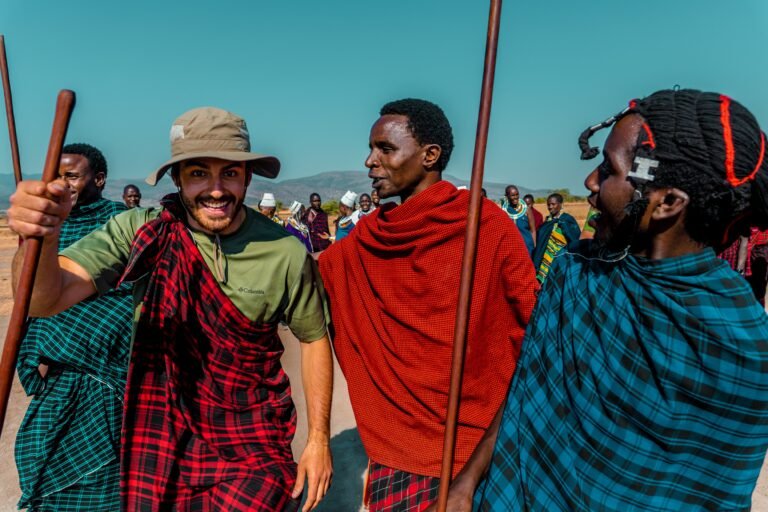
2 Days 1 Night Safari To Mikumi, Udzungwa & Maasai Village: 2026
Discover the highlights of Tanzania's southern circuit on a rapid 2-day, 1-night safari, combining wildlife viewing in Mikumi, unique landscapes in Udzungwa, and cultural immersion with the...
View package details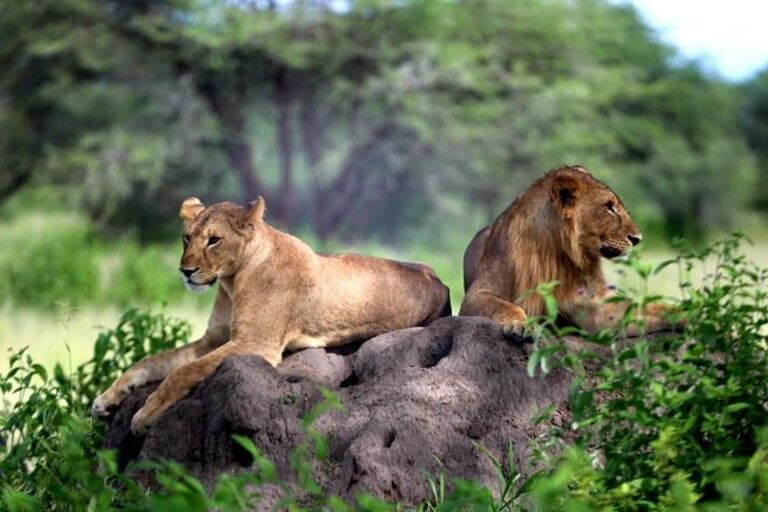
3 Day Joining Safari Group Departures From Moshi: 2026
Discover convenient 3-day group safari departures from Moshi, perfect for maximizing your Tanzania adventure. Explore wildlife-rich parks like Tarangire, Manyara, or the Serengeti on shared...
View package details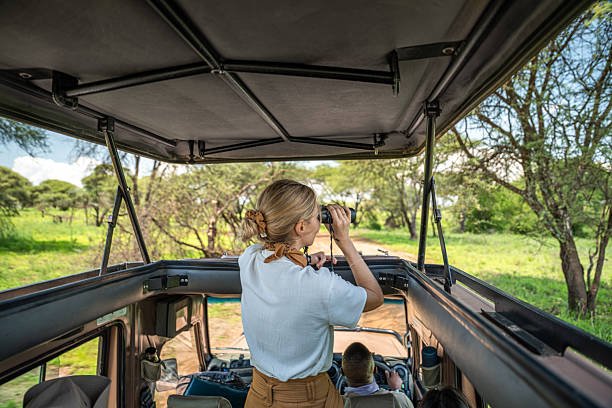
2 Day Group Joining Safari Departures From Moshi: Your Essential Guide
Explore 2-day group joining safaris departing from Moshi, Tanzania. This guide covers essential planning, itinerary options, what's included, and how to book your shared wildlife adventure...
View package detailsWhat Do You Actually Pay For On An African Safari? 2026-2027
What Do You Actually Pay for on an African Safari? is explained with current 2026-2027 planning, price, itinerary and booking information.
View package detailsWhat Does A $1,000 African Safari Look Like? 2026-2027
What Does a $1,000 African Safari Look Like? is explained with current 2026-2027 planning, price, itinerary and booking information.
View package details20 Things You Never Knew About African Safari Animals Guide
Uncover fascinating and often overlooked aspects of African safari animals. This comprehensive guide reveals 20 incredible facts that will deepen your appreciation for wildlife on your...
View package detailsWhere Do Elephants Go During The Dry Season? Planning Your Tanzania Safari
During Tanzania's dry season, elephants migrate to areas with reliable water sources, often congregating in national parks and game reserves known for their permanent waterholes and rivers...
View package detailsWhat I Wish I Knew Before My First African Safari: A Practical Guide 2026-2027
Your first African safari is a monumental trip. This comprehensive guide shares essential, often overlooked, insights to help you plan and enjoy every moment, covering everything from...
View package details10 Mistakes First-Time Safari Travelers Make 2026-2027
10 Mistakes First-Time Safari Travelers Make is explained with current 2026-2027 planning, price, itinerary and booking information.
View package detailsWhat Nobody Tells You About African Safaris: Expert Insights For 2026-2027
Going on an African safari is a dream for many, but there are crucial details often overlooked. This guide reveals what nobody tells you about African safaris, covering everything from...
View package details15 Things Nobody Tells You Before Your First Safari In Tanzania 2026-2027
Planning your first Tanzanian safari? Beyond the stunning wildlife, there are practical, often unspoken, aspects of the experience that can significantly impact your trip. This guide...
View package detailsThe Most Unusual Places To Visit In Tanzania: Beyond Usual Safari 2026-2027
Tanzania offers more than just iconic wildlife and towering peaks. This guide uncovers the most unusual places to visit, from ancient cave dwellings to vibrant cultural enclaves and unique...
View package detailsNo related package matches those filters. Clear one or more filters to see the other topic-matched options.



