
The Route Rongai Kilimanjaro offers a unique approach from the north, often considered one of the easier routes with a good success rate, particularly for those seeking a less crowded experience. The choice between a 6-day or 7-day itinerary hinges on balancing acclimatization, scenery, and your personal pace. While the 6-day Rongai is quicker and more budget-friendly, the 7-day Rongai significantly improves acclimatization and success rates by allowing a more gradual ascent, which is highly recommended by experienced operators like Climb 4 Africa for a safer and more enjoyable climb in 2026-2027.
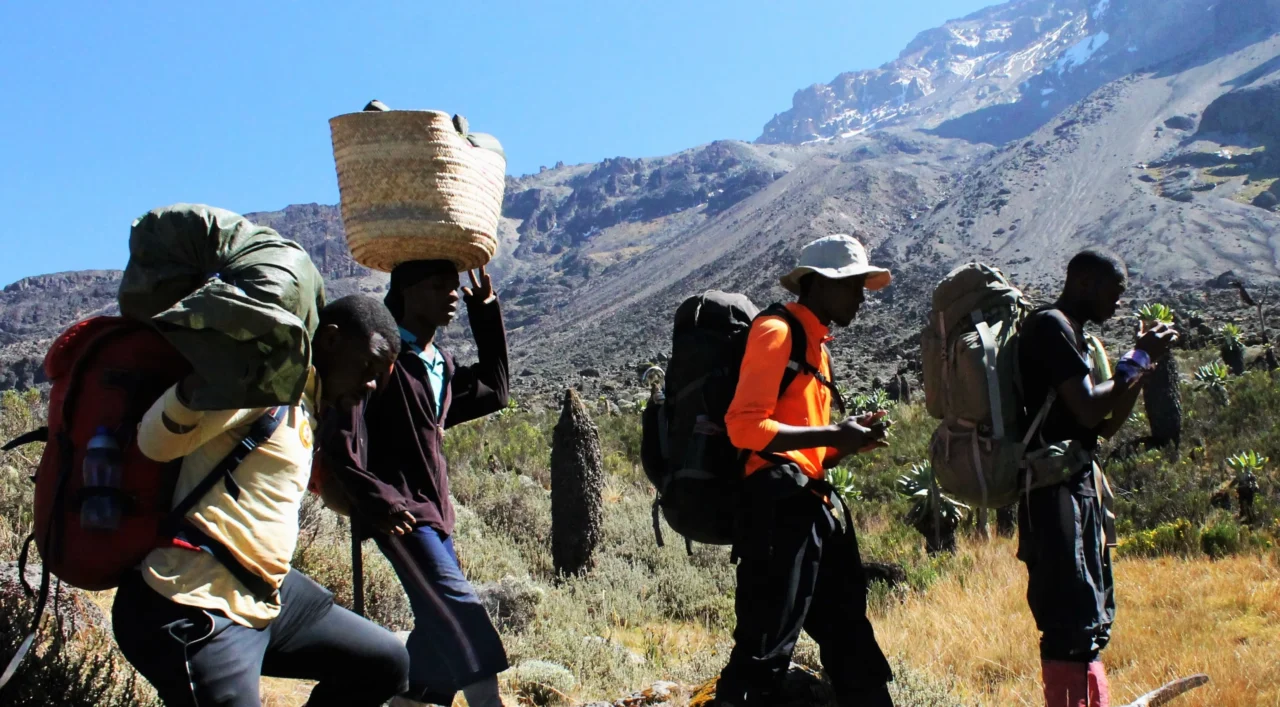
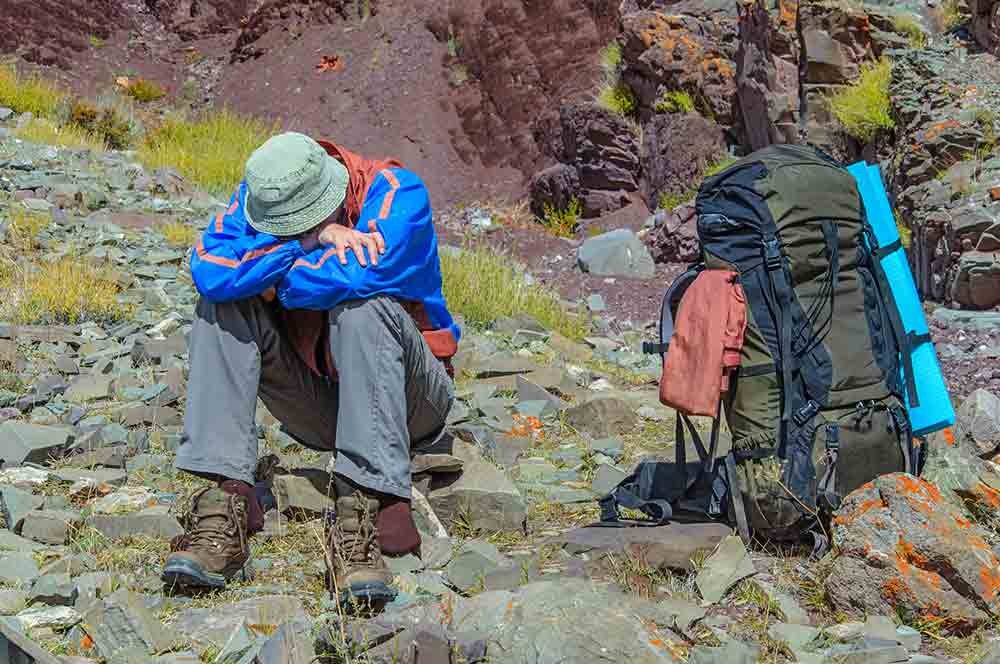
Understanding the Route Rongai Kilimanjaro
Kilimanjaro, Africa’s highest peak, draws adventurers from around the globe, and the Route Rongai stands out for its distinct characteristics. Unlike the more popular southern routes that begin in the rainforest, Rongai approaches the mountain from the arid northern plains of Kenya. This geographical difference sets the stage for a varied trekking experience, presenting a drier climate for much of the ascent compared to the often wet southern trails.
For many considering a Kilimanjaro climb, the sheer number of routes can be overwhelming. However, the Route Rongai Kilimanjaro has carved a niche for itself. It’s frequently cited as a good option for beginners due to its gentler slopes and a lower chance of encountering significant crowds, especially compared to Machame or Marangu. This appeal is amplified by its reputation for offering a more consistent success rate, a critical factor for anyone investing time and resources into this expedition.
The primary decision point for trekkers opting for Rongai is the duration: 6 days versus 7 days. This isn’t merely a matter of saving a day; it’s a fundamental choice that impacts your body’s ability to adapt to altitude. As experts in Kilimanjaro expeditions, Climb 4 Africa consistently advises that while the 6-day Rongai is feasible, the 7-day Rongai offers a demonstrably better acclimatization profile, significantly increasing your chances of reaching Uhuru Peak safely and comfortably. Understanding these nuances is key to planning a successful Kilimanjaro adventure for 2026 or 2027.
Route Rongai Kilimanjaro: The 6-Day Itinerary
The 6-day Route Rongai Kilimanjaro is designed for those who might be shorter on time or are looking for a more economical option. This itinerary condenses the trek, moving trekkers up the mountain at a faster pace. While it covers the essential stages of the Rongai route, the compressed timeline means less time for the body to adjust to the increasing altitude, which is a significant consideration for mountain climbing.
Typically, a 6-day Rongai itinerary will look something like this:
Typical 6-Day Route Rongai Itinerary
- Day 1: Nale Moru Gate (1950m/6400ft) to Simba Camp (2600m/8500ft). A relatively short hike through farmland and then into pine forest.
- Day 2: Simba Camp to Kikelewa Caves (3600m/11800ft). Ascending through moorland, offering increasingly expansive views.
- Day 3: Kikelewa Caves to Mawenzi Tarn Hut (4300m/14100ft). A steeper day, moving towards the dramatic Mawenzi peak.
- Day 4: Mawenzi Tarn Hut to Kibo Hut (4700m/15400ft). Crossing the Saddle, a high alpine desert, to reach the base of the summit cone.
- Day 5: Kibo Hut to Uhuru Peak (5895m/19341ft) and descend to Horombo Hut (3700m/12100ft). The summit push begins around midnight, followed by a long descent to Horombo.
- Day 6: Horombo Hut to Marangu Gate (1800m/5900ft). The final descent through forest, often a quicker trek.
Pros of the 6-Day Rongai:
- Time Efficiency: Completes the climb in fewer days, ideal for those with limited vacation time.
- Cost-Effectiveness: Generally less expensive due to fewer days of guide and porter services, accommodation, and park fees.
- Good Success Rate: Still offers a respectable success rate, especially for trekkers who are already well-acclimatized or have prior high-altitude experience.
Cons of the 6-Day Rongai:
- Higher Altitude Sickness Risk: The accelerated pace leaves less time for the body to adapt to significant altitude gains, particularly between Day 3 and Day 5. This is the most critical drawback.
- Less Enjoyment of Scenery: Rushing through the stages can mean missing out on appreciating the diverse landscapes and the subtle changes in vegetation zones.
- More Demanding: The faster pace can lead to increased fatigue, making the summit push feel more strenuous.
For trekkers planning for 2026 or 2027, it’s crucial to weigh these factors honestly. While the 6-day Rongai is a valid option, it’s best suited for individuals with a strong understanding of their body’s response to altitude or those who have recently completed high-altitude treks.
Route Rongai Kilimanjaro: The 7-Day Itinerary
The 7-day Route Rongai Kilimanjaro is widely considered the superior choice for acclimatization and overall success. By adding an extra day, the itinerary allows for a more gradual ascent, giving your body more time to adapt to the thinning air. This extra day is typically inserted between Day 2 and Day 3 of the 6-day itinerary, often by breaking down the ascent to Mawenzi Tarn Hut into two more manageable stages.
A typical 7-day Rongai itinerary might look like this:
Typical 7-Day Route Rongai Itinerary
- Day 1: Nale Moru Gate (1950m/6400ft) to Simba Camp (2600m/8500ft).
- Day 2: Simba Camp to Kikelewa Caves (3600m/11800ft).
- Day 3: Kikelewa Caves to Sixth Camp (4100m/13450ft) or similar staging point. This extra day allows for a slower ascent and better acclimatization.
- Day 4: Sixth Camp to Mawenzi Tarn Hut (4300m/14100ft).
- Day 5: Mawenzi Tarn Hut to Kibo Hut (4700m/15400ft).
- Day 6: Kibo Hut to Uhuru Peak (5895m/19341ft) and descend to Kibo Hut for a short rest before continuing down to Horombo Hut (3700m/12100ft). Some itineraries might descend further to reduce the next day’s hike.
- Day 7: Horombo Hut to Marangu Gate (1800m/5900ft).
Pros of the 7-Day Rongai:
- Superior Acclimatization: The slower pace significantly reduces the risk of Acute Mountain Sickness (AMS), allowing for a more comfortable and safer climb.
- Higher Success Rate: Generally boasts a higher success rate due to better acclimatization, especially crucial for the demanding summit night.
- Enhanced Enjoyment: More time to appreciate the diverse ecosystems, the stunning vistas, and the unique geological features of Kilimanjaro.
- Less Fatigue: The gradual ascent leads to less physical strain, preserving energy for the crucial summit push.
Cons of the 7-Day Rongai:
- Higher Cost: Involves more days of park fees, guide and porter services, and overall logistics, making it more expensive than the 6-day option.
- More Time Commitment: Requires an additional day away from other activities or commitments.
- Potentially More Crowded Camps: While Rongai is less crowded overall, adding a day might mean being in camps with more people if itineraries align.
When planning for 2026-2027, the 7-day Route Rongai Kilimanjaro is the option that Climb 4 Africa strongly recommends for most clients. The increased chance of a safe, successful, and enjoyable summit experience far outweighs the additional cost and day.
Comparing 6-Day vs. 7-Day Rongai: Key Differences
The core distinction between the 6-day and 7-day Route Rongai Kilimanjaro lies in the pace of ascent and, consequently, the body’s ability to acclimatize. This difference is not subtle; it’s the most critical factor influencing your success and safety on the mountain.
Acclimatization: The Deciding Factor
Altitude sickness is a serious concern on Kilimanjaro. Symptoms can range from mild headaches and nausea to severe, life-threatening conditions. The principle of “climb high, sleep low” and a gradual ascent are paramount. The 7-day Rongai itinerary adheres much better to this principle. By spreading the altitude gain over an extra day, especially in the critical stages between 3000m and 4500m, your body has more opportunity to produce red blood cells and adapt. The 6-day itinerary, while possible, significantly compresses these crucial acclimatization periods. This means trekkers on the 6-day route are more likely to experience altitude-related symptoms, which can impede progress and, in severe cases, necessitate descent.
Success Rates: What the Numbers Suggest
While exact statistics can vary by operator and year, general consensus and operator experience indicate that the 7-day Rongai route offers a higher success rate for reaching Uhuru Peak. This is a direct consequence of better acclimatization. A well-acclimatized climber is stronger, has more energy, and is less likely to be sidelined by altitude sickness on summit night, which is the most challenging part of the climb.
Cost Considerations for 2026-2027 Treks
The financial aspect is always a consideration. The 6-day Route Rongai Kilimanjaro will inherently be less expensive than the 7-day version. This difference is primarily due to:
- Park Fees: Kilimanjaro National Park fees are charged per day. An extra day means an extra day of park fees.
- Crew Costs: Guides and porters are paid for each day they are on the mountain. A longer trek means higher wages for the crew.
- Logistics: Transport, food, and campsite/hut fees also contribute to the increased cost of a longer itinerary.
For budget-conscious travelers planning their 2026 or 2027 climb, the 6-day option might seem attractive. However, it’s essential to view this as a trade-off: saving money versus significantly increasing your chances of a successful and safe summit experience. For many, the investment in an extra day for acclimatization is well worth it.
Pacing and Enjoyment: A Matter of Experience
The 7-day itinerary allows for a more relaxed pace. This means more time to take photographs, observe wildlife (though less common on Rongai), appreciate the changing landscapes, and simply enjoy the journey. The 6-day option requires a more determined pace, which can leave little room for savoring the experience. For a special trip like climbing Kilimanjaro, many find that the added time to enjoy the trek enhances the overall value.
Expert Tip: The 7-Day Rongai is our Standard Recommendation
At Climb 4 Africa, we advocate for the 7-day Route Rongai Kilimanjaro as our default itinerary for a reason. It strikes the best balance between acclimatization, success rates, and overall enjoyment. While we can arrange 6-day treks, we strongly advise clients to consider the benefits of the extended itinerary for their 2026-2027 expedition. It’s about maximizing your chances of summiting safely and having a truly memorable experience.
Route Rongai Kilimanjaro: Scenery and Terrain
The Route Rongai Kilimanjaro offers a distinct trekking experience characterized by its approach from the north and the varied landscapes it traverses. Unlike the lush rainforests that dominate the lower slopes of the southern routes, Rongai begins in a semi-arid region, and much of the initial ascent is through drier terrain.
The Approach from the North
The journey to the Rongai trailhead starts from the town of Loitokitok in Kenya, or from the Tanzanian side near the border. This northern approach means the initial days are often characterized by drier, sparser vegetation, including savannah and then gradually transitioning into bush and acacia. This can be a welcome change for some, offering a different perspective on Kilimanjaro’s diverse environments. It also means that the initial days can be hotter, so carrying sufficient water and sun protection is crucial.
Forest and Moorland Zones
As you ascend, you’ll eventually enter the montane forest zone, similar to other routes, though often encountered a bit later on Rongai. This zone is home to diverse birdlife and can be quite beautiful, especially after rain. Following the forest, you emerge into the moorland zone, characterized by heather, giant groundsels, and lobelias. The terrain becomes more open, with sweeping views of the surrounding plains.
The Saddle and Alpine Desert
A significant geographical feature on the Rongai route is the “Saddle,” the vast alpine desert that lies between the main cone of Kibo and the jagged peaks of Mawenzi. This is a stark, lunar-like landscape with little vegetation. Trekking across the Saddle, especially on the way to Kibo Hut, is a unique experience. The altitude here is significant, and the terrain is rocky and exposed.
Mawenzi and Kibo Views
The Rongai route offers excellent views of Mawenzi, Kilimanjaro’s second peak, which is a dramatic, jagged volcanic remnant. The proximity and visibility of Mawenzi, especially from camps like Mawenzi Tarn Hut, are a highlight for many trekkers. The views of the Kibo massif, including the summit cone, become increasingly prominent as you approach Kibo Hut, setting the stage for the final ascent.
Summit Night and Descent Scenery
The summit night itself is a journey through the arctic zone, a rocky, scree-covered landscape often blanketed in snow and ice, especially near the crater rim. The sunrise from Stella Point or Uhuru Peak is an unforgettable spectacle, painting the sky in vibrant colors over the vast African landscape. The descent offers a different perspective, allowing you to see the route you’ve climbed in reverse and appreciate the scale of the mountain and the diverse vegetation zones you pass through again.
Comparison with Other Routes
Compared to the Machame or Lemosho routes, which are known for their stunning rainforest and continuous scenic progression, Rongai’s initial drier landscape is a notable difference. However, Rongai’s unique dry climate in the early stages can be advantageous, particularly during the rainy seasons (April-May and November), when southern routes can be very wet and muddy. The scenery on Rongai is still spectacular, offering vast panoramas and unique geological features like the Saddle.
Route Rongai Kilimanjaro: Acclimatization and Health
Acclimatization is the single most critical factor for a successful and safe Kilimanjaro climb, and it’s where the choice between a 6-day or 7-day Route Rongai Kilimanjaro itinerary truly matters. Understanding how altitude affects the body and how to mitigate its risks is paramount for any trekker planning their ascent for 2026 or 2027.
Understanding Altitude Sickness (AMS)
As you ascend Kilimanjaro, the atmospheric pressure decreases, meaning there’s less oxygen available with each breath. Acute Mountain Sickness (AMS) is the body’s response to this lower oxygen level. Symptoms typically include:
- Headache
- Nausea and vomiting
- Dizziness and lightheadedness
- Fatigue and weakness
- Loss of appetite
- Difficulty sleeping
In severe cases, AMS can develop into more dangerous conditions like High Altitude Cerebral Edema (HACE) or High Altitude Pulmonary Edema (HAPE), which are life-threatening emergencies requiring immediate descent.
The ‘Pole Pole’ Principle and Pacing
The Swahili phrase ‘pole pole’ means ‘slowly, slowly.’ This is the mantra for climbing Kilimanjaro. A slow, steady pace allows your body to adjust to the altitude gradually. On the Route Rongai Kilimanjaro, this means:
- Walking at a pace where you can hold a conversation without becoming breathless.
- Taking regular short breaks.
- Avoiding overexertion, especially on the first few days.
The 7-day Rongai itinerary inherently promotes a slower pace due to its extended duration, allowing more time for acclimatization between camps. The 6-day itinerary requires a faster pace, increasing the risk of overexertion and insufficient acclimatization.
The Role of Hydration and Nutrition
Staying well-hydrated is crucial at altitude. Aim to drink 3-4 liters of fluid per day. This helps your body function optimally and can aid in acclimatization. Dehydration can exacerbate AMS symptoms. Similarly, maintaining good nutrition provides the energy needed for the climb. While appetite may decrease at altitude, try to eat regular, high-carbohydrate meals.
Medications for Altitude Sickness
Many trekkers consider using Diamox (acetazolamide) to help prevent or reduce AMS symptoms. It works by speeding up acclimatization. It’s essential to consult with your doctor well in advance of your trip (ideally months before your 2026-2027 climb) to discuss whether Diamox is suitable for you, its dosage, and potential side effects. It is not a substitute for proper acclimatization but can be a valuable aid.
Why 7 Days is Better for Acclimatization on Rongai
The extra day in the 7-day Rongai itinerary is typically inserted between Kikelewa Caves and Mawenzi Tarn Hut. This breaks down a significant altitude gain into two more manageable days. This strategy, often referred to as “climb high, sleep low” or simply a slower ascent rate, is proven to be the most effective way to acclimatize. It allows your body to adapt more effectively to the reduced oxygen levels, leading to a more comfortable trek and a significantly higher probability of reaching the summit.
Monitoring Your Health
Your guides will monitor your health daily, checking for symptoms of AMS. It’s vital to be honest with your guides about how you are feeling. They are trained to recognize the signs of altitude sickness and will make decisions based on your well-being. Never downplay symptoms; your safety is the absolute priority.
Choosing Your Itinerary for 2026-2027
When planning your 2026 or 2027 climb, prioritize your health and success. While the 6-day Route Rongai Kilimanjaro is an option, the 7-day itinerary provides a superior acclimatization profile, making it the responsible choice for most trekkers. The slight increase in cost and duration is a small price to pay for a much greater chance of achieving your summit goal safely.
Route Rongai Kilimanjaro: Success Rates and Factors
The success rate for reaching Uhuru Peak on Kilimanjaro is a key metric for many prospective climbers. While exact figures can be difficult to pin down and vary significantly by operator, route, and individual climber preparedness, the Route Rongai Kilimanjaro generally performs well, especially when trekked over 7 days.
Understanding Success Rates
Success on Kilimanjaro is defined as reaching Uhuru Peak (5895m/19341ft). Several factors contribute to a climber’s ability to reach the summit:
- Acclimatization: As discussed, this is paramount. Longer itineraries with gradual ascents dramatically increase success rates.
- Physical Fitness: While Kilimanjaro is not technically difficult, it requires significant endurance. Good cardiovascular fitness and leg strength are essential.
- Mental Fortitude: The summit push is mentally as well as physically demanding. Perseverance and a positive attitude are crucial.
- Age and Health: While age isn’t a direct barrier, underlying health conditions can affect performance at altitude.
- Operator Quality: The experience and training of your guides, the quality of equipment, and the logistical support provided by your tour operator play a huge role.
Rongai vs. Other Routes for Success
The Rongai route is often considered to have a good success rate, particularly when compared to shorter routes like Marangu. Its dry climate can also mean more consistent trekking conditions, avoiding the mud and difficult terrain that can plague other routes during the wet seasons. However, the most significant factor influencing success on Rongai, as on all Kilimanjaro routes, is the duration of the trek. The 7-day Rongai itinerary is consistently associated with higher success rates than the 6-day option.
Why the 7-Day Rongai Enhances Success
The 7-day itinerary provides an extra day dedicated to acclimatization. This extra day allows trekkers to:
- Ascend more slowly, giving the body more time to adapt to decreasing oxygen levels.
- Reduce the likelihood and severity of altitude sickness symptoms.
- Conserve energy, which is vital for the grueling summit night.
- Arrive at Kibo Hut in better physical and mental condition, better prepared for the final push.
Operators like Climb 4 Africa, specializing in Kilimanjaro expeditions for 2026-2027 and beyond, understand that prioritizing acclimatization directly translates to higher success rates for their clients.
The 6-Day Rongai: A Trade-off for Success?
While the 6-day Rongai is a viable option, it inherently involves a faster pace. This means trekkers must be exceptionally fit, have prior high-altitude experience, and be acutely aware of their body’s signals. Even then, the risk of altitude sickness is elevated. Some operators might quote high success rates for their 6-day Rongai treks, but it’s crucial to understand how they define “success” and what their actual summit rates are for clients who experience moderate altitude symptoms.
What Climb 4 Africa Recommends for 2026-2027
For clients planning their Kilimanjaro climb with Climb 4 Africa in 2026 or 2027, we strongly recommend the 7-day Route Rongai Kilimanjaro. This itinerary is designed to maximize your chances of reaching Uhuru Peak safely and comfortably. We believe that the slightly higher cost and time commitment are a worthwhile investment for a significantly improved probability of achieving your summit goal. Our experienced guides are trained to manage altitude and ensure the well-being of every climber, but providing them with the best possible conditions through a well-structured itinerary is key.
Preparing for Your Route Rongai Kilimanjaro Climb
A successful ascent of Kilimanjaro via the Route Rongai Kilimanjaro, whether over 6 or 7 days, requires thorough preparation. This preparation encompasses physical training, mental readiness, and practical planning. For those looking to climb in 2026 or 2027, starting your preparations early is key.
Physical Training: Building Endurance
While Kilimanjaro is not a technical climb, it demands significant cardiovascular fitness and endurance. Focus your training on:
- Cardiovascular Exercise: Aim for at least 3-4 sessions per week of activities like hiking, running, cycling, or swimming.
- Hiking with a Pack: This is the most relevant training. Hike regularly, preferably on hilly terrain, carrying a backpack weighing 5-10 kg (10-20 lbs) to simulate mountain conditions.
- Strength Training: Focus on leg strength (squats, lunges) and core strength.
- Stamina: Practice doing back-to-back long hikes on weekends to mimic consecutive days on the mountain.
The more prepared your body is, the more you can enjoy the experience and cope with the demands of the altitude.
Mental Preparation: The Psychological Aspect
Climbing Kilimanjaro is as much a mental challenge as a physical one. Be prepared for discomfort, cold, fatigue, and the possibility of altitude sickness symptoms. Cultivating a positive mindset, focusing on ‘pole pole’ (slowly, slowly), and breaking the climb down into manageable daily goals will be invaluable. Remind yourself why you are undertaking this challenge and visualize yourself reaching the summit.
Gear and Equipment: Essential Items
Proper gear is crucial for comfort and safety on Kilimanjaro. For the Route Rongai Kilimanjaro, consider:
- Layering System: Base layers (merino wool or synthetic), mid-layers (fleece), and an outer waterproof/windproof shell.
- Footwear: Broken-in, waterproof hiking boots with good ankle support.
- Headwear: Warm hat, sun hat, balaclava or buff for extreme cold.
- Gloves: Warm, waterproof gloves and liner gloves.
- Sleeping Bag: A 4-season sleeping bag rated to at least -10°C (15°F).
- Headlamp: With extra batteries, essential for summit night.
- Sun Protection: High SPF sunscreen, sunglasses, lip balm.
- Trekking Poles: Highly recommended for stability and reducing strain on knees.
- Water Bottles/Hydration Reservoir: Insulated to prevent freezing.
- Personal First-Aid Kit: Including any personal medications.
Climb 4 Africa can provide detailed packing lists to ensure you don’t miss any essentials for your 2026-2027 expedition.
Choosing Your Operator and Itinerary
This guide highlights the critical difference between the 6-day and 7-day Route Rongai Kilimanjaro. For most trekkers planning for 2026-2027, the 7-day itinerary is the prudent choice for better acclimatization and higher success rates. When selecting an operator, look for:
- Experience: Proven track record on Kilimanjaro.
- Safety Standards: Well-trained guides, emergency protocols, and oxygen supplies.
- Ethical Treatment of Crew: Fair wages and proper gear for guides and porters.
- Inclusions: Clarity on what is included in the price (park fees, meals, crew, accommodation, transfers).
Climb 4 Africa prides itself on meeting these criteria, ensuring a safe, ethical, and memorable Kilimanjaro experience.
Health and Vaccinations
Consult your doctor or a travel clinic 4-6 weeks before your trip regarding recommended vaccinations and malaria prophylaxis for Tanzania. While Kilimanjaro itself is generally malaria-free due to its altitude, you may need them for other parts of your trip.
Visa and Travel Documents
Ensure your passport is valid for at least six months beyond your intended stay and has sufficient blank pages. Check visa requirements for Tanzania for your nationality. For many nationalities, visas can be obtained on arrival or in advance online.
Booking Your Climb
Once you’ve decided on your itinerary (ideally the 7-day Rongai for 2026-2027), it’s time to book. Booking with an experienced operator like Climb 4 Africa ensures that all logistical details are handled professionally, from airport transfers to the mountain permits. Contact us to discuss your specific needs and dates.
Route Rongai Kilimanjaro: Logistics and Booking with Climb 4 Africa
Choosing the right operator and understanding the logistical intricacies of your Route Rongai Kilimanjaro climb are vital steps in planning a successful expedition for 2026 or 2027. Climb 4 Africa focuses on providing a comprehensive and well-managed experience, ensuring that your focus remains on the climb itself.
Why Choose Climb 4 Africa for Your Rongai Climb?
As a locally-based expert in Tanzania, Climb 4 Africa offers:
- Local Expertise: Deep understanding of Kilimanjaro, its routes, weather patterns, and the best practices for guiding and safety.
- Experienced Guides: Our guides are certified, highly experienced in high-altitude trekking, and trained in wilderness first aid. They are committed to your safety and success.
- Ethical Operations: We are committed to the fair treatment and well-being of our mountain crew, ensuring they are well-equipped, fed, and paid appropriately.
- Tailored Support: Whether you choose the 6-day or 7-day Rongai itinerary for 2026-2027, we provide detailed pre-trip information, packing lists, and ongoing support.
- Competitive Pricing: We offer transparent pricing that reflects the quality of service, safety standards, and ethical treatment of our staff. We aim to provide excellent value for a premium Kilimanjaro experience.
Understanding What’s Included in Your Rongai Trek
When comparing operators, it’s essential to know exactly what your trek package includes. For a Route Rongai Kilimanjaro climb with Climb 4 Africa, you can typically expect:
- Park Fees: All required Kilimanjaro National Park entry and camping/hut fees.
- Crew Services: Professional, licensed guides, assistant guides, and porters.
- Meals: All meals on the mountain (breakfast, lunch, dinner, snacks) prepared by a dedicated cook.
- Accommodation: Camping equipment (tents, sleeping mats) or hut accommodation as per the route.
- Water: Boiled and purified drinking water on the mountain.
- Transfers: Airport transfers to and from your hotel, and transport to/from the mountain gate.
- Safety Equipment: First-aid kits, pulse oximeters, and supplementary oxygen (for emergencies).
What’s Typically Excluded?
- Flights: International airfare to Kilimanjaro International Airport (JRO).
- Visas: Tanzanian visa fees.
- Travel Insurance: Comprehensive travel and medical evacuation insurance is mandatory.
- Personal Gear: Sleeping bag, trekking poles, clothing, etc.
- Tips: Gratuities for guides, porters, and cooks (a customary practice).
- Personal Expenses: Souvenirs, alcoholic beverages, etc.
- Pre/Post-Climb Accommodation: Hotel stays before and after the trek.
Booking Your 2026-2027 Kilimanjaro Adventure
The booking process with Climb 4 Africa is straightforward. We recommend starting this process well in advance, especially for peak climbing seasons in 2026 and 2027. To initiate your booking or inquire further about the Route Rongai Kilimanjaro:
- Contact Us: Reach out via email at climb4africa@gmail.com or WhatsApp us at +255 747 477 898.
- Specify Your Preferences: Let us know your preferred dates, the number of days (we strongly recommend 7 days for Rongai), and any specific questions you have.
- Receive a Custom Quote: Based on your requirements, we will provide a detailed itinerary and a clear quote.
- Deposit and Confirmation: A deposit is required to confirm your booking and secure your permits and crew.
- Pre-Trip Support: We will then provide you with all necessary information for your preparation, including detailed packing lists and training advice.
Choosing the Route Rongai Kilimanjaro for your 2026-2027 adventure is an excellent decision. By partnering with Climb 4 Africa, you ensure that your expedition is managed with expertise, safety, and a deep commitment to providing an unforgettable mountain experience. We look forward to helping you achieve your dream of climbing Kilimanjaro.
Frequently Asked Questions About Route Rongai Kilimanjaro
Here are some common questions travelers have about the Route Rongai Kilimanjaro, particularly concerning the 6-day versus 7-day options for 2026-2027 climbs.
Is the Rongai Route easier than others?
The Rongai Route is often considered one of the easier routes in terms of terrain, especially the initial ascent. It has a gentler gradient and is less steep than routes like Machame. However, “easier” is relative on Kilimanjaro; all routes require significant physical and mental stamina, and altitude is a factor on all of them. The drier climate can also be an advantage for some.
Which is better, the 6-day or 7-day Rongai?
For acclimatization and success rates, the 7-day Rongai Kilimanjaro itinerary is significantly better. The extra day allows for a slower pace, giving your body more time to adapt to the altitude, which greatly reduces the risk of altitude sickness and increases your chances of reaching the summit safely. The 6-day option is faster and cheaper but carries a higher risk.
What is the success rate for the Rongai Route?
Success rates on the Rongai Route are generally good, especially on the 7-day itinerary, which is often reported to be between 80-90%. This can vary based on the operator, individual fitness, and acclimatization. The 6-day Rongai will likely have a lower success rate due to the compressed acclimatization schedule.
Is the Rongai Route crowded?
The Rongai Route is generally less crowded than the more popular routes like Machame and Marangu. This is because it approaches from the north, a less accessible starting point. You will encounter other trekkers, but it offers a more serene experience compared to the busiest trails.
What is the weather like on the Rongai Route?
The Rongai Route approaches from the north, which is a drier side of Kilimanjaro. This means the initial days are often drier and can be hotter than on southern routes. However, as you gain altitude, you will experience all of Kilimanjaro’s climate zones, from montane forest to alpine desert and arctic conditions near the summit. The dry start can be advantageous during the rainy seasons.
What are the camping conditions on the Rongai Route?
The Rongai Route is primarily a camping route. You will be staying in tents at designated campsites. Climb 4 Africa provides high-quality tents, sleeping mats, and ensures that meals are prepared by experienced cooks. Campsites are typically basic but offer stunning views and a sense of remoteness.
When is the best time to climb the Rongai Route in 2026-2027?
The best times to climb Kilimanjaro, including the Rongai Route, are during the dry seasons: January to March and June to October. These periods offer the most stable weather conditions. The shoulder months can also be good, but there’s a higher chance of rain. The Rongai’s drier approach can make it a slightly better option during the shoulder rainy seasons (April-May and November) compared to southern routes, but caution is still advised.
What gear is essential for the Rongai Route?
Essential gear includes waterproof and windproof outer layers, warm mid-layers, thermal base layers, sturdy broken-in hiking boots, a warm hat and gloves, sun protection (hat, sunglasses, sunscreen), a headlamp, and trekking poles. A 4-season sleeping bag is also crucial. Climb 4 Africa provides detailed packing lists upon booking.
Do I need travel insurance for the Rongai Route?
Yes, comprehensive travel insurance that includes emergency medical evacuation and repatriation is mandatory for all Kilimanjaro climbs. Ensure your policy covers high-altitude trekking up to 5,895 meters.
How much should I tip the crew on the Rongai Route?
Tipping is customary and greatly appreciated. While amounts can vary, a general guideline for a 7-day Rongai climb is approximately $200-$300 per climber, distributed among guides, assistant guides, cooks, and porters. Your operator will provide specific recommendations.
“,
“faq_schema”: [
{
“question”: “Is the Rongai Route easier than others?”,
“answer”: “The Rongai Route is often considered one of the easier routes in terms of terrain, especially the initial ascent. It has a gentler gradient and is less steep than routes like Machame. However, “easier” is relative on Kilimanjaro; all routes require significant physical and mental stamina, and altitude is a factor on all of them. The drier climate can also be an advantage for some.”
},
{
“question”: “Which is better, the 6-day or 7-day Rongai?”,
“answer”: “For acclimatization and success rates, the 7-day Rongai Kilimanjaro itinerary is significantly better. The extra day allows for a slower pace, giving your body more time to adapt to the altitude, which greatly reduces the risk of altitude sickness and increases your chances of reaching the summit safely. The 6-day option is faster and cheaper but carries a higher risk.”
},
{
“question”: “What is the success rate for the Rongai Route?”,
“answer”: “Success rates on the Rongai Route are generally good, especially on the 7-day itinerary, which is often reported to be between 80-90%. This can vary based on the operator, individual fitness, and acclimatization. The 6-day Rongai will likely have a lower success rate due to the compressed acclimatization schedule.”
},
{
“question”: “Is the Rongai Route crowded?”,
“answer”: “The Rongai Route is generally less crowded than the more popular routes like Machame and Marangu. This is because it approaches from the north, a less accessible starting point. You will encounter other trekkers, but it offers a more serene experience compared to the busiest trails.”
},
{
“question”: “What is the weather like on the Rongai Route?”,
“answer”: “The Rongai Route approaches from the north, which is a drier side of Kilimanjaro. This means the initial days are often drier and can be hotter than on southern routes. However, as you gain altitude, you will experience all of Kilimanjaro’s climate zones, from montane forest to alpine desert and arctic conditions near the summit. The dry start can be advantageous during the rainy seasons.”
},
{
“question”: “What are the camping conditions on the Rongai Route?”,
“answer”: “The Rongai Route is primarily a camping route. You will be staying in tents at designated campsites. Climb 4 Africa provides high-quality tents, sleeping mats, and ensures that meals are prepared by experienced cooks. Campsites are typically basic but offer stunning views and a sense of remoteness.”
},
{
“question”: “When is the best time to climb the Rongai Route in 2026-2027?”,
“answer”: “The best times to climb Kilimanjaro, including the Rongai Route, are during the dry seasons: January to March and June to October. These periods offer the most stable weather conditions. The shoulder months can also be good, but there’s a higher chance of rain. The Rongai’s drier approach can make it a slightly better option during the shoulder rainy seasons (April-May and November) compared to southern routes, but caution is still advised.”
},
{
“question”: “What gear is essential for the Rongai Route?”,
“answer”: “Essential gear includes waterproof and windproof outer layers, warm mid-layers, thermal base layers, sturdy broken-in hiking boots, a warm hat and gloves, sun protection (hat, sunglasses, sunscreen), a headlamp, and trekking poles. A 4-season sleeping bag is also crucial. Climb 4 Africa provides detailed packing lists upon booking.”
},
{
“question”: “Do I need travel insurance for the Rongai Route?”,
“answer”: “Yes, comprehensive travel insurance that includes emergency medical evacuation and repatriation is mandatory for all Kilimanjaro climbs. Ensure your policy covers high-altitude trekking up to 5,895 meters.”
},
{
“question”: “How much should I tip the crew on the Rongai Route?”,
“answer”: “Tipping is customary and greatly appreciated. While amounts can vary, a general guideline for a 7-day Rongai climb is approximately $200-$300 per climber, distributed among guides, assistant guides, cooks, and porters. Your operator will provide specific recommendations.”
}
]
}
“`
Check Availability for Route Rongai Kilimandjaro : 6 Ou 7 Jours 2026-2027
Ready to compare dates, prices, and the best option for your group? Send the package name and travel month so the team can reply with a clear quote, availability, and what is included.
Kilimanjaro Climb Machame Route : Expert Guide For Your Trek 2026-2027
Discover the ultimate guide to climbing Mount Kilimanjaro via the Machame Route for your 2026 or 2027 adventure. This comprehensive resource covers everything from choosing an itinerary and...
View package detailsKilimanjaro Routes: Which Is Best For Your Climb? 2026-2027
Choosing the right Kilimanjaro route is crucial for a successful and enjoyable climb. This comprehensive guide compares the main routes, helping you select the best option for your...
View package details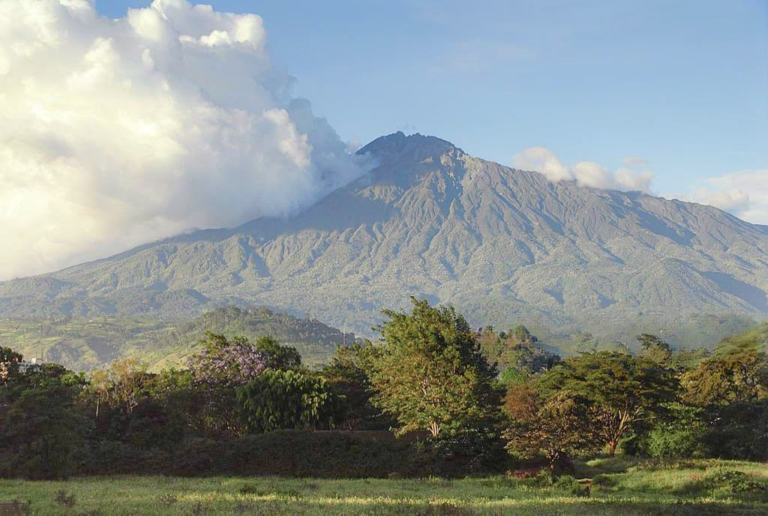
Momella Route Mount Meru 2026-2027
Momella Route Mount Meru is explained with current 2026-2027 planning, price, itinerary and booking information.
View package details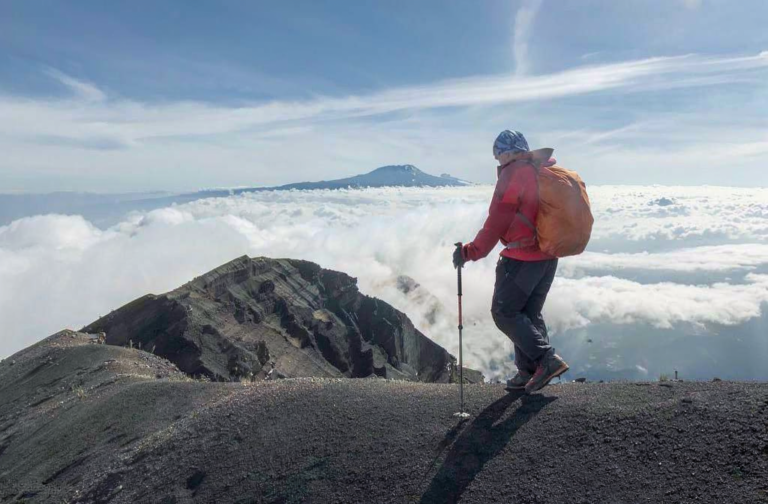
Trek Mont Meru 4 Jours: Your Complete Guide 2026-2027
start a 4-day trek up Mount Meru, a challenging yet rewarding climb near Kilimanjaro. This guide covers routes, preparation, gear, and essential tips for your 2026-2027 expedition.
View package details
3 Day Joining Safari Group Departures From Moshi: 2026
Discover convenient 3-day group safari departures from Moshi, perfect for maximizing your Tanzania adventure. Explore wildlife-rich parks like Tarangire, Manyara, or the Serengeti on shared...
View package detailsWhat To Expect On Your First Kilimanjaro Trek: A Comprehensive Guide 2026-2027
Planning your first climb up Kilimanjaro? This comprehensive guide covers everything you need to know, from choosing a route and preparing your body to what daily life on the mountain is...
View package details20 Natural Wonders In Africa You Need To See 2026-2027
Explore Africa's most spectacular natural wonders, from the majestic peaks of Kilimanjaro and the vast plains of the Serengeti to the unique landscapes of Namibia and the vibrant coral...
View package details15 Natural Wonders In Africa That Don’t Look Real | Climb 4 2026-2027
Africa is home to a stunning array of natural wonders that defy belief, appearing so surreal they seem plucked from another planet. This guide explores 15 of the continent's most...
View package detailsWhy Is Climbing Kilimanjaro So Expensive? 2026-2027
Why Is Climbing Kilimanjaro So Expensive? is explained with current 2026-2027 planning, price, itinerary and booking information.
View package detailsWhy Do People Travel From Around The World To Climb Kilimanjaro? 2026-2027
Why Do People Travel From Around the World to Climb Kilimanjaro? is explained with current 2026-2027 planning, price, itinerary and booking information.
View package detailsWhy Is Kilimanjaro One Of The World’s Most Famous Mountains? Your Planning
Kilimanjaro's fame stems from its status as the highest free-standing mountain, its accessibility to non-technical climbers, its iconic snow-capped summit, and its location in a biodiverse...
View package detailsWhy Do Thousands Of Travelers Visit Kilimanjaro Every Year? Your Expert Guide
Thousands of adventurers flock to Kilimanjaro each year, drawn by its status as Africa's highest peak and a bucket-list trekking challenge. This guide explores the compelling reasons behind...
View package detailsNo related package matches those filters. Clear one or more filters to see the other topic-matched options.



