
The Route Marangu Kilimanjaro is best tackled over 6 days for optimal acclimatization and a higher success rate, though a 5-day itinerary is possible for those with excellent fitness and previous high-altitude experience. The 6-day option allows for an extra day at Horombo Huts, crucial for the body to adjust to the increasing altitude, significantly improving your chances of reaching Uhuru Peak safely and comfortably during your 2026 or 2027 climb.
Understanding the Marangu Route
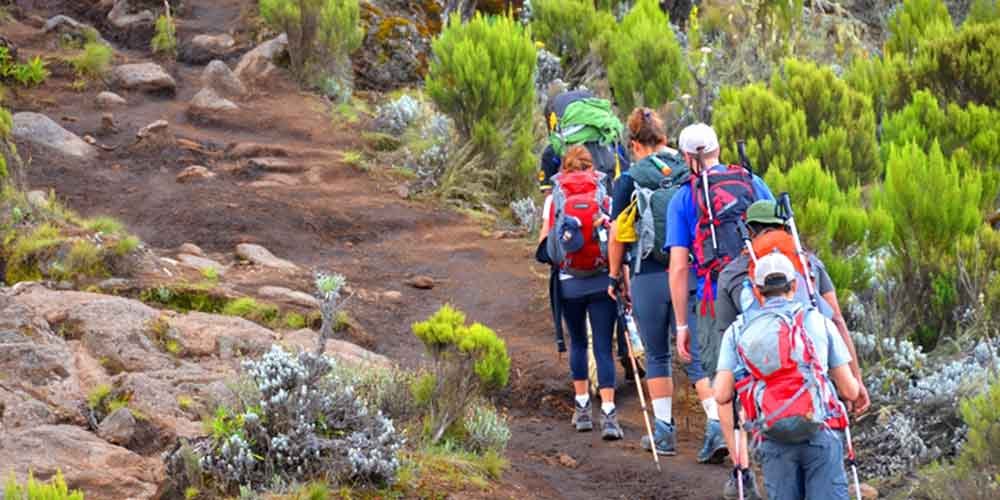
The Marangu Route, often called the “Coca-Cola” route, is one of Kilimanjaro’s oldest and most popular trekking paths. Its fame stems from its unique accommodation style – staying in dormitory-style huts rather than camping – and its relatively gentle, consistent gradient. This approachability makes it a strong contender for many first-time high-altitude trekkers. However, when considering the Route Marangu Kilimanjaro, a critical decision point arises: opting for a 5-day or a 6-day ascent. This choice profoundly impacts your acclimatization, comfort, and ultimately, your success in reaching the summit of Africa’s highest peak.
For trekkers planning their expedition for 2026 or 2027, understanding these nuances is paramount. While the 5-day itinerary presents a quicker path to the summit, it compresses the crucial acclimatization period. The 6-day version, conversely, offers a more relaxed pace, allowing your body more time to adapt to the thinning air, a vital factor in preventing altitude sickness and ensuring a more enjoyable journey. We’ll explore the specifics of each, examining the daily stages, the physiological demands, and the practical considerations that will help you make an informed decision for your Kilimanjaro adventure.
5-Day vs. 6-Day Marangu: The Core Difference
The fundamental distinction between the 5-day and 6-day Route Marangu Kilimanjaro lies in the inclusion of an additional day on the mountain, primarily dedicated to acclimatization. This extra day is strategically placed, typically between the ascent to Horombo Huts and the subsequent trek to Kibo Hut, the base camp for the summit push. Let’s break down how this plays out:
- 5-Day Marangu: This itinerary is designed for speed. It involves a more rapid ascent, pushing trekkers higher each day with less rest time. The daily stages are longer, and the overall time spent at higher altitudes is compressed. While it offers a quicker completion, it significantly increases the risk of altitude sickness due to insufficient acclimatization.
- 6-Day Marangu: This is the recommended option for most trekkers. It includes an extra day at Horombo Huts (often used as a rest or acclimatization day, sometimes involving a short hike to nearby points of interest like Mawenzi Ridge). This extended stay allows your body to better adjust to the altitude of 3,700 meters (12,140 feet) before proceeding to the even higher Kibo Hut at 4,700 meters (15,420 feet). This slower ascent profile is key to a higher summit success rate.
The choice between these two durations is not merely about convenience; it’s a direct trade-off between time and safety. For anyone planning a climb in 2026 or 2027, prioritizing acclimatization with the 6-day option is a wise investment in your health and overall experience.
Detailed Look: The 5-Day Marangu Route
The 5-day itinerary for the Route Marangu Kilimanjaro is a compressed schedule that aims to get trekkers to the summit and back in the shortest possible time. It’s often chosen by those with very limited vacation time or those who believe their high-altitude experience makes them less susceptible to altitude sickness. However, it’s crucial to understand the pace and what it entails:
Day 1: Marangu Gate (1,800m/5,905ft) to Mandara Huts (2,700m/8,860ft)
- Distance: 8 km (5 miles)
- Time: 3-4 hours
- Habitat: Rainforest
- Description: The trek begins after completing registration at the Marangu Gate. You’ll hike through dense rainforest, a beautiful and lush environment. The ascent is steady, and by late afternoon, you’ll reach Mandara Huts. This is a relatively easy first day, designed to get you onto the mountain without undue exertion.
Day 2: Mandara Huts (2,700m/8,860ft) to Horombo Huts (3,700m/12,140ft)
- Distance: 12 km (7.5 miles)
- Time: 5-6 hours
- Habitat: Moorland
- Description: Today, you’ll transition from the rainforest into the moorland zone. The landscape opens up, offering more expansive views. This is a significant altitude gain, and you might start to feel the effects of the thinning air. Reaching Horombo Huts marks a substantial step up in altitude.
Day 3: Horombo Huts (3,700m/12,140ft) to Kibo Hut (4,700m/15,420ft)
- Distance: 10 km (6 miles)
- Time: 5-6 hours
- Habitat: Alpine Desert
- Description: This is a challenging day as you ascend into the alpine desert. The vegetation disappears, and the terrain becomes rocky and barren. The altitude gain is considerable, and acclimatization becomes a critical factor. You will arrive at Kibo Hut, the base camp from which the summit attempt is made.
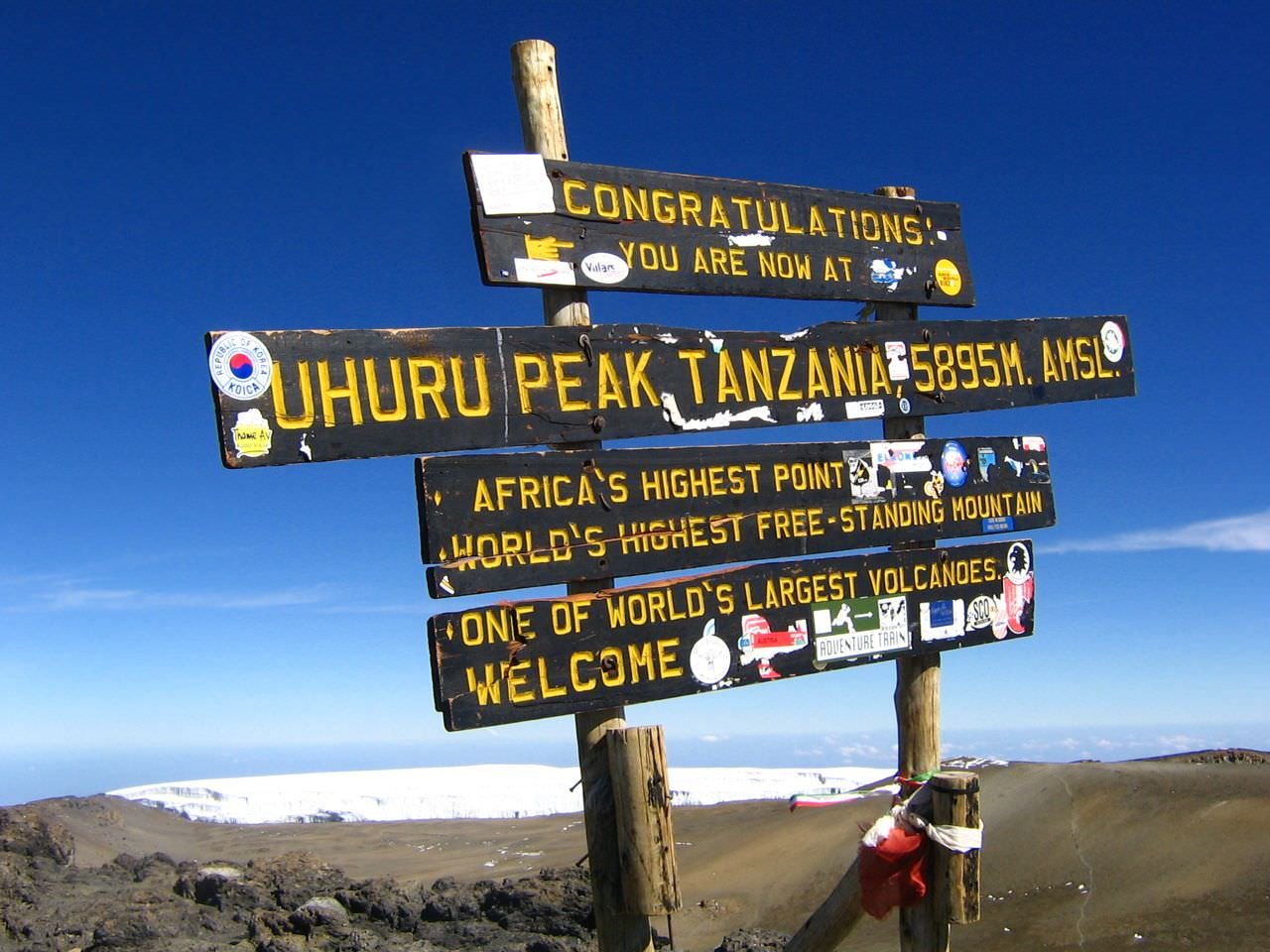
Day 4: Summit Attempt (Uhuru Peak 5,895m/19,341ft) and Descent to Horombo Huts
- Distance: 6 km (3.7 miles) ascent, 16 km (10 miles) descent
- Time: 10-12 hours (ascent & descent to Kibo), then 3-4 hours descent to Horombo
- Habitat: Arctic
- Description: This is the longest and most demanding day. You will start your summit attempt around midnight, climbing through the night towards Stella Point and then Uhuru Peak. After reaching the summit and spending a short time taking photos, you’ll descend back to Kibo Hut for a brief rest before continuing down to Horombo Huts. This is a grueling day with significant altitude loss and gain.
Day 5: Horombo Huts (3,700m/12,140ft) to Marangu Gate (1,800m/5,905ft)
- Distance: 20 km (12.5 miles)
- Time: 5-7 hours
- Habitat: Moorland to Rainforest
- Description: The final descent is rapid, taking you back through the moorland and rainforest zones to Marangu Gate. You’ll likely feel the effects of the altitude loss, and the long walk can be tiring. Upon arrival at the gate, you’ll be met by your guides and drivers for the transfer back to your hotel.
Trade-offs of the 5-Day Marangu: The primary benefit is saving a day of travel time and cost. However, the significant drawback is the increased risk of altitude sickness. The rapid ascent means less time for your body to adapt, making the summit night and subsequent descent more challenging and potentially dangerous. For trekkers in 2026-2027, this route is generally not recommended unless you have specific, proven experience at similar altitudes.
Detailed Look: The 6-Day Marangu Route
The 6-day itinerary for the Route Marangu Kilimanjaro is the standard and most recommended option, prioritizing acclimatization and increasing the likelihood of a successful summit bid. It incorporates an extra day, typically at Horombo Huts, which serves as a vital acclimatization period.
Day 1: Marangu Gate (1,800m/5,905ft) to Mandara Huts (2,700m/8,860ft)
- Distance: 8 km (5 miles)
- Time: 3-4 hours
- Habitat: Rainforest
- Description: Similar to the 5-day route, this day involves a gentle start through the lush rainforest. The focus is on a comfortable pace to ease into the trek.
Day 2: Mandara Huts (2,700m/8,860ft) to Horombo Huts (3,700m/12,140ft)
- Distance: 12 km (7.5 miles)
- Time: 5-6 hours
- Habitat: Moorland
- Description: You’ll ascend into the moorland zone, experiencing a noticeable increase in altitude. This day is crucial for beginning the acclimatization process as you reach the higher camp.
Day 3: Horombo Huts (3,700m/12,140ft) – Acclimatization Day
- Distance: Optional hike (e.g., to Zebra Rocks or Mawenzi Ridge viewpoint)
- Time: 2-4 hours
- Habitat: Moorland/Alpine Desert
- Description: This is the key difference. Instead of pushing directly to Kibo Hut, you spend an extra day at Horombo. This day is often used for an acclimatization hike to a nearby point like Zebra Rocks (around 4,000m/13,120ft). This hike involves ascending higher and then descending back to Horombo, which is an excellent way to help your body adapt to the altitude without overnighting at the higher elevation.
Day 4: Horombo Huts (3,700m/12,140ft) to Kibo Hut (4,700m/15,420ft)
- Distance: 10 km (6 miles)
- Time: 5-6 hours
- Habitat: Alpine Desert
- Description: After a well-rested acclimatization day, you proceed to Kibo Hut. The landscape is now the alpine desert. The altitude gain is significant, but your body is better prepared due to the extra day at Horombo.
Day 5: Summit Attempt (Uhuru Peak 5,895m/19,341ft) and Descent to Horombo Huts
- Distance: 6 km (3.7 miles) ascent, 10 km (6 miles) descent to Kibo, then 12 km (7.5 miles) descent to Horombo
- Time: 10-12 hours (ascent & descent to Kibo), then 3-4 hours descent to Horombo
- Habitat: Arctic/Alpine Desert/Moorland
- Description: You’ll start your summit push around midnight. The climb to Stella Point and then Uhuru Peak is the most challenging part of the trek. After celebrating your achievement, you descend back to Kibo Hut for a short rest before continuing the descent to Horombo Huts. This day is still very long but is more manageable with better acclimatization.
Day 6: Horombo Huts (3,700m/12,140ft) to Marangu Gate (1,800m/5,905ft)
- Distance: 20 km (12.5 miles)
- Time: 5-7 hours
- Habitat: Moorland to Rainforest
- Description: The final day involves a long descent through the moorland and rainforest back to Marangu Gate. You’ll be tired but hopefully exhilarated by your summit success.
Benefits of the 6-Day Marangu: The primary advantage is a significantly higher chance of reaching the summit due to superior acclimatization. The pace is more manageable, reducing the physical and mental strain. For trekkers planning their 2026 or 2027 climb, this option offers a safer, more comfortable, and ultimately more rewarding experience.
Acclimatization Strategies: Why Days Matter
Altitude sickness, or Acute Mountain Sickness (AMS), is the most significant risk on any Kilimanjaro climb. It occurs when your body cannot adjust quickly enough to the lower oxygen levels at higher elevations. The human body needs time to produce more red blood cells to carry oxygen more efficiently. This process takes days, not hours.
The Route Marangu Kilimanjaro, especially the 5-day version, presents a rapid ascent profile. This means you gain altitude quickly, leaving less time for your body to adapt. Here’s why the extra day in the 6-day itinerary is so crucial:
- Gradual Ascent: The 6-day route allows for a slower progression. You spend more time at intermediate altitudes, like Horombo Huts (3,700m). This period is vital for your body to start producing the necessary physiological changes to cope with higher elevations.
- ‘Climb High, Sleep Low’ Principle: While not perfectly applicable on Marangu due to the hut system, the concept of ascending to a higher point and returning to a lower camp for the night is a proven acclimatization technique. The optional acclimatization hike on Day 3 of the 6-day route (ascending to Zebra Rocks and returning to Horombo) embodies this principle. It exposes your body to higher altitudes during the day, stimulating acclimatization, while allowing you to rest and recover at a lower, more manageable elevation overnight.
- Reduced Risk of AMS: By allowing more time for adaptation, the 6-day route significantly reduces the risk of developing moderate to severe AMS. Symptoms like headaches, nausea, dizziness, and fatigue are much less likely to become debilitating. This means you can focus on enjoying the trek rather than battling sickness.
- Improved Summit Chances: AMS is a primary reason for summit failure. If trekkers become too ill, they must descend. A well-acclimatized trekker is stronger, more energetic, and better equipped to handle the demanding summit night. The 6-day Marangu route, with its emphasis on acclimatization, directly correlates with a higher success rate.
- Mental and Physical Well-being: Trekking at high altitudes is physically and mentally taxing. A more relaxed pace afforded by the 6-day itinerary allows for better rest, hydration, and nutrition, contributing to overall well-being. This makes the entire experience more enjoyable, not just the summit itself.
For trekkers planning their 2026 or 2027 expedition, understanding that the 6-day Route Marangu Kilimanjaro is not just a longer trek but a fundamentally safer and more effective approach to acclimatization is key to a successful and memorable climb.
Difficulty and Physical Demands: Route Marangu Kilimanjaro
The Route Marangu Kilimanjaro is generally considered one of the easier routes in terms of technical difficulty. It has a well-trodden path, a consistent gradient for much of the ascent, and the unique advantage of hut accommodation. However, “easier” does not mean “easy.” Kilimanjaro is a serious mountain, and the primary challenge remains the altitude.
Physical Demands:
- Cardiovascular Fitness: You need a good level of cardiovascular fitness. This means being able to sustain moderate physical activity for several hours each day. Regular hiking, running, cycling, or swimming in the months leading up to your trek is highly recommended.
- Stamina: The trek involves consecutive days of walking, often for 5-8 hours per day. The summit night is exceptionally long and demanding, potentially lasting 10-12 hours or more.
- Muscular Strength: While not a climbing route, your leg muscles will be heavily used, especially during descents when they absorb impact. Core strength is also important for balance and stability.
- Mental Fortitude: The combination of physical exertion, fluctuating weather, and the effects of altitude requires significant mental resilience. Pushing through discomfort and maintaining a positive attitude are crucial.
Altitude as the Main Challenge:
- 5-Day Route: This itinerary significantly intensifies the altitude challenge. The rapid ascent means your body has minimal time to adapt. Headaches, nausea, and fatigue are more common and can escalate quickly. The summit night is particularly grueling because you’ve ascended so rapidly.
- 6-Day Route: The extra day dedicated to acclimatization makes a substantial difference. While altitude symptoms can still occur, they are generally milder and more manageable. Your body has had more time to adjust to the lower oxygen levels, making the summit attempt more feasible and less physically punishing. The descent from the summit to Horombo is still a long day, but better acclimatization means you’re likely to be in better physical condition to manage it.
Terrain: The terrain changes dramatically, from lush rainforest to open moorland, then to the stark alpine desert, and finally the arctic zone near the summit. The paths are generally clear, but can be rocky, especially higher up. The final ascent to Stella Point and Uhuru Peak involves scree slopes.
Key Considerations for 2026-2027 Trekkers: Regardless of the duration chosen for the Route Marangu Kilimanjaro, proper training and preparation are non-negotiable. However, if you have concerns about altitude or are a first-time high-altitude trekker, the 6-day itinerary is unequivocally the safer and more sensible choice. It mitigates the primary risk factor – altitude – by allowing your body the time it needs to adapt.
Pros and Cons: Weighing 5 vs. 6 Days
Choosing between the 5-day and 6-day Route Marangu Kilimanjaro involves weighing distinct advantages and disadvantages. This decision hinges on your personal priorities, fitness, and tolerance for altitude risk.
The 5-Day Marangu Route
Pros:
- Shorter Duration: Ideal if you have limited time off work or other commitments. Completes the trek in fewer days.
- Lower Cost: Typically, shorter treks incur slightly lower costs due to fewer days of guiding, porterage, park fees, and hut accommodation.
- Faster Pace: For some, a faster pace might be appealing, though this comes with significant risks.
Cons:
- Significantly Higher Risk of Altitude Sickness: This is the most critical drawback. Insufficient acclimatization drastically increases the chances of developing AMS, which can lead to summit failure or serious health complications.
- More Physically Demanding: The rapid ascent and longer daily treks can be extremely taxing, especially on summit night.
- Lower Summit Success Rate: Due to the increased risk of AMS and physical strain, success rates are generally lower compared to the 6-day option.
- Less Enjoyable Experience: If you are battling altitude sickness, the overall experience can be miserable rather than enjoyable.
The 6-Day Marangu Route
Pros:
- Significantly Higher Summit Success Rate: The extended acclimatization period is proven to increase the chances of reaching Uhuru Peak.
- Better Acclimatization: Your body has more time to adjust to the altitude, reducing the risk and severity of AMS.
- More Comfortable and Enjoyable Trek: A slower pace allows for better recovery, hydration, and a more pleasant overall experience.
- Reduced Physical Strain: While still challenging, the trek is less physically punishing, especially on summit night.
- Opportunity for Acclimatization Hike: The extra day can be used for a rewarding acclimatization hike, enhancing the trekking experience and aiding adaptation.
Cons:
- Longer Duration: Requires an additional day of vacation time.
- Slightly Higher Cost: Involves an extra day of guiding, park fees, and hut accommodation, leading to a marginally higher price.
- Slower Pace: For those who prefer a very fast-paced challenge, this might feel slower, although the benefits far outweigh this perceived con.
Recommendation for 2026-2027 Trekkers: For the vast majority of trekkers planning their Route Marangu Kilimanjaro expedition, the 6-day itinerary offers a superior balance of safety, comfort, and success. The minimal additional cost and time commitment are well worth the increased probability of reaching the summit and enjoying the journey. The 5-day option should only be considered by individuals with verified, extensive high-altitude trekking experience and a clear understanding of the associated risks.
Choosing Your Ideal Duration: Who Suits Which?
The decision between a 5-day and 6-day Route Marangu Kilimanjaro trek boils down to a personal assessment of your priorities and risk tolerance. While the 6-day option is generally recommended, understanding who each itinerary best suits can help clarify your choice for a 2026 or 2027 climb.
The 5-Day Marangu Route is best suited for:
- Time-Constrained Trekkers: Individuals with very limited annual leave who absolutely cannot spare an extra day.
- Experienced High-Altitude Trekkers: Those who have successfully completed multiple treks above 5,000 meters (16,400 feet) and understand their body’s response to altitude. This is not for someone who has only done day hikes at altitude.
- Budget-Conscious Trekkers (with caution): While slightly cheaper, the potential costs associated with AMS (medical evacuation, extended stays) can far outweigh the initial savings. This choice requires a very clear understanding of the risks involved.
The 6-Day Marangu Route is best suited for:
- Most First-Time Kilimanjaro Trekkers: This is the default recommendation for those new to high-altitude mountaineering.
- Trekkers Prioritizing Success and Safety: Anyone who wants to maximize their chances of reaching the summit and minimize the risk of altitude sickness.
- Trekkers Seeking a More Comfortable Experience: Those who want to enjoy the journey, appreciate the scenery, and feel strong on summit night, rather than battling physical discomfort.
- Anyone with Even Minor Concerns about Altitude: If you have any doubts about how your body will react to high altitudes, the 6-day route provides the necessary buffer.
- Trekkers Planning for 2026-2027: This allows for better planning and adaptation, ensuring a more memorable and positive experience as you look towards future adventures.
A Word on Acclimatization Hikes: Even on the 6-day route, the success of the acclimatization day depends on actively hiking to a higher point and returning. Simply resting at Horombo is less effective than undertaking a moderate acclimatization hike. Ensure your operator includes this as part of the 6-day itinerary.
Ultimately, for the Route Marangu Kilimanjaro, the 6-day option provides a significantly better foundation for success and enjoyment. It’s an investment in your health, safety, and the overall fulfillment of your Kilimanjaro dream.
Preparing for Your Marangu Climb (2026-2027)
Embarking on a Route Marangu Kilimanjaro trek, whether for 5 or 6 days, requires diligent preparation. The months leading up to your 2026 or 2027 expedition are crucial for building the necessary physical and mental readiness. Here’s a breakdown of essential preparation steps:
Physical Training: Building Your Foundation
- Cardiovascular Endurance: Focus on activities that build stamina. Aim for at least 3-4 sessions per week. Examples include:
- Hiking: Long hikes (3-6 hours) with significant elevation gain are ideal. Practice with a weighted backpack to simulate trek conditions.
- Running/Jogging: Improves aerobic capacity.
- Cycling: Excellent for leg strength and cardiovascular health.
- Swimming: A low-impact option for overall fitness.
- Strength Training: Focus on leg and core strength. Squats, lunges, step-ups (with weight), and planks are beneficial.
- Altitude Experience (if possible): If you live near mountains, try to do some hiking at higher altitudes to gauge your body’s response.
- Consistency is Key: Begin training at least 3-6 months before your trek. Gradually increase the intensity and duration of your workouts.
Health and Medical Preparations
- Consult Your Doctor: Discuss your plans with your physician, especially if you have any pre-existing medical conditions. Get advice on travel vaccinations and any necessary medications.
- Dental Check-up: Toothaches can be exacerbated by altitude changes. Ensure your teeth are in good condition.
- Travel Insurance: Essential for any Kilimanjaro trek. Ensure it covers high-altitude trekking, emergency medical evacuation, and trip cancellation. Verify that your policy covers altitudes up to 6,000 meters.
- Medications: Pack a personal first-aid kit including pain relievers, blister treatment, antiseptic wipes, and any personal prescriptions. Discuss Diamox (acetazolamide) with your doctor as a preventative measure for altitude sickness.
Mental Preparation
- Understand the Challenges: Be realistic about the physical and mental demands. Altitude sickness, cold, fatigue, and basic living conditions are part of the experience.
- Positive Mindset: Cultivate a positive and resilient attitude. Kilimanjaro is as much a mental challenge as a physical one.
- Pacing: Learn to pace yourself. Slow and steady wins the race on Kilimanjaro.
Logistics and Booking for 2026-2027
- Choose Your Operator Wisely: Select a reputable tour operator like Climb 4 Africa that prioritizes safety, experienced guides, and ethical treatment of porters.
- Book in Advance: Especially for 2026-2027, popular dates can fill up. Booking 6-12 months in advance is advisable.
- Understand Inclusions: Clarify what is included in your package (e.g., park fees, meals, accommodation, guides, porters, rescue fees, transfers).
- Visa and Passport: Ensure your passport is valid for at least six months beyond your stay and has sufficient blank pages. Check visa requirements for Tanzania.
- Flights: Book your international flights to Kilimanjaro International Airport (JRO).
Thorough preparation for your Route Marangu Kilimanjaro trek will significantly enhance your safety, comfort, and chances of reaching the summit. For 2026-2027 expeditions, starting your planning early is the best way to ensure a smooth and successful journey.
What to Expect on the Mountain: Scenery, Camps, and Culture
Trekking the Route Marangu Kilimanjaro is an experience that unfolds across diverse landscapes and offers unique insights into the mountain’s ecosystem and the local culture. Understanding what awaits you will help manage expectations and enhance your appreciation of the journey.
Diverse Ecosystems and Scenery
The Marangu route traverses five distinct ecological zones, each with its own unique flora, fauna, and atmosphere:
- Cultivation Zone (1,800m – 2,800m): You begin in lush, tropical rainforest. Expect dense vegetation, towering trees, abundant birdlife, and possibly monkeys (like the Colobus monkey) in the lower sections. The air is moist and warm.
- Moorland Zone (2,800m – 4,000m): As you gain altitude, the rainforest gives way to open moorland characterized by giant heathers, senecios, and lobelias. The landscape becomes more exposed, with rolling hills and expansive views. The air is cooler and drier.
- Alpine Desert Zone (4,000m – 4,700m): This zone resembles a desert, with very little vegetation. You’ll encounter rocky terrain, sparse grasses, and hardy alpine flowers. The sun is intense, but temperatures can drop significantly, especially at night.
- Arctic Zone (Above 4,700m): Above Kibo Hut, the landscape is barren and rocky, resembling an arctic environment. You’ll encounter ice and snow, especially on the summit. Oxygen levels are critically low here.
Unique Hut Accommodation
Unlike other Kilimanjaro routes where you camp, Marangu offers dormitory-style huts. This is a defining feature:
- Basic Comfort: Huts typically have bunk beds with mattresses. They provide shelter from the elements and a communal space for trekkers and guides.
- Shared Facilities: Rooms are usually shared among trekkers in your group. Toilets and washing facilities are communal and basic, often squat toilets.
- Atmosphere: The huts create a unique camaraderie among trekkers, fostering a shared experience and encouraging mutual support.
- Warm Meals: Your crew will prepare hot meals in a communal mess tent or designated hut area, providing much-needed sustenance.
While not luxurious, the huts offer a level of comfort and convenience not found on camping routes, particularly in adverse weather. For 2026-2027 trekkers, this provides a different mountain experience compared to camping.
The Role of Your Crew
Your trekking crew is the backbone of your expedition. On the Route Marangu Kilimanjaro, you’ll have:
- Guides: Experienced, licensed guides who are knowledgeable about the mountain, altitude sickness, and navigation. They are responsible for your safety and well-being.
- Porters: They carry your main luggage, food, tents (for kitchen and dining), and equipment to the huts.
- Cook: Prepares your meals.
Tipping your crew is customary and a significant part of their income. Your tour operator will provide guidelines on appropriate tipping amounts.
Cultural Encounters
While the focus is on the trek, you’ll have opportunities for brief cultural interactions:
- Local Guides and Crew: Your crew members are typically from the local Chagga community. Engaging with them respectfully can enrich your experience.
- Marangu Village: The starting point is a gateway to Kilimanjaro and a glimpse into rural Tanzanian life.
- Park Rangers: You’ll interact with rangers at the Marangu Gate for registration and check-ins.
Remember that Kilimanjaro is a sacred mountain for local communities. Respect the environment, follow Leave No Trace principles, and appreciate the privilege of trekking on this magnificent peak.
By understanding these aspects of the Route Marangu Kilimanjaro, you can better prepare for the physical, environmental, and cultural journey that awaits you in 2026 or 2027.
Packing Essentials for the Marangu Route
Proper gear is essential for a safe and comfortable trek on the Route Marangu Kilimanjaro. The weather can change rapidly, and you’ll experience a wide range of temperatures and conditions. While the Marangu route offers hut accommodation, you still need to be equipped for mountain trekking. For your 2026-2027 climb, ensure you have the following:
Clothing Layers (Crucial for Temperature Regulation)
- Base Layers: Moisture-wicking thermal tops and bottoms (merino wool or synthetic).
- Mid Layers: Fleece jackets or vests for insulation.
- Outer Layer (Insulation): A warm, down or synthetic insulated jacket for summit night and cold evenings.
- Outer Layer (Shell): Waterproof and windproof jacket and trousers (Gore-Tex or similar).
Headwear and Handwear
- Warm Hat: Fleece or wool hat that covers your ears.
- Sun Hat: Wide-brimmed hat or cap for sun protection during the day.
- Balaclava or Neck Gaiter: For protection against wind and cold, especially on summit night.
- Gloves: Lightweight liner gloves and warm, waterproof outer gloves or mittens.
Footwear
- Hiking Boots: Broken-in, waterproof, and sturdy hiking boots with good ankle support.
- Camp Shoes/Sandals: Comfortable footwear for relaxing in the huts.
- Socks: Several pairs of warm, moisture-wicking hiking socks (wool or synthetic). Liner socks can help prevent blisters.
Trekking Gear
- Backpack: A comfortable daypack (30-40 liters) for carrying essentials during the day (water, snacks, extra layers, camera).
- Duffel Bag: A large, waterproof duffel bag (80-100 liters) for your main gear, which will be carried by porters.
- Trekking Poles: Highly recommended for stability and reducing strain on knees, especially during descents.
- Headlamp: Essential for summit night and navigating in the dark. Bring extra batteries.
- Water Bottles/Hydration Reservoir: At least 2-3 liters capacity. Insulated covers are useful in cold weather.
- Sunglasses: High UV protection.
Sleeping Gear (Optional but Recommended)
- Sleeping Bag: A 0°F (-18°C) to -20°F (-29°C) rated sleeping bag is recommended for warmth in the huts.
- Sleeping Bag Liner: Adds warmth and keeps your sleeping bag clean.
Personal Items
- Sunscreen: High SPF.
- Lip Balm: With SPF.
- Insect Repellent: Especially for the lower rainforest sections.
- Toiletries: Biodegradable soap, toothbrush, toothpaste, wet wipes.
- Personal First-Aid Kit: Include blister treatment, pain relievers, antiseptic wipes, any personal medications.
- Camera and Power Bank: To capture memories and keep devices charged.
- Snacks: Energy bars, nuts, dried fruit, or chocolate for energy boosts.
- Book/Journal: For downtime in the huts.
- Passport and Visa copies: Keep secure.
- Cash: For tips and personal expenses (USD is widely accepted).
Rental Gear: Many operators, including Climb 4 Africa, offer rental gear such as sleeping bags, trekking poles, and warm jackets. Check with your operator about available rentals for your 2026 or 2027 Route Marangu Kilimanjaro trek to avoid unnecessary luggage weight.
Booking Your Route Marangu Kilimanjaro Trek
Securing your spot for a Route Marangu Kilimanjaro trek for the 2026 or 2027 season requires careful planning and choosing the right tour operator. Climb 4 Africa specializes in creating safe, memorable, and well-supported Kilimanjaro expeditions. Here’s how to approach the booking process and what to consider:
Choosing the Right Tour Operator:
- Safety First: Look for operators with a strong safety record, certified guides trained in wilderness first aid and altitude sickness management, and comprehensive emergency protocols.
- Experience and Reputation: Choose operators with years of experience operating on Kilimanjaro. Read reviews (like those on TripAdvisor) and check their certifications.
- Group Size and Support: Smaller groups often offer a more personalized experience. Ensure the operator provides adequate guides and porters per climber.
- Ethical Practices: Verify that the operator treats their crew fairly, paying appropriate wages and providing necessary gear.
- Inclusions: Clearly understand what is included in the package. This typically covers park fees, hut accommodation, meals on the mountain, guides, porters, and transfers. Exclusions often include flights, visas, travel insurance, tips, and personal gear.
The Booking Process with Climb 4 Africa:
When you’re ready to plan your Route Marangu Kilimanjaro adventure for 2026 or 2027, contacting Climb 4 Africa is a straightforward process designed to ensure all your needs are met:
- Initial Inquiry: Reach out via email or WhatsApp. Provide your preferred dates, the number of people in your group, and whether you’re leaning towards the 5-day or 6-day Marangu itinerary. Mentioning your interest in the Route Marangu Kilimanjaro specifically helps us tailor our response.
- Personalized Consultation: We will discuss your options, answer all your questions about the route, acclimatization, training, and what to expect. We can help you decide between the 5-day and 6-day options based on your profile.
- Itinerary and Quote: Based on your requirements, we will provide a detailed itinerary and a clear quote outlining inclusions and exclusions. For 2026-2027 treks, we can advise on optimal timing and any available group departures.
- Deposit and Confirmation: Once you are satisfied, a deposit is required to confirm your booking. This secures your spot and allows us to begin logistical preparations, including guide and porter assignments.
- Pre-Trek Information: After booking, you will receive comprehensive pre-trek information covering training advice, packing lists, visa and insurance requirements, and tips for your journey.
Key Booking Considerations for 2026-2027:
Check Availability for Route Marangu Kilimandjaro : 5 Ou 6 Jours 2026-2027
Ready to compare dates, prices, and the best option for your group? Send the package name and travel month so the team can reply with a clear quote, availability, and what is included.
Kilimanjaro Climb Machame Route : Expert Guide For Your Trek 2026-2027
Discover the ultimate guide to climbing Mount Kilimanjaro via the Machame Route for your 2026 or 2027 adventure. This comprehensive resource covers everything from choosing an itinerary and...
View package detailsKilimanjaro Routes: Which Is Best For Your Climb? 2026-2027
Choosing the right Kilimanjaro route is crucial for a successful and enjoyable climb. This comprehensive guide compares the main routes, helping you select the best option for your...
View package details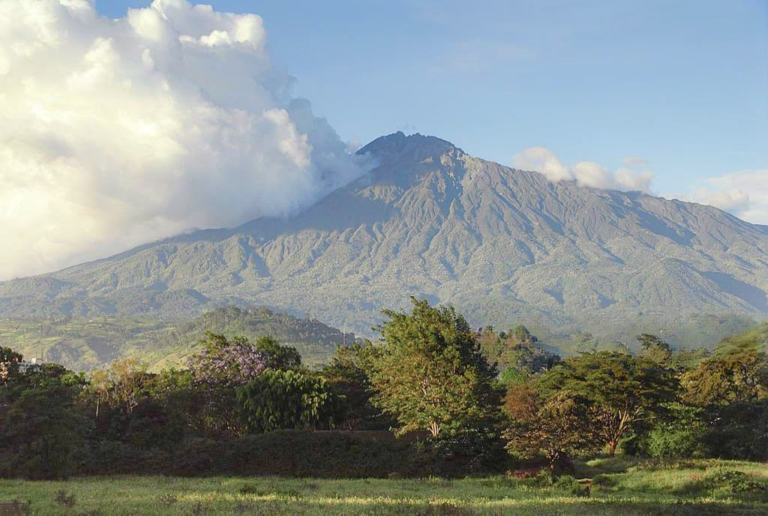
Momella Route Mount Meru 2026-2027
Momella Route Mount Meru is explained with current 2026-2027 planning, price, itinerary and booking information.
View package details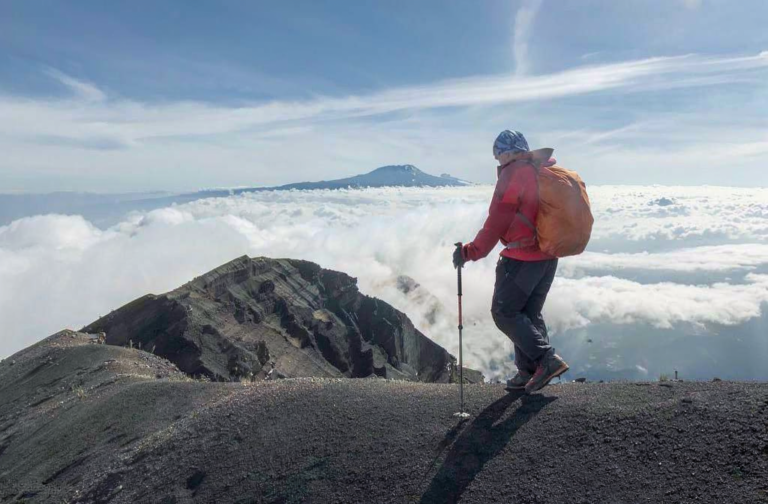
Trek Mont Meru 4 Jours: Your Complete Guide 2026-2027
start a 4-day trek up Mount Meru, a challenging yet rewarding climb near Kilimanjaro. This guide covers routes, preparation, gear, and essential tips for your 2026-2027 expedition.
View package details
3 Day Joining Safari Group Departures From Moshi: 2026
Discover convenient 3-day group safari departures from Moshi, perfect for maximizing your Tanzania adventure. Explore wildlife-rich parks like Tarangire, Manyara, or the Serengeti on shared...
View package detailsWhat To Expect On Your First Kilimanjaro Trek: A Comprehensive Guide 2026-2027
Planning your first climb up Kilimanjaro? This comprehensive guide covers everything you need to know, from choosing a route and preparing your body to what daily life on the mountain is...
View package details20 Natural Wonders In Africa You Need To See 2026-2027
Explore Africa's most spectacular natural wonders, from the majestic peaks of Kilimanjaro and the vast plains of the Serengeti to the unique landscapes of Namibia and the vibrant coral...
View package details15 Natural Wonders In Africa That Don’t Look Real | Climb 4 2026-2027
Africa is home to a stunning array of natural wonders that defy belief, appearing so surreal they seem plucked from another planet. This guide explores 15 of the continent's most...
View package detailsWhy Is Climbing Kilimanjaro So Expensive? 2026-2027
Why Is Climbing Kilimanjaro So Expensive? is explained with current 2026-2027 planning, price, itinerary and booking information.
View package detailsWhy Do People Travel From Around The World To Climb Kilimanjaro? 2026-2027
Why Do People Travel From Around the World to Climb Kilimanjaro? is explained with current 2026-2027 planning, price, itinerary and booking information.
View package detailsWhy Is Kilimanjaro One Of The World’s Most Famous Mountains? Your Planning
Kilimanjaro's fame stems from its status as the highest free-standing mountain, its accessibility to non-technical climbers, its iconic snow-capped summit, and its location in a biodiverse...
View package detailsWhy Do Thousands Of Travelers Visit Kilimanjaro Every Year? Your Expert Guide
Thousands of adventurers flock to Kilimanjaro each year, drawn by its status as Africa's highest peak and a bucket-list trekking challenge. This guide explores the compelling reasons behind...
View package detailsNo related package matches those filters. Clear one or more filters to see the other topic-matched options.



