
The Lemosho Route Kilimanjaro is best experienced over 8 days for optimal acclimatization and the highest chance of summit success in 2026-2027, though a 7-day itinerary is also viable for trekkers with good fitness and prior high-altitude experience. The 8-day version adds an extra day for gradual ascent, significantly improving your body’s adjustment to the altitude, while the 7-day route is more time-efficient but demands more from your physiology.
Understanding the Lemosho Route
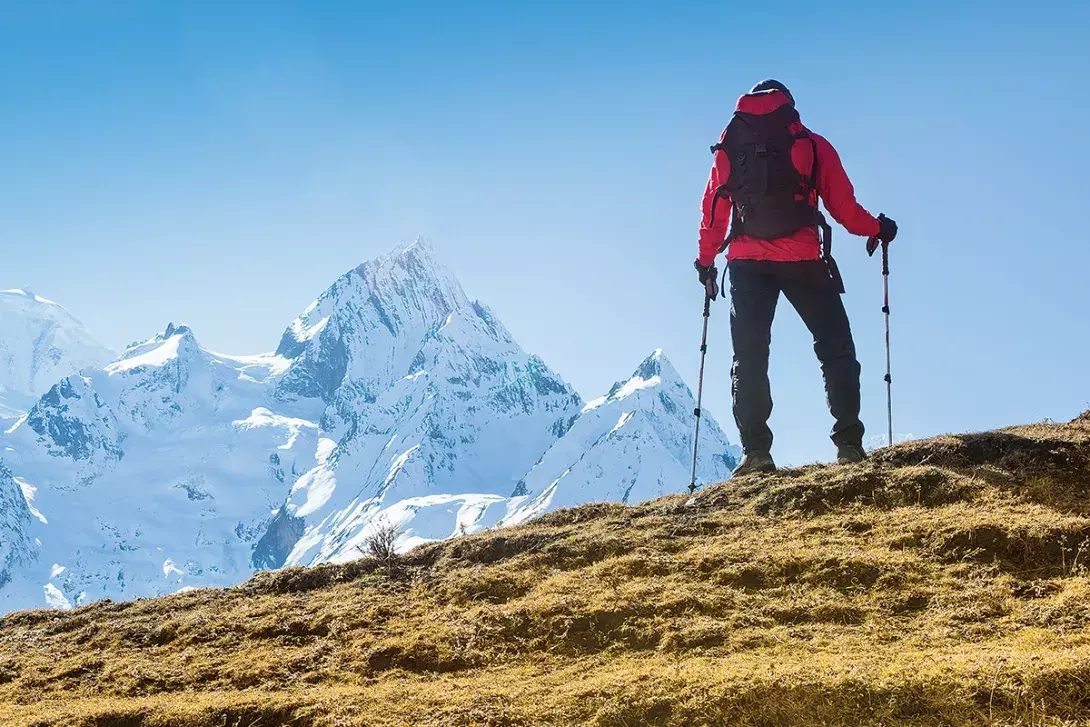
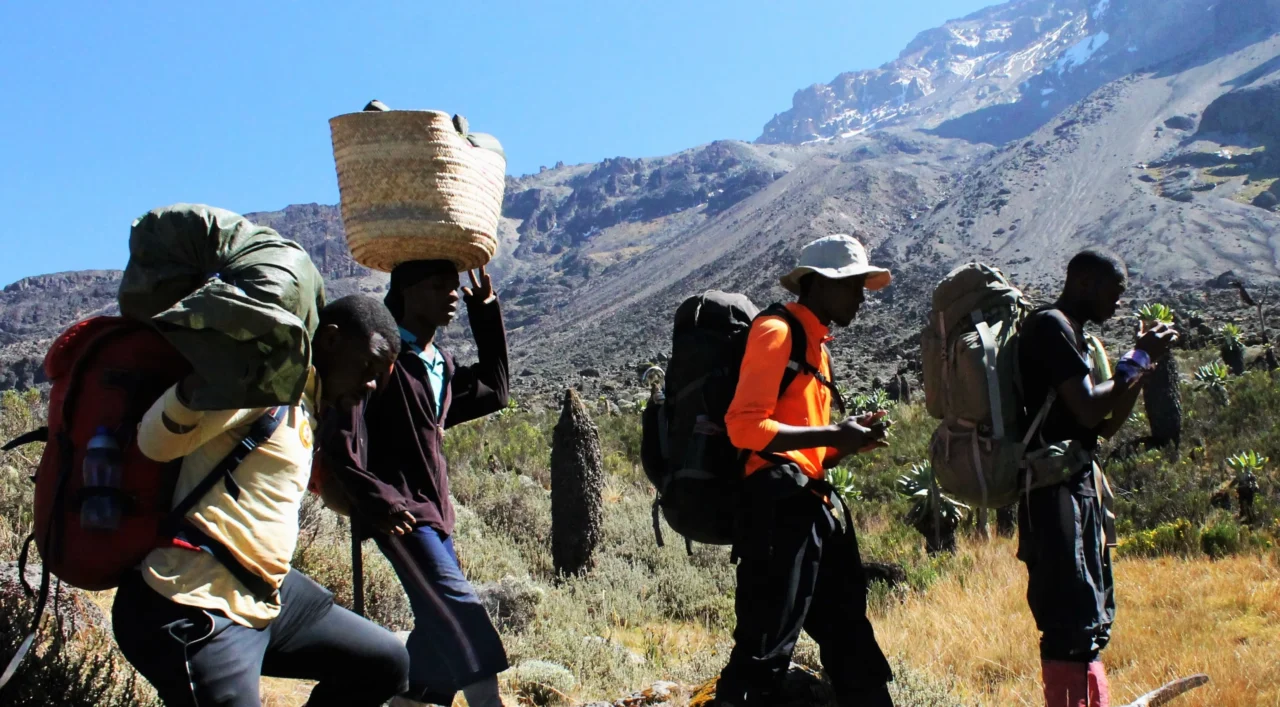
The Lemosho Route stands out as one of the most scenic and increasingly popular ways to ascend Mount Kilimanjaro. Its appeal lies in its gradual ascent through diverse landscapes, starting in the lush rainforest on the western side of the mountain and winding its way across the northern circuit before reaching the summit. This route is generally considered to offer a better acclimatization profile than some of the shorter, more direct routes, particularly when taken over more days.
What sets Lemosho apart initially is its remote starting point. Unlike routes like Marangu or Machame which are accessed from more established park gates, Lemosho begins near the Lemosho Glades, a less-trafficked area. This means your first day or two are often spent trekking through pristine, untouched wilderness, offering a more serene and wild experience before you join the main trekking highways higher up. The initial stages are characterized by dense forests, abundant wildlife sightings (monkeys, various birds, and sometimes even elephants or buffalo at a distance), and beautiful, rolling terrain.
As you progress, the Lemosho Route offers varied scenery. You’ll traverse moorland, then alpine desert, and finally the arctic zone as you approach the summit. A significant advantage of the Lemosho Route, especially over 8 days, is that it follows a ‘climb high, sleep low’ principle more effectively than shorter routes. This means you ascend to higher altitudes during the day for acclimatization purposes and then descend to a lower camp to sleep. This strategy is vital for helping your body adapt to the thinning air and reducing the risk of altitude sickness.
Another key feature of the Lemosho Route is its circuitous path. It winds around the northern slopes, offering spectacular views of Kilimanjaro’s different faces and neighbouring peaks like Mount Meru. This also means it tends to be less crowded, particularly in the early days, contributing to a more enjoyable and less congested trekking experience. The route converges with the Machame Route at Barranco Camp on Day 3 (for the 7-day itinerary) or Day 4 (for the 8-day itinerary), after which it follows the same path to the summit and descent via the Mweka Route.
When considering the Lemosho Route for your 2026 or 2027 climb, it’s important to understand its general characteristics: it is a ‘walk-up’ route (meaning no technical climbing is involved), it requires good physical fitness, and it is generally considered more challenging than the Marangu route but less so than the Northern Circuit, especially regarding the summit night. The choice between 7 and 8 days is often the primary decision point for trekkers opting for Lemosho, and it hinges on prioritizing acclimatization and success rate versus time and cost.
Given its beauty, excellent acclimatization potential, and high success rates (especially on the 8-day version), the Lemosho Route is a top recommendation for many Kilimanjaro climbers looking for a memorable and achievable ascent. It offers a comprehensive mountain experience, blending wilderness immersion with the ultimate goal of reaching Uhuru Peak.”,
“faq_schema”: [
{
“question”: “What is the main difference between the 7-day and 8-day Lemosho Route on Kilimanjaro?”,
“answer”: “The primary difference is the inclusion of an extra day for acclimatization in the 8-day itinerary. This extra day is typically spent at a higher altitude, allowing your body more time to adjust to the thinning air, which significantly increases your chances of reaching the summit and reduces the risk of altitude sickness compared to the 7-day option.”
},
{
“question”: “Which Lemosho Route duration (7 or 8 days) has a higher success rate for summiting Kilimanjaro?”,
“answer”: “The 8-day Lemosho Route consistently has a higher summit success rate. The additional day dedicated to acclimatization allows climbers’ bodies to better cope with the extreme altitude, especially during the strenuous summit night. While the 7-day route can be successful, it places greater physiological demands on the climber.”
},
{
“question”: “Is the 7-day Lemosho Route suitable for first-time Kilimanjaro climbers in 2026-2027?”,
“answer”: “The 7-day Lemosho Route can be suitable for first-time climbers if they have a very good level of physical fitness, have experience with strenuous hiking at altitude (even if lower altitudes), and are committed to a rapid acclimatization strategy. However, for most first-time climbers, especially those prioritizing a comfortable experience and a higher success rate, the 8-day Lemosho Route is strongly recommended for 2026-2027.”
},
{
“question”: “What are the typical costs for the 7-day and 8-day Lemosho Route in 2026-2027?”,
“answer”: “Costs vary significantly based on the operator, group size, and inclusions. Generally, the 8-day Lemosho Route will be slightly more expensive than the 7-day route due to the additional day of park fees, guide/porter services, food, and accommodation. Expect prices to range from approximately $2,000 to $4,000+ USD per person for reputable operators in 2026-2027, with the 8-day option at the higher end of this spectrum or slightly above.”
},
{
“question”: “Does the 7-day Lemosho Route still offer good scenery and acclimatization?”,
“answer”: “Yes, the 7-day Lemosho Route still offers stunning scenery and follows a generally good acclimatization path, being one of the longer routes. It traverses beautiful rainforests, moorlands, and alpine deserts. However, it compresses the acclimatization process compared to the 8-day version, meaning the ‘climb high, sleep low’ principle is less pronounced, and the pace is quicker.”
},
{
“question”: “What are the key logistical differences between the 7-day and 8-day Lemosho itineraries?”,
“answer”: “The main logistical difference is the extra camping night and the associated costs for park fees, crew wages, and provisions. The 8-day itinerary typically includes an extra day on the mountain, often spent acclimatizing at a higher camp or taking a more leisurely pace on a specific day. This means a longer overall trip duration in Tanzania.”
},
{
“question”: “When is the best time to climb the Lemosho Route in 2026-2027?”,
“answer”: “The best times to climb Kilimanjaro, including the Lemosho Route, are during the dry seasons: January to March and June to October. These periods offer the clearest skies and most stable weather conditions. The 2026-2027 dry seasons will be ideal for this trek.”
}
],
“content”: “
Lemosho Route Kilimanjaro: 7 Days vs 8 Days – The Core Difference
The heart of the decision between the Route Lemosho Kilimanjaro 7 or 8 days choice lies in how your body adapts to altitude. Kilimanjaro is a significant challenge, not because of technical climbing, but due to its extreme altitude. The higher you go, the less oxygen is available. Your body needs time to produce more red blood cells and adjust its breathing and circulation to cope with this scarcity.
This process is called acclimatization. The standard medical advice for ascending to high altitudes is to ascend slowly and allow ample time for your body to adjust. This is often summarized as “pole pole” (slowly, slowly) in Swahili, a mantra you’ll hear from your guides.
Here’s the fundamental trade-off:
* 7-Day Lemosho: This itinerary is more aggressive with acclimatization. It covers the same ground as the 8-day route but condenses it. This means you’ll be ascending more steeply in terms of altitude gain per day. While it’s still a well-regarded route for acclimatization compared to much shorter options like the 5-day Machame, it pushes the boundaries more than the 8-day version. It’s faster, potentially cheaper (due to fewer park fees and crew days), and suitable for those who are very fit, have recent high-altitude experience, and can tolerate rapid altitude changes.
* 8-Day Lemosho: This itinerary adds a crucial extra day, usually inserted as an extra acclimatization day at a higher camp (often in the Karanga Valley or Barafu Camp, depending on the specific operator’s variation). This extra day allows for a more gradual ascent, more rest, and better adherence to the “climb high, sleep low” principle. It significantly reduces the physiological stress on your body, leading to a more comfortable trek and, critically, a much higher success rate on summit day. This is the recommended option for the vast majority of climbers, especially for 2026-2027 trips where you want to maximize your chances of success and enjoyment.
Think of it this way: the 8-day route gives your body an extra 24 hours to get used to the altitude, which is a substantial advantage when you’re pushing towards 5,895 meters (19,341 feet).
Beyond acclimatization, the 7-day route is more time-efficient and can be slightly less expensive. The 8-day route offers a more relaxed pace, allowing for greater appreciation of the stunning scenery and a more enjoyable overall experience. For many, the incremental cost and time investment for the 8-day option is well worth the substantial increase in comfort and success probability.
When planning for 2026 or 2027, always consider your personal fitness, previous high-altitude exposure, and your primary goal: is it to summit at all costs, or to summit comfortably and enjoy the journey? For most, the 8-day Lemosho Route is the clear winner.”,
“content”: “
The 7-Day Lemosho Route Itinerary Breakdown
The 7-day Lemosho Route is a popular choice for those balancing time and the desire for a scenic climb. It offers a good introduction to Kilimanjaro’s diverse environments while still providing better acclimatization than the shortest routes. However, it’s important to note that this itinerary requires a higher level of fitness and a body that responds well to altitude.
Here’s a typical breakdown of the 7-day Lemosho Route itinerary:
* Day 1: Lemosho Gate (2,100m / 6,890ft) to Mti Mkubwa Camp (2,820m / 9,250ft)
* Trek Duration: Approximately 3-4 hours.
* Distance: Around 6 km (3.7 miles).
* Description: Your journey begins with a scenic drive to the Lemosho Gate, followed by registration. From there, a short trek through the dense rainforest leads you to your first campsite, Mti Mkubwa (meaning ‘Big Tree’). This day is relatively short and at a lower altitude, serving as a gentle introduction to trekking on Kilimanjaro.
* Day 2: Mti Mkubwa Camp (2,820m / 9,250ft) to Shira 1 Camp (3,500m / 11,480ft)
* Trek Duration: Approximately 5-7 hours.
* Distance: Around 10 km (6.2 miles).
* Description: Today, you’ll leave the rainforest behind and enter the moorland zone. The trail becomes steeper as you ascend towards the Shira Plateau. Shira 1 is an expansive, open area offering great views. The altitude gain is significant, so ‘pole pole’ is essential.
* Day 3: Shira 1 Camp (3,500m / 11,480ft) to Barranco Camp (3,950m / 12,960ft)
* Trek Duration: Approximately 6-8 hours.
* Distance: Around 10 km (6.2 miles).
* Description: This is a challenging day involving a trek across the Shira Plateau, ascending to over 4,000 meters. You’ll traverse across the mountain’s northern face, passing the junction where the Machame Route joins. The landscape is now alpine desert. The climb to Barranco Camp is steep, but the reward is the stunning Barranco Wall and the camp’s location.
* Day 4: Barranco Camp (3,950m / 12,960ft) to Karanga Camp (4,200m / 13,780ft)
* Trek Duration: Approximately 4-5 hours.
* Distance: Around 5 km (3.1 miles).
* Description: Today’s highlight is conquering the infamous Barranco Wall. This is a challenging scramble, but it’s not technical and is made manageable by the support of your guides. After descending the wall, you’ll trek through a rugged landscape to Karanga Camp. This day helps with acclimatization by ascending and then descending slightly, and the camp is at a good altitude.
* Day 5: Karanga Camp (4,200m / 13,780ft) to Barafu Camp (4,640m / 15,220ft)
* Trek Duration: Approximately 3-5 hours.
* Distance: Around 4 km (2.5 miles).
* Description: This is a shorter trekking day, allowing you to rest and prepare for the summit attempt. You’ll trek through the alpine desert, with the landscape becoming increasingly barren. Barafu Camp is situated on a rocky ridge and is your base for the summit push. It’s crucial to rest well and hydrate here.
* Day 6: Barafu Camp (4,640m / 15,220ft) to Summit (Uhuru Peak, 5,895m / 19,341ft) and descend to Mweka Camp (3,100m / 10,170ft)
* Trek Duration: Approximately 12-16 hours (summit day).
* Distance: Around 5 km (3.1 miles) ascent, 12 km (7.5 miles) descent.
* Description: This is the most challenging day. You’ll start your ascent around midnight, moving slowly and steadily towards Stella Point (5,756m / 18,885ft) and then Uhuru Peak. After celebrating at the summit, you’ll descend all the way back to Mweka Camp. This is a long and arduous day with significant altitude loss.
* Day 7: Mweka Camp (3,100m / 10,170ft) to Mweka Gate (1,640m / 5,380ft)
* Trek Duration: Approximately 3-4 hours.
* Distance: Around 10 km (6.2 miles).
* Description: After breakfast, you’ll complete the final descent through the rainforest to Mweka Gate. Here, you’ll receive your summit certificates and meet your transport back to your hotel in Moshi. Congratulations!
While the 7-day Lemosho offers a fantastic experience, remember that the shorter acclimatization period means you need to be prepared for a more demanding trek. It’s a great option if you’re time-constrained or have proven high-altitude resilience.”,
“content”: “
The 8-Day Lemosho Route Itinerary Breakdown
The 8-day Lemosho Route is widely considered the optimal choice for a Lemosho climb. It enhances the already excellent acclimatization profile of the Lemosho by adding an extra day. This typically means an additional acclimatization day at a higher altitude, or a more leisurely pace on one of the ascent days, allowing for better physiological adjustment.
Here’s a typical breakdown of the 8-day Lemosho Route itinerary:
* Day 1: Lemosho Gate (2,100m / 6,890ft) to Mti Mkubwa Camp (2,820m / 9,250ft)
* Trek Duration: Approximately 3-4 hours.
* Distance: Around 6 km (3.7 miles).
* Description: Similar to the 7-day route, you’ll start with a drive to Lemosho Gate and then trek through the rainforest to Mti Mkubwa Camp. This initial day is about settling in and getting your first taste of the mountain.
* Day 2: Mti Mkubwa Camp (2,820m / 9,250ft) to Shira 1 Camp (3,500m / 11,480ft)
* Trek Duration: Approximately 5-7 hours.
* Distance: Around 10 km (6.2 miles).
* Description: Leaving the forest, you’ll trek into the moorland zone and ascend to the Shira Plateau. This day involves a significant altitude gain, so maintaining a slow pace is key.
* Day 3: Shira 1 Camp (3,500m / 11,480ft) to Shira 2 Camp (3,850m / 12,630ft)
* Trek Duration: Approximately 4-6 hours.
* Distance: Around 7 km (4.3 miles).
* Description: This day is dedicated to acclimatization on the Shira Plateau. You’ll trek eastwards across the plateau, gaining a little altitude but importantly, spending more time at a higher elevation. Shira 2 Camp is a common campsite here, offering great views and a good base for the next day’s journey.
* Day 4: Shira 2 Camp (3,850m / 12,630ft) to Lava Tower (4,600m / 15,090ft) and then to Barranco Camp (3,950m / 12,960ft)
* Trek Duration: Approximately 7-8 hours.
* Distance: Around 12 km (7.5 miles).
* Description: This is a classic ‘climb high, sleep low’ day. You’ll ascend to Lava Tower, a significant landmark and a good point to test your acclimatization. After a break, you’ll descend to Barranco Camp. This day is crucial for acclimatization as you spend time at a higher altitude before dropping down to sleep.
* Day 5: Barranco Camp (3,950m / 12,960ft) to Karanga Camp (4,200m / 13,780ft)
* Trek Duration: Approximately 4-5 hours.
* Distance: Around 5 km (3.1 miles).
* **Description:** The day begins with the challenging but rewarding ascent of the Barranco Wall. Following this, you’ll have a shorter trek to Karanga Camp. This camp is located at a substantial altitude, allowing for further acclimatization.
* Day 6: Karanga Camp (4,200m / 13,780ft) to Barafu Camp (4,640m / 15,220ft)
* Trek Duration: Approximately 3-5 hours.
* Distance: Around 4 km (2.5 miles).
* Description: This is another relatively short trekking day, designed to conserve energy for the summit push. You’ll traverse the alpine desert to Barafu Camp, your staging point for the summit attempt. Proper hydration and rest are vital.
* Day 7: Barafu Camp (4,640m / 15,220ft) to Summit (Uhuru Peak, 5,895m / 19,341ft) and descend to Millennium Camp (3,800m / 12,470ft) or Mweka Camp (3,100m / 10,170ft)
* Trek Duration: Approximately 12-16 hours (summit day).
* Distance: Around 5 km (3.1 miles) ascent, 12 km (7.5 miles) descent.
* Description: Summit day. You’ll start in the early hours of the morning, ascending towards Stella Point and then Uhuru Peak. After reaching the summit, you’ll descend past Barafu Camp to a lower camp, such as Millennium Camp (which offers a slightly higher altitude for the night than Mweka) or directly to Mweka Camp. Descending to a lower camp helps with recovery.
* Day 8: Millennium Camp (3,800m / 12,470ft) or Mweka Camp (3,100m / 10,170ft) to Mweka Gate (1,640m / 5,380ft)
* Trek Duration: Approximately 4-6 hours (from Millennium) or 3-4 hours (from Mweka).
* Distance: Around 12 km (7.5 miles) from Millennium, or 10 km (6.2 miles) from Mweka.
* Description: The final day involves descending through the forest to Mweka Gate, where you’ll be greeted with your summit certificates. This longer itinerary generally leads to a more comfortable and successful climb.
The 8-day Lemosho Route is a robust choice for anyone looking to maximize their chances of reaching the summit of Kilimanjaro while enjoying the journey through some of the most beautiful landscapes on the mountain. It’s the preferred option for many serious trekkers planning their 2026-2027 expeditions.”,
“content”: “
Acclimatization and Success Rates: 7-Day vs 8-Day
When it comes to climbing Kilimanjaro, acclimatization is the single most critical factor influencing your success. Altitude sickness, or Acute Mountain Sickness (AMS), is a physiological response to lower oxygen levels at higher elevations. Symptoms can range from mild headaches and nausea to severe, life-threatening conditions like High Altitude Pulmonary Edema (HAPE) or High Altitude Cerebral Edema (HACE).
Both the 7-day and 8-day Lemosho routes are designed to help you acclimatize, but the 8-day version offers a distinct advantage.
### Acclimatization Profile:
* 7-Day Lemosho: This itinerary involves a more rapid ascent. While it still incorporates scenic elements and avoids extremely steep daily gains, the overall pace means your body has less time to adapt. The crucial “climb high, sleep low” strategy is present, but the daily altitude gains are more pronounced, particularly between Day 2 and Day 4. This route is often described as having a good acclimatization profile for a 7-day trek, but it still requires a well-prepared and resilient climber.
* 8-Day Lemosho: This itinerary excels in its acclimatization. The extra day allows for a slower, more gradual ascent. Often, this extra day is inserted between Shira Camp and Barranco Camp (e.g., an additional camp on the Shira Plateau or a more leisurely trek to Lava Tower before descending to Barranco). This extended period at higher altitudes, coupled with more rest and adherence to the “climb high, sleep low” principle, significantly aids the body’s adaptation process. This is the gold standard for acclimatization on the Lemosho Route.
### Success Rates:
* **The 8-day Lemosho Route generally boasts success rates of 85-90% or even higher** for reputable operators. This is attributed directly to the superior acclimatization it provides. Climbers are better rested, less affected by altitude sickness, and have more energy reserves for the demanding summit push.
* **The 7-day Lemosho Route typically has success rates in the range of 70-80%.** While still respectable, this is noticeably lower than the 8-day option. This difference highlights the importance of that extra day of acclimatization. For trekkers who are borderline on their fitness or altitude tolerance, the 7-day route can present a greater challenge.
### Who benefits most from the 8-day acclimatization?
* **First-time high-altitude trekkers:** Those with no prior experience of sleeping above 3,000 meters.
* **Climbers prioritizing comfort and enjoyment:** An extra day means a more relaxed pace, more time to enjoy the views, and less physical strain.
* **Anyone concerned about altitude sickness:** The added day significantly mitigates the risk.
* **Climbers who want to maximize their chances of summiting:** The data clearly supports the 8-day route for higher success rates.
### Considerations for the 7-day route’s success:
To achieve success on the 7-day Lemosho, you must:
* Be in excellent physical condition.
* Have prior experience with strenuous hiking, ideally at altitude.
* Be disciplined with hydration and rest.
* Listen meticulously to your guides and communicate any symptoms of altitude sickness immediately.
For planning your 2026 or 2027 climb, if summit success and a more comfortable experience are your top priorities, the 8-day Lemosho Route Kilimanjaro is the clear recommendation. The slightly higher cost and longer trip duration are a worthwhile investment for a safer and more rewarding climb.”,
“content”: “
Who Should Choose the 7-Day Lemosho Route?
The 7-day Lemosho Route is a fantastic option for a specific type of Kilimanjaro climber. It’s not a compromise on scenery or the overall Lemosho experience, but rather a condensed version that demands more from the individual. If you’re considering this itinerary for your 2026 or 2027 climb, here are the profiles of individuals who typically fare best:
* **The Time-Constrained Trekkers:** Perhaps you have limited annual leave or a tighter schedule for your Tanzanian adventure. The 7-day option saves you a day on the mountain, which can be crucial for fitting the climb into a broader itinerary that might include a safari or Zanzibar trip immediately before or after.
* **The Fit and Experienced Trekkers:** If you have a strong cardiovascular fitness base and have successfully completed multi-day treks at significant altitudes (e.g., 3,500-4,500 meters) before, your body may be well-adapted to altitude. This experience can give you confidence in your ability to acclimatize more rapidly. Remember, however, that Kilimanjaro’s summit is significantly higher than most trekking destinations.
* **The Budget-Conscious Climbers (with caveats):** While the difference isn’t massive, the 7-day route can be slightly less expensive. This is primarily due to one fewer day of park fees, guide and porter wages, and food. If budget is a major deciding factor, the 7-day Lemosho is a more economical choice. However, it’s crucial not to let cost be the *primary* driver if it means compromising your chances of success or safety. A reputable operator’s 7-day climb is still a significant investment.
* **Those Who Prefer a Faster Pace:** Some individuals simply prefer a more dynamic trek and feel more energized by covering ground more quickly. If you’re someone who thrives on a brisk pace and feels less comfortable with longer rest days at altitude, the 7-day Lemosho might suit your style.
* **Repeat Kilimanjaro Climbers:** If you’ve climbed Kilimanjaro before via a longer route and want to experience the Lemosho’s beauty in a shorter timeframe, the 7-day option could be appealing.
**Key considerations if choosing the 7-day Lemosho:**
* Prioritize Pre-Trip Fitness: Your physical preparation must be top-notch. Focus on cardiovascular endurance and strength training.
* Be Honest About Altitude Experience: If you’ve never been above 3,000m, this route might be too ambitious for a first high-altitude climb.
* Listen to Your Guides: Your guides are trained to spot AMS. Be completely open about how you feel. If they recommend turning back, it’s for your safety.
* Stay Hydrated and Eat Well: This is critical on any route, but even more so when acclimatizing faster.
Choosing the 7-day Route Lemosho Kilimanjaro is a strategic decision. It’s a viable and beautiful way to climb, but it requires a climber who is well-prepared physically and mentally, and who understands the increased physiological demands.
If you’re leaning towards the 7-day option for your 2026-2027 climb, it’s always best to discuss your experience and fitness level in detail with your chosen tour operator. They can provide tailored advice based on your profile.”,
“content”: “
Who Should Choose the 8-Day Lemosho Route?
The 8-day Lemosho Route is the default recommendation for most climbers and for good reason. It strikes an excellent balance between experiencing the beauty of the Lemosho trail, ensuring adequate acclimatization, and maximizing the chances of a successful summit. If you’re planning a Route Lemosho Kilimanjaro 7 or 8 days climb for 2026 or 2027, here’s who will benefit most from the 8-day itinerary:
* **First-Time Kilimanjaro Climbers:** For the majority of individuals attempting Kilimanjaro for the first time, the 8-day route is the safest and most comfortable choice. It provides the best possible acclimatization for an amateur high-altitude trekker.
* **Climbers Prioritizing Success:** If your primary goal is to stand on Uhuru Peak, the 8-day route significantly increases your probability of achieving this. The extra day allows your body to adapt better to the extreme altitude, reducing the risk of altitude sickness preventing your summit bid.
* **Those Seeking a More Enjoyable Experience:** Climbing Kilimanjaro should be a memorable adventure, not just a grueling ordeal. The 8-day itinerary allows for a more relaxed pace, more time to appreciate the stunning and varied landscapes, and less physical stress. This often translates to a more enjoyable and less punishing trek.
* **Climbers with Concerns About Altitude Sickness:** If you have a history of altitude sickness, are concerned about your body’s reaction to high altitudes, or simply want to minimize the risk as much as possible, the 8-day Lemosho is the way to go. The added day is the most effective strategy to combat AMS.
* **Climbers Who Want to Experience More:** The Lemosho Route is known for its beauty. The 8-day version allows you to experience yourself more deeply in the mountain’s ecosystems, from the dense rainforest to the stark alpine desert. The slower pace means more opportunities for wildlife spotting and photography.
* **Anyone Who Can Afford the Extra Time and Cost:** While slightly more expensive and requiring an additional day in Tanzania, the benefits of the 8-day Lemosho often outweigh these factors for many climbers. The increased comfort, enjoyment, and success rate make it a worthwhile investment for a trip of a lifetime.
**Key advantages of the 8-day Lemosho:**
* Superior Acclimatization: The most significant benefit. Your body has more time to adjust to lower oxygen levels.
* Higher Summit Success Rates: Statistically, more people reach the summit on the 8-day route.
* Reduced Risk of AMS: Less physiological stress on your body.
* More Scenic and Relaxed Trek: Better opportunities to enjoy the environment.
* More Comfortable Experience: Generally, less fatigue and fewer symptoms of altitude sickness.
For your 2026 or 2027 Route Lemosho Kilimanjaro adventure, if you fit any of these profiles, the 8-day itinerary is almost certainly the best choice for you. It’s the route that offers the most balanced and successful experience on Kilimanjaro.”,
“content”: “
Comparing Lemosho with Other Kilimanjaro Routes for 2026-2027
While the Lemosho Route is a superb choice, understanding how it stacks up against other popular Kilimanjaro routes can help solidify your decision for a 2026 or 2027 climb. Each route offers a different experience in terms of scenery, acclimatization, crowds, and cost.
Here’s a brief comparison, focusing on common alternatives to the Route Lemosho Kilimanjaro 7 or 8 days:
### Marangu Route (5 or 6 days):
* **Pros:** The oldest route, known for its “Coca-Cola route” status. Offers dormitory-style accommodation in huts (unique among routes). Often the cheapest option. Shorter duration.
* **Cons:** Less scenic than Lemosho, with a less gradual ascent. Higher altitude sickness risk due to a more direct path and less effective acclimatization profile. Can be very crowded.
* **Lemosho vs. Marangu:** Lemosho is generally preferred for its scenery, less crowded start, and better acclimatization (especially the 8-day version). Marangu is chosen for its hut accommodation, lower cost, and shorter duration.
### Machame Route (6 or 7 days):
* **Pros:** Very scenic, with a good acclimatization profile, especially on the 7-day version. It’s the most popular route. Follows a similar path to Lemosho from Barranco onwards.
* **Cons:** Can be very crowded, particularly the campsite at Barranco. The 6-day version is more rushed.
* **Lemosho vs. Machame:** Lemosho starts with a more remote and wild experience. The 8-day Lemosho offers a better acclimatization profile than the 6-day Machame and arguably better than the 7-day Machame due to its longer duration and different path around the northern circuit before joining Machame. Lemosho is also generally less crowded in its initial days.
### Shira Route (6 or 7 days):
* **Pros:** Similar to Lemosho in terms of scenery and acclimatization, but starts at a higher altitude on the Shira Plateau. It’s a shorter route than Lemosho.
* **Cons:** Starts at a higher altitude, meaning the first day is already challenging. Less trekking through the rainforest compared to Lemosho. Generally less recommended than Lemosho due to the higher starting altitude.
* **Lemosho vs. Shira:** Lemosho is preferred for its gentler start and better overall acclimatization, especially the 8-day Lemosho. Shira is essentially a faster version of Lemosho that skips the lower rainforest sections.
### Rongai Route (6 or 7 days):
* **Pros:** Approaches Kilimanjaro from the north, on the Kenyan side, making it a good option during the rainy season (though the dry seasons are still preferred). It’s generally less crowded and offers a different, drier landscape.
* **Cons:** Less scenic variety compared to Lemosho; less forest trekking. The summit ascent is from the north, which is different from the more popular eastern approach.
* **Lemosho vs. Rongai:** Lemosho is considered more scenic and offers a more diverse trekking experience. Rongai is a good alternative if you’re concerned about rain or prefer a less crowded route with a different perspective.
### Northern Circuit Route (9 days):
* **Pros:** The longest route, offering the best acclimatization and the highest success rates. It circles the entire mountain, providing unparalleled views and a very remote experience. It’s the most relaxed pace.
* **Cons:** The longest duration and typically the most expensive route.
* Lemosho vs. Northern Circuit: The Northern Circuit is superior for acclimatization and success rates. The Lemosho, especially the 8-day version, is a strong contender that is shorter and less expensive, while still offering excellent acclimatization and scenery. If you have the time and budget, the Northern Circuit is the ultimate Kilimanjaro experience.
### Umbwe Route (5, 6, or 7 days):
* **Pros:** The shortest and steepest route. For experienced mountaineers seeking a challenge.
* **Cons:** Very rapid ascent, poor acclimatization, and the lowest success rates. Not recommended for most climbers.
* Lemosho vs. Umbwe: Lemosho is vastly superior in terms of safety, acclimatization, scenery, and success rates. Umbwe is only for the highly experienced and well-acclimatized.
**For 2026-2027 climbs, the Lemosho Route (especially the 8-day option) remains a top choice for its balance of scenery, acclimatization, and success rates.** It offers a more in-depth wilderness experience than Marangu or Machame and better acclimatization than the 6-day Machame or Rongai. If ultimate acclimatization is your goal and time/budget allow, the Northern Circuit is the peak option.
When deciding, consider your priorities: scenery, crowds, cost, duration, and most importantly, your likelihood of reaching the summit safely. The Route Lemosho Kilimanjaro 7 or 8 days choice is usually the sweet spot for many.”,
“content”: “
Planning Your Lemosho Kilimanjaro Climb in 2026-2027
Planning a Kilimanjaro climb, whether it’s the 7-day or 8-day Lemosho Route, requires careful consideration of several factors to ensure a successful and enjoyable expedition for your 2026 or 2027 adventure. Here’s a breakdown of key planning aspects:
### 1. Choosing the Right Time to Climb:
Kilimanjaro has two main dry seasons, which are the best times to climb:
* **January to March:** Generally clear skies, cooler temperatures. This is also a good period for wildlife viewing in the Serengeti.
* **June to October:** Warmest months, very clear skies, but can be busier. This is also a peak season for wildlife in the Maasai Mara/Serengeti.
Avoid the rainy seasons (April-May and November-December) as trails can become muddy, visibility poor, and the experience less pleasant.
### 2. Selecting a Reputable Tour Operator:
This is arguably the most crucial decision. A good operator ensures safety, provides experienced guides, uses quality equipment, and treats their porters ethically. For the Route Lemosho Kilimanjaro 7 or 8 days, look for operators who:
* Specialize in Kilimanjaro climbs.
* Have a high success rate (and are transparent about how they track this).
* Emphasize safety protocols and emergency procedures.
* Have well-trained, certified guides (many are Wilderness First Responder certified).
* Provide detailed packing lists and pre-climb information.
* Offer fair wages and good working conditions for their crew.
* Are transparent about what is included and excluded in their prices.
For 2026-2027, book well in advance, especially if you have specific dates in mind, as popular operators and dates fill up quickly.
### 3. Fitness and Training:
Kilimanjaro is a strenuous trek, not a technical climb. Your training should focus on:
* **Cardiovascular Endurance:** Hiking, running, cycling, swimming. Aim for at least 3-4 sessions per week for several months leading up to your climb.
* **Strength Training:** Focus on legs, core, and back.
* **Hiking Practice:** The most important preparation. Do long hikes (4-6 hours) with a weighted backpack, ideally on hilly terrain. Simulate the conditions as much as possible.
* **Altitude Simulation (if possible): If you live at altitude or can access altitude training facilities, this can be beneficial.
### 4. Gear and Equipment:
Proper gear is essential for comfort and safety. Key items include:
* **Layered Clothing:** Base layers (merino wool or synthetic), mid-layers (fleece), and outer layers (waterproof and windproof jacket and trousers).
* **Foot
Check Availability for Route Lemosho Kilimandjaro : 7 Ou 8 Jours 2026-2027
Ready to compare dates, prices, and the best option for your group? Send the package name and travel month so the team can reply with a clear quote, availability, and what is included.
Kilimanjaro Climb Machame Route : Expert Guide For Your Trek 2026-2027
Discover the ultimate guide to climbing Mount Kilimanjaro via the Machame Route for your 2026 or 2027 adventure. This comprehensive resource covers everything from choosing an itinerary and...
View package detailsKilimanjaro Routes: Which Is Best For Your Climb? 2026-2027
Choosing the right Kilimanjaro route is crucial for a successful and enjoyable climb. This comprehensive guide compares the main routes, helping you select the best option for your...
View package details
Momella Route Mount Meru 2026-2027
Momella Route Mount Meru is explained with current 2026-2027 planning, price, itinerary and booking information.
View package details
Trek Mont Meru 4 Jours: Your Complete Guide 2026-2027
start a 4-day trek up Mount Meru, a challenging yet rewarding climb near Kilimanjaro. This guide covers routes, preparation, gear, and essential tips for your 2026-2027 expedition.
View package details
3 Day Joining Safari Group Departures From Moshi: 2026
Discover convenient 3-day group safari departures from Moshi, perfect for maximizing your Tanzania adventure. Explore wildlife-rich parks like Tarangire, Manyara, or the Serengeti on shared...
View package detailsWhat To Expect On Your First Kilimanjaro Trek: A Comprehensive Guide 2026-2027
Planning your first climb up Kilimanjaro? This comprehensive guide covers everything you need to know, from choosing a route and preparing your body to what daily life on the mountain is...
View package details20 Natural Wonders In Africa You Need To See 2026-2027
Explore Africa's most spectacular natural wonders, from the majestic peaks of Kilimanjaro and the vast plains of the Serengeti to the unique landscapes of Namibia and the vibrant coral...
View package details15 Natural Wonders In Africa That Don’t Look Real | Climb 4 2026-2027
Africa is home to a stunning array of natural wonders that defy belief, appearing so surreal they seem plucked from another planet. This guide explores 15 of the continent's most...
View package detailsWhy Is Climbing Kilimanjaro So Expensive? 2026-2027
Why Is Climbing Kilimanjaro So Expensive? is explained with current 2026-2027 planning, price, itinerary and booking information.
View package detailsWhy Do People Travel From Around The World To Climb Kilimanjaro? 2026-2027
Why Do People Travel From Around the World to Climb Kilimanjaro? is explained with current 2026-2027 planning, price, itinerary and booking information.
View package detailsWhy Is Kilimanjaro One Of The World’s Most Famous Mountains? Your Planning
Kilimanjaro's fame stems from its status as the highest free-standing mountain, its accessibility to non-technical climbers, its iconic snow-capped summit, and its location in a biodiverse...
View package detailsWhy Do Thousands Of Travelers Visit Kilimanjaro Every Year? Your Expert Guide
Thousands of adventurers flock to Kilimanjaro each year, drawn by its status as Africa's highest peak and a bucket-list trekking challenge. This guide explores the compelling reasons behind...
View package detailsNo related package matches those filters. Clear one or more filters to see the other topic-matched options.



