
The choice between a 6-day or 7-day Machame Route Kilimanjaro climb in 2026-2027 hinges primarily on your acclimatization needs and physical preparedness. The 7-day Machame Route offers a more gradual ascent, significantly improving your body’s adaptation to altitude and thus increasing summit success rates, making it the preferred option for most trekkers. The 6-day Machame Route is a faster-paced ascent, demanding greater physical stamina and a higher tolerance for altitude, and is best suited for individuals with prior high-altitude trekking experience or those on a tighter schedule.
Understanding the Machame Route
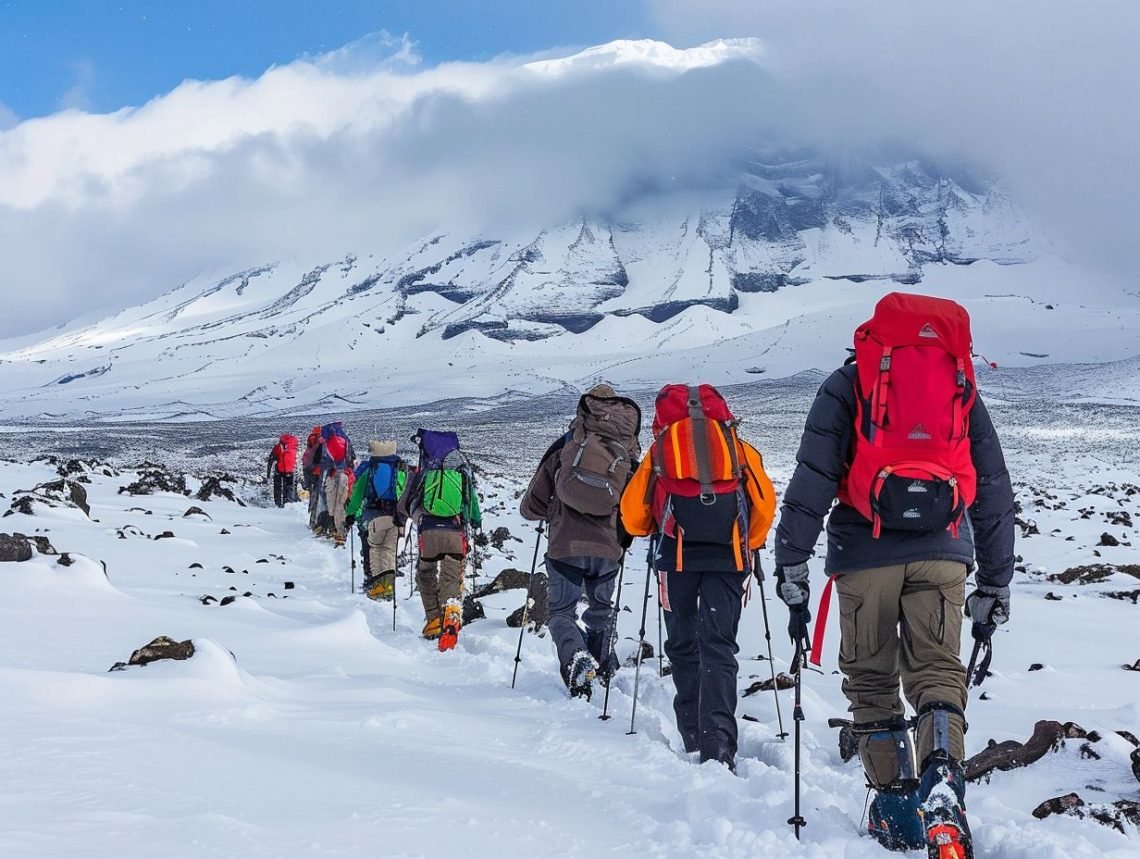
Machame, often called the ‘Whiskey Route’ due to its popularity, is arguably the most scenic and arguably the best-equipped route for a successful Kilimanjaro climb. It’s known for its stunning views, diverse ecosystems, and a well-established path that offers a good balance of ascent and acclimatization opportunities. Unlike some of the shorter routes, Machame traverses three of the five major climate zones on Kilimanjaro, offering a rich trekking experience. The route approaches Kilimanjaro from the south and circles around to the east to reach Stella Point or Uhuru Peak, the true summit. This path allows for a “climb high, sleep low” strategy, which is crucial for acclimatization. The decision between a 6-day and 7-day itinerary on the Machame Route is a common point of consideration for prospective climbers planning their adventure, particularly for expeditions in 2026 and 2027. This choice profoundly impacts the trekking pace, acclimatization schedule, and ultimately, the likelihood of reaching the summit.
The 6-Day Machame Route Itinerary: A Faster Pace
The 6-day Machame Route is a popular choice for those who have limited time or possess a high level of fitness and prior high-altitude experience. It compresses the standard Machame itinerary, meaning longer trekking days and less time spent at higher altitudes each day before descending to sleep. While it offers a more rapid progression towards the summit, it sacrifices some of the critical acclimatization time that the 7-day version provides. This can make it a more physically demanding trek, and it is generally associated with a lower summit success rate compared to its 7-day counterpart. However, for the right individual, it remains a highly rewarding and achievable climb.
Day 1: Machame Gate to Machame Camp
Your Kilimanjaro adventure begins at the Machame Gate (1,800m / 5,905 ft). After completing park formalities and meeting your guide, you’ll commence your trek through the lush rainforest. The path is well-maintained but can be muddy, especially after rain. You’ll ascend steadily, with opportunities to spot colobus monkeys and diverse birdlife. The hike typically takes 5-6 hours, covering approximately 11 km (7 miles). You will arrive at Machame Camp (3,000m / 9,842 ft) in the late afternoon. The goal for this day is to reach camp comfortably, hydrate, and rest. Dinner is served, and your guides will brief you on the following day’s plan.
Day 2: Machame Camp to Shira 2 Camp
Day two involves a more challenging ascent, moving out of the rainforest and into the moorland zone. The trail is steeper and rockier than the previous day. You will hike for about 4-5 hours, covering about 9 km (5.6 miles), reaching Shira 2 Camp (3,850m / 12,631 ft). This camp sits on a plateau offering expansive views. The altitude gain today is significant, and it’s crucial to drink plenty of water and walk slowly (‘pole pole’). The ‘climb high, sleep low’ principle is beginning to be applied as you gain altitude during the day before descending slightly to camp. This camp is exposed and can be windy.
Day 3: Shira 2 Camp to Barranco Camp
This is a pivotal day in terms of acclimatization strategy, though it’s more compressed in the 6-day itinerary. The route heads east towards Kilimanjaro’s ice cap. You’ll ascend gradually through alpine desert terrain, passing the Lava Tower (4,600m / 15,091 ft), a prominent volcanic plug. This is often a lunch stop. After Lava Tower, you begin a significant descent to Barranco Camp (3,950m / 12,959 ft). This ‘climb high, sleep low’ strategy is vital. The descent helps your body adjust to the altitude. The trek is about 10 km (6.2 miles) and takes 6-7 hours. Barranco Camp is situated in a stunning natural amphitheater.
Day 4: Barranco Camp to Karanga Camp
This day features one of Kilimanjaro’s most famous landmarks: the Barranco Wall. It’s a steep scramble, not a technical climb, but requires careful hand-and-foot work. Your guides will assist you. After conquering the wall, the path levels out before a further ascent towards Karanga Camp. The 6-day itinerary often combines the climb over the Barranco Wall with the subsequent ascent to Karanga, making it a longer and more demanding day than in the 7-day version. You’ll trek approximately 8 km (5 miles) over 5-6 hours, reaching Karanga Camp (4,200m / 13,779 ft). This camp is situated on a ridge with dramatic views.
Day 5: Karanga Camp to Barafu Camp
This is the final acclimatization day and the approach to the summit camp. The trail is a steady climb through alpine desert, with the vegetation becoming sparser. You’ll reach Barafu Camp (4,650m / 15,255 ft) by midday or early afternoon. Barafu Camp is a stark, rocky campsite with little shelter. The key here is to rest and hydrate as much as possible, as you’ll be preparing for the summit attempt later that night. The trek is relatively short, about 4 km (2.5 miles), taking 3-4 hours, but the altitude is significantly felt. You will have an early dinner and try to sleep before the midnight start.
Day 6: Summit Day and Descent to Mweka Camp
This is summit day, the most challenging part of the trek. You will start your ascent around midnight from Barafu Camp. The climb is steep and slow, trekking over scree in the cold and dark, aiming for Stella Point (5,756m / 18,885 ft) on the crater rim by sunrise. From Stella Point, you traverse along the crater rim to Uhuru Peak (5,895m / 19,341 ft), the highest point in Africa. After celebrating briefly and taking photos, you will begin your descent back to Barafu Camp for a short rest and lunch. The descent continues all the way down to Mweka Camp (3,100m / 10,170 ft), which takes another 3-4 hours. This is a very long and tiring day, often 12-16 hours of trekking. Mweka Camp is situated in the lower rainforest zone.
The 7-Day Machame Route Itinerary: Optimal Acclimatization
The 7-day Machame Route is widely considered the optimal itinerary for this path, offering the best chance of reaching the summit safely and comfortably. It incorporates an extra day, typically by splitting one of the longer trekking days or adding a dedicated acclimatization day at a higher camp. This allows for more gradual ascents, more time to adjust to the decreasing oxygen levels, and a more relaxed pace. The extra day significantly enhances acclimatization, reduces the risk of altitude sickness, and is generally recommended by experienced guides and operators for climbers of all levels, especially for those planning their climb in 2026 or 2027.
Day 1: Machame Gate to Machame Camp
Similar to the 6-day route, your journey begins at Machame Gate (1,800m / 5,905 ft). You’ll trek for 5-6 hours through dense rainforest, covering about 11 km (7 miles) to reach Machame Camp (3,000m / 9,842 ft). This initial day is about getting accustomed to trekking on Kilimanjaro and enjoying the lush, biodiverse lower slopes. The focus is on a steady pace and hydration. Your guides will set up camp and prepare your first hot meal on the mountain.
Day 2: Machame Camp to Shira 2 Camp
Today’s trek takes you from the rainforest into the moorland zone. The trail becomes steeper and more exposed. You’ll hike for approximately 4-5 hours, covering about 9 km (5.6 miles) to reach Shira 2 Camp (3,850m / 12,631 ft). This camp is located on the Shira Plateau, offering stunning panoramic views. The altitude gain is significant, and maintaining a slow, steady pace (‘pole pole’) and drinking plenty of water are essential. This day is crucial for starting the acclimatization process.
Day 3: Shira 2 Camp to Barranco Camp
This is a key acclimatization day. You will trek through an alpine desert environment. The route ascends gradually to the Lava Tower (4,600m / 15,091 ft), a significant altitude gain. After a break and lunch at Lava Tower, you will descend approximately 600 meters to Barranco Camp (3,950m / 12,959 ft). This ‘climb high, sleep low’ strategy is one of the most effective ways to aid acclimatization. The total trekking time for this day is around 6-7 hours, covering about 10 km (6.2 miles). Barranco Camp is located in a sheltered valley below the famous Barranco Wall.
Day 4: Barranco Camp to Lava Tower/Camp (or extended day)
This is where the 7-day itinerary truly shines for acclimatization. Instead of rushing past Lava Tower, the 7-day route often includes an extra day, which might mean spending an additional night at or near Lava Tower, or splitting the ascent to Karanga Camp more effectively. A common variation for the 7-day route has climbers ascend from Barranco Camp to Lava Tower (4,600m) and then proceed to Karanga Camp (4,200m). However, a truly optimized 7-day itinerary might involve ascending to Lava Tower, descending to a lower camp like Kikelewa Cave (though less common on Machame), or taking a more leisurely approach to Karanga. For clarity, let’s describe a common 7-day structure that adds a night to allow for better acclimatization before the final push. A popular version of the 7-day Machame adds a day by making the trek from Barranco Camp to Karanga Camp a more focused effort, and then having a shorter day from Karanga to Barafu. However, to truly maximize acclimatization, some operators will position the extra day by having climbers ascend from Shira 2 to Lava Tower and camp there, or spend an extra day around Barranco. For simplicity and broad appeal, let’s focus on the common 7-day structure that uses the extra day by adding a camp between Barranco and Barafu, often termed ‘Lava Tower Camp’ or a similar high-altitude point. Let’s re-frame Day 4 for a typical, highly recommended 7-day Machame: Day 4: Barranco Camp to Karanga Camp. This day involves the ascent of the Barranco Wall, followed by a steady climb to Karanga Camp (4,200m / 13,779 ft). This trek is about 8 km (5 miles) and takes 5-6 hours. The extra day here is gained by having spent more time at Lava Tower on Day 3, or by having a more relaxed pace on this day, allowing for better recovery and acclimatization before the higher camps.
Day 5: Karanga Camp to Barafu Camp
From Karanga Camp, the route continues uphill to Barafu Camp (4,650m / 15,255 ft). This is a significant altitude gain over a relatively short distance, about 4 km (2.5 miles), taking 3-4 hours. The landscape is stark alpine desert. Arriving at Barafu Camp by early afternoon allows ample time for rest, hydration, and preparation for the summit attempt. This additional day in the itinerary means you are better rested and acclimatized for the immense challenge ahead. You will have an early dinner and attempt to sleep before the midnight departure.
Day 6: Summit Day and Descent to Mweka Camp
This is the most challenging day, commencing around midnight from Barafu Camp. The ascent is steep and relentless, aiming for Stella Point (5,756m / 18,885 ft) on the crater rim by sunrise. From Stella Point, the path leads to Uhuru Peak (5,895m / 19,341 ft). After summit celebrations, the descent begins back to Barafu Camp for a rest and lunch, then continues all the way down to Mweka Camp (3,100m / 10,170 ft). The full day’s trek can last 12-16 hours. The extra acclimatization from the 7-day itinerary is crucial for maintaining strength and focus during this demanding day.
Day 7: Mweka Camp to Machame Gate
Your final day on Kilimanjaro involves descending from Mweka Camp through the rainforest to the Machame Gate (1,800m / 5,905 ft). This descent is quicker and takes about 3-4 hours, covering approximately 10 km (6.2 miles). At the gate, you will be met by your driver and transferred back to your accommodation in Moshi or Arusha. This day is usually less strenuous, allowing you to reflect on your incredible achievement.
Key Differences: 6 vs 7 Days
While both itineraries follow the same basic path, the extra day on the 7-day Machame Route translates into several significant differences that impact the overall trekking experience and success rate.
Acclimatization Profiles
The 7-day Machame Route offers a superior acclimatization profile. It allows for a more gradual increase in altitude, with more time spent at intermediate camps and often incorporating the critical ‘climb high, sleep low’ strategy more effectively. For instance, the 7-day route might dedicate more time to ascending the Barranco Wall and reaching Karanga Camp, or it might position the Lava Tower stop more strategically. This slower pace gives your body more time to adjust to the thinning air, reducing the likelihood of developing Acute Mountain Sickness (AMS). The 6-day route, by necessity, compresses these stages, leading to faster altitude gains and potentially insufficient acclimatization for some individuals. For treks planned in 2026 and 2027, prioritizing acclimatization is paramount, especially if you are not a seasoned high-altitude climber.
Summit Success Rates
Statistically, the 7-day Machame Route consistently shows higher summit success rates compared to the 6-day version. This is a direct consequence of better acclimatization. When your body is well-adjusted to the altitude, you have more energy, less fatigue, and a reduced risk of altitude-related symptoms interfering with your summit bid. While success is never guaranteed and depends on many factors (fitness, weather, individual physiology), the longer itinerary provides a distinct advantage. For many, the extra day is a worthwhile investment for the increased probability of achieving their summit goal.
Physical Demands
The 6-day Machame Route is considerably more physically demanding. It involves longer trekking days, particularly on summit night and the descent, and less time for recovery between ascents. Trekkers on the 6-day itinerary will likely experience greater fatigue and may need to push harder, especially on Day 4 (Barranco Wall to Karanga) and Day 6 (Summit Day). The 7-day route spreads the effort over an additional day, making each day’s trek generally shorter and less strenuous. This allows for more consistent energy levels throughout the climb, which is vital for maintaining morale and physical output.
Scenic Appreciation
While both routes traverse the same stunning landscapes, the 7-day itinerary generally allows for a more relaxed pace, which can enhance the appreciation of Kilimanjaro’s diverse scenery. With more time at each camp and on the trails, climbers can take more photos, observe the changing vegetation zones more closely, and enjoy the panoramic views without feeling rushed. The extra day can also mean more opportunities to interact with your guides and porters, learning more about the mountain and local culture.
Cost Implications
The 6-day and 7-day Machame Route treks will have different costs. The primary driver of this difference is the additional day of service required for guides, porters, cooks, park fees, and accommodation at the higher camps. Therefore, the 7-day itinerary will be more expensive than the 6-day option. However, it’s important to view this extra cost as an investment in your safety, comfort, and chances of summit success. When comparing operators for 2026-2027, ensure you are comparing like-for-like itineraries, as variations in inclusions can also affect pricing.
Who Should Choose Which?
Making the right choice depends on your personal circumstances, experience, and goals. Here’s a breakdown to help you decide:
Ideal for the 7-Day Machame Route
* First-time high-altitude trekkers: If you have never trekked at high altitudes before, the 7-day itinerary is strongly recommended to maximize your chances of success and minimize the risk of altitude sickness.
* Climbers prioritizing acclimatization and success: If reaching the summit is your primary goal and you want the best possible conditions to achieve it, the 7-day route offers a more forgiving acclimatization schedule.
* Those seeking a more relaxed pace: If you prefer to enjoy the journey, take more photos, and not feel constantly pushed by time, the extra day allows for a more leisurely experience.
* Individuals with underlying health conditions (that are approved for climbing): A slower ascent is generally safer for anyone with pre-existing conditions.
* Most climbers planning for 2026-2027: Given the benefits, the 7-day Machame is the default recommendation for the vast majority of climbers.
Ideal for the 6-Day Machame Route
* Experienced high-altitude trekkers: If you have successfully climbed peaks of 5,000m or higher before and know how your body reacts to altitude, you might be comfortable with the faster pace.
* Climbers with limited time: If your schedule strictly allows only 6 days on the mountain, this itinerary is a viable option, but be aware of the increased physical demands.
* Individuals who are exceptionally fit and acclimatize quickly: Some people naturally acclimatize faster than others. However, it’s risky to assume you are one of them without prior evidence.
* Those looking for a more budget-friendly option: The 6-day route is typically less expensive due to fewer operational days.
Understanding Acclimatization on Kilimanjaro
Acclimatization is the process by which your body adapts to lower levels of oxygen at higher altitudes. It’s the single most important factor for a successful and safe climb on Kilimanjaro. The Machame Route, especially the 7-day version, is designed with acclimatization in mind.
The 8000m Rule and Kilimanjaro
While often discussed in the context of 8,000-meter peaks, the principle of ‘climb high, sleep low’ is fundamental to high-altitude trekking. This means ascending to a higher altitude during the day’s trek and then descending to a lower altitude to sleep. This strategy encourages your body to produce more red blood cells, which are responsible for carrying oxygen, without subjecting it to prolonged periods of low oxygen stress. Kilimanjaro’s routes, including Machame, are designed to facilitate this. For instance, ascending to Lava Tower (4,600m) and then descending to Barranco Camp (3,950m) is a classic example of this principle in action. The 7-day Machame Route maximizes this by giving more time for these excursions and descents.
Acclimatization Strategies
Beyond the route design, several strategies aid acclimatization:
- Pacing: ‘Pole pole’ (slowly, slowly) is the mantra. A slow, consistent pace conserves energy and allows your body to adjust.
- Hydration: Drinking 3-4 liters of water per day is crucial. Dehydration can mimic symptoms of altitude sickness.
- Nutrition: Eating well, even when your appetite decreases, provides the energy needed for acclimatization and trekking.
- Avoiding Alcohol and Smoking: These impair oxygen uptake and can exacerbate altitude symptoms.
- Medication: Diamox (acetazolamide) is often prescribed by doctors to aid acclimatization, though it’s not a substitute for proper pacing and hydration.
- Ascending Gradually: This is where the 7-day versus 6-day debate is most relevant. More days mean more gradual ascents.
How the Routes Differ in Acclimatization
The 7-day Machame Route typically includes an extra day or splits a longer day, allowing for better application of ‘climb high, sleep low’. For example, the ascent to Lava Tower and descent to Barranco Camp on Day 3 of the 7-day itinerary provides a significant acclimatization boost. In the 6-day version, this day is often combined with the ascent from Barranco to Karanga, meaning less time spent at the peak altitude of Lava Tower and a quicker progression to the next camp. The extra day in the 7-day route can also mean more time to recover at higher camps before the summit push, reducing fatigue on summit night.
Daily Breakdown: Comparing the Itineraries
Let’s look at specific days where the 6 and 7-day itineraries diverge most noticeably:
Day 3: The Barranco Wall Challenge
* 6-Day Itinerary: Often, Day 3 involves ascending from Shira 2 Camp to Lava Tower, and then descending to Barranco Camp. The Barranco Wall itself is typically tackled on Day 4.
* 7-Day Itinerary: Day 3 is dedicated to the ascent to Lava Tower and the subsequent descent to Barranco Camp, focusing on the ‘climb high, sleep low’ principle. The Barranco Wall ascent is then undertaken on Day 4, allowing for a more focused and less rushed experience of this iconic climb.
Day 4: The Critical Altitude Gain
* 6-Day Itinerary: This day usually involves climbing the Barranco Wall and then continuing to Karanga Camp. This can be a long and tiring day, involving both a technical scramble and significant altitude gain.
* 7-Day Itinerary: This day typically focuses on crossing the Barranco Wall and reaching Karanga Camp. With the extra acclimatization day incorporated earlier (often by spending more time at Lava Tower or having a more relaxed Day 3), this day feels less pressured. Some 7-day variations might even split the Karanga ascent further, although the most common structure has Day 4 as Barranco to Karanga.
Summit Night: The Ultimate Test
* 6-Day Itinerary: Climbers start their summit push from Barafu Camp after a short rest. They have had less time to acclimatize fully in the preceding days, meaning they might feel the effects of altitude more acutely during the arduous night trek.
* 7-Day Itinerary: With an extra day on the mountain, trekkers typically arrive at Barafu Camp better rested and more acclimatized. This means they are better equipped physically and mentally to handle the demanding summit night. The longer acclimatization period can translate into more sustained energy and a clearer head during the crucial hours leading to Uhuru Peak.
Logistics and Support
Regardless of the chosen duration, a well-organized trek is crucial for safety and enjoyment. Climb 4 Africa emphasizes comprehensive support for all its Kilimanjaro expeditions.
Crew Size and Equipment
Both 6 and 7-day Machame treks will be supported by a professional crew. This includes experienced guides (often with wilderness first responder training), assistant guides, dedicated cooks, and a team of porters. The number of crew members is determined by the number of climbers and the equipment needed. For 2026-2027 expeditions, operators like Climb 4 Africa ensure sufficient staffing for safety and comfort. This includes setting up tents, preparing meals, and carrying all necessary gear and supplies.
Camp Setup and Meals
At each campsite, your crew will set up your tents, a mess tent for dining, and toilet tents. Meals are prepared fresh and are surprisingly varied and nutritious, considering the remote location. Expect breakfast, lunch, and dinner, along with snacks and hot drinks. The quality of food and the efficiency of camp setup are hallmarks of a reputable operator.
Guide to Porter Ratio
Reputable operators maintain a high guide-to-client ratio and a sufficient number of porters. This ensures that there is always support available, whether it’s for navigation, medical assistance, or carrying your personal gear. For any climb in 2026 or 2027, inquire about the operator’s crew ratios. A good ratio often means better safety and a more pleasant experience.
Making Your Choice for 2026-2027
When planning your Kilimanjaro adventure for 2026 or 2027, the decision between the 6-day and 7-day Machame Route is one of the most important you’ll make. Consider these factors carefully.
Factors to Consider
* Your Previous High-Altitude Experience: Be honest about your past treks. Have you successfully summited peaks above 4,000m? How did you feel? If you’re unsure or have had issues before, opt for 7 days.
* Your Fitness Level: While Kilimanjaro is not technically difficult, it is a demanding endurance test. Excellent cardiovascular fitness is required. However, fitness alone does not guarantee acclimatization.
* Your Budget: The 7-day trek will cost more. Weigh this against the increased chances of summit success and a more comfortable experience.
* Your Time Constraints: If you have exactly 6 days available, the 6-day route is your only option. However, if you can spare the extra day, it is highly recommended.
* Your Personal Goals: Is it about ticking off a bucket list item as fast as possible, or is it about the full experience and maximizing your chances of reaching the top?
Booking Considerations
When booking your 2026 or 2027 Kilimanjaro climb with Climb 4 Africa or any other reputable operator, pay attention to the details of the itinerary:
- Itinerary Clarity: Ensure the itinerary clearly outlines the daily distances, estimated trekking times, and camp altitudes.
- Acclimatization Strategy: Look for routes that explicitly mention ‘climb high, sleep low’ and have sufficient days for acclimatization. The 7-day Machame is a strong indicator of this.
- Inclusions and Exclusions: Understand what is covered in the price – park fees, rescue fees, meals, accommodation, transfers, etc.
- Operator Reputation: Choose an operator with a proven track record for safety, ethics, and client satisfaction. Look for reviews and testimonials.
Preparing for Your Climb
Regardless of whether you choose the 6-day or 7-day Machame Route, thorough preparation is key to a successful and enjoyable climb. This includes physical training, acquiring the right gear, and understanding health and safety protocols.
Physical Training
Focus on cardiovascular endurance and leg strength. Activities like hiking with a weighted backpack, running, cycling, and stair climbing are beneficial. Aim to simulate trekking conditions as much as possible, ideally by hiking on varied terrain with hills. Start your training at least 2-3 months before your climb. For the 6-day Machame, your training should be more intense to prepare for the longer days and faster pace.
Gear and Equipment
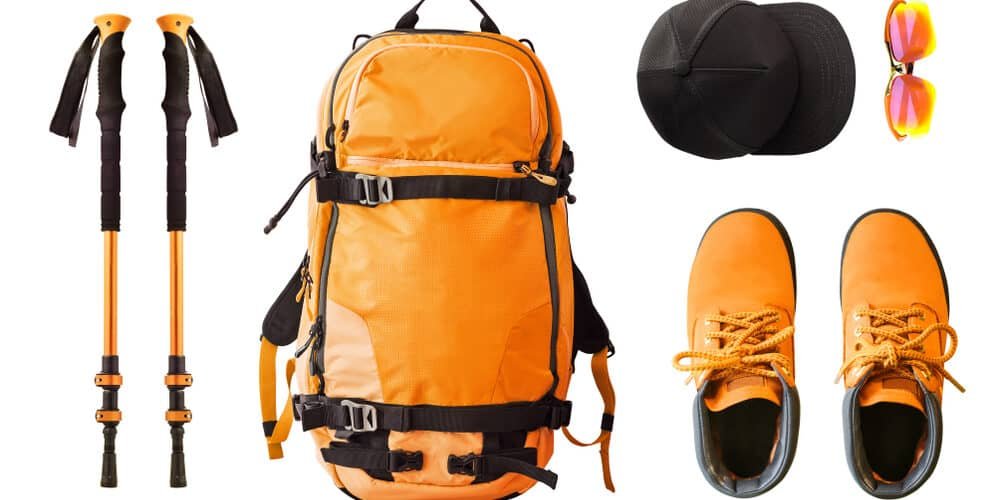
Proper gear is essential for comfort and safety on Kilimanjaro. This includes:
- Layered Clothing: Base layers, mid-layers (fleece), and an outer waterproof/windproof shell.
- Footwear: Broken-in, waterproof hiking boots are critical.
- Sleeping Bag: A 4-season sleeping bag rated to -20°C (-4°F) is recommended.
- Headlamp: Essential for summit night and general camp use.
- Sun Protection: High SPF sunscreen, sunglasses, and a wide-brimmed hat.
- Trekking Poles: Highly recommended to reduce strain on knees, especially during descents.
- Water Bottles/Hydration System: Capacity for at least 3 liters.
Many operators, including Climb 4 Africa, can provide detailed packing lists and often offer gear rental services for items like sleeping bags and jackets.
Health and Safety
* Consult Your Doctor: Discuss your plans with your physician, especially if you have any pre-existing health conditions. They can advise on necessary vaccinations and potentially prescribe Diamox.
* Altitude Sickness Awareness: Understand the symptoms of AMS (headache, nausea, dizziness, fatigue) and how to report them to your guide immediately. Early recognition and action are crucial.
* Travel Insurance: Ensure your insurance covers high-altitude trekking and emergency evacuation. This is non-negotiable for any Kilimanjaro climb.
Frequently Asked Questions (FAQs)
Is the 7-day Machame Route significantly harder than the 6-day?
No, the 7-day Machame Route is generally considered less physically demanding day-to-day due to its slower pace and better acclimatization. The 6-day route is harder because it compresses the itinerary, leading to longer days and less recovery time, which increases the physical and physiological stress.
Can I decide to extend from a 6-day to a 7-day climb on the mountain?
This is generally not feasible or recommended. The logistics of adding an extra day require pre-arrangement with park authorities and the trekking crew, including additional permits and porter arrangements. It’s best to decide on your itinerary before you start your trek.
Which route has the best views: 6-day or 7-day Machame?
Both the 6-day and 7-day Machame Routes offer the same incredible scenery. The difference is that the 7-day itinerary allows for a more relaxed pace, which can enhance your ability to appreciate and photograph the diverse landscapes as you ascend through different ecological zones.
What is the typical success rate for the 6-day vs 7-day Machame Route?
While exact figures vary by operator and year, the 7-day Machame Route typically has a summit success rate significantly higher than the 6-day version, often estimated to be in the range of 85-90% compared to 70-80% for the 6-day route. This is primarily due to superior acclimatization.
Are there any additional costs for the 7-day Machame Route compared to the 6-day?
Yes, the 7-day Machame Route will be more expensive than the 6-day option. This is due to the additional day of park fees, crew wages (guides, porters, cooks), and food required for the extra day on the mountain.
Contact Climb 4 Africa
Choosing between the 6-day and 7-day Machame Route is a critical decision for your Kilimanjaro adventure in 2026 or 2027. Understanding the nuances of acclimatization, physical demands, and success rates is key. The 7-day itinerary is generally recommended for its superior acclimatization profile and higher summit success rates, making it the preferred choice for most trekkers. However, the 6-day option can be suitable for experienced individuals with limited time.
If you’re planning your climb for 2026-2027 and want personalized advice tailored to your experience and goals, the expert team at Climb 4 Africa is here to help. We can guide you through the pros and cons of each itinerary, discuss training, gear, and ensure your expedition is safe, memorable, and successful. Don’t hesitate to reach out with your questions. You can contact us via WhatsApp at +255 747 477 898 or send an email to climb4africa@gmail.com. Let us help you plan the Kilimanjaro climb of a lifetime.
“,
“faq_schema”: [
{
“question”: “Is the 7-day Machame Route significantly harder than the 6-day?”,
“answer”: “No, the 7-day Machame Route is generally considered less physically demanding day-to-day due to its slower pace and better acclimatization. The 6-day route is harder because it compresses the itinerary, leading to longer days and less recovery time, which increases the physical and physiological stress.”
},
{
“question”: “Can I decide to extend from a 6-day to a 7-day climb on the mountain?”,
“answer”: “This is generally not feasible or recommended. The logistics of adding an extra day require pre-arrangement with park authorities and the trekking crew, including additional permits and porter arrangements. It’s best to decide on your itinerary before you start your trek.”
},
{
“question”: “Which route has the best views: 6-day or 7-day Machame?”,
“answer”: “Both the 6-day and 7-day Machame Routes offer the same incredible scenery. The difference is that the 7-day itinerary allows for a more relaxed pace, which can enhance your ability to appreciate and photograph the diverse landscapes as you ascend through different ecological zones.”
},
{
“question”: “What is the typical success rate for the 6-day vs 7-day Machame Route?”,
“answer”: “While exact figures vary by operator and year, the 7-day Machame Route typically has a summit success rate significantly higher than the 6-day version, often estimated to be in the range of 85-90% compared to 70-80% for the 6-day route. This is primarily due to superior acclimatization.”
},
{
“question”: “Are there any additional costs for the 7-day Machame Route compared to the 6-day?”,
“answer”: “Yes, the 7-day Machame Route will be more expensive than the 6-day option. This is due to the additional day of park fees, crew wages (guides, porters, cooks), and food required for the extra day on the mountain.”
}
]
}
“`
Check Availability for Route Machame Kilimandjaro : 6 Ou 7 Jours 2026-2027
Ready to compare dates, prices, and the best option for your group? Send the package name and travel month so the team can reply with a clear quote, availability, and what is included.
Kilimanjaro Climb Machame Route : Expert Guide For Your Trek 2026-2027
Discover the ultimate guide to climbing Mount Kilimanjaro via the Machame Route for your 2026 or 2027 adventure. This comprehensive resource covers everything from choosing an itinerary and...
View package detailsKilimanjaro Routes: Which Is Best For Your Climb? 2026-2027
Choosing the right Kilimanjaro route is crucial for a successful and enjoyable climb. This comprehensive guide compares the main routes, helping you select the best option for your...
View package details
Momella Route Mount Meru 2026-2027
Momella Route Mount Meru is explained with current 2026-2027 planning, price, itinerary and booking information.
View package details
Trek Mont Meru 4 Jours: Your Complete Guide 2026-2027
start a 4-day trek up Mount Meru, a challenging yet rewarding climb near Kilimanjaro. This guide covers routes, preparation, gear, and essential tips for your 2026-2027 expedition.
View package details
3 Day Joining Safari Group Departures From Moshi: 2026
Discover convenient 3-day group safari departures from Moshi, perfect for maximizing your Tanzania adventure. Explore wildlife-rich parks like Tarangire, Manyara, or the Serengeti on shared...
View package detailsWhat To Expect On Your First Kilimanjaro Trek: A Comprehensive Guide 2026-2027
Planning your first climb up Kilimanjaro? This comprehensive guide covers everything you need to know, from choosing a route and preparing your body to what daily life on the mountain is...
View package details20 Natural Wonders In Africa You Need To See 2026-2027
Explore Africa's most spectacular natural wonders, from the majestic peaks of Kilimanjaro and the vast plains of the Serengeti to the unique landscapes of Namibia and the vibrant coral...
View package details15 Natural Wonders In Africa That Don’t Look Real | Climb 4 2026-2027
Africa is home to a stunning array of natural wonders that defy belief, appearing so surreal they seem plucked from another planet. This guide explores 15 of the continent's most...
View package detailsWhy Is Climbing Kilimanjaro So Expensive? 2026-2027
Why Is Climbing Kilimanjaro So Expensive? is explained with current 2026-2027 planning, price, itinerary and booking information.
View package detailsWhy Do People Travel From Around The World To Climb Kilimanjaro? 2026-2027
Why Do People Travel From Around the World to Climb Kilimanjaro? is explained with current 2026-2027 planning, price, itinerary and booking information.
View package detailsWhy Is Kilimanjaro One Of The World’s Most Famous Mountains? Your Planning
Kilimanjaro's fame stems from its status as the highest free-standing mountain, its accessibility to non-technical climbers, its iconic snow-capped summit, and its location in a biodiverse...
View package detailsWhy Do Thousands Of Travelers Visit Kilimanjaro Every Year? Your Expert Guide
Thousands of adventurers flock to Kilimanjaro each year, drawn by its status as Africa's highest peak and a bucket-list trekking challenge. This guide explores the compelling reasons behind...
View package detailsNo related package matches those filters. Clear one or more filters to see the other topic-matched options.



