
The Northern Circuit route on Kilimanjaro offers the longest and highest acclimatization profile, with an 8-day or 9-day itinerary being the most common and recommended choices for 2026-2027 climbs. The 9-day option provides an extra day for acclimatization, particularly useful for ascending the challenging Western Breach, potentially increasing summit success rates and overall enjoyment, while the 8-day version is slightly more direct but still offers excellent acclimatization compared to shorter routes.
Northern Circuit Kilimanjaro: An Overview
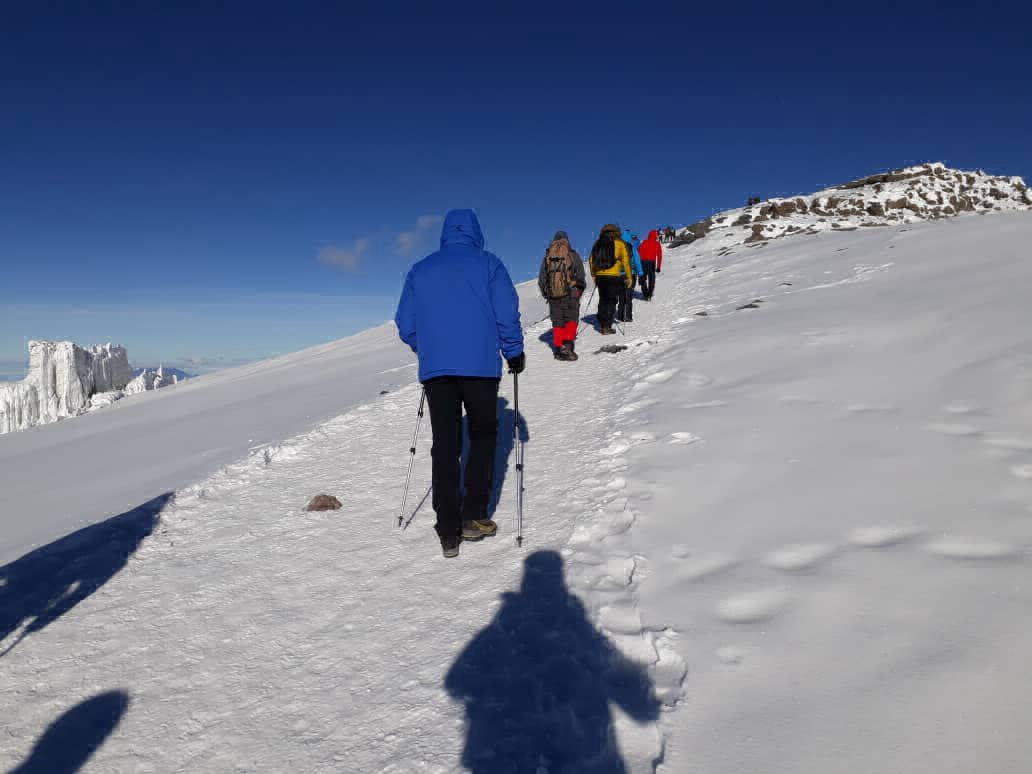
The Northern Circuit route on Mount Kilimanjaro stands out as the longest and arguably most scenic trek available. It circles the mountain’s summit, offering a comprehensive experience of Kilimanjaro’s diverse ecological zones, from lush rainforests to alpine deserts and the stark, icy arctic zone near the peak. This route is renowned for its gradual ascent and excellent acclimatization profile, which significantly contributes to higher success rates compared to shorter, more aggressive routes. It begins and ends at the Lemosho Gate, typically incorporating the challenging Western Breach for the final ascent to Stella Point and then Uhuru Peak, the true summit. For climbers planning their ascent in 2026 or 2027, understanding the nuances of the 8-day versus 9-day variations of the Northern Circuit is crucial for optimizing their experience and chances of reaching the top safely.
The key advantage of the Northern Circuit is its extended duration, allowing for a slower pace and more time spent at higher altitudes, enabling the body to adapt more effectively to the thinning air. This is especially important for the demanding final push to the summit. Unlike routes that ascend directly up the southern or eastern faces, the Northern Circuit takes a more circuitous path around the northern and western sides of the mountain, offering unparalleled views and a less crowded trekking experience. This route is often considered the most beautiful, passing through remote areas and providing unique perspectives of the mountain and the surrounding landscape. For many, the journey itself, with its diverse scenery and the satisfaction of a well-acclimatized ascent, is as rewarding as reaching the summit.
When planning for 2026-2027 expeditions, the choice between an 8-day and 9-day Northern Circuit itinerary boils down to how much acclimatization time you feel you need and your budget. While both durations provide superior acclimatization to most other routes, the 9-day version offers that critical extra day, which can make a substantial difference for individuals who are particularly sensitive to altitude or who simply want a more relaxed pace. This extra day is typically incorporated by adding an extra acclimatization day at a higher camp, allowing for a more gradual approach to the Western Breach and the summit day itself. This strategic placement of rest and acclimatization is a hallmark of successful high-altitude trekking.
8 vs. 9 Days: The Core Difference
The fundamental difference between an 8-day and a 9-day Northern Circuit itinerary lies in the inclusion of an additional acclimatization day. While both routes offer excellent acclimatization compared to shorter options like Marangu or Machame (6-day versions), the 9-day trek deliberately slows the pace further, specifically by adding a day at a higher altitude camp. This extra day is not just about extending the trek; it’s strategically placed to maximize the body’s adaptation to altitude. For instance, a common placement for the extra day on the 9-day Northern Circuit is at the Karanga Camp or Barafu Camp, allowing for a shorter, more manageable summit day or an additional day to explore the alpine desert landscape before the final ascent.
This seemingly small difference can have a significant impact on summit success rates and the overall trekking experience. The principle of “climb high, sleep low” is paramount on Kilimanjaro, and the 9-day route maximizes this by ensuring adequate time at various altitude zones. Climbers often report that the 9-day version feels less rushed, allowing for more enjoyment of the scenery and a greater capacity to cope with the physical demands of the trek. The 8-day route, while still very well-acclimatized, is more compact. It might skip an intermediate camp or combine two trekking days that the 9-day itinerary separates. This can lead to slightly longer trekking days or a more rapid ascent through certain altitude bands, which, for some individuals, might present a greater challenge in terms of altitude management.
When considering your 2026 or 2027 climb, think about your personal experience with altitude. Have you experienced altitude sickness before? Are you a very fast hiker who might push the pace too much? Or do you simply prefer a more leisurely approach to appreciate the journey fully? If you have any doubts about your altitude tolerance or simply want to give yourself the best possible chance of success and comfort, the 9-day Northern Circuit is generally the preferred choice. The added cost for the extra day is often minimal when spread over the entire expedition and is a worthwhile investment for the benefits gained in acclimatization and enjoyment.
Comparing the 8-Day and 9-Day Northern Circuit Itineraries
The Northern Circuit is a unique route because it’s designed for maximum acclimatization by circumnavigating Kilimanjaro. The difference between the 8-day and 9-day versions primarily lies in the pacing and the strategic placement of rest or shorter hiking days. Both routes typically start from the Lemosho Gate and follow a similar path for the initial days, entering the Shira Plateau and then heading towards the Northern Circuit proper. The divergence occurs in how they space out the trek between the major camps, especially as they approach the summit zone.
It’s important to note that the Northern Circuit is the only route that completes a full circuit around Kilimanjaro, offering diverse views of the mountain’s different faces and the surrounding plains. This allows for a more holistic appreciation of the massif’s grandeur. The choice between 8 and 9 days is about optimizing the journey, not about drastically altering the path itself, although the pacing can influence the experience of certain sections.
The 8-Day Northern Circuit: A Swift Approach
The 8-day Northern Circuit itinerary is designed for those who want the comprehensive experience of the Northern Circuit but with a slightly more condensed schedule than the 9-day option. It still provides excellent acclimatization, far superior to shorter routes, but it might combine some trekking segments or have slightly longer hiking days in certain sections. The route generally follows this pattern:
- Day 1: Lemosho Gate to Mti Mkubwa Camp (Approx. 3-4 hours hiking, 1,800m to 2,360m) – A gentle introduction through the rainforest.
- Day 2: Mti Mkubwa Camp to Shira 1 Camp (Approx. 5-6 hours hiking, 2,360m to 3,500m) – Continuing through rainforest into moorland.
- Day 3: Shira 1 Camp to Shira 2 Camp (Approx. 4-5 hours hiking, 3,500m to 3,850m) – A day to explore the Shira Plateau.
- Day 4: Shira 2 Camp to Barranco Camp (Approx. 5-7 hours hiking, 3,850m to 3,950m) – Crossing the Lava Tower and descending to Barranco. This is a crucial acclimatization day.
- Day 5: Barranco Camp to Karanga Camp (Approx. 3-4 hours hiking, 3,950m to 4,200m) – A shorter day, but with a challenging climb over the Barranco Wall.
- Day 6: Karanga Camp to Barafu Camp (Approx. 3-4 hours hiking, 4,200m to 4,600m) – Ascending into the alpine desert, preparing for summit night.
- Day 7: Summit Day: Barafu Camp to Uhuru Peak and down to Mweka Camp (Approx. 7-8 hours ascent, 4,600m to 5,895m; 4-5 hours descent to 3,100m) – The main event, a challenging night and morning climb.
- Day 8: Mweka Camp to Mweka Gate (Approx. 3-4 hours hiking, 3,100m to 1,650m) – Descent through the rainforest.
The 8-day itinerary is a fantastic option, offering a good balance of acclimatization and efficiency. It allows for the exploration of the northern slopes and views of the Western Breach before the summit push. However, it condenses the acclimatization slightly compared to its 9-day counterpart.
The 9-Day Northern Circuit: The Ultimate Acclimatization
The 9-day Northern Circuit is often considered the gold standard for this route due to its emphasis on maximizing acclimatization, which is key to a successful and enjoyable Kilimanjaro climb. The extra day is typically added either by splitting a longer day into two or by adding an extra rest/acclimatization day at a higher altitude camp. A common configuration for the 9-day itinerary is as follows:
- Day 1: Lemosho Gate to Mti Mkubwa Camp (Approx. 3-4 hours hiking, 1,800m to 2,360m)
- Day 2: Mti Mkubwa Camp to Shira 1 Camp (Approx. 5-6 hours hiking, 2,360m to 3,500m)
- Day 3: Shira 1 Camp to Shira 2 Camp (Approx. 4-5 hours hiking, 3,500m to 3,850m)
- Day 4: Shira 2 Camp to Lava Tower Camp (Approx. 4-5 hours hiking, 3,850m to 4,400m) – This is a significant ascent, and spending the night here provides excellent acclimatization.
- Day 5: Lava Tower Camp to Karanga Camp (Approx. 3-4 hours hiking, 4,400m to 4,200m) – Descending slightly to Karanga offers a good rest before the next push.
- Day 6: Karanga Camp to Barafu Camp (Approx. 3-4 hours hiking, 4,200m to 4,600m) – Similar to the 8-day route, this is a crucial day approaching the summit zone.
- Day 7: Acclimatization Day at Barafu Camp (or nearby) – An extra day to rest, hydrate, and acclimatize further at high altitude before the summit push. Some itineraries might use this day to hike part of the way towards the crater rim and return.
- Day 8: Summit Day: Barafu Camp to Uhuru Peak and down to Kosovo Camp or Mweka Camp (Approx. 7-8 hours ascent, 4,600m to 5,895m; 4-5 hours descent to 4,900m or 3,100m) – The summit push.
- Day 9: Descent to Mweka Gate (From Kosovo Camp: 5-7 hours descent to 1,650m; From Mweka Camp: 3-4 hours descent to 1,650m) – Completing the trek.
The 9-day itinerary’s advantage is the added day at a high altitude camp (often Lava Tower or an extra day at Barafu), which significantly aids acclimatization. This can lead to feeling stronger on summit night and a more comfortable descent. The Western Breach ascent, if taken, is also less strenuous after an extra day of acclimatization.
Acclimatization and Summit Success Rates
Acclimatization is the single most critical factor for success on Kilimanjaro. The Northern Circuit, by its nature, is one of the best routes for acclimatization due to its length and gradual ascent profile. The choice between 8 or 9 days further refines this. The general rule of thumb in high-altitude trekking is that for every 1,000 meters gained, one should spend an extra day at that altitude for acclimatization. While this isn’t strictly followed on Kilimanjaro due to time constraints, the principle of ‘pole pole’ (slowly, slowly) and ‘climb high, sleep low’ is paramount.
The 9-day Northern Circuit itinerary excels here by incorporating an extra day at or above 4,000 meters. This means climbers spend more time allowing their bodies to produce more red blood cells, a crucial adaptation for carrying oxygen in the thin air. This extended period at altitude, particularly just before the summit push, can significantly reduce the chances of experiencing severe altitude sickness (Acute Mountain Sickness – AMS) and increase the likelihood of reaching Uhuru Peak. Many experienced guides and mountaineers believe that 9 days is the optimal duration for the Northern Circuit to maximize acclimatization. For expeditions planned for 2026-2027, prioritizing acclimatization is a wise decision, especially if you have concerns about altitude.
The 8-day Northern Circuit still offers excellent acclimatization, significantly better than the 6-day routes. It typically follows the ‘climb high, sleep low’ principle effectively. However, for individuals who are particularly susceptible to altitude, or those who are not very physically fit, the slightly more compressed schedule of the 8-day route might present a marginal increase in risk for altitude-related symptoms. The difference in summit success rates between the 8-day and 9-day Northern Circuit is not dramatically large, but the 9-day route often shows a slight edge, especially for less experienced high-altitude trekkers. For 2026-2027 bookings, if budget and time permit, the 9-day option offers that extra layer of security and comfort.
Key Takeaway for 2026-2027 Climbers: If your primary goal is the highest possible chance of summiting comfortably and enjoying the journey, and you can accommodate the extra day and associated costs, the 9-day Northern Circuit is the superior choice for acclimatization. The 8-day Northern Circuit remains an excellent, well-acclimatized option for those who prefer a slightly more time-efficient trek or have a slightly tighter schedule.
Scenic Highlights of the Northern Circuit
The Northern Circuit is celebrated for its unparalleled beauty and diverse landscapes, offering a visual feast that unfolds over its extended duration. This route truly allows trekkers to appreciate the magnificence of Kilimanjaro from all angles. Regardless of whether you choose the 8-day or 9-day itinerary, the core scenic elements remain the same, with the longer trek simply allowing for a more leisurely appreciation.
The journey begins in the lush, verdant rainforest, teeming with wildlife like monkeys and various bird species. As you ascend, you transition into the heather and moorland zone, characterized by giant heathers, senecios, and lobelias. This is often where you start to get expansive views of the plains below.
A significant highlight is crossing the vast Shira Plateau. This high-altitude, volcanic desert plateau offers impressive panoramic views of Kibo and Mawenzi peaks. The stark, rugged beauty of this area is striking. The route then traverses the northern slopes, which are generally less crowded and offer a more remote trekking experience. You’ll pass through diverse vegetation zones, including the alpine desert, characterized by sparse vegetation and dramatic rock formations.
One of the most dramatic sections, typically experienced on the Northern Circuit, is the approach to and ascent via the Western Breach. This route offers spectacular views into the Kibo crater itself, a raw and powerful landscape. The Western Breach path, if taken, leads trekkers through scree slopes and past volcanic features, culminating in a dramatic entry into the crater near Stella Point. This is a more challenging ascent than the Marangu route’s approach to Stella Point but offers an unforgettable experience.
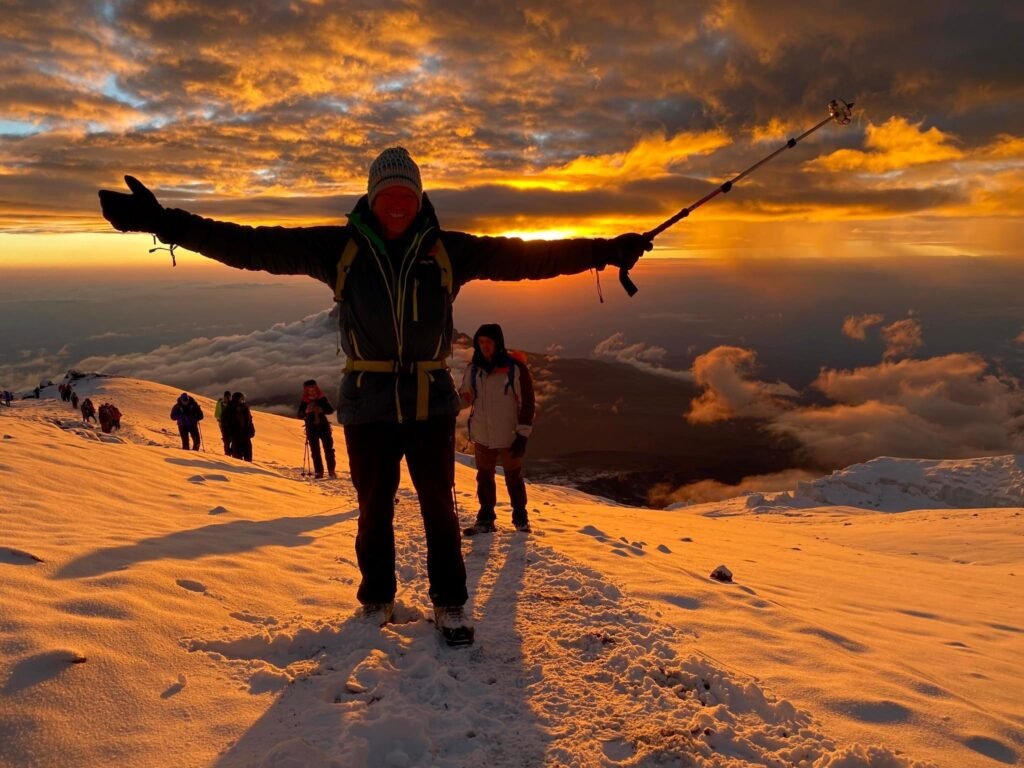
The summit day itself, whether starting from Barafu Camp or Kosovo Camp (on the 9-day route), offers the ultimate reward. Witnessing the sunrise from Uhuru Peak, standing at 5,895 meters, with glaciers stretching out around you and the curvature of the Earth visible on a clear day, is an experience that words can barely capture. The descent also provides new perspectives, offering views of the vast caldera and the surrounding landscapes that were not visible during the ascent.
The 9-day itinerary, with its extra day, might allow for more exploration of specific viewpoints or a more relaxed pace through the more scenic sections, such as spending more time on the Shira Plateau or having an additional opportunity to observe the changing flora and fauna. For instance, an extra day at Lava Tower Camp (4,400m) on the 9-day route provides an excellent acclimatization opportunity while being surrounded by the stark beauty of the alpine desert.
Who is Each Option For?
Deciding between the 8-day and 9-day Northern Circuit for your 2026-2027 Kilimanjaro adventure hinges on a few key factors: your personal altitude tolerance, your trekking experience, your desired pace, and your budget. Both routes are excellent, but they cater to slightly different traveler profiles.
Who Should Choose the 8-Day Northern Circuit?
The 8-day Northern Circuit is an ideal choice for:
- Experienced Hikers: Those who have successfully trekked at high altitudes before and have a good understanding of how their body reacts.
- Time-Conscious Trekkers: Individuals with a slightly shorter vacation window who still want the benefits of the Northern Circuit’s extensive acclimatization but can’t spare the extra day.
- Budget-Minded Travelers: While the cost difference is not huge, the 8-day option will be marginally less expensive due to one less day of guide, porter, and camp fees.
- Individuals with Excellent Altitude Acclimatization: If you know you generally acclimatize well and quickly to altitude, the 8-day route offers a very high success rate.
- Those Seeking a Balance: Climbers who want the scenic beauty and high acclimatization of the Northern Circuit without the absolute longest duration available.
This option is a robust and highly successful trek, offering a fantastic experience and a high probability of reaching the summit for most trekkers.
Who Should Choose the 9-Day Northern Circuit?
The 9-day Northern Circuit is particularly well-suited for:
- First-Time High-Altitude Trekkers: If Kilimanjaro is your first major high-altitude challenge, the extra day significantly increases your comfort and chances of success.
- Individuals Concerned About Altitude Sickness: If you have a history of altitude sickness or are simply very cautious about it, the enhanced acclimatization is invaluable.
- Those Who Prefer a Slower Pace: If you want to truly savor the journey, take more photos, and enjoy the diverse scenery without feeling rushed, the 9-day itinerary is perfect.
- Climbers Aiming for Maximum Success: While both are successful, the 9-day route is often cited as having the highest summit success rates among all Kilimanjaro routes due to its superior acclimatization.
- Anyone Wanting the “Best” Experience: For many, the 9-day Northern Circuit offers the most complete and comfortable Kilimanjaro climbing experience available.
Investing the extra day on the 9-day Northern Circuit is often seen as an investment in your health, comfort, and ultimate success on Africa’s highest peak, making it a highly recommended choice for most climbers planning for 2026-2027.
Logistics and Planning for 2026-2027 Climbs
Planning your Kilimanjaro expedition for 2026 or 2027 requires attention to detail, from choosing the right time to climb to packing the correct gear. The Northern Circuit, with its extended duration, means careful preparation is even more critical. Here’s what you need to consider:
Best Time to Climb Kilimanjaro in 2026-2027
Kilimanjaro has two main climbing seasons, characterized by dry weather and clearer skies:
- January to March: Generally dry and warm, with good visibility. This period can be excellent for the Northern Circuit, offering clear views of the northern slopes and summit.
- June to October: This is the longest and most popular dry season. It’s cooler than the January-March period but offers very stable weather. The Northern Circuit is particularly well-suited during these months, as the cooler temperatures can make the higher altitudes more bearable.
The shoulder months (April, May, November, and December) can be unpredictable, with higher chances of rain, especially in the lower rainforest zone. While climbs are still possible and often less crowded, they come with a higher risk of weather-related disruptions. For 2026-2027, booking during the peak dry seasons (June-October and January-March) is advisable for the most pleasant trekking conditions on the Northern Circuit.
Essential Packing for the Northern Circuit
The Northern Circuit traverses multiple climate zones, requiring a comprehensive layering system. Proper gear is non-negotiable for comfort and safety. Key items include:
- Layering System: Base layers (merino wool or synthetic), mid-layers (fleece or down jacket), and an outer waterproof/windproof shell (jacket and trousers).
- Footwear: Broken-in, waterproof hiking boots are essential. You’ll also need comfortable camp shoes or sandals. Bring thick wool socks.
- Headwear: A warm, insulated hat covering the ears, a sun hat, and a balaclava or neck gaiter for wind protection.
- Handwear: Warm, waterproof gloves or mittens, and liner gloves.
- Sleeping Bag: A 4-season sleeping bag rated to at least -15°C (0°F) is recommended.
- Backpack: A comfortable daypack (30-40 liters) and a larger duffel bag (80-100 liters) for porters.
- Trekking Poles: Highly recommended for stability and reducing strain on knees, especially during descents.
- Headlamp: With extra batteries, essential for summit night and early mornings.
- Sun Protection: High SPF sunscreen, lip balm, and sunglasses.
- Hydration: Water bottles or a hydration reservoir (ensure it won’t freeze at altitude). Water purification tablets or a filter are also useful.
- Personal First-Aid Kit: Include blister treatment, pain relievers, and any personal medications.
Climb 4 Africa can provide detailed packing lists tailored to the Northern Circuit and the season you plan to climb in 2026 or 2027.
Altitude Sickness Prevention and Management
Altitude sickness is the most common challenge on Kilimanjaro. Prevention is key, and the Northern Circuit’s length is its greatest asset in this regard. Key strategies include:
- Ascend Slowly: The 8-day and especially the 9-day Northern Circuit itineraries are designed for this.
- Hydrate: Drink plenty of water (3-4 liters per day) at all altitudes. Avoid alcohol and caffeine, which can dehydrate you.
- Eat Well: Maintain a good intake of carbohydrates, which are easier to digest at altitude.
- Rest: Ensure you get adequate sleep and avoid overexertion.
- Diamox (Acetazolamide): Consult your doctor about using Diamox. It can help speed up acclimatization but is not a substitute for proper ascent.
- Monitor Symptoms: Be aware of common AMS symptoms: headache, nausea, dizziness, fatigue, and loss of appetite. Communicate any symptoms to your guide immediately.
- “Pole Pole”: Walk slowly and steadily.
- “Climb High, Sleep Low”: This principle is integrated into the Northern Circuit’s design.
Your guides are trained in recognizing and managing AMS. If symptoms become severe, descent is the only effective treatment. The 9-day Northern Circuit offers the best possible scenario for acclimatization to mitigate these risks for your 2026-2027 climb.
Choosing Your Guide Company: Climb 4 Africa’s Approach
Selecting a reputable and experienced tour operator is paramount for a safe and successful Kilimanjaro climb. For your 2026-2027 Northern Circuit expedition, consider these factors:
- Safety Record and Guide Training: Look for companies with a strong safety record and guides certified in wilderness first aid and altitude management. Climb 4 Africa prioritizes guide training and safety protocols.
- Porters’ Welfare: Ensure the company treats its porters ethically, providing fair wages, adequate food, and proper gear. This significantly impacts porter morale and performance.
- Inclusions: Understand what is included in the price. Reputable operators usually include park fees, accommodation before and after the climb, meals on the mountain, tents, mattresses, experienced guides, and porters.
- Itinerary Design: A well-designed itinerary, like the 8-day or 9-day Northern Circuit, with adequate acclimatization days, is a sign of a professional operator.
- Support and Communication: Good communication before, during, and after the climb is essential. Local support is a major advantage.
Climb 4 Africa is committed to providing an exceptional and safe climbing experience on the Northern Circuit. We focus on ethical treatment of our crew, well-paced itineraries for optimal acclimatization, and experienced guides. When planning your 2026-2027 climb, reaching out to us ensures you’re working with local experts dedicated to your success.
Cost Considerations for the Northern Circuit
The Northern Circuit is generally the most expensive route on Kilimanjaro, and this is directly related to its duration and complexity. The cost of an 8-day versus a 9-day Northern Circuit climb for 2026-2027 will vary, but the 9-day option will naturally be more expensive due to the additional day of services.
The primary cost drivers for any Kilimanjaro climb, including the Northern Circuit, are:
- Park Fees: These are set by Kilimanjaro National Park and are a significant portion of the overall cost. They are charged per person, per day. An extra day on the mountain means higher park fees.
- Guide and Porter Wages: Longer treks require more crew days, increasing labor costs. Ethical operators pay their staff well, which is reflected in the price.
- Food and Supplies: More days on the mountain mean more food and fuel consumed.
- Accommodation: This includes camping fees for the duration of the trek.
- Logistics: Transportation to and from the gate, campsite management, and operational overheads.
When comparing prices for the 8-day versus 9-day Northern Circuit for 2026-2027, expect the 9-day itinerary to be approximately 10-15% more expensive. This is a reasonable increase considering the enhanced acclimatization and the marginal additional services. It’s crucial to compare what’s included in the price. A quote from Climb 4 Africa for the Northern Circuit will detail all inclusions, helping you understand the value proposition. Be wary of suspiciously low prices, as they often indicate compromises on safety, crew welfare, or quality of equipment and food, which are critical for a trek as demanding as the Northern Circuit.
For detailed pricing and to discuss your 2026 or 2027 Northern Circuit climb, contacting Climb 4 Africa directly is the best approach. We can provide tailored quotes and explain the cost breakdown based on your chosen itinerary and inclusions.
Alternatives and Comparisons to Other Routes
While the Northern Circuit is a standout route, understanding its place relative to other Kilimanjaro treks helps solidify why it’s chosen for 8 or 9 days. Each route offers a different experience, and the choice often comes down to acclimatization, scenery, and crowd levels.
Machame Route: Often considered the most popular route, Machame is known for its good acclimatization profile and scenic beauty, typically taking 6 or 7 days. The 7-day Machame is a strong contender, but it doesn’t complete a full circuit like the Northern Circuit and is generally more crowded. The Northern Circuit, even in its 8-day version, offers superior acclimatization to a 7-day Machame.
Lemosho Route: The Northern Circuit starts with the Lemosho route for its initial days. Lemosho is known for its beautiful scenery and excellent acclimatization, typically offered in 7 or 8 days. The 8-day Lemosho is very similar to the 8-day Northern Circuit for the first few days, but the Northern Circuit continues around the mountain, offering more diverse views and a longer overall trek. The 9-day Northern Circuit is a significant upgrade in acclimatization over even an 8-day Lemosho.
Marangu Route: Known as the “Coca-Cola route,” Marangu is the oldest and most direct path, offering dormitory-style accommodation. It’s the least scenic and has the lowest success rates due to poor acclimatization, typically taking 5 or 6 days. The Northern Circuit, in either 8 or 9 days, is vastly superior in terms of acclimatization, scenery, and the overall wilderness experience.
Shira Route: Similar to Lemosho but starts at a higher altitude, potentially impacting initial acclimatization. It’s usually a 7-day trek. The Northern Circuit provides a more gradual start and a more comprehensive circumnavigation.
Umbwe Route: The shortest and steepest route, offering the fastest ascent but the poorest acclimatization and lowest success rates. It’s only recommended for very experienced mountaineers. The Northern Circuit is the antithesis of Umbwe in terms of pacing and acclimatization.
The Northern Circuit, whether 8 or 9 days, stands apart for its comprehensive circumnavigation, remote feel, and superior acclimatization, making it the top choice for those prioritizing success and a rich, in-depth experience on Kilimanjaro for their 2026-2027 travels.
Booking Your Northern Circuit Climb with Climb 4 Africa
Securing your Northern Circuit Kilimanjaro climb for 2026 or 2027 is an exciting step, and choosing the right partner is key to a successful and memorable adventure. At Climb 4 Africa, we specialize in crafting unforgettable Kilimanjaro experiences, with the Northern Circuit being a route we highly recommend for its exceptional acclimatization and scenery.
When you decide between the 8-day or 9-day Northern Circuit, consider the factors discussed: your personal comfort with altitude, your desire for a more leisurely pace, and your overall goals for the climb. For most, the 9-day itinerary offers the optimal balance for success and enjoyment, providing that crucial extra day for your body to adapt. However, the 8-day Northern Circuit remains a highly effective and popular choice for those with specific time constraints or proven acclimatization abilities.
To book your 2026-2027 Northern Circuit climb with Climb 4 Africa, here’s what to do:
- Contact Us: Reach out via WhatsApp at +255 747 477 898 or send an Email to climb4africa@gmail.com.
- Specify Your Needs: Let us know your preferred dates for 2026 or 2027, whether you are considering the 8-day or 9-day Northern Circuit, the number of people in your group, and any specific requirements you might have.
- Receive a Custom Quote: We will provide you with a detailed quote outlining all inclusions and exclusions for your chosen itinerary.
- Discuss and Confirm: We’ll discuss your options, answer any questions you may have about the climb, gear, training, or Tanzanian travel, and help you finalize your booking.
Our team is dedicated to providing practical, local support, ensuring your Kilimanjaro adventure is safe, well-organized, and thoroughly enjoyable. We believe that by choosing the right duration for the Northern Circuit – whether 8 or 9 days – and partnering with an experienced operator, you set yourself up for a truly remarkable achievement. Let Climb 4 Africa guide you to the Roof of Africa in 2026 or 2027.
“,
“faq_schema”: [
{
“question”: “What is the main difference between an 8-day and a 9-day Northern Circuit Kilimanjaro climb?”,
“answer”: “The primary difference is that the 9-day Northern Circuit itinerary includes an additional day dedicated to acclimatization, typically spent at a higher altitude camp. This slows the overall pace, further enhancing the body’s adaptation to the altitude and potentially increasing summit success rates and overall comfort compared to the slightly more condensed 8-day version.”
},
{
“question”: “Which duration, 8 or 9 days, is better for acclimatization on the Northern Circuit?”,
“answer”: “The 9-day Northern Circuit offers superior acclimatization due to the extra day. This extended period at higher altitudes is highly beneficial for most trekkers, especially those new to high-altitude environments or concerned about altitude sickness. While the 8-day route provides good acclimatization, the 9-day option is generally considered optimal for maximizing comfort and success.”
},
{
“question”: “Is the 9-day Northern Circuit significantly more expensive than the 8-day version?”,
“answer”: “Yes, the 9-day Northern Circuit is typically 10-15% more expensive than the 8-day version. This cost difference reflects the additional day of services, including park fees, guide and porter wages, food, and accommodation. However, many consider this a worthwhile investment for the enhanced acclimatization and reduced risk of altitude sickness.”
},
{
“question”: “Which option is better for first-time Kilimanjaro climbers: 8 or 9 days on the Northern Circuit?”,
“answer”: “For first-time Kilimanjaro climbers, the 9-day Northern Circuit is generally recommended. The extra day for acclimatization significantly reduces the risk of altitude sickness and allows for a more comfortable and enjoyable experience, increasing the chances of reaching the summit.”
},
{
“question”: “Does the 8-day Northern Circuit still offer a good chance of summit success?”,
“answer”: “Yes, the 8-day Northern Circuit is a highly successful route. It provides much better acclimatization than shorter routes like the 6-day Machame or Marangu. However, the 9-day version is often considered to have a marginally higher success rate due to its enhanced acclimatization profile.”
},
{
“question”: “When is the best time to climb the Northern Circuit in 2026-2027?”,
“answer”: “The best times to climb Kilimanjaro, including the Northern Circuit, are during the dry seasons: January to March and June to October. These periods offer the clearest skies and most stable weather conditions, making the trek more pleasant and increasing visibility.”
},
{
“question”: “What are the main scenic highlights of the Northern Circuit that are experienced on both 8 and 9-day treks?”,
“answer”: “The Northern Circuit is renowned for its diverse scenery, including lush rainforests, the vast Shira Plateau, remote northern slopes, alpine deserts, and the unique experience of trekking around the crater rim. Both the 8 and 9-day itineraries offer these spectacular views, with the 9-day option allowing for more leisurely appreciation.”
}
]
}
“`
Check Availability for Northern Circuit Kilimandjaro : 8 Ou 9 Jours 2026-2027
Ready to compare dates, prices, and the best option for your group? Send the package name and travel month so the team can reply with a clear quote, availability, and what is included.



