
The choice between a 6-day or 7-day Machame Route on Kilimanjaro primarily impacts acclimatization and the overall pace of your trek. While both routes offer stunning scenery and a high success rate, the 7-day itinerary allows for slower ascent, better acclimatization, and a more relaxed experience, often leading to higher summit success rates, especially for trekkers new to altitude. The 6-day option is more demanding, requiring faster acclimatization, but can be suitable for those with prior high-altitude experience or a tight schedule for their 2026-2027 climb.
Understanding the Machame Route Difference: 6 vs 7 Days
When planning your ascent of Mount Kilimanjaro, the Machame Route stands out as one of the most popular and rewarding choices. Its appeal lies in its diverse scenery, excellent acclimatization profile, and the unique ‘climbing high, sleeping low’ strategy it employs. However, a crucial decision you’ll face is whether to tackle it in 6 days or extend it to 7. This isn’t just a matter of one extra day; it fundamentally alters the trekking experience, particularly concerning your body’s adaptation to altitude. For adventurers targeting 2026 or 2027, understanding this distinction is paramount for a safe and successful climb.
At Climb 4 Africa, we’ve guided countless trekkers on both the 6-day and 7-day Machame routes. Our local expertise allows us to highlight the practical implications of each duration. The 6-day Machame route is a more direct push, covering significant ground each day. While efficient and popular for those with limited time, it presents a steeper acclimatization curve. The 7-day Machame route, on the other hand, adds a crucial extra day, typically inserted between Barranco Camp and Karanga Camp, or extending the final approach to Barafu Camp. This seemingly small addition provides invaluable time for your body to adjust, reducing the risk of altitude sickness and increasing your comfort and enjoyment as you ascend towards Uhuru Peak.
Choosing the right duration is about aligning your personal fitness, prior altitude experience, and risk tolerance with the mountain’s demands. For most trekkers, particularly those new to high-altitude environments or aiming for the best possible chance of reaching the summit in 2026-2027, the 7-day Machame route is generally recommended. It offers a more gradual acclimatization, allowing you to better appreciate the impressive landscapes and the unique flora and fauna of Kilimanjaro’s diverse ecological zones. However, the 6-day Machame route remains a viable and rewarding option for experienced trekkers or those on a tighter schedule, provided they are well-prepared and understand the increased challenges.
This guide will explore deep into the specifics of each itinerary, comparing the daily stages, acclimatization benefits, scenic highlights, and the overall impact on your Kilimanjaro adventure. We’ll cover what to expect, how to prepare, and why one might be a better fit for your specific goals for a 2026 or 2027 climb.
Comparing the Itineraries: Day-by-Day Breakdown
The fundamental difference between the 6-day and 7-day Machame routes lies in how the trek unfolds over the week. While both begin at the Machame Gate and end at the Mweka Gate, the pacing and the placement of camps vary. Understanding these daily stages is crucial for visualizing your journey and assessing the physical and acclimatization demands.
The 6-Day Machame Route Itinerary
The 6-day Machame Route is designed for efficiency, packing the ascent into a shorter timeframe. It’s a demanding trek that requires good physical conditioning and a body that can adapt relatively quickly to altitude.
- Day 1: Machame Gate (1,800m/5,905ft) to Machame Camp (3,050m/10,007ft): The trek begins with a drive to Machame Gate. After park formalities, you’ll start your hike through the lush rainforest. This is a moderate ascent, gaining about 1,250 meters. The forest canopy provides shade, and you’ll likely encounter diverse wildlife. The camp is located in the moorland zone.
- Day 2: Machame Camp (3,050m/10,007ft) to Shira Camp (3,850m/12,631ft): This day involves a steeper ascent out of the rainforest and into the moorland. You gain approximately 800 meters. The landscape opens up, offering spectacular views of the surrounding plains. Shira Camp is situated on a high, windswept plateau.
- Day 3: Shira Camp (3,850m/12,631ft) to Lava Tower (4,630m/15,190ft) and then down to Barranco Camp (3,950m/12,959ft): This is a classic acclimatization day. You’ll trek upwards towards Lava Tower, reaching your highest point so far. After a break, you descend to Barranco Camp. This ‘climb high, sleep low’ strategy is vital for acclimatization, gaining about 780 meters and then descending about 680 meters.
- Day 4: Barranco Camp (3,950m/12,959ft) to Karanga Camp (3,930m/12,894ft): This day features the famous Barranco Wall, a challenging scramble that requires careful footing. Despite the climb, the overall altitude gain is minimal, with a slight descent to Karanga Camp. This short day is important for recovery and further acclimatization.
- Day 5: Karanga Camp (3,930m/12,894ft) to Barafu Camp (4,640m/15,223ft): You ascend steeply out of the Karanga valley towards Barafu Camp, the base camp for the summit push. This day involves a significant altitude gain of about 710 meters, bringing you into the alpine desert zone. You’ll prepare for the summit attempt tonight.
- Day 6: Barafu Camp (4,640m/15,223ft) to Summit (Uhuru Peak, 5,895m/19,341ft) and descend to Mweka Camp (3,100m/10,170ft): The summit night begins very early, typically around midnight. You ascend through the night, reaching Stella Point on the crater rim, then continuing to Uhuru Peak. After celebrating, you descend all the way to Mweka Camp, a very long and tiring day.
The 7-Day Machame Route Itinerary
The 7-day Machame Route adds an extra day, typically between Barranco and Barafu Camp, providing a more gradual and comfortable ascent. This significantly enhances acclimatization and reduces the physical strain.
- Day 1: Machame Gate (1,800m/5,905ft) to Machame Camp (3,050m/10,007ft): Identical to the 6-day route, starting in the rainforest and ending in the moorland.
- Day 2: Machame Camp (3,050m/10,007ft) to Shira Camp (3,850m/12,631ft): Similar to the 6-day route, trekking through rainforest and moorland to the Shira Plateau.
- Day 3: Shira Camp (3,850m/12,631ft) to Lava Tower (4,630m/15,190ft) and down to Barranco Camp (3,950m/12,959ft): This is the same crucial acclimatization day as in the 6-day itinerary, climbing high to Lava Tower and sleeping lower at Barranco.
- Day 4: Barranco Camp (3,950m/12,959ft) to Karanga Camp (3,930m/12,894ft): The Barranco Wall is climbed, and you descend slightly to Karanga Camp. This is a standard day on both itineraries.
- Day 5: Karanga Camp (3,930m/12,894ft) to Barafu Camp (4,640m/15,223ft): This is where the 7-day route often inserts an extra day or a more relaxed pace. In a standard 7-day, this is the day you trek to Barafu Camp. However, some 7-day itineraries might split this into two days, with an overnight at a ‘Camp 3’ or ‘Arrow Glacier’ camp, or simply make the trek to Barafu less strenuous by starting earlier or taking more breaks. For clarity, we’ll describe the most common 7-day split where Day 5 is Karanga to Barafu.
- Day 6: Barafu Camp (4,640m/15,223ft) to Summit (Uhuru Peak, 5,895m/19,341ft) and descend to Mweka Camp (3,100m/10,170ft): This is the summit night. Similar to the 6-day route, you start in the early hours of the morning for the push to Uhuru Peak. The descent is long and tiring, reaching Mweka Camp.
- Day 7: Mweka Camp (3,100m/10,170ft) to Mweka Gate (1,500m/4,921ft): After breakfast, you descend through the rainforest to Mweka Gate. This is a shorter trekking day, allowing for celebration and onward travel.
Key Difference Highlight: The primary distinction often lies in how Day 5 and Day 6 are structured. In a 6-day itinerary, Day 5 is the trek to Barafu Camp, and Day 6 is the summit push and descent. In a 7-day itinerary, the trek to Barafu Camp might be spread over two days (e.g., Karanga to a camp like Kosovo or Barafu, then Barafu to summit), or an extra day is added between Shira and Barranco for a more gradual ascent, or the descent from the summit on Day 6 is made less rushed by adding an extra night at a lower camp before reaching Mweka Gate. The most common 7-day option adds a full day of acclimatization before reaching Barafu Camp, making Day 5 a shorter day, or it splits the descent from the summit over two days. For 2026-2027 planning, it’s essential to clarify the exact itinerary with your tour operator.
Clarifying the 7-Day Itinerary
It’s important to note that tour operators may present the 7-day Machame Route slightly differently. Some may add a day between Shira Camp and Barranco Camp, allowing for a more leisurely start to the trek. Others might insert an extra night between Karanga Camp and Barafu Camp, essentially breaking up the steep ascent to Barafu. The most impactful variation for acclimatization is often the one that adds a day of trekking and camping at a higher altitude before the final summit push, allowing for better adjustment. Always confirm the exact daily breakdown with your operator when booking for 2026 or 2027.
Acclimatization: The Key Factor
Altitude sickness, or Acute Mountain Sickness (AMS), is the most significant challenge on Kilimanjaro. It occurs when your body doesn’t have enough time to adjust to the lower oxygen levels at higher elevations. The Machame Route, particularly the 7-day version, is renowned for its good acclimatization profile due to its “pole pole” (slowly, slowly) pace and the “climb high, sleep low” principle. The difference between the 6-day and 7-day Machame route boils down to how effectively this principle is applied.
Why Acclimatization Matters
As you ascend Kilimanjaro, the atmospheric pressure decreases, meaning there are fewer oxygen molecules per breath. Your body needs time to adapt by producing more red blood cells to carry oxygen. Rushing this process can lead to AMS, which can range from mild headaches and nausea to severe, life-threatening conditions like High Altitude Pulmonary Edema (HAPE) and High Altitude Cerebral Edema (HACE).
The 6-Day Route and Acclimatization
The 6-day Machame route is aggressive. While it includes the ‘climb high, sleep low’ day to Lava Tower and Barranco Camp, the subsequent days involve rapid ascents. For example, the trek from Barranco Camp to Karanga Camp, and then to Barafu Camp in quick succession, means significant altitude gain over consecutive days. This rapid ascent puts considerable pressure on your body’s ability to acclimatize. While many trekkers successfully complete the 6-day route, the risk of experiencing symptoms of AMS is higher compared to the 7-day option. It’s best suited for those with confirmed prior experience at altitudes above 4,000 meters who know how their body reacts.
The 7-Day Route and Acclimatization
The 7-day Machame route significantly improves acclimatization by adding an extra day. This extra day is typically inserted between Karanga Camp and Barafu Camp. This allows for a more gradual ascent to Barafu Camp (the base camp for the summit push), providing an additional day for your body to adjust to the increasing altitude. This slower pace is critical. It reduces the physical exertion on any single day and allows for more efficient oxygen uptake. Many trekkers find the 7-day route more enjoyable, with fewer symptoms of AMS, and critically, a higher probability of reaching the summit. For most clients planning their 2026 or 2027 Kilimanjaro adventure, the 7-day option is the superior choice for acclimatization and success.
The ‘Climb High, Sleep Low’ Principle in Action
Both itineraries incorporate the ‘climb high, sleep low’ strategy, which is a cornerstone of successful Kilimanjaro trekking. Day 3, ascending to Lava Tower (4,630m) and descending to sleep at Barranco Camp (3,950m), is the prime example. This means you spend time at a higher altitude during the day but then descend to a lower, more comfortable camp to sleep. This process helps your body adapt to thinner air without the prolonged stress of sleeping at extreme altitudes. The 7-day route might extend this principle or add another such acclimatization day, further benefiting the climber.
Altitude Sickness: What to Watch For
Symptoms of AMS include headache, nausea, dizziness, fatigue, loss of appetite, and difficulty sleeping. It’s crucial to communicate any symptoms to your guide immediately. They are trained to assess the severity and recommend appropriate action, which may include descending. The 7-day Machame route is specifically designed to minimize these risks for trekkers in 2026-2027 and beyond.
Scenic Beauty and Route Highlights
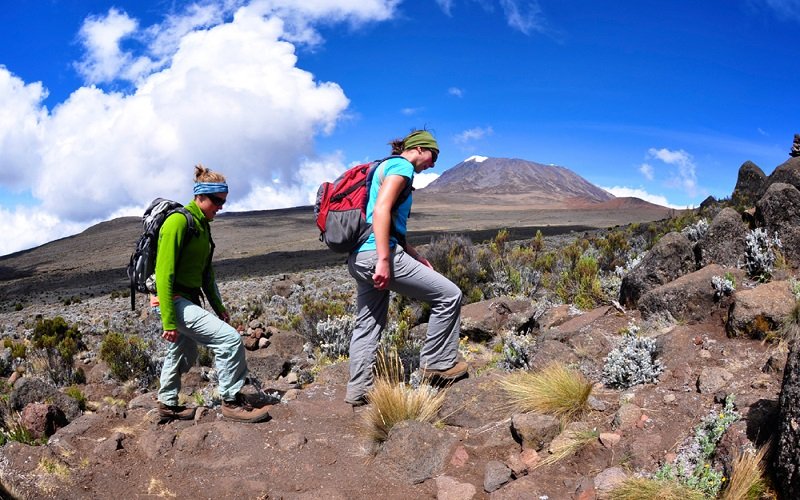
The Machame Route is often called the “Whiskey Route” because it’s considered a more scenic and arguably more enjoyable trek than some of the other Kilimanjaro routes. Both the 6-day and 7-day versions traverse the same diverse ecological zones, offering spectacular views. The difference lies in the pace at which you experience them.
Ecological Zones of Kilimanjaro
As you ascend Kilimanjaro via the Machame Route, you’ll pass through five distinct ecological zones:
- Rainforest (1,800m – 2,800m): Lush and green, with dense vegetation, giant ferns, and abundant wildlife. You’ll likely hear monkeys and see various bird species.
- Moorland (2,800m – 4,000m): The forest gives way to heather, wildflowers, and giant senecios and lobelias. The landscape becomes more open, with dramatic vistas.
- Alpine Desert (4,000m – 4,600m): Sparse vegetation, characterized by hardy grasses, mosses, and lichens. The terrain is rocky and arid, resembling a lunar landscape.
- Arctic Zone (above 4,600m): Bare rock, ice, and snow. Very little life exists here.
Key Scenic Highlights on the Machame Route
- Rainforest Trek: The initial ascent through the dense, misty rainforest is magical. The air is moist, and the sheer scale of the vegetation is impressive.
- Shira Plateau: The views from the Shira Plateau are magnificent, offering panoramic vistas of the surrounding plains and Mount Meru in the distance. The exposed, windswept nature of the camp adds to the sense of adventure.
- Lava Tower and the Great Barranco Wall: The climb to Lava Tower provides stunning views. The Barranco Wall itself is a formidable rock face that presents a thrilling scramble, offering a unique challenge and rewarding views as you ascend.
- The Saddle: The trek between Karanga Camp and Barafu Camp crosses a desolate, high-altitude desert known as the saddle. It’s starkly beautiful and offers a profound sense of isolation and grandeur.
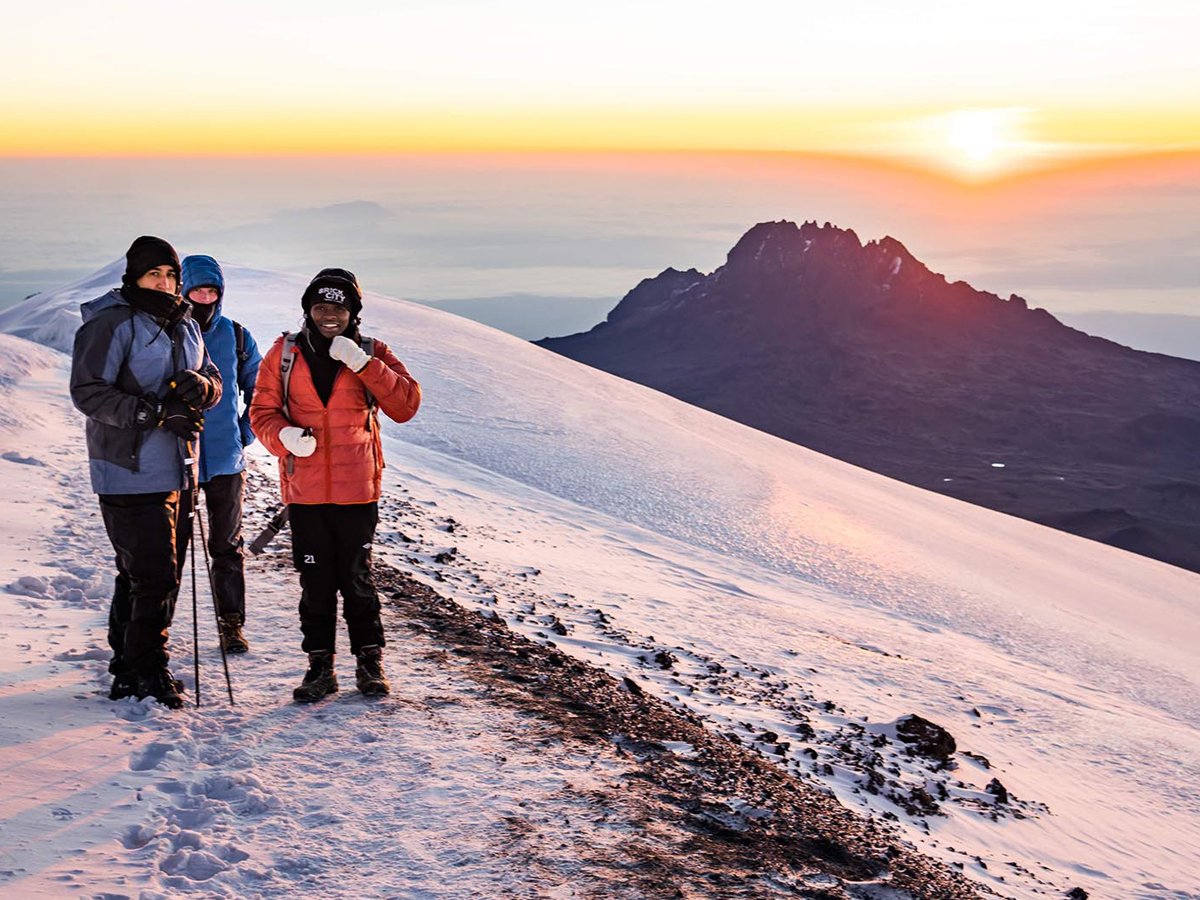
- The Summit Sunrise: Reaching Uhuru Peak for sunrise is the ultimate reward. Witnessing the sun’s first rays paint the sky from the roof of Africa, with glaciers glinting around you, is an unforgettable experience.
Pacing and Enjoyment
The 7-day Machame Route allows trekkers to savour these sights and experiences more fully. With an extra day, you can take more photos, pause more often to admire the views, and generally feel less rushed. This is particularly true in the higher alpine zones where the views are vast and the landscape is impressive. While the 6-day route still offers these incredible vistas, the faster pace can sometimes mean you’re more focused on the physical effort of the climb than on appreciating the surroundings. For those who want to truly experience themselves in Kilimanjaro’s diverse beauty during their 2026-2027 expedition, the 7-day option offers a more leisurely and in-depth scenic experience.
Views from Barafu Camp
From Barafu Camp, on a clear day, you can often see the summit in the distance, looking incredibly close yet dauntingly high. The views of the glaciers and the vastness of the plains below are spectacular, especially as the sun begins to set and the stars emerge in the incredibly clear night sky. The 7-day route allows for more time to appreciate these views before the demanding summit night.
Success Rates and Physical Demands
When planning a Kilimanjaro climb for 2026 or 2027, summit success rates are a significant consideration. While many factors influence success, acclimatization is arguably the most critical. The Machame Route is known for its good success rates, but the 7-day itinerary generally boasts higher figures than the 6-day version.
Understanding Success Rates
Summit success rates on Kilimanjaro can vary widely depending on the route, the operator, and the individual trekker’s preparation. For the Machame Route, overall success rates are often cited between 70-85%. However, these figures often lump together different durations. Operators who exclusively offer the 7-day Machame Route typically report higher success rates, often exceeding 90%.
The Impact of Duration on Success
- 6-Day Machame: This route is more demanding due to the faster pace. While still achievable for many, the reduced acclimatization time increases the likelihood of experiencing altitude-related symptoms that can force a trekker to turn back. The physical exertion is also higher on consecutive days.
- 7-Day Machame: The additional day provides crucial extra time for acclimatization. This slower pace allows the body to adapt more effectively to the thinning air, significantly reducing the risk of altitude sickness. Trekkers are often less fatigued on summit night, leading to better decision-making and a more robust physical state. This is why the 7-day Machame is strongly recommended by experienced operators for maximizing summit chances in 2026-2027.
Physical Demands of Each Route
Both routes require a good level of physical fitness. You should be comfortable with hiking for 5-8 hours per day with a backpack, often on steep and uneven terrain. However, the physical demands differ:
- 6-Day Machame: Requires higher stamina and resilience. Days 4 and 5 can be particularly demanding, involving significant altitude gain in a short period. Summit night is exceptionally challenging due to the rapid ascent and subsequent long descent.
- 7-Day Machame: While still a strenuous trek, the demands are spread out more evenly. The extra day allows for better recovery between strenuous ascents, making the overall experience less taxing. The descent from the summit is still long, but the additional acclimatization can make you feel stronger and more capable of completing it.
Beyond Fitness: Mental Fortitude
Climbing Kilimanjaro is as much a mental challenge as a physical one. The altitude, the cold, the fatigue, and the sheer length of the trek test your resolve. A more comfortable acclimatization profile, as offered by the 7-day Machame route, can significantly boost your mental endurance. Feeling stronger and less affected by altitude allows you to focus on the goal and push through the difficult moments. This is a critical consideration for any 2026-2027 expedition.
Who is Each Option For?
The decision between the 6-day and 7-day Machame Route ultimately comes down to your personal circumstances, experience, and priorities for your 2026-2027 Kilimanjaro adventure. There’s no single ‘best’ option; only the best option for *you*.
The 6-Day Machame Route is suitable for:
- Experienced Hikers/Climbers: Individuals who have successfully trekked to high altitudes (above 4,000m) before and understand how their body reacts.
- Those with Limited Time: Trekkers who have a strict schedule and can only allocate 6 days for the climb itself.
- Individuals with Excellent Cardiovascular Fitness: People who are exceptionally fit and confident in their body’s ability to acclimatize quickly.
- Budget-Conscious Trekkers: While the price difference is not vast, the 6-day option is typically slightly less expensive due to fewer trekking days and associated park fees.
Considerations for the 6-day route: Be prepared for a faster pace and potentially more noticeable altitude symptoms. It’s crucial to have a robust training plan and discuss your experience with your tour operator.
The 7-Day Machame Route is suitable for:
- First-Time Kilimanjaro Climbers: Especially those new to high-altitude trekking.
- Trekkers Prioritizing Success: Anyone who wants to maximize their chances of reaching the summit.
- Those Seeking a More Enjoyable Experience: Individuals who want to appreciate the scenery more, feel less rushed, and experience fewer altitude-related discomforts.
- Trekkers of All Fitness Levels: While fitness is still essential, the slower pace makes it more accessible and comfortable for a broader range of individuals.
- Anyone Concerned About Altitude Sickness: If you have a history of altitude issues or are anxious about them, the 7-day route offers a significant advantage.
Benefits of the 7-day route: Significantly better acclimatization, higher summit success rates, a more relaxed pace, and a generally more comfortable and enjoyable overall experience. For most people planning a 2026 or 2027 climb, this is the recommended choice.
Making the Right Choice for You
When in doubt, err on the side of caution. The mountain will still be there in 2028 if you need more time to prepare or choose a longer itinerary. Kilimanjaro is a serious undertaking, and prioritizing acclimatization and safety is always the wisest approach. Discuss your personal health, fitness, and prior altitude experience honestly with your tour operator to help make the best decision.
Preparing for Your Machame Route Climb in 2026-2027
Regardless of whether you choose the 6-day or 7-day Machame Route for your 2026-2027 adventure, thorough preparation is key to a safe and successful climb. This involves physical training, mental preparation, and ensuring you have the right gear.
Physical Training
Your training should focus on cardiovascular endurance and strength, particularly for your legs and core. Aim to:
- Cardio: Engage in activities like hiking, running, cycling, or swimming for at least 3-4 times a week. Focus on longer duration sessions (1-2 hours) to build stamina.
- Hiking: Undertake regular hikes, preferably with a weighted backpack, on varied terrain. Include hills or stairs to simulate ascents. The more you can hike, the better prepared you’ll be.
- Strength Training: Focus on leg exercises (squats, lunges) and core strengthening.
- Consistency is Key: Start training at least 3-6 months before your climb.
Mental Preparation
Climbing Kilimanjaro is mentally demanding. Prepare yourself by:
- Visualizing Success: Imagine yourself reaching the summit and enjoying the experience.
- Understanding the Challenges: Be aware of potential altitude sickness, cold, and fatigue, and have strategies to cope.
- Pacing Yourself: Understand the importance of “pole pole” (slowly, slowly) and stick to it, especially on the 7-day route.
- Positive Mindset: Maintain a positive attitude, even when things get tough.
Gear and Equipment
Having the right gear is crucial for comfort and safety. You’ll need:
- Layering System: Base layers, mid-layers (fleece), and an outer waterproof/windproof shell are essential.
- Footwear: Well-worn-in, waterproof hiking boots are non-negotiable.
- Headwear: A warm hat, sun hat, and balaclava for summit night.
- Gloves: Warm, waterproof gloves and liner gloves.
- Sleeping Bag: A warm sleeping bag rated for at least -10°C (15°F) is recommended.
- Other Essentials: Sunglasses, sunscreen, lip balm, headlamp with extra batteries, water bottles or hydration reservoir, personal first-aid kit, and toiletries.
Pre-Climb Checklist for 2026-2027
- Book Your Trip: Secure your spot, especially for popular dates in 2026-2027.
- Visa and Passport: Ensure your passport is valid for at least six months beyond your stay and obtain any necessary visas.
- Vaccinations and Health: Consult your doctor about recommended vaccinations and malaria prophylaxis.
- Travel Insurance: Essential for covering medical emergencies, evacuation, and trip cancellation.
- Training Plan: Adhere to your physical training regimen.
- Gear Acquisition: Purchase or rent all necessary equipment well in advance.
- Acclimatization Strategy: Understand the differences between the 6 and 7-day Machame routes and choose accordingly.
Booking Your Machame Route Trek
Choosing the right tour operator is as important as choosing the right route duration. For your 2026 or 2027 Machame Route climb, partnering with an experienced, reputable company like Climb 4 Africa ensures your safety, comfort, and a higher chance of summit success. We specialize in Kilimanjaro treks and Tanzanian adventures, providing expert guidance and local support.
Why Choose Climb 4 Africa?
- Local Expertise: As a Tanzanian-based company, we have unparalleled knowledge of Kilimanjaro, its routes, and its guides.
- Experienced Guides: Our guides are certified, highly experienced, and trained in first aid and high-altitude medicine.
- Safety First: We prioritize your safety with well-planned itineraries, quality equipment, and emergency protocols.
- Excellent Acclimatization: We strongly advocate for and offer the 7-day Machame Route as the preferred option for better acclimatization and success rates for 2026-2027 climbs, though we can discuss the 6-day option for experienced trekkers.
- Comprehensive Inclusions: Our packages typically include park fees, experienced guides, porters, cooks, meals, accommodation before and after the climb, and transfers.
- Supportive Crew: We ensure our porters and guides are well-treated, well-equipped, and well-paid, fostering a positive and efficient trekking environment.
Next Steps for Your 2026-2027 Climb
Ready to plan your unforgettable Kilimanjaro adventure? We recommend taking the following steps:
- Review Itineraries: Explore our detailed itinerary for the 7-day Machame Route (and the 6-day option if you are an experienced trekker).
- Contact Us: Reach out to our team to discuss your plans, ask questions, and get personalized advice. We can help you decide between the 6 or 7-day Machame Route based on your profile.
- Get a Quote: We can provide a detailed quote tailored to your chosen dates and itinerary for 2026-2027.
- Book Your Trek: Once you’re ready, we’ll guide you through the booking process.
Don’t leave your Kilimanjaro dream to chance. Let Climb 4 Africa help you plan a safe, successful, and memorable expedition. Whether you choose the 6 or 7-day Machame Route, we are committed to providing an exceptional trekking experience. Get in touch with us today to start planning your climb for 2026 or 2027. You can reach us via WhatsApp at +255 747 477 898 or email us at climb4africa@gmail.com. We look forward to helping you conquer Africa’s highest peak!
“,
“faq_schema”: [
{
“question”: “What is the main difference between the 6-day and 7-day Machame Route on Kilimanjaro?”,
“answer”: “The primary difference is acclimatization. The 7-day Machame Route offers an extra day, typically placed before the summit push, allowing for slower ascent and better acclimatization, which significantly increases summit success rates and reduces the risk of altitude sickness. The 6-day route is faster and more demanding.”
},
{
“question”: “Which Machame Route duration is better for first-time Kilimanjaro climbers in 2026-2027?”,
“answer”: “For most first-time climbers, especially those new to high altitude, the 7-day Machame Route is strongly recommended for 2026-2027. It provides superior acclimatization and a more comfortable experience, leading to higher success rates.”
},
{
“question”: “Does the 7-day Machame Route have higher success rates than the 6-day route?”,
“answer”: “Yes, generally the 7-day Machame Route has higher summit success rates. The extended acclimatization period allows the body to adapt more effectively to the altitude, reducing the likelihood of altitude sickness forcing a trekker to turn back.”
},
{
“question”: “What are the physical demands of the 6-day versus 7-day Machame Route?”,
“answer”: “Both routes are strenuous. However, the 6-day route involves more significant daily altitude gains and less recovery time, making it physically more demanding. The 7-day route spreads the ascent more gradually, reducing the overall physical strain on any single day.”
},
{
“question”: “When is the best time to climb the Machame Route in 2026-2027?”,
“answer”: “The best times to climb Kilimanjaro, including the Machame Route, are during the dry seasons: January to March and June to October. These months offer clearer skies and more stable weather conditions for your 2026-2027 trek.”
},
{
“question”: “What is the ‘climb high, sleep low’ principle, and how is it applied on the Machame Route?”,
“answer”: “This principle involves ascending to a higher altitude during the day and then descending to a lower camp to sleep. Day 3 of the Machame Route, climbing to Lava Tower (4,630m) and sleeping at Barranco Camp (3,950m), is a prime example. It helps the body acclimatize without the constant stress of sleeping at extreme heights. The 7-day route often enhances this principle.”
}
]
}
“`
Check Availability for Machame Route Kilimandscharo: 6 Oder 7 Tage 2026-2027
Ready to compare dates, prices, and the best option for your group? Send the package name and travel month so the team can reply with a clear quote, availability, and what is included.
Kilimanjaro Climb Machame Route : Expert Guide For Your Trek 2026-2027
Discover the ultimate guide to climbing Mount Kilimanjaro via the Machame Route for your 2026 or 2027 adventure. This comprehensive resource covers everything from choosing an itinerary and...
View package detailsKilimanjaro Routes: Which Is Best For Your Climb? 2026-2027
Choosing the right Kilimanjaro route is crucial for a successful and enjoyable climb. This comprehensive guide compares the main routes, helping you select the best option for your...
View package details
Momella Route Mount Meru 2026-2027
Momella Route Mount Meru is explained with current 2026-2027 planning, price, itinerary and booking information.
View package details
Mount Meru Trekking 3 Tage: Your Essential Planning Guide 2026-2027
A comprehensive guide to the 3-day Mount Meru trek, covering essential planning details for 2026-2027, including routes, preparation, what to expect, and booking advice.
View package details
3 Day Joining Safari Group Departures From Moshi: 2026
Discover convenient 3-day group safari departures from Moshi, perfect for maximizing your Tanzania adventure. Explore wildlife-rich parks like Tarangire, Manyara, or the Serengeti on shared...
View package detailsWhat To Expect On Your First Kilimanjaro Trek: A Comprehensive Guide 2026-2027
Planning your first climb up Kilimanjaro? This comprehensive guide covers everything you need to know, from choosing a route and preparing your body to what daily life on the mountain is...
View package details20 Natural Wonders In Africa You Need To See 2026-2027
Explore Africa's most spectacular natural wonders, from the majestic peaks of Kilimanjaro and the vast plains of the Serengeti to the unique landscapes of Namibia and the vibrant coral...
View package details15 Natural Wonders In Africa That Don’t Look Real | Climb 4 2026-2027
Africa is home to a stunning array of natural wonders that defy belief, appearing so surreal they seem plucked from another planet. This guide explores 15 of the continent's most...
View package detailsWhy Is Climbing Kilimanjaro So Expensive? 2026-2027
Why Is Climbing Kilimanjaro So Expensive? is explained with current 2026-2027 planning, price, itinerary and booking information.
View package detailsWhy Do People Travel From Around The World To Climb Kilimanjaro? 2026-2027
Why Do People Travel From Around the World to Climb Kilimanjaro? is explained with current 2026-2027 planning, price, itinerary and booking information.
View package detailsWhy Is Kilimanjaro One Of The World’s Most Famous Mountains? Your Planning
Kilimanjaro's fame stems from its status as the highest free-standing mountain, its accessibility to non-technical climbers, its iconic snow-capped summit, and its location in a biodiverse...
View package detailsWhy Do Thousands Of Travelers Visit Kilimanjaro Every Year? Your Expert Guide
Thousands of adventurers flock to Kilimanjaro each year, drawn by its status as Africa's highest peak and a bucket-list trekking challenge. This guide explores the compelling reasons behind...
View package detailsNo related package matches those filters. Clear one or more filters to see the other topic-matched options.



