
For your Kilimanjaro climb via the Lemosho Route in 2026 or 2027, the choice between 7 or 8 days hinges primarily on your priority for acclimatization and overall experience. The 8-day Lemosho Route is generally recommended as it offers a more gradual ascent, significantly improving your body’s ability to adapt to the increasing altitude, thus boosting summit success rates and reducing the risk of altitude sickness. The 7-day Lemosho Route is a faster option, suitable for those with proven high-altitude experience or a tighter schedule, but it requires a more aggressive acclimatization profile.
Lemosho Route: A Premier Kilimanjaro Ascent
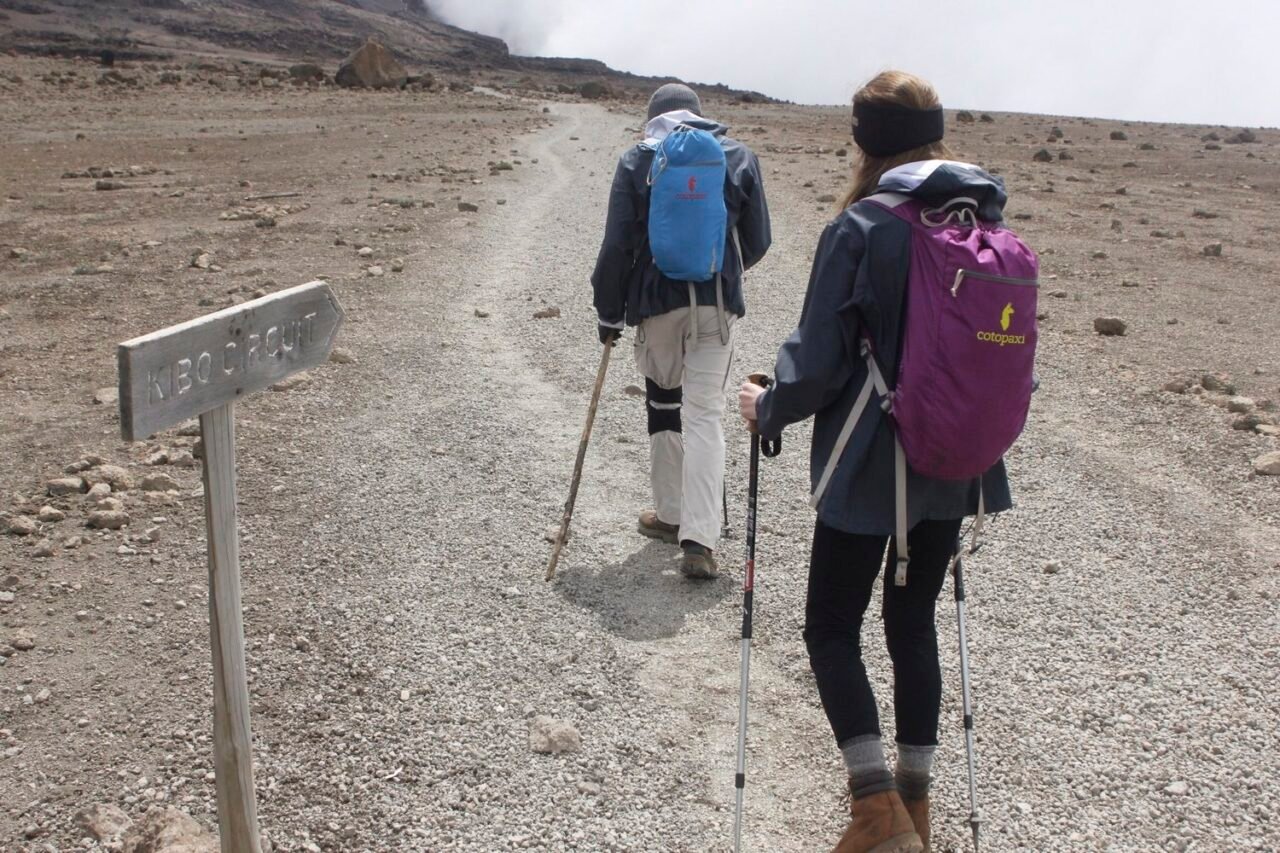
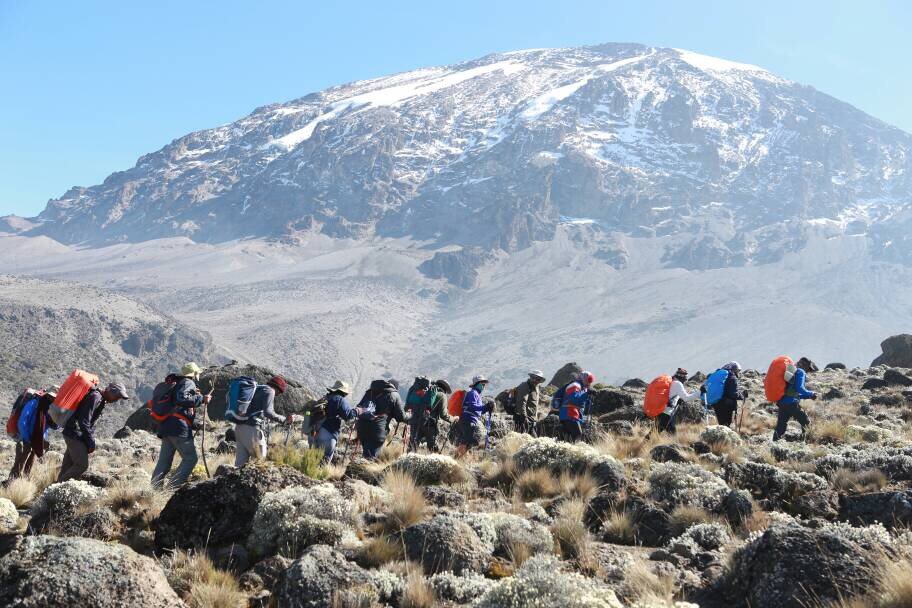
The Lemosho Route stands out as one of Kilimanjaro’s most popular and highly regarded trekking paths. It’s celebrated for its stunning scenery, excellent acclimatization profile, and relatively low traffic, especially in its initial stages. Originating from the west side of the mountain near the Lemosho Glades, it offers a more remote and wild experience compared to some of the busier southern routes. The route typically merges with the Machame Route after a few days, sharing the popular descent path. Its appeal lies in a blend of natural beauty and a well-paced climb that many trekkers find rewarding. For those planning a climb in the upcoming seasons of 2026 and 2027, understanding the nuances of Lemosho, particularly its 7-day versus 8-day variations, is crucial for a successful and enjoyable expedition.
What makes Lemosho special is its gentle introduction to the mountain. The early days are spent traversing pristine forests teeming with wildlife, a stark contrast to the barren alpine desert encountered on other routes. This initial phase allows trekkers to ease into the trek, setting a positive tone for the challenging days ahead. As the route ascends, it opens up to impressive panoramic views of the Maasai plains and Mount Meru. The longer duration options, particularly the 8-day trek, are designed with a focus on ‘pole pole’ – the Swahili phrase for ‘slowly, slowly’ – which is the golden rule of high-altitude trekking. This slower pace is not just about enjoying the views; it’s a scientifically proven method to allow your body to adjust to the thinner air, reducing the likelihood of altitude sickness and increasing your chances of reaching Uhuru Peak.
When considering the Lemosho Route for your 2026-2027 adventure, it’s important to view it as a comprehensive experience rather than just a race to the summit. The quality of the trek is significantly influenced by how well you feel physically and mentally. The Lemosho route, especially in its 8-day configuration, prioritizes this well-being. It offers more opportunities for rest, better hydration, and a more relaxed pace, all of which contribute to a more positive journey. While the 7-day version is efficient, the trade-off is a slightly compressed acclimatization schedule. This guide will explore the specifics of both durations to help you make an informed choice for your Kilimanjaro expedition.
Lemosho Route 7 vs. 8 Days: The Core Difference
The fundamental distinction between the 7-day and 8-day Lemosho Route lies in the additional day dedicated to acclimatization on the longer itinerary. This extra day is typically inserted around the Shira Plateau or Barranco Camp stages, allowing for a slower ascent and descent in critical altitude zones. This is not a trivial difference; it directly impacts how your body copes with the extreme altitude.
Here’s a breakdown of the core differences:
- Acclimatization Profile: The 8-day route follows the ‘climb high, sleep low’ principle more effectively. It allows for more gradual altitude gains and opportunities to descend slightly for overnight stays, which is vital for physiological adaptation. The 7-day route, while still good, has a more condensed schedule, meaning you might gain altitude more rapidly on certain days.
- Pace and Enjoyment: The 8-day trek offers a more relaxed pace throughout. This allows for more time to appreciate the diverse landscapes, take photographs, and simply enjoy the journey without feeling rushed. The 7-day trek is more demanding due to the faster pace, which can be taxing for some trekkers.
- Summit Success Rates: Statistically, the 8-day Lemosho Route generally boasts higher summit success rates than the 7-day version. This is a direct consequence of superior acclimatization, which is the single most important factor in reaching the summit safely.
- Scenery and Experience: Both routes traverse the same beautiful western side of Kilimanjaro, offering stunning views. However, the slower pace of the 8-day trek allows for a more in-depth experience of these varied ecosystems, from lush rainforests to alpine deserts and the arctic summit zone.
- Cost: The 8-day trek will naturally be slightly more expensive than the 7-day option due to the additional day of guiding, porters, food, and park fees. However, this incremental cost is often considered a worthwhile investment for the increased comfort and success probability.
When planning for 2026 or 2027, consider your personal fitness, previous high-altitude experience, and your primary goals for the climb. If reaching the summit comfortably and enjoying the journey are paramount, the 8-day Lemosho is the clear choice. If you are an experienced trekker, have a very limited time window, and are comfortable with a more challenging pace, the 7-day Lemosho might be suitable.
Acclimatization: Why More Days Matter on Lemosho
Altitude sickness, or Acute Mountain Sickness (AMS), is the most significant challenge on Kilimanjaro. It occurs when your body doesn’t have enough time to adjust to the lower oxygen levels at higher elevations. The Lemosho Route, particularly its 8-day variant, is designed to mitigate this risk through a carefully structured acclimatization schedule. The principle of ‘climb high, sleep low’ is paramount here.
How the 8-Day Lemosho Enhances Acclimatization:
- Gradual Ascent: The 8-day itinerary typically involves shorter daily hiking distances and more modest altitude gains between camps compared to the 7-day route. This allows your body to produce more red blood cells to carry oxygen more efficiently.
- Extra Rest Day/Slower Pace: The additional day on the 8-day route often serves as a rest day or a day with a significantly slower pace at a critical altitude, such as near Shira Plateau or Barranco Camp. This allows your body to better adapt to the ~5,800 meters (19,000 feet) of the Shira Plateau before continuing higher.
- Lower Sleeping Altitudes: While you may ascend to higher points during the day on the 8-day route, the campsites are often at slightly lower altitudes than they would be on a compressed 7-day schedule. For example, spending an extra night at Barranco Camp (around 3,950m) before tackling the Barranco Wall allows for better recovery and adaptation.
The 7-Day Lemosho Acclimatization Trade-off:
- Faster Pace: The 7-day Lemosho Route requires a more ambitious daily schedule. You might cover more ground or ascend more steeply on certain days.
- Less Room for Error: While still a good route for acclimatization compared to shorter routes like Marangu, the 7-day Lemosho offers less buffer time. If you experience mild AMS symptoms, you have less flexibility to wait them out or adjust without significantly impacting the trek’s progression.
- Higher Risk for Some: For individuals who are particularly susceptible to altitude sickness, or those with no prior high-altitude trekking experience, the 7-day Lemosho can feel more challenging and increase the risk of not reaching the summit due to AMS.
Understanding Altitude Sickness Symptoms: Common symptoms include headache, nausea, dizziness, fatigue, and loss of appetite. Severe symptoms can include confusion, difficulty breathing, and loss of coordination, requiring immediate descent. Your guides are trained to monitor these symptoms, but good acclimatization is your first and best defense. For your 2026-2027 climb, prioritizing acclimatization via the 8-day Lemosho is a strategic decision for a safer and more enjoyable ascent.
Scenic Beauty and Wildlife Encounters on Lemosho
The Lemosho Route is renowned for its exceptional scenery, offering a diverse and interesting journey through Kilimanjaro’s distinct ecological zones. Its western start point means you begin in a less-trafficked area, enhancing the feeling of wilderness and increasing the chances of spotting wildlife.
Early Days: The Lush Rainforest
The trek begins in the dense, vibrant rainforest that cloaks the lower slopes of Kilimanjaro. This is the most biodiverse zone, and on the Lemosho Route, you’ll likely encounter:
- Colobus Monkeys and Blue Monkeys: These playful primates are often seen swinging through the trees.
- Various Bird Species: The forest is alive with the calls and sights of numerous exotic birds.
- Unique Flora: Giant ferns, mosses, and indigenous trees create a magical atmosphere.
The 8-day itinerary allows for a more leisurely pace through this section, providing ample opportunity to absorb the sights and sounds of the rainforest, perhaps even spotting some of the smaller mammals that inhabit this rich ecosystem. The slower start on the 8-day Lemosho is a significant advantage for photography and simply enjoying the natural beauty.
Mid-Trek: Moorland and Shira Plateau
As you ascend, the vegetation changes dramatically. You’ll transition into the moorland zone, characterized by heather, giant groundsels, and lobelias. The Lemosho Route offers access to the stunning Shira Plateau, a vast, windswept expanse of high-altitude moorland with dramatic rock formations and incredible views. The 8-day route often spends more time in this region, allowing for better acclimatization at higher altitudes and offering impressive vistas across the plains. The views from Shira Plateau, looking back towards Mount Meru, are particularly memorable.
Higher Altitudes: Alpine Desert and Arctic Summit
Further up, the landscape transforms into an alpine desert, stark and beautiful, with sparse vegetation adapted to harsh conditions. Finally, you enter the arctic zone, a barren, rocky terrain dominated by scree and volcanic rock, leading to the Kibo crater rim and the summit. While wildlife is scarce at these extreme altitudes, the geological formations and the sheer scale of the landscape are awe-inspiring. The extended time on the 8-day Lemosho allows for a more gradual transition through these zones, reducing the physical strain and enhancing the appreciation of the changing environment.
Whether you choose the 7 or 8-day Lemosho for your 2026-2027 climb, the route promises a visually spectacular journey. However, the 8-day option provides a more unhurried and in-depth experience of these diverse and dramatic landscapes.
Itinerary Breakdown: The 7-Day Lemosho Route
The 7-day Lemosho Route is a popular choice for those seeking a balance between a good acclimatization profile and a more time-efficient trek. It offers a fantastic introduction to Kilimanjaro’s beauty while still being more challenging than the Marangu or Rongai routes. This itinerary compresses the acclimatization slightly compared to the 8-day version, requiring careful preparation.
Day 1: Lemosho Gate to Mti Mkubwa Camp
Distance: ~5 km (3 miles)
Time: ~3-4 hours
Altitude Gain: ~750 m (2,460 ft)
Camp Altitude: ~2,820 m (9,250 ft)
The trek begins at the Lemosho Gate, after a scenic drive from Moshi. You’ll enter the dense rainforest, enjoying a relatively gentle hike accompanied by your guides and porters. The first day is about easing into the trek and enjoying the lush surroundings.
Day 2: Mti Mkubwa Camp to Shira 1 Camp
Distance: ~10 km (6 miles)
Time: ~5-6 hours
Altitude Gain: ~950 m (3,120 ft)
Camp Altitude: ~3,750 m (12,300 ft)
You’ll continue ascending through the rainforest, which gradually gives way to moorland. The trail becomes steeper in places. Today’s hike brings you to the Shira Plateau, a stunning high-altitude moorland. You’ll likely experience your first significant altitude gain, so maintaining a slow pace (‘pole pole’) is crucial.
Day 3: Shira 1 Camp to Shira 2 Camp
Distance: ~7 km (4 miles)
Time: ~3-4 hours
Altitude Gain: ~150 m (490 ft)
Camp Altitude: ~3,850 m (12,630 ft)
This is a shorter, more relaxed day focused on acclimatization. You’ll trek across the Shira Plateau, enjoying panoramic views. The objective is to allow your body to adapt to the altitude before moving higher. The trail is relatively gentle, but the altitude will be noticeable.
Day 4: Shira 2 Camp to Barranco Camp
Distance: ~9 km (5.5 miles)
Time: ~6-7 hours
Altitude Gain: ~550 m (1,800 ft)
Camp Altitude: ~3,950 m (12,960 ft)
This day involves traversing the Shira Plateau and then descending slightly before a significant ascent towards Lava Tower (4,630m/15,190ft). You’ll then descend to Barranco Camp. This ‘climb high, sleep low’ strategy is key for acclimatization. The descent to Barranco is important for allowing your body to recover at a slightly lower altitude.
Day 5: Barranco Camp to Karanga Camp
Distance: ~7 km (4 miles)
Time: ~4-5 hours
Altitude Gain: ~250 m (820 ft)
Camp Altitude: ~4,200 m (13,780 ft)
The highlight of today is the famous Barranco Wall. This is a steep, challenging scramble that requires using your hands and feet. It’s a fun and rewarding section. After conquering the wall, you’ll have a steady climb to Karanga Camp, situated in a beautiful alpine desert environment.
Day 6: Karanga Camp to Barafu Camp
Distance: ~5 km (3 miles)
Time: ~4-5 hours
Altitude Gain: ~550 m (1,800 ft)
Camp Altitude: ~4,650 m (15,250 ft)
This day involves a steady ascent through the alpine desert. The landscape becomes increasingly barren and rocky. You’ll reach Barafu Camp, the base camp for the summit push, by early afternoon. You’ll rest, hydrate, and prepare for the midnight start to the summit. The altitude here is significant.
Day 7: Summit Push and Descent to Mweka Camp
Distance: ~13 km (8 miles) to summit and down
Time: ~10-12 hours to summit and down
Altitude Gain: ~1,150 m (3,770 ft) to summit, ~2,750 m (9,020 ft) descent
Camp Altitude: ~3,100 m (10,170 ft)
You’ll start your summit attempt around midnight. The climb is steep and challenging, traversing scree slopes under the moonlight. Stella Point (5,756m/18,885ft) is reached first, followed by the final push to Uhuru Peak (5,895m/19,341ft). After celebrating, you’ll descend directly to Barafu Camp for a short rest before continuing down to Mweka Camp, located in the forest zone. This is a very long and demanding day.
The 7-day Lemosho Route is an excellent option for those who are well-prepared and have a good level of fitness. However, for 2026 or 2027, consider if the slightly more relaxed pace and improved acclimatization of the 8-day option might offer a more comfortable and potentially more successful climb.
Itinerary Breakdown: The 8-Day Lemosho Route
The 8-day Lemosho Route is widely considered the gold standard for climbing Kilimanjaro via this scenic path. It offers the best acclimatization profile, maximizing your chances of reaching the summit while minimizing the risk of altitude sickness and allowing for a more in-depth experience of the mountain’s diverse beauty. The extra day is typically inserted around the Shira Plateau or Barranco Camp, providing crucial rest and adaptation time.
Day 1: Lemosho Gate to Mti Mkubwa Camp
Distance: ~5 km (3 miles)
Time: ~3-4 hours
Altitude Gain: ~750 m (2,460 ft)
Camp Altitude: ~2,820 m (9,250 ft)
Similar to the 7-day route, you begin at Lemosho Gate, driving to the trailhead and starting your trek through the lush rainforest. This gentle introduction allows for an easy start and acclimatization to the initial altitude increase.
Day 2: Mti Mkubwa Camp to Shira 1 Camp
Distance: ~10 km (6 miles)
Time: ~5-6 hours
Altitude Gain: ~950 m (3,120 ft)
Camp Altitude: ~3,750 m (12,300 ft)
The trail continues to ascend, transitioning from rainforest to moorland. You’ll reach the expansive Shira Plateau. This day provides a significant altitude gain, so maintaining a slow, steady pace is essential.
Day 3: Shira 1 Camp to Shira 2 Camp
Distance: ~7 km (4 miles)
Time: ~3-4 hours
Altitude Gain: ~150 m (490 ft)
Camp Altitude: ~3,850 m (12,630 ft)
This is a crucial acclimatization day. You’ll trek across the Shira Plateau, offering spectacular views. The day is relatively short, allowing your body to adapt to the high altitude of the plateau before moving further west and higher.
Day 4: Shira 2 Camp to Lava Tower, then to Barranco Camp
Distance: ~10 km (6 miles)
Time: ~6-7 hours
Altitude Gain: ~780 m (2,560 ft) to Lava Tower, then descent
Camp Altitude: ~3,950 m (12,960 ft)
Today is a prime example of ‘climb high, sleep low.’ You’ll ascend to Lava Tower (4,630m/15,190ft), one of the highest points on the route, and then descend to Barranco Camp. This strategy is vital for acclimatization, allowing your body to experience higher altitudes during the day and then recover at a slightly lower elevation overnight.
Day 5: Barranco Camp to Karanga Camp
Distance: ~7 km (4 miles)
Time: ~4-5 hours
Altitude Gain: ~250 m (820 ft)
Camp Altitude: ~4,200 m (13,780 ft)
This day begins with the exhilarating scramble up the Barranco Wall. It’s a challenging but rewarding section that tests your agility and nerve. After cresting the wall, you’ll have a steady ascent to Karanga Camp, situated in a striking alpine desert landscape.
Day 6: Karanga Camp to Barafu Camp
Distance: ~5 km (3 miles)
Time: ~4-5 hours
Altitude Gain: ~550 m (1,800 ft)
Camp Altitude: ~4,650 m (15,250 ft)
The landscape becomes increasingly barren and dramatic as you ascend towards Barafu Camp, the base camp for the summit push. This is a relatively shorter hiking day, allowing ample time to rest, hydrate, and prepare for the challenging summit night that lies ahead.
Day 7: Barafu Camp to Summit, then Descent to Mweka Camp
Distance: ~13 km (8 miles) to summit and down
Time: ~10-12 hours to summit and down
Altitude Gain: ~1,150 m (3,770 ft) to summit, ~2,750 m (9,020 ft) descent
Camp Altitude: ~3,100 m (10,170 ft)
This is summit day, starting around midnight. The ascent to Stella Point (5,756m/18,885ft) and then Uhuru Peak (5,895m/19,341ft) is strenuous in the cold and dark. After reaching the summit and taking photos, you’ll descend directly to Barafu Camp for a brief rest before continuing the long descent to Mweka Camp, located in the forest zone.
Day 8: Mweka Camp to Mweka Gate
Distance: ~10 km (6 miles)
Time: ~3-4 hours
Altitude Loss: ~1,300 m (4,265 ft)
End Point: Mweka Gate (1,640m/5,380ft)
Your final day is a pleasant walk through the rainforest to Mweka Gate. You’ll celebrate your achievement with your guide and crew before transferring back to your hotel in Moshi. This final day allows for a more relaxed descent after the exertion of summit day.
The 8-day Lemosho Route offers a superior acclimatization schedule, making it the preferred choice for most climbers aiming for a successful and enjoyable ascent in 2026 or 2027. The added day significantly reduces the risk of altitude sickness and allows for a more profound connection with the mountain’s environment.
Summit Success Rates and Altitude Sickness on Lemosho
When discussing the Lemosho Route, particularly the 7 vs. 8-day options, the conversation inevitably turns to summit success rates and the ever-present risk of altitude sickness. While no operator can guarantee a summit, the duration of your trek plays a pivotal role in your chances.
The Impact of Duration on Success Rates:
- 8-Day Lemosho: Generally considered to have the highest success rates among the Lemosho itineraries. The extended time allows for better acclimatization, enabling trekkers to withstand the physiological stresses of high altitude for longer. This means less fatigue, fewer debilitating symptoms of AMS, and more energy reserves for the demanding summit push. For 2026 and 2027 climbs, choosing the 8-day route is a strategic decision that prioritizes your goal of reaching Uhuru Peak.
- 7-Day Lemosho: While still offering a good acclimatization profile compared to shorter routes, the 7-day Lemosho is more compressed. Success rates are typically lower than the 8-day version, especially for trekkers with limited high-altitude experience. The faster pace can lead to accumulated fatigue and a higher likelihood of experiencing moderate to severe AMS symptoms that might force a turnaround.
Understanding and Managing Altitude Sickness (AMS):
AMS is caused by ascending too quickly, preventing your body from adjusting to the lower oxygen pressure. Key factors influencing AMS risk include:
- Rate of Ascent: The faster you go up, the higher the risk. The 8-day Lemosho’s slower pace is its primary advantage here.
- Sleeping Altitude: Sleeping above 3,000 meters (9,840 ft) increases risk. The ‘climb high, sleep low’ principle, which the 8-day route implements more effectively, is crucial.
- Individual Physiology: Some people are more susceptible than others, regardless of fitness level. Previous experiences with altitude sickness are a good indicator.
- Hydration and Rest: Adequate fluid intake and sufficient sleep are vital for acclimatization.
Symptoms to Watch For:
Early symptoms are often mild but should not be ignored:
- Headache
- Nausea and/or vomiting
- Dizziness or light-headedness
- Fatigue and weakness
- Loss of appetite
- Difficulty sleeping
If you experience any of these symptoms, it’s crucial to inform your guide immediately. They will assess your condition and may recommend descending, resting, or taking medication. On the 8-day Lemosho, your guide has more flexibility to manage your pace and make decisions that prioritize your health.
The Role of Guides: Experienced guides are trained to recognize the signs of AMS and manage it effectively. They monitor trekkers closely, adjust the pace, and make critical decisions about descent if necessary. Choosing a reputable operator like Climb 4 Africa, with highly trained guides, is paramount for safety and success on any Kilimanjaro climb, including the Lemosho Route for 2026-2027.
Ultimately, while the 7-day Lemosho can be successful, the 8-day itinerary provides a significantly better physiological foundation for reaching the summit and returning safely.
Physical and Mental Preparation for Lemosho
Successfully completing the Lemosho Route, whether in 7 or 8 days, requires a combination of good physical conditioning and mental fortitude. While Kilimanjaro is not technically difficult, the altitude, duration, and sustained effort demand thorough preparation.
Physical Training: What to Focus On
Your training should simulate the demands of trekking for multiple consecutive days at altitude:
- Cardiovascular Fitness: Engage in regular aerobic activities like hiking, running, cycling, or swimming for at least 3-4 times a week. Aim for sessions of 45-60 minutes.
- Hiking with a Pack: This is crucial. Train by hiking on varied terrain (hills, stairs) wearing a backpack similar in weight to what you’ll carry (around 5-10 kg). This helps your body adapt to carrying weight and navigating inclines.
- Leg Strength: Focus on exercises like squats, lunges, step-ups, and calf raises to build endurance in your legs and knees.
- Endurance Training: Incorporate longer hikes, ideally on weekends, to build stamina. Aim for hikes lasting 3-5 hours, gradually increasing the duration and elevation gain.
- Flexibility and Balance: Stretching exercises can help prevent injuries. Good balance is also important for navigating uneven terrain.
Mental Preparation: The Psychological Aspect
The mental challenge of climbing Kilimanjaro is often underestimated. The sustained effort, cold temperatures, fatigue, and potential discomfort require significant mental resilience:
- Set Realistic Expectations: Understand that it will be tough. There will be moments of discomfort, fatigue, and doubt. Accept this as part of the experience.
- Develop Coping Strategies: Practice positive self-talk. Focus on one step at a time, one day at a time. Break down the overall goal into smaller, manageable milestones.
- Embrace the ‘Pole Pole’ Mentality: This Swahili phrase, ‘slowly, slowly,’ is not just for acclimatization; it’s a philosophy for the trek. Rushing can lead to exhaustion and altitude sickness. Learning to be patient and steady is key.
- Visualize Success: Imagine yourself reaching the summit and enjoying the experience. This can be a powerful motivator when times get tough.
- Prepare for the Summit Night: This is the most challenging part. Mentally prepare for a long, cold, and exhausting night of climbing. Knowing what to expect can help you push through.
Specific Advice for 7 vs. 8 Days:
- For the 7-Day Lemosho: Your physical preparation needs to be particularly robust. You’ll be covering more ground in fewer days, so higher cardiovascular fitness and leg endurance are paramount. Mental resilience to push through fatigue more rapidly is also essential.
- For the 8-Day Lemosho: While still demanding excellent fitness, the mental preparation can focus more on sustained endurance and patience. The extra day allows for a more forgiving pace, meaning you can rely more on steady progress and consistent effort rather than bursts of intense exertion.
For your 2026 or 2027 climb, start your training at least 3-4 months in advance. Consistency is more important than intensity. For example, consider a longer training hike, perhaps 6-8 hours with significant elevation gain, a few weeks before your departure to simulate Kilimanjaro conditions.
Diet and Hydration:
- During Training: Eat a balanced diet rich in complex carbohydrates, lean protein, and healthy fats.
- Hydration: Drink plenty of water daily, not just during exercise. Aim for at least 2-3 liters. This is also crucial for acclimatization on the mountain.
- On the Mountain: Hydration is key. Drink 3-4 liters of water per day. Electrolyte supplements can also be beneficial. Your guides will encourage you to drink constantly.
Thorough preparation, both physical and mental, is the bedrock of a successful Kilimanjaro climb. By investing time and effort into training and understanding the psychological demands, you significantly enhance your experience and chances of reaching Uhuru Peak in 2026-2027.
Choosing Your Operator for Lemosho in 2026-2027
Selecting the right tour operator is arguably one of the most critical decisions you’ll make for your Kilimanjaro climb. For the Lemosho Route in 2026 or 2027, the quality of your expedition hinges on the expertise, safety standards, and support provided by your chosen company. Climb 4 Africa specializes in Kilimanjaro expeditions and offers a deep understanding of the mountain and its routes.
Why Choose a Local, Expert Operator?
- Local Knowledge and Support: As a Tanzanian-based company, Climb 4 Africa has unparalleled on-the-ground knowledge. We understand the local conditions, logistics, and have established relationships with park authorities and local communities. This translates to smoother operations and better problem-solving capabilities.
- Experienced Guides and Crew: Our guides are highly trained in wilderness first aid, altitude sickness management, and Leave No Trace principles. They are experienced professionals who prioritize your safety and enjoyment. We invest in continuous training for our team, ensuring they are up-to-date with best practices for 2026-2027 climbs.
- Safety Standards: We adhere to stringent safety protocols, including carrying comprehensive medical kits, supplementary oxygen for emergencies, and ensuring our crew is well-equipped and adequately compensated. This is non-negotiable for a high-altitude trek.
- Ethical Treatment of Porters: We are committed to the fair treatment and ethical treatment of our porters, ensuring they are well-fed, clothed, and paid appropriately. This is a crucial aspect of responsible tourism and significantly impacts crew morale and performance.
- Tailored Experiences: While Lemosho is a standard route, we can tailor aspects of your expedition, from group sizes to specific dietary needs, ensuring your climb aligns with your preferences.
Key Questions to Ask Potential Operators:
- What is your policy on altitude sickness management? Do you carry supplementary oxygen?
- How are your guides trained? What certifications do they hold?
- What are your porter welfare policies?
- What is included in your price? (Be specific about meals, accommodation before/after, park fees, rescue fees, etc.)
- What is your group size policy?
- What is your emergency evacuation plan?
Climb 4 Africa’s Commitment:
For your Lemosho Route Kilimanjaro 7 or 8 day trek in 2026 or 2027, Climb 4 Africa offers expertly crafted itineraries that prioritize safety, acclimatization, and an unforgettable experience. We believe that a successful climb is not just about reaching the summit, but about the journey itself. Our team is dedicated to providing you with the best possible support, from your initial inquiry to your triumphant return.
We encourage you to compare our offerings, talk to our team, and understand why a local, experienced partner like Climb 4 Africa makes a significant difference. Contact us to discuss your specific needs and learn more about our Lemosho Route Kilimanjaro packages.
Contact Climb 4 Africa:
- WhatsApp: +255 747 477 898
- Email: climb4africa@gmail.com
What’s Included in Lemosho Packages?
Understanding what’s included in your Lemosho Route package is vital for accurate budgeting and ensuring you have everything you need for your climb. Reputable operators like Climb 4 Africa provide comprehensive packages, but variations exist, so always clarify details before booking your 2026 or 2027 expedition.
Typical Inclusions for Lemosho Route Climbs:
- Park Fees: This is a significant cost and should always be included. It covers your entry into Kilimanjaro National Park, camping/hut fees, and conservation fees.
- Guides and Crew: Experienced, licensed guides (often a head guide and assistant guides depending on group size), cooks, and porters. The number of porters is crucial for carrying all equipment, food, and personal gear.
- Accommodation: Camping equipment (tents, sleeping mats) for the duration of the climb. For the 8-day Lemosho, this means 7 nights of camping.
- Meals: All meals on the mountain (breakfast, lunch, dinner) and typically meals at your hotel in Moshi before and after the climb. These meals are designed to be nutritious and high-energy.
- Water: Boiled or purified drinking water provided daily on the mountain.
- Tents: High-quality, four-season tents for sleeping, a mess tent for dining, and toilet tents.
- Safety Equipment: First-aid kits, pulse oximeters, and often supplementary oxygen for emergency use.
- Rescue Fees: Emergency rescue fees are typically included, covering the cost of evacuation if needed.
- Ground Transport: Transfers from your hotel in Moshi to the Lemosho Gate and from Mweka Gate back to your hotel.
- Salaries and Welfare: For guides, cooks, and porters. Reputable operators ensure fair wages and good working conditions.
Common Exclusions to Watch For:
- Flights: International flights to Kilimanjaro International Airport (JRO) are not included.
- Visas: Tanzania visa fees.
- Travel Insurance: Comprehensive travel insurance is mandatory, covering high-altitude trekking and emergency evacuation.
- Personal Gear: Sleeping bag, trekking poles, warm clothing, waterproofs, headlamp, etc. You will need to purchase or rent these items.
- Tips: Tipping the guides, porters, and cooks is customary and expected. This is a significant part of their income. Your operator should provide a tipping guideline.
- Lunches and Dinners in Town: Some operators include these, others don’t. Clarify this for your pre- and post-climb days.
- Alcohol and Soft Drinks: Available for purchase at camps on some routes, but usually not included.
- Gratuities for Crew: While tips are expected, some companies may provide a service charge that covers crew salaries, but this is rare. Clarify if tips are the primary form of crew remuneration.
Climb 4 Africa’s Inclusions:
When you book your Lemosho Route Kilimanjaro 7 or 8 day trek with Climb 4 Africa for 2026 or 2027, our packages are designed to be comprehensive. They typically include:
- All park fees and rescue fees
- Professional, experienced guides and a well-supported crew
- High-quality camping equipment, including a mess tent and toilet tent
- Nutritious meals and purified water on the mountain
- Accommodation in Moshi before and after the climb (often on a B&B basis, clarify details)
- All necessary ground transportation
- Commitment to fair porter wages and welfare
We aim for transparency, so please review our detailed itinerary and inclusions list for your chosen Lemosho Route Kilimanjaro package. If you have any specific questions about inclusions or exclusions for your 2026-2027 climb, don’t hesitate to reach out to our team.
Logistics and Practicalities of the Lemosho Route
Planning a Kilimanjaro climb involves more than just choosing a route and duration. Understanding the logistical details and practicalities associated with the Lemosho Route for your 2026 or 2027 expedition will ensure a smoother and more enjoyable journey.
Best Time to Climb:
Kilimanjaro can be climbed year-round, but certain periods offer the best weather conditions. The ideal seasons for the Lemosho Route are:
- January to March: Generally dry, warm, and clear skies. This is a popular time.
- June to October: Also dry seasons, with cooler temperatures but excellent visibility. This period is ideal for the 8-day Lemosho Route as it offers stable weather for the longer acclimatization period.
The shoulder seasons (April-May and November-December) can experience
Check Availability for Lemosho Route Kilimandscharo: 7 Oder 8 Tage 2026-2027
Ready to compare dates, prices, and the best option for your group? Send the package name and travel month so the team can reply with a clear quote, availability, and what is included.
Kilimanjaro Climb Machame Route : Expert Guide For Your Trek 2026-2027
Discover the ultimate guide to climbing Mount Kilimanjaro via the Machame Route for your 2026 or 2027 adventure. This comprehensive resource covers everything from choosing an itinerary and...
View package detailsKilimanjaro Routes: Which Is Best For Your Climb? 2026-2027
Choosing the right Kilimanjaro route is crucial for a successful and enjoyable climb. This comprehensive guide compares the main routes, helping you select the best option for your...
View package details
Momella Route Mount Meru 2026-2027
Momella Route Mount Meru is explained with current 2026-2027 planning, price, itinerary and booking information.
View package details
Mount Meru Trekking 3 Tage: Your Essential Planning Guide 2026-2027
A comprehensive guide to the 3-day Mount Meru trek, covering essential planning details for 2026-2027, including routes, preparation, what to expect, and booking advice.
View package details
3 Day Joining Safari Group Departures From Moshi: 2026
Discover convenient 3-day group safari departures from Moshi, perfect for maximizing your Tanzania adventure. Explore wildlife-rich parks like Tarangire, Manyara, or the Serengeti on shared...
View package detailsWhat To Expect On Your First Kilimanjaro Trek: A Comprehensive Guide 2026-2027
Planning your first climb up Kilimanjaro? This comprehensive guide covers everything you need to know, from choosing a route and preparing your body to what daily life on the mountain is...
View package details20 Natural Wonders In Africa You Need To See 2026-2027
Explore Africa's most spectacular natural wonders, from the majestic peaks of Kilimanjaro and the vast plains of the Serengeti to the unique landscapes of Namibia and the vibrant coral...
View package details15 Natural Wonders In Africa That Don’t Look Real | Climb 4 2026-2027
Africa is home to a stunning array of natural wonders that defy belief, appearing so surreal they seem plucked from another planet. This guide explores 15 of the continent's most...
View package detailsWhy Is Climbing Kilimanjaro So Expensive? 2026-2027
Why Is Climbing Kilimanjaro So Expensive? is explained with current 2026-2027 planning, price, itinerary and booking information.
View package detailsWhy Do People Travel From Around The World To Climb Kilimanjaro? 2026-2027
Why Do People Travel From Around the World to Climb Kilimanjaro? is explained with current 2026-2027 planning, price, itinerary and booking information.
View package detailsWhy Is Kilimanjaro One Of The World’s Most Famous Mountains? Your Planning
Kilimanjaro's fame stems from its status as the highest free-standing mountain, its accessibility to non-technical climbers, its iconic snow-capped summit, and its location in a biodiverse...
View package detailsWhy Do Thousands Of Travelers Visit Kilimanjaro Every Year? Your Expert Guide
Thousands of adventurers flock to Kilimanjaro each year, drawn by its status as Africa's highest peak and a bucket-list trekking challenge. This guide explores the compelling reasons behind...
View package detailsNo related package matches those filters. Clear one or more filters to see the other topic-matched options.



