
A trek up Mount Kilimanjaro in Tanzania typically involves choosing from several established routes, varying in length from 5 to 9 days, with the most popular being the Machame, Lemosho, and Marangu routes. Pricing for a Kilimanjaro climb in 2026-2027 is primarily determined by the chosen route, duration, group size (private vs. shared), and the operator’s service level, with most reputable climbs ranging from $1,800 to $4,000+ per person, excluding flights, gear rental, and tips.
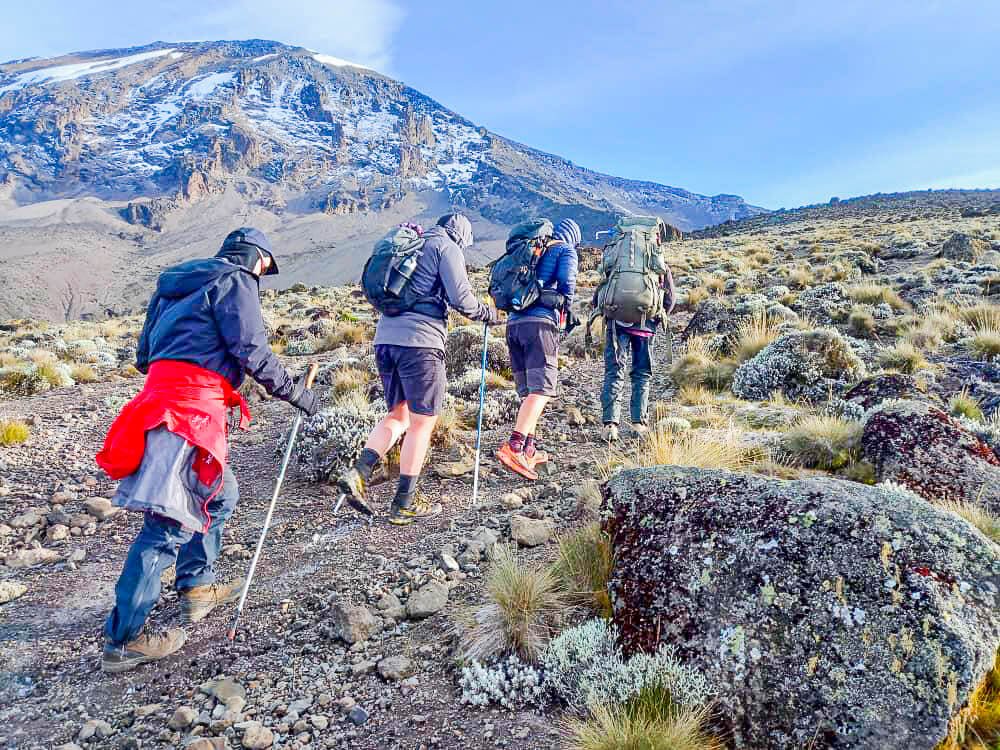
Understanding Your Kilimanjaro, Tanzania Trek: The Essentials
Mount Kilimanjaro, Africa’s highest peak and a UNESCO World Heritage Site, draws thousands of trekkers annually to Tanzania. It’s not a technical climb in the mountaineering sense, but its altitude and the sheer effort required make it a significant physical and mental challenge. Successfully summiting Uhuru Peak, at 5,895 meters (19,341 feet), is a monumental achievement. For many, the question of Kilimanjaro Tanzania trek planning begins with understanding the diverse routes available. Each offers a unique experience, affecting acclimatization, scenery, and overall difficulty. This guide aims to break down these complexities, offering practical insights for planning your 2026 or 2027 adventure.
Choosing the right Kilimanjaro Tanzania itinerary is crucial. It’s not just about reaching the summit; it’s about the journey. The duration, the path you take, and how well you acclimatize directly impact your chances of success and your enjoyment of the experience. We’ll explore the most popular routes, detailing their pros and cons, typical daily schedules, and what makes each one distinct. Furthermore, understanding the pricing structure is vital for budgeting your trip. We’ll explore what influences the cost of a Kilimanjaro climb, helping you make an informed decision when selecting a tour operator for your 2026-2027 expedition.
As an expert operator with deep roots in Tanzania, Climb 4 Africa understands the nuances of climbing Kilimanjaro. We focus on providing safe, well-supported expeditions that prioritize climber well-being and success. Our aim is to demystify the process, ensuring you have all the information needed to plan a memorable and rewarding Kilimanjaro Tanzania trek.
Key Considerations for Your Kilimanjaro Climb
- Route Choice: The single most important decision affecting duration, difficulty, and success rates.
- Duration: Longer routes generally offer better acclimatization and higher summit success.
- Operator Quality: Safety, guide experience, equipment, and food are paramount.
- Cost: Varies significantly based on inclusions and operator standards.
- Timing: Dry seasons are best, but shoulder seasons can offer fewer crowds.
- Physical Fitness: Essential preparation for the demanding altitude and terrain.
Kilimanjaro Trekking Routes: A Comparative Overview
The selection of a trekking route is perhaps the most critical decision a potential Kilimanjaro climber will make. Each of the main routes approaches the summit from a different direction, offering distinct landscapes, camping experiences, and, crucially, varying acclimatization profiles. The success rate for summiting Kilimanjaro is directly linked to the route’s length and how well it facilitates gradual acclimatization. Generally, longer routes (7-9 days) offer a significantly higher chance of reaching the peak compared to shorter ones (5-6 days).
Here, we detail the most frequently chosen routes for a Kilimanjaro Tanzania trek, highlighting their unique characteristics:
Machame Route: The Popular Choice
Often referred to as the “Whiskey Route” due to its challenging nature, the Machame Route is arguably the most popular and for good reason. It offers stunning scenery, diverse ecosystems, and excellent acclimatization due to its “climb high, sleep low” philosophy. It’s a camping-only route, providing an authentic wilderness experience.
- Duration: Typically 6 or 7 days. A 7-day itinerary is highly recommended for better acclimatization and a higher success rate.
- Start Point: Machame Gate (1,640m / 5,380 ft)
- End Point: Mweka Gate (1,640m / 5,380 ft)
- Scenery: Progresses through rainforest, moorland, heath, alpine desert, and arctic zones. Offers dramatic views of the Southern Circuit and often a glimpse of Shira Plateau.
- Acclimatization: Good, especially on the 7-day version, with opportunities for “climb high, sleep low.”
- Difficulty: Moderate to challenging. Steep ascents and descents, particularly on the “Barranco Wall.”
- Accommodation: Camping only.
- Pros: High success rates (especially 7-day), beautiful scenery, good acclimatization profile, well-established infrastructure.
- Cons: Can be crowded due to its popularity. The “Barranco Wall” can be intimidating for some.
Lemosho Route: The Scenic Gem
The Lemosho Route is celebrated for its impressive beauty and excellent acclimatization. It’s a longer, more remote option that begins in the west, traversing the Shira Plateau before joining the Machame Route. Its extended duration makes it one of the best routes for summit success, offering a more tranquil experience in the initial days.
- Duration: Typically 7, 8, or 9 days. 8 or 9 days are strongly recommended.
- Start Point: Lemosho Gate (2,100m / 6,890 ft)
- End Point: Mweka Gate (1,640m / 5,380 ft)
- Scenery: Starts in lush rainforest, offers panoramic views of the Shira Plateau, and passes through diverse vegetation zones. Often considered the most scenic route.
- Acclimatization: Excellent, due to its longer duration and “climb high, sleep low” opportunities.
- Difficulty: Moderate to challenging. Similar challenges to Machame after the routes converge.
- Accommodation: Camping only.
- Pros: High success rates, exceptional scenery, better acclimatization, less crowded in the initial days.
- Cons: Higher cost due to longer duration and additional park fees.
Marangu Route: The “Coca-Cola” Trail
The Marangu Route is the oldest and most established path up Kilimanjaro. It’s unique for being the only route that offers dormitory-style accommodation in huts, earning it the nickname “Coca-Cola Route.” While convenient, its shorter duration and “pole pole” (slowly, slowly) ascent profile mean it has a lower summit success rate compared to longer camping routes.
- Duration: Typically 5 or 6 days. A 6-day itinerary is recommended for better acclimatization.
- Start Point: Marangu Gate (1,860m / 6,100 ft)
- End Point: Marangu Gate (1,860m / 6,100 ft) – it’s a circular route.
- Scenery: Passes through rainforest, moorland, and alpine desert. The views are generally less varied and dramatic than on western routes.
- Acclimatization: Poorer compared to longer routes. The direct ascent and lack of “climb high, sleep low” make acclimatization difficult.
- Difficulty: Moderate. Less strenuous daily climbs but challenging due to rapid ascent and poor acclimatization.
- Accommodation: Huts only.
- Pros: Hut accommodation is more comfortable for some, slightly lower cost (due to shorter duration), easier descent.
- Cons: Lowest summit success rates, can be very crowded, less scenic than other routes.
Northern Circuit: The Longest and Highest
The Northern Circuit is the longest route on Kilimanjaro, circumnavigating the mountain’s northern slopes before joining the Marangu route for the final ascent. Its extended duration (9-10 days) provides the best acclimatization and therefore the highest success rates, along with incredible views and fewer crowds.
- Duration: Typically 9 or 10 days.
- Start Point: Lemosho Gate (2,100m / 6,890 ft)
- End Point: Mweka Gate (1,640m / 5,380 ft)
- Scenery: Offers panoramic views from all sides of the mountain, including the remote northern slopes.
- Acclimatization: Excellent, the best of all routes due to its length and the “climb high, sleep low” principle.
- Difficulty: Moderate, but the altitude and duration make it physically demanding.
- Accommodation: Camping only.
- Pros: Highest summit success rates, exceptional acclimatization, stunning and varied scenery, fewest crowds.
- Cons: Longest duration means it’s the most expensive route.
Other Routes: Rongai and Umbwe
While less common, the Rongai and Umbwe routes are also options for a Kilimanjaro Tanzania trek:
- Rongai Route: Approaches from the north, making it a good option during the rainy seasons as it receives less rainfall. It’s a 6 or 7-day trek, offering good scenery but a less optimal acclimatization profile than Lemosho or Machame. It’s a camping-only route.
- Umbwe Route: The shortest and most direct route, it is also the most challenging and steepest. It has very poor acclimatization and is only recommended for experienced, fit hikers who are already well-acclimatized. It has a very low success rate. It is a camping-only route, typically 5 or 6 days.
Choosing Your Route: A Practical Decision
For most trekkers aiming for a successful and enjoyable Kilimanjaro Tanzania trek in 2026 or 2027, we strongly recommend routes that offer 7 days or more. The Machame Route (7 days) and Lemosho Route (8 or 9 days) provide an excellent balance of scenery, acclimatization, and success rates. The Northern Circuit is the ultimate choice for those prioritizing acclimatization and a higher likelihood of summiting, with the trade-off being a longer duration and higher cost.
Typical Kilimanjaro Tanzania Itineraries: A Day-by-Day Look
Understanding the daily progression of a Kilimanjaro Tanzania trek is key to visualizing the journey. While specific timings and distances can vary slightly between operators and on-the-ground conditions, the general structure of the main routes remains consistent. Longer itineraries are always preferable for acclimatization.
Machame Route: 7-Day Itinerary Example
This popular 7-day itinerary offers a good balance for acclimatization and stunning views on your Kilimanjaro Tanzania trek.
| Day | Start Point | End Point | Altitude Gain | Approx. Trekking Time | Key Features |
|---|---|---|---|---|---|
| 1 | Machame Gate (1,640m) | Machame Camp (3,000m) | +1,360m | 5-7 hours | Rainforest trek, start of the ascent. |
| 2 | Machame Camp (3,000m) | Shira 2 Camp (3,850m) | +850m | 4-6 hours | Crossing moorland, views of Shira Plateau. |
| 3 | Shira 2 Camp (3,850m) | Barranco Camp (3,970m) | +120m (climb high to 4,200m) | 5-7 hours | Traverse towards the Southern Icefield, “climb high, sleep low.” |
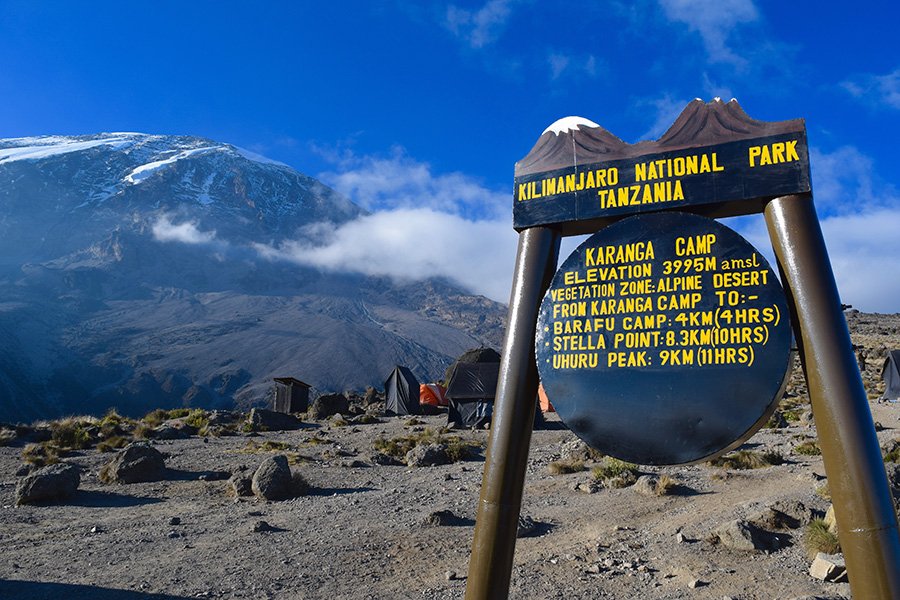
| 4 | Barranco Camp (3,970m) | Karanga Camp (4,035m) | +65m (steep climb of Barranco Wall) | 3-5 hours | Challenging Barranco Wall climb, scenic Karanga Valley. |
| 5 | Karanga Camp (4,035m) | Barafu Camp (4,650m) | +615m | 3-5 hours | Alpine desert, approaching the summit zone. |
| 6 | Barafu Camp (4,650m) | Uhuru Peak (5,895m) & Mweka Camp (3,100m) | +1,245m to summit, -2,795m to Mweka | 11-15 hours (round trip to summit) | Summit night! Steep ascent to Stella Point, then Uhuru Peak. Descend to Mweka Camp. |
| 7 | Mweka Camp (3,100m) | Mweka Gate (1,640m) | -1,460m | 3-5 hours | Final descent through rainforest. Celebration! |
Lemosho Route: 8-Day Itinerary Example
This extended 8-day itinerary enhances acclimatization, offering a more relaxed pace and increased summit chances for your Kilimanjaro Tanzania trek.
| Day | Start Point | End Point | Altitude Gain | Approx. Trekking Time | Key Features |
|---|---|---|---|---|---|
| 1 | Lemosho Gate (2,100m) | Mti Mkubwa Camp (2,800m) | +700m | 3-5 hours | Rainforest, scenic start. |
| 2 | Mti Mkubwa Camp (2,800m) | Shira 1 Camp (3,600m) | +800m | 5-7 hours | Crossing moorland, views of Shira Plateau. |
| 3 | Shira 1 Camp (3,600m) | Shira 2 Camp (3,850m) | +250m | 3-5 hours | Traversing the Shira Plateau. |
| 4 | Shira 2 Camp (3,850m) | Barranco Camp (3,970m) | +120m (climb high to 4,200m) | 5-7 hours | “Climb high, sleep low” on the approach to Barranco Wall. |
| 5 | Barranco Camp (3,970m) | Karanga Camp (4,035m) | +65m (climb Barranco Wall) | 3-5 hours | Challenging Barranco Wall climb, scenic views. |
| 6 | Karanga Camp (4,035m) | Barafu Camp (4,650m) | +615m | 3-5 hours | Approaching the summit zone in alpine desert. |
| 7 | Barafu Camp (4,650m) | Uhuru Peak (5,895m) & Kosovo Camp (4,900m) | +1,245m to summit, -995m to Kosovo | 11-15 hours (round trip to summit) | Summit night! Steep ascent to Stella Point, then Uhuru Peak. Descend to Kosovo Camp (or Mweka Camp). |
| 8 | Kosovo Camp (4,900m) or Mweka Camp (3,100m) | Mweka Gate (1,640m) | -1,740m (from Kosovo) or -1,460m (from Mweka) | 4-7 hours | Final descent through varied zones. Celebration! |
Marangu Route: 6-Day Itinerary Example
This 6-day itinerary is a common choice for those preferring hut accommodation, though acclimatization is less ideal for a Kilimanjaro Tanzania trek.
| Day | Start Point | End Point | Altitude Gain | Approx. Trekking Time | Key Features |
|---|---|---|---|---|---|
| 1 | Marangu Gate (1,860m) | Mandara Hut (2,700m) | +840m | 3-5 hours | Rainforest trek. |
| 2 | Mandara Hut (2,700m) | Horombo Hut (3,720m) | +1,020m | 5-7 hours | Transition to moorland, views of Kibo and Mawenzi peaks. |
| 3 | Horombo Hut (3,720m) | Mawenzi Peak (4,600m) & back to Horombo Hut | +880m (round trip to Mawenzi) | 4-6 hours | Acclimatization day, trek towards Mawenzi. |
| 4 | Horombo Hut (3,720m) | Kibo Hut (4,700m) | +980m | 4-6 hours | Entering the alpine desert, stark landscape. |
| 5 | Kibo Hut (4,700m) | Uhuru Peak (5,895m) & Horombo Hut (3,720m) | +1,195m to summit, -2,175m to Horombo | 10-16 hours (round trip to summit) | Summit night! Steep, challenging ascent to Gilman’s Point and Uhuru Peak. Descend to Horombo Hut. |
| 6 | Horombo Hut (3,720m) | Marangu Gate (1,860m) | -1,860m | 5-7 hours | Final descent through rainforest. Celebration! |
Northern Circuit: 9-Day Itinerary Example
For the ultimate acclimatization and scenery, the 9-day Northern Circuit offers an unparalleled Kilimanjaro Tanzania trek experience.
| Day | Start Point | End Point | Altitude Gain | Approx. Trekking Time | Key Features |
|---|---|---|---|---|---|
| 1 | Lemosho Gate (2,100m) | Mti Mkubwa Camp (2,800m) | +700m | 3-5 hours | Lush rainforest start. |
| 2 | Mti Mkubwa Camp (2,800m) | Shira 1 Camp (3,600m) | +800m | 5-7 hours | Crossing moorland, views of the Shira Plateau. |
| 3 | Shira 1 Camp (3,600m) | Shira 2 Camp (3,850m) | +250m | 3-5 hours | Traversing the Shira Plateau. |
| 4 | Shira 2 Camp (3,850m) | Lava Tower (4,600m) & Simba Camp (3,800m) | +750m to Lava Tower, -800m to Simba | 6-8 hours | “Climb high, sleep low” past Lava Tower, descent to camp. |
| 5 | Simba Camp (3,800m) | Throne Camp (4,600m) | +800m | 5-7 hours | Circumnavigating the northern slopes, unique views. |
| 6 | Throne Camp (4,600m) | School Hut (4,750m) | +150m | 3-5 hours | Approaching the main ascent zone. |
| 7 | School Hut (4,750m) | Uhuru Peak (5,895m) & Kibo South Camp (4,750m) | +1,145m to summit, -1,145m to Kibo South | 11-15 hours (round trip to summit) | Summit night! Steep ascent to Stella Point and Uhuru Peak. Descend to Kibo South Camp. |
| 8 | Kibo South Camp (4,750m) | Arrow Glacier Camp (4,800m) | +50m | 2-3 hours | A shorter day, offering a different perspective. |
| 9 | Arrow Glacier Camp (4,800m) | Mweka Gate (1,640m) | -3,160m | 8-10 hours | Long descent, bypassing Barafu Camp. Celebration! |
Kilimanjaro Tanzania Trekking Prices: What to Expect for 2026-2027
The cost of a Kilimanjaro Tanzania trek can vary significantly. It’s crucial to understand what drives these prices to ensure you’re getting good value for your money and, more importantly, a safe and well-supported expedition. Operators often use “per person” pricing, but group sizes can influence this. For 2026-2027, expect prices to reflect inflation and the increasing operational costs, but quality remains the most important factor.
Factors Influencing Kilimanjaro Trekking Prices:
- Route Length: Longer routes require more days in the park, incurring higher park fees, guide/porter wages, and food costs. A 7-day Machame climb will be more expensive than a 5-day Marangu.
- Operator’s Service Level: This is the most significant differentiator. High-quality operators invest in experienced guides (often with medical training), better quality tents and equipment, more food, better food preparation, higher porter wages, and comprehensive safety protocols (e.g., oxygen on standby). Budget operators often cut corners, which can compromise safety and comfort.
- Group Size: Private climbs are always more expensive per person than shared or group departures. Shared climbs can offer cost savings if you join a pre-scheduled group.
- Inclusions: What is included in the price? Most reputable operators will include park fees, accommodation on the mountain, all meals on the mountain, guide and porter fees, rescue fees, and a transfer from/to the airport or hotel in Moshi/Arusha. Exclusions often include flights, visa fees, travel insurance, pre- and post-climb accommodation, personal gear rental, tips for the crew, and beverages.
- Time of Year: While Kilimanjaro can be climbed year-round, peak seasons (January-March and June-October) may see slightly higher prices due to demand.
Typical Price Ranges for a Kilimanjaro Climb (2026-2027)
These are approximate ranges and can fluctuate. Always request a detailed quote.
- Budget Operators: $1,500 – $2,000 per person. Often involves basic equipment, potentially lower guide-to-client ratios, and minimal inclusions. Use extreme caution; safety can be compromised.
- Mid-Range Operators: $2,000 – $3,000 per person. Good balance of quality and value. Reliable equipment, experienced guides, good food, and decent safety measures. This is where most reputable operators fall.
- Premium/Luxury Operators: $3,000 – $4,500+ per person. Highest quality equipment, most experienced guides, exceptional food, comprehensive safety systems (e.g., portable oxygen for all clients), smaller group sizes, and often extra comforts.
Note: These prices are for the climb itself. Additional costs include international flights, visas, travel insurance, accommodation before/after the climb, gear rental (e.g., sleeping bags, trekking poles), and tips for the crew (which can be significant, often $200-$400 per trekker).
When comparing prices for your Kilimanjaro Tanzania trek in 2026-2027, look beyond the bottom line. A slightly higher price for a reputable operator is a worthwhile investment in your safety, comfort, and chances of summit success. Always check what is included and excluded, and read reviews carefully.
Preparing for Your Kilimanjaro Tanzania Trek
A successful Kilimanjaro Tanzania trek requires more than just booking a tour. Thorough preparation is key. This involves physical training, mental readiness, and packing the right gear.
Physical Training: Building Your Stamina
Kilimanjaro is a high-altitude trek, not a technical climb, but the sustained effort and altitude demand excellent cardiovascular fitness. Focus on:
- Cardiovascular Endurance: Regular activities like hiking, running, cycling, or swimming for at least 3-4 times a week.
- Hiking with a Pack: Practice hiking for several hours at a time, preferably on varied terrain, wearing the backpack you intend to use.
- Strength Training: Focus on leg strength (squats, lunges) and core strength.
- Altitude Simulation (if possible): If you live at sea level, try to spend a few days at a higher altitude before your trek, or use altitude training masks if available, though their effectiveness is debated.
Start your training at least 3-6 months before your planned Kilimanjaro Tanzania trek in 2026 or 2027.
Mental Preparation: The Summit Mindset
The altitude can significantly affect your mood and judgment. Staying positive, focused, and committed is crucial. Embrace the “pole pole” pace, understand that summit night is a mental battle as much as a physical one, and trust your guides.
Gear and Packing: Essential Items
Proper gear is vital for comfort and safety. Layering is key to managing temperature changes. Your operator will provide a detailed packing list, but essentials include:
- Clothing: Moisture-wicking base layers, warm mid-layers (fleece), waterproof and windproof outer shell (jacket and trousers), insulated down jacket for summit night, hiking trousers, thermal underwear.
- Footwear: Broken-in waterproof hiking boots, camp shoes, warm socks (wool or synthetic).
- Headwear: Warm hat, sun hat, balaclava or warm scarf for summit night.
- Handwear: Warm, waterproof gloves and liner gloves.
- Sleeping: A warm sleeping bag (rated to -15°C to -20°C), sleeping bag liner.
- Trekking Poles: Highly recommended for stability and reducing strain on knees.
- Backpack: A comfortable daypack (30-40L) for essentials, and a larger duffel bag (80-100L) for porters.
- Health & Safety: Personal first-aid kit, high-SPF sunscreen, lip balm, sunglasses, headlamp with extra batteries, water bottles or hydration reservoir (at least 3L capacity), water purification tablets or filter.
- Documents: Passport, visa, travel insurance details, vaccination certificates.
What to Pack: A Quick Checklist
Your Kilimanjaro Tanzania trek packing list should prioritize warmth, waterproofing, and comfort. Always consult your tour operator for their specific recommendations. Remember to break in all new footwear before your trek!
Safety and Acclimatization on Kilimanjaro
Safety and proper acclimatization are non-negotiable for a successful Kilimanjaro Tanzania trek. Altitude sickness (Acute Mountain Sickness – AMS) is the primary concern. Understanding its symptoms and prevention is vital.
Understanding Altitude Sickness (AMS)
AMS can affect anyone, regardless of fitness level. Symptoms include headache, nausea, dizziness, fatigue, and shortness of breath. More severe forms include High Altitude Cerebral Edema (HACE) and High Altitude Pulmonary Edema (HAPE), which are life-threatening.
Key Principles for Acclimatization:
- Go Slow: “Pole pole” (slowly, slowly) is the mantra. Walk at a pace that allows you to hold a conversation.
- Hydrate: Drink plenty of water (3-4 liters per day). Dehydration exacerbates AMS symptoms.
- Eat Well: Maintain energy levels with balanced meals.
- Avoid Alcohol and Smoking: These hinder acclimatization.
- Ascend Gradually: Longer routes (7+ days) are designed for better acclimatization.
- “Climb High, Sleep Low”: Ascending to a higher altitude during the day and descending to a lower camp to sleep helps your body adapt.
- Monitor Symptoms: Be honest with yourself and your guides about how you feel.
The Role of Guides and Porters
Your guides are trained to monitor climbers for AMS. They will assess your condition daily and make critical decisions regarding your ascent. Porters are essential for carrying gear, but they are not medical staff. Trust your guides’ expertise; they are responsible for your safety on the Kilimanjaro Tanzania trek.
Emergency Procedures and Rescue
Reputable operators include rescue fees in their pricing. This often covers evacuation by stretcher and transport to a hospital in Moshi or Arusha in case of a serious medical emergency. Portable oxygen and a comprehensive medical kit should be standard on all climbs.
Your Safety is Paramount
Never push yourself beyond your limits on Kilimanjaro. Communicate any symptoms of altitude sickness to your guide immediately. Choosing a reputable operator for your 2026-2027 Kilimanjaro Tanzania trek is the first step to ensuring your safety.
Booking Your Kilimanjaro Tanzania Trek: What to Look For
Selecting the right tour operator is as important as choosing your route for a successful Kilimanjaro Tanzania trek. Here’s what to consider when booking your 2026 or 2027 expedition:
- Reputation and Reviews: Look for operators with consistently positive reviews on platforms like TripAdvisor. Check for mentions of safety, guide quality, and overall experience.
- Experience and Local Knowledge: Operators with extensive experience in Tanzania and a strong local presence often provide better support and understand the mountain intimately.
- Safety Standards: Inquire about their safety protocols, guide training (wilderness first responder certifications), availability of oxygen, and emergency evacuation plans.
- Inclusions and Exclusions: Ensure the quote clearly details what is covered (park fees, meals, guides, porters, rescue, transfers) and what is not (flights, visa, insurance, tips, gear rental).
- Ethics and Porter Welfare: A responsible operator treats their porters well, paying fair wages and ensuring they have adequate food and equipment.
- Communication: The operator should be responsive and provide clear, detailed information.
Climb 4 Africa is committed to providing exceptional Kilimanjaro climbing experiences. We pride ourselves on our experienced local guides, adherence to strict safety standards, and fair treatment of our crew. We understand the nuances of the mountain and tailor each Kilimanjaro Tanzania trek to maximize your chances of success while ensuring a memorable journey.
Planning Your 2026-2027 Kilimanjaro Adventure
Booking your Kilimanjaro climb well in advance is advisable, especially for popular routes and peak seasons in 2026 and 2027. Early booking allows you to secure your preferred dates and routes, and gives you ample time for physical preparation.
To start planning your unforgettable Kilimanjaro Tanzania trek, reach out to our expert team. We can help you select the best route based on your fitness, experience, and preferences, and provide a detailed, transparent quote. Whether you’re looking for a challenging adventure or a more comfortable ascent, we are here to guide you every step of the way.
For personalized advice and to discuss your Kilimanjaro Tanzania trek for 2026-2027, please contact us:
- WhatsApp: +255 747 477 898
- Email: climb4africa@gmail.com
We look forward to helping you achieve your Kilimanjaro dream!
Check Availability for Kilimanjaro Tanzania: Trekking Routes, Itineraries, And Pricing Guide
Ready to compare dates, prices, and the best option for your group? Send the package name and travel month so the team can reply with a clear quote, availability, and what is included.
What To Expect On Your First Kilimanjaro Trek: A Comprehensive Guide 2026-2027
Planning your first climb up Kilimanjaro? This comprehensive guide covers everything you need to know, from choosing a route and preparing your body to what daily life on the mountain is...
View package detailsKilimanjaro Climb Machame Route : Expert Guide For Your Trek 2026-2027
Discover the ultimate guide to climbing Mount Kilimanjaro via the Machame Route for your 2026 or 2027 adventure. This comprehensive resource covers everything from choosing an itinerary and...
View package details
Trek Mont Meru 4 Jours: Your Complete Guide 2026-2027
start a 4-day trek up Mount Meru, a challenging yet rewarding climb near Kilimanjaro. This guide covers routes, preparation, gear, and essential tips for your 2026-2027 expedition.
View package details
Trekking Monte Meru Tanzania: Precios, Ruta Y Consejos 2026-2027
Trekking Monte Meru Tanzania: precios, ruta y consejos is explained with current 2026-2027 planning, price, itinerary and booking information.
View package details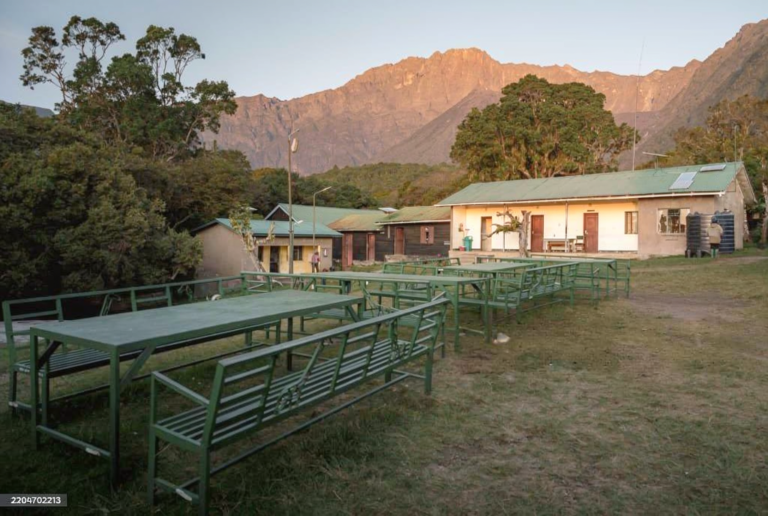
Mount Meru Trekking 3 Tage: Your Essential Planning Guide 2026-2027
A comprehensive guide to the 3-day Mount Meru trek, covering essential planning details for 2026-2027, including routes, preparation, what to expect, and booking advice.
View package details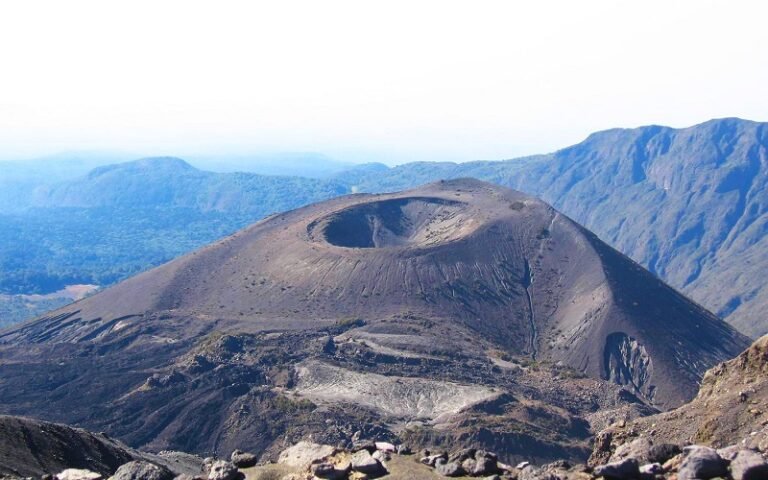
Mount Meru Trekking Ab Arusha 2026-2027
Mount Meru Trekking ab Arusha is explained with current 2026-2027 planning, price, itinerary and booking information.
View package detailsTrekking Monte Meru Desde Arusha: Your Ultimate Guide For 2026-2027
Your comprehensive guide to trekking Mount Meru from Arusha, covering everything from route options and difficulty to essential preparation and booking advice for climbs in 2026-2027.
View package details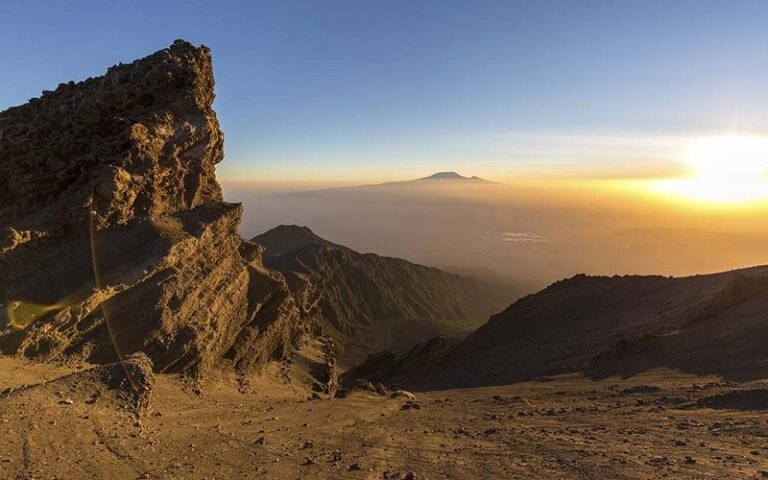
Monte Meru Y Kilimanjaro: Trekking En Tanzania 2026-2027
Discover the ultimate trekking experience in Tanzania by combining Mount Meru and Mount Kilimanjaro. This comprehensive guide covers everything from route selection and preparation to...
View package details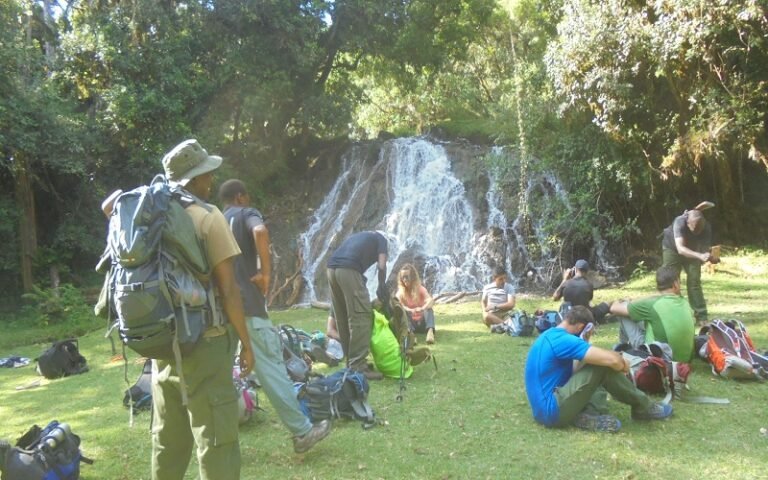
Precio Trekking Monte Meru: ¿Cuánto Cuesta Tu Aventura En ? 2026-2027
Planifica tu aventura en el Monte Meru conociendo los costos detallados. Explora las opciones de rutas, duraciones y lo que influye en el precio para tu expedición 2026-2027.
View package details
Trekking Monte Meru 4 Días 2026-2027
Trekking Monte Meru 4 días is explained with current 2026-2027 planning, price, itinerary and booking information.
View package detailsTrekking Monte Meru 3 Días 2026-2027
Trekking Monte Meru 3 días is explained with current 2026-2027 planning, price, itinerary and booking information.
View package detailsMonte Meru Tanzania Trekking From Arusha: Your Essential Guide 2026-2027
start a trek up Mount Meru from Arusha, Tanzania's stunning dormant volcano. This guide covers everything from routes and difficulty to preparation and best times to go for your 2026-2027...
View package detailsNo related package matches those filters. Clear one or more filters to see the other topic-matched options.



