Joining a small safari group in Tanzania is an excellent way to experience incredible wildlife and landscapes more affordably than a private tour. Your main options involve booking onto pre-scheduled group departures offered by tour operators, where you share a vehicle and guide with other travelers, or looking for existing groups to join. These shared safaris typically run on fixed dates for popular itineraries, allowing you to split costs while still enjoying a rich, guided adventure, with many operators planning departures well into 2026 and 2027.
If you’re planning a trip to Tanzania and the idea of a private safari feels a bit too exclusive or outside your budget, focusing on small group options is a smart move. It’s a common and practical way to explore the wonders of places like the Serengeti, Ngorongoro Crater, and Tarangire National Park without shouldering the full cost of a dedicated vehicle and guide. Many travelers find that the camaraderie and shared experiences within a small group actually enhance their safari adventure.
Understanding Small Safari Group Travel in Tanzania
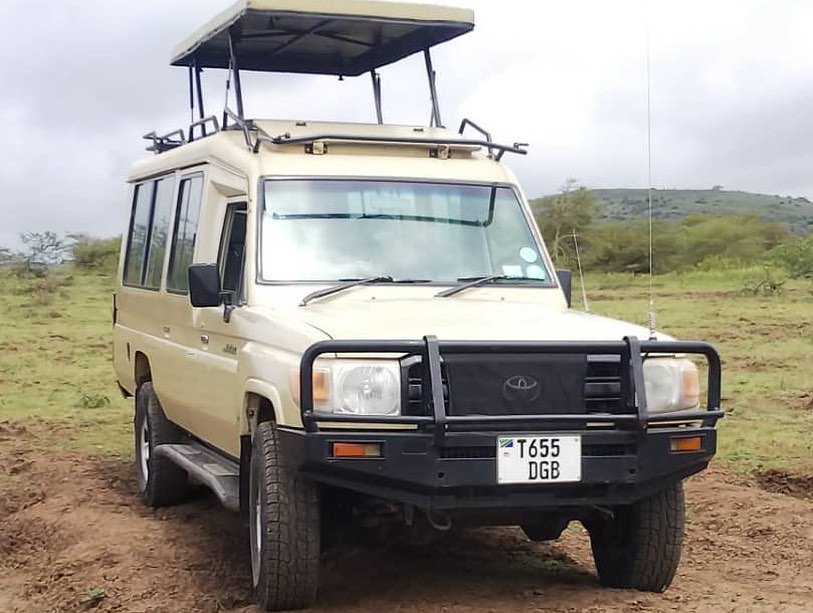
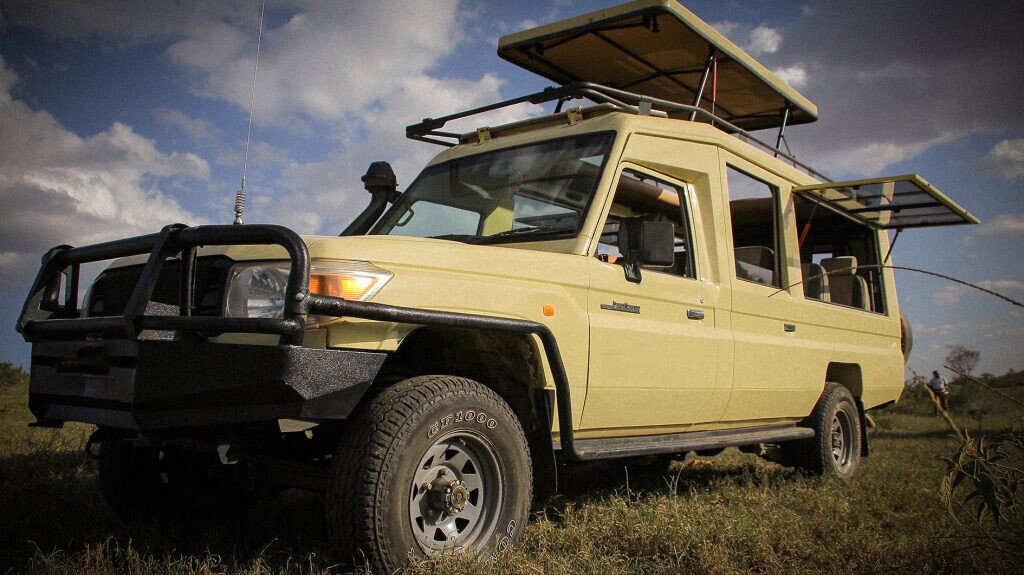
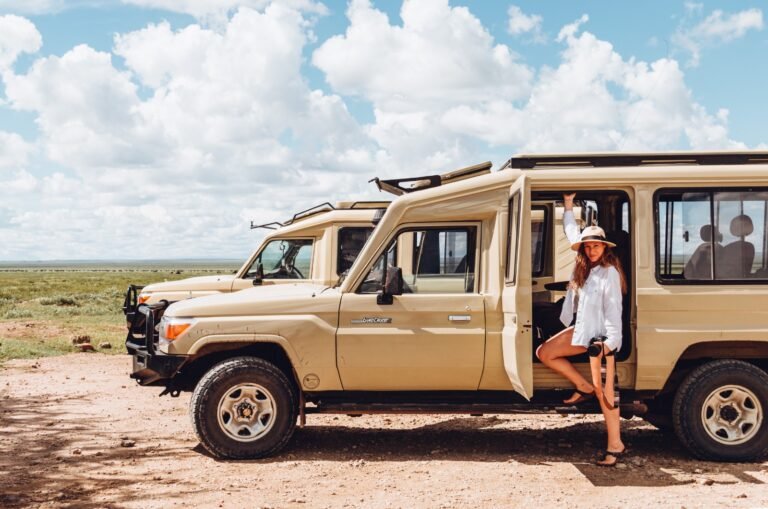
When we talk about a “small safari group,” we’re generally referring to a tour where you’ll be sharing a safari vehicle, and often a guide, with a handful of other travelers. This isn’t about large, impersonal bus tours; typically, these groups range from 4 to 7 people, ensuring a comfortable and intimate experience. The vehicle used is usually a custom-built 4×4 safari cruiser with pop-up roofs, providing excellent viewing opportunities for everyone. The primary appeal of joining a small group is the significant cost saving compared to a private safari. By dividing the expenses of the vehicle, guide, fuel, and park fees among more people, the per-person cost drops considerably.
Beyond the financial benefits, small group safaris foster a unique social dynamic. You’ll meet like-minded individuals from around the world, sharing stories, spotting wildlife, and creating lasting memories together. This can be particularly appealing for solo travelers or couples looking for companionship and a more social travel experience. The itinerary for these group departures is usually set, covering the most iconic parks and attractions. While there might be less flexibility than on a private tour, the routes are well-trodden for a reason, offering a comprehensive introduction to Tanzania’s wildlife highlights. Operators like Climb 4 Africa often schedule these group departures months, or even years, in advance, making it feasible to plan for 2026 and 2027 trips.
What Defines a “Small” Safari Group?
The definition of “small” can vary slightly between operators, but generally, it means a group size that allows for comfortable seating in a single safari vehicle and ensures everyone gets good views. For most Tanzania safaris, this means a maximum of 6 to 7 passengers per vehicle. This size is ideal because it allows for two people per row of seating, providing ample space and avoiding the feeling of being cramped. It also means that when the vehicle is parked at a prime wildlife viewing spot, everyone has an unobstructed view from the pop-up roof. Some operators might offer slightly larger vehicles that can accommodate up to 9 passengers, but these are less common for truly “small” group experiences.
The key is that the group size is managed to maintain an intimate and personal feel. You’re not just a number; you’re part of a small expedition. This is in stark contrast to larger bus tours that might operate in other destinations. In Tanzania, the focus remains on quality viewing and personal interaction with your guide and fellow travelers. When comparing options for 2026 or 2027, always check the stated maximum group size for the specific tour you’re considering.
Benefits of Small Group Safari Travel
The advantages of opting for a small group safari are numerous:
- Cost-Effectiveness: This is often the primary driver. Sharing costs significantly reduces the per-person price, making a Tanzania safari accessible to a wider range of budgets.
- Social Interaction: Traveling with others provides opportunities to share the excitement of wildlife sightings, exchange stories, and forge new friendships. It’s a great option for solo travelers who want company without the need to organize their own group.
- Expert Guidance: Even in a group, you still benefit from an experienced safari guide who knows the parks, animal behavior, and optimal viewing locations.
- Logistical Simplicity: The tour operator handles all the planning, accommodation bookings, vehicle arrangements, and park entries, making the process stress-free for you.
- Environmental Consideration: Smaller groups generally have a lower environmental impact than larger ones.
- Access to Popular Itineraries: Group departures are often designed around classic, highly rewarding safari circuits, ensuring you see the best of Tanzania’s wildlife.
For travelers looking at 2026 or 2027 trips, these benefits remain consistent, offering a reliable and enjoyable way to explore. The social aspect can be particularly valuable for those who might otherwise feel isolated on a solo journey.
Types of Small Safari Group Options
When you decide to join a small safari group, you’ll typically encounter a few distinct models. Understanding these will help you choose the one that best suits your travel style and preferences. The most common is the pre-scheduled departure, but there are other ways to form or join groups.
1. Scheduled Group Departures (Fixed Dates)
This is the most prevalent model. Tour operators, like Climb 4 Africa, set specific dates for their group safaris, often for popular routes and durations. These departures are advertised well in advance, allowing travelers to book their spot. If you see a departure date that works for your 2026 or 2027 travel plans, you can sign up. The operator then fills the remaining spots until the vehicle is full or reaches its minimum group size. These tours have a fixed itinerary, and while minor adjustments might be possible, the core route is set.
Who it suits: Solo travelers, couples, friends, or families who are flexible with their travel dates and want a cost-effective, structured safari experience. It’s ideal for those who enjoy meeting new people and prefer a set itinerary that covers the highlights.
Trade-offs: Less flexibility in itinerary and pace compared to a private tour. You’ll need to adhere to the set departure dates and potentially share decision-making on minor stops with group members.
Booking Considerations: These are usually listed on operator websites with specific dates. Availability can be a factor, especially for peak seasons in 2026 and 2027, so booking early is advisable. You can often find these advertised as “shared departures” or “guaranteed departures.” For example, you might see a 7-day Northern Circuit Safari departing on the first Saturday of every month.
You can explore examples of these on the Climb 4 Africa website, which often lists available group departure dates for various safaris throughout the year: Tanzania Safaris Group Departures.
2. Custom Group Formation
This option is for travelers who have a specific itinerary, dates, and a minimum number of people (e.g., 4) but want to open it up to others to reduce costs. You might have a group of 4 friends who want to travel, but instead of booking a private 4-person safari, you could propose to a tour operator that you’d like to form a group of 6 or 7 and open the remaining spots to other travelers. The operator would then advertise this “custom group” to their network, and if enough people join, the cost per person for everyone (including your initial group) decreases.
Who it suits: Travelers who have a core group but are open to adding more people to share costs. It offers a blend of control over the initial planning and the financial benefits of a larger group.
Trade-offs: Requires a bit more coordination upfront. You’re relying on the operator’s ability to attract additional travelers to fill the remaining seats, which isn’t always guaranteed, especially for less common itineraries or dates in 2026 or 2027.
Booking Considerations: Discuss this possibility with your chosen tour operator. They can help you set up a specific group departure and market it. You’ll need to agree on the terms, including what happens if the minimum group size isn’t met.
3. Joining an Existing Group (Less Common)
Sometimes, tour operators might have a group that’s close to its minimum number but still needs a few more people to guarantee a departure. They might then advertise these “last-minute” spots to attract individual travelers. This is less of a structured option and more opportunistic. You might find these advertised as “last chance” or “guaranteed to run” departures where a few spots remain.
Who it suits: Travelers who are flexible and looking for a good deal, potentially on shorter notice, and don’t mind joining a group that’s already partially formed.
Trade-offs: Limited choice of itineraries and dates. You have very little say in the group composition or any minor itinerary decisions.
Booking Considerations: Keep an eye on operator websites or subscribe to their newsletters for last-minute offers. This can be a good strategy for budget-conscious travelers aiming for 2026 or 2027 trips if they can be flexible.
Popular Safari Routes for Small Groups
Most scheduled small group safaris in Tanzania focus on the renowned Northern Circuit. This is for good reason: it offers an incredible concentration and variety of wildlife, iconic landscapes, and well-established infrastructure for tourism. These routes are popular because they are logistically sound and deliver exceptional safari experiences, making them ideal for group departures.
The Classic Northern Circuit
This is the quintessential Tanzanian safari experience and the most common route for group tours. It typically includes:
- Tarangire National Park: Famous for its large elephant herds and iconic baobab trees.
- Lake Manyara National Park: Known for its tree-climbing lions, diverse birdlife, and scenic lake.
- Ngorongoro Conservation Area (and Crater): A UNESCO World Heritage Site, the crater floor is a natural amphitheater teeming with wildlife, including the Big Five.
- Serengeti National Park: Vast plains offering unparalleled wildlife viewing, especially during the Great Migration (timing is key).
Group safaris usually range from 5 to 8 days to cover these parks adequately. A 7-day Northern Circuit safari is a very popular choice for group departures, offering a balanced experience.
Variations and Add-ons
Some group tours might extend their reach or offer optional add-ons:
- Lake Natron: For those interested in seeing flamingos and the dramatic landscapes.
- Mkomazi National Park: A growing rhino sanctuary.
- Cultural Tours: Visits to Maasai villages or local communities can sometimes be incorporated.
For travelers planning for 2026 or 2027, these classic routes offer the most reliable and well-established group departure schedules. Operators have years of experience running these itineraries, ensuring smooth logistics and maximizing wildlife viewing opportunities.
Example Itinerary Structure (7-Day Northern Circuit Group Safari)
A typical 7-day group safari might look something like this:
- Day 1: Arrive Kilimanjaro International Airport (JRO), transfer to Arusha.
- Day 2: Arusha to Tarangire National Park, game drive.
- Day 3: Tarangire to Karatu (near Ngorongoro), visiting Lake Manyara en route.
- Day 4: Ngorongoro Crater game drive.
- Day 5: Karatu to Serengeti National Park (Central), game drive.
- Day 6: Serengeti National Park (full day game drive).
- Day 7: Serengeti to Arusha, transfer to airport for departure.
This structure is common for small group safaris, and operators will often have multiple departures throughout 2026 and 2027 based on this or similar formats. You can find more details on typical itineraries on sites like Climb 4 Africa’s safari pages.
Planning Your Small Group Safari
Successfully joining a small group safari requires a bit of planning, especially if you’re aiming for specific dates in 2026 or 2027. Understanding the booking process, what’s typically included, and how to choose the right operator is crucial.
Choosing the Right Tour Operator
Selecting a reputable tour operator is paramount for a successful group safari. Look for companies with:
- Local Expertise: Operators based in Tanzania or with strong local partnerships (like Climb 4 Africa) often have better insights, support, and pricing.
- Positive Reviews: Check independent review sites like TripAdvisor. Look for consistent feedback on guides, vehicles, accommodation, and overall organization. A review for Climb 4 Africa on TripAdvisor highlights positive experiences: TripAdvisor Review Example.
- Clear Communication: They should be responsive to your inquiries and provide detailed information about their group departures.
- Well-Defined Itineraries: The tour package should clearly outline the parks visited, duration, accommodation types, and inclusions/exclusions.
- Safety Standards: Ensure they adhere to safety protocols for vehicles and wildlife viewing.
Climb 4 Africa, for instance, focuses on providing practical local support and expert guidance for both Kilimanjaro climbs and safaris, making them a strong choice for group departures.
Booking Window and Availability
For popular group departure dates, especially during peak seasons (June-October and December-February) in 2026 and 2027, booking 6-12 months in advance is often recommended. Shoulder seasons might offer more flexibility, but popular routes fill up. If you have specific dates in mind, inquire as early as possible.
Tip: If you’re flexible, you might find last-minute availability on less popular dates or during the low season (March-May, excluding Easter). However, for a planned trip in 2026 or 2027, proactive booking is key.
What’s Typically Included?
While inclusions can vary, a standard small group safari package generally covers:
- Accommodation: Typically mid-range lodges or tented camps. Some operators offer budget camping options or higher-end lodge upgrades.
- Safari Vehicle: A 4×4 safari vehicle with a pop-up roof, driven by a professional guide.
- Park Fees: Entrance fees to all national parks and conservation areas mentioned in the itinerary.
- Game Drives: All scheduled game drives.
- Meals: Usually full board (breakfast, lunch, dinner) while on safari.
- Water: Bottled drinking water in the vehicle.
- Transfers: Airport transfers upon arrival and departure, and transfers between Arusha and the parks.
What’s Often Excluded:
- International flights
- Visa fees
- Travel insurance (mandatory for most operators)
- Gratuities for guide and lodge staff
- Personal expenses (souvenirs, laundry, drinks other than water)
- Optional activities (e.g., hot air balloon safari)
Always review the detailed inclusions and exclusions list provided by the tour operator. This is critical for budgeting and avoiding surprises, especially for trips planned for 2026 or 2027.
Costs and Budgeting for Group Safaris
Small group safaris are significantly more budget-friendly than private ones. For a mid-range 7-day Northern Circuit group safari, you might expect costs to range from approximately $1,800 to $3,000 per person. This can fluctuate based on the season (high season is more expensive), the level of accommodation (budget camping vs. mid-range lodges vs. luxury camps), and the specific operator’s inclusions.
Factors influencing cost:
- Duration: Longer safaris naturally cost more.
- Parks visited: Some parks, like the Serengeti and Ngorongoro, have higher entrance fees.
- Accommodation standard: This is often the biggest variable.
- Season: Peak seasons (dry months) command higher prices.
- Group size: While it’s a group tour, the base cost of parks and vehicles is divided by the number of people. A tour that runs with 6 people will be cheaper per person than one running with 4.
When planning for 2026 or 2027, keep these cost factors in mind. It’s wise to get quotes from a few reputable operators and compare what’s included. Remember to factor in the cost of international flights, visas, and tips, which are usually additional.
Visa and Health Requirements
Ensure you have the necessary visa for Tanzania. Many nationalities can obtain a visa on arrival, but it’s often easier and sometimes cheaper to apply online in advance. Check the latest requirements for your nationality well before your 2026 or 2027 trip. Similarly, consult your doctor or a travel clinic about recommended vaccinations and malaria precautions for Tanzania.
Pros and Cons of Joining a Small Group Safari
Deciding between a private and a small group safari involves weighing different priorities. While group travel offers distinct advantages, it also comes with certain trade-offs.
Advantages of Small Group Safaris
We’ve touched on these, but let’s reiterate the key positives:
- Affordability: The most significant advantage, making incredible destinations accessible.
- Social Aspect: Excellent for solo travelers and those who enjoy a shared experience. The energy of a group can be infectious.
- Structured Itinerary: Removes the planning burden and ensures you visit the most popular and rewarding locations.
- Environmental Footprint: A more sustainable choice per person than a private safari.
- Guaranteed Departures: Operators often guarantee departures once a minimum number of bookings is reached, providing certainty for your 2026 or 2027 plans.
Disadvantages of Small Group Safaris
It’s important to be aware of the potential downsides:
- Less Flexibility: You cannot dictate the pace or make spontaneous detours. The itinerary is generally fixed.
- Shared Vehicle: While usually comfortable, you are sharing space with others. This means compromising on stops or the amount of time spent at sightings if opinions differ within the group.
- Group Dynamics: While often positive, you could end up with incompatible personalities in your group, which can affect the experience.
- Fixed Schedule: You must adhere to the group’s schedule for meals, drives, and departures. Early morning starts are common.
- Limited Customization: You can’t easily add personal interests or alter the route to suit specific wildlife interests.
For many, the cost savings and social benefits far outweigh the limitations, especially for a first-time safari in Tanzania. The key is to manage expectations and understand what you are signing up for.
When to Go: Best Times for Group Safaris in 2026-2027
Tanzania offers fantastic safari opportunities year-round, but certain periods are more popular for group departures due to wildlife movements and weather patterns. Understanding these can help you choose the best time for your 2026 or 2027 trip.
Peak Seasons (Higher Prices, More Crowds)
- June to October: This is the dry season. Wildlife congregates around water sources, making sightings reliable. It’s also the time for the Great Migration river crossings in the Serengeti (typically July-September). This is prime time for group safaris, meaning higher prices and more vehicles in popular areas.
- December to February: This is the short dry season and also calving season in the southern Serengeti. It’s another popular time, especially around the holidays, leading to higher demand and costs for group tours.
Shoulder Seasons (Good Value, Fewer Crowds)
- November: The “short rains” usually start, but they are often brief and don’t significantly disrupt game viewing. It can be a good time for birdwatchers and offers lush landscapes.
- March to May: The “long rains” typically occur during this period. While game viewing is still possible, especially in the Serengeti, there can be heavier rainfall, muddy tracks, and some camps may close. Prices are generally lower, and you’ll encounter fewer tourists, making it an excellent value for group safaris if you’re prepared for potential rain.
For 2026 and 2027, booking during the shoulder seasons can offer a great balance of good wildlife viewing and better value for group departures. However, if witnessing the Great Migration river crossings is a priority, aim for July-September.
Maximizing Your Small Group Safari Experience
Even within the structure of a group tour, there are ways to enhance your experience and ensure you get the most out of your Tanzanian adventure.
Communication with Your Guide
Your safari guide is your key to unlocking the wildlife. Don’t hesitate to communicate your interests. If you’re particularly keen on seeing a specific animal or learning about the flora, let them know. Guides are usually very accommodating and will try to incorporate your interests if feasible within the group’s itinerary and schedule. For instance, if the group is collectively interested in birdlife, the guide might spend a little extra time in areas known for diverse avian species.
Respecting Group Etiquette
Traveling in a group means being considerate of others. This includes:
- Being Punctual: Adhere to meeting times for departures, meals, and game drives.
- Minimizing Noise: Keep conversations at a reasonable volume, especially during game drives, to avoid disturbing wildlife and fellow travelers.
- Sharing Viewing Time: Be patient when waiting for everyone to get a good look at an animal. Avoid hogging the best vantage points.
- Respecting Decisions: While you can voice preferences, understand that group decisions or the guide’s expertise will ultimately guide the tour.
Packing Smartly
Pack light, neutral-colored clothing (khaki, olive green, beige). Avoid bright colors and dark blue/black, which can attract insects or startle animals. Essential items include:
- Binoculars
- Camera with extra batteries and memory cards
- Sunscreen, hat, sunglasses
- Insect repellent
- Comfortable walking shoes
- Light jacket or fleece for cooler mornings/evenings
- Personal first-aid kit
Most operators provide a soft duffel bag for your main luggage, as hard suitcases can be difficult to store in safari vehicles. Check the specific luggage allowance with your operator.
Leveraging Operator Support
Reputable operators like Climb 4 Africa are there to assist you throughout the planning process and during your safari. If you have questions about visa requirements, packing, health, or even specific wildlife interests for your 2026 or 2027 trip, reach out to them. Their expertise can significantly smooth your journey.
Booking Your Small Group Safari with Climb 4 Africa
Choosing to join a small group safari is a fantastic decision for experiencing Tanzania’s wonders. For those looking to plan their adventure for 2026 or 2027, partnering with an experienced and locally-grounded operator is key. Climb 4 Africa specializes in creating memorable safari experiences, offering both scheduled group departures and the flexibility to tailor aspects of your trip.
When you’re ready to explore your options for joining a small safari group, consider reaching out to Climb 4 Africa. They can provide detailed information on upcoming group departures, help you understand the inclusions and costs for various itineraries, and guide you through the booking process. Whether you’re a solo traveler looking for companionship or a couple wanting to make your safari more affordable, their team can assist you in finding the perfect shared adventure.
To discuss available group departures for 2026 or 2027, inquire about custom group formations, or simply get more information, don’t hesitate to contact them:
- WhatsApp: +255 747 477 898
- Email: climb4africa@gmail.com
They can help you navigate the choices and ensure your safari is well-planned and unforgettable. Explore their offerings and take the first step towards your Tanzanian wildlife adventure.
Check Availability for Joining A Small Safari Group: Your Options For Shared Tanzania Adventures
Ready to compare dates, prices, and the best option for your group? Send the package name and travel month so the team can reply with a clear quote, availability, and what is included.
Dec 20, – 10 Day Complete Tanzania Group Joining Safari
Dec 20, 2026 – 10 Day Complete Tanzania Group Joining Safari.
View package details
Dec 22, – 3 Day Nyerere Group Joining Safari
Dec 22, 2026 – 3 Day Nyerere Group Joining Safari.
View package details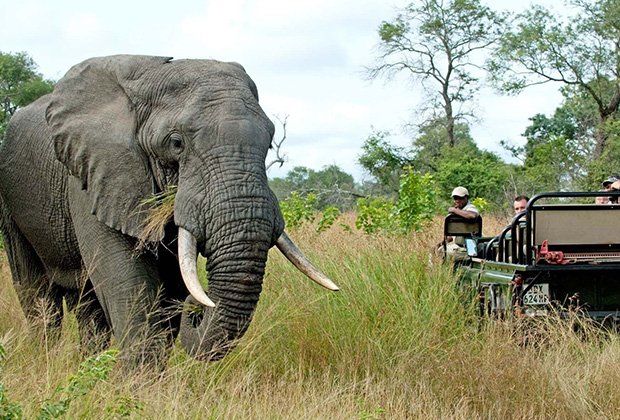
I Am On A Budget—What Is The Cheapest Serengeti Group Safari?
I Am on a Budget—What Is the Cheapest Serengeti Group Safari?
View package details
Dec 30, – 7 Day New Year Tanzania Group Joining Safari 2026
A complete guide to our 7-day group joining safari for the 2026/2027 New Year season, covering the Northern Circuit, wildlife expectations, and how to secure your spot.
View package details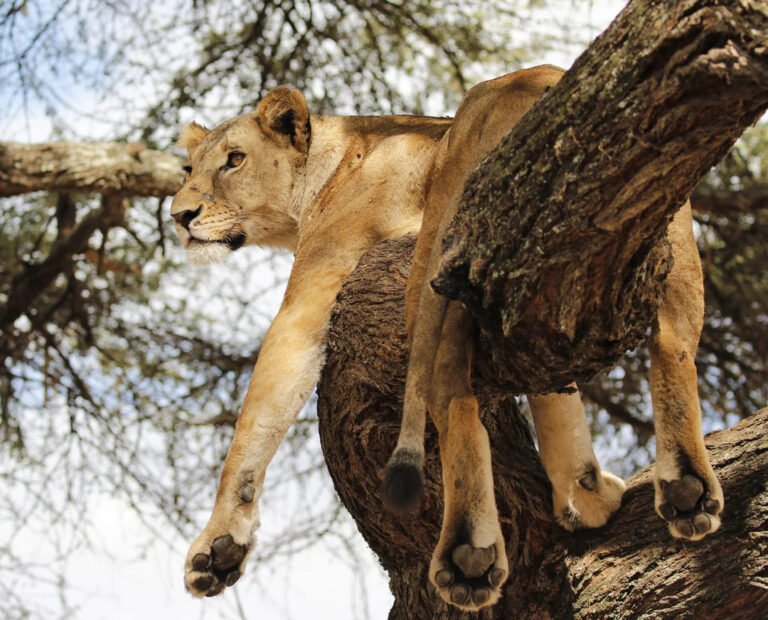
Dec 25, – 5 Day Christmas Tanzania Group Joining Safari 2026
Celebrate Christmas in the heart of the Tanzanian wilderness. Join our 5-day group safari departing December 25, 2026, and experience the iconic Northern Circuit.
View package detailsDec 10, – 5 Day Northern Tanzania Group Joining Safari 2026
A detailed guide to our 5-day Northern Tanzania group joining safari scheduled for December 10, 2026. Learn about the route, group logistics, and how to book your spot.
View package detailsDec 2, – 2 Day Tarangire And Ngorongoro Group Joining Safari 2026
Planning a trip for December 2, 2026? Join our 2-day shared safari to Tarangire and Ngorongoro. Perfect for travelers seeking an efficient, cost-effective wildlife experience.
View package detailsNov 2, – 1 Day Lake Manyara Group Joining Safari: Plan & Logistics 2026
A practical guide to the November 2, 2026, group-joining safari to Lake Manyara. Learn about the logistics, the benefits of shared transport, and how to book your spot with Climb 4 Africa.
View package detailsOct 25, – 1 Day Tarangire Group Joining Safari From Arusha 2026
Planning a trip for October 25, 2026? Join our group safari to Tarangire National Park for a day of wildlife viewing, departing from Arusha.
View package detailsNov 26, – 4 Day Nyerere And Mikumi Group Joining Safari 2026
A detailed guide to the November 26, 2026, 4-day group joining safari covering Nyerere National Park and Mikumi National Park, including logistics, wildlife expectations, and booking steps.
View package detailsNov 22, – 2 Day Mikumi Group Joining Safari From Dar Es Salaam 2026
A practical guide to our November 22, 2026, group joining safari to Mikumi National Park, covering logistics, expectations, and booking details for travelers starting from Dar es Salaam.
View package detailsNo related package matches those filters. Clear one or more filters to see the other topic-matched options.