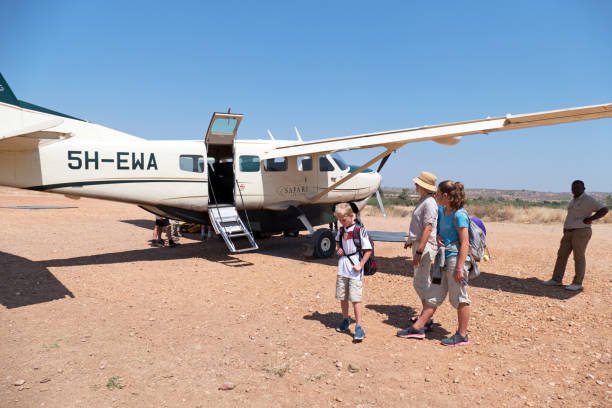
Yes, solo travelers can absolutely find shared Tanzania safaris in September. These group tours are a popular and practical choice, significantly reducing costs compared to private expeditions. You’ll join a small group of like-minded adventurers, sharing the same vehicle and itinerary, making it a more affordable and social way to explore iconic destinations like the Serengeti, Ngorongoro Crater, and Tarangire National Park during the beautiful shoulder season of September 2026 or 2027.
Planning Your Solo Tanzania Safari in September
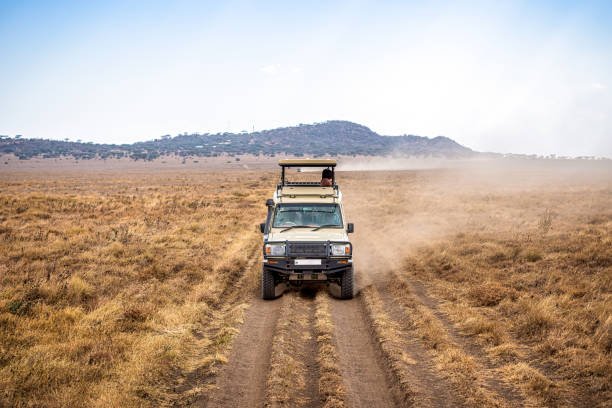
September marks a sweet spot for visiting Tanzania. It’s the tail end of the dry season, meaning excellent wildlife viewing conditions as animals congregate around dwindling water sources. The Great Migration is often in full swing, typically moving north through the Serengeti, offering a spectacular natural phenomenon. For solo travelers, shared safaris are the most logical and budget-friendly way to experience this. You gain the camaraderie of a group without the expense of a private vehicle and guide, which can be prohibitive for a single person.
When considering a shared Tanzania safari for September 2026 or 2027, think about what kind of experience you’re seeking. Are you primarily interested in maximizing wildlife sightings, or do you want a balance of game drives and cultural interactions? How many days do you envision spending on safari? Answering these will help narrow down the vast array of available shared tours. The key benefit of shared departures is the reduced per-person cost, as expenses like vehicle hire, fuel, park fees, and guide services are split among the group members.
Why Shared Safaris Are Ideal for Solo Travelers
Traveling solo doesn’t mean you have to travel alone. Shared safaris inherently create a social environment. You’ll be with a group of fellow travelers, often from diverse backgrounds, all sharing the same goal: to witness the magic of Tanzania’s wildlife. This creates opportunities for shared excitement, interesting conversations, and even new friendships. For many solo adventurers, this communal aspect is a significant draw, turning a potentially solitary journey into a shared experience.
Economically, shared safaris are a important choice for solo travelers. The alternative, a private safari, typically involves a single supplement for accommodation and the full cost of vehicle and guide hire. This can easily double or triple the price for a solo individual. Shared tours distribute these costs, making a premium safari experience accessible to more people. For September 2026 and 2027 trips, booking onto a scheduled group departure is the most efficient way to manage your budget while still enjoying a comprehensive safari itinerary.
The Cost Advantage of Group Departures
Let’s break down the cost savings. A typical private safari vehicle (a 4×4 Land Cruiser or similar) can cost upwards of $300-$400 per day to hire, plus fuel. Park entrance fees are substantial, often $60-$80 per person per day for major parks like the Serengeti. Accommodation costs also often have a single supplement, sometimes adding 50-100% to the room rate. When you join a shared safari, these costs are divided among 4-7 travelers (the typical group size). This means your share of the vehicle, fuel, and often accommodation is much lower.
For example, a 7-day Northern Circuit safari that might cost a solo traveler $4,000-$6,000+ on a private basis could be in the range of $2,000-$3,500 per person on a shared departure. This significant saving allows solo travelers to either extend their trip, opt for higher-quality lodges, or simply have more budget for other aspects of their Tanzanian adventure. When looking for shared Tanzania safaris for September 2026 or 2027, always check what’s included in the per-person price to ensure you’re comparing apples to apples.
Building Connections on Safari
The social dynamic of a shared safari is often a highlight for solo travelers. Imagine sharing the thrill of spotting a lion pride with new friends, discussing the day’s sightings over dinner, or simply enjoying the shared anticipation of what the next game drive might reveal. These shared moments create a unique bonding experience. Tour operators specializing in shared Tanzania safaris for September often attract travelers with similar interests, fostering a comfortable and engaging group atmosphere.
These groups are typically small, ensuring that everyone gets a good view from the vehicle and that the group dynamic remains intimate. It’s a perfect balance: you have company and shared experiences, but you’re not overwhelmed by large numbers. This is especially true for September 2026 and 2027 bookings, where operators are fine-tuning their group offerings to cater to this demand.
September Safari Highlights: What to Expect
September is a prime month for a Tanzania safari, and solo travelers joining shared tours are in for a treat. The weather is typically dry and sunny, with pleasant temperatures, especially in the mornings and evenings. The landscape is golden, and the wildlife viewing is exceptional across the Northern Circuit parks.
The Great Migration in Full Flow
One of the most compelling reasons to visit Tanzania in September is the Great Migration. By this time, the vast herds of wildebeest and zebras have typically crossed the Mara River in the northern Serengeti and are grazing in the northern and western plains. While river crossings are less common in September than earlier in the dry season, the sheer concentration of animals in this area is a spectacle in itself. Shared safaris are perfectly positioned to follow the migration’s movements, guided by experienced local guides who know the animals’ patterns.
The presence of such large numbers of prey animals also means increased predator activity. You’re likely to see lions, cheetahs, leopards, hyenas, and wild dogs actively hunting. This makes September an incredibly rewarding month for photographers and wildlife enthusiasts. A shared Tanzania safari during this period puts you right in the heart of the action.
Serengeti National Park
The Serengeti is the undisputed crown jewel of Tanzanian wildlife viewing. Its name, derived from the Maasai word ‘Siringet’ meaning ‘endless plains,’ perfectly describes its vastness. In September, the northern Serengeti, particularly areas around the Lamai Wedge and Kogatende, teems with the migrating herds. Shared safaris will spend multiple days here, allowing ample time for game drives to witness the migration and its predators.
Beyond the migration, the Serengeti is home to a resident population of lions, leopards, cheetahs, elephants, giraffes, and a myriad of bird species. The sheer scale of the park means that even with other vehicles around on a shared safari, you often feel like you have your own private viewing experience, especially when your guide expertly navigates to less crowded areas.
Ngorongoro Conservation Area
Often called the ‘eighth wonder of the world,’ the Ngorongoro Crater is a UNESCO World Heritage Site and a caldera of a massive extinct volcano. Its unique ecosystem supports an incredible density of wildlife, including the Big Five (lion, leopard, elephant, rhino, buffalo), all within a relatively small area. September is a great time to visit, as the crater floor is lush and green, attracting a wide array of animals.
Shared safaris typically include a full day of game driving on the crater floor. The sheer concentration of animals makes it an almost guaranteed spectacle. While it can get busy, tour operators experienced with group departures know how to manage the timing to maximize your experience and minimize crowded viewing points. It’s a must-visit on any Northern Circuit itinerary for September 2026 or 2027.
Other Northern Circuit Gems
Beyond the Serengeti and Ngorongoro, a typical shared Tanzania safari in September might include visits to other spectacular parks:
- Tarangire National Park: Famous for its large elephant herds and iconic baobab trees. September is a fantastic month to visit Tarangire as elephants congregate along the Tarangire River, often in huge numbers.
- Lake Manyara National Park: Known for its tree-climbing lions (though sightings are never guaranteed), diverse birdlife, and its beautiful soda lake.
- Arusha National Park: Offers stunning views of Mount Meru and is home to colobus monkeys and a large population of flamingos on the Momella Lakes. It’s often visited at the start or end of a safari.
These parks provide variety and add depth to a shared safari experience, ensuring you see different landscapes and animal behaviors. Planning your 2026 or 2027 trip to include these will offer a comprehensive view of Tanzania’s natural heritage.
Types of Shared Tanzania Safaris for Solo Travelers
When you’re looking for shared Tanzania safaris for solo travelers in September, you’ll encounter a few main categories. Understanding these differences will help you choose the best fit for your travel style and budget.
Scheduled Group Departures
These are the most common and popular type of shared safari. A tour operator sets specific departure dates throughout the year, and solo travelers (or small groups of friends) book onto these pre-determined itineraries. If you’re traveling solo in September, you’ll find numerous scheduled departures available. This is the easiest way to join a group.
Pros: Most cost-effective, easy to book, good social opportunities, fixed itinerary reduces planning stress. Many operators, like Climb 4 Africa, offer these for 2026 and 2027, often with flexible booking options.
Cons: Less flexibility in itinerary, you travel with people you don’t know (though this is often a pro for solo travelers), fixed dates might not align perfectly with your schedule.
Budget Camping Safaris
These safaris utilize public campsites within or near the national parks. Accommodation is in tents, and often meals are prepared communally or by a dedicated camp cook. They are the most budget-friendly option and attract a younger or more adventurous crowd. Solo travelers often find these very social.
Pros: Significantly lower cost, very social atmosphere, closer to nature.
Cons: Basic facilities, less comfort, requires a more adventurous mindset.
Mid-Range Lodge Safaris
These safaris combine game drives in a shared vehicle with stays in mid-range lodges or tented camps. These accommodations offer more comfort than camping, with private rooms, en-suite bathrooms, and restaurant services. This is a very popular choice for many travelers, including solo individuals seeking a balance of adventure and comfort.
Pros: Good balance of comfort and adventure, excellent wildlife viewing, comfortable lodging, still cost-effective compared to private.
Cons: More expensive than camping, lodge availability can be a factor for fixed dates.
Luxury Tented Camp Safaris
For those seeking a more upscale experience, luxury tented camps offer spacious canvas tents with comfortable beds, private bathrooms, and often gourmet dining. These are designed to feel more exclusive while still being part of a shared group tour. The experience is refined, with excellent service and prime locations.
Pros: High comfort levels, excellent service, beautiful locations, still offers group dynamics.
Cons: Higher price point, though still less than a private luxury safari.
Specialty Safaris
Some operators offer specialized shared safaris, such as photography tours, birdwatching expeditions, or family-focused departures. If you have a particular interest, look for these niche options for your September 2026 or 2027 trip.
Choosing the Right Itinerary for Your Solo September Safari
The duration and route of your shared Tanzania safari will significantly impact your experience. For solo travelers, especially those new to Africa, a common starting point is a 5-7 day Northern Circuit safari. This typically covers the most iconic parks.
Common Itinerary Durations
- 3-4 Days: A very short introduction, often covering Lake Manyara and Tarangire, or a quick Ngorongoro Crater visit. Best if you’re very time-constrained or combining with another activity.
- 5-7 Days: The most popular duration. This usually includes Tarangire, Lake Manyara, Ngorongoro Crater, and a few days in the Serengeti. This offers a solid overview of the Northern Circuit. Ideal for a first-time solo safari in September 2026 or 2027.
- 8-10 Days: Allows for more in-depth exploration of the Serengeti, potentially visiting different regions or spending more time at the migration hotspots. It can also incorporate parks like Arusha or even extend to the Maasai Mara in Kenya (though this usually requires separate booking).
- 12+ Days: For the truly in-depth experience, longer safaris allow for a more relaxed pace, deeper exploration of less-visited areas, or combining the Northern Circuit with other regions or activities like Kilimanjaro climbs or Zanzibar beach holidays.
Typical Northern Circuit Routes
A standard 7-day shared Tanzania safari itinerary for September might look something like this:
Example 7-Day Northern Circuit Safari Itinerary (Shared)
- Day 1: Arrive in Arusha. Meet your guide, briefing, overnight in Arusha.
- Day 2: Arusha to Tarangire National Park. Full day game drive. Overnight near Tarangire.
- Day 3: Tarangire to Lake Manyara National Park. Morning game drive in Tarangire, then drive to Manyara for afternoon game drive. Overnight near Manyara.
- Day 4: Lake Manyara to Ngorongoro Crater. Descend into the crater for a full day game drive. Overnight on the crater rim or Karatu.
- Day 5: Ngorongoro to Serengeti National Park. Drive to Serengeti, stopping at Olduvai Gorge (optional). Afternoon game drive in Serengeti. Overnight in central Serengeti.
- Day 6: Serengeti National Park. Full day game drives exploring Serengeti, potentially tracking the migration. Overnight in Serengeti.
- Day 7: Serengeti to Arusha. Morning game drive, then drive back to Arusha for departure or onward travel.
This is a common structure for shared Tanzania safaris in September, offering a fantastic blend of landscapes and wildlife.
Customizing Your Shared Safari
While you’re joining a group, many operators allow for some customization. This might include choosing your accommodation level (camping, mid-range lodge, luxury camp), adding optional activities like walking safaris (where permitted), or extending your stay in a particular park. When booking your shared Tanzania safari for September 2026 or 2027, discuss these possibilities with your tour operator.
Finding Reputable Operators for Shared Tanzania Safaris
Choosing the right tour operator is crucial for a successful solo safari. For shared Tanzania safaris in September, you want a company that is experienced, reliable, and understands the needs of solo travelers.
What to Look For in an Operator
- Established Reputation: Look for companies with a solid history and positive reviews, especially from solo travelers. Check platforms like TripAdvisor or industry forums.
- Clear Itineraries and Inclusions: Ensure the itinerary is detailed and clearly states what is included (park fees, accommodation, meals, guide, vehicle) and what is not (tips, drinks, personal expenses).
- Small Group Sizes: For a better experience, aim for operators who limit group sizes to 6-7 people maximum per vehicle.
- Experienced Guides: Local, knowledgeable guides are the backbone of any safari. They know the parks, the animals, and the best viewing spots.
- Safety and Support: Especially important for solo travelers. The operator should have clear emergency procedures and be responsive to queries.
- Commitment to Responsible Tourism: Look for operators who practice ethical wildlife viewing and support local communities.
Booking Platforms vs. Direct Operators
You can find shared safaris through large online travel agencies (OTAs) or directly from local tour operators. While OTAs offer convenience, booking directly with a local Tanzanian company like Climb 4 Africa often provides better value, more personalized service, and ensures your money directly supports the local economy.
Direct operators like Climb 4 Africa can tailor packages more effectively, offer insights into current conditions in September 2026 or 2027, and provide direct communication. You can discuss specific needs or preferences for your shared Tanzania safari directly with the people organizing it on the ground.
Leveraging Online Resources
Websites dedicated to safari reviews and forums can be invaluable. Search for terms like “shared Tanzania safari reviews solo traveler” or “best shared safaris September 2026.” Look for detailed trip reports and recommendations. For example, checking out reviews for operators like Climb 4 Africa on platforms like TripAdvisor can give you a good sense of their service quality.
See reviews for Climb 4 Africa.
Practical Tips for Solo Travelers on Shared Safaris
To make the most of your shared Tanzania safari in September, a little preparation goes a long way. These tips are tailored for solo travelers joining group tours.
Packing Essentials
Pack light, neutral-colored clothing. Layers are key, as mornings and evenings can be cool, while midday can be warm. Essential items include:
- Binoculars
- Camera with extra batteries and memory cards
- Sunscreen, hat, sunglasses
- Insect repellent
- Comfortable walking shoes (for lodge/camp) and closed-toe shoes for game drives
- A light jacket or fleece
- A headlamp or small flashlight
- Personal toiletries and any necessary medications
- A reusable water bottle
Your tour operator will provide a more detailed packing list, but these are the must-haves for a September 2026 or 2027 safari.
Dealing with Single Supplements (and How Shared Safaris Avoid Them)
As mentioned, the primary benefit of shared safaris for solo travelers is avoiding or minimizing single supplements. In a shared tour, accommodation costs are divided. While you might occasionally share a tent or room if the operator specifically designs it that way for maximum cost-sharing (though this is rare and should be clearly stated), usually you get your own room/tent at the lodge/campsite, but the cost is spread across the group, making it far more affordable than the typical 50-100% single supplement charged on private tours.
Interacting with Your Group
Be open and friendly! Introduce yourself to everyone on the first day. Share your excitement about sightings, and be curious about their experiences. Most people on shared safaris are there for similar reasons – a love of nature and adventure. Respecting personal space and differing paces is also important. Remember, you’re sharing a vehicle for extended periods.
Tipping Etiquette
Tipping is customary in Tanzania for guides and support staff. Your tour operator will usually provide guidelines on recommended amounts. For shared safaris, the group often pools tips for the driver-guide at the end of the tour, which is a fair way to handle it. Always check your operator’s specific recommendations for September 2026-2027 tours.
Connectivity and Power
Mobile phone signal can be intermittent in national parks. Lodges and camps usually have charging facilities, but it’s wise to bring a power bank for your camera and phone, especially during long game drives. Some remote camps might have limited power hours (e.g., generator-powered). Inquire about this when booking your shared Tanzania safari.
September 2026-2027: Booking Your Shared Safari
Booking your shared Tanzania safari for September 2026 or 2027 requires a bit of planning to secure the best options. Early booking is generally recommended, especially for peak travel times like September, even for shared departures.
When to Book
For September 2026 or 2027 shared safaris, aim to book at least 6-9 months in advance. This is especially true if you have specific dates in mind or are traveling during a popular period. Availability for shared departures can fill up, and booking early ensures you get your preferred itinerary and accommodation level. Operators need time to finalize group sizes and logistics.
What to Discuss with Your Operator
When you contact an operator like Climb 4 Africa to inquire about shared Tanzania safaris for solo travelers in September, be prepared to discuss:
- Your preferred travel dates in September.
- Your budget range (camping, mid-range, luxury).
- Your interests (e.g., Great Migration focus, photography, birding).
- Any specific parks you wish to visit or avoid.
- Your fitness level and comfort with basic facilities (if considering camping).
- Your accommodation preferences.
- Whether you are open to joining a mixed-gender group.
Having this information ready will help the operator quickly suggest suitable shared departure dates and itineraries for September 2026 or 2027.
Payment and Cancellation Policies
Always understand the payment schedule and cancellation policy before confirming your booking. Most operators require a deposit (e.g., 20-30%) upon booking, with the balance due a certain number of weeks before departure (e.g., 60 days). Review their cancellation terms carefully, as these can vary significantly.
Travel Insurance
Comprehensive travel insurance is non-negotiable for any safari, especially for solo travelers. Ensure your policy covers medical emergencies, trip cancellation, interruption, and lost or stolen belongings. It’s a vital safety net for your September 2026-2027 adventure.
Beyond the Safari: Combining with Other Experiences
Tanzania offers more than just incredible safaris. Solo travelers often combine their September safari with other experiences to create a fuller African adventure.
Kilimanjaro Climb
Many solo travelers choose to climb Mount Kilimanjaro before or after their safari. September is an excellent month for climbing, offering clear skies and dry conditions. Operators like Climb 4 Africa specialize in both safaris and Kilimanjaro climbs, allowing for smooth integration. Joining a shared Kilimanjaro climb is also a fantastic way to meet people.
Explore Kilimanjaro group climbs.
Zanzibar Beach Holiday
After the dust and excitement of a safari, the pristine beaches of Zanzibar offer a perfect place to relax and unwind. The weather in September is typically warm and sunny, with gentle breezes, making it ideal for swimming, snorkeling, and exploring Stone Town’s rich history.
Cultural Experiences
Consider adding visits to local villages, such as a Maasai village, or engaging in community-based tourism initiatives. These offer deeper insights into the local culture and traditions, enriching your solo travel experience.
Final Thoughts on Your Solo September Safari Adventure
Traveling solo in September on a shared Tanzania safari is a fantastic choice. It’s an opportunity to witness one of the world’s greatest wildlife spectacles, connect with nature, and meet fellow adventurers, all while managing your budget effectively. The dry season conditions, the Great Migration, and the incredible density of wildlife make September a peak month for a reason. By choosing a reputable operator and planning ahead, your solo safari in September 2026 or 2027 promises to be an unforgettable journey.
Ready to plan your shared Tanzania safari for September? Climb 4 Africa specializes in crafting memorable safari experiences for solo travelers. We offer a range of scheduled group departures and can help you find the perfect itinerary. Reach out to us to discuss your plans for September 2026 or 2027. You can contact us via WhatsApp at +255 747 477 898 or email us at climb4africa@gmail.com. Let us help you start an incredible adventure.
Check Availability for Shared Tanzania Safaris For Solo Travelers In September 2026-2027
Ready to compare dates, prices, and the best option for your group? Send the package name and travel month so the team can reply with a clear quote, availability, and what is included.
End Of October Tanzania Group Joining Safaris: Book Now 2026
A practical guide to booking Tanzania group joining safaris for late October 2026. Explore route options, weather expectations, and how to secure your spot.
View package details24–31 October Tanzania Group Joining Safari Departures: 2026
A detailed guide to navigating group-joining safari departures in Tanzania for late October 2026, focusing on wildlife patterns, logistical planning, and booking best practices.
View package detailsNo related package matches those filters. Clear one or more filters to see the other topic-matched options.