
Climbing Kilimanjaro in November 2026 offers a mixed bag of conditions, typically falling within the mountain’s shorter rainy season, which means you should prepare for intermittent showers, especially at lower altitudes. However, this period also sees fewer trekkers compared to the peak seasons, offering a more serene experience. The best routes for November often favor those with more gradual ascents and good shelter, such as the Lemosho or Machame routes, though even these will require careful preparation for wet weather. The Marangu route, with its hut accommodation, can be a comfortable option if rain is a significant concern.
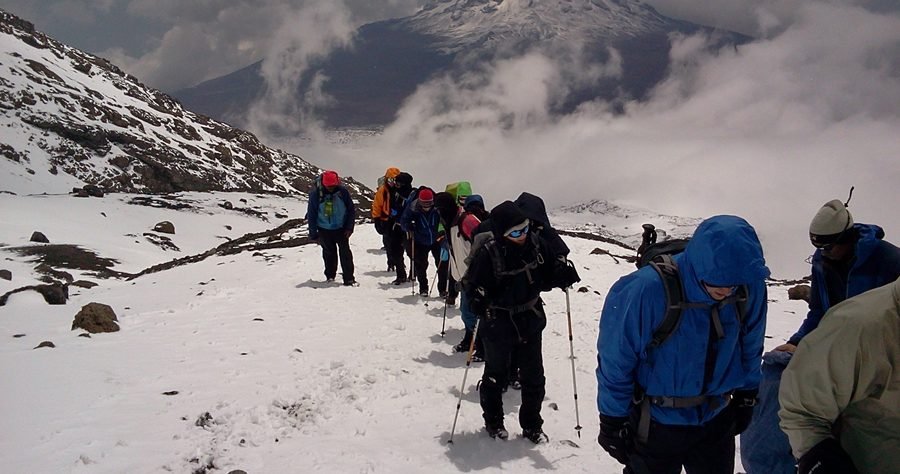

Kilimanjaro in November: An Overview
Climbing Kilimanjaro in November 2026 presents a unique opportunity for trekkers seeking a balance between manageable weather and fewer crowds. While often considered part of the shorter rainy season, November is not a washout. Instead, expect a mix of sunny spells interspersed with rain, particularly at lower elevations. This period can offer dramatic skies and a more introspective trekking experience away from the peak season throngs. For those who prepare adequately for the potential for wet conditions, November can be a highly rewarding time to ascend Africa’s highest peak.
Understanding the nuances of November weather is crucial for planning. The mountain’s climate is dictated by altitude and a complex interplay of global weather patterns. Generally, November falls between the main dry season (June-October) and the subsequent dry season (December-February). This transitional period, often called the ‘Vuli’ season by locals, brings moisture from the northeast monsoon.
While rain is a primary consideration, it’s important not to let it deter you. The rain is often localized and can be experienced as brief, intense showers followed by clear periods, or as persistent drizzle at lower camps. Higher up, precipitation is more likely to fall as snow or sleet. The key is to pack appropriate waterproof gear and to choose a route that offers good shelter and a gradual ascent, allowing for better acclimatization and a more comfortable journey through any wet weather.
Crowd levels are another significant advantage of climbing Kilimanjaro in November. With fewer trekkers on the mountain compared to the popular dry months, you’re likely to enjoy a more peaceful and less congested experience. This can enhance the sense of adventure and connection with nature. Campsites will feel less crowded, and the trails will offer more solitude. This makes November an attractive option for individuals or small groups who prefer a quieter journey.
When selecting a route for your November 2026 climb, certain paths stand out. Routes like Lemosho and Machame are favored for their scenic beauty and higher success rates, partly due to their longer duration, which aids acclimatization. The Marangu route, with its unique hut accommodation, offers a drier sleeping environment, which can be a significant benefit during the rainy season. Understanding the specific characteristics of each route in relation to November conditions will be key to making the right choice for your expedition.
Preparation is paramount for any Kilimanjaro climb, but especially so for a November trek. This includes rigorous physical training, mental readiness for challenging conditions, and packing the right equipment. A robust layering system and high-quality waterproofs are non-negotiable. Choosing an experienced and reputable tour operator, such as Climb 4 Africa, is also vital for ensuring safety, logistical support, and a successful summit attempt. They can provide expert advice tailored to the specific conditions of November 2026 and beyond.
November Weather Patterns: Rain, Temperature, and Visibility
The weather on Kilimanjaro is a defining factor for any trek, and November presents a unique profile. It’s crucial to understand that ‘rainy season’ on Kilimanjaro doesn’t typically mean non-stop downpours. Instead, it signifies a higher probability of precipitation, often in predictable patterns.
Altitude and Weather
Kilimanjaro’s weather is a microcosm of its diverse ecosystems. As you ascend, you pass through distinct climatic zones: rainforest, moorland, alpine desert, and arctic summit. The temperature drops significantly with altitude, and precipitation patterns change accordingly. Lower slopes might experience tropical downpours, while higher altitudes see colder rain, sleet, and snow. November’s weather is influenced by the convergence of moist air masses, leading to increased cloud cover and potential rainfall.
What to Expect Regarding Rainfall
November is part of the shorter rainy season, often referred to as the ‘Vuli’ season. This season typically runs from mid-October to mid-December. While it’s a rainy season, it’s generally less intense than the longer March-May rainy period. Expect intermittent showers, particularly in the afternoons and evenings. These can range from light drizzles to heavier downpours, especially at lower to mid-altitudes (rainforest and moorland zones). The higher alpine desert and arctic zones will experience colder precipitation, potentially as sleet or snow. However, it’s common to have dry, clear mornings, with clouds building up later in the day. The rain can actually be beneficial, clearing the air and offering dramatic, moody landscapes. It’s not uncommon to have days with significant sunshine even within the rainy season. The key is preparedness; good waterproofs will make these showers manageable.
Temperature Ranges
Temperatures on Kilimanjaro vary dramatically with altitude and time of day. In November:
* Base Camps (e.g., Marangu, Machame): Expect daytime temperatures around 15-25°C (59-77°F) and nighttime lows of 5-15°C (41-59°F).
* Mid-Altitude Camps (e.g., Shira, Barranco): Daytime temperatures can range from 5-15°C (41-59°F), with nighttime lows dropping to 0-10°C (32-50°F).
* High-Altitude Camps (e.g., Kibo Hut, Stella Point vicinity): Daytime temperatures can be near freezing, around 0-5°C (32-41°F), while summit night and morning lows can plunge to -5°C to -15°C (23-5°F), especially with wind chill.
The combination of rain and cold at higher altitudes means proper insulation is critical. Layering is the most effective strategy to manage these fluctuating temperatures.
Visibility and Views
Visibility in November can be variable. Mornings are often clearer, offering stunning panoramic views of the surrounding landscape and Mount Meru. As the day progresses, clouds tend to build up, especially on the mountain’s slopes, potentially obscuring views. However, this can also lead to dramatic and photogenic cloud formations. The summit on clearer days can offer impressive vistas, but periods of cloud cover are common. While not as consistently clear as the dry seasons, November can still provide spectacular scenery. The rain can also lead to incredibly vibrant colours in the vegetation, particularly in the rainforest zone.
Crowd Levels on Kilimanjaro in November 2026
One of the most appealing aspects of climbing Kilimanjaro in November is the reduced number of trekkers on the mountain. This offers a significantly different experience compared to the peak seasons.
Comparing November to Peak Seasons
The peak seasons for climbing Kilimanjaro are typically January-February and June-October. These periods boast the most favorable weather, with dry conditions and clear skies, which naturally draws the largest crowds. During these times, popular routes can feel quite busy, with numerous groups ascending simultaneously, especially on summit nights. Trails can be congested, and campsites, particularly the lower ones, can be bustling with activity. November, falling outside these prime periods, sees a noticeable decrease in visitor numbers. While there will still be other trekkers, the overall atmosphere is considerably more relaxed and less crowded.
Benefits of Fewer Crowds
* **More Serene Experience:** The most significant benefit is the enhanced sense of solitude and connection with nature. You’re less likely to be surrounded by large groups, allowing for a more personal and reflective journey.
* **Better Campsite Experience:** Campsites are generally less congested. This means more space, less noise, and a more peaceful environment to rest and recover.
* **Improved Photography:** With fewer people in the background, you’ll find it easier to capture stunning, unobstructed photographs of the mountain and its landscapes.
* **Enhanced Guide-Porter Interaction:** Smaller groups often lead to better communication and camaraderie with your support crew.
* **Potential for Flexibility:** While itineraries are fixed, the overall pace of the trek might feel more relaxed without the pressure of large groups.
Potential Drawbacks
While generally positive, fewer crowds can sometimes have minor drawbacks:
* **Fewer Group Departures:** Some operators might consolidate departures in the shoulder or off-peak seasons, meaning you might join a slightly larger group than if you were climbing in a peak month with many small groups. However, reputable operators like Climb 4 Africa often run guaranteed departures regardless of group size.
* **Less Social Interaction (if desired):** If you are a solo traveler looking to meet many other trekkers, there might be fewer people to interact with on the trails and in camps.
Overall, for most trekkers, the benefits of fewer crowds in November 2026 far outweigh any potential drawbacks, contributing to a more authentic and enjoyable Kilimanjaro experience.
Best Routes for Climbing Kilimanjaro in November 2026
Choosing the right route is paramount for success and enjoyment, especially during the shoulder season like November. While all routes can be climbed, some are better suited to the potential wet weather and offer more gradual acclimatization.
Lemosho Route
The Lemosho Route is widely regarded as one of the most scenic and rewarding routes on Kilimanjaro. Its longer duration (typically 7-8 days) allows for excellent acclimatization, which is crucial for success.
* Pros for November:
* Scenic Beauty: Offers diverse landscapes, from lush rainforest to alpine desert, with excellent opportunities for wildlife spotting in the initial stages.
* Gradual Ascent: Its length promotes slow and steady acclimatization, which is beneficial in potentially challenging weather.
* Higher Success Rate: Due to its length and acclimatization profile.
* Cons for November:
* Can be wet, especially in the rainforest zone at the beginning.
* Requires a longer commitment (7-8 days).
Machame Route
Often called the ‘Whiskey Route’, Machame is another popular and scenic option, typically taking 6-7 days. It’s known for its challenging but rewarding terrain and good acclimatization profile.
* Pros for November:
* Scenic and Varied: Similar to Lemosho, it offers stunning views and diverse environments.
* Good Acclimatization: The ‘climb high, sleep low’ principle is well-integrated into the Machame itinerary, aiding acclimatization.
* Higher Success Rate: Generally considered to have a good success rate.
* Cons for November:
* Can be quite busy even in shoulder seasons due to its popularity.
* The initial rainforest section will likely be wet.
Marangu Route
Known as the ‘Coca-Cola’ or ‘Tourist’ route, Marangu is the only route offering dormitory-style hut accommodation instead of camping. This can be a significant advantage in November.
* Pros for November:
* Hut Accommodation: Provides a dry and relatively comfortable place to sleep, offering shelter from rain and cold.
* Shorter Options: Available as a 5-day trek, though a 6-day option is strongly recommended for better acclimatization.
* Less Muddy Trails: The well-trodden path can sometimes be less muddy than camping routes.
* Cons for November:
* Steeper ascent profile, particularly on days 3 and 4, which can be challenging in wet conditions.
* Less scenic compared to Lemosho or Machame.
* Lower success rates, especially on the 5-day version, due to poorer acclimatization.
Other Routes in November (Shira, Rongai, Umbwe)
* Shira Route: Similar to Lemosho but starts at a higher altitude. It’s scenic but the higher starting point can pose acclimatization challenges, making it less ideal for November unless on an extended itinerary.
* Rongai Route: This route approaches from the north, entering the mountain from Kenya. It’s generally drier as it bypasses the wetter southern rainforests for much of its ascent. However, it’s less scenic in its initial stages and can be colder due to its northern aspect.
* Pros for November: Drier.
* Cons for November: Less scenic, potentially colder.
* Umbwe Route: The shortest, steepest, and most direct route. It’s challenging and offers poor acclimatization, making it the least recommended route for November, especially for less experienced trekkers.
Route Comparison for November Trekkers
For November 2026, the **Lemosho** and **Machame** routes remain excellent choices due to their acclimatization profiles and scenic beauty, provided you are well-prepared for rain. The **Marangu** route is a strong contender if dry accommodation is a priority and you opt for the 6-day itinerary. The **Rongai** route is a viable alternative if minimizing rain exposure is the absolute top priority, though it sacrifices some scenic appeal.
It’s crucial to remember that success is heavily influenced by acclimatization, preparation, and the quality of your tour operator, regardless of the route chosen in November.
Packing Essentials for a November Climb
Packing correctly is non-negotiable for a November Kilimanjaro climb. The variable weather, including rain, wind, and significant temperature drops, demands a strategic approach. Layering and waterproofing are key.
Waterproof Outerwear
* Waterproof and Breathable Jacket: This is your primary defense against rain. Look for a jacket with a good hydrostatic head rating and taped seams. A hood is essential. Brands like Gore-Tex or similar materials are recommended.
* Waterproof Trousers: Full-length, waterproof, and breathable trousers are vital. Zips along the sides can be useful for ventilation and for putting them on/off over boots.
* Waterproof Gloves/Mittens: Warm, waterproof gloves are essential for summit night and cold, wet conditions. Mittens are generally warmer than gloves.
* Waterproof Bag Covers: To protect your main backpack from getting soaked.
Layering System
The principle of layering allows you to adapt to changing temperatures and activity levels.
* Base Layers: Moisture-wicking thermals (long johns and tops). Merino wool or synthetic materials are best; avoid cotton.
* Mid Layers: Fleece jackets or down vests/jackets. These provide insulation. You might need one or two mid-layers depending on the temperature.
* Outer Layer (Insulation): A warm, insulated jacket (e.g., down or synthetic fill) is crucial for cold evenings and summit night. This sits over your mid-layer.
* Hiking Trousers: Quick-drying, comfortable hiking trousers. Avoid jeans.
Footwear and Gaiters
* Hiking Boots: Sturdy, waterproof, and well broken-in hiking boots are essential. They should provide good ankle support.
* Camp Shoes/Sandals: Lightweight shoes or sandals for relaxing in camp.
* Socks: Several pairs of warm, moisture-wicking hiking socks (wool or synthetic). Bring liner socks as well to prevent blisters.
* Gaiters: Waterproof gaiters are highly recommended for November. They prevent water, mud, and small stones from entering your boots, keeping your feet drier and warmer.
Essential Accessories
* Backpack: A comfortable daypack (30-40 liters) for essentials you carry on the trail, and a larger expedition duffel bag (80-100 liters) for your main gear carried by porters.
* Sleeping Bag: A 4-season sleeping bag rated to at least -10°C (14°F) is advisable for November. Some operators provide them, but check with your provider.
* Headlamp: With extra batteries. Essential for summit night and navigating in the dark.
* Sun Protection: Sunglasses, high SPF sunscreen, lip balm with SPF, and a wide-brimmed hat or cap. The sun is intense at altitude, even on cloudy days.
* Water Bottles/Hydration Reservoir: At least 2-3 liters capacity. Insulated covers for water bottles are recommended to prevent freezing on summit night.
* Trekking Poles: Highly recommended, especially for descents and wet, slippery trails.
* Personal First-Aid Kit: Including blister treatment, pain relievers, and any personal medications.
* Toiletries: Biodegradable soap, toothbrush, toothpaste, wet wipes (essential for hygiene).
* Camera and Power Bank: To capture memories.
Always check with your tour operator, like Climb 4 Africa, for their specific gear recommendations, as they have extensive experience with Kilimanjaro conditions throughout the year, including November 2026.
Training and Preparation for November 2026
Successfully climbing Kilimanjaro in November 2026 requires more than just booking a trip; it demands thorough physical and mental preparation. The unique conditions of this month, with potential rain and cooler temperatures, add an extra layer to the standard training regimen.
Physical Conditioning
Kilimanjaro is a strenuous trek, primarily due to its altitude and length. Your training should focus on:
* Cardiovascular Fitness: Engage in regular aerobic activities like hiking, running, cycling, or swimming for at least 3-4 times a week. Aim for sessions of 60-90 minutes.
* Strength Training: Focus on leg strength (squats, lunges, calf raises) and core strength. This helps with stability on uneven terrain and carrying your daypack.
* Endurance Hiking: This is the most critical component. Undertake long hikes, ideally with a backpack, on varied terrain (hills, stairs). Gradually increase the duration and intensity. Aim for hikes lasting 4-6 hours, and if possible, do back-to-back long hikes on weekends to simulate multi-day trekking.
* Altitude Simulation (if possible): While difficult to replicate, training at higher altitudes or using altitude training masks can be beneficial.
For November, pay attention to training in less-than-ideal weather conditions. Hiking in rain or wind will help you get accustomed to the discomfort and test your gear.
Mental Preparedness
The mental aspect of climbing Kilimanjaro is often underestimated. The altitude can cause fatigue, headaches, and mood swings. The cold and potential rain in November can test your resolve.
* Develop Resilience: Practice pushing through discomfort during your training hikes. Remind yourself of your goals.
* Positive Visualization: Imagine yourself successfully reaching the summit and enjoying the views.
*
Understand the Challenges: Be aware of the symptoms of altitude sickness and the potential impact of weather. Knowledge reduces anxiety.
* Patience: Kilimanjaro is a marathon, not a sprint. The trek progresses slowly, and summit night is a test of endurance and willpower.
Acclimatization Strategies
Proper acclimatization is the single most important factor for reaching the summit. This is achieved through:
* Choosing a Longer Route: Routes of 7-8 days (like Lemosho or Machame) offer significantly better acclimatization than shorter 5-6 day routes. This is particularly important in November, where weather might slow your pace.
* Following the ‘Climb High, Sleep Low’ Principle: Some routes are designed with this principle in mind, where you ascend to a higher altitude during the day and then descend to a lower camp to sleep.
* Hydration: Drink plenty of water (3-4 liters per day). Dehydration can mimic or worsen altitude sickness symptoms.
* Pacing: Walk slowly (‘pole pole’ – slowly, slowly in Swahili). This allows your body to adapt to the decreasing oxygen levels.
* Avoiding Alcohol and Caffeine: These can dehydrate you and interfere with sleep.
* Medication: Discuss Diamox (acetazolamide) with your doctor. It can help accelerate acclimatization but is not a substitute for proper ascent profiles.
Preparing for November 2026 means being extra diligent with these aspects, ensuring you are physically fit, mentally strong, and have a solid acclimatization plan in place.
Choosing a Tour Operator for November 2026
Selecting the right tour operator is arguably as important as choosing the right route, especially when climbing in a shoulder season like November. An experienced operator ensures your safety, comfort, and maximizes your chances of success.
What to Look For
When evaluating tour operators for your November 2026 Kilimanjaro climb, consider these factors:
* **Experience and Reputation:** Look for operators with a long track record of successful climbs on Kilimanjaro. Check reviews on independent platforms like TripAdvisor.
* **Safety Standards:** Inquire about their safety protocols, including emergency procedures, oxygen availability, and the qualifications of their guides (e.g., Wilderness First Responder certification).
* **Guide-to-Client Ratio:** A lower ratio (e.g., 1:6 or better for guides to clients) often indicates more attentive support.
* Porter Welfare: Ethical treatment of porters is crucial. Look for operators who are transparent about porter wages, food, and equipment. Organizations like the Kilimanjaro Porters Assistance Project (KPAP) can provide guidance.
* Inclusions and Exclusions: Clearly understand what is included in the price (e.g., park fees, meals, accommodation, transfers, emergency oxygen) and what is not (e.g., tips, personal gear, visa).
* Itinerary and Acclimatization: Ensure they offer longer itineraries (7-8 days) for November climbs, prioritizing acclimatization.
* Equipment Quality: Ask about the quality of tents, sleeping mats, and cooking equipment provided.
* Communication: How responsive are they to your queries? Good communication before and during the climb is vital.
Climb 4 Africa’s Expertise
Climb 4 Africa is a Tanzanian-based company with deep local knowledge and extensive experience in leading Kilimanjaro expeditions. Their expertise is particularly valuable for climbs during the shoulder season like November.
* Local Knowledge: As a local operator, Climb 4 Africa understands the nuances of Kilimanjaro’s weather patterns, including the specific conditions expected in November 2026. They can offer tailored advice based on up-to-the-minute information.
* Focus on Safety and Success: They prioritize client safety and success rates by adhering to strict safety protocols, using well-qualified guides, and recommending longer, acclimatization-friendly itineraries.
* Ethical Trekking: Climb 4 Africa is committed to fair treatment and welfare of their guides and porters, ensuring a positive experience for the entire team.
* Tailored Experiences: Whether you’re looking for a group climb or a private expedition, they can customize an itinerary to suit your needs and preferences for a November 2026 climb.
* Comprehensive Support: From initial inquiry to post-climb, Climb 4 Africa provides clear, practical support, helping you navigate all aspects of your Kilimanjaro adventure.
By partnering with an experienced operator like Climb 4 Africa, you can feel confident that your November 2026 Kilimanjaro climb will be well-managed, safe, and enjoyable, despite the potential for rain.
Logistics and Booking for November 2026
Planning the logistics for your Kilimanjaro climb in November 2026 requires attention to detail, from securing necessary documents to understanding the booking timeline. Early planning ensures a smoother experience.
Visa and Permits
* Tanzania Visa: Most nationalities require a visa to enter Tanzania. This can often be obtained online in advance (e-Visa) or upon arrival at Kilimanjaro International Airport (JRO). Check the latest requirements for your specific nationality well in advance of your 2026 travel dates.
* Park Fees: The cost of Kilimanjaro National Park entry fees, camping fees, and rescue fees is substantial and is typically included in the package price quoted by reputable tour operators. Always confirm this inclusion.
Travel Insurance
Comprehensive travel insurance is mandatory for all Kilimanjaro climbs. Ensure your policy covers:
* High Altitude Trekking: Up to 6,000 meters (19,341 feet).
* Emergency Medical Evacuation: This is critical for remote mountain rescues.
* Trip Cancellation/Interruption: To cover unforeseen circumstances.
* Lost or Delayed Baggage:.
Review policy details carefully to ensure they meet the requirements of your tour operator.
Booking Timeline
For a Kilimanjaro climb in November 2026, especially if you have specific date preferences or are looking for group departures, it’s advisable to book:
* 12-18 Months in Advance: This is the ideal timeframe to secure your preferred dates, especially for peak seasons, though November offers more flexibility. It also allows ample time for training and planning.
* 6-12 Months in Advance: Still a good window, particularly for November climbs. This gives you enough time for preparation and to secure your spot with a reputable operator.
* Less than 6 Months: While possible for November, especially for private climbs, it might limit your options for specific dates or group departures. Last-minute bookings can be stressful.
Booking early with a trusted operator like Climb 4 Africa ensures you get the best advice, secure your dates, and have peace of mind. They can guide you through the entire process, from initial inquiry to final preparations for your November 2026 adventure.
Alternatives to November
While November offers unique advantages, if the prospect of rain is a significant concern or you prefer more predictable weather, other months might be more suitable. The two main dry seasons are generally considered the most favorable:
* January-February: These months are typically dry and warm, offering excellent visibility and stable weather. However, they are also popular and can be crowded. January is often considered one of the best months overall.
* June-October: This is the longest dry season, with June and July offering pleasant temperatures and clear skies. September is often considered the peak month for clear weather and moderate temperatures, but it is also the busiest.
If you are looking for a slightly less crowded but still dry experience, consider the shoulder months of the dry season like **late October** or **early December**. These can offer a good compromise. The main rainy season from March to May should generally be avoided for Kilimanjaro climbs due to persistent heavy rainfall, poor visibility, and potentially dangerous trail conditions.
Ultimately, the best month depends on your priorities: balancing weather, crowds, and your personal comfort levels. For November 2026, a commitment to preparation and the right gear will ensure a memorable climb.
Ready to plan your Kilimanjaro adventure for November 2026? The experienced team at Climb 4 Africa specializes in creating safe, successful, and unforgettable Kilimanjaro climbs. They understand the nuances of climbing during different seasons, including the unique conditions of November. Contact Climb 4 Africa today to discuss your trek, get a personalized quote, and ensure you are fully prepared for your summit attempt. Reach out via WhatsApp at +255 747 477 898 or email them at climb4africa@gmail.com to start planning your dream climb.
Check Availability for Climbing Kilimanjaro In November : Rain, Crowds, And The Best Routes…
Ready to compare dates, prices, and the best option for your group? Send the package name and travel month so the team can reply with a clear quote, availability, and what is included.
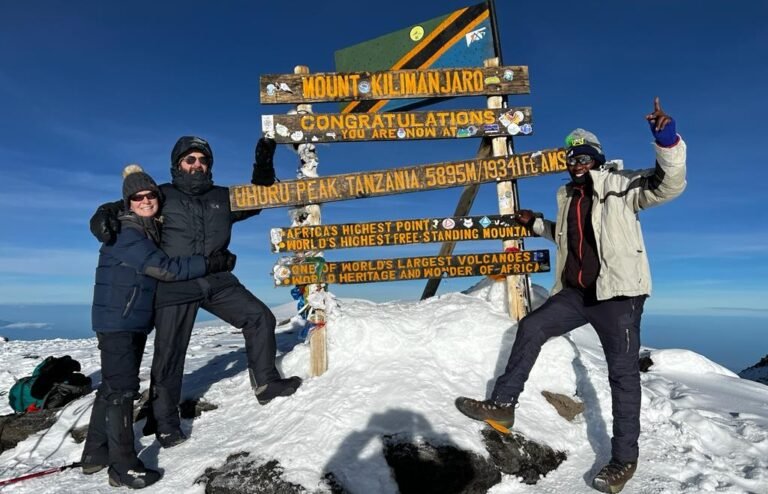
Climbing Kilimanjaro In April : Your Rainy Season Guide 2027
Embarking on a Kilimanjaro climb in April 2027 means navigating the tail end of the long rainy season. This guide provides essential insights for trekkers, focusing on route selection...
View package details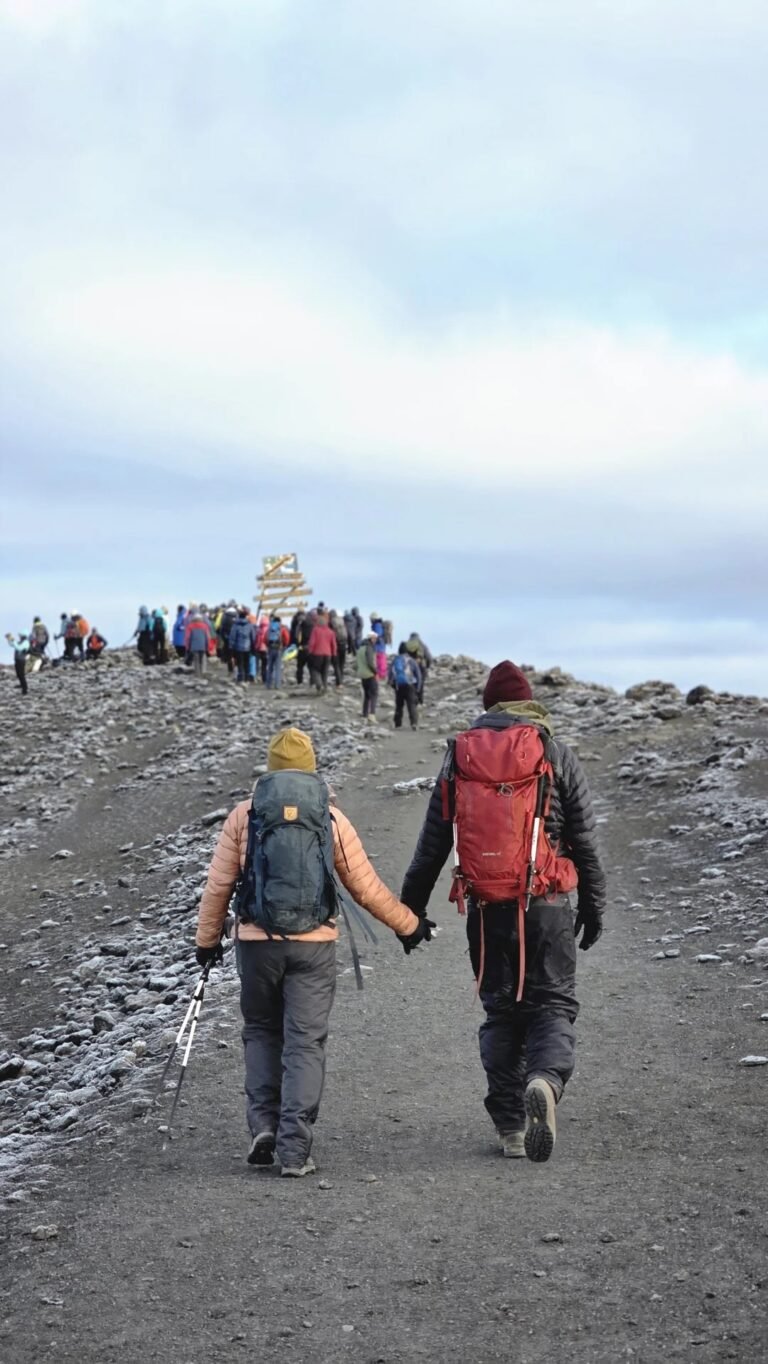
Machame Route 14 November : Navigating The Short Rains On Kilimanjaro
Climbing Kilimanjaro via the Machame Route on November 14, 2026, falls within the 'short rains' season. This guide details what trekkers can anticipate regarding weather, trails...
View package details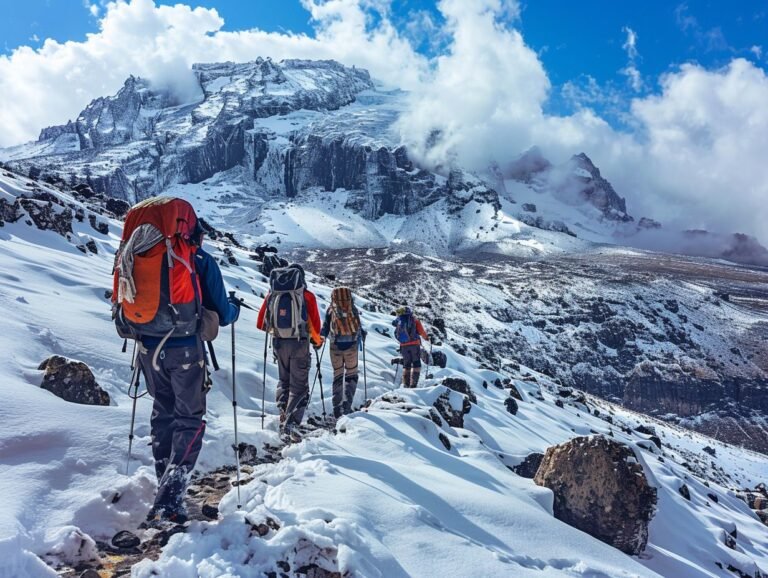
Kilimanjaro 22 May : Your Late-Rainy-Season Group Trek 2027
Planning a Kilimanjaro trek for May 22, 2027? This late-rainy-season group departure offers a different perspective on Africa's highest peak, often with fewer crowds and lush landscapes...
View package details
Kilimanjaro Mid-May – Rain, Temperatures And Summit Conditions 2027
Kilimanjaro Mid-May 2027 – Rain, Temperatures and Summit Conditions is explained with current 2027 planning, price, itinerary and booking information.
View package details
Climbing Kilimanjaro In May : Your Green Season Trekking Guide 2027
Discover the unique advantages and challenges of climbing Kilimanjaro in May 2027. This guide details everything you need to know for a successful trek during the shoulder season.
View package details
Kilimanjaro April Gear Guide: Essential Packing For Heavy Rain 2027
Climbing Kilimanjaro in April 2027 means preparing for potential heavy rains. This guide provides essential packing advice to ensure your comfort, safety, and success on the mountain...
View package details
Kilimanjaro 17 April – Small Group Rainy-Season Adventure With Climb 4 Africa
start a unique Kilimanjaro climb on April 17, 2027, as part of a small group during the rainy season. This adventure offers a different perspective of the mountain, with fewer crowds and...
View package details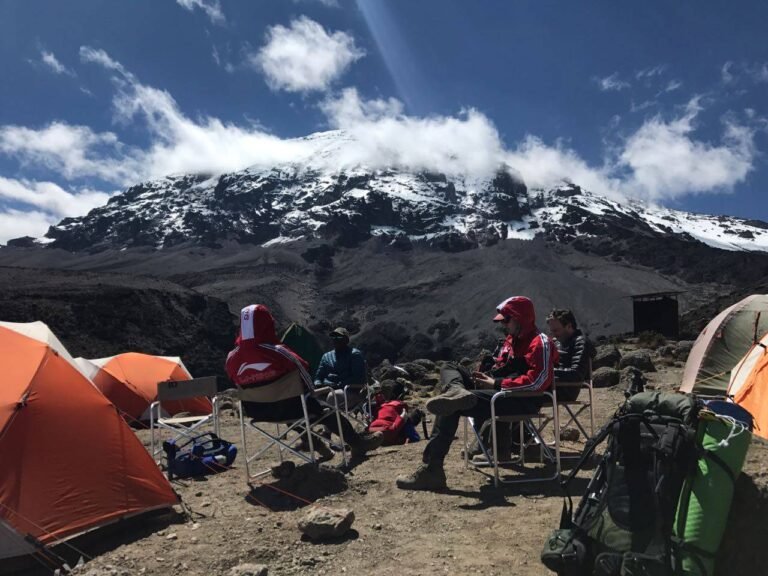
Rongai Route Kilimanjaro April : Your Northern-Side Rainy Season Trek 2027
start your Kilimanjaro adventure via the Rongai Route in April 2027. This guide details the northern-side experience during the shoulder rainy season, offering practical insights for...
View package details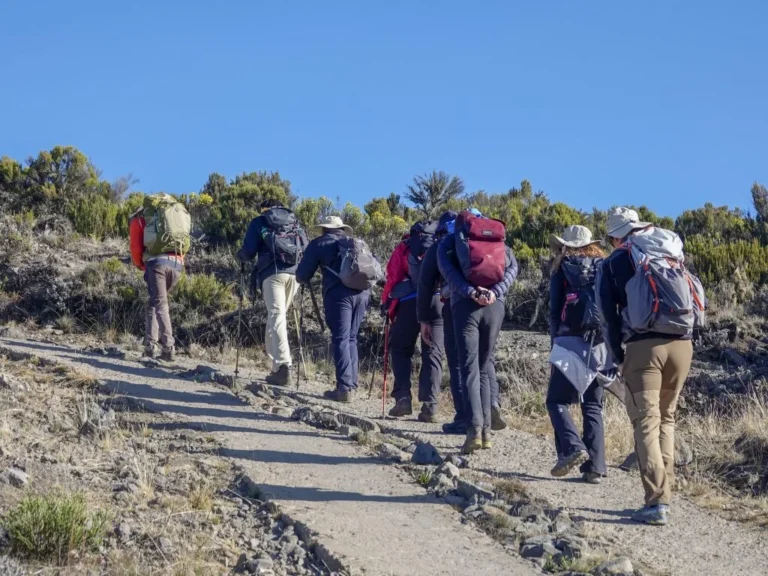
Late March Kilimanjaro – Rainy-Season Route Choices 2027
Late March Kilimanjaro 2027 – Rainy-Season Route Choices is explained with current 2027 planning, price, itinerary and booking information.
View package details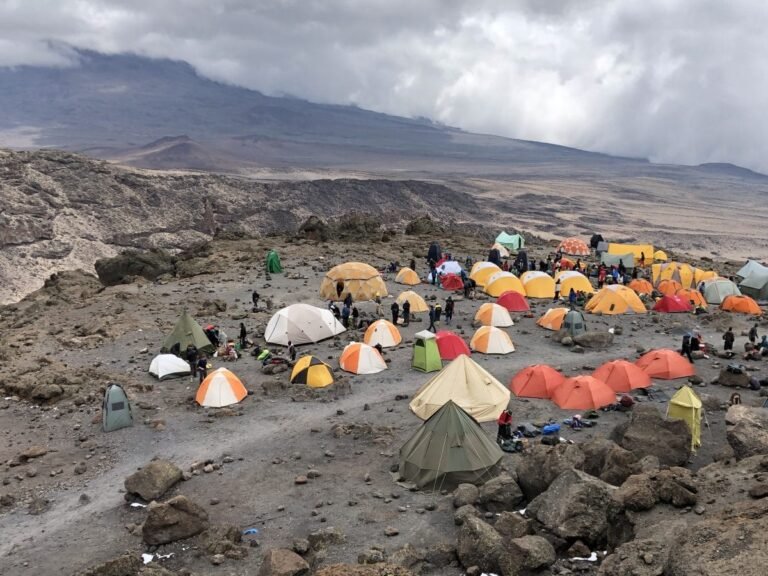
Kilimanjaro Climb March 2027 – Early-Month Groups Before The Long Rains Guide
Discover the unique advantages of climbing Kilimanjaro in early March 2027, just before the onset of the long rainy season. This guide covers weather expectations, route considerations, and...
View package detailsKilimanjaro Late February : Last Dry-Season Groups Before March Rains 2027
Discover the unique opportunity to climb Kilimanjaro in late February 2027, capturing the last dry weather window before the arrival of the March rains. Plan your ascent during this...
View package details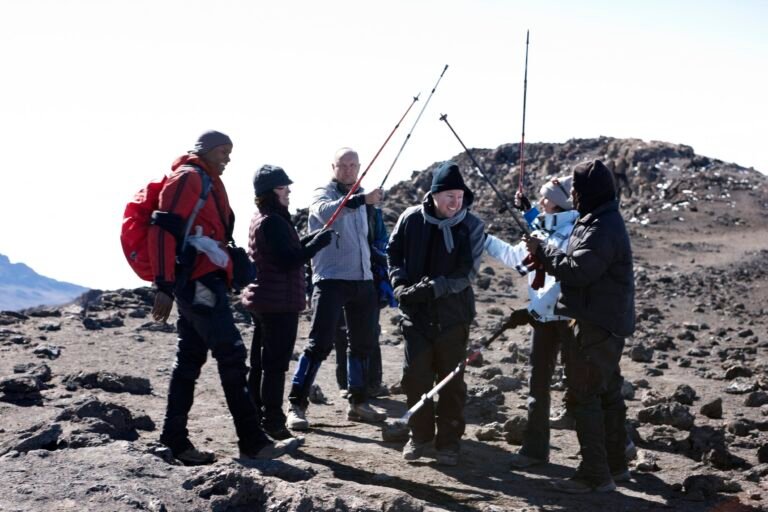
Kilimanjaro 26 November : Thanksgiving Week Group Trek 2026-2027
Plan your Kilimanjaro climb for the unique 26 November 2026 departure, coinciding with Thanksgiving week. This group trek offers a special opportunity to summit Africa's highest peak while...
View package detailsNo related package matches those filters. Clear one or more filters to see the other topic-matched options.



