
Comparing Kilimanjaro in June 2027 versus July 2027 involves looking at the transition from the early dry season to its peak. Both months offer excellent climbing conditions, but subtle differences in weather patterns, crowd density, and pricing can influence your choice for a 2027 ascent. Generally, July often presents slightly drier and colder conditions, potentially with fewer trekkers than late June, though prices remain relatively consistent across both months for reputable operators.
Kilimanjaro Weather: June 2027 vs. July 2027
When planning a Kilimanjaro climb, understanding the weather is paramount. Both June and July fall within Kilimanjaro’s primary dry season, making them excellent choices. However, there are nuances to consider for your Kilimanjaro June 2027 vs July 2027 comparison.
June 2027 Weather Overview
June marks the beginning of the main dry season after the shorter “long rains” that can sometimes extend into late May. Early June can still hold a hint of lingering moisture, meaning occasional light showers are possible, particularly in the lower rainforest zones. However, as the month progresses, conditions typically stabilize, offering clear skies and good visibility. Temperatures begin to drop, especially at higher altitudes, as the dry, cooler air takes hold. The transition period means you might experience a mix of conditions, but the overall trend is towards drier, more predictable weather.
July 2027 Weather Overview
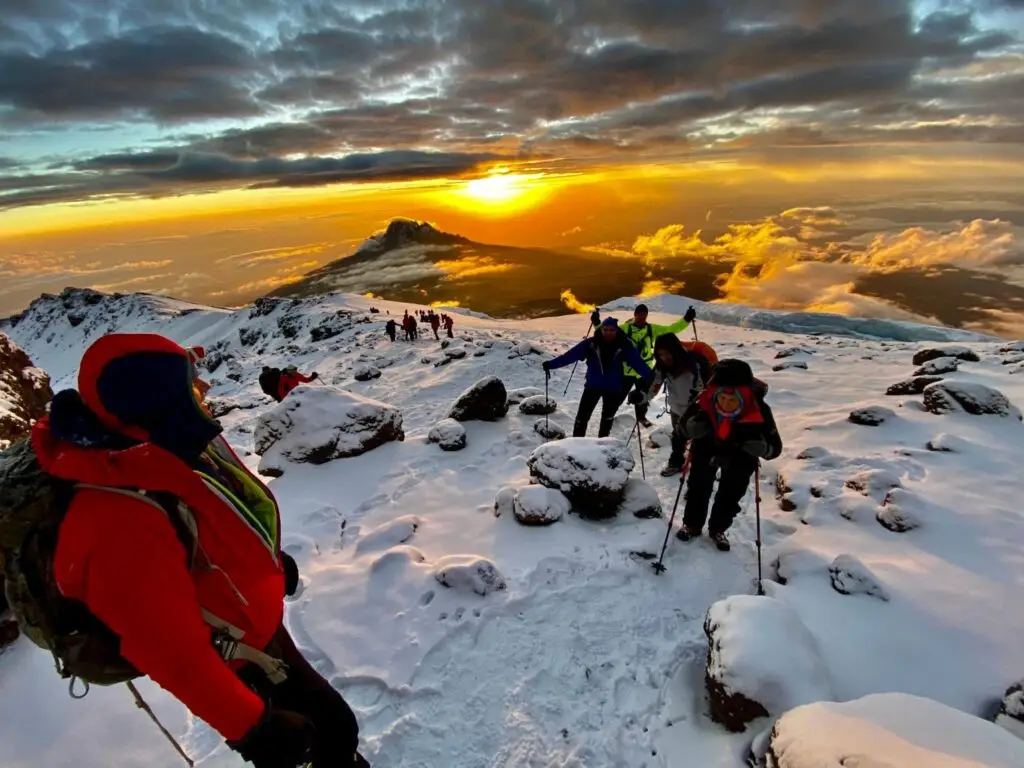
July is firmly in the grip of Kilimanjaro’s dry season and is often considered one of the best months for climbing. The skies are typically very clear, offering spectacular views of the mountain and surrounding landscape. Precipitation is minimal, making trekking more comfortable and reducing the risk of trail closures or delays due to weather. Temperatures are cooler than in June, particularly at night and on the summit. This is the peak of the dry season, so you can expect consistent, favorable conditions, though the colder temperatures require more robust gear.
Temperature and Precipitation Trends
Across the mountain’s different ecological zones, temperatures will fluctuate significantly. At the base (around 1,800m), expect daytime temperatures in the low to mid-20s Celsius (70s Fahrenheit). As you ascend, temperatures drop considerably. By the alpine desert zone (around 4,000m), daytime temperatures might hover around 10-15°C (50-59°F), plummeting to below freezing (-5°C to -10°C or 14°F to 23°F) at night and on the summit. July is generally a bit colder than June, especially at night and during summit attempts. Precipitation is usually low in both months, but July tends to be drier overall. Expect minimal rainfall, with any precipitation likely occurring as light showers or even snow flurries at very high altitudes.
Wind and Visibility Factors
Wind can be a significant factor on Kilimanjaro, especially near the summit and on exposed ridges. While both June and July can experience windy conditions, July might sometimes see slightly stronger winds as the dry season intensifies. However, clear skies in July generally lead to excellent visibility, offering unparalleled photographic opportunities. In June, especially early in the month, slightly more cloud cover could occasionally affect visibility, though this is usually transient and doesn’t detract significantly from the views.
Crowd Levels on Kilimanjaro: June and July 2027
Understanding crowd levels is crucial for managing expectations and enhancing your trekking experience. The dry season is peak season for Kilimanjaro, so expect company on the trails, but the distribution of trekkers can vary slightly between June and July.
June 2027 Crowd Expectations
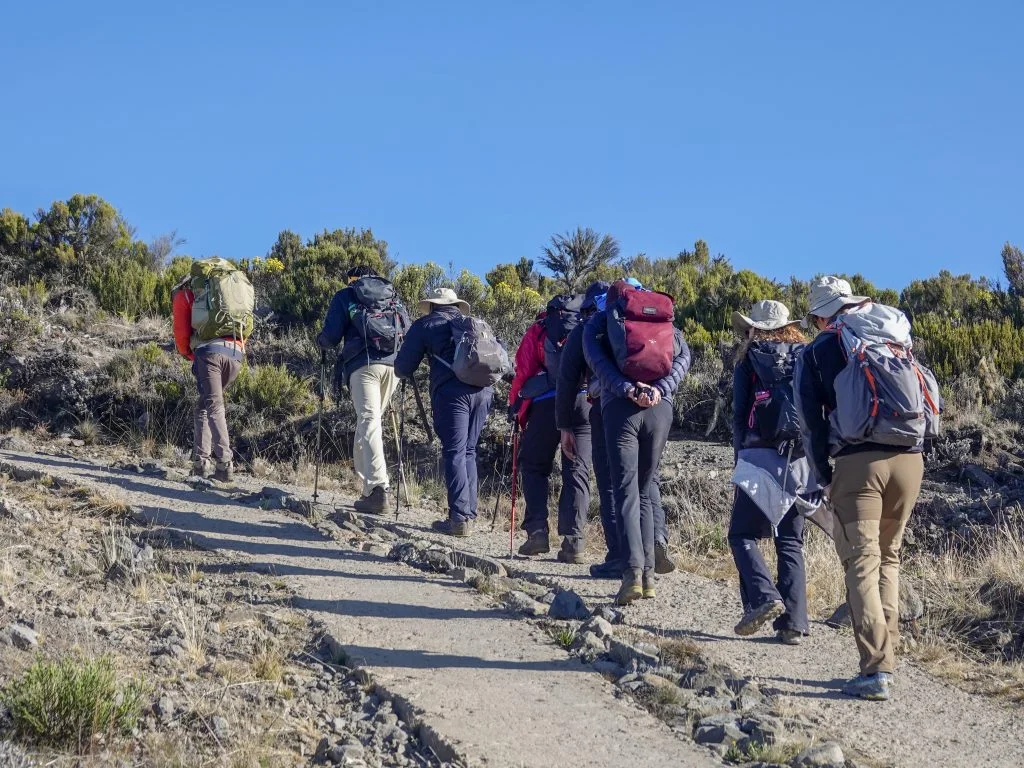
June is a popular month due to its dry conditions. It often sees a significant number of trekkers, especially towards the latter half of the month as the weather solidifies. You’ll likely encounter other groups on the trails and at campsites. However, it’s generally less crowded than the absolute peak months of July and August. The Kilimanjaro climb in June 2027 is a great option if you want good weather without the very highest crowd numbers.
July 2027 Crowd Expectations
July is considered one of the busiest months for climbing Kilimanjaro. Its consistently excellent weather attracts a large number of international trekkers. Campsites will be busy, and you’ll see many other groups on the main trails. If you prefer a slightly less crowded experience, this might be a consideration. However, the sheer volume of people in July also means a vibrant atmosphere on the mountain.
Route-Specific Crowding
Some routes are more popular than others. The Machame Route, for instance, is known for being busy year-round, and this holds true for June and July 2027. The Lemosho Route is also very popular. Shorter routes like Marangu might feel more crowded due to the shorter duration and higher traffic. Longer routes like the Northern Circuit or the longer Lemosho itineraries tend to spread people out more, offering a sense of greater solitude even during peak times. For a Northern Circuit Kilimanjaro trek on June 2, 2027, you’ll still encounter others, but the route’s length helps mitigate extreme congestion.
Impact of Crowds on the Experience
While crowds can sometimes detract from the feeling of wilderness, on Kilimanjaro, they also contribute to a sense of shared accomplishment and camaraderie. You’ll meet trekkers from all over the world. For some, seeing other groups provides reassurance. For others, the desire for solitude is paramount. July’s higher crowds mean more interaction, while June might offer a slightly more serene environment, particularly in early June. If you’re considering a Lemosho Kilimanjaro 26 June 2027 departure, you’re entering the busy period but still might find it a bit less intense than mid-July.
Pricing Considerations for Kilimanjaro Climbs in 2027
When comparing Kilimanjaro June 2027 vs July 2027, pricing is often a significant factor. However, for reputable operators, the difference between these two peak dry season months is usually minimal.
Seasonal Pricing Factors
Kilimanjaro’s park fees and government levies are fixed regardless of the month. The primary cost variation comes from tour operators adjusting their prices based on demand, which is highest during the dry seasons. June and July are both considered high season, so prices will reflect this. The shoulder months (like April, May, November) are typically when you might find slightly lower prices, but with a higher risk of rain.
What Influences Kilimanjaro Climb Costs?
The cost of a Kilimanjaro climb is influenced by several factors: the route chosen (longer routes cost more), the duration of the climb (more days mean higher costs), the quality of the operator (reputable companies with better equipment, food, and guide-to-client ratios charge more), and whether you opt for a private or group climb. Inclusions also play a huge role – full board, equipment rental, park fees, rescue fees, and transportation all add up.
Comparing June and July 2027 Prices
For the most part, you can expect similar pricing for a Kilimanjaro climb in June 2027 and July 2027 when booked with the same operator and on the same route. Both months fall within the high-demand dry season. Any slight variation would likely be negligible. The key is to focus on the value offered by the operator, their safety record, and the quality of their service, rather than searching for minor price differences between these two prime months. A Kilimanjaro 5 June 2027 group departure will likely be priced comparably to a similar group departure in mid-July.
Choosing Your Kilimanjaro Route for June or July 2027
With favorable weather in both June and July 2027, your choice of route becomes a primary decision factor. All routes are generally open and suitable during these months.
Popular Routes During Dry Season
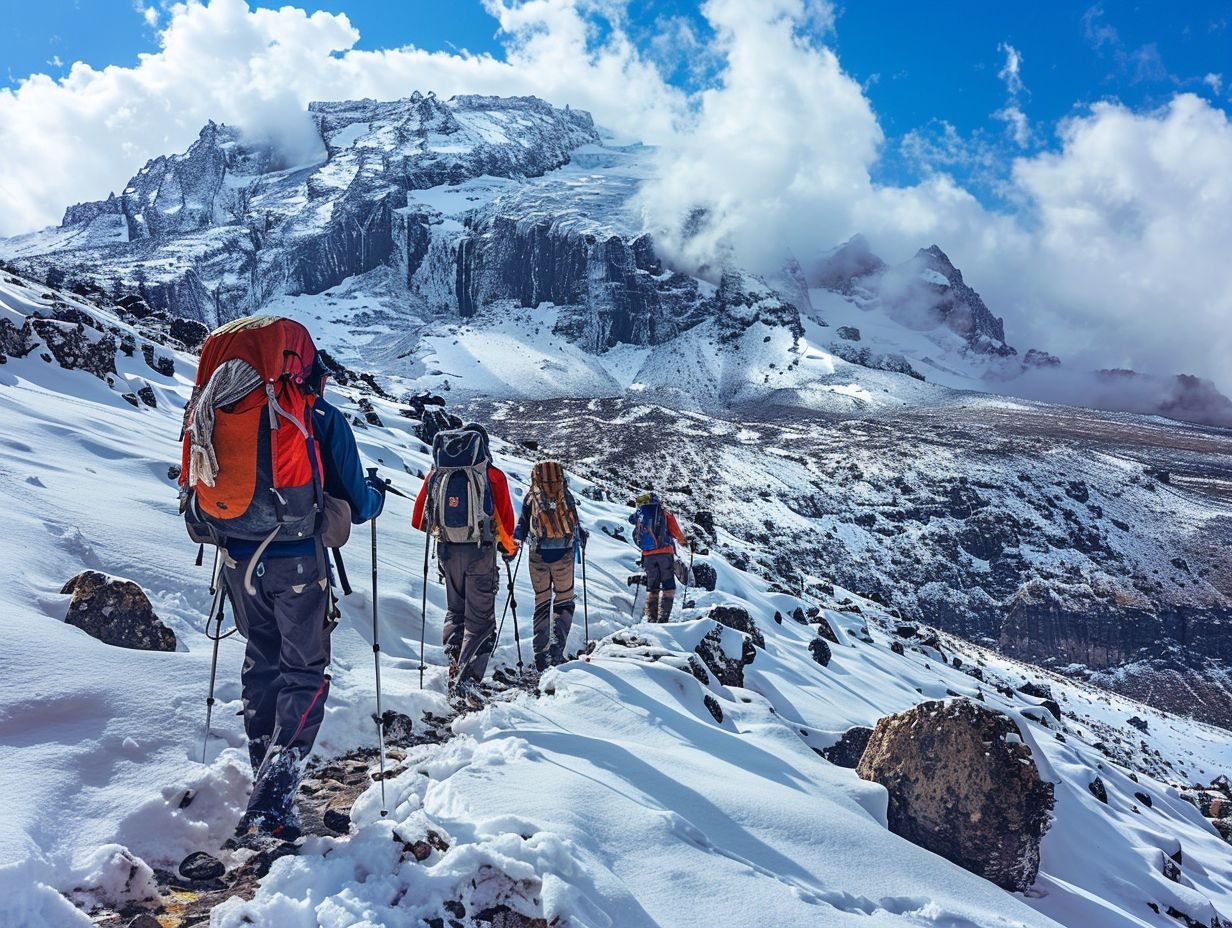
Routes like Machame, Lemosho, and the Northern Circuit are highly recommended for the dry season due to their higher success rates, excellent acclimatization profiles, and scenic beauty. The Marangu route is also an option, offering hut accommodation, though it has a less gradual acclimatization. Rongai, starting from the north, is another dry-season favorite, often experiencing slightly less rain than routes on the southern side, though this is less of a factor in the main dry season.
Route Length and Acclimatization
Longer routes (7-9 days) are generally better for acclimatization and thus higher success rates. The Northern Circuit (9 days) and the 8-day Lemosho are excellent choices for maximizing your chances. The Machame route is often done over 6 or 7 days. For your Kilimanjaro June 2027 vs July 2027 decision, consider that a longer route will give you more time to adapt to the altitude, which is beneficial regardless of the month. For example, a Machame Route climb is fantastic in July, but choosing a 7-day option will aid acclimatization significantly.
Route Scenery and Difficulty
Each route offers unique scenery. Lemosho and Northern Circuit are renowned for their initial wilderness feel and stunning views. Machame is known as the “Whiskey Route” for its popularity and challenging terrain. Marangu offers hut accommodation, which some prefer. Consider the difficulty and scenery that appeals most to you. For a truly unique experience, explore options like the Kilimanjaro Full Moon Climb on June 19, 2027, which often utilizes routes known for their dramatic summit ascents.
Preparation and Logistics for a 2027 Climb
Regardless of whether you choose June or July 2027 for your Kilimanjaro adventure, thorough preparation is key.
Booking Windows and Availability
Because June and July are prime months, booking well in advance is highly recommended for 2027. Popular departure dates, especially for group climbs or specific routes, can fill up months ahead. Aim to book at least 6-12 months in advance to secure your preferred dates and route. This is particularly true for specific dates like the Juneteenth Kilimanjaro Climb 2027 or early June departures.
Packing Essentials for Dry Season
Even though it’s the dry season, Kilimanjaro’s weather is extreme and varied. You’ll need layers. Key items include: a warm sleeping bag (rated to -10°C or 14°F), waterproof and windproof outer layers, thermal base layers, fleece mid-layers, sturdy hiking boots, warm hat and gloves, sunscreen, and sunglasses. Trekking poles are highly recommended. A good quality headlamp is essential for summit night. While July is colder, the packing list is largely similar for both months; the main difference is perhaps needing slightly warmer sleeping gear or an extra thermal layer for July.
Fitness and Training
Physical preparation is non-negotiable for Kilimanjaro. Focus on cardiovascular fitness (hiking, running, cycling) and strength training, particularly for your legs and core. Practice hiking with a weighted backpack on varied terrain. The fitter you are, the more you’ll enjoy the climb and the better your body will cope with the altitude. Start your training at least 2-3 months before your climb date in June or July 2027.
Making Your Final Decision: June 2027 or July 2027?
Both months present fantastic opportunities for climbing Kilimanjaro. The choice between Kilimanjaro June 2027 vs July 2027 often comes down to personal preference regarding temperature and crowd tolerance.
Who Should Choose June 2027?
Choose June 2027 if you:
- Prefer slightly milder temperatures, especially in the evenings and at lower altitudes.
- Want excellent dry-season conditions but are okay with a small chance of occasional light showers, particularly early in the month.
- Are looking for a slightly less crowded experience than mid-summer but still want reliable weather.
- Are interested in specific dates like the Lemosho Route 12 June 2027 group climb.
Who Should Choose July 2027?
Choose July 2027 if you:
- Prioritize the absolute driest conditions and clearest skies.
- Don’t mind colder temperatures, especially during summit night.
- Are comfortable with higher crowd levels on the trails and at campsites.
- Are looking for the quintessential dry-season Kilimanjaro experience.
- Are planning a combined trip, such as a Kilimanjaro and Grumeti Migration Safari in June 2027 (though July safaris are also excellent).
A Note on 2026 Climbs
While this article focuses on 2027, remember that similar considerations apply to Kilimanjaro June 2026 vs July 2026. Planning for the dry season is always a smart move, and the principles of weather, crowds, and pricing remain consistent year to year. If you’re looking at a Kilimanjaro climb in January 2027, the planning logic is different, focusing on the short dry season.
Ultimately, both June and July 2027 offer superb conditions for climbing Kilimanjaro. The best month for you depends on your priorities. Whether you opt for the early dry season charm of June or the peak dry season consistency of July, an unforgettable adventure awaits. For personalized advice and to secure your spot on a 2027 climb, consider reaching out to experienced operators like Climb 4 Africa. Discussing your ideal dates, preferred route, and any specific concerns will help them tailor the perfect expedition for you. Contact us via WhatsApp at +255 747 477 898 or email climb4africa@gmail.com to start planning your Kilimanjaro June 2027 vs July 2027 adventure.”,
“faq_schema”: [
{
“question”: “Is June or July better for Kilimanjaro weather in 2027?”,
“answer”: “Both June and July 2027 fall within Kilimanjaro’s main dry season, offering excellent climbing conditions. July is often considered slightly drier and clearer, while early June might occasionally see lingering light showers from the preceding rainy season. Both months provide good visibility and are ideal for trekking.”
},
{
“question”: “Will Kilimanjaro be crowded in June vs. July 2027?”,
“answer”: “July is typically busier than June on Kilimanjaro, as it’s considered peak dry season. June is also popular but generally experiences slightly fewer trekkers, especially in the earlier part of the month. Both months will have other groups on the mountain.”
},
{
“question”: “Are there price differences for Kilimanjaro climbs in June vs. July 2027?”,
“answer”: “For reputable tour operators, prices for Kilimanjaro climbs in June 2027 and July 2027 are usually very similar, as both are high-demand months within the dry season. The cost is more influenced by the route, duration, and operator’s inclusions rather than the specific month within the dry season.”
},
{
“question”: “Which routes are best for Kilimanjaro in June or July 2027?”,
“answer”: “All routes are generally suitable during the dry season. However, longer routes like Lemosho (7-8 days), Northern Circuit (9 days), and Machame (6-7 days) are highly recommended for better acclimatization and higher success rates in June or July 2027. Rongai is also a good option.”
},
{
“question”: “What should I pack for Kilimanjaro in June or July 2027?”,
“answer”: “For both June and July 2027, pack for extreme temperature variations and layering. Essentials include waterproof/windproof outer layers, warm thermal base layers, fleece mid-layers, a warm sleeping bag, sturdy hiking boots, warm hat and gloves, sunscreen, and sunglasses. July tends to be colder, so ensure you have adequate cold-weather gear.”
}
]
}
“`
Check Availability for Kilimanjaro June Vs July – Weather, Crowds And Prices 2027
Ready to compare dates, prices, and the best option for your group? Send the package name and travel month so the team can reply with a clear quote, availability, and what is included.
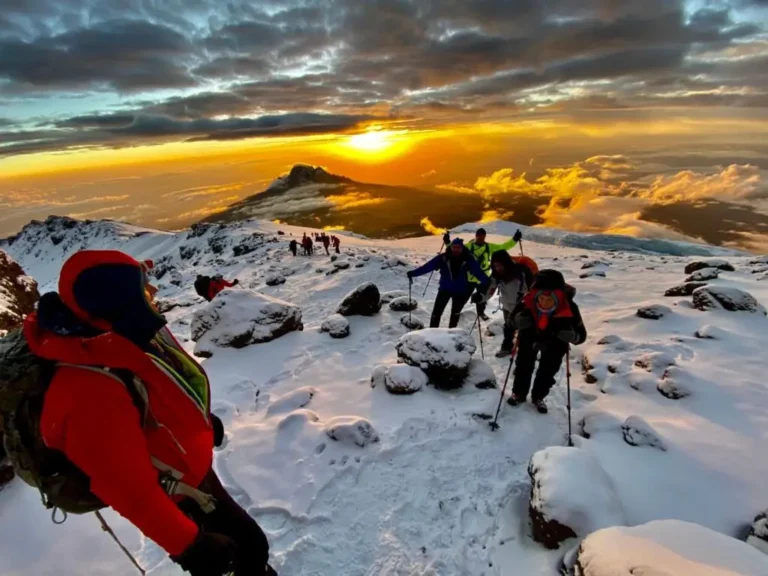
Lemosho Kilimanjaro 26 June – Dry-Season Departure Into July 2027
Lemosho Kilimanjaro 26 June 2027 – Dry-Season Departure Into July is explained with current 2027 planning, price, itinerary and booking information.
View package details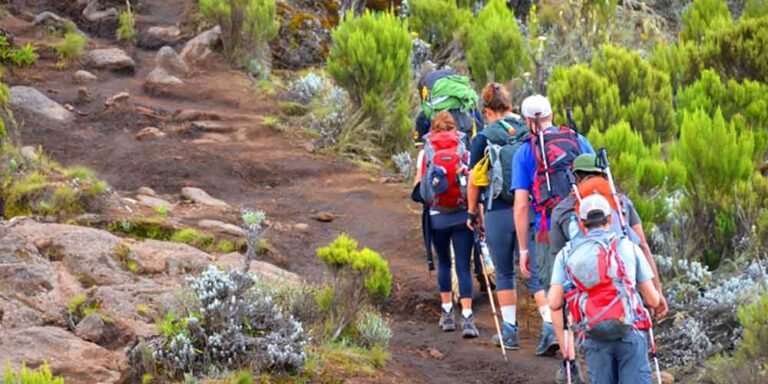
Northern Circuit – 10 July Dry-Season Expedition: Your Ultimate Kilimanjaro
Plan your Northern Circuit expedition for July 10, 2027. This dry-season adventure offers the most scenic and gradual ascent on Kilimanjaro, maximizing acclimatization and success rates.
View package details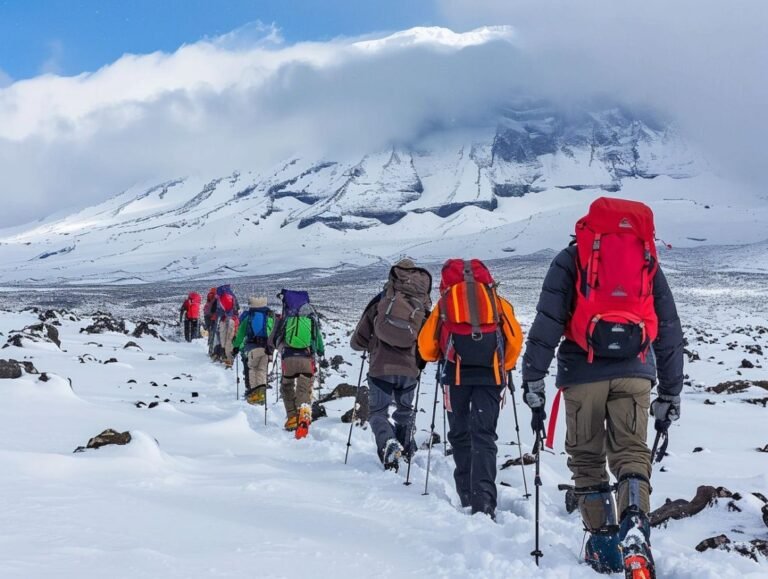
Kilimanjaro Climb July – Peak Dry-Season Group Departures 2027
Kilimanjaro Climb July 2027 – Peak Dry-Season Group Departures is explained with current 2027 planning, price, itinerary and booking information.
View package detailsMarangu Route – 26 June Kilimanjaro Group Climb 2027
Marangu Route – 26 June 2027 Kilimanjaro Group Climb is explained with current 2027 planning, price, itinerary and booking information.
View package details7 Day Machame Route – 19 June Kilimanjaro Group Departure 2027
Planning to climb Kilimanjaro on the Machame Route in a group setting? This 7-day departure on June 19, 2027, offers a balanced approach to acclimatization and scenery. Learn what to...
View package details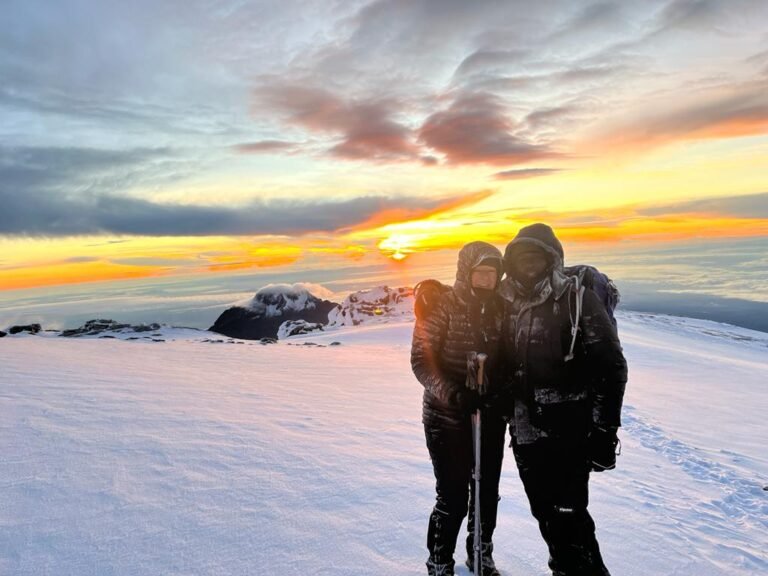
Solo Traveller Kilimanjaro July – Groups With Available Seats 2027
Solo Traveller Kilimanjaro July 2027 – Groups With Available Seats is explained with current 2027 planning, price, itinerary and booking information.
View package details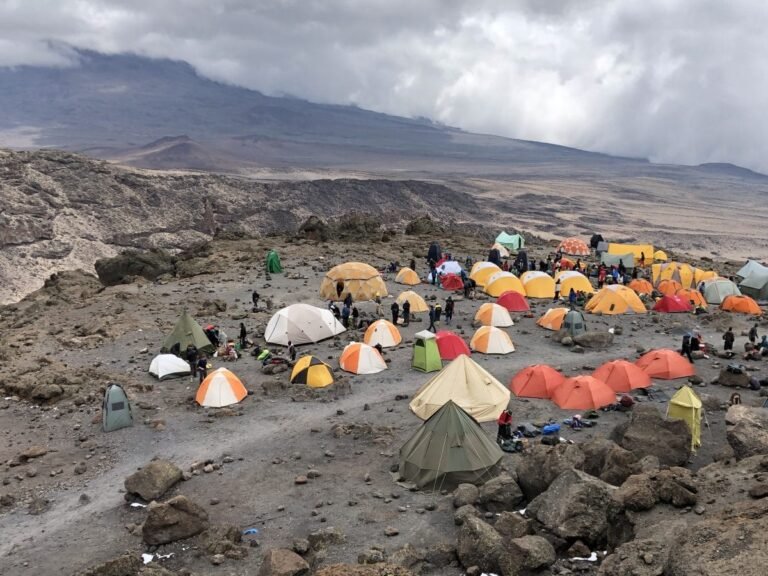
Family Kilimanjaro Climb July : Summer School Holiday Dates 2027
Planning a family adventure to the roof of Africa? Climbing Kilimanjaro during the July 2027 school holidays offers a unique opportunity for families to bond and achieve a shared goal. This...
View package details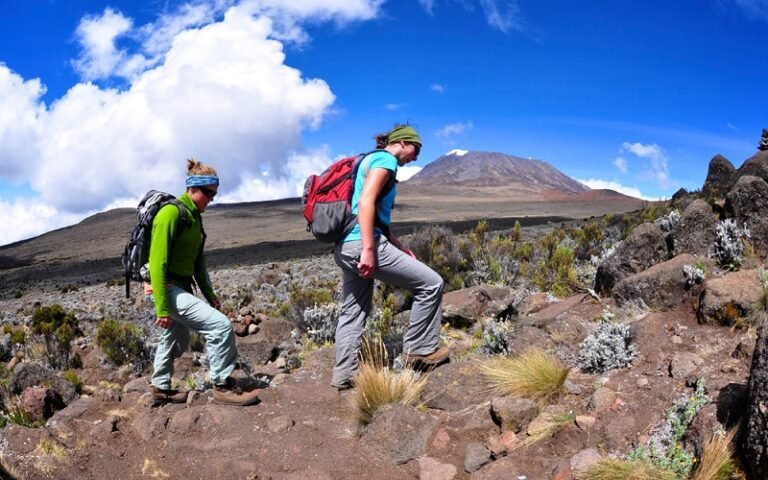
Kilimanjaro And Mara River Crossing Safari July 2027
Kilimanjaro and Mara River Crossing Safari July 2027 is explained with current 2027 planning, price, itinerary and booking information.
View package detailsKilimanjaro And Great Migration Safari July : Your Ultimate Tanzanian
Combining a Kilimanjaro climb with a Great Migration safari in July 2027 offers a spectacular Tanzanian adventure. This guide helps you plan your ideal itinerary, considering the best...
View package details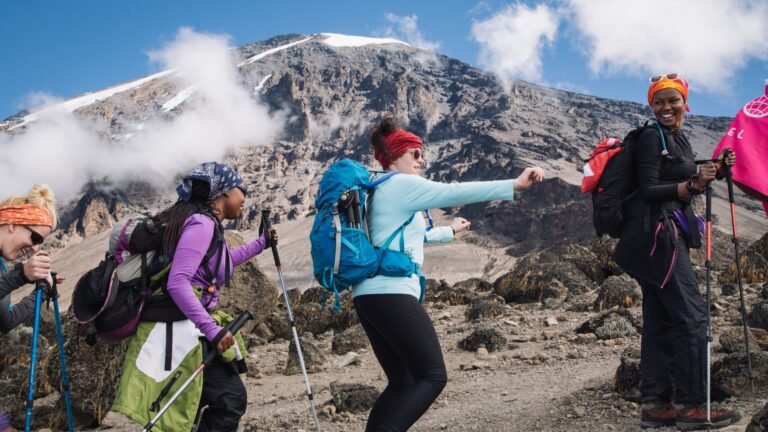
Kilimanjaro 31 July – To August Peak Season Climb 2027
Kilimanjaro 31 July 2027 – July to August Peak Season Climb is explained with current 2027 planning, price, itinerary and booking information.
View package detailsLemosho Route – 24 July Kilimanjaro Summer Departure: Your Ultimate Guide 2027
start an unforgettable Kilimanjaro adventure via the Lemosho Route on our 24 July 2027 departure. This guide details the route's advantages for summer climbs, itinerary highlights, and...
View package detailsKilimanjaro Full Moon Climb July – Summit Around 18 2027
start an unforgettable Kilimanjaro full moon climb in July 2027, targeting a summit on or around July 18th. This guide details the unique advantages of a full moon ascent, optimal routes...
View package detailsNo related package matches those filters. Clear one or more filters to see the other topic-matched options.



