
The Lemosho Kilimanjaro 26 June 2027 departure is a prime choice for trekkers aiming for the dry season’s favorable conditions as the climb transitions into July. This specific date offers a balanced experience, avoiding the very earliest dry season crowds while still providing excellent weather and visibility for a successful summit bid. Climb 4 Africa’s expert-led expedition ensures comprehensive support throughout this challenging yet rewarding journey.
Understanding the Lemosho Route and Late June Timing
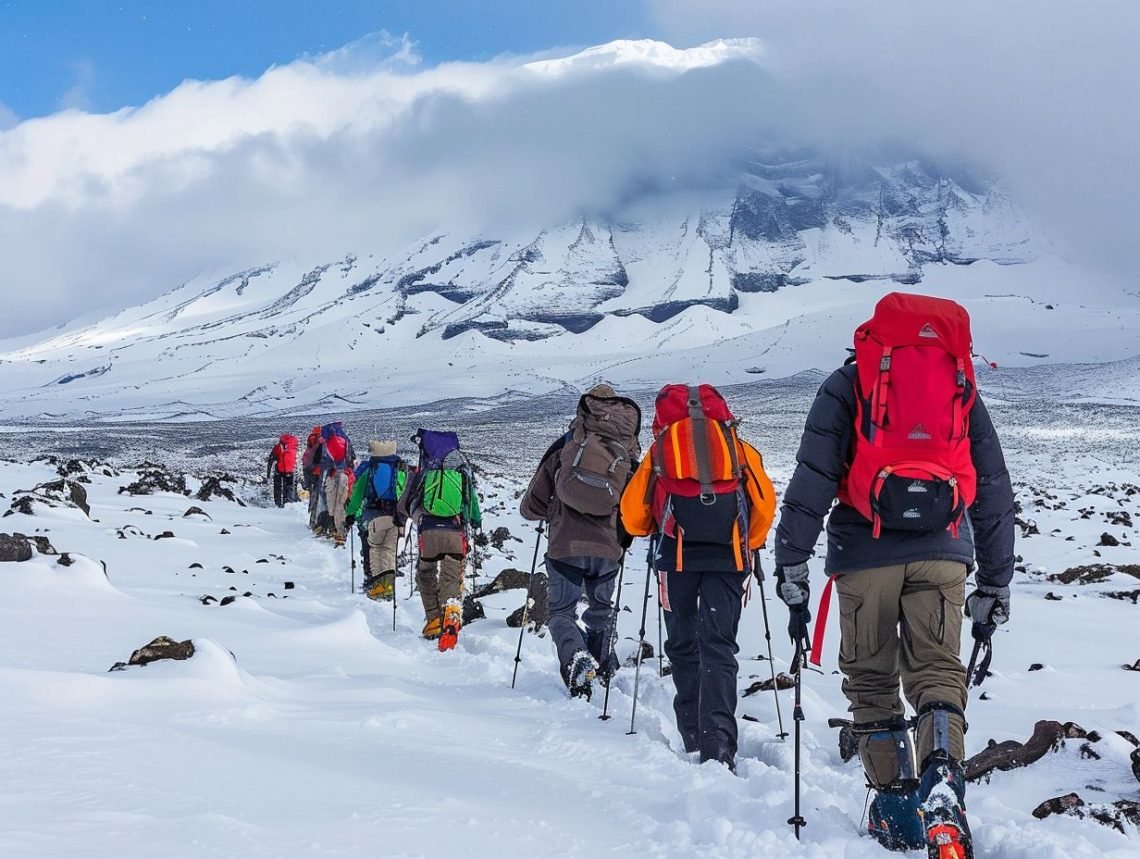
The Lemosho route is widely celebrated for its scenic beauty and excellent acclimatization profile, making it a top recommendation for most Kilimanjaro adventurers. Its gradual ascent through diverse landscapes, from lush rainforests to alpine deserts and the arctic zone, allows the body to adapt more effectively to the altitude. Opting for a Lemosho Kilimanjaro 26 June 2027 departure means you are choosing a path known for its success rates and in-depth wilderness experience. The route typically spans 7 to 8 days, providing ample time for acclimatization, which is crucial for reaching Uhuru Peak.
Late June marks the beginning of the long dry season on Kilimanjaro. This period is characterized by clear skies, minimal rainfall, and moderate temperatures. While mornings and evenings can be chilly, especially at higher altitudes, the daytime conditions are generally pleasant for trekking. The transition from June into July means you’ll likely experience the best of both months, with the skies often remaining clear and the trails relatively dry and less prone to mud or slippery conditions. This is a significant advantage over the rainy seasons, where visibility can be poor and the climb can become significantly more arduous.
Choosing the Lemosho route for a June 26, 2027 climb specifically leverages the advantages of this timing. Unlike some shorter routes that might feel rushed during this period, the Lemosho’s extended itinerary allows trekkers to fully appreciate the mountain’s grandeur and acclimatize properly, increasing their chances of a successful summit. The route’s western start also offers a more remote and less crowded experience in the initial days compared to other popular routes, adding to the overall appeal for those seeking a more profound connection with nature.
Why June and July for Kilimanjaro? The Dry Season Advantage
Kilimanjaro experiences two main dry seasons: January to March and June to October. The period around your Lemosho Kilimanjaro 26 June 2027 departure falls into the longer, and arguably more popular, dry season. This timeframe is highly sought after by climbers for several compelling reasons:
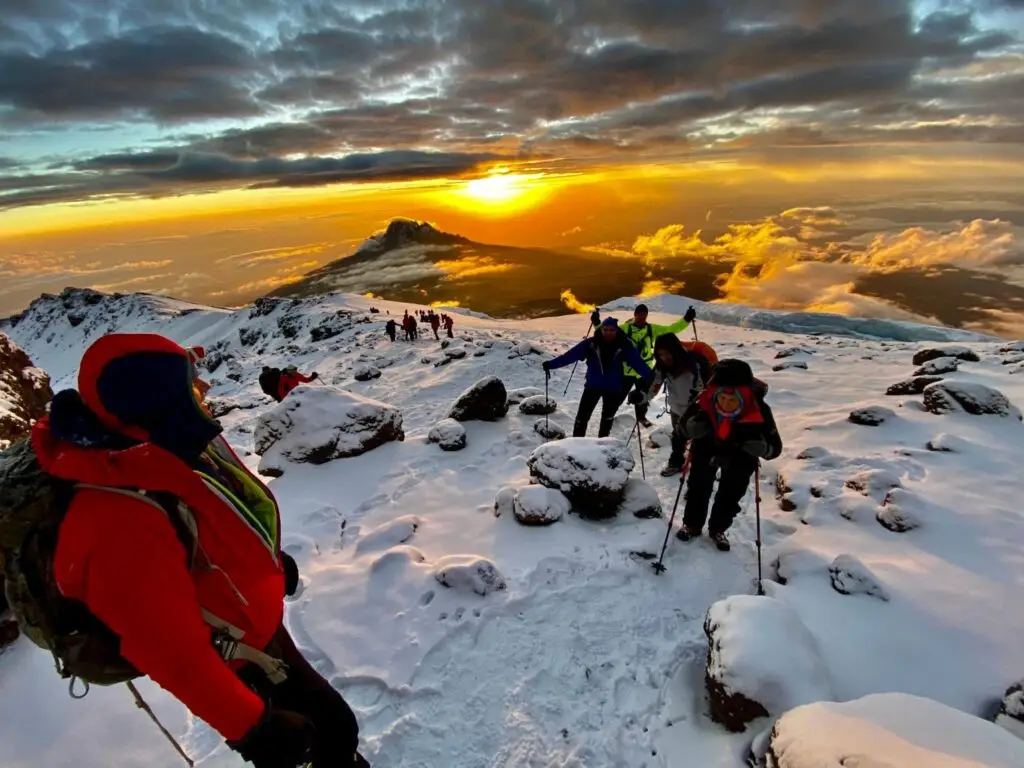
* Clear Skies and Views: During the dry season, the skies above Kilimanjaro are typically clear, offering impressive panoramic views of the surrounding plains and, crucially, the summit crater. This means your summit night and the final approach to Uhuru Peak will likely be under a starry sky, with excellent visibility of the glacial formations and the vast caldera. This is a stark contrast to the rainy seasons, where clouds can obscure the views and make navigation more challenging.
* Stable Weather Conditions: While Kilimanjaro can experience unpredictable weather at any time, the dry season generally brings more stable conditions. You can expect less rainfall, meaning fewer muddy trails and a lower risk of encountering heavy downpours or snowstorms at higher elevations. This stability makes the trekking experience more predictable and comfortable.
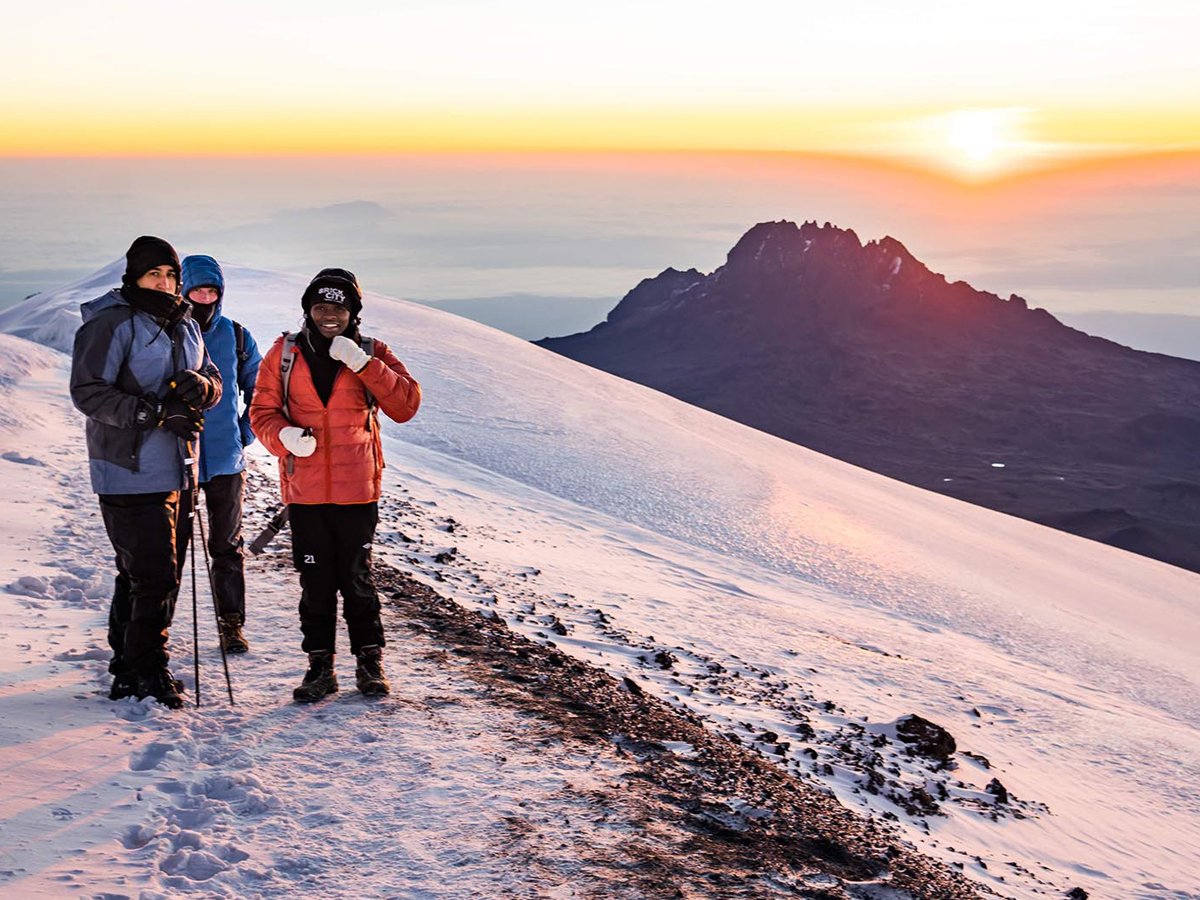
* Moderate Temperatures: Daytime temperatures during June and July are usually moderate, making for pleasant trekking through the lower forests and moorlands. However, it’s essential to remember that temperatures drop significantly as you ascend, particularly on summit night. Expect freezing conditions well below zero degrees Celsius as you approach Stella Point and Uhuru Peak.
* Trail Conditions: Dry trails are easier to navigate and less physically demanding. You won’t have to contend with the waterlogged paths or slippery slopes that can slow down progress and increase the risk of falls during the wet months. This is especially important for routes like Lemosho, which traverse varied terrain.
The transition from June into July is particularly strategic. Early June can still see some residual moisture from the “long rains” that typically taper off by late May or early June. By June 26th, the dry season should be firmly established, offering the best of the stable weather. As you move into early July, these favorable conditions are expected to persist, ensuring a consistent trekking experience.
For those considering a climb in 2027, this Lemosho Kilimanjaro 26 June 2027 departure is perfectly timed to capitalize on these dry season benefits. It represents a sweet spot, offering the advantages of the dry season without the absolute peak crowds that might occur in July and August, though it’s still a popular time. Understanding these seasonal advantages is key to planning a successful and enjoyable Kilimanjaro adventure.
The Lemosho Kilimanjaro 26 June 2027 Itinerary: A Deeper Look
The Lemosho route is typically offered in 7 or 8-day variations, with the 8-day option being strongly recommended by operators like Climb 4 Africa for superior acclimatization and a higher summit success rate. For a Lemosho Kilimanjaro 26 June 2027 departure, an 8-day itinerary would generally look something like this:
* Day 1: Londorosi Gate to Mti Mkubwa Camp
* Drive from Moshi to Londorosi Gate.
* Register and begin trek through the rainforest.
* Approximate trek time: 3-4 hours.
* Elevation gain: ~600m.
* Day 2: Mti Mkubwa Camp to Shira 1 Camp
* Continue through the forest, then emerge into moorland.
* Stunning views of Kibo and Mawenzi peaks.
* Approximate trek time: 5-6 hours.
* Elevation gain: ~800m.
* Day 3: Shira 1 Camp to Shira 2 Camp / Moir Hut
* Trek across the Shira Plateau, a vast volcanic caldera.
* Gradual ascent with opportunities for acclimatization hikes.
* Approximate trek time: 5-7 hours.
* Elevation gain: ~400m.
* Day 4: Moir Hut to Barranco Camp
* A day of significant acclimatization, often involving a trek to Lava Tower and then descending to Barranco Camp.
* This ‘climb high, sleep low’ strategy is vital for altitude adaptation.
* Approximate trek time: 6-8 hours.
* Elevation change: Ascend to ~4600m, descend to ~3900m.
* Day 5: Barranco Camp to Karanga Camp
* Confront the infamous Barranco Wall (a scramble, not technical climbing).
* Continue through alpine desert.
* Approximate trek time: 4-5 hours.
* Elevation gain: ~250m.
* Day 6: Karanga Camp to Barafu Camp
* Trek across a barren landscape towards the mountain’s southern ice fields.
* Reach Barafu Camp, the base camp for the summit attempt.
* Rest and prepare for the night’s summit push.
* Approximate trek time: 4-5 hours.
* Elevation gain: ~650m.
* Day 7: Barafu Camp to Uhuru Peak and down to Mweka Camp
* Start the summit ascent around midnight.
* Reach Stella Point by sunrise, then continue to Uhuru Peak (5895m).
* Descend back to Barafu Camp for a short rest, then continue down to Mweka Camp.
* Approximate trek time: 10-12 hours (summit day).
* Significant descent.
* Day 8: Mweka Camp to Mweka Gate and transfer to Moshi
* Final descent through the rainforest.
* Celebrate your achievement at Mweka Gate.
* Approximate trek time: 3-4 hours.
* Transfer back to your hotel in Moshi.
This 8-day structure is ideal for the Lemosho Kilimanjaro 26 June 2027 departure, maximizing acclimatization and enjoyment. While a 7-day Lemosho is possible, it compresses the acclimatization days, particularly around Shira Plateau and the Barranco Wall approach, which can increase fatigue and reduce summit success odds. For trekkers heading into the dry season, the extra day is invaluable.
Comparing Lemosho Departure Dates: Why June 26, 2027 Stands Out
When planning a Kilimanjaro climb, especially for a popular route like Lemosho during the dry season, departure dates matter. Let’s consider how the Lemosho Kilimanjaro 26 June 2027 date fits within the broader dry season window, comparing it to earlier June departures and the transition into July.
* Early June Departures (e.g., June 5, 2027): These dates are at the very cusp of the dry season. While generally good, there’s a slightly higher chance of lingering rain showers from the preceding long rains. The trails might still be a bit wet in places. However, crowds are usually lower than in mid-to-late June and July. For instance, the Kilimanjaro 5 June 2027 departure offers this early-season advantage.
* Mid-June Departures (e.g., June 12, 2027): By mid-June, the dry season is typically well-established. Weather conditions are usually excellent, and the trails are drier. Crowds begin to increase, but it’s not yet at the peak levels of July. The Lemosho Route 12 June 2027 departure is a great example of this prime window.
* Late June Departures (e.g., June 26, 2027): Your chosen date, June 26, 2027, falls into the latter half of June. This is deep into the dry season, offering very reliable weather, clear skies, and dry trails. While this is a highly desirable period, the number of trekkers on the mountain will be higher than in early June. It’s a fantastic balance between excellent conditions and manageable crowds before the absolute peak of July.
* Early July Departures (e.g., July 7, 2027): July is considered peak dry season and peak trekking season. The weather is usually superb, but the trails, especially on popular routes like Lemosho, Machame, and Marangu, will be the most crowded. If avoiding crowds is a significant priority, late June might offer a slight edge. However, July’s consistent weather is a major draw. Consider the Kilimanjaro Climb June 2027 – Start of the Dry Season for broader context on this month.
Strategic Timing for 2027
The Lemosho Kilimanjaro 26 June 2027 departure offers a strategic advantage. It’s late enough in June to ensure the dry season is in full swing, minimizing the risk of rain, but perhaps just before the absolute peak of July’s visitor numbers. This timing is excellent for those who want the best weather odds with slightly fewer people on the trails compared to the very end of July or August. It’s a prime window for a memorable Kilimanjaro experience.
When booking, it’s always wise to confirm the specific itinerary length (7 or 8 days) and the exact inclusions with your chosen operator. For a June 2027 climb, prioritizing an 8-day Lemosho route is generally the best approach for maximizing success and enjoyment.
Essential Preparations for Your June 26, 2027 Climb
Successfully summiting Kilimanjaro requires more than just booking a trip; it demands thorough preparation. For your Lemosho Kilimanjaro 26 June 2027 adventure, here’s what to focus on:
* Physical Fitness: Begin a dedicated training program at least 2-3 months before your climb. Focus on cardiovascular endurance (hiking, running, cycling) and strength training, especially for your legs and core. Practice hiking with a weighted backpack on varied terrain, including hills and stairs.
* Altitude Acclimatization: While the Lemosho route is excellent for acclimatization, your body still needs to be prepared. This means training to build endurance, as a fitter body generally copes better with altitude. Hydration is also key; start increasing your water intake well before the trek.
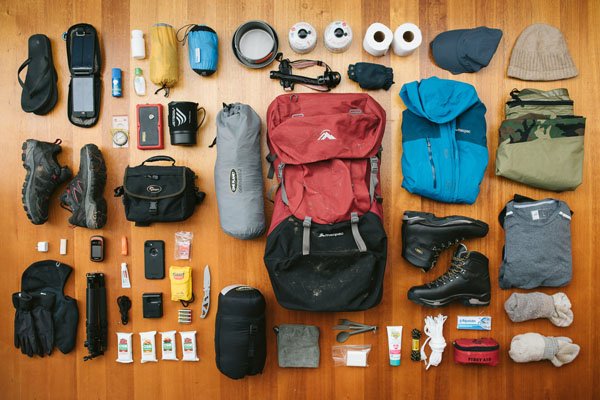
* Gear and Packing: This is critical for comfort and safety, especially during the dry season when temperatures can fluctuate dramatically. Key items include:
* Layering System: Base layers (moisture-wicking), mid-layers (fleece or down jacket), and an outer shell (waterproof and windproof jacket and trousers).
* Footwear: Broken-in, waterproof hiking boots are essential. Bring several pairs of quality hiking socks.
* Headwear: A warm, insulated hat, a sun hat with a brim, and a balaclava or warm neck gaiter for summit night.
* Gloves: Warm, waterproof gloves or mittens, plus liner gloves.
* Sleep System: A warm sleeping bag (rated to at least -10°C or 0°F) is crucial. A sleeping bag liner can add extra warmth.
* Other Essentials: Headlamp with extra batteries, sunglasses, sunscreen, lip balm, sturdy trekking poles, a reusable water bottle or hydration reservoir, and a good quality backpack.
* Travel Documents: Ensure your passport is valid for at least six months beyond your return date and has sufficient blank pages. Obtain your Tanzanian visa in advance if required for your nationality.
* Travel Insurance: Comprehensive travel insurance that covers high-altitude trekking and emergency medical evacuation is non-negotiable.
* Vaccinations and Health: Consult your doctor or a travel clinic about recommended vaccinations and malaria prophylaxis for Tanzania. Pack a personal first-aid kit with any necessary medications.
Being well-prepared will significantly enhance your experience on the Lemosho Kilimanjaro 26 June 2027 trek. It allows you to focus on the journey and the incredible scenery, rather than being hindered by discomfort or poor planning.
What’s Included in Your Climb 4 Africa Expedition
When you book your Lemosho Kilimanjaro 26 June 2027 departure with Climb 4 Africa, you’re partnering with a company deeply experienced in Kilimanjaro climbs. Understanding what’s included is vital for transparent planning. While specific packages can vary, Climb 4 Africa typically provides a comprehensive service designed for safety and success:
Typical Inclusions with Climb 4 Africa:
- Professional Guides: Highly experienced, certified mountain guides with extensive knowledge of Kilimanjaro and altitude sickness management. Assistant guides are also included, ensuring a good guide-to-client ratio.
- Porters: Sufficient porters to carry all group camping equipment, food, and luggage, ensuring you only need to carry a daypack.
- Cooks: Dedicated cooks to prepare nutritious and varied meals throughout the trek, including three hot meals a day plus snacks.
- Accommodation: Camping equipment (tents, sleeping mats) and accommodation in tents on the mountain.
- Park Fees: All necessary Kilimanjaro National Park entrance fees, camping fees, and rescue fees.
- Food: All meals on the mountain as per the itinerary (breakfast, lunch, dinner).
- Water: Boiled or purified drinking water provided daily.
- Transfers: Airport transfers upon arrival and departure, and transfers to/from the mountain gate.
- Safety Equipment: Comprehensive first-aid kits and oxygen cylinders for emergency use.
- Staff Welfare: Fair wages, adequate food, and insurance for all support staff.
It’s also important to be aware of common exclusions, which typically include:
* International Flights: Flights to and from Kilimanjaro International Airport (JRO).
* Visa Fees: Costs associated with obtaining your Tanzanian visa.
* Travel Insurance: As mentioned, this is a personal responsibility.
* Personal Gear: Sleeping bag, trekking poles, clothing, etc. (though some operators may offer rentals).
* Tips for Staff: Gratuities for guides, porters, and cooks are customary and highly appreciated.
* Personal Expenses: Souvenirs, alcoholic beverages, and extra snacks.
* Optional Day Room: In Moshi after the trek.
Climb 4 Africa prides itself on transparent pricing and exceptional support for both clients and its local crew. Their focus on ethical operations and experienced guides makes them a reliable choice for your Lemosho Kilimanjaro 26 June 2027 climb.
Booking Your Lemosho Kilimanjaro 26 June 2027 Adventure
Securing your spot on the Lemosho Kilimanjaro 26 June 2027 departure is a straightforward process with Climb 4 Africa. As a specialist Kilimanjaro operator with deep roots in Tanzania, they offer personalized service and expert advice.
To confirm your booking or to receive a detailed itinerary and quotation, reaching out directly is the best next step. You can connect with their team via:
* WhatsApp: +255 747 477 898
* Email: climb4africa@gmail.com
When you contact them, be sure to mention your interest in the Lemosho Kilimanjaro 26 June 2027 group departure. They can answer any specific questions you might have regarding the itinerary, what to pack, fitness requirements, or any other aspect of your trip. They can also advise on the best way to combine your Kilimanjaro climb with other Tanzanian experiences, such as a wildlife safari or a Zanzibar holiday, to create a truly unforgettable African adventure.
Booking in advance is always recommended, especially for popular dates like those within the dry season. This ensures availability and allows ample time for your training and preparation. Climb 4 Africa can guide you through the entire booking process, from initial inquiry to your safe return from Kilimanjaro, ensuring a smooth and memorable expedition.
Consider this Lemosho Kilimanjaro 26 June 2027 departure as your gateway to an extraordinary journey. The Lemosho route, combined with the favorable conditions of late June and early July, promises an exceptional trekking experience. Let Climb 4 Africa help you make this dream a reality.”,
“faq_schema”: []
}
“`
Related Guides and Packages
Check Availability for Lemosho Kilimanjaro 26 June – Dry-Season Departure Into July 2027
Ready to compare dates, prices, and the best option for your group? Send the package name and travel month so the team can reply with a clear quote, availability, and what is included.
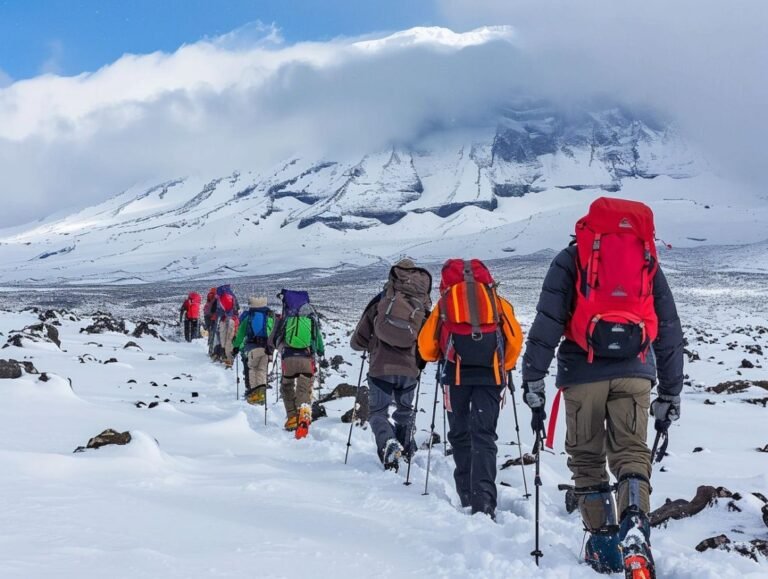
Kilimanjaro Climb July – Peak Dry-Season Group Departures 2027
Kilimanjaro Climb July 2027 – Peak Dry-Season Group Departures is explained with current 2027 planning, price, itinerary and booking information.
View package detailsLemosho Route – 24 July Kilimanjaro Summer Departure: Your Ultimate Guide 2027
start an unforgettable Kilimanjaro adventure via the Lemosho Route on our 24 July 2027 departure. This guide details the route's advantages for summer climbs, itinerary highlights, and...
View package details8 Day Lemosho Route – 7 July Group Departure Kilimanjaro Climb 2027
start an incredible 8-day Lemosho Route trek up Mount Kilimanjaro with the Climb 4 Africa group departure on July 7, 2027. This itinerary offers a fantastic balance of acclimatization...
View package details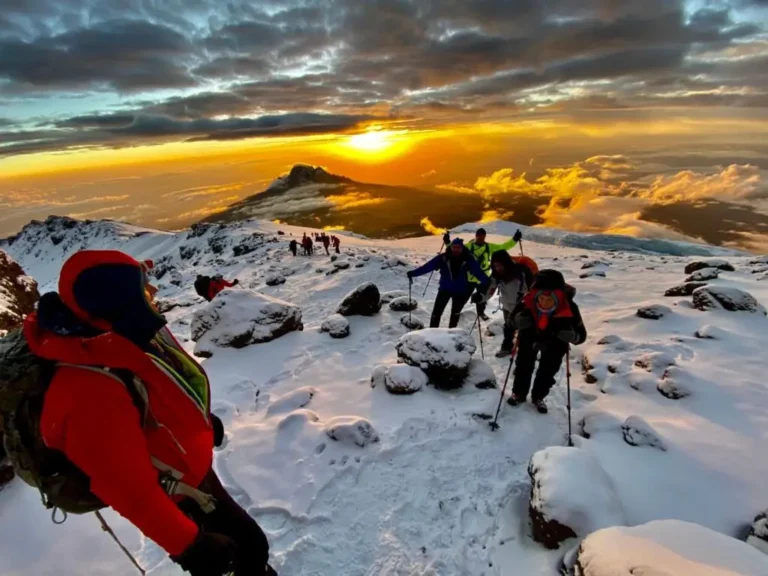
Kilimanjaro 5 June : Your Early Dry-Season Group Departure Adventure 2027
Planning a Kilimanjaro climb for June 2027? This departure on June 5th offers a prime opportunity to tackle Africa's highest peak at the beginning of the dry season. Discover why this...
View package detailsKilimanjaro 29 May – Transition Into The June Dry Season 2027
Climbing Kilimanjaro on May 29, 2027, positions you perfectly at the cusp of the dry season. This guide details what to expect, optimal routes, and preparation for a successful summit.
View package details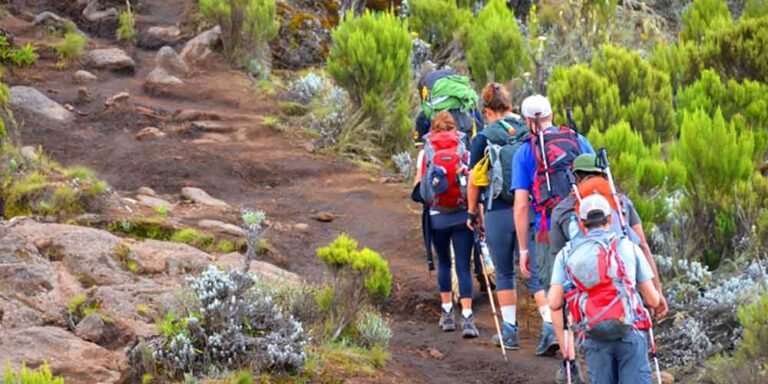
Northern Circuit – 10 July Dry-Season Expedition: Your Ultimate Kilimanjaro
Plan your Northern Circuit expedition for July 10, 2027. This dry-season adventure offers the most scenic and gradual ascent on Kilimanjaro, maximizing acclimatization and success rates.
View package details7 Day Machame Route – 19 June Kilimanjaro Group Departure 2027
Planning to climb Kilimanjaro on the Machame Route in a group setting? This 7-day departure on June 19, 2027, offers a balanced approach to acclimatization and scenery. Learn what to...
View package details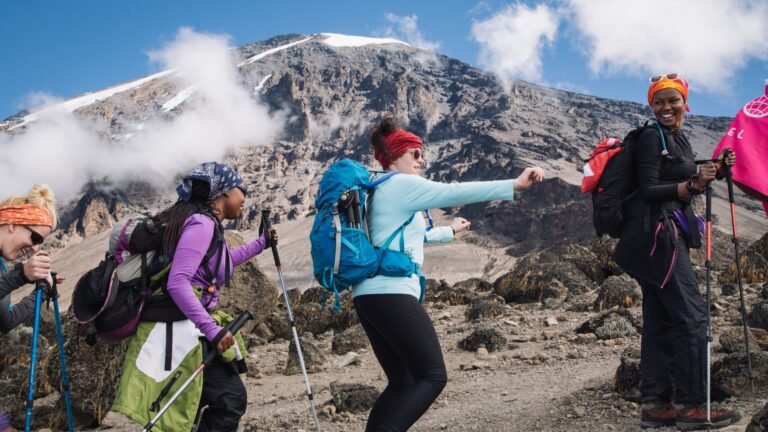
Kilimanjaro 31 July – To August Peak Season Climb 2027
Kilimanjaro 31 July 2027 – July to August Peak Season Climb is explained with current 2027 planning, price, itinerary and booking information.
View package details8 Day Lemosho Route – 12 July Kilimanjaro Group 2027
8 Day Lemosho Route – 12 July 2027 Kilimanjaro Group is explained with current 2027 planning, price, itinerary and booking information.
View package details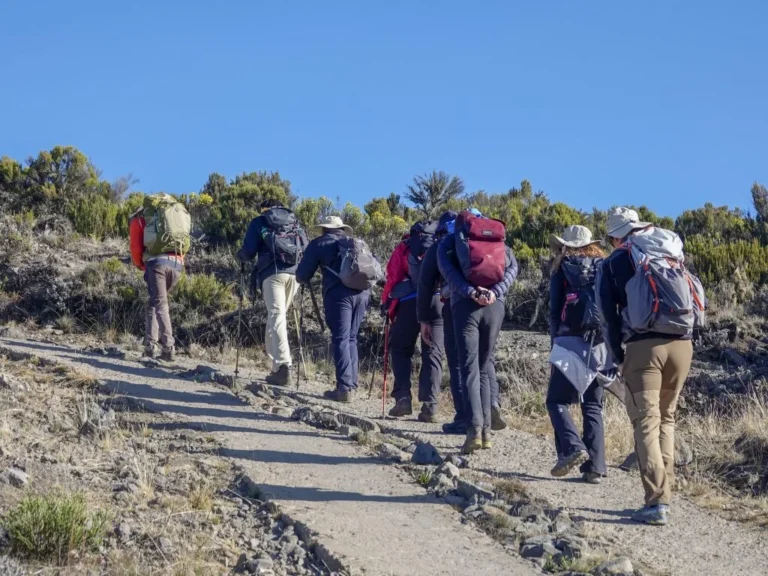
Kilimanjaro June Vs July – Weather, Crowds And Prices 2027
Kilimanjaro June 2027 vs July 2027 – Weather, Crowds and Prices is explained with current 2027 planning, price, itinerary and booking information.
View package detailsLemosho Route 12 June – Kilimanjaro Group Climb 2027
Lemosho Route 12 June 2027 – June Kilimanjaro Group Climb is explained with current 2027 planning, price, itinerary and booking information.
View package detailsKilimanjaro Climb June : Experiencing The Start Of Dry Season 2027
Embarking on a Kilimanjaro climb in June 2027 marks the beginning of the prime dry season, offering a fantastic window for trekkers. This period provides clearer skies, stable weather, and...
View package detailsNo related package matches those filters. Clear one or more filters to see the other topic-matched options.



