
While the peak of the Great Migration typically moves south by October, there’s still a possibility of encountering significant wildlife activity, including remaining herds or early movements, in the Northern Serengeti and Lobo areas of Tanzania. Nature’s timing is unpredictable, making it essential for travelers to manage expectations and focus on the abundant resident wildlife that thrives in these regions year-round, especially if combining a safari with a Kilimanjaro climb in late 2026 or 2027.
Understanding the Great Migration in October
The Great Migration is a year-round phenomenon, a ceaseless journey of over 1.5 million wildebeest, zebras, and gazelles across the Serengeti-Mara ecosystem. However, its location and intensity fluctuate dramatically with the seasons. By October, the herds have typically completed their arduous river crossings of the Mara River in the far north and are beginning to move southwards. This means the dense, concentrated masses often associated with the migration in July or August might have thinned out or moved on from the northernmost reaches of the Serengeti.
Traditionally, the post-river crossing period sees the herds dispersing as they head towards the central and southern plains for the calving season, which typically begins around February. October sits in this transitional phase. While the main bulk might be heading south, pockets of animals can linger, and the exact timing can shift based on rainfall patterns. For travelers specifically aiming to witness the migration in October, understanding these nuances is key to setting realistic expectations for their Northern Serengeti and Lobo safari experience.
The concept of the migration isn’t just about wildebeest. It’s a complex ecological dance involving countless species. The movement of the primary herbivores dictates the movement of predators – lions, leopards, cheetahs, hyenas, and wild dogs – who follow their prey. It also influences scavenger activity and the behavior of other animals in the ecosystem. So, even if the largest herds are on the move, the presence of predators actively hunting can still offer incredibly dramatic wildlife viewing opportunities in October.
For those planning a trip in 2026 or 2027, it’s crucial to consult with local experts who monitor these movements closely. While general patterns hold, specific weather conditions in any given year can alter the exact timeline. A safari operator can provide the most up-to-date information closer to your travel dates, helping you position yourself in the best possible areas for wildlife sightings, whether that’s in the far north, central Serengeti, or even towards the southern regions depending on the year’s specific migration flow.
Northern Serengeti & Lobo: What to Expect in October
The Northern Serengeti, including the Lobo area, is renowned for its dramatic landscapes and its role as a critical corridor for the migration during the latter half of the year. In October, this region transitions from the dry season towards the short rains (Vuli). The landscape, which might have been parched and dusty, begins to show signs of rejuvenation. This change can attract animals seeking fresh grazing and water.
During October, you can typically expect to find resident wildlife populations in abundance in Northern Serengeti and Lobo. This includes large prides of lions, leopards often found in the kopjes, cheetahs on the open plains, and a variety of other predators. Elephants, giraffes, buffaloes, and various antelope species are also resident and can be seen year-round. The key question for many is whether the migrating herds will still be present in significant numbers. While the massive river crossings of the Mara River are usually over by September, some wildebeest and zebra herds may still be grazing in the northern territories, or the initial stages of their southward movement might still be visible. The Lobo area, in particular, can sometimes hold onto herds longer due to its water sources.
The advantage of visiting Northern Serengeti and Lobo in October is that the tourist numbers often decrease compared to the peak migration months of July and August. This can lead to a more exclusive and intimate wildlife viewing experience. You’re likely to have prime viewing spots without the crowds, allowing for better photography and a more profound connection with the wilderness. The weather is also generally pleasant, with warm days and cooler nights, though the onset of short rains can bring occasional showers.
For travelers interested in combining a Kilimanjaro climb with a safari in October 2026 or 2027, this region offers a compelling safari component. Even if the main migration has largely moved on, the sheer density of resident predators and herbivores ensures exceptional game viewing. The dramatic scenery of the Northern Serengeti, with its rolling hills and rocky outcrops, provides a stunning backdrop for any safari adventure. It’s a region that rewards patience and keen observation, often revealing its wildlife treasures in unexpected moments.
The Unpredictable Nature of Wildlife Migrations
Anyone planning a safari based on the Great Migration must come to terms with its inherent unpredictability. While ecologists and guides use rainfall patterns, vegetation growth, and historical data to predict the herds’ movements, nature doesn’t adhere to a strict schedule. A late or early rainy season, for instance, can significantly alter where the herds are and when they arrive or depart from certain areas.
For October, this means that while the general trend is southward movement, the exact location of the bulk of the wildebeest and zebra herds can vary from year to year. Some years, a substantial number might linger in the northern Serengeti or Lobo area well into October, offering fantastic viewing. In other years, they might have moved on more decisively by early October, leaving behind smaller, scattered groups or predominantly resident wildlife. This is precisely why relying on real-time information from local operators is crucial. They are on the ground, receiving updates from guides and park authorities, and can adjust safari plans accordingly.
The concept of the “migration” is also more fluid than often portrayed. It’s not a single, solid mass moving in unison. Instead, it’s a complex interplay of different species and sub-groups, with individuals within those groups making independent decisions. This means that even when the main herds have moved, you might still encounter significant numbers of animals. Furthermore, the predators and scavengers that follow the migration are always present, ensuring that the Northern Serengeti and Lobo remain a vibrant wildlife viewing destination throughout October, regardless of the exact location of the main wildebeest herds.
When planning for October 2026 or 2027, it’s wise to frame your safari expectations. Instead of solely focusing on witnessing a specific event like a river crossing (which is unlikely in October), focus on the incredible opportunity to see the diverse resident wildlife of the Serengeti, coupled with the *possibility* of encountering remaining or early-moving migratory herds. This mindset shift allows for a more rewarding and less stressful safari experience, ensuring you appreciate the richness of the ecosystem no matter the precise location of the wildebeest at that moment.
Combining Kilimanjaro and Safari in October
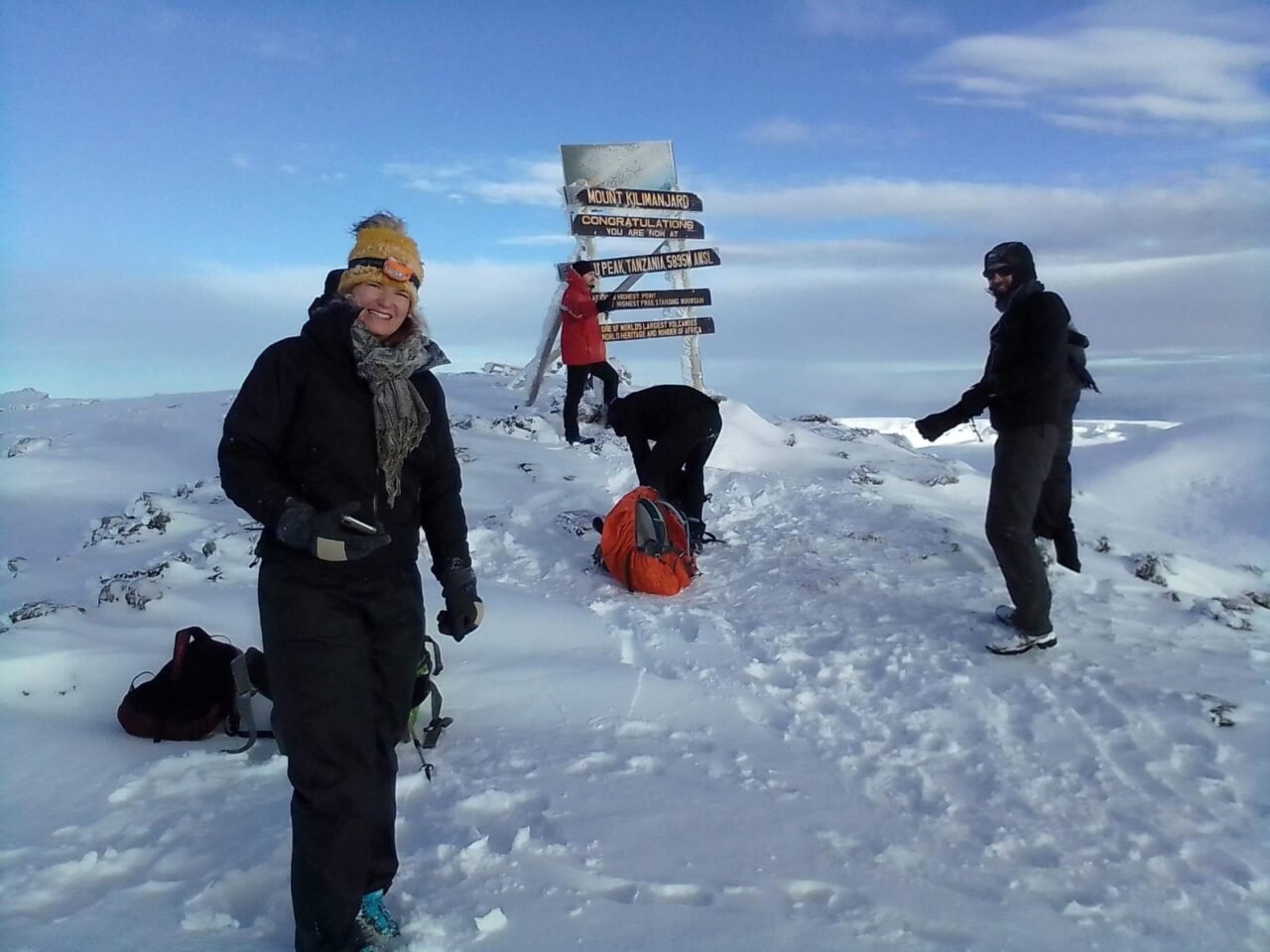
October presents a fantastic opportunity for travelers looking to combine a Kilimanjaro climb with a Serengeti safari. This month often falls between the main dry season and the short rainy season, offering potentially good trekking conditions on the mountain and diverse wildlife viewing on safari. For those who have just summited Kilimanjaro, a safari in the Serengeti offers a perfect way to relax, recover, and witness a different, equally awe-inspiring aspect of Tanzania’s natural beauty.
When planning this combination for 2026 or 2027, consider the order of your activities. Many opt to climb Kilimanjaro first, followed by a safari. This allows for acclimatization on the mountain and then a well-deserved break among wildlife. Others prefer to safari first, then tackle the mountain, perhaps feeling more energized or inspired by the wildlife encounters. The choice often depends on personal preference and the overall duration of your trip.
The logistical flow is generally straightforward. Upon descending Kilimanjaro, you’ll typically return to Moshi or Arusha, where your safari operator can arrange for you to be met. From there, you’ll travel to the Serengeti. For an October safari focused on the Northern Serengeti and Lobo, you might fly directly from Kilimanjaro International Airport (JRO) or Arusha Airport (ARK) to a local airstrip within the Serengeti, such as Kogatende or Seronera, depending on the specific wildlife viewing areas targeted. This saves considerable travel time compared to driving.
The duration of the safari component can be tailored to your interests and schedule. A 3-4 day safari is common for a brief experience, while 5-7 days or more allows for deeper exploration of different regions within the Serengeti and potentially other nearby parks like the Ngorongoro Crater or Tarangire. For an October trip, focusing on the northern circuit offers a unique perspective, especially if some migration elements are still present. Ensure your chosen tour operator, like Climb 4 Africa, can seamlessly arrange both your Kilimanjaro trek and your Serengeti safari, handling all transfers, accommodation, and park fees for a stress-free experience.
Planning Your October Serengeti Safari
Successfully planning an October safari in the Serengeti, particularly with an eye on the migration in the Northern Serengeti and Lobo areas, involves several key considerations. The primary goal is to maximize your chances of seeing wildlife, including any lingering migratory herds, while enjoying pleasant weather and fewer crowds.
Timing and Duration: October is a transitional month. While the main migration river crossings are typically done by September, the herds don’t vanish overnight. They may still be in the northern regions or beginning their journey south. A safari of at least 4-5 days is recommended to explore the vastness of the Serengeti and increase your chances of encountering diverse wildlife. If you have more time, consider extending your stay to include the Ngorongoro Crater or Tarangire National Park, both of which offer excellent game viewing in October.
Choosing Your Safari Area: For October, focusing on the Northern Serengeti and Lobo offers the best potential for catching any late migration movements. These areas are known for their dramatic landscapes and resident predator populations. However, be prepared that the herds might have already moved further south. A flexible itinerary that allows your guide to follow the best sightings is crucial. Seronera, in the central Serengeti, is always a fantastic option for resident wildlife year-round, with lions, leopards, and cheetahs frequently seen.
Accommodation Style: In the Serengeti, you have a range of options from luxury tented camps to more rustic lodges. For an authentic experience, consider staying in a mobile camp that moves with the migration, though by October, these are less common in the far north. Fixed tented camps and lodges in the Northern Serengeti and Lobo areas offer comfort and excellent access to wildlife viewing areas. Booking well in advance for October 2026 or 2027 is advisable, especially if you have specific accommodation preferences.
Safari Vehicle and Guide: A reputable safari operator will provide a sturdy 4×4 safari vehicle with a pop-up roof for optimal game viewing and photography. Your guide is your most important asset. Experienced guides possess an intimate knowledge of the park, animal behavior, and the best locations for sightings. They are also skilled at tracking and can often interpret subtle signs that indicate the presence of wildlife. Ensure your operator prioritizes experienced, local guides.
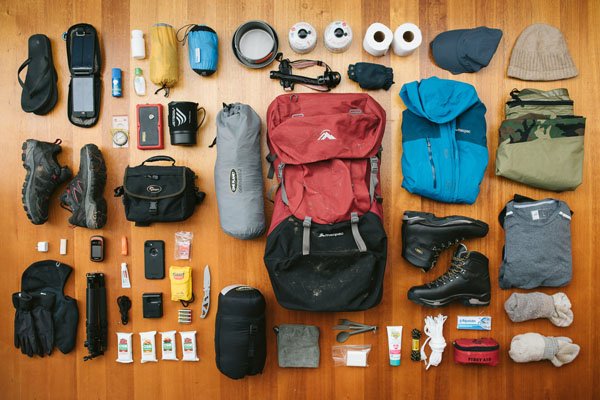
What to Pack: Pack light, neutral-colored clothing suitable for warm days and cool evenings. Binoculars are essential, as are a good camera with a zoom lens. Sunscreen, a hat, insect repellent, and comfortable walking shoes are also must-haves. A light waterproof jacket can be useful as the short rains may begin.
Beyond the Migration: Resident Wildlife in Northern Serengeti
Even if the main herds of wildebeest and zebra have largely departed the Northern Serengeti and Lobo areas by October, the region remains an exceptionally rich destination for wildlife viewing. The Serengeti ecosystem is home to a vast array of resident animals that do not necessarily follow the migratory cycle or that remain in the area year-round. Focusing on these resident species ensures a rewarding safari experience, irrespective of the migration’s precise location.
Predators: The Northern Serengeti is a stronghold for predators. Large prides of lions are a common sight, often found resting in the shade of acacia trees or stalking prey on the open plains. Leopards are more elusive but are frequently encountered in the rocky kopjes that dot the landscape, offering incredible photographic opportunities. Cheetahs, the fastest land animals, can be seen hunting on the grasslands, especially in the early mornings or late afternoons. Hyenas, both spotted and striped, are also prevalent, as are the occasional African wild dog packs.
Herbivores: Beyond the migrating wildebeest and zebras, numerous other herbivores inhabit the Northern Serengeti. Herds of buffalo are common, often seen grazing in large numbers. Elephants, though perhaps less numerous than in southern parks like Amboseli, are present and can be encountered, especially near water sources. Giraffes, Thomson’s gazelles, Grant’s gazelles, impalas, topi, hartebeest, and waterbucks are all resident species that provide constant activity and viewing pleasure.
Birdlife: The Serengeti is a birdwatcher’s paradise, with over 500 species recorded. In October, as the short rains begin to arrive, bird activity can increase. You’ll find everything from ostriches and secretary birds on the plains to various eagles, vultures, and smaller passerine birds in the woodlands and riverine areas. The birdlife adds another layer of richness to the safari experience.
Other Encounters: Keep an eye out for hippos and crocodiles in the Mara River (though water levels and currents may be different in October compared to peak crossing season). Warthogs are ubiquitous, often seen foraging with their tails held high. Various smaller mammals, such as mongoose, jackals, and hares, also contribute to the vibrant ecosystem.
For travelers visiting in October 2026 or 2027, the abundance of resident wildlife means that a safari in the Northern Serengeti and Lobo is never a disappointment. The dramatic landscapes provide a stunning backdrop, and the constant activity of animals ensures that every game drive is filled with potential discoveries. It’s a testament to the health and resilience of the Serengeti ecosystem.
Safari Logistics for Northern Serengeti & Lobo
Navigating the logistics of a safari in the Northern Serengeti and Lobo area requires careful planning, especially for a trip in October 2026 or 2027. The remoteness of this region means that transportation, accommodation, and park access are key considerations.
Getting There: The most efficient way to reach the Northern Serengeti and Lobo is by flying into one of the local airstrips. Kogatende Airstrip (KOG) is the primary gateway for the far north, serving areas close to the Maasai Mara border. Seronera Airstrip (SEU) serves the central Serengeti but is still a drive from Lobo and the northernmost reaches. Flights typically depart from Kilimanjaro International Airport (JRO) or Arusha Airport (ARK). Driving from Arusha to the Northern Serengeti is a very long journey, often taking a full day or more with limited game viewing en route, making flying the preferred option for most visitors, especially those combining it with Kilimanjaro.
Park Entry and Fees: The Serengeti National Park has significant entry fees, which are typically included in your tour package price. These fees are charged per person per 24-hour period and are subject to change. It’s important to confirm the exact park fees for 2026/2027 with your operator. Additionally, vehicle entry fees apply.
Safari Vehicles: A 4×4 safari vehicle is essential for navigating the often rough terrain in the Serengeti, especially in October as the short rains might begin. Ensure your vehicle has a pop-up roof for excellent viewing and photography opportunities. Reputable operators will maintain their vehicles well and provide experienced, knowledgeable drivers/guides.
Communication: Mobile phone reception can be sporadic in remote areas of the Serengeti. While lodges and camps often have radios for communication with their operations bases, personal mobile coverage is unreliable. Emergency communication is handled by the safari operator and park rangers.
Best Time for Game Drives: Early morning and late afternoon game drives are generally the most rewarding. Animals are most active during the cooler parts of the day, and the light is ideal for photography. Midday can be very hot, with many animals seeking shade and rest.
Itinerary Flexibility: Given the unpredictable nature of wildlife movements, especially in October, having a flexible itinerary is crucial. Your guide should be empowered to deviate from the planned route to follow promising sightings. This is where the expertise of a local operator like Climb 4 Africa becomes invaluable; they understand the Serengeti’s dynamics and can adapt plans to maximize your experience.
Accommodation Options in Northern Serengeti & Lobo
Choosing the right accommodation in the Northern Serengeti and Lobo region is vital for comfort and maximizing your wildlife viewing opportunities. October 2026 and 2027 bookings should be made well in advance, as options can be limited, particularly for highly sought-after camps and lodges.
Tented Camps: These offer a quintessential safari experience, allowing you to feel close to nature while enjoying comfortable amenities. In the Northern Serengeti and Lobo, you’ll find a range of tented camps:
- Luxury Tented Camps: These provide en-suite bathrooms, comfortable beds, private verandas, and often gourmet dining. They offer a high level of service and comfort. Examples include camps strategically located to offer excellent views and access to wildlife.
- Mid-Range Tented Camps: These offer a comfortable stay with essential amenities, perhaps with shared bathrooms or simpler furnishings, but still providing an authentic safari atmosphere.
- Mobile Tented Camps: While less common in the far north in October as the migration moves south, some mobile camps might still be positioned to track any lingering herds. These camps physically relocate to follow the migration.
Lodges: Permanent lodges are also available, offering more robust structures and amenities. These can be a good choice for those seeking more conventional hotel comforts. However, tented camps often provide a more in-depth experience.
Location Considerations:
- Lobo Area: Known for its rugged hills and resident wildlife, Lobo can be a good area to focus on if migration herds are lingering or if you prioritize seeing predators and other resident animals. Accommodation here offers access to a less crowded part of the park.
- Kogatende Area: This is the gateway to the far northern Serengeti, close to the Mara River. If any late river crossings or significant herd presence is still occurring in October, camps near Kogatende would be ideal. However, by mid-October, the focus often shifts slightly south.
- Central Serengeti (Seronera): While not strictly Northern Serengeti, Seronera is a hub for resident wildlife year-round and is a viable option if migration sightings in the north are proving elusive. It’s accessible by flight and offers a wide range of accommodation.
When booking for October 2026 or 2027, discuss your priorities with your tour operator. If seeing the migration is paramount, understand the realistic chances for October and consider if a safari in a different region or month might be more suitable. If your focus is on abundant resident wildlife and a less crowded experience, the Northern Serengeti and Lobo are excellent choices.
Climb 4 Africa can assist in selecting the perfect accommodation that balances comfort, location, and your safari goals for your October trip. We work with a range of camps and lodges to suit different preferences and budgets, ensuring your stay is as memorable as the wildlife sightings.
Booking Your October 2026/2027 Trip
Booking your October safari in the Northern Serengeti and Lobo, especially if you’re combining it with a Kilimanjaro climb, requires careful coordination. Given the unpredictable nature of the migration in October and the desirability of Tanzania as a safari destination, early booking for October 2026 and 2027 is highly recommended.
Key Decisions to Make:
- Trip Duration: How long will your safari be? Will you combine it with Kilimanjaro? Factor in travel time between locations.
- Accommodation Style: Tented camp, lodge, or a mix? Luxury, mid-range, or budget?
- Safari Focus: Are you solely focused on catching any remaining migration herds, or are you equally interested in resident wildlife, birding, and scenic landscapes?
- Budget: October is generally considered shoulder season, but popular areas and accommodations can still be in demand. Prices for flights, park fees, accommodation, and guides vary.
Why Book with Climb 4 Africa?
As specialists in Kilimanjaro climbs and Tanzania safaris, Climb 4 Africa offers invaluable local expertise. We understand the nuances of the Serengeti’s wildlife patterns, including the likely movements in October. Our team can provide the most current advice for 2026/2027 planning, helping you:
- Set Realistic Expectations: We’ll guide you on the probability of seeing migration herds in the Northern Serengeti/Lobo in October and suggest alternatives if needed.
- Optimize Your Itinerary: We can craft a smooth itinerary combining your Kilimanjaro trek and safari, ensuring efficient transfers and maximizing your time.
- Select the Best Camps/Lodges: Based on your preferences and budget, we’ll recommend accommodations in prime locations.
- Navigate Logistics: From flights and park fees to vehicle and guide selection, we handle all the details.
Next Steps for Booking:
To start planning your October 2026 or 2027 adventure, reach out to us. Please provide details about:
- Your desired travel dates (specific or flexible).
- The number of travelers.
- Your preferred safari duration and any specific interests (e.g., photography, birding).
- Your budget range.
- Whether you are planning to climb Kilimanjaro before or after the safari.
Contact Climb 4 Africa today:
- WhatsApp: +255 747 477 898
- Email: climb4africa@gmail.com
We are committed to crafting an unforgettable Tanzanian experience tailored to your dreams, ensuring you make the most of the wildlife viewing opportunities, whether the Great Migration is in full swing or the resident wildlife is stealing the show in the magnificent Serengeti.
“,
“faq_schema”: [
{
“question”: “Will the Great Migration still be in Northern Serengeti/Lobo in October?”,
“answer”: “While the peak of the Great Migration, especially the Mara River crossings, typically concludes by September, there’s still a possibility of encountering remaining herds or early southbound movements in the Northern Serengeti and Lobo areas during October. However, nature is unpredictable, and the exact location can vary year to year based on rainfall. It’s best to focus on the abundant resident wildlife, which offers exceptional viewing year-round, with the potential for migratory herds as a bonus.”
},
{
“question”: “What is the weather like in Northern Serengeti in October?”,
“answer”: “October in the Northern Serengeti is a transitional month, moving from the dry season towards the short rains (Vuli). You can expect warm days, often in the high 20s Celsius (around 80s Fahrenheit), with cooler evenings. Occasional light showers may begin, which can refresh the landscape and enhance the wildlife viewing experience.”
},
{
“question”: “Is October a good time for a safari in Serengeti?”,
“answer”: “Yes, October can be a good time for a safari in the Serengeti. Tourist numbers are generally lower than in peak months like July or August, offering a more exclusive experience. While the main migration might be moving south, the resident wildlife populations are abundant, and the landscapes are beautiful. The possibility of catching late migration movements or early southbound herds adds to the appeal.”
},
{
“question”: “What wildlife can I expect to see in Northern Serengeti in October besides the migration?”,
“answer”: “The Northern Serengeti is rich with resident wildlife year-round. You can expect to see large prides of lions, leopards, cheetahs, elephants, buffalo, giraffes, zebras, wildebeest (resident populations), hyenas, various antelope species, and abundant birdlife. The predator-prey interactions are often spectacular, even without the massive migratory herds present.”
},
{
“question”: “Can I combine a Kilimanjaro climb with a safari in Northern Serengeti in October 2026/2027?”,
“answer”: “Absolutely. October is a viable month for both a Kilimanjaro climb and a safari. Many travelers combine these experiences. After descending Kilimanjaro, you can fly to the Serengeti for your safari. Early booking for 2026/2027 is advised to secure your preferred dates and accommodations for both activities.”
},
{
“question”: “How should I book a safari for October 2026/2027 focusing on the Northern Serengeti?”,
“answer”: “For booking an October 2026 or 2027 safari focusing on the Northern Serengeti, it’s best to work with an experienced local tour operator like Climb 4 Africa. They can provide the most up-to-date information on wildlife movements, help set realistic expectations for migration sightings in October, recommend suitable accommodations, and manage all logistics, including flights and park fees, for a smooth trip.”
}
]
}
“`
Check Availability for ?? Kilimanjaro October Migration May Still Be Around Northern Serengeti/Lobo
Ready to compare dates, prices, and the best option for your group? Send the package name and travel month so the team can reply with a clear quote, availability, and what is included.
Kilimanjaro And Grumeti Migration Safari June : The Ultimate Tanzanian
Plan your unforgettable Kilimanjaro and Grumeti Migration safari for June 2027. This comprehensive guide details how to combine the challenge of summiting Africa's highest peak with the...
View package details
Best Kilimanjaro And Serengeti Calving Season Safari March 2027
Discover the magic of a March 2027 Kilimanjaro and Serengeti calving season safari. This guide explores the unique advantages and considerations for experiencing Tanzania's wildlife...
View package details
Kilimanjaro And Serengeti Calving Safari February : The Ultimate Planning
Combine the majesty of Mount Kilimanjaro with the impressive spectacle of the Serengeti's calving season in February 2027. This guide details how to plan this dual adventure, focusing on...
View package details
Kilimanjaro And Serengeti Calving Safari January 2026-2027
Kilimanjaro and Serengeti Calving Safari January 2027 is explained with current 2026-2027 planning, price, itinerary and booking information.
View package details
Kilimanjaro And Great Migration Safari August : Your Peak Season Adventure
Plan your ultimate Tanzanian adventure in August 2027, combining a Kilimanjaro climb with the spectacle of the Great Migration. This guide details the best timings, routes, and safari...
View package details
Kilimanjaro And Great Migration Safari July : Your Ultimate Tanzanian
Combining a Kilimanjaro climb with a Great Migration safari in July 2027 offers a spectacular Tanzanian adventure. This guide helps you plan your ideal itinerary, considering the best...
View package detailsKilimanjaro And Mara River Crossing Safari August : Peak Season Adventure 2027
Combining the ultimate challenge of climbing Mount Kilimanjaro with the awe-inspiring spectacle of the Great Migration river crossing in the Maasai Mara offers an unparalleled African...
View package detailsKilimanjaro And Mara River Crossing Safari July 2027
Kilimanjaro and Mara River Crossing Safari July 2027 is explained with current 2027 planning, price, itinerary and booking information.
View package details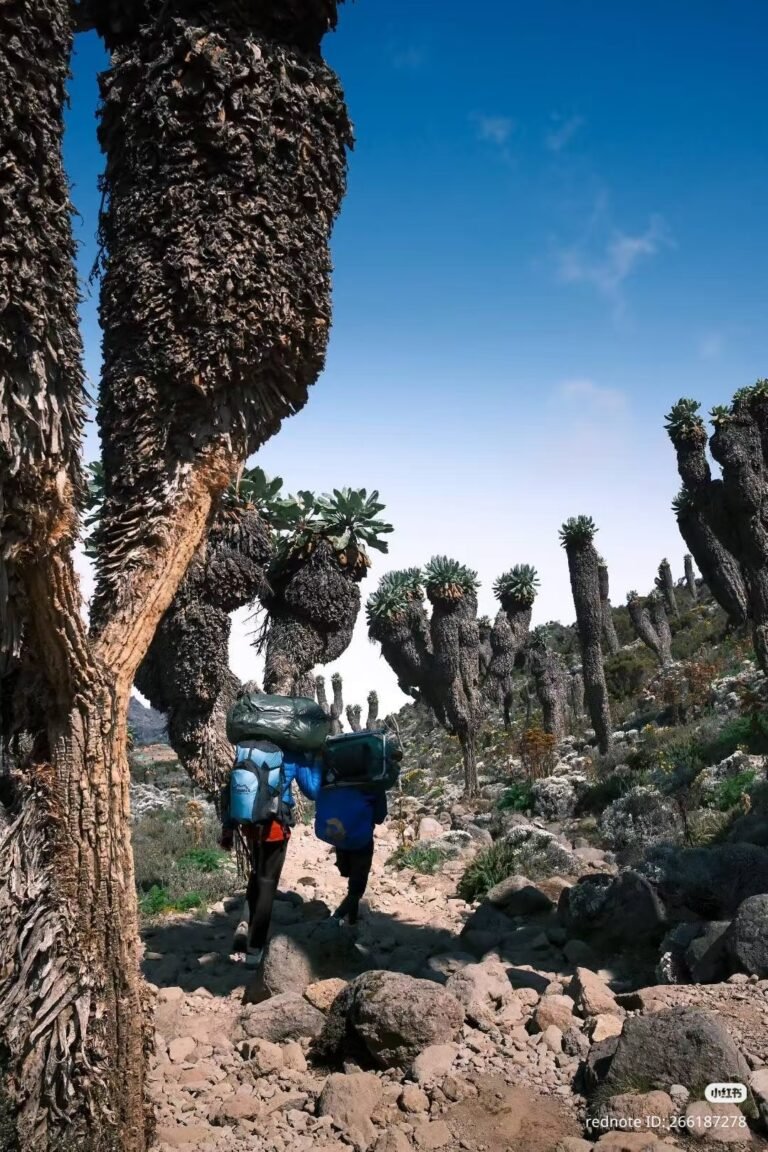
Kilimanjaro Christmas Climb And Tanzania Safari : Your Festive Adventure
Combine the magic of a Christmas ascent of Kilimanjaro with a thrilling Tanzania safari in 2026. Discover how to plan this dual adventure for a truly unique festive season.
View package details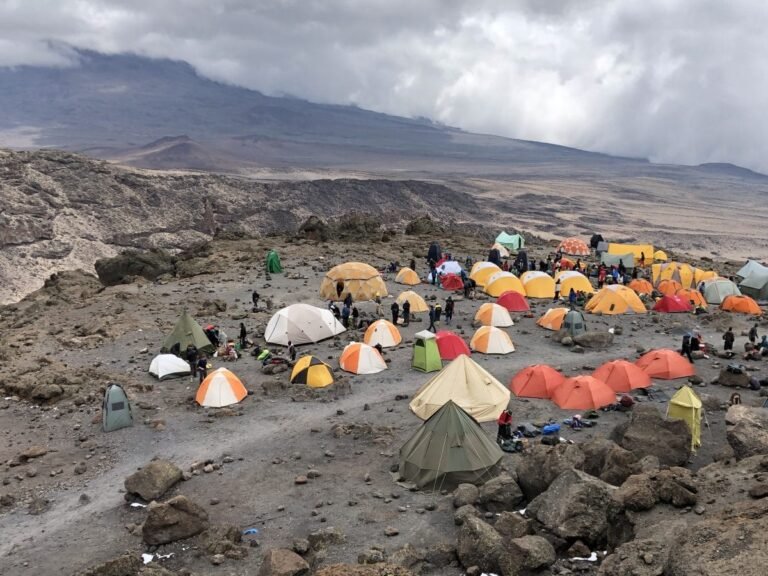
Rongai Route Kilimanjaro Late October : Your Drier Northern Approach Guide
Explore the Rongai Route for your Kilimanjaro climb in late October 2026. This guide details the drier northern approach, itinerary, benefits, and what to expect for your 2026-2027 trek.
View package details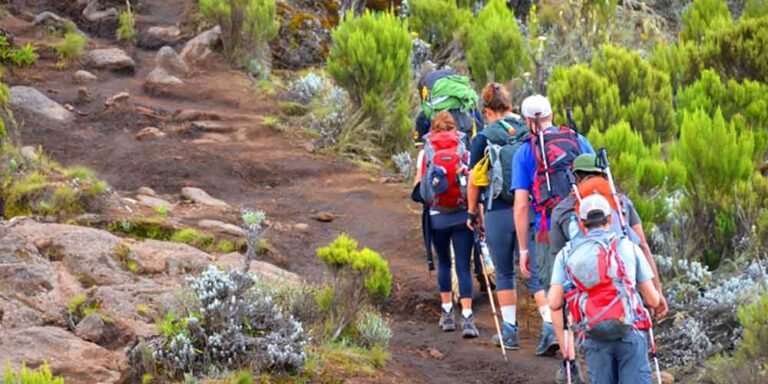
Northern Circuit – 10 July Dry-Season Expedition: Your Ultimate Kilimanjaro
Plan your Northern Circuit expedition for July 10, 2027. This dry-season adventure offers the most scenic and gradual ascent on Kilimanjaro, maximizing acclimatization and success rates.
View package details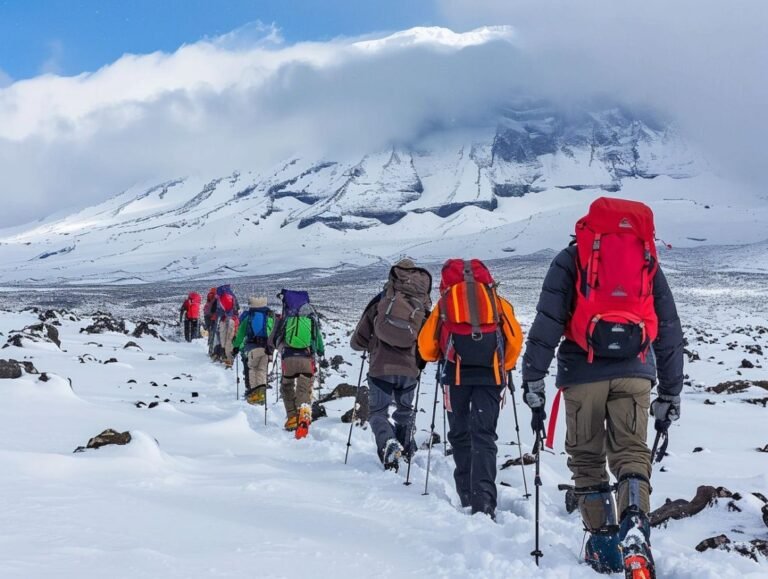
Kilimanjaro Full Moon Climb August – Summit Around 17 2027
start an unforgettable Kilimanjaro Full Moon Climb in August 2027, targeting a impressive summit on or around August 17th. This guide covers optimal routes, August conditions, and essential...
View package detailsNo related package matches those filters. Clear one or more filters to see the other topic-matched options.



