
Combining a Kilimanjaro climb with a Northern Serengeti safari in October 2026 presents an extraordinary opportunity to experience Tanzania’s two most iconic natural wonders. The optimal sequence for such an adventure, especially in October 2026, is to climb Mount Kilimanjaro first, followed by a safari into the Northern Serengeti. This order allows for acclimatization and achievement on the mountain before immersing yourself in the incredible wildlife viewing that the Serengeti offers, particularly during the tail end of the Great Migration in the north during this month. Planning for 2026-2027 requires early booking, especially for prime safari dates and Kilimanjaro treks.
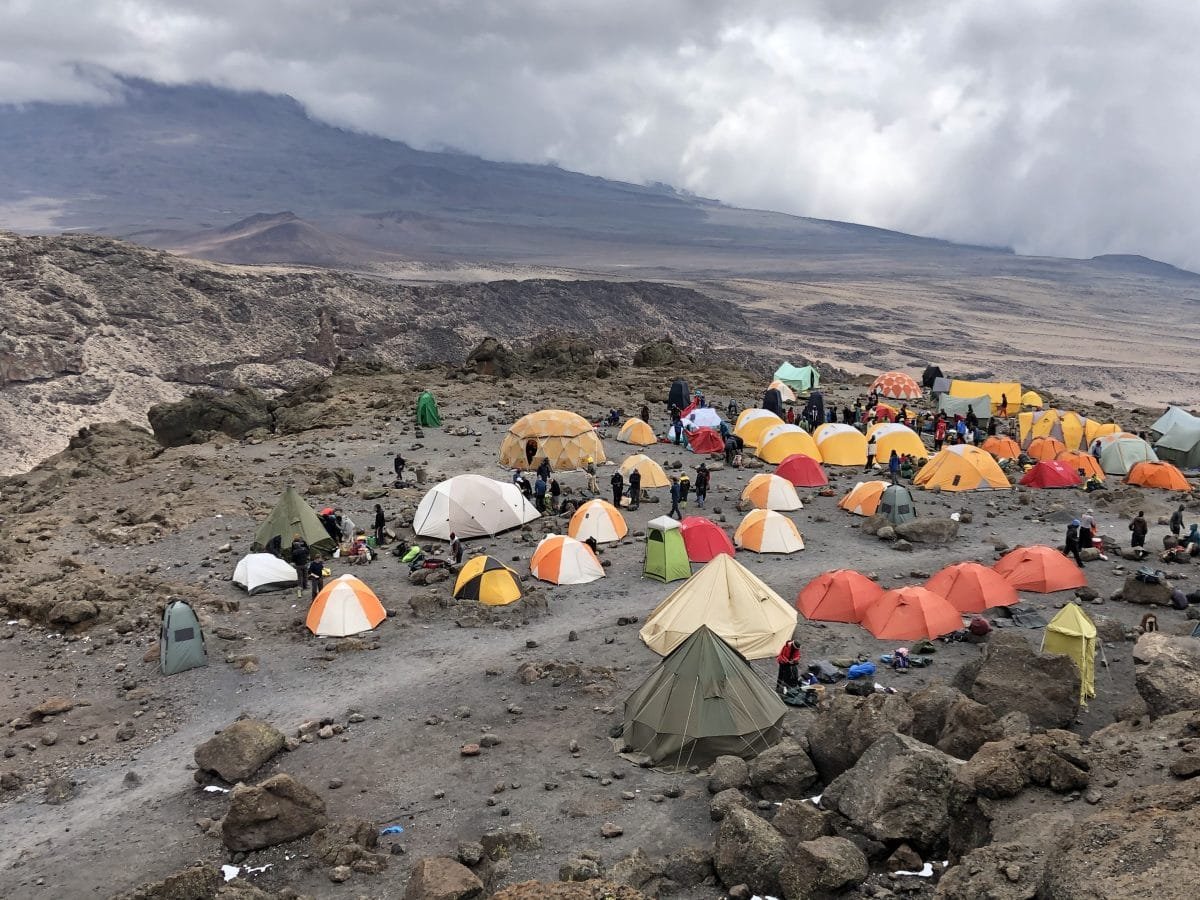
Why Climb Kilimanjaro Before a Safari?
The decision of whether to climb Mount Kilimanjaro before or after a safari is a common one for travelers planning a comprehensive Tanzanian adventure. For an October 2026 trip, prioritizing the Kilimanjaro climb first offers distinct advantages that enhance the overall experience.
Physical Preparation and Acclimatization
Climbing Kilimanjaro is a significant physical undertaking. It requires a period of strenuous activity and gradual acclimatization to altitude. By tackling the mountain first, your body undergoes this rigorous process. Once you’ve summited Uhuru Peak, your physical condition will have been tested and, in a way, ‘proven.’ This can lead to a more relaxed and enjoyable safari experience. Instead of worrying about the physical demands of a game drive after a challenging trek, you can fully appreciate the wildlife and landscapes. Furthermore, the acclimatization achieved on Kilimanjaro can subtly benefit you during any travel at lower elevations, though the altitudes are vastly different.
Logistical Flow and Timing
Logistically, starting with Kilimanjaro often simplifies the itinerary. Most international flights arrive in Tanzania via Kilimanjaro International Airport (JRO), which is conveniently located between Arusha (the primary gateway for Kilimanjaro climbs) and Moshi. Completing your climb in the Kilimanjaro region allows you to transition directly to safari preparations in Arusha or Moshi without extensive cross-country travel immediately after the demanding trek. After your climb, you’ll likely have a day or two to rest and recuperate in Arusha or Moshi before beginning your safari. This natural progression minimizes travel stress and maximizes your time enjoying the experiences themselves. For a 2026-2027 itinerary, this sequential approach makes booking internal flights and transfers more straightforward.
Post-Climb Relaxation and Reward
Reaching the summit of Kilimanjaro is an immense accomplishment. Following this achievement with a safari provides the perfect opportunity for relaxation and reward. The Serengeti offers a completely different, yet equally interesting, experience. You can unwind in comfortable lodges or tented camps, enjoying delicious meals and the sounds of the African bush, all while reflecting on your mountain triumph. The wildlife encounters in the Serengeti are a spectacular way to decompress and celebrate your success. This structure turns the safari into a well-deserved treat after the exertion of the climb, rather than another demanding activity.
Planning Your Kilimanjaro Climb for October 2026
Mount Kilimanjaro is not a technical climb, but it requires careful planning, particularly concerning the route, duration, and operator support. For an October 2026 trek, understanding these elements is crucial for success and enjoyment.
Choosing the Right Kilimanjaro Route
The route you choose significantly impacts your acclimatization, scenery, and overall success rate. For a Kilimanjaro and Safari October 2026 combination, consider routes that offer better acclimatization profiles.
Machame Route
Often called the ‘Whiskey Route’ due to its popularity, the Machame Route is a 6-7 day trek known for its scenic beauty and good acclimatization profile. It follows the ‘climb high, sleep low’ principle effectively. It’s a popular choice for a reason, offering a challenging yet rewarding experience with a decent success rate. For October 2026, it remains a solid option, though booking in advance is essential.
Lemosho Route
Considered one of the most beautiful routes, Lemosho is a longer option, typically 7-8 days. It offers excellent acclimatization, starting on the western side of the mountain and joining the Machame route. The longer duration increases acclimatization time, leading to higher success rates. The scenery is diverse, from lush rainforest to alpine desert. For a Kilimanjaro and Safari October 2026 trip, the added days on Lemosho can be a wise investment for a more comfortable climb.
Northern Circuit Route
This is the longest and arguably best route for acclimatization, taking 8-9 days. It circles the mountain’s northern slopes, offering unique views and a slower ascent pace. Its length significantly boosts success rates and provides a more relaxed trekking experience. If your budget and time allow for an October 2026 climb, the Northern Circuit is a top recommendation for a comfortable ascent.
Other Routes and Considerations
Routes like Marangu (‘Coca-Cola Route’) are shorter and involve camping huts, but their direct ascent offers poor acclimatization and lower success rates. Rongai is a good option for drier conditions, approaching from the north. For the Kilimanjaro and Safari October 2026 itinerary, prioritizing routes with longer durations (7+ days) is generally advisable for better acclimatization and a more enjoyable experience.
Optimal Trek Duration
While shorter treks (5-6 days) are available, they significantly reduce your acclimatization and, consequently, your chances of reaching the summit. For an optimal Kilimanjaro climb before a Northern Serengeti safari in October 2026, a minimum of 7 days is recommended, with 8 days being even better, especially on routes like Lemosho or the Northern Circuit. This allows your body adequate time to adjust to the increasing altitude, reducing the risk of altitude sickness and enhancing your overall enjoyment of the trek.
Kilimanjaro Operators and Support
Choosing a reputable Kilimanjaro operator is paramount. For your Kilimanjaro and Safari October 2026 adventure, look for companies with:
* Experienced Guides: Certified, knowledgeable guides who prioritize safety and understand altitude sickness.
* Quality Equipment: Reliable tents, sleeping bags, and cooking gear.
* Sufficient Crew: A good ratio of porters to climbers to ensure efficient camp setup and luggage transport.
* Proper Nutrition: Well-planned, nutritious meals prepared by experienced cooks.
* Emergency Preparedness: Access to oxygen, first-aid kits, and evacuation procedures.
Climb 4 Africa, for instance, focuses on providing comprehensive support, ensuring your climb is as safe and comfortable as possible. Their expertise in Kilimanjaro climbs for 2026 departures is a key factor in planning a successful trip.
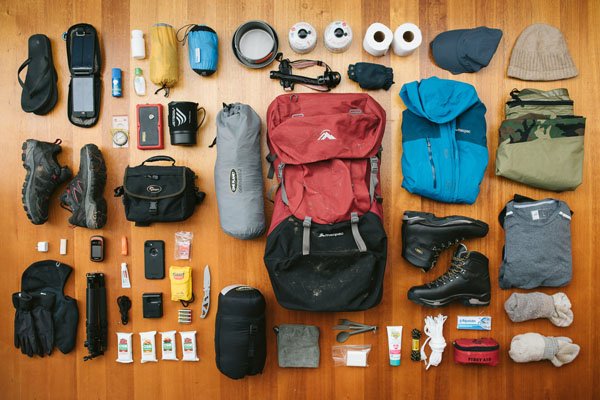
Packing for Kilimanjaro in October
October falls within the short rainy season, though it’s generally a drier period than the main rainy seasons. However, weather can be unpredictable. You’ll need layers for extreme temperature variations, from cold at higher altitudes to warmer conditions in the rainforest.
Key items include:
* Base Layers: Thermal underwear (merino wool or synthetic).
* Mid Layers: Fleece jackets or insulated vests.
* Outer Layers: Waterproof and windproof jacket and trousers (Gore-Tex or similar).
* Insulated Jacket: A warm down or synthetic puffy jacket for summit night.
* Footwear: Broken-in, waterproof hiking boots, plus comfortable camp shoes.
* Headwear: Warm hat, sun hat, and a balaclava or neck gaiter for warmth.
* Handwear: Warm gloves and liner gloves.
* Trekking Poles: Highly recommended for stability and reducing joint strain.
* Headlamp: Essential for summit night and around camp.
* Sun Protection: High SPF sunscreen, sunglasses, and lip balm.
* Hydration: Water bottles or hydration reservoir (CamelBaks can freeze in extreme cold).
Packing correctly ensures comfort and safety during your Kilimanjaro and Safari October 2026 adventure.
Your Northern Serengeti Safari Experience: October 2026
After successfully descending Kilimanjaro, your focus shifts to the vast plains of the Serengeti, a UNESCO World Heritage Site renowned for its incredible biodiversity and the iconic Great Migration. October is a fascinating month to visit the Northern Serengeti.
The Great Migration in October
By October, the Great Migration, comprising millions of wildebeest, zebras, and gazelles, has typically moved from the central and western Serengeti towards the northern and eastern plains. While the peak river crossings in the Mara River usually occur earlier (July-September), October can still offer exceptional viewing as herds begin to disperse and calve in the western and southern Serengeti areas, depending on rainfall patterns. You might witness large herds in the northern Serengeti, especially around the Lamai Wedge and Kogatende areas, or see them starting to move southwards. The predator action is always high, with lions, cheetahs, and leopards actively hunting the abundant prey. This makes your Kilimanjaro and Safari October 2026 trip a prime time for wildlife encounters.
Choosing Your Safari Style
Your safari experience can be tailored to your preferences and budget. For a Kilimanjaro and Safari October 2026 trip, you’ll want a style that complements your post-climb relaxation.
Private Safaris
Opting for a private safari means you have a dedicated safari vehicle and guide for your group. This offers maximum flexibility in terms of timing, game drives, and routes. You can spend as much time as you like at sightings and tailor the pace to your energy levels post-climb. Private safaris are generally more expensive but offer a superior and personalized experience.
Group Safaris
Joining a shared or group safari is a more budget-friendly option. You’ll share a vehicle with other travelers. While less flexible than private safaris, they still offer excellent wildlife viewing opportunities. For a Kilimanjaro and Safari October 2026 itinerary, group departures are often scheduled with fixed itineraries, so ensure the timing aligns with your post-climb recovery.
Key Northern Serengeti Locations
While the “Northern Serengeti” often refers to the areas around the Mara River, the wildlife movements in October can extend into other regions:
* Kogatende/Lamai Wedge: Traditionally a hotspot for migration river crossings from July to October. Even if the bulk has moved, resident predators and remaining herds can be found here.
* Seronera Valley: Located in the central Serengeti, this area is known for its resident wildlife and is a good option if herds have started their southern movement. It offers excellent predator viewing year-round.
* Grumeti River: Further west, this area also sees migration activity and is known for its large crocodiles and resident wildlife.
Your safari operator will advise on the best areas to focus on for October 2026 based on the latest wildlife reports.
Safari Lodging Options
Accommodation ranges from luxury lodges and tented camps to more rustic and budget-friendly options.
* Luxury Lodges/Tented Camps: Offer en-suite bathrooms, fine dining, swimming pools, and exceptional service. Ideal for post-climb pampering.
* Mid-Range Lodges/Tented Camps: Comfortable accommodations with good amenities, often a blend of permanent structures and canvas tents.
* Budget Camps: More basic facilities, often with shared bathrooms, providing a closer-to-nature experience.
For your Kilimanjaro and Safari October 2026 trip, consider booking accommodations that align with your desired level of comfort and relaxation after the physical demands of the climb.
What to Pack for a Tanzania Safari
Safari packing is generally lighter than for Kilimanjaro, focusing on comfort and sun protection.
* Clothing: Neutral-colored clothing (khaki, beige, green) to blend in, long-sleeved shirts and trousers for sun and insect protection, a light jacket or fleece for cooler mornings/evenings.
* Footwear: Comfortable walking shoes or trainers; sandals for camp.
* Sun Protection: Wide-brimmed hat, sunglasses, high SPF sunscreen.
* Insect Repellent: With DEET or Picaridin.
* Camera Gear: Binoculars are essential; camera with zoom lens.
* Personal Items: Small backpack, reusable water bottle, hand sanitizer.
Remember to check baggage weight restrictions for internal flights if you plan to fly between safari locations.
Combining Kilimanjaro and Safari: Logistics 2026-2027
Integrating a Kilimanjaro climb with a Northern Serengeti safari requires careful logistical planning. For your October 2026 adventure, here are key considerations:
Travel Time Between Locations
* Kilimanjaro to Arusha/Moshi: After descending Kilimanjaro, you’ll typically spend a night or two in Arusha or Moshi for rest and debriefing. This is about a 1-2 hour drive from the mountain’s base.
* Arusha to Serengeti: This is the most significant travel leg. You have two main options:
* By Road: A scenic, but long, drive (approximately 8-10 hours from Arusha to a central Serengeti airstrip or lodge entrance). This includes driving through national parks like Tarangire or Lake Manyara, which can be incorporated as mini-safaris en route.
* By Air: The most efficient option is to take a small bush plane from Arusha Airport (ARK) to one of the Serengeti’s many airstrips (e.g., Kogatende, Seronera). This flight takes about 1-1.5 hours and offers spectacular aerial views.
For a Kilimanjaro and Safari October 2026 trip, flying is highly recommended to maximize your safari time, especially after the exertion of the climb.
Booking Flights and Internal Travel
* International Flights: Book your international flights to Kilimanjaro International Airport (JRO) well in advance, especially for 2026-2027 travel. Aim to arrive a day or two before your Kilimanjaro trek begins to acclimatize to the local environment and handle any last-minute preparations.
* Internal Flights: Bush flights within Tanzania (e.g., Arusha to Serengeti) should be booked through your safari operator or a reputable local agent. These flights are crucial for efficient travel between your Kilimanjaro finish point and your safari start.
* Transfers: Ensure all airport and lodge transfers are arranged as part of your tour package to avoid any confusion or delays.
Visa and Health Requirements
* Tanzania Visa: Most nationalities require a visa for Tanzania. You can apply online in advance or obtain one on arrival at JRO. Check the latest requirements for your nationality for 2026-2027 travel.
* Vaccinations: Consult your doctor or a travel clinic at least 6-8 weeks before your trip regarding recommended vaccinations (e.g., Yellow Fever, Hepatitis A, Typhoid) and malaria prophylaxis. Yellow Fever vaccination is mandatory if you are arriving from or transiting through a country with a risk of Yellow Fever transmission.
* COVID-19 Protocols: Stay updated on any ongoing COVID-19 travel advisories and requirements for Tanzania. These can change rapidly.
Insurance Considerations
Comprehensive travel insurance is non-negotiable for a Kilimanjaro and Safari October 2026 trip. Ensure your policy covers:
* Trekking: Specifically covers high-altitude trekking up to 6,000 meters.
* Medical Evacuation: Essential for Kilimanjaro and remote safari areas.
* Trip Cancellation/Interruption: Protects your investment if unforeseen circumstances prevent your travel.
* Lost/Delayed Baggage: Important for both the trek and safari.
Confirm that your insurance provider covers the specific activities and destinations planned for your 2026-2027 adventure.
October Weather Patterns for Kilimanjaro and Serengeti
Understanding the typical weather conditions for October in both Kilimanjaro and the Serengeti is vital for packing and setting expectations.
Kilimanjaro Weather in October
October is part of the short rainy season (Vuli) in Tanzania, but Kilimanjaro’s weather is highly altitude-dependent and can vary significantly.
* Lower Slopes: Expect warm, humid conditions with a higher chance of rainfall.
* Mid-Altitudes: Temperatures become cooler, and rain showers can be frequent but often short-lived. Mists and clouds are common.
* High Altitudes (Above 4,000m): Conditions are cold, with temperatures frequently dropping below freezing, especially at night and on summit night. Snowfall is possible, though not guaranteed. The air is dry but can feel biting cold with wind chill.
While rain is possible, October is still a popular month for climbing because it’s generally less wet than the main rainy seasons (April-May) and offers fewer crowds than the peak dry season (June-September). Expect variable conditions and pack accordingly for your 2026 climb.
Serengeti Weather in October
October is a transitional month in the Serengeti, moving from the dry season towards the wetter season.
* **Temperatures:** Daytime temperatures are typically warm to hot, often in the high 20s to low 30s Celsius (80s Fahrenheit). Mornings and evenings can be cooler, especially in the northern regions.
* **Rainfall:** While it’s not the peak rainy season, short, localized thunderstorms are common in the afternoons. These can be dramatic and beautiful but might occasionally disrupt game drives.
* **Vegetation:** The landscape begins to green up with the onset of rains, making for a more vibrant scenery. Grass can be longer in some areas, potentially making spotting some animals slightly more challenging, but it also means good grazing for herbivores.
Despite the potential for rain showers, October offers excellent wildlife viewing opportunities, especially with the migration herds in transition. The increased vegetation can also mean more prey for predators.
Budgeting for Your October 2026 Kilimanjaro Safari Adventure
Planning a Kilimanjaro and Safari October 2026 trip involves budgeting for two distinct, but often bundled, experiences. Costs can vary significantly based on route choice, trek duration, safari style, and accommodation level.
Kilimanjaro Climb Costs
Kilimanjaro climb prices are generally quoted per person and include park fees, crew wages, food, accommodation on the mountain, and camping equipment. Key factors influencing cost:
* Route: Longer routes like Lemosho or Northern Circuit are more expensive due to more days and higher park fees.
* Duration: More days on the mountain increase costs.
* Operator Standard: Reputable operators with better safety records, more experienced guides, and higher crew welfare standards will charge more.
* Group Size: Private climbs are more expensive per person than joining a group.
Expect prices for a 7-8 day climb to range broadly from $2,000 to $4,500+ USD per person for reputable operators. For 2026-2027 bookings, securing a quote from a trusted operator like Climb 4 Africa is the best first step.
Tanzania Safari Costs
Safari costs are typically quoted per person per day and depend heavily on:
* Vehicle Type: Private 4×4 safari vehicle vs. shared vehicle.
* Accommodation: Luxury lodges are significantly more expensive than mid-range or budget camps.
* Park Fees: Serengeti National Park fees are substantial ($70-$80+ per person per day, subject to change).
* Duration: Longer safaris naturally cost more.
* Itinerary: Visiting multiple parks increases costs.
For a Northern Serengeti safari in October 2026, budget approximately $350 to $1,000+ USD per person per day. A 4-5 day safari in the Serengeti could range from $1,400 to $5,000+ per person.
Factors Influencing Overall Cost
* Time of Year: October is shoulder season for Kilimanjaro, potentially offering slightly better value than peak dry months, but safari costs can remain high due to migration viewing.
* Inclusions: Ensure you understand what’s included (park fees, meals, accommodation, guides, transfers, internal flights) and what’s extra (tips, personal expenses, drinks, visa).
* Operator Choice: Local operators often provide better value and direct support. For example, Climb 4 Africa specializes in Kilimanjaro and Tanzania safaris, offering integrated packages for 2026-2027.
* Add-ons: Zanzibar extensions, cultural tours, or other activities will add to the total cost.
When budgeting for your Kilimanjaro and Safari October 2026 trip, it’s wise to allocate a total budget of $4,000 to $10,000+ USD per person, depending on your chosen level of comfort and the duration of both segments.
Booking Your 2026-2027 Kilimanjaro and Safari Trip with Climb 4 Africa
Planning a dual Kilimanjaro and safari adventure for October 2026 requires careful coordination, and partnering with an experienced tour operator makes all the difference. Climb 4 Africa specializes in crafting these combined experiences, offering local expertise and dedicated support from start to finish.
By choosing Climb 4 Africa, you benefit from:
* Expert Guidance: Deep knowledge of Kilimanjaro’s routes and the Serengeti’s wildlife dynamics, ensuring you get the best advice for your October 2026 itinerary.
* Tailor-Made Itineraries: They can customize your trip to perfectly match your desired pace, budget, and interests, seamlessly integrating your climb and safari.
* Local Support: On-the-ground expertise means prompt assistance and solutions to any logistical challenges that may arise.
* Safety Focus: Prioritizing your well-being with experienced guides and well-maintained equipment for your Kilimanjaro climb.
To begin planning your ultimate Kilimanjaro and Safari October 2026 adventure, or to inquire about 2027 departures, reach out to Climb 4 Africa. Share your ideal dates, desired Kilimanjaro route, and safari preferences. They can provide detailed itineraries, quotes, and answer all your questions to ensure your Tanzanian dream trip is perfectly executed.
Contact Climb 4 Africa today:
* WhatsApp: +255 747 477 898
* Email: climb4africa@gmail.com
Their team is ready to help you create an unforgettable Kilimanjaro and Safari October 2026 experience, ensuring you climb Kilimanjaro before embarking on your incredible Northern Serengeti safari adventure.”
}
“`
Check Availability for Kilimanjaro And Safari October – Climb Before Northern Serengeti 2026-2027
Ready to compare dates, prices, and the best option for your group? Send the package name and travel month so the team can reply with a clear quote, availability, and what is included.
Kilimanjaro And Serengeti Calving Safari February : The Ultimate Planning
Combine the majesty of Mount Kilimanjaro with the impressive spectacle of the Serengeti's calving season in February 2027. This guide details how to plan this dual adventure, focusing on...
View package details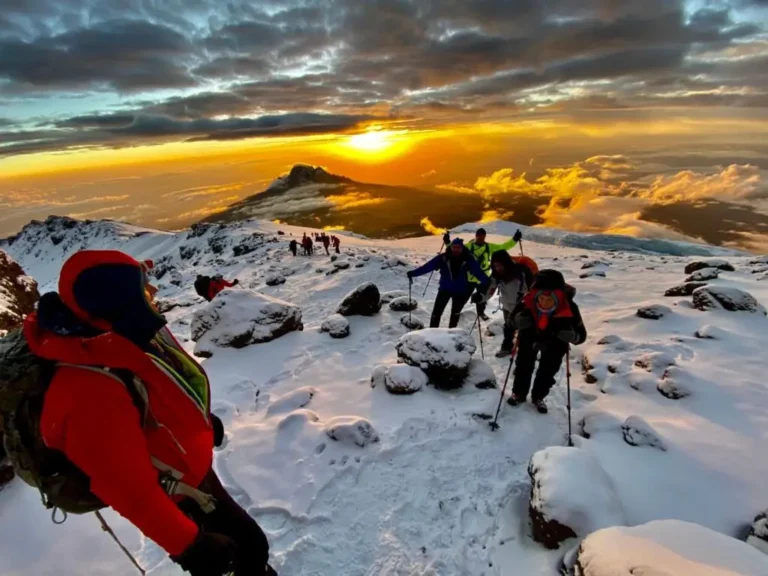
Kilimanjaro And Grumeti Migration Safari June : The Ultimate Tanzanian
Plan your unforgettable Kilimanjaro and Grumeti Migration safari for June 2027. This comprehensive guide details how to combine the challenge of summiting Africa's highest peak with the...
View package details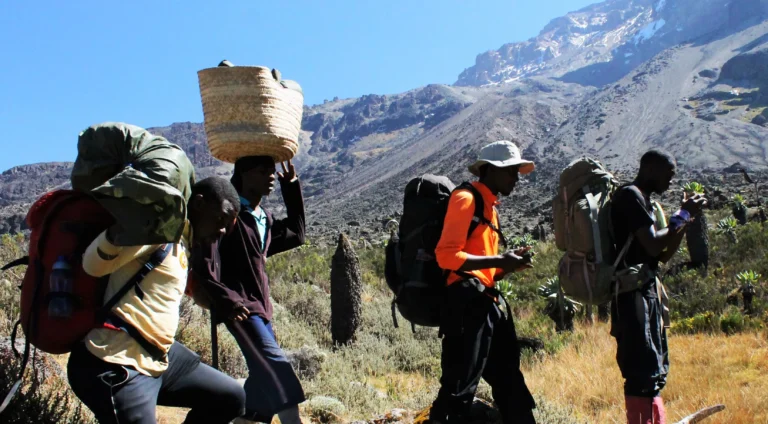
Best Kilimanjaro And Serengeti Calving Season Safari March 2027
Discover the magic of a March 2027 Kilimanjaro and Serengeti calving season safari. This guide explores the unique advantages and considerations for experiencing Tanzania's wildlife...
View package details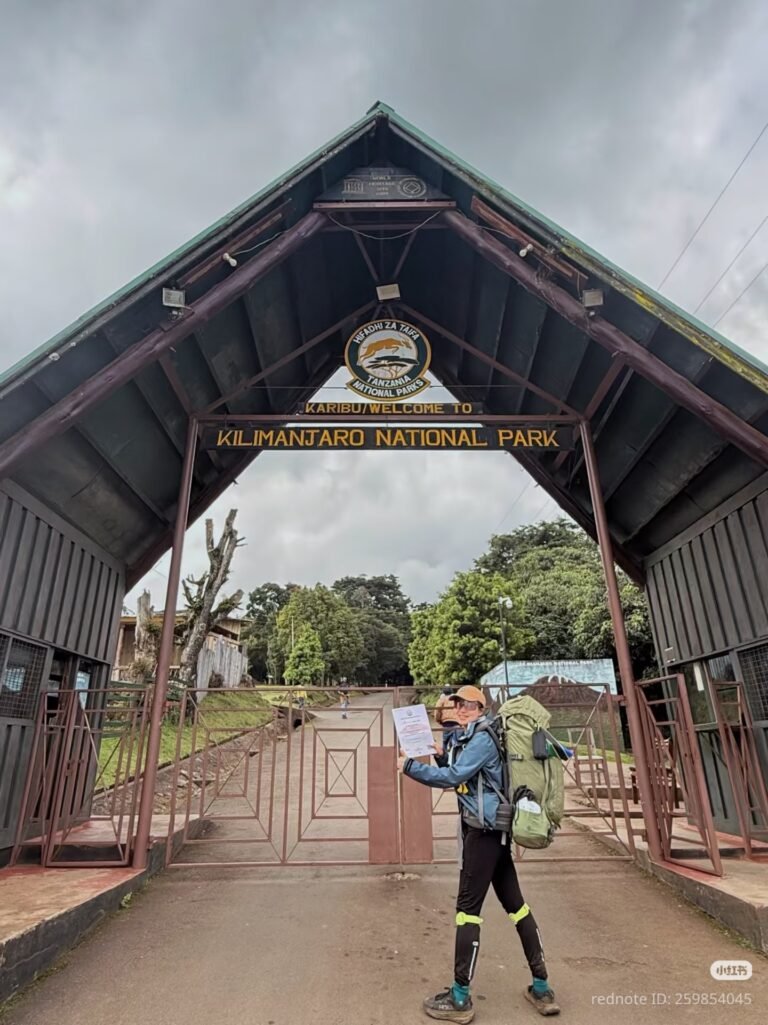
Kilimanjaro And Serengeti Calving Safari January 2026-2027
Kilimanjaro and Serengeti Calving Safari January 2027 is explained with current 2026-2027 planning, price, itinerary and booking information.
View package details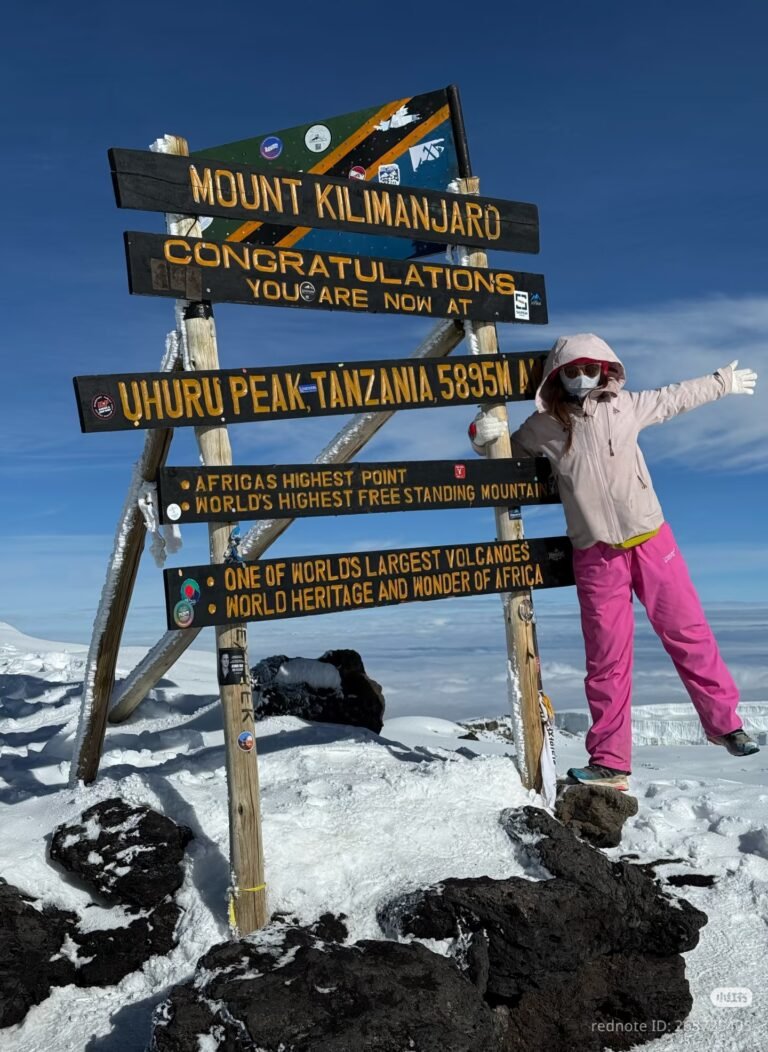
Kilimanjaro And Great Migration Safari August : Your Peak Season Adventure
Plan your ultimate Tanzanian adventure in August 2027, combining a Kilimanjaro climb with the spectacle of the Great Migration. This guide details the best timings, routes, and safari...
View package details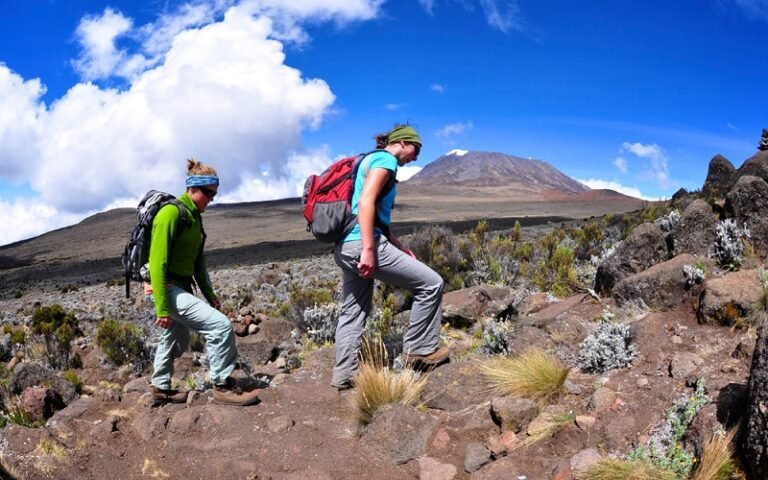
Kilimanjaro And Great Migration Safari July : Your Ultimate Tanzanian
Combining a Kilimanjaro climb with a Great Migration safari in July 2027 offers a spectacular Tanzanian adventure. This guide helps you plan your ideal itinerary, considering the best...
View package details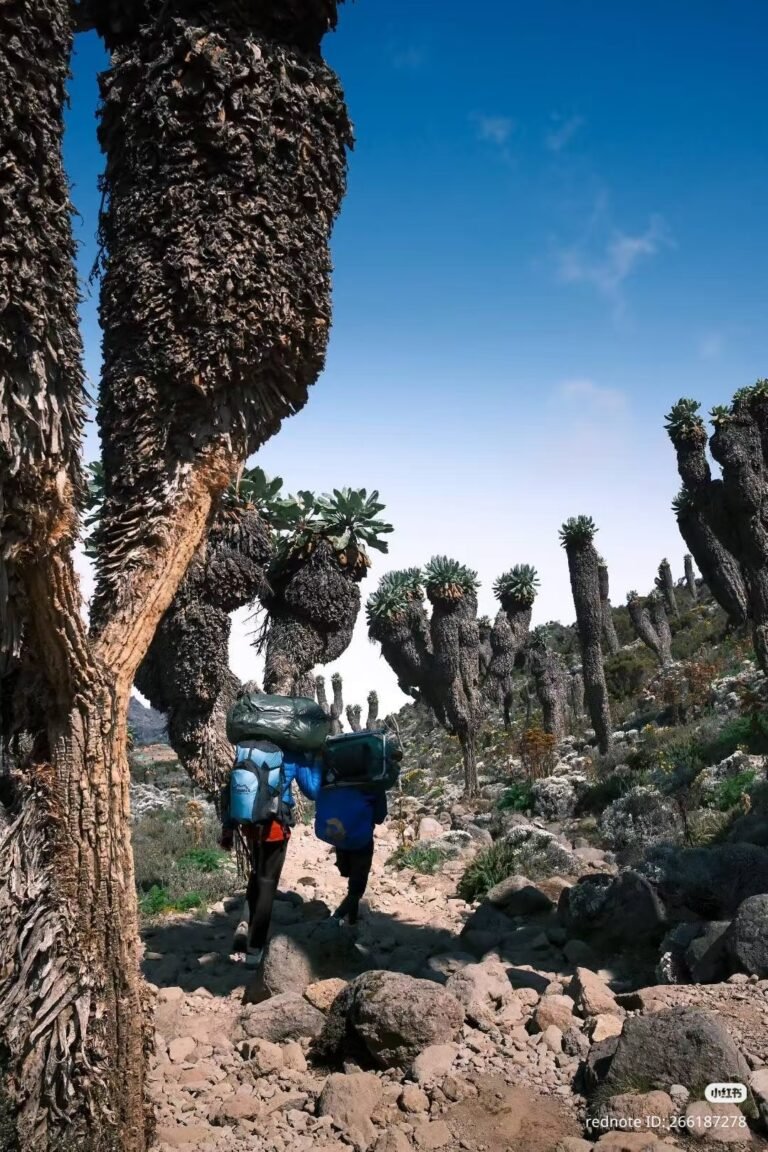
Kilimanjaro Christmas Climb And Tanzania Safari : Your Festive Adventure
Combine the magic of a Christmas ascent of Kilimanjaro with a thrilling Tanzania safari in 2026. Discover how to plan this dual adventure for a truly unique festive season.
View package detailsKilimanjaro And Mara River Crossing Safari August : Peak Season Adventure 2027
Combining the ultimate challenge of climbing Mount Kilimanjaro with the awe-inspiring spectacle of the Great Migration river crossing in the Maasai Mara offers an unparalleled African...
View package detailsKilimanjaro And Mara River Crossing Safari July 2027
Kilimanjaro and Mara River Crossing Safari July 2027 is explained with current 2027 planning, price, itinerary and booking information.
View package detailsNorthern Circuit Kilimanjaro – 2 June Group Trek With Climb 4 Africa 2027
Discover the Northern Circuit Kilimanjaro trek departing on June 2, 2027. This detailed guide covers the route, acclimatization, what to expect, and how to prepare for this unique group...
View package details
6 Day Machame Route – 26 October Kilimanjaro Group Climb 2026-2027
Discover the details of the 6-day Machame Route Kilimanjaro group climb scheduled for October 26, 2026. This comprehensive guide covers itinerary, preparation, what to expect, and booking...
View package details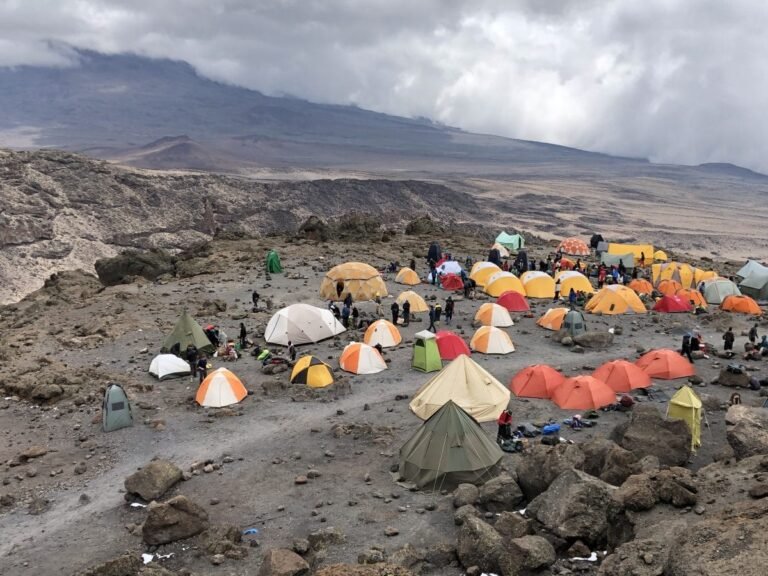
Rongai Route Kilimanjaro Late October : Your Drier Northern Approach Guide
Explore the Rongai Route for your Kilimanjaro climb in late October 2026. This guide details the drier northern approach, itinerary, benefits, and what to expect for your 2026-2027 trek.
View package detailsNo related package matches those filters. Clear one or more filters to see the other topic-matched options.



