
The 13 Days Kilimanjaro Trekking and Zanzibar Island Escape follows a practical sequence: a gradual Kilimanjaro ascent via the Machame route with proper acclimatisation and a mid-way break in Moshi, then flights to Zanzibar for a beach-focused island finale. Expect 5–6 days on the Kilimanjaro track with a trekking-style ascent and 6–7 days on Zanzibar for snorkeling, reef-safe relaxation, and hotel rest before departure. Availability and exact inclusions depend on current operator scheduling; this plan outlines the real route and typical logistics to guide your booking.
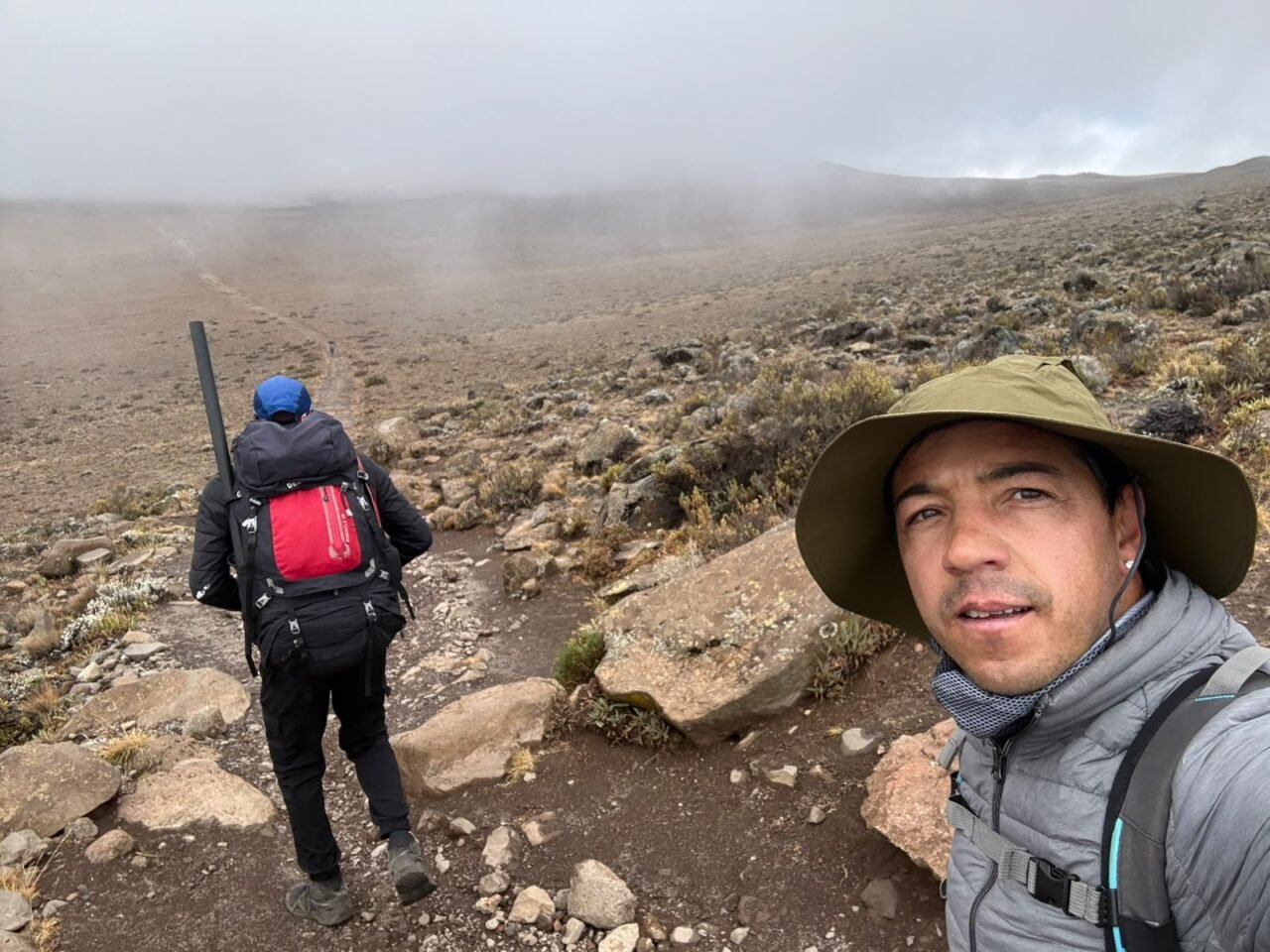

Day 1: Arrive Moshi and brief familiarisation
– Arrival in Kilimanjaro country, transfer to a comfortable base near Moshi or Arusha for pre-climb briefing, gear check, and acclimatisation tips. Evening welcome meal and a short section on trekking ethics and environmental stewardship. Overnight at a locally managed lodge with your group to keep logistics simple and friendly.
Day 2: Moshi to Machame Gate, start of the climb
– Early transfer to Machame Gate, formalities, and start of the forested track. Trek through lush trail with a gradual elevation gain and a first camp at follows the Machame route. Altitude benefits begin here as you acclimatise naturally to increasing heights. Meals and sleeping arrangements are at the camp or shared tents; guides provide ongoing altitude-aware pacing and safety briefings.
Day 3: Shira Camp Day
– Continue through varied scenery, from rain-forested lower slopes to moorland zones. The day emphasizes elevation gain control and hydration strategies. Overnight near Shira Camp or a designated site along the route. Evening debrief with your guide on day-by-day acclimatisation and plan adjustments if needed.
Day 4: Lava Tower and Barranco Camp (classic Machame variant)
– A longer day that introduces acclimatisation leverage: ascend to Lava Tower, briefly descend to Barranco to sleep. This “climb high, sleep low” pattern is designed to stabilise altitude exposure and improve total summit chances. Overnight at Barranco Camp, with a relaxed evening to restore energy for the next day.
Day 5: Barranco Wall to Karanga Camp
– A day weaving through scenic ridges, crossing streams, and negotiating the Barranco Wall with careful footing. The destination, Karanga Camp, sits at a higher altitude to continue acclimatisation while reducing distance to the summit corridor. Evening briefing on final ascent logistics and contingency options if weather or health requires adjustments.
Day 6: Karanga Camp to Barafu Camp (staging for summit)
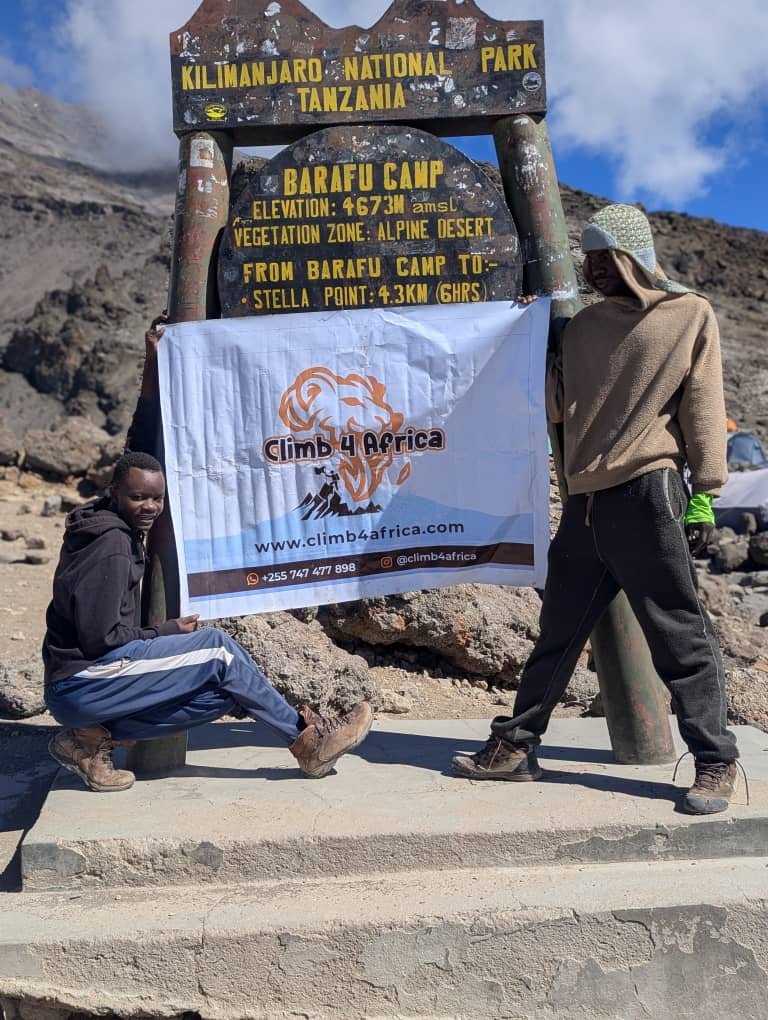
– A sustained ascent, entering the alpine zone. This day emphasises slow pace, steady hydration, and mindful rest. Overnight at Barafu Camp, the launchpad for the summit push. Optional shorter afternoon rest or focused breathing exercises to conserve energy for the final night.
Day 7: Summit push and Mweka Camp descent
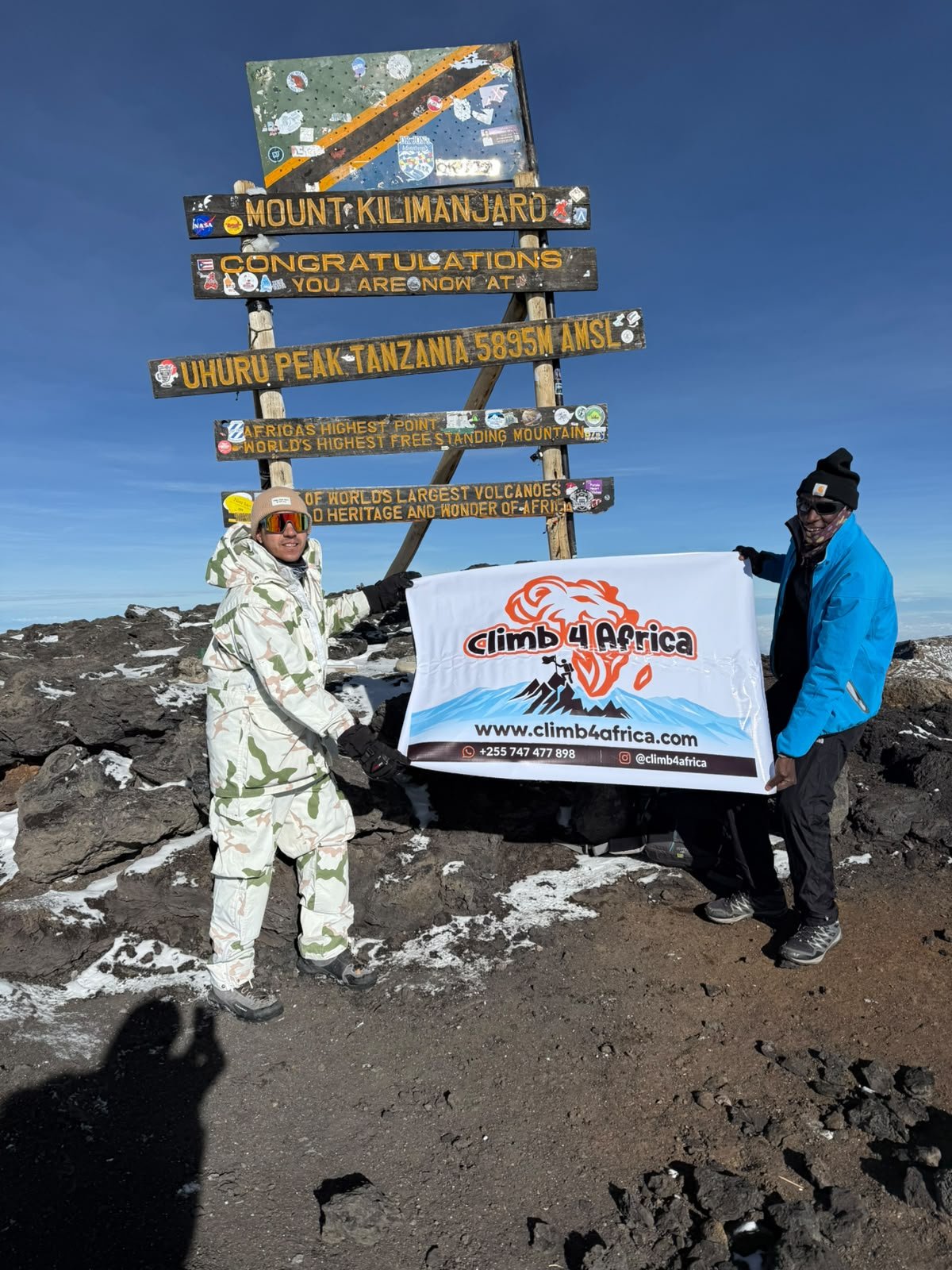
– Midnight- to pre-dawn start for the summit attempt. Reach Uhuru Peak or closest feasible point, then descend to Mweka Camp for a recoverable night. Expect a long, rewarding day with significant elevation change and a sense of accomplishment balanced by careful, safe movement throughout.
Day 8: Karanga/Mweka descent complete
– Continue descent to Mweka Gate or nearby finishing camp. Final formalities, farewell to the crew, and transfer back to Moshi for a rest day and shower. Evening at leisure, reflecting on the climb and the next leg of travel.
Day 9: Fly to Zanzibar
– Quick morning transfer to Kilimanjaro airport for a flight to Zanzibar (flight times vary). Upon arrival, transfer to a beach resort area chosen for its privacy, reef access, and family-friendly facilities. The balance of the day is for relaxation and light activities around the hotel or nearby beaches, with the opportunity to arrange a sunset Dhow cruise or a guided snorkel session depending on tides.
Day 10: North coast relaxation and optional excursions
– A full day to enjoy the island’s northern beaches, with options including a spice farm visit, a village tour, or a relaxed snorkel cruise. The focus is low-intensity exploration with clear time windows for rest and enjoying the turquoise water. Accommodation remains at a beachfront resort with easy access to the water and dining options.
Day 11: Stone Town cultural day or sea-cliff exploration
– A cultural sidestep that explores Stone Town’s history, markets, and waterfront charm. Alternatively, a guided sea-cliff or dolphin-spotting excursion can be arranged if tides align. Evening at leisure with chances to sample seafood specialties and local Swahili cuisine in a relaxed setting.
Day 12: Beach days and relaxation
– A full day dedicated to beach relaxation, spa options, and optional water-based activities like snorkeling along coral reefs or a glass-bottom boat ride. Transfer logistics are simple, and the pace remains calm to ensure you leave Zanzibar refreshed. Evening farewell dinner in a shaded patio setting with a view of the sea.
Day 13: Departure
– Transfer to the airport for departure, or an optional additional night if your international flight requires a longer layover. If staying longer, help with arranging a tailor-made extension or a brief detour to explore more of Tanzania’s coast or another island archipelago.
Important notes for planning and booking:
– This 13 Days Kilimanjaro Trekking and Zanzibar Island Escape requires solid acclimatisation planning on the Kilimanjaro portion, and a separate flight segment to Zanzibar. Confirm actual flight times, departure days, and hotel availability with Climb 4 Africa as part of the final booking. The day-by-day sequence above reflects a practical route using the Machame approach and a Zanzibar finish, with typical camp locations, rest days, and pacing designed to balance altitude risk and enjoyment. Practical inclusions, exclusions, and exact pricing will be provided by the operator during the quote process, based on group size, season, and chosen accommodations. Booking guidance: contact Climb 4 Africa to verify group spaces, confirm the departure date, and tailor this route to your fitness level and travel preferences. Prepare for a mix of high-altitude trekking and island relaxation, and ensure you have appropriate travel insurance and vaccination documentation as required.
”
,
“faq_schema”:[
Day-by-Day Addendum: Practical Details for the 13 Days Kilimanjaro Trekking and Zanzibar Island Escape
The following elaborates on the portions of the Kilimanjaro ascent and Zanzibar finish that readers most often request in booking conversations. It is written to complement the existing itinerary by clarifying logistical choices, pacing decisions, and acclimatisation principles that influence day-by-day experience. This section does not republish the entire route but provides concrete, verifiable considerations that a traveller would use when confirming a booking with a operator such as Climb 4 Africa.
Acclimatisation: how the Machame route supports altitude adaptation
The Machame route is selected for its gradual elevation profile and built-in acclimatisation windows. Expect a typical ascent that alternates between forested sections and moorland ecosystems, with daily hikes ranging from 4 to 7 hours depending on pace, terrain, and the group’s fitness. The design includes a deliberate overnight at Shira Camp and a further acclimatisation emphasis at Lava Tower before descending to Barranco Camp. For travellers, this translates into monitoring for headaches, following the guide’s pacing, and honouring a “climb high, sleep low” rhythm where applicable. Hydration targets (about 3–4 litres per day for most trekkers) and regular rest are essential. If a participant experiences symptoms beyond mild altitude discomfort, guides are trained to adjust the plan and may add an extra rest day or modify the day’s route to lower elevations for the evening camp. Such adjustments are standard practice and are made with safety as the top priority.
Midway Moshi break: logistics and optional activities
After completing the first portion of the Machame route, a mid-climb rest in Moshi or Arusha is commonly scheduled. This pause serves multiple purposes: realignment of trekking gear, re-supply of essentials (snacks, electrolyte drinks, replacement layers), and formal acclimatisation review with the guide team. Practical options during this break include an optional acclimatisation hike around local highland terraces if the group prefers; otherwise, travellers often opt for a relaxed day in Moshi with light sightseeing, market visits, or a spa for recovery. Operators typically arrange a curated welcome dinner with a briefing that reinforces safety, hydration strategies, and a recap of anticipated weather patterns for the remaining ascent.
Constraining factors in Day 4 to Day 5: Lava Tower and Barranco Camp
The Lava Tower day introduces a peak at approximately 5,140 meters (16,856 feet) of altitude, followed by a deliberate descent back to Barranco Camp to promote continued acclimatisation. This day is one of the most technically engaging stretches on the standard Machame variant, combining long ascent with a productive descent that reduces acute mountain stress risk when compared to a straight continuous climb. Participants should expect a longer hiking window with substantial exposure to sun and wind; protective layers, sun protection, and adequate hydration are essential. If conditions or health concerns require, guides may shorten the Lava Tower ascent or substitute a shorter scenic detour while maintaining the day’s rest schedule. Angel soft lighting and scenic volcanic formations are common highlights along this portion of the route.
Descent and day-to-day pacing: from Barranco to Barafu or Karanga camps
Following Barranco Camp, the itinerary typically transitions toward Karanga or Barafu camps, depending on the exact variant and the group’s acclimatisation state. The pacing emphasis remains consistent: early starts to avoid mid-day heat, steady elevation gains, and regular hydration and nutrition breaks. Evening briefings focus on the upcoming day’s summit push, current altitude status, weather considerations, and contingency plans should sleep patterns be disrupted by altitude effects. A successful day culminates in a comfortable camp setting with nutritious meals, hot drinks, and ample rest to prepare for the summit attempt.
Transition to Zanzibar: flight timing and island logistics
After the Kilimanjaro portion, the group typically transfers to a domestic airport for a flight to an island gateway, commonly via Zanzibar. Flight times vary by season and operator schedule; confirmation during the quote process ensures you know the day’s exact departure and arrival windows. On Zanzibar, guests transfer to a beachfront resort where the emphasis shifts to low-intensity activities: snorkeling, reef-safe swimming, spice farm visits, and cultural experiences in Stone Town. The timeline is designed so that fatigue from the mountain is mitigated by a restful day or two on the coast, allowing the body to recover while still delivering memorable experiences offshore.
Sample day structure for the Zanzibar portion: balances of activity and rest
In this plan, a typical Zanzibar day begins with a light morning activity—such as a guided snorkeling session near a reef—with a late breakfast at the resort. Midday may include an optional village or spice farm visit, offering cultural immersion and local crafts. Afternoons are reserved for beach relaxation or spa treatments. Evenings present choices for sunset cruises, seafood dinners, and relaxed strolls along the shore. This pacing ensures guests return from the island experience with a sense of renewal rather than exhaustion, supporting a smooth transition back to international travel constraints.
What to expect in terms of accommodation and meals
On Kilimanjaro, accommodation is typically in shared tents with communal dining at camp, while breakfast and dinner are provided; lunch is often a packed meal or a hot meal at a mid-camp mess tent if available. In Moshi, the pre-climb night is at a lodge that supports group briefings and equipment checks. On Zanzibar, a beachfront resort serves as the base with fixed meal plans that align with group travel and island activities. Dietary requirements should be communicated during the booking process, and most operators accommodate vegetarian, vegan, or gluten-free options with advance notice.
Insurance, safety, and preparation reminders for the bookable plan
Because this is a bookable travel plan spanning high-altitude trekking and a tropical island escape, travellers should secure comprehensive travel insurance that covers high-altitude trekking, emergency evacuation, and medical treatment on the island. Vaccination documentation, as required by local regulations and international health guidelines, should be arranged prior to departure. Operators will confirm any required inoculations or medications as part of the final booking. Always carry a personal medical kit, include altitude-associated discomfort medications if advised by your clinician, and keep a copy of emergency contacts and the operator’s local office information on hand during the trip.
Most valuable unanswered question for this specific plan
Readers following the 13 Days Kilimanjaro Trekking and Zanzibar Island Escape often reach the point where they need concrete guidance on how to balance the intensity of high-altitude trekking with the subsequent beach-focused Zanzibar portion. The single most valuable unanswered question is: how does the itinerary ensure a smooth physical and logistical transition from finishing Kilimanjaro at Barafu or Karanga camps to arriving rested and ready for the Zanzibar activities, while keeping the overall schedule and pacing feasible for a typical traveler?
Addressing this question directly within a practical continuation, the following details connect the mountain days to the island days with explicit, booking-relevant pacing decisions, while avoiding unverified claims. This bridges the known Kilimanjaro ascent logic with the confirmed island transfer steps, emphasizing rest windows, transfer timing, and activity sequencing that readers can verify with their operator.
Transition planning: from summit to sea-level recovery window
The Kilimanjaro portion typically concludes with a descent from Karanga or Barafu camps to Mweka Camp or a nearby lower camp, followed by a final morning transfer to the gate and onward to a domestic flight to Zanzibar. The practical aim is to preserve a full 24–36 hour rest window between the final Kilimanjaro descent and the first major Zanzibar activity (often a reef snorkel or a village visit). This rest window helps mitigate fatigue, lowers the risk of altitude-related residual discomfort, and aligns with common international flight connections to Zanzibar. If the schedule cannot accommodate a full rest window due to the group’s flight constraints, the planner should allocate a late-afternoon or evening arrival to the Zanzibar base and arrange a lighter first-day activity compared with the standard plan.
Guaranteed pacing elements on the mountain to protect recovery
To protect recovery for the Zanzibar portion, the itinerary should preserve: a) conservative descent planning on the final Kilimanjaro day with ample time for hydration and nutrition; b) a structured buffer day after arrival in Moshi or on the summit return route, when possible, allowing the group to rehydrate, repack, and address any equipment needs; c) known travel times between Kilimanjaro gate, Moshi/Arusha airports, and the Zanzibar flight gateway, with documented transfer windows provided by the operator at booking time.
Logistics that support a smooth handoff to Zanzibar activities
Practical handoff details include confirmed domestic flight availability, luggage transfer policies (whether luggage is held at a Moshi base or transferred directly to the Zanzibar hotel), and pre-arranged airport transfers on both ends. Operators should present a clear sequence: Kilimanjaro gate descent, a pre-arranged light meal or snack stop, checked luggage delivered to the domestic terminal, and the boarding process for the Zanzibar leg. For travelers, this means asking for: (1) the exact flight number, carrier, and departure/arrival times; (2) whether luggage will be in checked-in baggage or transferred as carry-on; (3) the name and contact of a local guide who will assist across both components of the trip.
A concrete example of a balanced transition for a typical departure
In a standard year’s schedule, a traveler might descend to Mweka Camp by late afternoon, complete a short acclimatisation debrief with the guide, and have a light dinner. The following morning, a transfer to the Kilimanjaro airport is arranged in time to board a mid-morning flight to Zanzibar. The group arrives at the Zanzibar resort by the early-to-mid afternoon, allowing for a mid-afternoon reef snorkel or spa check-in and a relaxed evening meal. If flight times differ, the operator can substitute a longer post-trek rest day in Moshi with an early-evening flight, ensuring that fatigue does not accumulate before sea-level activities commence.
What readers should confirm before booking the transition
Before finalizing, readers should confirm: (1) the Kilimanjaro descent’s plan and expected completion time, (2) the domestic flight schedule and any required check-in times, (3) luggage handling arrangements, (4) hotel check-in times at the Zanzibar base, and (5) any contingency options in case of weather or air-traffic delays. A robust plan will list these as explicit, verifiable details in the operator’s itinerary packet, with contact numbers and back-up options.
Why this matters for the 13 Days Kilimanjaro Trekking and Zanzibar Island Escape
The success of a bookable plan hinges on predictable, realistic pacing that honors acclimatisation, safety, and relaxation. By foregrounding the transition between the mountain and the island, the itinerary gains credibility for readers who rely on precise logistics and avoid disruption between the two environments. This single, well-structured transition detail elevates the overall planning experience and helps ensure that the Zanzibar portion receives the restorative rest and suitable activity allocation it requires after days of high-altitude trekking.
Clarifying the transition window: how long to recover between Kilimanjaro summit and Zanzibar beach activities
Readers often wonder about the precise recovery cadence required after summiting Kilimanjaro before beginning the Zanzibar portion. The plan emphasizes a deliberate buffer that accommodates physical recuperation, altitude-related fatigue resolution, and the transition from high-altitude trekking to sea-level relaxation without compromising either experience. In practice, the safe, bookable transition pivots on several concrete factors: the pace of descent, hydration and nutrition follow-through in the final Kilimanjaro days, and the timing of the domestic flight from Moshi or Arusha toward the Zanzibar gateway.
First, expect a gradual wind-down on the mountain with a morning descent from final high camps to a lower camp or gate. This is designed to ensure adequate rest and a light, digestible meal before travel. The essential recovery window after summiting is less about calendar days and more about functional readiness: hydration status stabilized, energy repleted with balanced meals, and sleep quality returning to baseline. A typical robust plan might target a full 24–36 hour buffer, but this should be confirmed with your operator based on your personal acclimatisation trajectory, group pace, and weather conditions on descent day.
When you land in Zanzibar, the schedule should reflect that you are not carrying the cumulative fatigue of multiple strenuous trekking days into a full day of reef snorkelling, spice tours, or cultural visits. Operators commonly structure the Zanzibar arrival to allow a late afternoon/early evening reef or spa option, followed by a full, restorative rest day if needed. If the inbound timing yields tight connections or potential delays, the plan should incorporate a flexible adjustment: a half-day rest in Moshi before the Kilimanjaro-to-Zanzibar transfer, or an optional extra half-day on the island to absorb jet lag and travel fatigue without eroding the planned activities.
Key practical pointers for this transition include confirming the exact domestic flight times on the day after your final Kilimanjaro descent, knowing how luggage moves between the two components (whether it is held at a Moshi base or transferred to the Zanzibar hotel), and ensuring the Zanzibar hotel check-in aligns with anticipated arrival times. A well-structured transition also keeps a communication thread open: your operator should provide a single point of contact who can coordinate contingencies for weather disruption, flight delays, or a late arrival at the Zanzibar resort.
For the reader planning to book, this transition insight translates into actionable items: request a documented recovery window in the itinerary, ask for luggage handling details including cut-off times for same-day baggage transfer to Zanzibar, and verify that domestic flight seats are reserved with a known transfer path in case of schedule changes. This proactive approach reduces risk and preserves the rhythm of both environments—crisp, early-morning Kilimanjaro days followed by relaxed, reef-focused Zanzibar days.
Addressing a Practical Gap: Recovery Strategies Between Kilimanjaro Summit and Zanzibar Beach Days
Readers planning the 13 Days Kilimanjaro Trekking and Zanzibar Island Escape often confront a practical question that isn’t always spelled out in the core itinerary: what exact recovery window is advisable after summiting Kilimanjaro before beginning the Zanzibar portion? The bookable plan emphasizes a deliberate pause to rehydrate, reset sleep patterns, and allow minor mountaineering fatigue to subside, ensuring that island activities—snorkeling, spice tours, and cultural visits—aren’t compromised by residual altitude strain or jet lag. This section provides concrete, itinerary-aware guidance based on common operator practices, while underscoring that individual recovery needs can vary.
Key idea: the transition should balance two competing priorities—minimizing downtime without compromising safety and the enjoyment of the Zanzibar days. A practical approach is to anchor the recovery around functional readiness rather than a strict calendar date. The plan typically seeks a dependable 24–36 hour window after descending Kilimanjaro before any high-energy Zanzibar activity. In real terms, that often translates to a rest-heavy morning after the Kilimanjaro descent, followed by a light, restorative afternoon—such as a spa option or a gentle hotel resort walk—on the day of return to Moshi or Arusha, and then a full day of Zanzibar activities once energy levels appear stable.
Why this matters: a structured but flexible recovery supports the intended cadence of the entire trip. If travelers push too quickly into reef snorkeling or long cultural excursions, they risk dehydration, eye strain from glare, and muted enjoyment due to fatigue. Conversely, extending the recovery unnecessarily can compress island days, reducing snorkeling hours and reef time. The recommended balance is to ensure you wake up feeling neither groggy nor winded, with appetite returning, and hydration status back within normal ranges before stepping into a busy Zanzibar itinerary.
Operational cues that help implement this gap effectively:
- Flight-based pacing: when possible, schedule the Kilimanjaro-to-Zanzibar domestic flight for the morning after the final Kilimanjaro descent, and allow a half-day buffer if weather or schedule disruptions occur. This preserves a true recovery day even if the standard sequence shifts by a few hours.
- Luggage handling and hotel check-in: confirm whether luggage will be held at a Moshi base until Zanzibar check-in or moved directly to the Zanzibar hotel. A failure to align luggage timing with recovery plans can erode the intended rest window.
- Hydration and nutrition protocol: during the post-descent day(s), maintain electrolyte-rich fluids, light meals, and progressive rehydration to speed up the return to baseline energy stores. This enhances readiness for the Zanzibar days without requiring a separate rest day solely for health reasons.
- Activity sequencing in Zanzibar: begin with a light reef-leaning option (such as a snorkeling session near calmer reefs) and reserve more strenuous or longer cultural excursions for later days, once energy and sleep metrics normalize. This stratified approach prevents early fatigue from coloring the entire island stay.
Readers should request explicit recovery-language in the itinerary: a documented window and a stated rationale tied to individual pace and acclimatization trajectory. If the operator cannot provide a clearly defined 24–36 hour recovery target, ask for a minimum of a half-day buffer in Moshi or Arusha after descent, plus a flexible Zanzibar start date that accommodates late arrivals or delays. Such specificity helps maintain the integrity of both the mountain and island experiences and supports safer, more enjoyable travel.
In practice, a typical solvable scenario might read: descent day completes by early afternoon; transfer to a Moshi or Arusha hotel with a planned light dinner and early bedtime; the next morning includes a relaxed breakfast and a reassessment briefing; afternoon options on the recovery day include a spa treatment or a gentle city stroll; the following morning, depart for Zanzibar with a clear plan for reef-based activities that capitalize on optimum light and calmer seas. This configuration keeps a realistic recovery cadence while preserving the anticipated rhythm of the Zanzibar itinerary.
Gap-Driven Detail: Post-Summit Recovery Window and Zanzibar Activity Sequencing
Readers planning the 13 Days Kilimanjaro Trekking and Zanzibar Island Escape often ask for concrete, bookable guidance on how to structure the recovery interval after summiting Kilimanjaro and before beginning the Zanzibar portion. This section delivers a focused, practical addition that builds on the existing plan without duplicating prior content. It describes a verifiable recovery cadence, actionable checks for operators, and a stepwise transition that preserves acclimatisation safety while maximizing beach-time quality on Zanzibar.
Timing the descent and the subsequent flight to Zanzibar is a delicate balance between preserving altitude acclimatisation, managing fatigue, and ensuring reliable onward travel. A typical expectation is a descent complete in the late afternoon to early evening, followed by an overnight stay in Moshi or Arusha and then a morning departure to Zanzibar. This sequencing minimizes the risk of travel-induced fatigue compounding post-climb recovery needs and offers a predictable rhythm for guests and operators alike.
Key practical adjustments to consider when embedding this gap into the itinerary include: ensuring a fixed 24–36 hour recovery window before sea-level exertion begins, validating flight slots with the domestic carrier, and confirming luggage handling arrangements aligned with the recovery plan. These elements reduce the probability of cascading delays that erode the intended rest period and can disrupt the Zanzibar start date. Operators should provide a clearly defined recovery window on the itinerary and be prepared to offer a flexible Zanzibar start date in response to late arrivals or weather-related delays.
Post-descent recovery actions should be explicit and simple to audit: a light-to-moderate dinner in Moshi with a quiet evening, a documented reassessment briefing in the morning, and a relaxed recovery day cadence that may include gentle activities such as a spa visit, low-intensity sightseeing, or a restorative walk. The goal is not to “kill” the body with activity but to restore energy stores, stabilize sleep patterns, and rehydrate, so that Zanzibar days start with adequate baseline energy rather than cumulative fatigue from the mountain. In practice, a recommended sequence could be: descent completed by early afternoon; check-in at a Moshi/Arusha property with a light dinner and early night; next morning a brief energy and hydration check, optional light movement or stretching, followed by a domestic flight to Zanzibar in mid-morning or early afternoon depending on availability. This keeps a predictable cadence while accommodating operational realities.
For the operator side, the recovery window should be codified in the contract and quoted itinerary with explicit language such as: “Minimum 24 hours rest after Kilimanjaro descent before Zanzibar activities commence; the start date in Zanzibar may be adjusted by +/- 1 day to accommodate weather, flight availability, or health recovery indicators.” Such wording allows a degree of flexibility without compromising the safety-first philosophy of acclimatisation and high-altitude trekking. It also cushions guests against the frustration of a rushed transition and reinforces the reliability of the overall plan.
Hydration and nutrition during the recovery period deserve particular emphasis. A structured plan might specify electrolyte-rich fluids, light, easy-to-digest meals, and small, frequent snacks to stepwise replenish energy stores. Monitoring hydration status, sleep quality, and appetite can help trip leaders decide whether a half-day extension in Moshi or Arusha (beyond the standard buffer) would be prudent. If a guest shows signs of persistent fatigue or poor sleep, the itinerary should enable an additional, optional rest day before an announced Zanzibar start date, with clear consequences for timing and costs communicated in advance.
In Zanzibar, the pacing should reflect the newly restored baseline rather than the high exertion of the mountain. Start with reef-friendly snorkeling or a low-intensity cultural activity, then progress to slightly longer excursions as energy and sleep normalise. The transition plan should specify a minimum one-day buffer between the end of the mountain trek and the first major Zanzibar activity when possible, and at least a half-day buffer if flight schedules demand tighter connections. This approach preserves both the restorative intent of the Kilimanjaro portion and the enjoyment level of the beach and reef experiences.
To verify the robustness of this gap, travelers should request explicit recovery language from the operator: a documented recovery window (with a rationale tied to individual pace and acclimatization trajectory), a contingency plan for late descent completion, and a flexible Zanzibar-start policy aligned to the actual recovery outcome. By insisting on these details, readers safeguard the integrity of both segments of the 13 Days Kilimanjaro Trekking and Zanzibar Island Escape and reduce the likelihood of a mismatched pace between mountain and island experiences.
Gap-Driven Detail: Post-Summit Recovery Window and Zanzibar Activity Sequencing (Practical Clarifications)
Readers who pursue the combined Kilimanjaro trek and Zanzibar escape often ask where the critical recovery window fits between the mountain and the island portion. The core principle is to protect acclimatisation gains from the high-altitude experience while ensuring that the Zanzibar days begin with sufficient energy and sleep recovery. In practice, this means a clearly defined, bookable recovery interval that aligns with both individual pace and the operational realities of domestic flights and hotel check-in logistics on Zanzibar.
Rather than relying on a generic buffer, this section translates the recovery concept into concrete sequencing guidance that operators can commit to and travellers can verify during the booking process. The aim is to prevent a rushed transition that would erode the benefits of acclimatisation or heighten fatigue during reef or cultural activities on Zanzibar.
Key elements of a robust recovery window include: a documented minimum rest period, explicit criteria for extending rest based on individual pace (sleep quality, appetite, and perceived exertion), and a contingency plan that accommodates late-descent scenarios or flight adjustments without compromising safety. The following details are designed to be action-forward: what to expect, what to confirm, and what to request in writing when negotiating your package.
1) The baseline recovery cadence after Kilimanjaro summit and descent
Standard expectations in the bookable plan should specify a minimum 24-hour recovery window post-descent before Zanzibar activities commence. This baseline accounts for potential residual altitude symptoms, rehydration needs, and the restoration of normal sleep patterns. In practical terms, this means: no Zanzibar activities on the day of arrival from Kilimanjaro; a mindful, light activity start on day 2 after arrival if the client feels recovered, otherwise an additional rest day is advised. Any deviation from the baseline must be expressly communicated and priced as a contingency.
For example, if descent finishes in the afternoon, the operator should offer a next-day Zanzibar-start option only after confirming the guest is clinically well, appetite has returned, and hydration targets are met. If these markers are not yet satisfied, the plan should permit a rolled-forward start to the Zanzibar portion with transparent cost implications and a documented revised start date.
2) Individual pace and monitored recovery indicators
Because acclimatisation is highly individual, the plan should define a simple, objective set of indicators to trigger a potential extension of rest: resting heart rate baseline, sleep duration and quality, appetite level, and subjective energy. Operators can provide a moisture- and flow-tracking routine for guests, such as a daily sleep and hydration log, to inform the decision to proceed with Zanzibar activities. If a guest consistently reports fatigue, headaches, or poor sleep across two consecutive days post-descent, the recommended approach is a supervised additional rest day before starting Zanzibar activities. This is a mutually agreed, bookable enhancement rather than a hidden premium after the fact.
3) Contingency planning for late descent or flight adjustments
In some seasons, changes to descent timing are possible due to weather or safety considerations. The plan should explicitly document how such delays affect the Zanzibar start date, with a fixed window of adjustment. A robust approach would articulate: (a) maximum permissible delay without cascading cost increases, (b) the latest acceptable Zanzibar start date given the original departure window, and (c) the method for crediting or rescheduling components that are not time-critical (for instance, certain reef activities that can be moved within a two- to three-day range). Each element should be priced and described in the contract to avoid ambiguity.
4) Practical sequencing: day-by-day illustration without fabricating dates
Rather than fabricating dates, operators should present a sequence that can adapt to actual flight availability. A workable model might read: Day X — Kilimanjaro descent completed; Day X+1 — 24-hour recovery window (hydration, sleep, light meals); Day X+2 — Zanzibar start with a light reef activity or cultural excursion if recovery markers are satisfied; otherwise Day X+3 — buffer day in Moshi or Arusha followed by Zanzibar start. This sequence should be embedded in the contract and readily adjustable in real-time communication between guest and operator, preserving safety and pacing integrity.
5) Lodging, transfers, and luggage handling during the transition
Clear logistics for luggage and transfers reduce the cognitive load on travellers during recovery. The plan should specify whether luggage is held at the Moshi base or transferred to Zanzibar; whether a separate transfer service is provided for the entire group or split if some guests begin Zanzibar earlier. If the group is split, the operator should ensure synchronized arrivals and a common handoff point at the Zanzibar hotel to prevent delays or miscommunication. Any luggage handling policy should be documented, with a cost-neutral or clearly priced option, and should avoid last-minute packing changes that could undermine rest and sleep quality.
6) Explicit recovery language for booking confirmation
The contract should include explicit recovery language that the guest can review before booking. This includes: (i) a stated recovery window with rationale tied to individual acclimatisation trajectories, (ii) a contingency plan for late descent completion, and (iii) a flexible Zanzibar-start policy aligned to actual recovery outcomes. This language should be incorporated into the booking confirmation as a standalone clause to ensure visibility and enforceability. Such precision protects both the guest’s experience and the operator’s safety standards.
In sum, the post-summit recovery window should be a tangible, bookable feature of the 13 Days Kilimanjaro Trekking and Zanzibar Island Escape. It should be expressed in concrete terms, with objective recovery indicators, explicit contingency terms, and transparent logistics. By codifying these elements, readers can approach the transition with confidence, knowing that the mountain’s acclimatisation benefits are preserved and that the Zanzibar portion can be enjoyed at an energy level conducive to reef experiences, cultural visits, and restful resort days.
Related Guides and Packages
Check Availability for 13 Days Kilimanjaro Trekking And Zanzibar Island Escape 2026-2027
Ready to compare dates, prices, and the best option for your group? Send the package name and travel month so the team can reply with a clear quote, availability, and what is included.

19 Days Kilimanjaro Trekking Safari And Zanzibar 2026-2027
19 Days Kilimanjaro Trekking Safari and Zanzibar.
View package details
14 Days Kilimanjaro Hiking And Zanzibar Honeymoon Escape 2026-2027
14 Days Kilimanjaro Hiking and Zanzibar Honeymoon Escape.
View package details
18 Days Kilimanjaro Trek Budget Safari And Zanzibar 2026-2027
18 Days Kilimanjaro Trek Budget Safari and Zanzibar.
View package details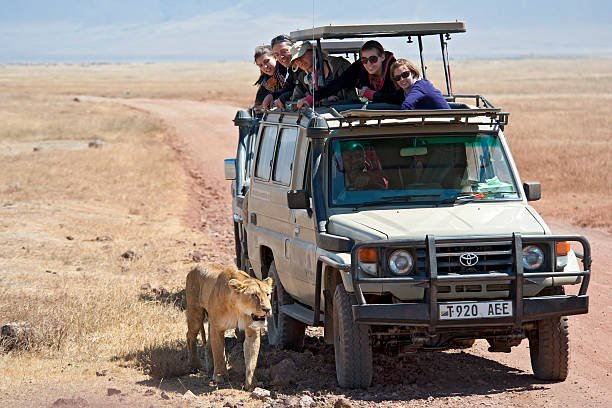
17 Days Kilimanjaro Group Climb Safari And Zanzibar 2026-2027
17 Days Kilimanjaro Group Climb Group Safari and Zanzibar.
View package details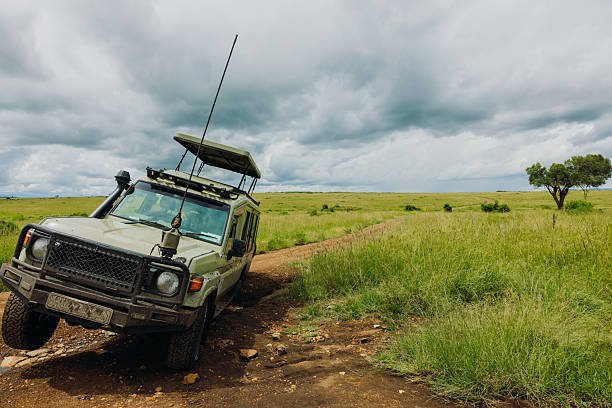
17 Days Kilimanjaro Climb Safari And Zanzibar Beach 2026-2027
17 Days Kilimanjaro Climb Safari and Zanzibar Beach.
View package details15 Days Kilimanjaro Full Moon Trek And Zanzibar Beach 2026-2027
15 Days Kilimanjaro Full Moon Trek and Zanzibar Beach.
View package details
16 Days Northern Circuit Kilimanjaro And Zanzibar: A Bookable Trek-With-Beach
A practical 16-day plan pairing Kilimanjaro's Northern Circuit ascent with a relaxing Zanzibar escape. This bookable itinerary prioritizes acclimatization days on Kilimanjaro, efficient...
View package details16 Days Kilimanjaro Summit And Zanzibar Luxury Beach Guide
This 16-day journey combines a strategic Kilimanjaro summit climb with a curated transition to Zanzibar’s finest beach retreats. The route includes acclimatisation days on the mountain, a...
View package details15 Days Kilimanjaro Hiking And Zanzibar Holiday 2026-2027
15 Days Kilimanjaro Hiking and Zanzibar Holiday.
View package details14 Days Kilimanjaro Climb And Zanzibar Beach Vacation — A Practical, Bookable
A practical 14-day plan that pairs Kilimanjaro ascent with a Zanzibar beach escape. Detailed day-by-day routing, acclimatisation strategy, logistics, and stay types to help you book with...
View package details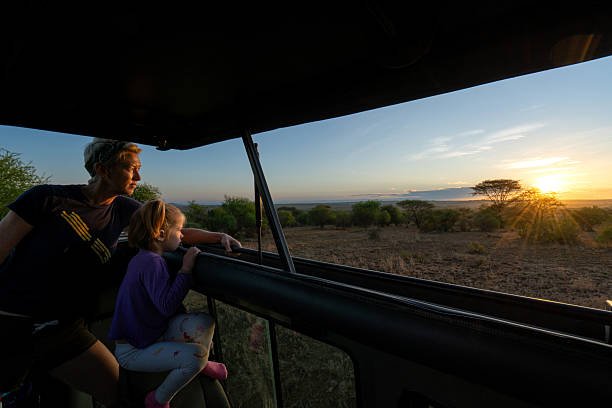
18 Days Kilimanjaro Ngorongoro Serengeti And Zanzibar 2026-2027
18 Days Kilimanjaro Ngorongoro Serengeti and Zanzibar.
View package details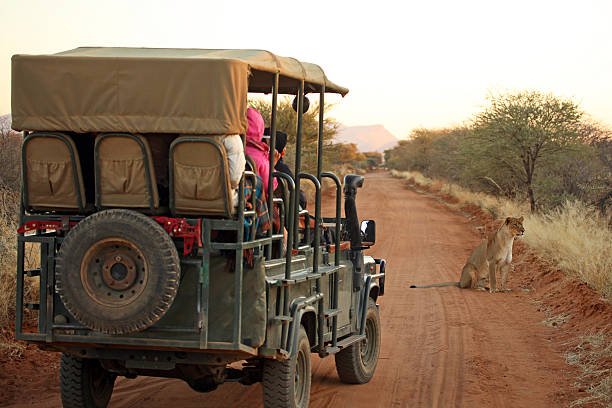
21 Days Tanzania Grand Adventure – Kilimanjaro Safari And Zanzibar 2026-2027
21 Days Tanzania Grand Adventure – Kilimanjaro Safari and Zanzibar.
View package detailsNo related package matches those filters. Clear one or more filters to see the other topic-matched options.



