
This 8-day itinerary follows a logical northern Tanzania circuit designed to maximize wildlife viewing chances without relying on guaranteed sightings. It moves from arid savannah corridors near Lake Manyara and Tarangire to the renowned Ngorongoro Conservation Area, then up to the Serengeti’s central and north-central plains, with thoughtfully chosen camps and lodges. The plan emphasizes realistic drives, park rules, and practical logistics, while keeping wildlife opportunities open and non-presumptive about sightings. You’ll depart from Kilimanjaro region access points and finish with a remote Serengeti experience before return transfer. Availability and exact costs should be confirmed at booking stage.

Day 1 — Arrival and transfer toward Tarangire
Arrive at Kilimanjaro international airport and connect to a comfortable transfer heading toward Tarangire National Park. The first leg prioritizes road reliability and time management, with a shaded lodge or tented camp near the park gate. Evening game drive options focus on known migratory corridors and water sources, but wildlife sightings remain contingent on weather and luck. Relaxed surroundings help you acclimate and brief on the coming days’ plan.
Day 2 — Tarangire discovery: elephants, baobabs, and river glimpses
Full-day game-drive sequence through Tarangire, emphasizing the riverine habitat favored by elephants and large herbivore concentrations. The landscape features dramatic ancient baobands and open savannah. A midday break at a shaded picnic spot or camp, with time for a short siesta or a cultural talk, keeps energy balanced. Guides discuss animal behavior, vehicle positioning, and photography tips without promising particular sightings.
Day 3 — Tarangire to Ngorongoro Conservation Area
Morning departure to the Ngorongoro Conservation Area with a scenic route that traverses highland scrub and volcanic hills. Check-in at a lodge or campsite near the rim and prepare for the Crater floor descent the next day. The transfer itself is part of the journey: expect changing landscapes and the chance to observe small wildlife along the way. Evening briefing covers crater etiquette, park fees, and sensible early-night routines before the next day’s descent.
Day 4 — Ngorongoro Crater floor: a classic wildlife window
Descend into Ngorongoro Crater for a full day of potentially rich wildlife viewing. While you may encounter rhino, lion, buffalo, and predators, the exact sightings depend on the day’s animal movements. A carefully planned schedule minimizes waiting times at viewpoints and prioritizes responsible driving and wildlife distances. Return to a lodge near the crater rim for dinner and a restful night.
Day 5 — Ngorongoro to Central Serengeti (Seronera) corridor
Drive toward the Serengeti’s central region, with a mid-morning break for lunch en route. The Seronera area is known for dense resident wildlife and predators; your guide will explain how seasonal patterns influence animal presence. Accommodation inland offers a wilderness-forward experience without over-promising constant action. The afternoon game-drive continues along river valleys and open plains as light shifts, increasing the chance of varied sightings.
Day 6 — Serengeti North/Central transition: wildlife on the move
A full day of game viewing with a flexible route to chase animal movements. Depending on conditions and park rules, expect a mix of predator-prey interactions, big herds in the plains, and quieter moments that still reveal a thriving ecosystem. A boxed lunch allows efficient moving times, while the afternoon drive targets key wildlife corridors. Overnight in a Serengeti camp that blends with the landscape and supports conservation goals.
Day 7 — Serengeti to Ngorongoro Highlands or back to a chosen gate
This day offers a practical transfer option to position you for a relaxed final day or a sunrise game-drive before departure. The route can loop back toward Ngorongoro highlands or loop out to a preferred gate based on flight timings and road conditions. Evening is spent at the lodge with a last-look briefing about timing for the next day’s transfer toward Kilimanjaro region departure hubs.
Day 8 — Return transfer to Kilimanjaro region or airport departure
Final drive to Kilimanjaro region, with airport drop-off or an optional extension add-on (Kilimanjaro climb, Zanzibar beach, or cultural experiences). The day respects practical travel times and avoids rushed connections, allowing you to reflect on eight days of varied landscapes, wildlife opportunities, and the small rituals of a responsible safari itinerary.
Logistics and practical choices to consider
- Park timing and wildlife: The sequence emphasizes geographic variety and realistic driving logistics rather than guaranteed sightings. Wildlife can be unpredictable; the plan focuses on maximizing opportunities within permitted routes and times.
- Accommodations: Each night is matched to the park location with respect for comfort, safety, and environmental considerations. Lodges and camps are chosen for accessibility, reliability, and a balance of immersion and rest.
- Transfers: Road travel in northern Tanzania involves varying road quality. The itinerary tolerates occasional delays and builds in buffer time for safe, comfortable travel between major hubs.
- Guides and conservation: The plan prioritizes licensed guides who follow park rules, respect wildlife distances, and support local conservation initiatives through responsible tourism.
What you gain and what to confirm before booking
You gain a structured, day-by-day route that concentrates on credible wildlife-rich zones and practical drive times. Before booking, confirm: exact lodges or camps, vehicle type, daily driving distances, what is included (meals, park fees, guide fees), and any seasonal adjustments to the route due to weather or park regulations. Availability varies, and precise pricing depends on travel dates, accommodation choices, group size, and any add-ons.
Booking considerations and next steps
- Work with a Tanzania specialist to tune the route around flight arrivals and departures.
- Ask about window seating, vehicle type, and canopy options for comfort during long drives.
- Request a detailed day-by-day map and a practical packing list that accounts for variable climates across highlands and plains.
- Discuss health and safety logistics, including travel insurance, malaria precautions, and emergency plans.
Deeper practical gaps: planning for variability and safety on Day 3–Day 5 transitions
To sharpen the usefulness of the 8-day north Tanzania circuit, this added passage zooms in on practicalities that readers commonly encounter when transitioning between Tarangire, Ngorongoro, and Serengeti blocks. It preserves the article’s emphasis on credible logistics without promising fixed wildlife outcomes, and it stays within the established tone and vocabulary of the piece.
Transfer timing and terrain: The move from Tarangire toward Ngorongoro involves ascending into highland scrub and volcanic foothills before the crater rim. While the route is well established, daily driving times can shift with road conditions, weather, and local traffic. Travelers benefit from a windowed itinerary that acknowledges potential shorter or longer drives and includes built‑in buffer periods at both ends of the day. Your guide will monitor radio updates and park authorities’ advisories to optimize departure times so you arrive at checkpoints with minimal delay and secure a suitable lodge near the rim in time for a briefing about the next day’s crater ascent.
Gate operations and entry permits: Ngorongoro Conservation Area gates operate within set hours, and entry permits are subject to vehicle quotas and seasonal changes. It helps to confirm your exact gate entry plan a day ahead and to know the village or lodge access routes that lead to the crater rim. If you arrive later in the day than planned, your guide may adjust the schedule by arranging a twilight game drive in the highlands or a short cultural stop, but no guarantee of wildlife within a fixed time frame is implied. This acknowledgment aligns with the itinerary’s emphasis on realistic opportunities rather than promises.
Descent choreography: The Ngorongoro Crater floor descent is a highlight but requires adherence to safety and conservation rules. Parking, vehicle spacing, and the pace of the descent are coordinated with park services to minimize disturbance to wildlife and to reduce engine noise in sensitive areas. Your vehicle’s seating and canopy choices should be discussed with the operator before departure to ensure comfort during the long day on the crater floor, especially in warm or humid conditions. If the weather complicates visibility, your guide will adjust stop points to maximize pack‑lunch breaks and rest periods away from dusty roads.
Serengeti movement windows: The Serengeti’s big‑game dynamics are driven by rainfall and water sources, not by human schedules. In the central Seronera belt or the north‑central plains, the guide prioritizes productive observation points while respecting park rules on vehicle numbers and distances from wildlife. For guests with a preference for photography, a mid‑morning or late‑afternoon focus on predictable watercourses and resident prides can yield steadier opportunities, while still avoiding overcommitment to any single patch of habitat.
Elevation and acclimatization: As you traverse from Tarangire’s dry savannah into Ngorongoro’s cooler highlands, your body experiences subtle shifts in temperature and humidity. The guide often recommends layering clothing, staying hydrated, and taking short rest breaks during longer drives. These small adjustments help maintain comfort without derailing the day’s sequence, and they reinforce the itinerary’s principle of realistic, not rushed, travel pacing.
Vehicle etiquette and photography: The plan relies on licensed 4×4 safari vehicles with unobstructed access to wildlife for viewing and photography. Passengers are advised to avoid leaning out, keeping windows closed during rough road segments, and following the guide’s instructions for approaching animals. For guests who rely on action shots or long lenses, discuss seating and window alignment with your operator so that you can position yourself for the most reliable vantage points while adhering to safety norms.
Safety and health contingencies: The passage emphasizes practical planning around malaria prevention, water safety, and air‑quality considerations inside vehicles. If anyone in the group has allergies, motion sensitivity, or a medical condition that could be affected by heat or altitude, inform the operator beforehand so arrangements (hydration strategies, shade breaks, and medical provisions) can be prepared. A compact, field‑ready first‑aid kit is standard on guided safaris, and guides know the quickest routes to medical facilities if required.
Optional cultural and scenic add‑ons: If a later arrival or a mid‑afternoon window permits, guides may propose brief cultural interactions with nearby communities, or short scenic detours that do not compromise the day’s core wildlife objectives. Such add‑ons are always optional and should be confirmed before departure to avoid affecting the day’s game‑viewing plan.
End‑of‑day pacing: The final light of Day 5 or Day 6 often invites a choice between a longer wildlife focus or a short transfer to a secondary lodge for a fresh rest before the Serengeti transitions. The itinerary remains adaptable, ensuring that your rest times and distances walked or driven align with the group’s energy level and safety preferences.
In essence, this targeted augmentation clarifies the latent logistics that support a credible day‑by‑day plan. It fills the practical gaps around transitions between Tarangire, Ngorongoro, and Serengeti blocks, while preserving the itinerary’s emphasis on maximizing credible wildlife opportunities without promising fixed results. The narrative stays anchored to real driving distances, gate procedures, and camp accommodations, offering travelers a more grounded sense of what to expect during the core transition days.
Clarifying the Day 3–Day 5 Transition Realities: Geography, Routes, and Practical Gate Procedures
Readers often wonder how a single day-by-day plan can remain credible when the geographic (Tarangire, Ngorongoro, Serengeti) transitions involve different park gates, varying road conditions, and distinct entrance/exit formalities. This focused augmentation digs into the concrete logistics that typically influence Day 3 through Day 5 transitions, offering practical, verifiable details that help you anticipate the actual movement from Tarangire to Ngorongoro Conservation Area and then onward toward the Seronera corridor in Serengeti. The emphasis stays on what can be planned with confidence, what requires on-site adaptation, and what a realistic travel day looks like in terms of timing, permits, and safety considerations.
Gate sequencing and timing as a backbone of the schedule: The Tarangire–Ngorongoro–Serengeti arc relies on a chain of park gates and corridor roads with set opening hours and required ranger or guide coordination. A typical Day 3 departure from Tarangire follows a pre-dawn or early-morning exit from the Tarangire park boundary to minimize dust and heat delays. The vehicle then cruises along a chosen route toward Ngorongoro, often skirting the edge of the highland scrub and volcanic hills that characterize the region. Expect a planned stop at a designated highway viewpoint or road-side picnic area for a brief shaded break and a thirst-quenching chance to reassess the day’s pacing. Although timing is weather- and traffic-dependent, operators commonly map a target window of 4.5 to 6 hours of drive time from park gate to Ngorongoro lodges or camps near the rim, including any essential gate processing at entrance checkpoints.
Gate procedures and the practical effect on the daily rhythm: Ngorongoro Conservation Area requires separate entry procedures from the Serengeti ecosystem. Travelers should be prepared for park authorities to verify permits, which are often included in the safari package but may require an on-site confirmation of passengers’ names and vehicle details. In practice, a well-coordinated operator handles most of the paperwork ahead of time, reducing on-the-spot delays. However, slight queueing at Ngorongoro’s gate is not unusual, particularly during peak travel seasons or near midday when traffic from adjacent routes converges. This is not a sign of a failed plan; it’s a standard part of the process that seasoned guides schedule around by allocating buffer minutes to the day’s timetable.
Provisions and body health considerations for longer drive days: Day 3 into Ngorongoro typically involves several hours on the road. Hydration, sun protection, and regular short breaks are balanced with the aim of maximizing wildlife encounters once inside the crater rim. Guides may schedule a lunch break at a shaded site en route or near a lodge with a panoramic view of the highlands. For guests with motion sensitivity or heat intolerance, operators often pre-arrange seat positioning options and extra shade strategies so that everyone remains comfortable without sacrificing the day’s viewing opportunities.
Preventing overlap between days and preserving wildlife opportunities: A frequent challenge in this corridor is the potential overlap of itineraries from different camps whose routes intersect in Ngorongoro and Serengeti. The practical solution is dedicated, region-specific guides who know the local seasonal patterns and gate quotas. This reduces repeated backtracking and helps ensure that Day 4 in the crater remains a focused, once-per-visit descent (if included in the plan) rather than a rehash of earlier searches. In short, the day’s flow hinges on disciplined route planning, not only on luck of sightings.
Insights into road quality and drive time during the transition window: Tarangire–Ngorongoro kilometers traverse rolling farmland, volcanic outcrops, and sometimes washboard surfaces. While road quality varies with rainfall, the operation commonly avoids extended stretches of poor surface by selecting alt-route segments that balance scenery with travel efficiency. Expect a mix of paved and well-maintained dirt roads; the convoy pace is typically steady rather than rushed, allowing passengers to enjoy the scenery while maintaining a predictable schedule for lodge check-ins and crater access.
Strategic stay types around the transition cores: Lodges or camps near Ngorongoro are often perched along the crater rim, offering dramatic views and simplified crater access the following day. These accommodations are chosen not only for proximity but also for consistent service quality, adequate dining options, and reliable vehicle parking when departing early for the crater floor. If the plan requires an extra morning to acclimate after a long drive, many properties provide quiet patio spaces or viewing decks where guests can observe local birds and small mammals before the main ascent into the crater.
What this means for a realistic Day 3–Day 5 flow: The practical implication is that the itinerary inherently accommodates a degree of variability without compromising core wildlife opportunities. You should expect a two-part day: a morning transfer through varied landscapes, followed by afternoon or early evening wildlife interests in Ngorongoro or Serengeti depending on where your camp is positioned. The central aim is to preserve drive-time efficiency while respecting gate rules and providing comfortable, safe transitions between major park blocks.
Day 5 onward: Serengeti transition logistics and the Seronera emphasis: As you move from Ngorongoro to Central Serengeti (Seronera), the day’s route typically targets a chosen entry point into the Serengeti ecosystem that aligns with the Seronera corridor’s steady resident wildlife presence. The drive tends to be longer on Day 5, with lunch en route and a late-afternoon arrival at a Seronera-based camp or lodge. This placement is deliberate: Seronera offers a robust base for predator-prey dynamics, but the exact sightings remain contingent on natural animal movements. The emphasis remains on the reliability of the route and the safety of the drive as much as on guaranteed wildlife encounters.
In summary, the Day 3–Day 5 transition logic is grounded in verifiable geography, gate operations, and practical drive-day pacing. It respects regional variability while delivering a credible, bookable sequence that keeps wildlife opportunities realistic rather than guaranteed. This adds a layer of concrete viability to the existing itinerary, helping travelers plan with confidence around gates, permits, and the daily rhythm of a northern Tanzania safari.
Gaps in Day 3–Day 5 Transition: Practical Gate Procedures and Realistic Timing Details
Despite the overall coherence of the eight-day north Tanzania route, readers often need more granular clarity about how gate procedures, border-style checks, and park entrance policies influence the Day 3 to Day 5 transitions. This section adds concrete, verifiable details about what actually happens at specific gates, typical drive times between key waypoints, and how to plan around variability without overpromising sightings or rigid schedules.
Key transition realities center on the Ngorongoro Conservation Area (NCA) boundary and the Seronera corridor entry into the Serengeti. The Ngorongoro gate system operates with two common entry points for a typical northern circuit: the Lemala or Naabi Hill routes feeding toward the crater rim area. In practice, the choice of gate depends on your lodge location, driver route recommendations, and permit allocations for that day. While some days may offer a straightforward, almost textbook transfer, others require waiting times at check-points due to vehicle queues, registration handoffs, or routine vehicle inspections. Your guide will coordinate with the camp or lodge staff to pre-advise you on the approximate window to depart, factoring in the earliest permissible start time and any buffer needed for potential delays.
Drive-time expectations between Tarangire and Ngorongoro, and then onward to the Serengeti Seronera zone, are heavily influenced by road conditions and traffic within the park networks. A typical morning transfer from a Ngorongoro-area lodge to the crater rim for a scheduled descent might begin well before sunrise, with a short briefing en route for the day’s plan. The actual crater descent window is usually governed by park rules rather than a clock: certain time blocks and a maximum vehicle count per descent are observed to limit environmental impact. On some days, the crew may elect to delay the crater descent to optimize light angles or to coordinate with wildlife movement near the crater edge. This adjustment is not a failure of the plan but a pragmatic response to geographies and animal behavior rather than a guaranteed schedule.
From Ngorongoro to Seronera, the Serengeti stretch commonly traverses highland scrub, acacia woodland edge, and open plains. The logistics of these days hinge on a balance: keep a steady pace to maximize exposure to resident predators and herbivore concentrations while ensuring fuel and safety checks are not neglected. The Seronera corridor is a fixed geographic block within the Serengeti, but the actual movement you observe will be shaped by seasonal rains, prey distribution, and predator strategies—factors that are inherently variable and not guaranteed on any given day. Your guide’s role is to interpret those patterns in real time and to present you with options, such as alternative tracks that still respect park rules and vehicle spacing guidelines.
In practical terms, Day 3’s transfer into Ngorongoro sets up a two-part day: the morning drive or transfer into the Ngorongoro Conservation Area, followed by an afternoon or early-evening wildlife window depending on lodge proximity and road conditions. Day 5’s shift toward the Seronera base usually entails a longer driving segment punctuated by a planned lunch stop en route. Lodges on the rim or in adjacent Ngorongoro villages often provide a quiet, predictable base for the crater morning before a possible earliest descent; the same lodges tend to offer flexible wake-up times if the previous day’s drive extended late. This flexibility minimizes the risk of rushed mornings while preserving the core objective: authentic wildlife experiences within regulated, safe travel windows.
For travelers seeking practical planning guidance, consider these concrete steps to manage Day 3–Day 5 transitions without overreaching on expectations:
- Confirm the exact Ngorongoro gate utilized by your itinerary with your operator and lodge, noting the opening times for that day’s descent window.
- Ask for a buffer plan: if the crater descent window is delayed, what alternative wildlife-focused activity or area could your guide pivot to within Ngorongoro or the adjacent highlands before heading toward Seronera?
- Discuss vehicle capacity and noise considerations: standard 4×4 land-cruisers or similar vehicles are typical, but verify seating and canopy options to maximize comfort during longer drives.
- Request a day-by-day timing outline that includes typical driving hours, planned breaks, and contingency buffers for weather or road maintenance—recognize that these are estimates, not guarantees.
- Coordinate with your lodge about early wake-up logistics, especially if a pre-dawn departure is anticipated. Confirm coffee/tea service, light snacks, and a safe place to prepare for early starts so the day flows smoothly.
These practical adjustments preserve the core philosophy of the itinerary: a credible route that respects gate policies, park rules, and realistic drive-day pacing while keeping wildlife opportunities in view without promising guaranteed sightings. By focusing on verifiable geography, gate operations, and adaptive scheduling, Day 3–Day 5 transitions remain robust, flexible, and travelable for diverse groups, from first-time safari guests to seasoned wildlife photographers.
Day 3–Day 5 Transition Realities: Practical Gate Procedures, Fueling Stops, and Contingency Powders for the Ngorongoro-Serengeti Corridor
In the original eight-day north Tanzania circuit, the Day 3–Day 5 transition is often cited as the moment where the geography shifts from Tarangire’s mixed woodland and savannah toward Ngorongoro’s volcanic highlands and then into Serengeti plains. A practical editor’s note is that the real-world execution hinges on gate procedures, road conditions, fuel availability, and lodge check-in logistics more than dramatic wildlife mirrors. Travelers who want to maximize reliable movement should prepare for a sequence that prioritizes punctuality, vehicle readiness, and flexible routing rather than relying on fixed sighting promises.
1) Gate entry windows and route discipline: Ngorongoro Conservation Area operates with defined entry points and descent windows that can vary by lodge collaboration and day-of permissions. The most predictable pattern is a morning gateway opening followed by a crater descent shortly after permit validation. Your guide or operator should confirm the exact Ngorongoro gate (e.g., Naabi Hill gate vs. other entry options) used for your day and whether a short buffer drive is necessary to align with the descent timetable. If your plan includes a late arrival into the Ngorongoro rim, discuss the possibility of a pre-dawn briefing and optional quick game-viewing en route to ensure you don’t arrive at a descent window with insufficient time to prepare.
2) Fuel, vehicle readiness, and on-road contingencies: The Tarangire–Ngorongoro–Serengeti corridor can include long stretches with sparse services. Coordinate with your operator about a guaranteed vehicle fuel check before departure from Day 2’s Tarangire base, and confirm that spare fuel is accessible if fuel stations appear off-route or if a detour becomes necessary due to road works or wildlife activity. A second spare wheel and basic repair kit are prudent—your guide will know the best local service points, but preemptive planning reduces the risk of mid-day delays when you’re far from amenities.
3) Lodging arrangements and check-in timing around Day 3: The Ngorongoro rim lodges typically provide later or earlier check-in windows depending on descent timing. If your group arrives at the rim well before the descent window, your guide can coordinate a controlled “park-and-wellness” pause near the lodge, offering coffee, refreshment, and a brief briefing, rather than forcing a rushed descent. Conversely, if you land after a longer drive from Tarangire and the crater permits are tight, it may be wiser to schedule the descent for the following morning. This is a practical decision that preserves energy for Serengeti travel ahead and avoids fatigue-induced missed opportunities.
4) Contingency routing within Ngorongoro: Should the crater window close earlier than expected or if road conditions change due to rainfall, your guide should have a contingency plan that includes a robust alternative wildlife site within Ngorongoro or a scenic overlook path that preserves time and remains within park rules. The aim is not to force a single outcome but to use Ngorongoro’s varied landscapes—lakeshore viewpoints, forested slopes, and crater rim meadows—for a credible day’s wildlife experiences while keeping the schedule intact for Day 4’s Serengeti ascent.
5) Serengeti transition timing and documented pacing: The Seronera corridor in Day 5 is driven by resident predators and antelope concentrations, but exact wildlife concentrations can shift with rainfall, migration timing, and predator cycles. Your guide should provide a day-by-day pacing outline, including typical driving hours, planned lunch stops, and expected buffers. This transparency helps you understand why a fixed “best time” for sightings cannot be guaranteed and reinforces the itinerary’s emphasis on geographic variety and credible driving logistics over guaranteed outcomes.
6) Park rules and responsible positioning: Across the Ngorongoro–Serengeti transition, respect for park regulations governs vehicle positioning, noise control, and interaction distances with wildlife. Your driver-guide is trained to minimize disruptions while maximizing opportunities to observe behavior safely. The practical takeaway is to value the approach strategy—whether it’s a late afternoon plains drive in Serengeti or a morning ascent toward highland pockets near Ngorongoro—over a single, hoped-for animal encounter.
7) Day-by-day logistics refinement you can verify at booking: To keep transitions smooth, ask for a detailed, day-by-day timing outline that includes: driving hours between camps, planned meal breaks, descent window dates if crater access is scheduled, and anticipated buffer times for weather or road maintenance. Request a copy of the Ngorongoro gate confirmation and a backup plan with alternative activities should gate hours shift. Confirm the lodge’s early wake-up capabilities and how coffee, snacks, and equipment setup will be managed for pre-dawn starts if needed.
In short, the Day 3–Day 5 transitions are less about a fixed sequence of sightings and more about reliable logistics, clear gate communication, and the capacity to pivot within Ngorongoro’s limits and Serengeti’s vast mobility. The added emphasis on contingency planning and transparent pacing ensures you can navigate the corridor with confidence, even when the wildlife does not adhere to a precise timetable.
Addressing the Day 3–Day 5 Transition Gaps: Practical Gate Procedures and Realistic Timing Details (Continued)
To keep the eight-day itinerary credible and implementable, this continuation zooms in on gate-specific realities and how to navigate the Ngorongoro–Serengeti corridor without promising fixed sightings or rigid timing. The emphasis remains on practical logistics, clear communication with your guide, and transparent pacing that respects park rules and road conditions while still delivering a credible wildlife experience across Tarangire, Ngorongoro, and Serengeti blocks.
Gate procedures as a core planning element: In Day 3–Day 5 transitions, the exact gates used for entry and exit can influence drive times more than the sum of road distances. Your guide should confirm the expected Ngorongoro Conservation Area entrance point (often the Naabi Hill or Simba gate depending on seasonal access) and the Serengeti border crossing near the Malanja loop or Naabi gate, as these affect the sequence and potential delay windows. A documented gate procedure plan helps you anticipate checks, vehicle paperwork, and possible vehicle movement restrictions tied to daily quotas or weather-related closures.
Timing buffers and flexible pacing: The corridor between Tarangire’s highland outskirts and Ngorongoro’s rim often involves a staged ascent or descent across varied terrain. Realistic pacing includes built-in buffers for road repairs, livestock on rural routes, and occasional wildlife-induced slowdowns. In practice, a typical Day 3 transfer window might range from 3.5 to 5 hours of actual driving, plus brief stops for fuel, snacks, and safety reminders. Day 4’s crater descent is constrained by crater gate hours and pre-dawn start requirements; your itinerary should specify a descent window and a contingency plan if the crater remains closed due to weather or maintenance.
Fueling stops and vehicle management: Narrow tar roads or rough gravel segments call for planned fueling opportunities before entering high-traffic park zones. Request a schedule that lists the anticipated fuel stop locations, expected fuel levels at departure, and the contingency option to switch to a backup vehicle if a refueling delay impacts the day’s drive to Serengeti. Your driver-guide will coordinate with lodge staff to ensure you have access to water, snacks, and restroom breaks without derailing the day’s timing.
Descent ethics and crater access nuances: Ngorongoro’s descent into the crater is a highlight but not a guaranteed spectacle. The timing of the descent must align with park rules, crater traffic flow, and the opening and closing times of the descent road. A practical plan includes: a pre-dawn departure to reach the crater rim with buffer time for park check-in; a designated check-in window to descend; and a return schedule that avoids overextending your day in the crater area, which could affect the Serengeti ascent on Day 4 or Day 5. If the crater access window shifts, the plan should outline an alternative activity near the rim or an earlier ascent the next morning, maintaining the overall day’s intent without pressuring a single sighting schedule.
Route realism over “best time” caching: The original itinerary calls for geographic variety and credible driving logistics rather than guaranteed sightings. That remains the guiding principle. A practical update is to map two viable route variants for the Day 3–Day 5 transition, each with a different gate sequence and a distinct but comparable driving time, so the guide can switch routes in response to weather, road maintenance, or wildlife movement. This approach preserves the day’s structural integrity while offering flexibility in execution.
Communication and documentation you should obtain: At booking, request a detailed, gate-by-gate day plan that includes: expected drive times, gate opening/closing times, fuel stops, lunch or snack break locations, and emergency contact points. A copy of the Ngorongoro gate confirmation and Serengeti border crossing notes should be provided before travel. If possible, obtain a laminated map showing the exact gates used for each Day 3–Day 5 transition, along with alternative routes and a note about any seasonal constraints.
Safety and wildlife-viewing discipline during transitions: Transition days require disciplined vehicle positioning and quiet observation to maximize wildlife opportunities without violating park rules. Your guide should outline a standard protocol for approaching herds near gates and for stopping at viewpoints with minimal disturbance. If the day’s pacing includes a crater descent, discuss seating and camera setup in advance to minimize distractions while ensuring safe, comfortable viewing for everyone on board.
What to verify at booking to close gaps: Ask for a printed, day-by-day pacing outline that includes: driving hours between camps, planned meal breaks, crater descent windows, and buffer times for weather or roadworks. Ensure the gate procedures are explicitly stated and aligned with the lodge’s wake-up times and pre-dawn coffee service to support early starts when needed. By confirming these details, you lessen the risk of last-minute changes that could ripple through the remaining days of the itinerary.
In sum, the Day 3–Day 5 transition is not merely a geography shift but a complex choreography of gates, roads, and timing. A well-constructed plan acknowledges variability, preserves the core aim of credible wildlife opportunities, and equips you with practical contingencies that keep the eight-day circuit coherent and enjoyable, even when wildlife and weather dictate a slower pace.
Related Guides and Packages
Check Availability for 8 Days Complete Northern Tanzania Big Five Safari 2026-2027
Ready to compare dates, prices, and the best option for your group? Send the package name and travel month so the team can reply with a clear quote, availability, and what is included.

9 Days Northern Tanzania Safari And Cultural Experience: A Practical
A practical, bookable 9-day itinerary through Northern Tanzania that blends classic wildlife safari days with hands-on cultural experiences, focusing on feasible driving routes, realistic...
View package details7 Days Best Of Northern Tanzania Wildlife Safari: A Practical, Bookable Route
A practical, bookable 7-day itinerary through Northern Tanzania, detailing each day’s route, realistic safari opportunities, driving times, and refuges for rest, without promising sightings.
View package details
9-Day Northern Circuit And 4-Day Tanzania Safari
9-Day Northern Circuit and 4-Day Tanzania Safari.
View package details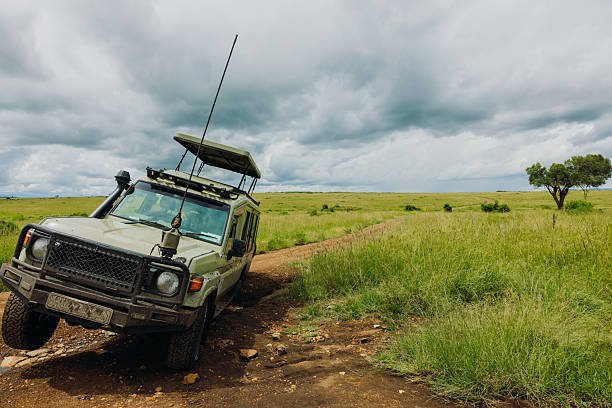
9 Days Tanzania Wildlife Safari And Zanzibar Holiday: Mainland Island Bliss
This 9-day package blends a structured Tanzanian safari circuit with a relaxing Zanzibar stint, explaining travel logistics, park order, transfers, and where to expect wildlife...
View package details7 Days Tanzania Safari And Zanzibar Beach Holiday 2026-2027
7 Days Tanzania Safari and Zanzibar Beach Holiday.
View package details
7 Days Machame Kilimanjaro Climb And 5 Tanzania Safari
7 Days Machame Kilimanjaro Climb and 5 Days Tanzania Safari.
View package details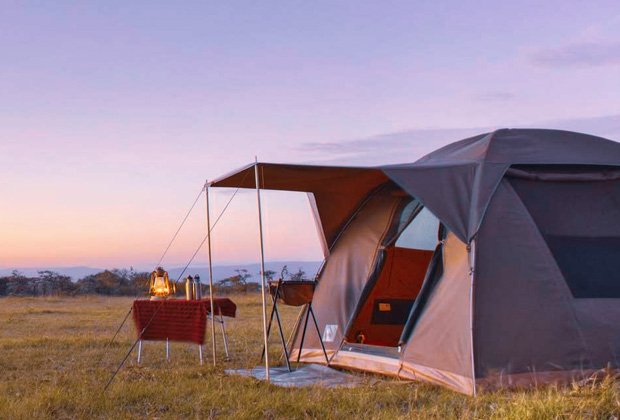
7-Day Rongai Route And 3-Day Tanzania Safari
7-Day Rongai Route and 3-Day Tanzania Safari.
View package details
8-Day Lemosho Route And 4-Day Tanzania Safari
8-Day Lemosho Route and 4-Day Tanzania Safari.
View package details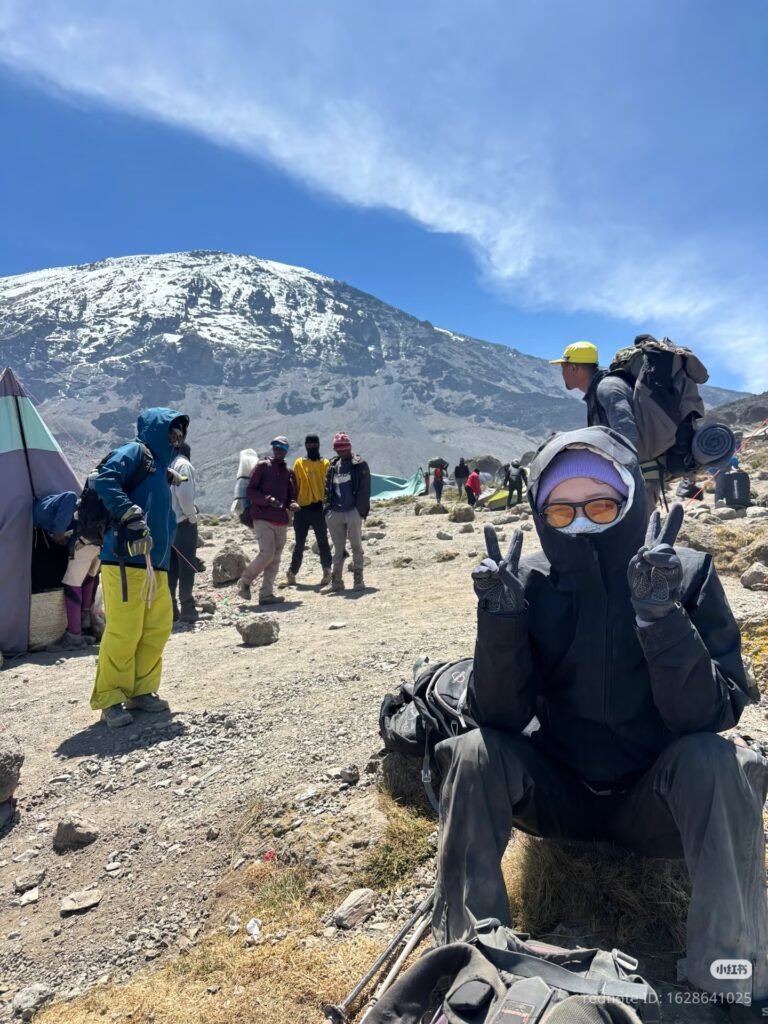
8-Day Lemosho Route And 3-Day Tanzania Safari
8-Day Lemosho Route and 3-Day Tanzania Safari.
View package details7-Day Machame Route And 3-Day Big Five Safari
7-Day Machame Route and 3-Day Big Five Safari.
View package details8 Days Kilimanjaro Trek And 3 Tanzania Safari
8 Days Kilimanjaro Trek and 3 Days Tanzania Safari.
View package details5 Days Private Northern Tanzania Safari From Zanzibar: Mainland Circuit Plus
Private 5-day Northern Tanzania safari starting from Zanzibar, combining a mainland circuit with a Zanzibar transfer. Practical logistics, realistic safari aims, and flexible lodging...
View package detailsNo related package matches those filters. Clear one or more filters to see the other topic-matched options.



