
This 7-day Best of Northern Tanzania Wildlife Safari follows a practical, bookable sequence: start from Arusha, drive toward Tarangire for day 1–2, then to Ngorongoro Conservation Area on day 3, continue to Serengeti’s northern corridor for days 4–6 with a mix of central and wildlife-viewing drives, and finish with a relaxed day near Arusha or Tarangire on day 7. The plan emphasizes realistic driving routes, accommodation choices, and safari opportunities while avoiding guaranteed sightings; exact departure dates, vehicle options, and current lodge availability must be confirmed with Climb 4 Africa.
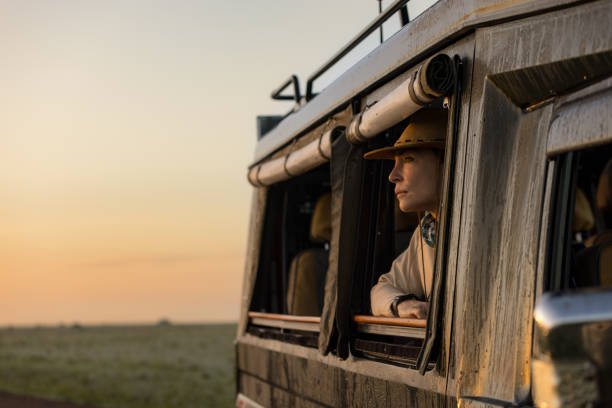
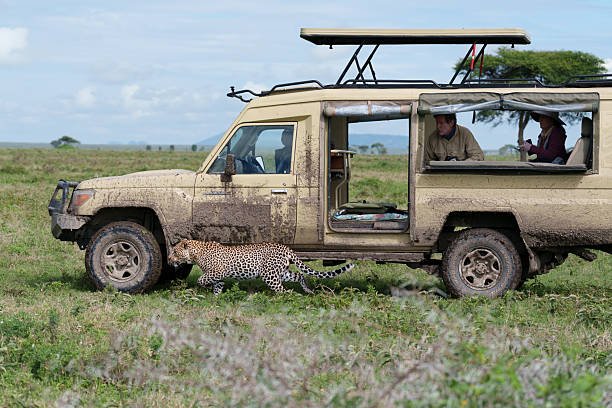
Day 1: Arusha to Tarangire National Park — a first taste of the north
Depart from your chosen starting point in or near Arusha, with a morning briefing on the route, vehicle type, and what to expect in Tarangire. The drive to Tarangire typically takes around 2.5 to 3.5 hours depending on road conditions and stops. Arrive at your lodge or camp for a late lunch, followed by an afternoon game drive that concentrates on Tarangire’s signature baob at-lined landscapes and the seasonal elephant presence near the Tarangire River. Guides discuss the balance between birdlife, herds, and the terrain, helping you set realistic expectations for wildlife sightings. Overnight at a lodge or tented camp inside or close to the park boundary.
Day 2: Tarangire to Lake Manyara or Ngorongoro foothills — flexible day
Today offers a choice depending on your interests and lodge location: a second morning drive within Tarangire, or a transfer to the Ngorongoro foothills with a stop at a viewpoint or coffee stop along the way. If you opt for Lake Manyara, you’ll enjoy a different birdlife mix and forested edges; if you choose Ngorongoro, you arrive closer to the crater rim for a possible short afternoon activity near the lodge. Nights are spent in a lodge or camp with a focus on comfort and access for an early start the next day.
Day 3: Ngorongoro Conservation Area — crater floor view potential
From the highlands, descend into the Ngorongoro Crater on a guided game drive. This day centers on the crater floor’s diverse habitats and potential big-game viewing, with wildlife densities varying by season. Your guide will manage expectations about sightings, timings, and the rocky roads that may affect pace. Lunch is typically arranged at a picnic spot or a lodge, with an afternoon return to your accommodation near the crater rim for cooler air and shorter travel the next day.
Day 4: Transfer to Serengeti — northern corridor begins
A morning departure toward the Serengeti’s northern corridor marks the start of broader savannah vistas. Drive times depend on weather and routes; anticipate long stretches with occasional stops for photos or a short snack. Arrive at a lodge or camp that sits along the edge of the corridor, providing opportunities for late-day drives and sunset lighting that can reveal different wildlife behavior. The lodge will coordinate morning and afternoon drives to fit the seasonal wildlife pattern without guarantees of specific sightings.
Days 5–6: Serengeti northern circuit — variable wildlife opportunities
Two full days of Serengeti exploration, focusing on a practical mix of drives between the Seronera-like central areas and the northern plains closer to Lamai or Kogatende depending on where your operator locates your camp. Each day includes guided morning and afternoon game drives with rest periods at lunch. The route is designed to balance driving time with animal activity windows, prioritizing safety and sustainable wildlife viewing. Hiring a seasoned guide increases the chance to interpret tracks, behavior, and landscape changes rather than promising particular sightings.
Day 7: Serengeti to Arusha/Tarangire — final logistics and departure
Conclude with a longer or shorter final drive depending on your flight schedule and distance to the airstrip or road transfer. A mid-morning departure back toward Arusha or a preferred airstrip ties together the northbound arc of the safari. Depending on timing, you may have a short celebratory lunch or a quick cultural stop en route before a transfer to the lodge, airport, or your next Tanzania adventure. End-of-trip logistics are discussed with your guide and Climb 4 Africa planning team to align with your onward plans.
Practical planning notes
- Distance and driving: Distances are substantial; road conditions can vary. Each day’s plan prioritizes realistic drives with discretionary buffer for breaks, photos, and safety.
- Accommodations: Choose lodges or camps with reliable water, shade, and safe access to day-to-day activities. Location relative to the park boundary affects drive times and early starts.
- Wildlife opportunities: No guaranteed sightings. The schedule is designed to maximize opportunities through known routes and common wildlife corridors, while respecting park rules and ecological balance.
- Booking: Confirm vehicle type (game drive vehicle with a window seat, usually 6-7 seat), guide qualifications, inclusions (meals, park fees, transfers), and cancellation terms with Climb 4 Africa before finalizing payments.

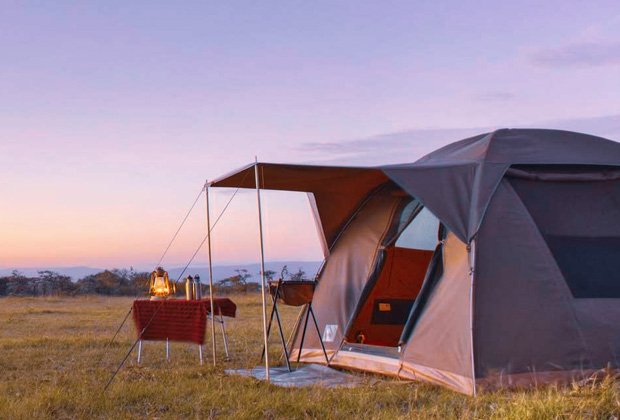
Day 5–6 addendum: navigating the Serengeti’s northern circuit with practical pacing and expectations
With Days 5 and 6 centered on the Serengeti’s northern circuit, the itinerary moves beyond a single snapshot of wildlife and emphasizes sustainable pacing, route flexibility, and the practical realities of big‑game viewing in a vast, seasonal landscape. This section expands on how to approach two full days in a way that pairs realistic drive times with the best-available wildlife activity windows, without promising sightings that cannot be guaranteed.
Region and routes: The Serengeti’s northern corridor encompasses varied terrain—from the rolling acacia savanna of the central stretches to the open plains near Lamai and Kogatende. Depending on your lodge placement and operator logistics, your mornings may begin with a light pre-dawn briefing and a short transfer to a preferred wildlife corridor before first light. The drive to the day’s main habitat area often takes 1–2 hours from a central Serengeti base, with longer long-range movements possible if the camp is located closer to the Mara River or the Lamai region. Each day prioritizes wildlife windows when animal activity is typically strongest: early morning for predators on the move, late afternoon glow for elephant herds near watercourses, and migratory activity in seasonal hotspots. This means that you might spend mornings in one sector and shift to another in the afternoon, guided by recent sightings, weather, and the guide’s assessment of animal behavior.
Wildlife opportunities and limitations: While the northern Serengeti is renowned for high densities of big cats during certain months and for dramatic riverine scenes during the migration period, it is essential to approach expectations with realism. The day plan is crafted around history of animal movement, daylight hours, and safety considerations, not guaranteed encounters. Your guide will interpret tracks, water presence, and wind direction to maximize safe viewing while minimizing disturbance to wildlife. In practice, you may observe clustered herds of wildebeest and zebra on the plains, cheetah or leopard sightings on rocky outcrops or riverine edges, and elephants foraging along seasonal shade lines near the Mara and Grumeti rivers. The timing of these events is fluid, and flexibility remains the single most valuable asset for these two days.
Operational rhythms: The Serengeti imposes a rhythm of early starts, short morning breaks, a longer midday rest option at the lodge, and a late-afternoon drive that often carries you toward a preferred sunset viewpoint. Your vehicle will generally be a window-seated 4×4 with a guide who has local knowledge of track conditions and crossing points. In some seasons, certain tracks may be closed or rerouted to protect sensitive habitats or to reduce impact on wildlife during peak migrations. Your operator will coordinate with your camp to align timing with park rules and seasonal patterns, so departures and lengths of drives can vary from day to day.
Sample day‑to‑day flow (without fixed guarantees):
- Early briefing: A concise plan for the day, potential wildlife targets, and coffee or tea stop timing.
- First drive: 3–4 hours in the primary wildlife corridor, seeking lions at dawn roosts, cheetahs on open plains, or elephants near riverine shade.
- Mid-morning break: Short rest or stretch, with water and snacks pre-arranged by the guide or lodge staff.
- Return to camp/lodge for a siesta or light lunch: Catch-up time to review morning sightings and adjust afternoon plans.
- Afternoon drive: A second 2–3 hour drive toward newly highlighted horizons, with a focus on sunset lighting and predator–prey interactions around river crossings or termite mound country.
- Evening wind-down: Return to camp under twilight, with post-drive notes about the day’s wildlife behavior and plan tweaks for the following day.
Practical tips for Days 5–6
- Pack light, breathable layers suitable for cool dawns and warm afternoons. A lightweight jacket, hat, and sunscreen are standard kit additions in the Serengeti’s high sun and variable temperatures.
- Hydration and snacks: Ensure ample water is carried on the vehicle, and request a small, non-intrusive snack to maintain energy through long drives.
- Photography considerations: A telephoto lens (200–400mm range) helps capture distant action without approaching wildlife too closely. A wider angle is useful for expansive landscapes and herd movements.
- Guided interpretation: Trust your guide’s readings of animal behavior. Tracks, mixed herds, and vocalizations often signal the next likely action more reliably than proximity alone.
- Conservation awareness: Respect park rules, stay in designated tracks, avoid getting between predators and their prey, and minimize noise and vehicle stacking to preserve wildlife experience and safety.
Logistical notes related to Days 5–6: If your lodge sits closer to Lamai or Kogatende, the first light drive may skirt along the grasslands leading toward the Mara River, where you could encounter or anticipate river crossings during migration seasons. If you are based nearer Seronera or the central Serengeti, you might experience denser predator activity around the Seronera area, then decamp to northern routes as the day progresses. Either way, your plan remains adaptable: the objective is to place you where wildlife activity is most likely while maintaining safe driving times and respecting local conservation guidelines. A mid‑day halt is common in hot seasons to avoid peak heat and fatigue, followed by a late-afternoon ascent to a painted savanna sunset. The exact route and timing are tailored to your operator’s logistics and your group’s pace, not written in stone.
Day 6: Serengeti northern circuit — pacing for a broader wildlife canvas
On Day 6, the Serengeti northern circuit shifts from a single-crystal focus on large cat moments to a broader acuity of the ecosystem’s daily rhythm. Rather than chasing a single big sighting, you’ll experience a sequence of micro‑scenarios that collectively shape the safari narrative: morning light over rolling plains, a patrol of dawn predators, and river-adjacent activity that often culminates in late-morning drama before the heat of the day dulls distances and animal movement.
The day typically begins with a dawn drive from the lodge or tented camp toward the Mara River corridor, where the grasses are shorter and the sightlines longer. Your guide will outline two or three contingencies: a possible riverine crossing favorite by the herds, a preference for broad savanna plains with roaming herbivores, and a contingency plan for a quick change in direction if wildlife concentrations shift. The objective is not to force a single highlight but to maximize encounters that are natural to the landscape: mixed herds of zebras and wildebeest, topi and Thomson’s gazelles, and the occasional apex predator exploiting the earlier commotion of grazing life.
Mid‑morning typically offers a sheltered stop at a shaded kopje or a rocky outcrop. Here, guides share interpretation on scat, tracks, and bird life—components that reveal movement patterns even when animals aren’t in view. This is a moment to observe behavior without the pressure of getting closer, a balance that often yields steadier, more relaxed photography opportunities when wildlife reappears. Lunch is served either in the vehicle’s shade or at a designated picnic spot, chosen to minimize disruption to any nearby wildlife or to nesting birds along a seasonal watercourse.
After lunch, the vehicle repositions toward a north‑eastern sweep where the landscape unfolds into the transect that leads toward Kogatende and the Mara–Seronera corridor junction. The afternoon drive emphasizes long horizons and the interplay of light on the savanna: the gold‑tinged grass, distant kopjes, and the glint of river reflections. It’s common to observe small herds moving as a unit and to note predator‑prey interactions that unfold with patience rather than immediate drama—an essential reminder that a Serengeti day is as much about timing and tempo as it is about species presence.
Sunset often marks a repeatable moment of quiet drama: silhouettes of antelopes against an orange sky, a distant roar setting the tone for the night, or a pride of lions shifting positions along a dry riverbed. If the group’s pace has allowed it, the guide may choose a late‑drive route that capitalizes on cooler air and fresher tracks, returning to camp under starlight with a sense of having traced the day’s natural arc rather than chasing a single sighting. The emphasis remains consistent: sustainable pacing, safe distances, and respect for wildlife behavior as the foundation of every decision.
Evenings in the Serengeti’s northern circuit are a chance to review sightings with the guide, compare notes on tracks and vocalizations, and prepare for the final morning’s drive before departure. The day’s output—whether measured by a handful of fleeting moments or a cluster of small, repeated encounters—contributes to a mosaic rather than a momentary climax, aligning with the itinerary’s philosophy of offering authentic, pace-conscious wildlife experiences rather than promise of guaranteed spectacle.
Unseen gaps in the Serengeti northbound arc: practical pacing for micro‑habitats and seasonal behavior
While the core days outline a reliable progression from Tarangire through the Ngorongoro conservation area to the Serengeti’s northern plains, a reader often wonders how the itinerary accommodates the nuanced, less overt wildlife dynamics that define a Serengeti experience. The following focused addition offers tangible, bookable considerations that fit within the seven‑day framework without altering the established sequence, and without promising sightings. It highlights how to optimize time for multiple micro‑habitats and behavioral windows, given typical seasonal shifts and park micro‑landscapes.
1) Temporal windows and habitat rotation on the Serengeti northern circuit: The northern sector’s value emerges from the interplay of riverine systems, open plains, and kopjes that host distinct communities. Even within a fixed two‑day Serengeti block, a practical approach is to allocate morning drives to riverine or gallery forests where birdlife and predator activity is more predictable after dawn, and reserve mid‑day stretches for lookout stops along shaded kopjes or protected vantage points. By design, the itinerary supports alternate microhabitats: you can structure an early‑morning drift along the Mara River fringe near Kogatende, followed by a mid‑morning break and a subsequent loop toward drier central plains where resident herbivore movements create steadier, if less dramatic, wildlife cues. This rhythm helps maximize chances of observing calving or migration cues without forcing a single dramatic moment.
2) Night drives and early starts: when possible within policy and safety constraints: Some camps offer limited, supervised night drives or pre‑dawn starts to listen for nocturnal activity, particularly along river courses where hippo vocalizations or predator movement may precede daytime sightings. If your operator confirms such possibilities, a practical option is a pre‑dawn start to listen for lion or leopard activity around rocky outcrops and river edges, followed by a traditional morning game drive. This approach doesn’t guarantee a second “big moment” but can enrich the day with fresh tracks, new dawn chorus, and a broader behavioral palette to discuss back at camp. Always align with the guide’s safety guidelines and park rules.
3) Managing pacing when wildlife visibility fluctuates: The Serengeti north can yield long, quiet stretches between key moments. The editorial frame encourages tracking the mosaic: a single day may hinge on a handful of encounters across varied habitats. Guides typically interpret tracks, vocalizations, and fresh signs to decide on short detours that switch from open plains to sheltered pockets of cover where predators may lie in wait. If a drive produces fewer sightings than anticipated, the plan accommodates flexibility: the vehicle might pivot to a nearby kopje for panoramic observations, or shift to a different river fork to assess water‑dependent assemblages. This approach preserves the itinerary’s emphasis on sustainable pacing and authentic wildlife behavior rather than chasing a specific animal on a clock.
4) Photo opportunities that align with light and location, not volume: Photographic planning in the north often hinges on light angles rather than the density of sightings. Early golden hours along elevated vantage points provide opportunities to capture silhouettes of herds crossing the horizon, or jackal and hyena foraging near fringe vegetation where shadows elongate the scene. Late afternoon light at river bends can emphasize reflections and animal silhouettes, offering painters’ palettes rather than guaranteed glamor shots. The suggested pacing guideline is to build room for one or two high‑quality compositions per day, rather than multiple hurried frames, maintaining a calm tempo that respects wildlife behavior and reduces disturbance to sensitive species near water bodies during dusk and dawn.
5) Interpreting tracks as a storytelling tool: In the absence of spectacular encounters, the day’s narrative moves to spoor and behavior. Tracks in mud along riverbanks and on damp plains reveal recent activity and can foreshadow the day’s outcomes. Guides often read spoor to determine whether big cats are actively hunting, whether buffalo herds have turned inward for shade, or whether cheetahs are exploiting a fresh gazelle corridor. This interpretive layer adds educational value without inflating expectations, helping travelers understand how to read a landscape that remains as much about quiet movement as dramatic action.
6) Accommodations as strategic anchors: Given the remote and variable nature of northern Serengeti lodging, selecting camps with reliable water sources, shaded dining areas, and safe vehicle access can significantly affect daily flow. A thoughtfully placed camp near a preferred river bend or kopje cluster reduces long transitions between drives, enabling shorter morning starts and earlier rest during heat peaks. Your operator can prioritize camps that balance proximity to likely wildlife corridors with comfortable, sustainable facilities, ensuring that the day’s pacing remains consistent even as wildlife opportunities shift.
7) Practical wording for expectations in day‑to‑day communications: To manage expectations, it is useful to frame wildlife opportunities as probabilistic outcomes rather than guarantees. Guides routinely share context about seasonality, migratory patterns, and recent weather that shapes animal movement. This transparency helps travelers appreciate the day’s value through the lens of ecology—recognizing that a day’s success is a mosaic of micro‑moments, tracks, and ambient cues rather than a single blockbuster sighting.
These adjustments stay faithful to the bookable structure of the itinerary while offering actionable, field‑tested tactics for maximizing value within the Serengeti’s northern circuit. They complement the existing Day 4–6 framework by enhancing day‑to‑day decision points—where to drive, when to pause, and how to interpret signs—without deviating from the stated route or introducing unverified claims. The overarching premise remains: steady pacing, respect for wildlife, and an observant, informed guide partner are the most reliable levers for a memorable Northern Tanzania safari.
Gaps in pacing and micro-habitats: a practical augmentation for days 4–6 in the Serengeti north
Readers who follow the bookable sequence from Tarangire through Ngorongoro to the Serengeti north typically receive solid guidance on route logic, driving times, and general wildlife opportunities. Yet the northern Serengeti arc contains a mosaic of micro-habitats—seasonal river bends, woodland gallery edges, and opportunistic predator–prey interfaces—that do not always align with a single two-day focus. This section identifies a concrete, bookable adjustment to the standard Day 4–6 rhythm that enhances day-to-day decision making without altering the core route or required lodging framework.
1) Introduce a micro-habitat focus for Day 4 late afternoon drive
Rather than continuing an expansive plains-drive upon arrival in the Serengeti, request a late-afternoon ticketed drive that targets a specific micro-habitat within 20–30 minutes of the camp’s perimeter. For example, if your lodge sits near a river junction or a kopje cluster, plan the initial Serengeti drive to prioritize the edge-of-water microbial zones and rocky outcrops where predators often exploit cross-border movement and where wildlife concentrates near dusk. This small-angle shift increases the chance of brief, quintessential moments (such as a leopard lounging on a ledge or African wild dogs using a fresh den site) without committing to a long, wide-area scout of the expanse. It also respects heat-peak timing by shortening the first Serengeti drive to align with animal cool-down periods and reduces repetitive long-distance travel on day four.
2) Schedule a “micro-arc” morning on Day 5
On Day 5, pair your primary central Serengeti drive with a planned “micro-arc” stop: a brief, 20–30 minute session at a specific transect known for consistent wildlife movement that week. Work with the guide to identify a scene where tracks indicate recent activity (for example, a fresh cheetah kill trail or buffalo wallow leading toward a riverbed). This micro-arc should be a lighter footprint option—short, quiet, and highly context-driven—designed to maximize insights from spoor and habitat signs rather than an extended pursuit of a single species. The objective is to convert speculative sightings into interpretable behavior cues for the guests, reinforcing that a day’s value often lies in the interpretive richness of micro-habitats rather than a blockbuster snapshot alone.
3) Build a flexible rotation between central and northern plains hubs
Incorporate a deliberate, prebookable rotation that alternates between two focal zones in Days 5–6: (a) a central Seronera-influenced plains area with dependable riverine crossings, and (b) a northern transition zone toward Lamai or Kogatende edge habitats. If weather or wildlife densities shift, your operator can swap the day’s primary drive to the alternate zone within a 30–60 minute window. This proactive flexibility prevents “dead days” where a single zone underperforms and keeps guests aligned with a realistic expectation of micro-dynamic wildlife activity—elephant herds that drift toward shade trees in one zone, or a cheetah pair exploiting a fresh gazelle corridor in another. The practical effect is a more evenly distributed sense of wildlife opportunity across days 5 and 6, even when the seasonal rhythm changes unexpectedly.
4) Preserve ecological pacing with a short, optional night game drive
If permitted by lodge policies and local regulations, offer a one-time optional night drive near the end of Day 5 or Day 6. Night drives in the Serengeti can reveal elusive species (genets, African civets, scorpions under spotlight beams, small carnivores) and provide a contrasting narrative to daytime dynamics. Keep the session concise (60–90 minutes), targeted to a known hotspot near a water source or kopje cluster, and ensure it does not disrupt sleep schedules or safety guidelines. This optional activity should be presented as a supplementary, not a replacement for daytime wildlife density, reinforcing that nocturnal opportunities vary and are not guaranteed like daytime sightings.
5) Integrate spoor literacy as a standard briefing moment
Across Days 4–6, build a recurring, brief segment—5–7 minutes at the start or end of each drive—where the guide explains a handful of recent spoor and habitat cues observed along the vehicle’s path. These short interpretive notes help guests understand the landscape’s “cryptic reports” and translate tracks, scat, and dented vegetation into plausible wildlife narratives. This practice lowers frustration from misses and elevates the perceived value of quieter days by teaching guests a practical skill: reading the ecology rather than chasing a single, guaranteed predator sighting.
These additions maintain the itinerary’s booked structure and avoid promising specific species or occurrences. They instead offer a structured framework for exploiting the Serengeti’s micro-habitats and flexible dynamics, ensuring that Days 4–6 remain responsive to real-time conditions while preserving the core route, lodging logic, and the safety and pacing standards that the original plan emphasizes. If implemented, the suggested shifts should be coordinated with Climb 4 Africa or your operator to confirm vehicle allowances, lodge proximity, and permit constraints, ensuring that day-to-day transitions remain smooth and logistically feasible.
A practical gap: micro-habitat pacing and seasonal behavior in Days 4–6 at the Serengeti’s northern circuit
Readers frequently ask how a 2–3 day window in the Serengeti’s northern corridor can feel less like a single wildlife “big moment” and more like a mosaic of micro-habitats, each with its own rhythm. This section adds a concrete, bookable-logic layer to Days 4–6 that helps you anticipate how to maximize observation quality without promising specific species or guaranteed sightings.
1) The kopje and drainage pair: how topography shapes movement. In your Day 4–6 drives, plan two or three short, deliberate stops around a kopje cluster or a shallow drainage line rather than a single long pass through a broad plain. The kopje acts as a magnet for predators drawn by vantage points and resident herbivores drawn to denser grasses nearby. By aligning a drive around these topographic features—arriving at dawn, lingering through mid-morning, and returning in late afternoon—you can observe predator-prey choreography in phases: scent-marking and scent-detection at first light, feeding corridors opening as temperatures rise, and cooling-down congregations near water as the day ends. This pacing reduces over-commitment to one “highlight” moment and reveals how micro-habitats modulate tactic and behavior.
2) Water sources as dynamic anchors: anticipate shifting densities. The Serengeti’s northern plains rely on variable water availability. Instead of assuming constant wildlife density, structure drives to pivot around known water points—pans, seasonal streams, and rock pools—at predictable windows: early morning, late afternoon, and after light showers. A 20–40 minute focus near a water source during these windows often yields a layered narrative: a herd moving between shade and shore, opportunistic birds hawking insects, and a distant predator silhouetted against the rising sun. The practical effect is a fluid itinerary that accepts fluctuations in density while extracting meaningful micro-stories from short observation bouts.
3) Micro-behavioral cues as the day’s connective tissue. Build a routine where, at the start or end of each drive, guides summarize 3–5 recent spoor or habitat cues observed in the immediate area. This could be a fresh impala rub on a tree, a diagonal scrape at a small kopje, or a recent chevron-shaped spoor indicating a hunting path. Interpreting these cues in context—vegetation density, wind direction, and diurnal temperature—helps guests read the ecology without forcing a sighting. It also keeps guests engaged during quieter periods, transforming misses into learning moments and reducing the disappointment of an unseen lion or leopard.
4) Flexible pacing: a practical day-build for Days 5–6. Rather than a fixed sequence, allow the guide to tighten or loosen the day’s schedule in 90-minute blocks based on real-time wildlife activity and road conditions. If a leopard-habitat thread or a fresh buffalo wallow emerges, extend the related stop and shorten others. If vehicles encounter patchy activity, shift to a nearby water source or a different kopje cluster. This approach respects the Serengeti’s unpredictability while preserving safety, vehicle capacity, and guest comfort. The effect for guests is a coherent narrative arc across Days 4–6: a progression from edge-effect microhabitats to core plains behavior, with each day contributing a different facet rather than repeating a single high-sighting moment.
5) Night-drive option as a disciplined addition. If permitted, a brief, focused night-drive near a known hotspot can complement the daytime micro-habitat strategy. Limit it to 60–90 minutes, with a clear hotspot (water source, kopje shadow, or den site) and a curated list of animals that are plausibly active in the moonlight. This adds a distinct nocturnal dimension to the trip without undermining daytime pacing or guest sleep quality. The night-drive should be marketed as an optional enhancement, explicitly contingent on lodge policies and local regulations, and not as a guaranteed feature.
6) Communication and safety scaffolding. To avoid confusion, brief guests at the start of Day 4, and again at each transition between Days 5 and 6, about the micro-habitat framework. Use simple visuals or a laminated cuecard showing three micro-habitat concepts (kopje cluster, water-edge ecology, and shaded vs. exposed grassland) and one behavioral thread for each (predator ambush, herbivore movement, and water-edge congregation). The goal is to align guest expectations with ecological pacing, reducing the frustration of missed “headline” sightings and increasing appreciation for the Serengeti’s quieter, yet scientifically rich, dynamics.
Related Guides and Packages
Check Availability for 7 Days Best Of Northern Tanzania Wildlife Safari: A Practical, Bookable…
Ready to compare dates, prices, and the best option for your group? Send the package name and travel month so the team can reply with a clear quote, availability, and what is included.

9 Days Northern Tanzania Safari And Cultural Experience: A Practical
A practical, bookable 9-day itinerary through Northern Tanzania that blends classic wildlife safari days with hands-on cultural experiences, focusing on feasible driving routes, realistic...
View package details8 Days Complete Northern Tanzania Big Five Safari 2026-2027
A practical, bookable 8-day northern Tanzania safari focusing on core wildlife areas, realistic driving routes, and responsible lodge stays, designed for an in-depth Big Five experience.
View package details
9 Days Tanzania Wildlife Safari And Zanzibar Holiday: Mainland Island Bliss
This 9-day package blends a structured Tanzanian safari circuit with a relaxing Zanzibar stint, explaining travel logistics, park order, transfers, and where to expect wildlife...
View package details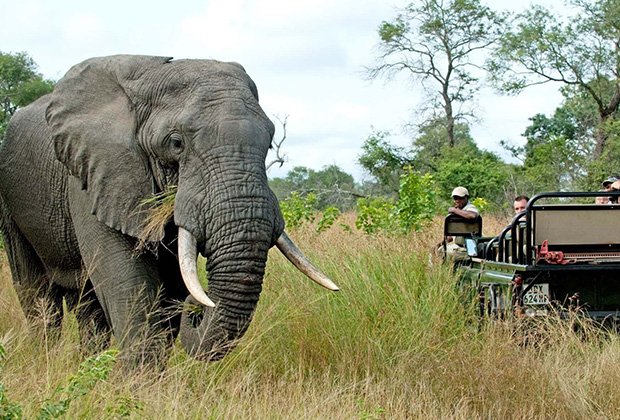
9-Day Northern Circuit And 4-Day Tanzania Safari
9-Day Northern Circuit and 4-Day Tanzania Safari.
View package details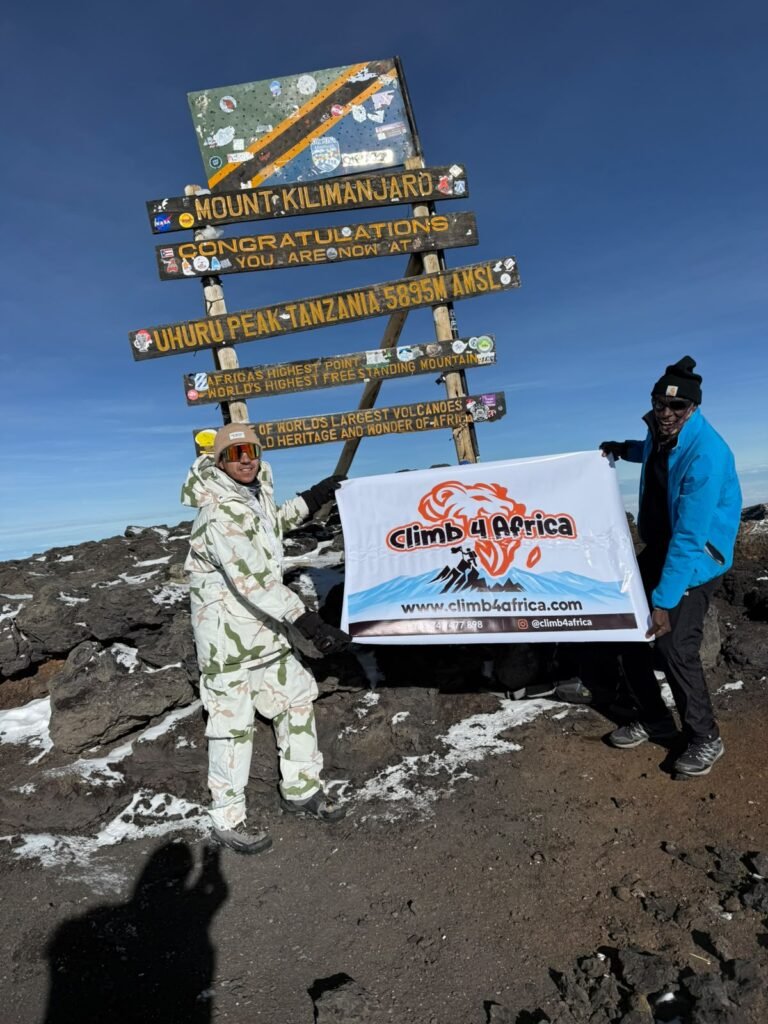
7 Days Kilimanjaro Trek And 3 Tanzania Safari 2026-2027
7 Days Kilimanjaro Trek and 3 Days Tanzania Safari.
View package details9 Days Tanzania Budget Safari And Zanzibar Beach 2026-2027
9 Days Tanzania Budget Safari and Zanzibar Beach.
View package details7 Days Tanzania Safari And Zanzibar Beach Holiday 2026-2027
7 Days Tanzania Safari and Zanzibar Beach Holiday.
View package details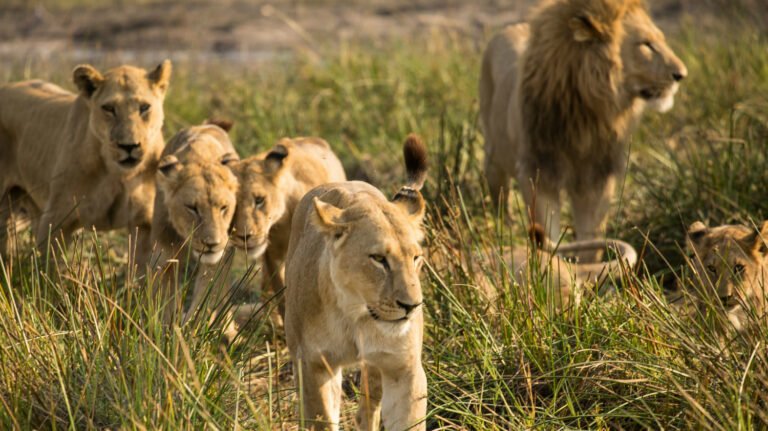
7 Days Kilimanjaro Climb And 4 Wildlife Safari
7 Days Kilimanjaro Climb and 4 Days Wildlife Safari.
View package details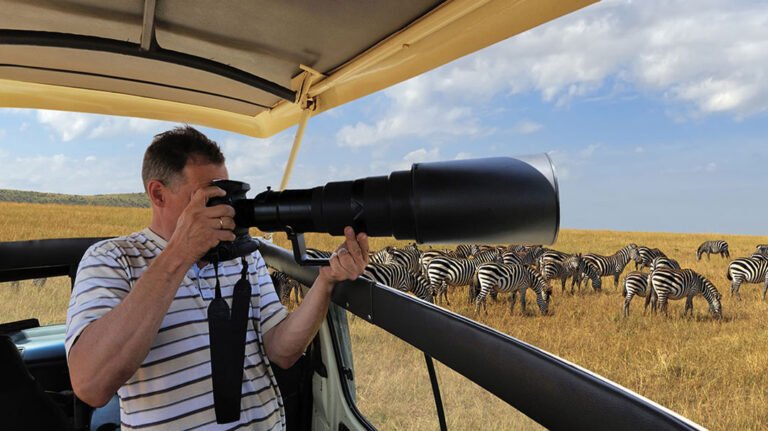
7 Days Machame Kilimanjaro Climb And 5 Tanzania Safari
7 Days Machame Kilimanjaro Climb and 5 Days Tanzania Safari.
View package details7-Day Rongai Route And 3-Day Tanzania Safari
7-Day Rongai Route and 3-Day Tanzania Safari.
View package details
10 Days Northern Tanzania Safari And Nature Adventure 2026-2027
A concrete 10-day route through Northern Tanzania blending safari game drives with nature experiences, designed for easy logistics, realistic wildlife opportunities, and comfortable stays.
View package details5 Days Private Northern Tanzania Safari From Zanzibar: Mainland Circuit Plus
Private 5-day Northern Tanzania safari starting from Zanzibar, combining a mainland circuit with a Zanzibar transfer. Practical logistics, realistic safari aims, and flexible lodging...
View package detailsNo related package matches those filters. Clear one or more filters to see the other topic-matched options.



