
A 5-day safari journey through Tarangire, Serengeti, Ngorongoro Crater, and Lake Manyara offers a compact yet in-depth experience of Tanzania’s most diverse wildlife landscapes. You’ll travel from Tarangire’s elephant herds to the Serengeti’s endless plains, descend into the Ngorongoro Crater’s volcanic caldera, and end at Lake Manyara’s tree-climbing lions and lush forests. Each day includes morning and afternoon game drives, transfers between parks, and overnight stays in safari lodges or camps with local guides.
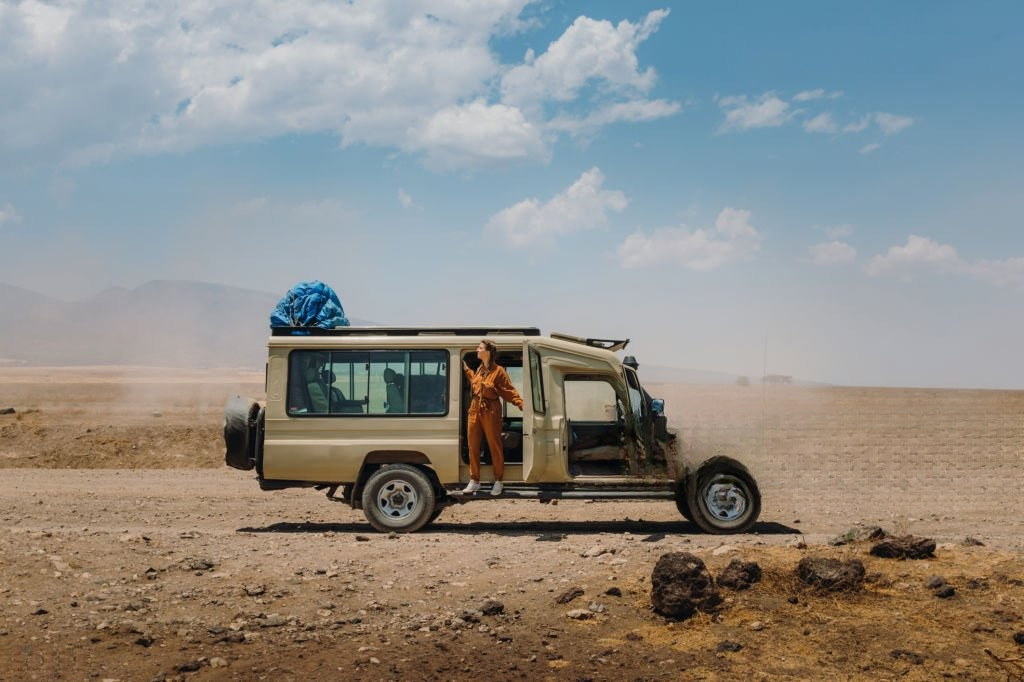
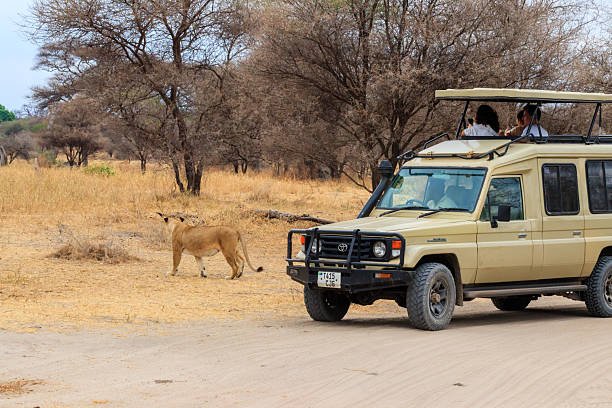
Day 1: Arrival in Arusha and Transfer to Tarangire National Park
Upon arrival at Kilimanjaro International Airport, you’ll be met by your private guide and transferred to Tarangire National Park, a drive of approximately 3–4 hours. The route winds through the scenic northern Tanzanian countryside, passing small villages, acacia-dotted savannas, and farmland. Tarangire is renowned for its large elephant populations, especially during the dry season when they gather around the Tarangire River. After checking into your lodge or tented camp on the park’s edge, you’ll enjoy a welcome briefing and a light dinner. The first full day in the wild begins with an early morning game drive at sunrise, offering the best chance to spot elephants, giraffes, dik-diks, and rare species like the fringe-eared oryx.
Day 2: Full-Day Game Drives in Tarangire National Park
After breakfast, you’ll start a full-day game drive through Tarangire’s varied terrain. The park’s landscape features vast open grasslands, rocky kopjes, and dense woodlands dominated by giant baobab trees. Your guide will lead you to key sighting zones, such as the Swala area for elephant herds and the southern plains where you might encounter lion prides or cheetahs. Birdwatching is also exceptional—Tarangire hosts over 550 species, including sacred ibis, lilac-breasted rollers, and the elusive Kori bustard. Lunch is served in the bush, a classic safari tradition. In the late afternoon, you’ll return to camp for a relaxing evening with a fire, storytelling, and dinner under the stars.
Day 3: Transfer to Serengeti National Park via the Western Corridor
After breakfast, you’ll depart Tarangire and begin the journey to the Serengeti, covering roughly 150–180 kilometers and taking 4–5 hours. The drive follows the western boundary of the park, passing through the Grumeti area and entering the Serengeti through the western corridor. This region is less frequented than the central Serengeti, offering a quieter, more intimate experience. Upon arrival, you’ll check into your lodge or camp, typically located near the Seronera area, known for its high density of wildlife. After settling in, you’ll take an afternoon game drive to acclimate to the Serengeti’s vast plains and begin searching for the big cats, hyenas, and the park’s famous migratory herds, which move across the plains depending on the season.
Day 4: Serengeti National Park – Central and Western Plains Game Drive
Today is dedicated to exploring the heart of the Serengeti. The morning game drive starts early, when animals are most active. The central Serengeti is famous for its abundant wildlife: lions, leopards, cheetahs, spotted hyenas, and a wide variety of antelope species. The Seronera Valley is a hotspot for lion prides, and you may also see baboons, warthogs, and the elusive African wild dog if you’re lucky. In the afternoon, the drive continues into the western plains, where the terrain opens into sweeping savannas and rocky outcrops. This area is also home to the Serengeti’s famed migration route, especially in the rainy season. Your guide will explain the seasonal patterns and ecological dynamics shaping animal movements. Dinner is served at camp with a focus on local cuisine and fresh ingredients.
Day 5: Transfer to Ngorongoro Crater and Descend into the Crater Floor
After breakfast, you’ll drive to the Ngorongoro Conservation Area, a journey of about 2–3 hours. As you approach the crater rim, the landscape transforms dramatically—towering volcanic walls enclose a lush, fertile basin. You’ll enter the Ngorongoro Crater through the main gate and begin the descent on a winding, steep road. The crater floor, a self-contained ecosystem, is one of the most concentrated wildlife areas on Earth. Upon arrival, you’ll check into your accommodation on the rim or at the crater floor. Your afternoon game drive inside the crater offers unparalleled opportunities to see lions, elephants, rhinos, buffalos, zebras, and hundreds of other species in one compact space. The crater’s soda lake, Lake Magadi, is also a highlight, especially for birdlife. As the sun sets, you’ll enjoy a final evening under the stars with a traditional Tanzanian dinner.
Day 6: Morning Drive in Ngorongoro Crater and Transfer to Lake Manyara
On your final full day, you’ll rise early for a morning game drive inside the Ngorongoro Crater. The cooler temperatures and early light make this the best time to photograph wildlife, especially the rare black rhino and the elusive leopard. You’ll also have a chance to explore the crater’s eastern side, where the forests meet the grasslands—ideal for spotting elephants and buffalo. After the drive, you’ll return to your camp, check out, and begin the transfer to Lake Manyara National Park, about 1.5–2 hours away. Lake Manyara is famous for its tree-climbing lions, abundant baboons, and the vast alkaline lake that attracts flocks of flamingos and pelicans. Upon arrival, you’ll check into your lodge or camp near the lake’s edge, where you’ll enjoy a final dinner with views of the water and the surrounding escarpment.
Day 7: Lake Manyara – Final Game Drive and Departure
Your last day in Tanzania begins with a morning game drive through the park’s diverse habitats: the forested western slopes, the open grasslands, and the lake’s edge. You’ll search for tree-climbing lions, hippos in the shallows, and the park’s impressive birdlife. The drive ends at your lodge, where you’ll have time to relax before your departure transfer to Kilimanjaro International Airport

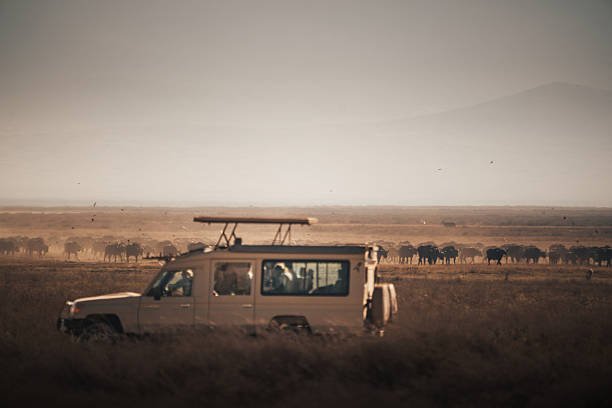
Enhancing the Day 4–Day 5 Experience: Practical Logistics, Conservational Context, and Optional Add-ons
Beyond the core day-by-day movements, this section offers concrete, bookable details that travelers commonly seek when refining a 5-day Tarangire–Serengeti–Ngorongoro–Lake Manyara safari. It stays strictly within the scope of realistic logistics and the experiential texture of the landscape, without promising particular sightings or inflating capabilities. The aim is to help you align transfer times, accommodation typologies, and activity windows with practical expectations while maintaining the cadence of a compact, premium private safari.
Transfer timing optimization between Tarangire and Serengeti via the Western Corridor. The drive from Tarangire to the Serengeti via the Western Corridor typically spans roughly 4–5 hours, depending on road conditions and border checks near the Ngorongoro area. To maximize late-morning or early-afternoon game viewing in the Serengeti, many travelers opt for a light breakfast in Tarangire, a mid-morning departure with a brief coffee stop en route, and a gap-free vehicle arrival into the Serengeti’s central belt by early afternoon. This timing allows for a first evening game drive that can be relaxed yet productive, given Serengeti’s expansive sightlines. Your guide will coordinate with lodge or camp reception to confirm the day’s transfer window based on current road conditions and security briefings, ensuring a smooth handoff at the park boundary where possible.
Accommodation typologies and placement considerations. In Tarangire and the Serengeti, options range from intimate mobile camps to fixed-twin-share lodges and elevated main camps with panoramic views. For a 5-day itinerary that emphasizes wildlife encounter opportunities while minimizing driving fatigue, many guests choose lodges perched on the rim or edge of the Ngorongoro crater for afternoon shade and sunrise access, followed by a mid-range to premium lodge near the lakefront in Lake Manyara or near the Serengeti’s Western Corridor. Each category has distinct advantages: mobility and immersion for tented camps; comfort and stability for lodges; and a balance of accessibility with generous wildlife-viewing platforms for rim properties. When booking, request a room or tent with early-morning sun exposure (for photography) and a private veranda for in-camp wildlife interactions without compromising privacy.
Vehicle configuration, guiding style, and wildlife-viewing etiquette. The standard for a private, mid-to-high-end safari is a 4×4 with a roof hatch and a maximum of six guests per vehicle, though many operators cap to four to enhance sightlines and reduce crowding at potential wildlife hotspots. Guides typically employ a mix of radio coordination, spot-milling for animal movement patterns, and patient, slow-paced traverses to maximize photography opportunities while minimizing disturbance. It’s common for drivers to pause briefly at favored kopjes or riverine edges for silhouettes and backlit portraits during golden hours, while always adhering to park regulations about distance from wildlife. If you have specific photography goals (e.g., lion prides, cheetah hunting frames, or birding roosts), share these in advance so your guide can tailor drive sequences and timing without compromising safety.
Seasonal considerations without promising sightings. The dry season (roughly June–October) often concentrates wildlife around permanent water sources, increasing the probability of sightings near Tarangire’s Tarangire River or Serengeti’s riverine corridors. The wet season (roughly November–May) brings lush vegetation, higher bird activity, and dramatic landscapes, but animal movements can be more dispersed. Rather than promising specific encounters, the itinerary can emphasize the probability-weighted zones where animals are likely to concentrate given seasonal hydrology, such as the Grumeti River vicinity in Serengeti or the marshy edges around Lake Manyara. If you’re traveling in shoulder months, discuss with your operator how light rains or short deluges might alter road conditions and driving times, and how this affects daily planning and rest stops.
Private experiences and add-ons that fit a 5-day framework. To add depth without expanding the itinerary, consider one of these authentic, bookable enhancements that align with day-by-day flow:
– a dawn hot-air balloon ride over the Serengeti (optional, weather-dependent and typically charged separately)
– a cultural visit to a Maasai village near the Ngorongoro rim to learn about pastoral life and traditional beadwork, arranged as a short late-afternoon stop after the Ngorongoro crater ascent
– a guided walking safari inside a restricted area near Tarangire or Ngorongoro to experience the softer textures of the landscape, taking care to stay within licensed footprints and time limits
– a dedicated morning birding session in Lake Manyara’s forested slopes, led by a bird specialist, to target endemic species and waterbirds with a portable telephoto setup
Photography workflow for optimal light and memory-making. The article-narrative approach benefits from pairing field logistics with a practical photography plan. On Tarangire mornings, the soft light at sunrise over the savanna can reveal long shadows from acacia trees and elephant silhouettes along the river. In Serengeti central and western plains, the late afternoon light often creates dramatic silhouettes against the acacia-strewn horizon. In Ngorongoro, the crater rim provides dramatic backdrops for panoramic frames at golden hour before descending. For mobile editing, travelers may benefit from keeping camera bodies ready with minimal lens changes, using a 28–300mm-equivalent zoom range to adapt to both close-quarters wildlife and wide-angle landscapes. Your guide can offer technique pointers tailored to your gear and comfort level during designated picture-taking windows without compromising safety or the group’s pace.
Single-Question Gap: Practicalities of Park-Fee Structures and What They Mean for a 5-Day Tarangire–Serengeti–Ngorongoro–Lake Manyara Safari
Readers planning a bookable itinerary often confront park entry fees, vehicle licensing, and conservation surcharges that can change or be quoted differently by operators. This section clarifies how these costs typically structure within a tightly scoped 5-day route, without promising exact amounts, dates, or availability. Understanding the framework helps travelers budget more accurately and avoids sticker shocks at gate kiosks or lodge invoices.
Tarangire, Serengeti, Ngorongoro, and Lake Manyara each have distinct fee regimes, sometimes layered with additional vehicle concession fees or community contributions. In practice, your operator will secure a single entré fee package for the group corresponding to the parks visited on the specific dates of your safari. These packages often separate park entry from private guide fees and vehicle costs, then combine them into an itemized itinerary invoice. The rationale is to streamline on-the-ground payments and align with how parks manage operations, rangers, and maintenance across varied zones and seasons.
For the traveler, two core questions matter when evaluating price quotes: what exactly is included in the park entry and vehicle-related components, and how flexibility is handled if park rules or road access change during the trip. Typical inclusions in a negotiated package may cover: a) park entry permits for each day spent in a park on the stated itinerary, b) protected area surcharges or community conservation contributions, c) a private or semi-private vehicle and driver-guide hours aligned to the day’s schedule, and d) essential concession or route permits that enable crossing from Tarangire into the Serengeti Western Corridor and onward to Ngorongoro and Lake Manyara corridor access points. Exclusions commonly cited are: a) nights’ accommodation in camps or lodges (unless specified as included), b) meals not listed in the program, c) optional activities like hot-air ballooning or bush walks, and d) tips or gratuities for staff beyond the guide and driver teams.
Because the route compresses multiple ecosystems into five days, logistics depend heavily on the vehicle type, road conditions, and the time of day travel between parks. Transfers between Tarangire and Serengeti via the Western Corridor, for example, hinge on permit clearances for crossing park boundaries and the availability of designated remote access roads. In high-traffic seasons, operators may adjust driving times to maximize animal activity windows while preserving passenger comfort. This is why the final published itinerary often reflects approximate drive times rather than fixed hour-by-hour blocks. When you review a quote, request a concise breakdown by day that shows: park name(s) visited, hours allocated for game drives, vehicle type and seating arrangements, and any upfront park-entry or concession fees broken out from guide/vehicle costs.
A practical consideration for families or small groups is the allocation of private vs. shared vehicle time. Some operators offer exclusive vehicle occupancy during game drives with a dedicated guide, which can impact per-person pricing but adds a higher degree of pace control and potential flexibility in detours to wildlife hotspots. Others may price the package as a shared-vehicle arrangement with a single guide and driver for the entire itinerary, which could yield cost savings but may require stricter adherence to the group’s schedule. Clarifying the arrangement early helps prevent misunderstandings if a day’s plan shifts due to weather, animal movements, or park-level access constraints.
Finally, risk mitigation and safety considerations around park fees are worth noting. Always verify that the operator’s quote includes current park rules, the inclusion of emergency contact provisions, and the process for any unplanned fee adjustments—such as when a park implements a temporary tariff change or a new conservation levy during the season. A transparent operator will openly discuss such contingencies and present a revised pro forma with any adjustments before you commit. This gap-focused clarification supports the intended outcome of a well-structured, bookable 5-day itinerary without overpromising sightings or experiences beyond the stated plan.
Unanswered Practical Question: How Park-Fee Structures Actually Break Down in a 5-Day Tarangire–Serengeti–Ngorongoro–Lake Manyara Safari
Readers often arrive with a question that can influence the total cost and planning more than any glossy promise of wildlife: how exactly are park entry fees, concession fees, vehicle and guide charges, and conservation surcharges structured across a tight, 5-day route that stitches Tarangire, Serengeti, Ngorongoro, and Lake Manyara together? The answer is not uniform and depends on the operator, season, vehicle class, and the precise permissions required for crossing park boundaries. Here is a grounded breakdown to help you interpret quotes you receive and compare itineraries without losing sight of the practical realities on the ground.
1) Core park entry fees and their variability: Each park imposes its own entry fee per day per person, with separate rates for international visitors, East Africa residents, and sometimes day-use vs. overnight vehicle access. Tarangire, Serengeti, Ngorongoro Conservation Area (NCA), and Lake Manyara all have distinct tariff schedules that can shift annually or even within a season due to conservation funding needs or revenue adjustments. Your quoted package should specify the per-person park entry fee for each park, the currency, and whether this fee is included in the upfront price or payable on arrival. In practice, operators often roll these into a consolidated “park fees” line but may still present a daily breakdown upon request so you can verify the total at a glance.
2) Vehicle access fees and concession-specific charges: Some areas within Serengeti require vehicle access fees or concession charges for each day in certain sectors (Central, Western Corridor, Northern Plains, etc.). If your itinerary’s core days include traversing multiple Serengeti sectors, you may encounter separate permit costs or sector-entry surcharges. Operators typically bundle these into a single “vehicle and guide cost” component or into a consolidated daily concession fee. Ask for a side-by-side breakdown that lists Serengeti sector entries alongside Tarangire and Lake Manyara, so you can see how much is allocated to each park and sector and ensure there is no duplicate charging for overlapping days.
3) Guide, vehicle, and crew costs by day: The bulk of a safari quote often sits in the daily rate for a private guide and 4×4 vehicle, with or without a dedicated driver-guide for the full trip. A true private arrangement carries higher daily costs but delivers flexibility in detours and timetables. Shared-vehicle options reduce per-person costs but may cap how much you can alter routes when wildlife concentrations shift. Operators should provide a daily allocation showing: vehicle type (e.g., 4×4 with pop-top roof), seating (open vs. closed), guide credentials, and whether the guide is the same across all days or rotates. This matters because a single guide across Tarangire’s river crossings might offer deeper spotting experience, whereas switching guides could affect continuity in tracking behavioral patterns of resident prides or migrations.
4) Discounted or seasonal pricing and how it affects a 5-day window: In peak migration windows or high-tourist seasons, some parks raise conservation levies or add temporary surcharges. Conversely, shoulder seasons may feature promotional rates or bundled concessions. A reliable quote will indicate whether any quoted park or concession fees are subject to change and what contingency applies if a tariff shifts after booking. The best offers spell out a fixed pro forma for the itinerary with any adjustments pre-approved and communicated to you in writing before confirmation.
5) Optional add-ons that appear as extras but can be bundled in practice: Balloon safaris over the Serengeti, night drives in specific concessions, or guided bush walks may be listed as optional add-ons. If you pursue any of these, they may attach to a separate permit or vehicle-hour charge beyond the core 5-day plan. Review whether the operator’s final quote includes these options as inclusions, or if they are clearly labeled as add-ons with per-person rates and minimum participant thresholds. This distinction matters for budgeting and ensures you’re comparing apples to apples with other operators.
6) What to request when you receive a quote: To demystify the cost structure, request a day-by-day, line-item breakdown that includes: park names visited, daily park-entry fees per person, concession or sector-entry charges (if applicable), the exact vehicle type and seating arrangement, guide fees, driver allowances, fuel surcharge or vehicle-hire costs, and any applicable tips that are explicitly included or excluded. Also ask for a separate line item titled “emergency contingency” or similar that outlines how the operator will manage unplanned tariff changes or border/permit delays. A transparent operator will provide a revised pro forma in writing before you commit, rather than relying on verbal assurances at a later date.
7) How changes in the plan affect pricing: If you shift a day’s movement—for example, moving more Serengeti time from Western Corridor into Central Serengeti or adding a Lake Manyara forest walk—these adjustments can trigger changes in sector-entry charges, vehicle hours, and even guide quotas. Always request a revised schedule with updated per-day charges whenever you modify the itinerary, especially when the change touches multiple parks or sectors. This keeps your total cost predictable and helps avoid surprise increases after you have committed to the trip.
8) Documentation and confirmation you should keep: Upon booking, ensure you receive: a) a formal itinerary including all days with park names and drives; b) a detailed cost breakdown (as described above); c) the operator’s policy on cancellations, refunds, and any changes due to park rules or government regulations; d) copies of the park entry rules and any minimum-vehicle or guide-licensing requirements that might affect your experience. Keeping this documentation readily accessible during your trip helps you verify that the on-ground arrangements align with the contracted plan and reduces the risk of miscommunication at entry points or gatehouses.
In short, while the promise of a 5-day Tarangire–Serengeti–Ngorongoro–Lake Manyara safari is alluring, the financials behind it are layered and highly variable. A well-structured quote will illuminate who pays what, when, and where, with clarity on sector-specific charges, vehicle composition, and contingency arrangements. If a proposed plan lacks this transparency, push for the explicit breakdown before finalizing any booking. This gap-focused diligence directly supports a smoother, more predictable journey through Tanzania’s most iconic landscapes without compromising your wildlife-watching aspirations.
Gaps in Park-Fee Transparency and How to Navigate Them on a 5-Day Tarangire–Serengeti–Ngorongoro–Lake Manyara Safari
Readers planning this tightly packed itinerary often encounter ambiguity around how park-related charges accumulate across days and parks. A practical, bookable plan hinges on understanding what to expect in terms of entry, concession, vehicle, and guide-related fees, and how those fees can shift with itinerary tweaks. This section offers a focused, concrete look at the single most relevant practical gap readers face: the transparent breakdown of park and sector fees over the full 5 days, including how changes to day order or park emphasis impact costs.
First, it’s essential to know that Tanzania’s park-fee ecosystem is layered rather than flat. Tarangire, Serengeti, Ngorongoro, and Lake Manyara each carry distinct entry and concession charges that can be quoted in different ways by operators. A bookable quote should deconstruct these charges day by day, not present a lump sum. When you review a proposed itinerary, ask for a per-day line item that shows: park-entry fees, vehicle-hours (i.e., how many hours your vehicle is allowed inside a park on that day), concession fees if applicable, guide and driver allowances, fuel surcharge if any, and any mandatory government or park-specific surcharges. Operators who provide a robust, written pro forma will also include a line for optional add-ons (for example, night drives where permitted, private flying safaris, or photographic-vehicle fees) and explicit notes about what remains fixed versus what could vary with gate closures or regulatory changes.
Second, changes to the day sequence can ripple through the cost structure in predictable ways. If you shift activity to more Serengeti time, you may see changes in sector-entry charges or vehicle-hour allocations due to different park rules and licensing frameworks for each sector. Conversely, prioritizing Tarangire or Lake Manyara can reduce or shift certain fees, given their distinct concession zones and gate operations. The prudent approach is to request a revised per-day breakdown whenever you modify the itinerary, especially if the modification touches multiple parks. A transparent operator will either provide the updated pro forma promptly or explain how the change will influence the day-by-day costs before you commit.
Third, ensure your quote aligns with government policy realities that commonly shift year to year. Some charges are subject to change with annual budget revisions or temporary government surcharges. Ask operators how far in advance they can secure current numbers and whether they will lock in a new quote if fees adjust after you book but before travel. The most reliable operators will attach a written note or rider to the contract detailing these contingencies and a mechanism for issuing a revised schedule with updated per-day fees when necessary.
Finally, document integrity matters. When you receive a formal itinerary, cross-check that the day-specific costs correspond to the named park and the listed activity (for example, a morning drive in Tarangire vs. Serengeti), and verify there are no hidden margins embedded in general “per day” totals. Keep copies of the formal itinerary, the cost breakdown, and any communications about cancellations, changes due to park rules, or government regulations. This vigilance safeguards against misalignment at gatehouses and ensures you know exactly what you are paying for on each day of the journey.
Gaps in Park-Fee Transparency: A Practical, Bookable Extension for the 5-Day Tarangire–Serengeti–Ngorongoro–Lake Manyara Safari
Beyond the day-by-day route and wildlife opportunities, a core reader question often centers on how park-related charges accumulate across a tightly packed itinerary. This section provides a concrete, bookable lens on fee transparency, tailored to the 5-day sequence described in this article, without inventing specific operator prices or schedules.
First, map the typical fee ecosystem you will encounter on such a journey. Expect four broad categories: (1) park-entry or gate fees, (2) concession or sector-entry surcharges, (3) vehicle-related charges (including licensing, per-vehicle-use fees, and sometimes a photographic-vehicle premium), and (4) guiding, conservation, and local community contributions that operators often roll into a single daily charge. While these components are common, their exact labels and amounts can vary by park, by sector within a park (for example Tarangire versus Serengeti central zones), and by whether you are in a British, American, or European-registered operator framework. The most reliable quotes present each category as a separate line item, with explicit notes about what is included under “concession” or “sector” charges and what might be variable due to seasonal regulations.
Second, understand sequencing implications for the 5-day loop. In Day 1–Day 2 Tarangire, you are often dealing with Tarangire’s gate fees plus any Tarangire concession charges. In Day 3–Day 4 Serengeti, Serengeti’s multi-zone governance, plus potential Western Corridor fees, can introduce different per-day allocations than Tarangire. In Day 5 Ngorongoro, the crater entry and descent fee structure is typically distinct from park fees, reflecting the crater’s conservation and infrastructure costs. In Day 6–Day 7 Lake Manyara, gate entry and potential forest-zone surcharges may apply. If a quote lumps these into a single “per day” total, insist on a revised pro forma that itemizes each day’s exact park/zone, and the specific charges allocated to that day’s activities. This makes it easier to assess whether a change in route or a longer stay in one park simply reallocates costs rather than inflating total spend.
Third, request clarity on what is fixed versus what varies. Park-entry stamps and basic gate fees tend to be price-capped within a given year, but concession and sector charges, plus any wildlife management or habitat restoration contributions, can shift with government budgets or park-management decisions. A robust itinerary will indicate: (a) the base park-entry fee for each park on the day of entry, (b) any sector or concession surcharges applied for that day, (c) vehicle-related charges, including any nightly or photographic-vehicle surcharges if applicable, and (d) the guiding and conservation contribution per day. If any line item lacks specificity, ask for a rider or ridered pro forma that locks in the numbers you are prepared to pay, or at least provides a cap and a clearly defined mechanism for adjustments if fees change after booking but before travel.
Fourth, anticipate temporary or conditional surcharges. Regional fuel shortages, currency fluctuations, or regulatory adjustments can translate into small percentages added to daily totals or as a separate surcharge. The prudent practice is to secure a written policy from the operator about what triggers a re-quote, how much notice is required, and whether any such adjustments are guaranteed to be capped. A transparent operator will include a clause that if park fees rise by a defined threshold after booking but before travel, a timely revised itinerary and updated per-day costs will be issued, with an option to cancel or modify without penalty if the new charges exceed a predefined cap.
Fifth, how to navigate when you receive a quote. When you receive the initial pro forma, perform a quick cross-check against the named parks and sectors for each day. Confirm that: (i) the day’s activities align with the park’s access rules (for example, Serengeti central zones often require different permits than western corridors), (ii) the vehicle-type and licensing terms match the itinerary (some days may require a higher vehicle class in more congested sectors), and (iii) the operational charges you see are tied to the correct park/day. If you detect any ambiguity, request a revised, fully itemized per-day breakdown before you commit, and seek explicit confirmation about what happens if a gate closes or a sector becomes temporarily inaccessible—whether the operator will substitute equally priced alternatives or adjust the daily costs accordingly.
Sixth, practical steps you can take when booking. Prepare a short, targeted checklist for your operator: (1) itemized per-day fee breakdown (park-entry, sector/concession, vehicle, guide, conservation), (2) confirmation of the exact parks/sectors to be visited on each day, (3) a policy on fee adjustments due to regulatory changes with a defined cap, (4) notes about any add-ons (night drives, extra vehicle time, or private flying options) that could alter the total, and (5) a cancellation or modification clause tied to fee changes. A well-structured itinerary will expose any hidden margins, clarify what is included in the daily rate, and protect you from “per day” inflation sneaking into your costs through vague wording or blanket line items.
This gap-focused lens aims to empower readers to advance a genuinely bookable, transparent, and stable cost plan for the 5-day Tarangire–Serengeti–Ngorongoro–Lake Manyara itinerary, without venturing into unsupported numbers or speculative availability.
Related Guides and Packages
Check Availability for 5 Days Tarangire Serengeti Ngorongoro And Lake Manyara Safari 2026-2027
Ready to compare dates, prices, and the best option for your group? Send the package name and travel month so the team can reply with a clear quote, availability, and what is included.
6 Days Serengeti Ngorongoro Tarangire And Lake Manyara Safari 2026-2027
6 Days Serengeti Ngorongoro Tarangire and Lake Manyara Safari.
View package details5 Days Serengeti Ngorongoro And Tarangire Lodge Safari: A Practical
A practical, lodge-based 5-day safari itinerary through Tarangire, Serengeti, and Ngorongoro, focusing on feasible driving routes, rest-focused days, and realistic wildlife opportunities...
View package details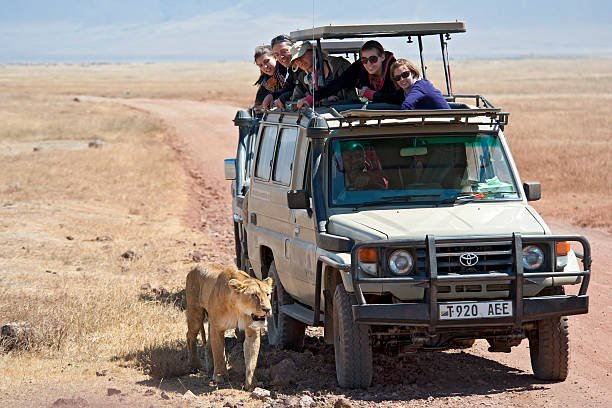
4 Days Tarangire Serengeti And Ngorongoro Safari: A Practical 4-Day
A practical 4-day journey through Tarangire, Serengeti, and Ngorongoro, designed for efficient travel planning, realistic game-viewing chances, and comfortable stays. This plan emphasizes...
View package details6 Days Serengeti Ngorongoro And Tarangire Safari From Zanzibar: A Bookable
Plan a 6-day wildlife circuit that links Zanzibar with Tanzania’s top parks—Tarangire, Serengeti, and Ngorongoro. Discover practical routing, transfers, and realistic safari opportunities...
View package details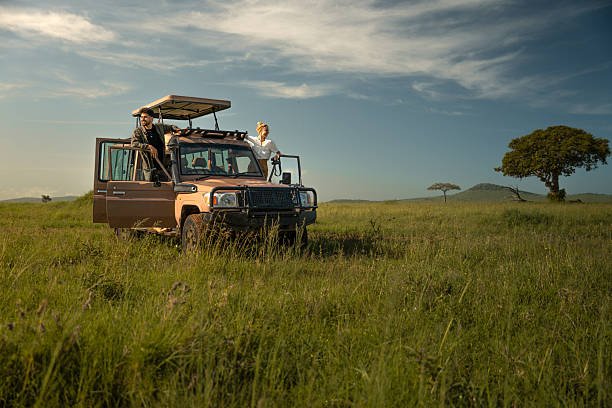
5 Days Tarangire Serengeti And Ngorongoro Safari From Zanzibar: Mainland
Plan a practical 5-day safari that starts with a flight from Zanzibar to Moshi/Arusha, then tours Tarangire, Serengeti, and Ngorongoro in sequence. This guide outlines day-by-day logistics...
View package details3 Days Tarangire, Ngorongoro, And Lake Manyara Safari: A Practical, Bookable
Plan a practical 3-day, bookable safari through Tarangire, Ngorongoro Crater, and Lake Manyara. This guide outlines a realistic itinerary, driving routes, and accommodation ideas without...
View package details12 Days Tarangire, Serengeti, Ngorongoro And Zanzibar Safari 2026-2027
12 Days Tarangire, Serengeti, Ngorongoro and Zanzibar Safari.
View package details
4 Days Tarangire Serengeti And Ngorongoro From Zanzibar 2026-2027
4 Days Tarangire Serengeti and Ngorongoro from Zanzibar.
View package details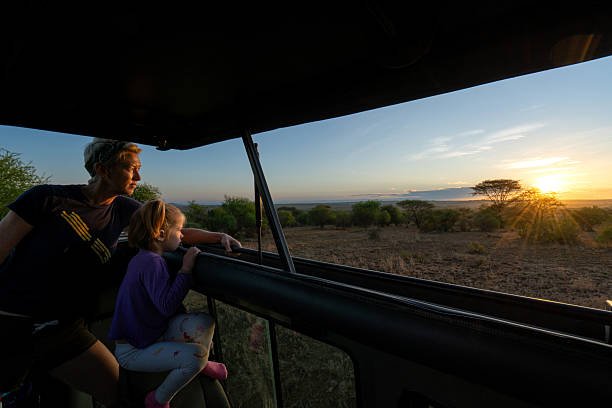
19 Days Kilimanjaro Tarangire Serengeti Ngorongoro Zanzibar 2026-2027
19 Days Kilimanjaro Tarangire Serengeti Ngorongoro Zanzibar.
View package details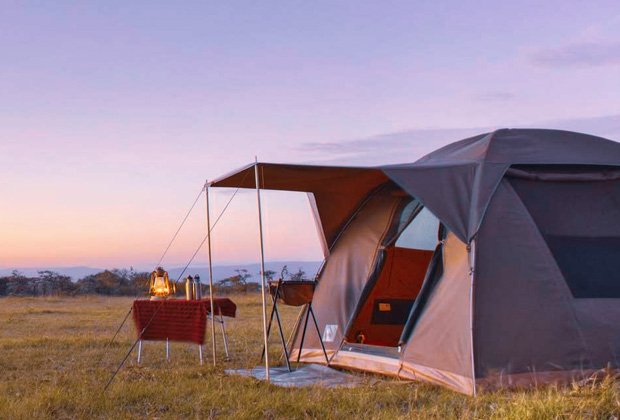
4 Days Serengeti and Ngorongoro Camping Safari
A practical 4-day camping itinerary linking Serengeti and Ngorongoro with realistic driving routes, campsites, and safari opportunities.
View package details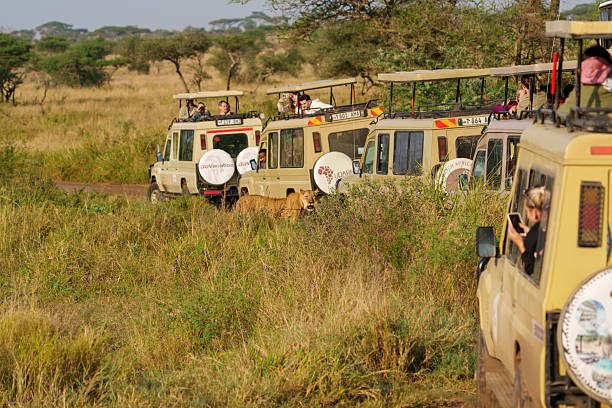
4 Days Serengeti And Ngorongoro Safari From Zanzibar: A Practical
Plan a focused 4-day combo: Zanzibar to mainland Tanzania, then Serengeti and Ngorongoro safari. Learn how days split between island relaxation and classic savannah game drives, with...
View package details
6 Days Machame Kilimanjaro Climb And 2 Tarangire Ngorongoro Safari
6 Days Machame Kilimanjaro Climb and 2 Days Tarangire Ngorongoro Safari.
View package detailsNo related package matches those filters. Clear one or more filters to see the other topic-matched options.



