
The 3 Days Tarangire, Ngorongoro, and Lake Manyara Safari follows a practical, looped route starting from Arusha town or Kilimanjaro Airport region. Day 1 moves from Tarangire National Park into nearby areas for afternoon game drives, with overnight near Mto wa Motoni or Karatu depending on the chosen lodge. Day 2 begins with a Ngorongoro Crater descent when feasible, then transfers toward Lake Manyara with evening wildlife viewing, and an overnight in a basic to mid-range lodge. Day 3 wraps with a morning Lake Manyara drive and a return transfer to Arusha or Kilimanjaro area. This plan emphasizes REALISTIC driving times, park rules, and flexible wildlife opportunities; you will receive confirmation of lodge options, driving routes, and departure times upon booking, with no guaranteed sightings.
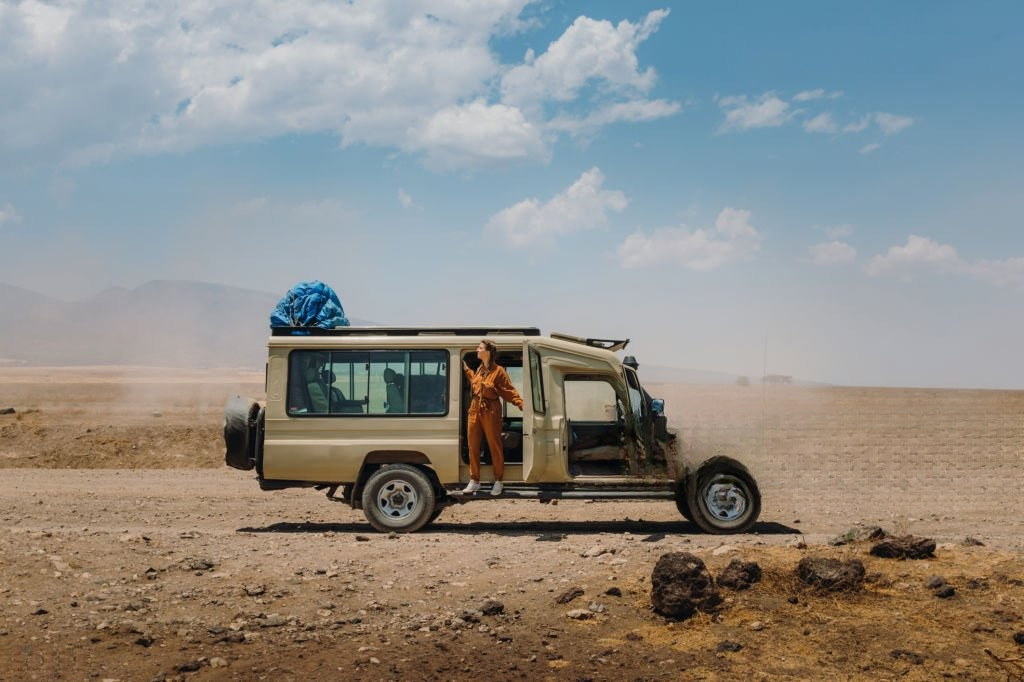
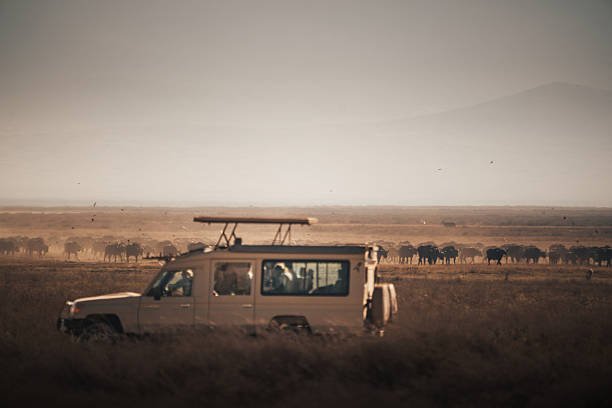
Day 1: Tarangire to Ngorongoro corridor — practical start and steady immersion
Begin early, typically from Arusha or Kilimanjaro region. The day focuses on Tarangire National Park’s easy-to-reach southern sections, where ancient acacia woodland and open grasslands offer a broad canvas for wildlife viewing. A midday transfer toward the Ngorongoro conservation area reduces travel fatigue and preserves time for late-afternoon wildlife activity near the park boundary. Lodging is arranged at a comfortable, mid-range camp or lodge located within a short drive of the Ngorongoro rim, suitable for a relaxed evening with showers, meals, and briefing notes from your driver-guide.
Day 2: Ngorongoro Crater descent and Lake Manyara gateway
The heart of the experience on Day 2 is a descent into Ngorongoro Crater when access windows allow. Your driver-guide will confirm crater entry times based on seasonal conditions and park regulations. After a morning crater drive, the group departs toward the Lake Manyara region for an afternoon game drive along the park’s varied habitats, from woodlands to open plains where elephants and monkeys are commonly seen. Overnight options near Karatu or within Lake Manyara’s outskirts provide practical, comfortable rests and easy access to the next day’s route.
Day 3: Lake Manyara highlights and return logistics
Day 3 explores Lake Manyara’s diverse habitats, with potential sightings around the lakefront, forested slopes, and hot springs. The morning drive is followed by a structured, practical transfer back toward Arusha or the Kilimanjaro area, depending on your flight schedule or onward Tanzania plan. This day prioritizes stable driving times and a sensible pace, with a final lodge drop-off that aligns with your departure preferences.
Logistics you can count on
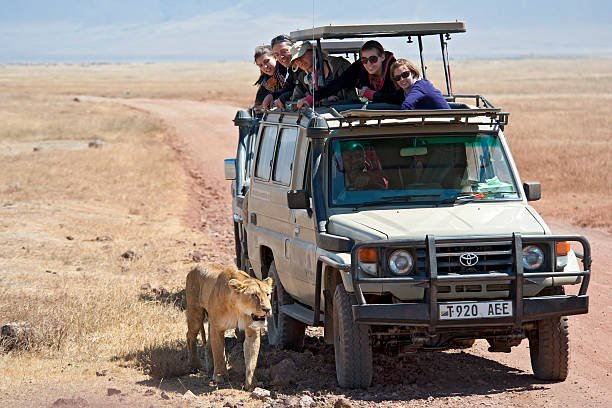
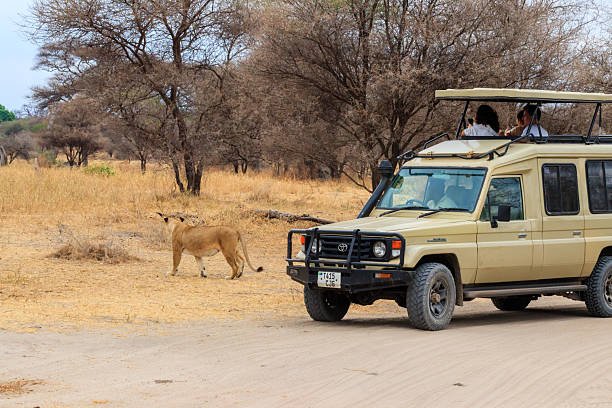
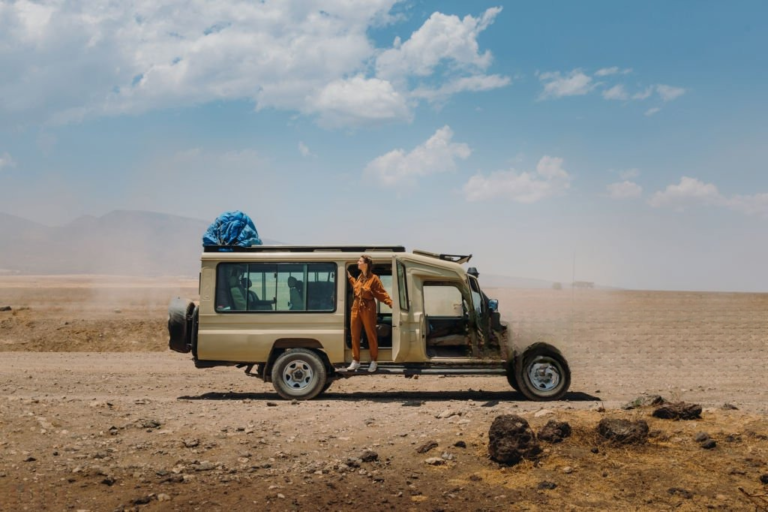
- Vehicle: 4×4 safari jeep with a trained driver-guide; window seat guaranteed where possible.
- Accommodations: mid-range to comfortable lodges or permanent tented camps, chosen for proximity to each park gate and reliable services.
- Meals: included at each lodge or camp, with water provided during drives.
- Park fees and permits: handled by the operator and included in the booking package where applicable; confirmation comes after final itinerary and dates.
- Timing: exact start times depend on flight arrivals and park schedules; your guide will adjust to light conditions and gate opening hours.
Choosing your route and lodging emphasis
The sequence Tarangire → Ngorongoro → Lake Manyara balances long morning drives with shorter, more flexible afternoons, reducing fatigue while maximizing wildlife potential and scenic variety. If your priority is a shorter drive on Day 1, you can start directly in Tarangire and compress the schedule. If Ngorongoro is your primary crater focus, you might choose lodges closer to the crater rim to streamline the descent. Climb 4 Africa can tailor the balance between driving time, lodge style, and exact park entry times to match your flight schedule and energy levels.
What you should expect from a 3-day plan
Three days in this corridor are enough to experience a representative mix of Tarangire’s elephant herds and baobots, Ngorongoro’s crater floor wildlife encounters, and Lake Manyara’s birdlife and forest-dwelling mammals. This is not a promise of specific sightings; it is a structured itinerary designed for practical driving, sensible lodge choices, and a coherent wildlife-rich route. Booking decisions are guided by availability, seasonality, and your preferred pace, with your driver-guide coordinating gate timing and terrain considerations.
Practical next steps
To move from concept to confirmed departure, contact Climb 4 Africa with your preferred dates, arrival airport, and accommodation style. We will propose a concrete lodge list, confirm drive times, and align with any pre- or post-safari arrangements you may want in Kilimanjaro or Zanzibar. If you have a fixed window, we’ll optimize the sequence to minimize backtracking while preserving unhurried, enjoyable days in each park.
Day 2 Continued: Practical transitions and crater access logistics
As you descend into Ngorongoro Crater, your driver-guide coordinates with park authorities to align with the day’s entry window and vehicle limits inside the crater rim. This is not a guaranteed wildlife moment, but it is a carefully timed window that maximizes surface coverage of the crater floor’s varied habitats—mud-plain savannas, scattered acacia thickets, and the occasional hidden waterhole. Expect a steady pace with short stops at viewpoints that reveal the crater’s yellow-gold walls and the blue expanse of the nearby highlands in the distance. Your guide will note where recent tracks indicate buffalo herds or lion prides resting during the heat of the day, but the emphasis remains on consistent, responsible observation and maintaining park rules.
After departing the crater, the journey toward Lake Manyara shifts from crater-forged scenery to a mosaic of forests, grasslands, and riverine belts. The roughly two-hour transfer is itself a chance to discuss wildlife behavior patterns you may encounter in the park’s varied microhabitats—olea woodland near the escarpment fringe, streams that host hippo pods, and forested lanes where elephants often move in single-file lines. Your guide may pause at a short overlook to point out distant silhouettes of acacia woodland and the telltale flight of a lilac-breasted roller, offering practical context about what makes Lake Manyara’s ecosystems uniquely rewarding for a mid-day safari drive.
Evening activities typically center on a targeted drive within Lake Manyara National Park, aiming to catch wildlife transitioning between habitats as light softens. Birdlife here can be particularly prolific around the lakefront—flamingos may flock along shallower shores, while kingfishers and herons patrol inlets. Terrestrial residents—monkeys in the forest canopy, warthogs grazing near the margins, and perhaps a prowling leopard sighting near a rocky outcrop—round out the day’s potential without promising any single outcome. The lodge or camp near Lake Manyara offers a practical base for the night with meals reflecting a mix of local flavors and familiar comforts, and a briefing on the following day’s plans that respects early starts and gate opening hours.
Day 3: Lake Manyara reveals its layered habitats and efficient return logistics
The final day foregrounds Lake Manyara’s standout ecological diversity. A dawn drive may take you along the water’s edge where hippos wallow and pelicans loaf; then, a climb into the forest where the undergrowth seems to pulse with the sounds of colobus and vervet monkeys. Depending on gate schedules and park conditions, your morning can include short river crossings and a final strategic loop that maximizes sightings of forest-dwelling species before the departure leg. The pace remains measured—enough time to observe a family of elephants cooling in a shallow pool, or a troop of baboons skittering across the dappled sunlight, without rushing the day’s transition to travel logistics.
After Lake Manyara, most itineraries schedule a pragmatic transfer back toward Arusha or Kilimanjaro International Airport region. The drive is designed to minimize fatigue while ensuring you arrive with sufficient buffer for check-in, international connections, or a post-safari beach extension if you choose Zanzibar or the coast. Your driver-guide will summarize key moments from the trip, remind you of any photographic notes, and confirm the next steps for your travel plans. This final wrap is not a finale of adventure but a cohesive close that preserves your comfort and readiness for onward travel.
Common practical gaps: timing, gate rules, and witnessing isn’t guaranteed
Readers often wonder about the concrete timing of park gates, crater access windows, and how to plan when entry times shift with the seasons. In this 3-day Tarangire–Ngorongoro–Lake Manyara itinerary, the emphasis is on realistic driving times and the sequence that supports flexible wildlife viewing, not on promising specific sightings. A practical detail frequently requested is the exact window for Ngorongoro Crater descent. This window is not fixed across the year; it depends on park regulations, fuel availability at the rim stations, and current traffic within the crater rim road network. Your driver-guide will confirm the exact entry and exit times on Day 2 the morning of traversal, and you should be prepared for minor changes to the sequence if gate openings are adjusted due to conservation considerations or weather-related soil conditions.
Similarly, the Lake Manyara component hinges on gate schedules and the accessibility of certain forest tracks. Some tracks may close after rain to protect delicate habitats, while others may open later in the morning if the morning light is still favorable for photography and for wildlife movement along the waterline. If a particular track is closed, your guide will pivot to alternating loops that maximize the opportunity to observe forest-dwelling species and water-edge behaviors without extending driving distances unduly. This is why the plan emphasizes a flexible afternoon in Lake Manyara rather than a fixed, rigid sequence: it preserves real-world adaptability while keeping travel times efficient.
Regarding accommodations, the narrative keeps to mid-range to comfortable lodges or camps positioned for efficient gate access and reliable services. While specific lodge names are not disclosed in advance, your guide will coordinate with your booking team to secure a base that minimizes long transfers after a full day’s safari. Expect amenities typical of mid-range properties: clean en-suite rooms, hot water, a shared dining area, and a secure vehicle parking area. If you have dietary restrictions or require specific room configurations (e.g., twin vs. double beds), communicate these preferences during the booking phase so the lodge can prepare accordingly.
Safety and comfort are woven through the driving framework. The 4×4 safari vehicle will carry a trained driver-guide who keeps a weather eye on road conditions and park regulations, and a plan B exists for short, scenic overlays if a major wildlife highlight is temporarily inaccessible. In practical terms, this means you might pause at overlooks, or choose a short, compensating drive to a nearby waterhole, rather than pushing a long return leg that would cut into your next morning’s gates. This approach aims to protect your overall energy levels while ensuring you still experience a representative cross-section of Tarangire’s dry-season savanna, Ngorongoro’s crater-edge dynamics, and Lake Manyara’s humidity-and-forest mosaic.
For photographers or birders, a note on timing and light: the most productive windows in these parks often align with early morning drives or late afternoon sessions when animals are most active and lighting is favorable. If your plans include specific species targets or birding lists, share that with your guide ahead of time so they can prioritize routes within the allowed driving times and park rules. This does not guarantee sightings, but it increases the odds of encountering the groups or species that matter most to you.
Where the itinerary leaves room for real-time decisions: a focused look at practical flexibility on Day 2 evening and Day 3 morning
Beyond the broad sequence of Tarangire, Ngorongoro, and Lake Manyara, this section delves into the concrete choices a guest-facing operator or driver-guide will navigate on the ground. The aim is to illuminate how a bookable 3-day plan translates into live decisions that affect pacing, comfort, and wildlife watching opportunities without overpromising outcomes.
Day 2 evening: crater access windows and the Lake Manyara transition. Ngorongoro Crater is not a guaranteed wildlife moment at a fixed time; rather, access is bounded by park rules, environmental conditions, and seasonal scheduling. In practice, your guide communicates with park authorities to confirm the feasible entry window for the crater that day. If the morning drive has not yielded a preferred density of activity or if a gate or track is temporarily unavailable, the guide may pivot to short, deliberate overlays: a scenic overlook for photographic silhouettes, a brief pause at a known hippo pool, or a glide through a forest edge where elephants or primates are known to forage near the undergrowth. These adjustments preserve the intended balance of driving time and wildlife exposure while protecting energy levels for Day 3.
As you approach Lake Manyara in the late afternoon, the plan often shifts to an edge-of-lake circuit that emphasizes waterbird activity and monkeys along the canopy corridors. This phase is designed to exploit high-contrast light near sunset, which can enhance animal behavior snapshots and provide manageable distances between viewpoints. A typical practical outcome is a corridor of short stops rather than a long, uninterrupted push toward the lodge. This approach minimizes fatigue and aligns with the natural rhythms of species that become more conspicuous as temperatures cool.
Day 3 morning: layered habitats with realistic pacing. The final day prioritizes a dawn start to capitalize on cooler temperatures and the likelihood of early-morning animal movements around the forest boundary and the lakefront. Instead of insisting on a single “best” sighting, the guide builds a sequence of compact, high-probability targets: waterfowl roosts at first light, a quick woodland loop for primates or forest-adapted antelope, and a last look at the lake edge as light rises. This structure avoids backtracking and keeps the transfer window to Arusha or Kilimanjaro within a predictable range. If weather or road conditions complicate a planned route, the driver-guide has a prepped set of alternative tracks that still satisfy the core objective: offer a representative cross-section of Tarangire’s dry-savanna dynamics, Ngorongoro’s crater-edge ecosystems, and Lake Manyara’s humid-forest mosaic, all within a 60–90 minute buffer before your onward travel.
Accommodations and services under real-world constraints. The article’s implied lodging approach is anchored in mid-range to comfortable properties positioned for gate access and support services. In practice, availability can shift due to group size, seasonal bookings, or local maintenance. A proactive booking strategy involves confirming not just the lodge category but also the adjacent gate timing, the typical transfer distance, and the lodge’s capacity for late arrivals or early departures. Your driver-guide can coordinate with the property to ensure essential amenities—hot water, electricity reliability, and dietary accommodations—are aligned with your travel timings and the day’s drive segments.
Communicating expectations with your guide. To optimize Day 2 and Day 3, share specific wildlife interests (for example, a preference for predators, bee-eaters, or particular ungulates) ahead of time. The guide can then plot a route that prioritizes habitat patches known to support those species within permissible driving times. This does not guarantee sightings, but it does increase the likelihood of encountering the habitats and behaviors you care about while maintaining the practical constraints of a short safari.
Safety as an ongoing priority. The plan’s safety framework remains constant: seatbelts on, doors secured, and a readiness to respond to changing road conditions or weather with the smallest possible disruption to the day’s flow. If you are traveling during the long dry season when dust can reduce visibility, the guide may choose shorter, more frequent stops to maintain engagement and reduce fatigue, especially for travelers who are not accustomed to long, uninterrupted game drives.
Checklist for this added depth. Before departure, confirm with your operator that the booked lodges can accommodate early arrivals or late departures around gate openings; that a certified driver-guide will accompany your group; that meal plans align with daily drive times; and that contingency routes have been pre-briefed for both crater access and the Lake Manyara transition. This small set of checks helps safeguard the intended rhythm of the 3-day plan while keeping you responsive to the park’s realities rather than chasing rigid schedules.
Real-World Timing: How Gate Closures and Morning Windows Shape Your Crater Experience
One of the most under-explained yet critical aspects of the Ngorongoro Crater descent on Day 2 is the strict daily gate operation window—typically between 7:30 AM and 9:00 AM for vehicle entry. This narrow window is not arbitrary; it’s governed by park regulations designed to limit vehicle congestion on the crater floor and reduce soil compaction in sensitive ecosystems. Your driver-guide will confirm the exact entry slot based on the day’s vehicle quota, which varies seasonally and can be influenced by weather, maintenance, or conservation events. If your group arrives at the Ngorongoro Crater Gate at 7:15 AM but the gate opens at 8:10 AM, you’re not delayed by negligence—this is a standard operational protocol. Arriving early is encouraged not for early entry, but to allow time for check-in, documentation verification, and a brief orientation with park rangers before the official opening.
Even when the gate opens on time, the actual descent into the crater floor is not immediate. After vehicle registration and a mandatory safety briefing, your 4×4 safari jeep will join a queue of other vehicles, often totaling 10 to 15 per day depending on group size. The descent itself takes approximately 25 to 35 minutes, with winding, steep roads requiring careful navigation—especially in the dry season when dust reduces visibility. Your guide will use this time to brief you on crater ecology, predator behavior, and the importance of maintaining quiet during game drives. The first 30 minutes on the crater floor are often the most active, as large mammals like elephants, buffalo, and zebra move toward water sources. If your group is delayed by gate logistics, the guide may adjust the route to prioritize key sighting zones such as the central swamps or the eastern wall, where lions and hyenas are frequently observed.
Crucially, the park does not allow vehicles to remain in the crater beyond 2:00 PM. This means the entire crater drive must be completed by mid-afternoon, even if wildlife sightings are sparse. If you’ve been delayed at the gate or are running behind schedule, the guide will make real-time decisions—such as skipping less productive zones or shortening the drive—to ensure compliance. This is not a failure of planning; it’s a necessary adaptation to park policy. In rare cases, if a group arrives late due to unforeseen delays (e.g., road closures, vehicle breakdowns), the guide may recommend a late entry or even a skip of the crater, with a full refund or credit applied at the operator’s discretion. This is why confirming your arrival time with your operator is essential—early arrival isn’t just about comfort; it’s about securing your access window.
Unexplored Practical Gap: Seasonal Access Nuances and How They Reshape Your Day 2 and Day 3 Windows
Even with a tightly scoped three-day plan, the actual hands-on experience hinges on seasonal access patterns that are often underexplained in standard itineraries. The Ngorongoro Crater’s descent, the timing of gate openings, and the movement of wildlife within the reserves respond to rainfall, road maintenance cycles, and park authority scheduling. This section digs into concrete, bookable realities you’ll likely encounter, helping readers tighten expectations without promising effects beyond the plan’s intent.
Seasonal entry windows and their ripple effects
Ngorongoro Crater entry windows are not arbitrary; they are calibrated against soil moisture, vehicle quotas, and safety considerations. In the dry season, gates may open earlier to manage heat and dust, allowing drivers more time on the crater floor before the afternoon densifications. In the wet season, entry windows can shift later because roads are more fragile, and rangers stagger vehicle flow to minimize congestion and rutting. For travelers, this means your Day 2 schedule isn’t only a personal preference but a reflection of park logistics that your driver-guide will translate in real time. Your operator should provide a window-for-window briefing on the day you arrive at the Ngorongoro Gate, including expected queue times, potential delays, and the likelihood of rapid changes due to weather or maintenance work.
How shifts in gate timing influence game-drive pacing
With late gate openings, your crater descent can compress the morning’s visibility into a shorter, more intense window. Your driver-guide may adjust by prioritizing core predator-potential zones adjacent to water sources or those with higher densities of herbivores. On Day 3, a late start from Lake Manyara can cascade into an earlier-than-expected return, affecting lodge mealtimes and your transfer timing to Arusha or Kilimanjaro region. A proactive operator will pre-brief possible contingencies: optional short buffer drives near the lodge if a return time tightens, or a deliberate emphasis on a particular habitat type you’re keen to experience (forest corridors, swamps, or marsh-edge birding) if daylight hours are constrained.
Road conditions and their concrete effects on drive durations
Seasonal weather influences track quality, which translates directly to driving times. The Tarangire–Ngorongoro corridor’s surface can firm up during dry periods, reducing rolling resistance and enabling smoother progress; conversely, brief showers can turn even graded roads into slick ribbons that slow the convoy. In Ngorongoro, crater-access roads require careful navigation; potholes, dust, and gradient changes affect how quickly you can reach favored zones. Your itinerary should be treated as a flexible scaffold, with a designated buffer of 20–40 minutes across Day 2 and Day 3 to absorb these variations without sacrificing essential emphasis (crater-floor presence and Lake Manyara’s varied habitats).
Practical tips to maximize reliability within the constraints
- Confirm the check-in and gate-entrance documentation the day before, ensuring all vehicle and passenger details align with park records to minimize hold times at entry points.
- Ask for a rough, weather-adjusted variant of Day 2’s crater plan, including at least two alternate zones your guide can pivot to if the primary route becomes untenable or crowded.
- Prepare for variable sunrise and sunset times; pack light layers and a compact head-tlamp for early departures or late returns, especially if a buffer drive is activated.
- Request explicit communication channels with your guide for real-time deviations, so you’re not surprised by a last-minute re-routing that alters your lodge dinner schedule.
What this means for readers seeking concrete, bookable decisions
The gap is not about adding new destinations; it’s about acknowledging and planning around the subtle, documentable shifts in park operations that accompany three complementary ecosystems. When you book, you’re not only purchasing a sequence of parks; you’re committing to a dynamic schedule that your guide will navigate within the outer constraints of gate windows, road conditions, and wildlife movement patterns. The most valuable decision you can influence at booking is a realistic option for a Day 2 crater-focused window with a declared acceptability for later Day 3 exit times, plus a clearly stated contingency plan for Day 3 morning if Lake Manyara’s access or birding conditions require a slower start. This approach preserves the integrity of the three-day arc while giving you the practical assurance that the plan will adapt to the real-world rhythm of Tarangire, Ngorongoro, and Lake Manyara without compromising safety or core experiences.
Day 2 Evening Flexibility: Realistic Re-routing Options Within the Ngorongoro–Lake Manyara Arc
Beyond the standard crater-focused morning, the Day 2 itinerary often benefits from a deliberate, field-tested flexibility plan that guides late-afternoon and early-evening decisions without compromising essential experiences. The core aim is to preserve crater access quality and the chance for strong Lake Manyara sightings while acknowledging terrain, gate load, and wildlife movement that shift with the season.
In practice, a well-structured operator will predefine two alternative routings for Day 2, both anchored to the Ngorongoro conservation area’s rim access but designed to shield you from a forced long drive back to Karatu or Moshi. The primary route typically runs crater-floor time in the late morning, followed by a measured transfer toward Lake Manyara, allowing a brief late-afternoon game drive near the park boundary or along the lake-edge. The backup routings shift the afternoon focus to a nearby high-value corridor—often between the Lerai/Simba Camp zones and the forested slopes—where hippo pools, flamingo roosts, or notable predators can be observed with reduced crowds. These alternatives can be activated if gate timing, crater traffic, or vehicle congestion limit the expected crater window.
Practical trigger points your guide will monitor include: (1) crater-floor entry delays that push the morning window later than the optimal 2–3 hours of visibility; (2) a sudden surge of traffic near the Ngorongoro rim that would shorten dwelling time inside the crater; (3) improved opportunities on the Lake Manyara side if the afternoon tide of animals gathers around the swamps or hot springs rather than the classic lakefront. With a buffer of 20–40 minutes built into the Day 2 schedule, your guide can pivot to one of these alternatives while keeping evening arrangements intact. The objective is not to chase more wildlife at any cost, but to preserve the timing that allows a meaningful Lake Manyara lighting and habitat sequence without forcing a hurried exit to the lodge.
Buffer Calculations and Communication Protocols
A practical buffer translates to concrete, on-the-ground decisions rather than abstract time cushions. Operators typically price Day 2 with a target crater descent window and a fixed transfer line to Lake Manyara, but the real-time plan includes a 20–40 minute buffer for transits between gates, potential wait times at crater access points, and short detours to avoid congestion. Your driver-guide should communicate changes with you as early as possible, ideally at breakfast or a mid-morning recap, including: the reason for the pivot, the new focal zones, expected drive times, and any updated mealtimes or lodge check-ins. This transparency helps you calibrate expectations for dinner service, half-board arrangements, and pre-dawn packing for Day 3.
Instrumental to this approach is the pre-briefing about animal behavior windows in Lake Manyara. If the plan pivots to a corridor favorable for forest-dwelling species or birdlife along the acacia-fringed riverine edges, your guide will set the pace for a relaxed, scenic afternoon with light, steady movements rather than rapid chasing. The consequence is a more controlled evening routine at your lodge, with dependable meal timing and a manageable wake-up schedule for Day 3 morning drives.
Day 3 Morning Variations: Aligning Lake Manyara’s Rhythm with Departure Needs
The Day 3 start is often the most delicate balance of wildlife potential and travel logistics. If Day 2’s crater window yielded additional buffer time, Day 3 can begin with a slightly later coffee and a targeted edge-drive along the forest corridor before a straight return leg toward Arusha or Kilimanjaro International Airport. Conversely, if Day 2 required significant detours, Day 3 may begin earlier to maximize the lakefront dawn chorus, hippo congregations, and potential forest birds before the exit drive. Either way, the decision framework remains anchored in two pillars: (a) preserving the core ecotourism experience in Lake Manyara’s diverse habitats, and (b) ensuring predictable transfer times to your departure airport or next destination.
In all cases, the Day 3 morning plan favors short, quality intervals of viewing with buffers that protect against a late-morning gate closure or an unexpected hold at a park boundary. Your guide will validate the final drive times with you the evening before and again at dawn, so you aren’t surprised by a sudden re-routing that compresses the flight connection window. The final message is practical reliability: you move through the day with a plan that remains adaptable to ground realities while preserving the essential experiences you booked.
Related Guides and Packages
Check Availability for 3 Days Tarangire, Ngorongoro, And Lake Manyara Safari: A Practical, Bookable
Ready to compare dates, prices, and the best option for your group? Send the package name and travel month so the team can reply with a clear quote, availability, and what is included.
6 Days Serengeti Ngorongoro Tarangire And Lake Manyara Safari 2026-2027
6 Days Serengeti Ngorongoro Tarangire and Lake Manyara Safari.
View package details5 Days Tarangire Serengeti Ngorongoro And Lake Manyara Safari 2026-2027
5 Days Tarangire Serengeti Ngorongoro and Lake Manyara Safari.
View package details2 Days Tarangire And Ngorongoro Crater Safari: A Practical Two-Day Wildlife
A practical two-day safari from Climb 4 Africa combining Tarangire and Ngorongoro Crater. This plan outlines day-by-day routes, driving logistics, and realistic safari opportunities without...
View package details2 Days Tarangire and Ngorongoro Safari from Zanzibar: a practical, bookable
A practical, bookable 2-day safari itinerary starting from Zanzibar, linking Tarangire National Park and Ngorongoro Crater with sensible transfers, realistic drives, and grounded...
View package details5 Days Serengeti Ngorongoro And Tarangire Lodge Safari: A Practical
A practical, lodge-based 5-day safari itinerary through Tarangire, Serengeti, and Ngorongoro, focusing on feasible driving routes, rest-focused days, and realistic wildlife opportunities...
View package details4 Days Tarangire Serengeti And Ngorongoro Safari: A Practical 4-Day
A practical 4-day journey through Tarangire, Serengeti, and Ngorongoro, designed for efficient travel planning, realistic game-viewing chances, and comfortable stays. This plan emphasizes...
View package details
6 Days Serengeti Ngorongoro And Tarangire Safari From Zanzibar: A Bookable
Plan a 6-day wildlife circuit that links Zanzibar with Tanzania’s top parks—Tarangire, Serengeti, and Ngorongoro. Discover practical routing, transfers, and realistic safari opportunities...
View package details
5 Days Tarangire Serengeti And Ngorongoro Safari From Zanzibar: Mainland
Plan a practical 5-day safari that starts with a flight from Zanzibar to Moshi/Arusha, then tours Tarangire, Serengeti, and Ngorongoro in sequence. This guide outlines day-by-day logistics...
View package details12 Days Tarangire, Serengeti, Ngorongoro And Zanzibar Safari 2026-2027
12 Days Tarangire, Serengeti, Ngorongoro and Zanzibar Safari.
View package details
6 Days Machame Kilimanjaro Climb And 2 Tarangire Ngorongoro Safari
6 Days Machame Kilimanjaro Climb and 2 Days Tarangire Ngorongoro Safari.
View package details
4 Days Tarangire Serengeti And Ngorongoro From Zanzibar 2026-2027
4 Days Tarangire Serengeti and Ngorongoro from Zanzibar.
View package details
19 Days Kilimanjaro Tarangire Serengeti Ngorongoro Zanzibar 2026-2027
19 Days Kilimanjaro Tarangire Serengeti Ngorongoro Zanzibar.
View package detailsNo related package matches those filters. Clear one or more filters to see the other topic-matched options.



