
start a practical 2-day Mikumi National Park safari from Zanzibar that pairs a Zanzibar-to-Tanzania transfer with a mainland Mikumi park drive, overnighting near the park, and a return transfer or onward leg. The exact flow depends on flight timings and current park operations, but the plan typically divides into one day of travel and safari in Mikumi, followed by a transfer back to a Zanzibar-connected carrier or a coastal airport for your next travel leg. Availability, pricing, and exact hotel attachments must be confirmed at booking time.
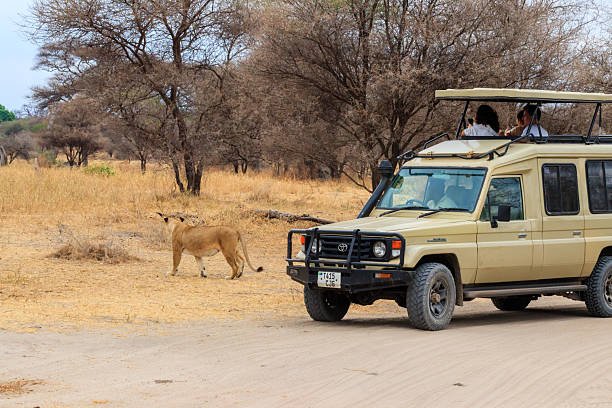

Day 1: Zanzibar to Mikumi – transfer, arrival, and first game drive
Morning begins with an early flight or overland transfer from Zanzibar to a mainland airport with Mikumi access. Most guests fly to Dar es Salaam or to Morogoro region depending on flight options; your safari operator arranges a smooth handover to a Mikumi-friendly vehicle and driver guide once you land. The drive from the airport to Mikumi’s southern or central gates spans several hours by road, depending on the route chosen and current road conditions. Expect a refreshed lunch stop en route and a short break at a viewpoint where you can stretch legs and spot occasional savannah birds or distant antelope silhouettes.
As you arrive near Mikumi National Park, you’ll check in at a comfortable, mid-range camp or lodge that specializes in short-stay safaris. The accommodations are chosen for reliable access to the park gates and for practical logistics in a two-day itinerary. After settling in, you’ll mount your safari vehicle for an introductory game drive in Mikumi, with a focus on core habitats — open plains, acacia woodlands, and the Miombo-scrub zones that typically host zebra, giraffe, kudu, impala, and buffalo, with opportunistic predators more conditional on ranger timing and wildlife movement. The goal on Day 1 is to set realistic expectations: powerful sightings depend on luck, daylight, and the animals’ routines, not a guaranteed list.
Evening is spent at the lodge with dinner on-site, where guides brief you on the next day’s plan, including possible morning and late-afternoon drives, plus a note on gates, park rules, and any seasonal restrictions. The focus remains on safe, comfortable logistics and a thoughtful pace that suits a short safari without rushing you through key habitats.
Day 2: Mikumi morning drive and return to Zanzibar
Daylight brings a second, early morning game drive in Mikumi. This session emphasizes variety: look for waterholes, grassland herds, and the occasional predator sign, while enjoying the chorus of birds and the scent of the morning savannah. Expect a break for a hot tea or coffee and a light snack, followed by a final drive that may include a quick check for migratory birds along a riverside or a roundup of elephant paths near a seasonal watering point.
After the morning drive, you’ll transfer back toward the mainland airstrip or a pre-arranged vehicle transfer to your Zanzibar-bound flight. Depending on the flight schedule, you may have a brief lunch stop before departure. The exact timing of the return leg is determined by your booked flights and current operator timing; the plan remains flexible to avoid long airport layovers while preserving a comfortable travel rhythm.
Choosing the transfer and stay: practical decisions
Key choices you’ll confirm during booking include which mainland gateway you’ll fly into (commonly Dar es Salaam or Kilombero/Morogoro corridor options) and which lodge near Mikumi aligns with your two-day constraint. Lodges near Mikumi are selected for reliable early gate access and comfortable dining options, balancing price and convenience. When you book, you’ll also confirm whether you’ll return to Zanzibar by air or continue to another destination via a coastal airport. The exact schedule is sensitive to flight availability, park gate timings, and seasonal road conditions, so treat the sequence as a practical framework rather than a rigid timetable.
What to expect on a 2-day Mikumi from Zanzibar booking
Wildlife opportunities in Mikumi can be rewarding, but there are no guarantees about sightings in any short safari. With two days, a typical mix includes a strong initial park immersion, a sunrise or late afternoon drive, and the chance to encounter a broad mix of savannah species. The pace is designed for comfort: longer drive windows on Day 1 and a lighter, more focused morning on Day 2, with time saved for travel logistics.
Logistics to discuss with your Climb 4 Africa guide
When you speak with the team, clarify: flight arrival times into the mainland, the chosen Mikumi access route, vehicle type and guide language, overnight accommodation category, and exact transfer plan back to Zanzibar air routes. Ask about total driving time, recommended wear for dusty roads, and what to pack for a mid-range safari in a two-day frame. Climb 4 Africa will offer a candid assessment of what can realistically be achieved in two days and help align your expectations with practical logistics.
Booking notes and next steps
Because this is a bookable, two-day combination plan, your final price, the exact hotel attachments, and the departure rail or air sequence must be confirmed at the moment of booking. Availability depends on flight schedules, park access, and the operator’s current partnerships. If you’re exploring a Zanzibar stay before or after Mikumi, consider how the extra travel time will affect your overall rhythm and rest days. Ready to proceed? Share your preferred arrival window in Zanzibar, preferred mainland gateway, and whether you want a relaxed approach with a slower pace or a compact, high-content safari sprint; Climb 4 Africa will tailor the sequence accordingly, always prioritizing safety, comfort, and realistic wildlife opportunities over guarantees.
Additional considerations for a smooth two-day Mikumi from Zanzibar
The two-day plan hinges on dependable flight or overland links into the mainland, but practical nuances can alter the sequence. This section dives into concrete checks you can perform with your operator before departure to minimize delays and ensure your expectations align with what can realistically be achieved in 48 hours.
Regional gateways and transfer timing: While Dar es Salaam is a common arrival hub for Mikumi connections, some itineraries route through Kilombero or Morogoro for shorter road segments to Mikumi’s southern or central gates. Confirm the exact gate access used by your operator and the corresponding drive time estimates from the arrival airport. A late-morning landfall can compress the first driving window, whereas an early arrival often yields a fuller afternoon game drive and a smoother transition into the next day’s schedule.
Vehicle configuration and guide language: Ask whether the two-day plan will use a standard safari vehicle or a slightly larger setup, and confirm the guide’s language proficiency in your preferred tongue. The vehicle size can affect comfort on longer sections of road, especially if you’re connecting directly from a flight. A bilingual guide can enhance safety briefings and wildlife interpretation without sacrificing efficiency during park sessions.
Accommodations tied to timing: The chosen lodge or camp near Mikumi should offer predictable gate opening times and a ready-to-depart attitude for early starts. Some properties guarantee early breakfast service, while others require a shorter setup window to align with park entry rituals. Clarify what time you’ll be able to access breakfast and the staff’s ability to accommodate a particularly early departure, should your flight times shift by an hour or two.
Food and water strategy during road transfers: Road travel between the mainland gateway and Mikumi can include a lunch stop or a quick snack break. If you have dietary restrictions or allergies, pre-arranging packed meals or ensuring a kitchen capable of special preparations can prevent last-minute stress in transit. Water availability, especially in hotter months, is also worth confirming to keep everyone comfortable during long drives.
Health and safety refreshers: In a compressed safari, a short refresh on safety protocols at the lodge and in the vehicle can save time and reduce risk. Confirm that your guide will review seatbelt use, wildlife distances, and emergency procedures at the start of Day 1, and that you have a clear plan for any personal health needs that might arise during the drive or game drives.
Photographic and memory-keeping considerations: If photography is a priority, discuss window timings for optimal light, vehicle seating for passengers, and any allowed use of tripods or longer lenses in the park. Learn whether the operator provides charging facilities at the lodge or offers on-the-road power solutions for camera gear, ensuring you don’t miss moments due to battery constraints.
Contingency plans for park access and gate closures: Park gate times can shift with weather or operational considerations. Establish a simple contingency: if a gate is delayed or closed, is there an alternative route that preserves the intended number of game drives? A practical operator will have a couple of backup options and a plan to preserve the overall two-day balance without rushing sessions.
Departures and onward travel clarity: Some Zanzibar-based itineraries extend or split the journey with an additional night in a coastal town before departure from Zanzibar. If you’re considering adds, confirm how many days are truly allocated to Mikumi versus mainland travel or post-safari beach time, and ensure your onward flight or transport is booked with adequate buffer for chartered segments or domestic delays.
Documentation and visa considerations: For most travelers, Tanzanian domestic transfers within the country do not require a separate visa, but passport validity, visa on arrival rules, and re-entry requirements for your originating country should be rechecked a few weeks before travel. Your operator can provide a checklist aligned with your nationality and the exact transit points you’ll encounter on the two-day plan.
Final sequence realism check: When you receive the final proposed sequence, map it against a live clock. If the Day 1 transfer window is tight, note where a slight delay could impact the afternoon drive duration and adjust your expectations accordingly. A well-structured two-day Mikumi plan prioritizes core wildlife experiences within a realistic driving and resting rhythm rather than packing in every possible activity.
Fine-tuning the 2-day Mikumi extension: practical sequencing and what can realistically be carved into the timetable
With two days allocated to Mikumi from Zanzibar, the rhythm of the itinerary often hinges on a few fixed anchors: the mainland arrival point, gate opening times, and the chosen lodge’s proximity to Mikumi’s core habitats. A pragmatic extra paragraph can help readers optimize those constraints without overpromising wildlife outcomes. This section drills into the actionable sequencing that a concierge or operator would confirm for a bookable plan, emphasizing what you can reliably expect to be adjustable on the ground rather than speculative sightings.
First, map out the core driving blocks on Day 1. After landing on the mainland, the vehicle transfer to Mikumi typically consumes a meaningful portion of daylight. Operators commonly structure the drive so that the first game-drive window lands upon arrival at the lodge, or shortly after a light lunch, to align with animal activity peaks near late afternoon heat and cooler evenings. If gate openings or road conditions push the schedule, the plan usually contains a small one-hour flexibility buffer before the afternoon drive. This preserves the chance to visit a known water source and increases the likelihood of seeing species in stable groups, without guaranteeing a specific sighting. In practice, the sequence should unfold as: quick land handover, refresh at the lodge, brief orientation, and a first vehicle sortie into the park before dusk. This order minimizes backtracking and reduces time spent idling at park gates.
On Day 2, the return leg to Zanzibar is the second critical hinge. The driving time back to the mainland depends on whether the chosen gateway is direct to Dar es Salaam or a Morogoro corridor hub, and whether the flight connections require an earlier transfer window. The schedule typically features a dawn or early-morning second safari segment if the lodge is well-located near the central Mikumi belt; otherwise, the operator may opt for a brief sunrise drive followed by a rapid road transfer to the airport or airstrip. Readers should expect that the Day 2 plan may trade one drive for extra travel rest time if flight slots require an earlier departure. In either case, the operator should provide a clear, updated clock and a contingency plan for gate closures or vehicle delays, ensuring that you depart Mikumi with ample time to reach the onward flight without squeezing the final moments of safari into a compressed arrival sequence.
Accommodation logistics remain a practical fulcrum of the two-day plan. Lodge selection prioritizes proximity to park gates and reliable shuttle timings, not opulence for its own sake. In a tight itinerary, the benefit of a strategically placed lodge is twofold: it shortens the transfer time on Day 1 so you spend more time in the park, and it streamlines the Day 2 checkout and transfer conduits. You should receive confirmation of the lodging category (mid-range, standard, or similar tier) and the anticipated transfer times from the lodge to Mikumi gates. If your operator offers a choice between a more individual, private vehicle versus a shared or semi-private setup, this decision will influence the cadence of wake-up calls, the pace of each drive, and the likelihood of fewer passenger interruptions during photography or wildlife observation moments.
Communication and safety logistics are not afterthoughts in a bookable two-day Mikumi plan. The best operators present a pre-departure briefing that covers vehicle seating arrangements for photography, explicit wildlife-distance guidelines, and a practical re-entry protocol should a sudden stop or crowding at a gate arise. They also confirm the availability of power sources for charging camera gear at the lodge and on the vehicle, and they outline a simple emergency plan for medical needs, including contact points for both safari guides and lodge staff. Travelers should ensure their dietary preferences and any mobility considerations are documented in advance so the driver-guide can tailor the route and stops accordingly, avoiding unnecessary backtracking or delayed waits at dining venues.
Costs and inclusions, while not repeated here in full, hinge on the same sequence logic. When booking, insist on a written draft of the Day 1 and Day 2 timetable, with explicit transfer legs, gate times, and the expected window for each safari drive. If a slight delay threatens the afternoon drive, a responsible operator will present a ready-made alternative—such as an extended morning drive followed by a shorter post-lunch break, or an adjusted route that prioritizes a known waterhole over a distant viewpoint—to preserve the two-day balance without sacrificing critical wildlife time. If a change to the plan is needed due to operational or weather considerations, you should be offered an updated, timestamped schedule to avoid confusion at the lodge or on the road.


Clarifying the two-day sequencing: where the mainland and Zanzibar legs truly fit
Readers often confront questions about how the Zanzibar-to-Mikumi two-day plan slots the island segment against the mainland safari days. The most practical explanation centers on the exact transfer flow and the resulting split of time between beach-access and park immersion. In this bookable plan, the default assumption is a single, continuous itinerary that begins with an international or domestic flight from Zanzibar to a mainland gateway (typically Dar es Salaam or a Morogoro corridor option), followed by a road transfer to Mikumi, an overnight stay near the park, a first daytime game drive, and then a return transfer to the mainland gateway for onward travel. The exact timing is dictated by flight schedules, gate opening hours, and lodge check-in logistics, which means there is no one-size-fits-all timetable. Instead, the week-by-week plan shows how the pieces align in a typical two-day window, while remaining adaptable to deviations caused by weather, air traffic, or park operations.
To avoid misalignment, a practical expectation is to confirm at booking whether your two days are counted as: (a) Day 1: mainland transfer and Mikumi overnight with the first game drive; (b) Day 2: a morning drive, followed by checkout and a transfer back to the Zanzibar-connected carrier. This sequencing preserves the two-day core while allowing for a realistic buffer where needed. If your operator offers a different gate or lodge alignment (for example, a Mikumi-adjacent lodge versus a longer transfer to a more distant entrance), your timetable will reflect those distances, and the driving time will shift accordingly. They should provide a written draft with precise transfer legs, gate times, and the expected window for each safari drive so you can anticipate where each segment fits in the day and how much time remains for rest, meals, and photo opportunities.
In practice, the two-day plan often looks like this: Day 1 begins with arrival on the mainland, followed by a road transfer to the Mikumi region and a late-afternoon introductory drive. Day 2 features a sunrise or early-morning drive, a midday break, and a checkout melded with the return transfer to the mainland gateway for your onward travel. The island segment—Zanzibar—appears as the initial departure leg and the return leg for most travelers, but some itineraries arrange a post-Mikumi flight or extension that lands travelers at a different coastal airport or resorts along the same coast. The essential point is that the two days are counted in calendar terms, but the actual park time, the lodge check-ins, and the vehicle movements are tightly choreographed to maximize park time while respecting safety and gate rules.
For readers planning to couple this two-day Mikumi experience with a longer Zanzibar stay, the practical takeaway is to treat the Zanzibar-to-Mikumi connection as a discrete sub-block within the overall trip. Your operator should outline whether you arrive in Mikumi late on Day 1, permitting only a brief park loop, or whether you land earlier in the afternoon for a longer first drive. Likewise, on Day 2, the sequence may be dictated by your flight back to the coast or onward to another safari region. In either case, the core aim remains: secure a feasible balance between driving time, park time, and essential rest, without overloading any single day to the detriment of animal viewing or personal comfort.
What happens if a flight is delayed or a gate closes?
Delays and gate constraints are a real possibility in Tanzania’s travel network. A well-structured 2-day Mikumi plan anticipated by operators includes a contingency: if the mainland arrival is late, the first game drive can be shortened but not canceled, with the drive window adjusted to ensure you still experience a meaningful Mikumi habitat—perhaps by prioritizing a central Miombo woodland zone or a waterhole where animals congregate. Conversely, if a gate opens later than scheduled, the guide may compress the early portion of the morning drive and extend a post-breakfast game-viewing segment, provided park rules and road conditions allow. Any deviation should be communicated in writing by the operator with updated gate times and a revised schedule to prevent confusion at the lodge or on the road. This transparent approach helps preserve the two-day objective while accommodating operational realities.
Practical planning for the island segment: timing, tides, and beach time
When Zanzibar is involved, the article’s scope remains focused on the bookable Mikumi portion, but readers often ask how much beach time can realistically be slotted before or after Mikumi. The practical answer is that the beach extension typically manifests as either a pre-safari layover in Zanzibar before Day 1 or a post-safari wind-down after Day 2. The exact days dedicated to beach time depend on flight connections and the operator’s land/air sequence. If a traveler prefers a straight-through mainland sequence, they may return from Mikumi to the same Zanzibar gateway for the onward carrier, with the beach time shifted to a future trip. If a post-safari beach continuation is included, it is usually organized after the Day 2 transfer when the traveler returns to an airport or coastal resort with direct connections from the mainland gateway. In both cases, the island portion remains a separate travel decision and is not counted as park time in Mikumi. Beach activities, tide considerations, and coastal logistics are then handled by a Zanzibar-based extension or a separate booking piece, but they do not alter the Mikumi two-day core plan’s transfer cadence or driving windows.
Only procure specifics from your operator: exact flight numbers, gate openings, lodge names, and transfer windows are all variable. The value of this two-day plan lies in knowing the structure so you can negotiate the best combination of driving time, wildlife exposure, rest, and smooth transitions without overcommitting to a single rigid timetable. Your operator should provide a clear, timestamped Day 1 and Day 2 timetable as the reference document for the trip, along with the precise mainland gateway, lodge attachment, and return flight or onward routing. With those elements, you can confidently assess whether the two-day Mikumi window aligns with your wider Zanzibar itinerary and personal pace.
Gap-clarifying question: how the two-day Mikumi extension interacts with Zanzibar beach time and potential flight constraints
Readers often wonder whether a two-day Mikumi from Zanzibar can smoothly align with pre- or post-safari beach stays on the island, or if shifting mainland logistics could find more wildlife time. The practical gap is understanding how flight connections into the mainland and park access windows interact with a tight two-day schedule, and what flexible options exist if a flight arrives late or a gate closes. This section adds concrete, decision-ready guidance that complements the existing Day 1–Day 2 structure without altering established sequencing rules used by operators.
Core principle: your Mikumi two-day window is defined by a mainland arrival slot, gate opening times, and the lodge’s proximity to Mikumi’s entrances. The essential decision points are the earliest possible landing time on arrival, the planned gate access for the first afternoon and the following morning drive, and the ability to re-sequence activities if delays occur. When evaluating options, list the fixed anchors first: exact mainland gateway, the lodge or camp adjacent to Mikumi, and the confirmed return routing (back to Zanzibar or onward to another hub). With those anchors, you can model contingency paths that keep the two-day core intact.
Contingency pathways explained with practical examples you can discuss with your operator:
- Late mainland arrival: If the flight lands late, the operator may truncate the first afternoon drive or shift it to sunset-afternoon time, preserving a full morning drive the next day. The key is a revised timetable that preserves gate access and the safari window, not a rushed, stop-start sequence. A written update from the operator detailing revised gate times and a refreshed Day 1 agenda is essential.
- Gate closures or road delays: In Marginal scenarios, a compact but high-quality drive can occur near the lodge’s boundary if gates are temporarily closed or roads are congested. This keeps wildlife viewing within the two-day frame while avoiding travel fatigue.
- Island-to-mainland transfer re-organization: If the Zanzibar-to-mainland link shifts, some travelers opt to compress the Mikumi experience into Day 1 only, with Day 2 dedicated to a relaxed travel day back to the mainland gateway or a direct onward connection. This requires a prior agreement with your operator about permissible drive times and gate opening hours to avoid missing key wildlife periods.
- Beach-time integration: For travelers who want a beach wind-down, consider a post-safari extension immediately after Day 2, with a direct transfer from Mikumi to a Zanzibar-friendly coastal airport or a coastal resort. This keeps the Mikumi schedule intact while providing a separate, pre- or post-safari relaxation block that does not impinge on park time.
Operational tip: insist on a timestamped, versioned Day 1/Day 2 timetable from your operator at booking or on arrival. The timetable should specify gate opening times, park hours, driving distances, and the exact sequence of transfers. If a deviation occurs, the operator should supply updated gate times and a revised plan in writing to maintain clarity across all parties—guests, lodge staff, and guides. This transparency reduces confusion at the lodge and ensures your wildlife windows remain as planned.
Additional nuance for the booking mindset: the two-day Mikumi plan exists within a broader Zanzibar itinerary. When you balance beach time, flights, and park drives, the most reliable approach is to treat the Mikumi portion as a tightly scheduled block with clearly defined non-negotiables (driving times, gate openings, vehicle availability) and flexible, communicated adjustments for non-core moments (late arrivals, optional short extra stops). Your operator should present you with a preferred mainland gateway (e.g., Dar es Salaam or Kilombero/Morogoro corridor) and a recommended lodge category that aligns with day-length realities. If you do decide to weave in additional island time, coordinate the Island segment as a separate booking piece with independent transfer flows to avoid disrupting the Mikumi sequence.
Addressing a Practical Gap: Contingency Planning for the 2-Day Mikumi from Zanzibar
One of the most practical questions readers commonly confront is how to handle a tighter or looser sequence when weather, flight schedules, or park operations push the standard two-day plan off its ideal rhythm. The original article lays out a coordinated flow between Zanzibar and Mikumi, but the real-world cadence rarely unfolds exactly as scheduled. This section pinpoints the single most valuable gap readers often have: what concrete, verifiable adjustments can you request from your operator to preserve wildlife time, minimize fatigue, and maintain a feasible transfer timetable when the known anchors shift?
First, establish a clear, versioned transfer timetable before you depart. Ask your operator for a single-page document that lists: exact gate opening and closing times at Mikumi’s nearest access point, anticipated driving times from the mainland gate to your lodge, and the sequence of safari drives tied to those windows. A timestamped plan helps hotel staff, guides, and drivers align on any late arrivals or early departures and reduces the risk of losing prime wildlife windows. If a delay occurs on arrival, a robust operator will present a revised plan in writing and confirm any non-negotiable wildlife windows that remain intact.
Second, quantify the impact of a late mainland arrival. In many Mikumi itineraries, the first game drive is anchored to park hours and gate openings, which are fixed civilities of the park management. If you land late, the operator should offer one of two sanctioned adjustments: shorten or condense the first drive with a focus on high-yield habitats near the boundary, or defer the initial drive to the following morning while preserving a brief introductory drive at the lodge that evening if options permit. The key is to avoid canceling the safari entirely, which would degrade the core value of the two-day plan. Request a written commitment that any reduction in drive time preserves a minimum core safari experience, ensuring you still encounter representative Miombo woodland and savannah edge habitats.
Third, agree on a flexible lodge arrangement that can adapt to variable drive times. This may include a plan with a mid-range camp that offers early-evening hides or shortnight drives (where available) as a substitute for lost daytime hours, or a lodge position that allows a later check-in or an earlier checkout on a subsequent day without penalty. Clarify whether door-to-gate times, camp meals, and briefing slots can be shifted by 60–90 minutes without affecting safari quality or guest comfort. A well-structured flexibility clause reduces stress when the mainland segment shifts, especially for guests with tight onward connections or a Zanzibar flight that risks arrival slippage.
Fourth, lock in alternate accommodation options that align with the two-day framework. If your primary lodge cannot guarantee the necessary access due to gate constraints or seasonal road works, an alternative property within a similar distance from the park entrance should be named and ready to receive you with minimal additional driving. Request a back-up map of possible routes from the gate to the lodge, including contingencies for road closures or wildlife-vehicle interactions that could slow progress. This is not a guarantee of price or availability, but a documented path that keeps the plan resilient to common disruptions.
Fifth, prepare for the possibility of a shorter final day in Mikumi. The objective is to protect at least one solid wildlife drive within the two days. If Day 2 morning drives are cut short due to flight constraints or gate closures, insist on a structured, compact closing activity—whether it’s a final short drive near a known waterhole, a vehicle-based birding session, or a vehicle-based landscape photography stop that captures the Miombo ecosystem in softer light. Your operator should provide a revised, written sequence that preserves the spirit of Mikumi exploration without compromising safety or guest comfort.
Finally, document all adjustments. Ensure that every alteration to the standard two-day sequence is communicated in writing, including revised gate times, driving distances, and any changes to lodging or meals. This ensures everyone—from the guide to the lodge staff to the guest—operates with the same expectations and can adjust on the fly without friction. When readers guard against ambiguity with a formal plan, they guard against fatigue, missed wildlife moments, and cascading travel stress.
In essence, the practical gap this section resolves is how to negotiate a resilient two-day Mikumi itinerary that remains wildlife-focused even when the mainland components encounter timing variability. By securing a versioned timetable, agreed contingencies for late arrivals, flexible lodging and route options, and a documented change process, travelers gain a concrete framework to navigate the unpredictable rhythms of Tanzanian travel while keeping the core experience intact.
Related Guides and Packages
Check Availability for 2 Days Mikumi National Park Safari From Zanzibar: Practical, Bookable Route
Ready to compare dates, prices, and the best option for your group? Send the package name and travel month so the team can reply with a clear quote, availability, and what is included.
1 Day Mikumi National Park Fly-In Safari From Zanzibar: Practical, Bookable
A practical, bookable 1-day Mikumi National Park fly-in safari from Zanzibar blends a Zanzibar arrival with a succinct Mikumi wildlife drive, balancing flight times, transfer logistics, and...
View package details
4 Days Nyerere And Mikumi Safari From Zanzibar 2026-2027
4 Days Nyerere and Mikumi Safari from Zanzibar.
View package details3 Days Nyerere Safari And Boat Experience From Zanzibar: Mainland To National
A practical, bookable 3-day sequence starting from Zanzibar: fly to the mainland, game drive in Nyerere National Park, river/boat safari, and a day on the coast for a Zanzibar boat...
View package details
2 Days Nyerere Safari From Zanzibar With Boat Mainland Parks, Shared
Book a practical 2-day plan from Zanzibar to Nyerere National Park, including transfers, a mainland safari segment and a boat safari along the coast. Realistic pacing, accommodations and...
View package details
1 Day Nyerere National Park Fly-In Safari From Zanzibar 2026-2027
1 Day Nyerere National Park Fly-In Safari from Zanzibar.
View package details
3 Days Luxury Serengeti Fly-In Safari From Zanzibar: A Practical
A focused, bookable 3-day Serengeti fly-in safari that begins with a Zanzibar departure and lands you into the Serengeti for guided game drives, with practical transfer details and...
View package details
3 Days Serengeti Safari From Zanzibar By Flight: A Practical, Bookable
A practical, bookable 3-day Serengeti safari from Zanzibar by flight, detailing how the island-to-mainland transfer works, and what to expect each day without overpromising wildlife.
View package details
2 Days Tarangire and Ngorongoro Safari from Zanzibar: a practical, bookable
A practical, bookable 2-day safari itinerary starting from Zanzibar, linking Tarangire National Park and Ngorongoro Crater with sensible transfers, realistic drives, and grounded...
View package details
10 Days Great Migration Safari And Zanzibar Beach Holiday 2026-2027
10 Days Great Migration Safari and Zanzibar Beach Holiday.
View package details9 Days Serengeti Migration Safari And Zanzibar Beach 2026-2027
9 Days Serengeti Migration Safari and Zanzibar Beach.
View package details
4 Days Budget Camping Safari From Zanzibar 2026-2027
4 Days Budget Camping Safari from Zanzibar.
View package details
6 Days Serengeti Ngorongoro And Tarangire Safari From Zanzibar: A Bookable
Plan a 6-day wildlife circuit that links Zanzibar with Tanzania’s top parks—Tarangire, Serengeti, and Ngorongoro. Discover practical routing, transfers, and realistic safari opportunities...
View package detailsNo related package matches those filters. Clear one or more filters to see the other topic-matched options.



