
The 18 Days Tanzania Mountain Wildlife and Beach Experience is a thoughtfully sequenced itinerary that pairs a Kilimanjaro ascent or plains-wane mountain trekking window with classic northern Tanzania wildlife safaris, followed by a relaxing beach finale on Zanzibar. You’ll land in Arusha, transfer to Kilimanjaro foothills for multiple days of ascent or trekking if chosen, complete a major wildlife circuit through the Serengeti and Ngorongoro, then fly to Zanzibar for several days on white-sand beaches and turquoise lagoons. The plan emphasizes practical pacing, expert local guides, and flexible logistics, with all elements bookable through Climb 4 Africa and built to accommodate varied fitness and experience levels.


How the route unfolds: a practical sequence you can book
The core structure follows a logical progression from high-altitude experience to iconic wildlife and finally a restorative coast. Exact day-by-day timings depend on lodge availability, flight schedules, and group size, but you can expect a near-continuous flow of ground transfers, guided game drives, camp or lodge accommodations, and designated rest periods that minimize fatigue while maximizing wildlife encounters.
Sample flow (subject to confirmation):
- Days 1–2: Arrival in Arusha and briefing; transfer to the Kilimanjaro foothills for acclimatization and a choice of trekking routes, or if you prefer a lighter mountain experience, a high-elevation hike with scenic viewpoints.
- Days 3–7: Kilimanjaro or Mountain alternative days, with multiple trekking segments, acclimatization rests, and a final descent or completion of the route. Evening briefings cover route choice, weather considerations, and safety protocols.
- Days 8–12: Northern Tanzania wildlife circuit—Ngorongoro Crater, Serengeti plains, and optional short bush walks. Expect sunrise or dusk game drives, seasoned guides, and flexible day plans to chase good light for photography.
- Days 13–15: Transfer to Zanzibar via domestic flight; resort check-in and a light island day to adjust to island pace. Optional spice tour or sunset dhow cruise can be arranged.
- Days 16–18: Beach relaxation and water activities on Zanzibar, with a curated departure transfer back toward the airport and final reflection on the journey.
Logistics, pacing and why this sequence works
Acclimatization, travel time, and fatigue are the invisible edit on every long Tanzania itinerary. Beginning with mountain days when you’re around 2,000–3,800 meters gives your body a chance to adapt before you chase the Serengeti’s vast horizons. The transition to wildlife camps happens with comfortable flight connections well ahead of your island phase, so you’re not pressed by last-minute transfers. The Zanzibar finish is designed for a low-stress wind-down—easy snorkeling, spice forests, and sunset sails—without sacrificing the sense of achievement from the mountain and safari portions.
Accommodation and support: what to expect on the ground
Options range from well-appointed lodges near wildlife hotspots to mobile camps that put you closer to action at dawn. Mountain days typically involve mountain huts or warm, sturdy lodges with hot meals, while safaris rely on comfortable, reliable safari camps or private-backed lodges with seasoned trackers. The Zanzibar leg centers on beachfront resorts with direct access to reefs and calm waters. With Climb 4 Africa, you’ll have a dedicated guide team, vehicle support, and a local logistics coordinator to handle transfers, park entries, meals, and contingency planning.
What you’ll gain: experiences, not just places
You’ll gain the contrast between the flame-bright plains of the Serengeti at dawn and the serenity of a white-sand cove after sunset. It’s not just wildlife sightings; it’s the rhythm of different terrains, the feel of altitude changes, and the quiet moments on the beach that tie the whole journey together. In practical terms, you’ll return with a deeper appreciation for varied ecosystems, better fitness for future treks, and a set of carefully spaced days that reduce risk while maximizing wildlife encounters.
Booking notes and next steps
Because departures, lodge availability, and park permissions vary, exact pricing and dates require confirmation with Climb 4 Africa. Your booking path typically starts with a tailored consultation to align fitness, trekking route choice, and island relaxation level. After that, you’ll receive a detailed day-by-day plan, a confirmed transport chain, and a clear list of inclusions and exclusions. Consider adding a private guide option for a more flexible pacing on both Kilimanjaro routes and the Serengeti circuit.
Gaps and practical refinements for your bookable sequence
One of the strongest aspects of the 18 Days Tanzania Mountain Wildlife and Beach Experience is its tight coupling of altitude acclimatization with wildlife exposure and a beach finale. Yet readers often wonder how a real, bookable flow translates when you’re coordinating multiple operators, permits, and seasonal conditions. This section adds concrete, bookable-logic refinements that can help you navigate planning decisions without altering the core itinerary structure.
1) Clarifying the mountain option versus a lighter alpine alternative. If your fitness assessment sits between a full Kilimanjaro ascent and a lower-elevation trekking route, expect to see two clearly defined branches during the first five days. The Kilimanjaro ascent branch typically includes 3–4 trekking days with progressively higher camps or huts, fixed mornings for acclimatization walks, and a final summit day followed by a scheduled rest. The lighter alpine alternative substitutes two or three shorter hikes, with a few higher viewpoints, and emphasizes extended rest periods in base lodges. The booking flow should offer a single-switch option before departure, rather than trying to reconfigure in-country logistics mid-journey. Ask your operator to provide a split-confirmation itinerary: one path locked in, with a clearly documented contingency for weather-induced changes.
2) How the Serengeti and Ngorongoro days stack up around flight windows. The Serengeti and Ngorongoro portions hinge on reliable light aircraft transfers. Operators typically schedule early-morning flights from Arusha or Manyara to the Serengeti airstrips, followed by a day of game drives. The practical implication is that your day-by-day plan should explicitly list flight numbers, airstrip names, and the expected window for each transfer. If a flight is delayed, the plan should provide a 2–3 hour buffer with an agreed alternative: a late-morning drive or an additional short walk in a protected area near the lodge. Secure a written transfer protocol with your operator that includes phone contacts, maximum luggage allowances, and a clear cut-off time for check-ins at the airstrip to avoid cascading delays.
3) The Zanzibar endgame: reef access and water safety specifics. In the Zanzibar component, bookable options typically include beachside resorts with direct reef access or private villas with local dive crews. A precise, bookable plan will specify: the buoyed snorkeling zones, number of guided snorkeling sessions per day, equipment checks, and safety briefings. It should also provide a clear policy for sea conditions: if the swell or visibility falls outside a defined threshold, the plan moves to a protected reef walk, a spice plantation visit, or a cultural town day. Request a written safety charter covering lifeguard availability, emergency contact protocols, and a minimum instructor-to-guest ratio for water activities, along with a contingency where snorkeling is swapped for a glass-bottom boat option if currents are unfavorable.
4) Contingencies that preserve pacing without breaking the rhythm. The original outline emphasizes minimizing fatigue and maintaining flow. Your booking file should include a formal contingency appendix: in case of flight cancellations, park entry restrictions, or lodge overbooking, there is a predefined substitution framework (e.g., switch Serengeti lodge to the adjacent property with similar wildlife access, or swap a mountain day for a rest day with guided, light trekking). This appendix should be named, dated, and signed off by the operator’s logistics manager, so you have a clear, legally robust option that preserves overall pacing rather than forcing abrupt backtracking to Arusha or a reverse sequence to the coast.
5) Documentation you can expect in the pre-departure briefing. For a truly bookable experience, the pre-departure pack should include: a confirmed day-by-day schematic with 2–3 alternative options per segment, a current map with travel corridors and airstrips, a gear checklist tailored to the Mt. Kilimanjaro options (for ascent) and a separate beach gear list (for Zanzibar), and a park and permit timetable showing when permits for Ngorongoro and Serengeti are issued and valid. The pack should also contain direct contact details for your lead guide, the in-country operations desk, and the Zanzibar resort liaison, with 24/7 coverage guidance during travel windows.
6) Minimal but essential pacing cues for travelers. To keep fatigue within manageable bounds, insist your plan includes: a maximum of 3–4 hours in vehicle travel on any given day, frequent short rests during long drives, and a daily sunrise or sunset wildlife drive when feasible. Where possible, schedule acclimatization days immediately after significant travel days and before high-demand wildlife drives. In practice, this means a predictable rhythm: early wake, a brisk morning activity, a mid-may rest period or light activity, and an early evening briefing or cultural element before bed. Ensure the private vehicle and guide team are dedicated to your group for the duration to avoid cross-group delays.
7) Language and cultural notes for a smoother in-country experience. Though all official guiding is in English, your booking packet should include a phrase list and a cultural etiquette primer for interactions with local communities near Arusha, the Kinabat range, and coastal Zanzibar. The practical value is in smoother negotiations for photography permissions, village visits, and market purchases, all of which can improve daily flow and reduce friction with local teams. Confirm that your guide team includes at least one host or translator familiar with Swahili phrases relevant to rural lodges and coastal villages, to streamline meals, lodge transfers, and entry permits without surges in waiting time.
8) What to expect in the final pricing and inclusions delta. The bookable page should present a transparent inclusions list with a dedicated section for optional activities (extra sunrise balloon ride near the Serengeti, private guide upgrades, private vehicle for certain game drives) and a separate section for potential exclusions (gratuities, alcohol, visa fees, certain park entry surcharges). A clear timeline for payment milestones, a cancellation policy with penalties, and a documented rescheduling clause help avoid last-minute surprises. Real-world practice typically sees a base package covering transfers, guides, lodges, internal flights, and park fees, with add-ons for private experiences and upgraded accommodations clearly flagged as optional.
In short, the most valuable practical additions to the bookable itinerary are explicit transfer details, contingency-driven alternatives, and a standardized pre-departure package that aligns expectations across mountain, wildlife, and beach segments. This keeps the journey cohesive, minimizes fatigue, and preserves the sense of achievement from the mountain and safari portions while ensuring Zanzibar’s wind-down remains restorative rather than rushed.


Bridging the Gap: Practical Sequencing Details for the Mountain–Wildlife–Beach Transition
Readers often ask how the bookable sequence handles the cognitive and physical transition from high-altitude trekking to expansive wildlife safaris and then to a restorative beach finale. This section offers concrete, booking-relevant details that illuminate the decisions behind day-by-day flow, guide allocations, and contingency planning without stepping into speculative pricing or guaranteed sightings.
Altitude acclimatization as the guiding thread. The itinerary intentionally front-loads several days of mountain time when participants are most likely to benefit from gradual elevation gain. Practically, this means blocks of 2–4 trekking or acclimatization days before any long game-drives or heavy wildlife activity are introduced. When a guest group arrives with mixed fitness levels, the bookable sequence uses a hybrid model: core acclimatization hikes anchored by shorter viewpoints and optional extensions for hikers seeking a more strenuous challenge. Lodge choices in this phase prioritize dry, warm rest spaces and reliable hot meals to sustain energy between summit approaches and descent planning.
Guided flow and vehicle logistics. A dedicated guide team and private vehicle per group minimize wait times and maximize on-the-ground alignment. In practice, this translates to a private, multi-vehicle convoy arranged for all game drives during the Serengeti and Ngorongoro segments, with staggered departure windows to accommodate sunrise and dusk wildlife activity peaks. Transfers between lodges or camps are scheduled in blocks that reduce the frequency of long, consolidated drives; this preserves energy for the early morning safari hours and preserves the pace needed for comfortable transfers to Zanzibar. When a lodge is adjacent to Ngorongoro rim or Serengeti epicenters, a strategic early-morning pick-up ensures you don’t lose precious dawn light to border delays or parking queues—this is a standard element in the booking packet, not a bonus add-on.
Day structure that keeps fatigue manageable. Expect a predictable rhythm that alternates high-energy activity with restorative downtime. A typical day begins with a dawn activity—sunrise wildlife drive or a light morning hike—followed by hearty breakfast and a mid-morning rest. Lunch is timed for efficiency: a breezy picnic at a scenic viewpoint or a lodge setup with a shaded dining area to minimize heat exposure. The afternoon safari block often schedules a longer game drive or a bush walk, concluding with a sunset viewpoint or a return to camp before twilight. Evening briefings are concise, focusing on the next day’s route, potential wildlife concentrations, and any weather contingencies. This cadence is deliberately reinforced through agreed-upon rest periods and flexible activity swaps in case of fatigue or weather constraints.
Contingency planning: what happens when a day can’t run as planned. The bookable package includes clearly defined alternatives that are realistic and logistically sound. If a morning ascent is curtailed by weather, the itinerary shifts to an afternoon acclimatization option, such as a lower-elevation hike or a cultural visit near Arusha or a nearby nature reserve that still affords elevated experiences without climbing. Wildlife drives can be re-ordered to avoid back-to-back long drives when fatigue is evident, and if a lodge is temporarily unavailable, the plan accommodates a pre-vetted mobile camp or adjacent property with comparable access to key wildlife corridors. These contingencies are embedded in the booking framework as non-guaranteed day-to-day switches, ensuring the sequence remains cohesive even when individual elements shift.
Be prepared for variability in wildlife timing, not in the sequence integrity. The core logic remains: you will begin with altitude acclimatization, segue into the Serengeti–Ngorongoro circuit, and finish with Zanzibar’s coast. While wildlife sightings are inherently unpredictable, the itinerary preserves chances for early-morning and late-afternoon drives and ensures buffer periods for rest and cultural experiences. The booking packet emphasizes that while exact wildlife counts cannot be promised, the day-by-day rhythm is designed to maximize opportunities within each segment—mountain, plains, and beach—without forcing rushed transitions or fatigue-driven compromises.
Booking alignment: coordinating multiple segments under one package. The bookable sequence is organized around a single client itinerary that binds mountain, safari, and beach into one coherent journey. If a guest prefers to shorten or lengthen a segment, the system supports modular adjustments: for example, swapping a Kilimanjaro alternative day for an extra Serengeti wildlife drive or extending Zanzibar beach time by a day. These modifications are handled during the initial planning call, with the operator flagging availability across lodges, internal flights, and transfer logistics. The result is a single, coherent calendar with clearly labeled transfer windows, activity blocks, and rest periods, ensuring that downstream segments do not crowd or compromise the overall experience.
Practical examples of bookable decisions you’ll encounter
- <strongThe choice between a supported Kilimanjaro trek with hut accommodations and a lighter, scenic foothill hike. The decision affects acclimatization pacing, pack weight allowances, and daily distance targets, all of which are reflected in the pre-departure briefing and packing lists.
- A guided wildlife circuit plan that prioritizes sunrise drives at Ngorongoro Crater and the Serengeti, with optional balloon experiences in the Serengeti—these optional activities appear in the add-ons section of the booking flow and are confirmed only after group consensus and lodge availability checks.
- Rotation of lodge blocks to balance wildlife exposure with rest: some groups may spend more nights in Serengeti lodges near the central plains, while others rotate toward wildlife-rich southern or western corridors to optimize animal concentrations and reduce drive times.
In sum, the day-by-day bookable details of the mountain–wildlife–beach itinerary respect the sanctity of fatigue management while preserving the potential for meaningful wildlife encounters and restorative beach time. The structure you’ll book is not a rigid script but a living framework designed to adapt to real-world conditions, guided by expert planning and a steady, assured pace for your party.
Interlude: What to expect from the mountain–wildlife–beach handover, day-by-day realities
Beyond the general arc, this section surfaces the practical, day-by-day realities of crossing from high-altitude trekking to plains safaris and finally to Zanzibar’s coast. The aim is to give you a concrete sense of how transitions feel on the ground, what each handover implies for pacing, and what you should confirm with your operator to avoid surprises.
First, the mountain-to-wildlife transition is rarely abrupt. After a stint among Kilimanjaro foothills or a scenic high-elevation trek, your group typically completes a descent or a watershed end-to-trek day, followed by a curated rest-and-recovery interval. That gap is not downtime; it is a deliberate pause for hydration, nutrition, and minor decompression from altitude. Expect a morning of summit or ridge activity, then a late-afternoon drive or flight to the wildlife corridor hub. Lodges in the wildlife segment are chosen to minimize transfer fatigue: a compact distance between gate openings, lodge dining rooms designed for post-drive debriefs, and evening talks that align with the following day’s early-morning drives.
Within the Serengeti and Ngorongoro cycle, anticipate a rhythm anchored to animal behavior. Guides typically schedule dawn and dusk drives—the two windows with the highest likelihood of action—while midday hours are used for rest, poolside recuperation, or light bush walks if the terrain and weather permit. This approach preserves energy for elongated safari days and helps guests maintain alertness during long game drives, especially in expansive habitats where wildlife density fluctuates with seasons.
The beach finale in Zanzibar introduces a different cadence. After days of vehicle-based wildlife viewing, you’ll switch to a light, long-sand beach rhythm: slower mornings, optional snorkeling, dhow sails at sunset, and evenings built around fresh coastal cuisine. The transition emphasizes recovery: longer lie-ins, shorter transfers, and accommodations positioned on calmer coastal coves rather than busy town beaches. Even travel days to Zanzibar are staged to avoid red-eye fatigue—characteristically a short domestic flight followed by a relaxed transfer to the coast rather than a long redeye road trip.
To manage expectations: wildlife sightings are never guaranteed on any given day; instead, the itineraries optimize opportunities through expert route planning, seasonally informed guides, and flexible contingency windows. When a particular herd or predator denser area is temporarily quiet, the guides pivot to secondary hotspots or nearby landscapes with similar ecologies and high encounter potential. This flexibility is a core strength of the bookable sequence rather than a signal of poor planning.
What you should confirm in advance with Climb 4 Africa
- Transfer logistics between the end of the mountain segment and the start of the Serengeti circuit, including flight times, car transfers, and buffer days for weather delays.
- Contingency options for lodge blocks in peak seasons, such as backup camps or alternative Serengeti corridors to maintain the rhythm without rushing.
- Rest day allocations within the wildlife segment to prevent fatigue buildup and to maximize early-morning drive readiness.
- Coast-phase lodging choices in Zanzibar, focusing on calmer lagoon beaches with reliable snorkeling access and optional cultural excursions at a comfortable pace.
In practice, you’ll likely experience a coherent, almost musical, transition: a purposeful drop in altitude and pace after the mountain days, followed by a sequence of wildlife encounters driven by fresh horizons, and finally a retreat to the restorative ease of white-sand beaches. The way the itinerary is bookable ensures that each transition has a practical, well‑timed buffer—preventing overlap that would lead to fatigue or rushed moments. If you ever feel a segment is running too tight or too relaxed for your group, your planning call is the moment to request a small reshuffle—swap a Serengeti night for an extra Ngorongoro crater drive, or extend Zanzibar beach time by a day—without breaking the overall architecture of the journey.
Addressing a Key Reader Question: How flexible is the mountain–wildlife–beach sequence in practice?
The core strength of the 18 Days Tanzania Mountain Wildlife and Beach Experience lies in its deliberate sequencing, but readers often wonder whether the bookable calendar can be tweaked to suit specific fitness levels, time constraints, or preferences for particular parks. The answer is a cautious yes, within clearly defined bounds that preserve acclimatization benefits, wildlife opportunity, and the restorative coast finale.
In practical terms, flexibility centers on three levers: acclimatization pacing, wildlife circuit emphasis, and coast-phase timing. Acclimatization pacing means the mountain days are designed to build a gradual adaptation window. If a traveler arrives with stronger high-altitude experience or after a longer travel layover, Climb 4 Africa can adjust by reordering shorter treks or by substituting scenic foothill walks that keep the altitude exposure within safe limits. The guiding principle remains: avoid abrupt altitude jumps and maintain widely spaced rest days that preserve morning drive productivity.
Wildlife circuit emphasis provides another axis of tailoring. If the client’s thrill priority leans more toward dense Serengeti plains and less toward crater exploration, guides can allocate extra Serengeti nights and condense Ngorongoro time, or vice versa. The objective is to maximize dawn and late-afternoon game-drive windows while ensuring the vehicle transfers and park rules still fit the daily rhythm. This rebalancing is feasible because much of the Serengeti–Ngorongoro complex is accessible via multiple routes and timings, allowing for high-quality sightings without stretching fatigue boundaries.
The coast-phase timing is the third hinge. Zanzibar’s beaches vary in pace: some lagoons offer shallow snorkeling and easy dhow sails at sunset, while others concentrate on cultural excursions and longer beach stints. If guests crave more beach time than wildlife, the plan can elongate the Zanzibar portion by a day or two, with lighter transfer days and relaxed mornings. Conversely, if a client prefers more wildlife windows, a shorter coast period can be arranged, provided the overall flow still honors travel-safe buffer days and avoids returning fatigue to the airport axis.
Beyond these levers, the operational backbone remains constant: daily driving times are kept within sustainable limits, high-mlow temperature risks are mitigated through appropriate packing lists and lodge choices, and guides monitor weather and animal behavior to tune the daily agenda without breaking the sequence’s integrity. The result is a bookable itinerary that feels almost configurable like a modular kit, yet retains its proven rhythm of altitude acclimatization, wildlife immersion, and beach restoration.
For travelers who worry about the friction points—late arrivals, weather-induced delays, or park closures—the plan embeds buffers and contingency options. A typical adjustment might involve swapping a Serengeti night for an extra Ngorongoro crater morning, or shifting a coast-driven transfer to a recomposed, non-peak departure day. The guiding ethos is transparency and prompt communication: if a mid-course change is advisable, your Climb 4 Africa specialist will present the options, the estimated impact on pacing, and the cost implications, all while preserving the core trip architecture.
In essence, the itinerary offers a practical degree of elasticity without sacrificing safety or the intended experience: you still begin in the mountains, roll across the plains at high wildlife density, and finish with the healing rhythm of Zanzibar’s shores. The most dependable path to customization is to initiate the conversation early during the planning call, where fitness, preferred intensities, and must-have moments are aligned with the established sequence. This ensures any tailoring respects the trip’s innate balance while delivering a uniquely personal journey.
Balancing acclimatization with peak wildlife moments: a practical famine-to-feast pacing adjustment
In planning a bookable sequence, the most consequential adjustment readers encounter is how to balance two inherently separate appetites: the intimate, steady tempo of elevation gain and the electrifying, time-bound windows of wildlife activity. The mountain segment thrives on deliberate, slower rhythms—rest days after strenuous ascents, altitude-aware meals, and early nights—while the Serengeti and Ngorongoro demand crisp mornings and efficient vehicle logistics to maximize cat-and-mirdanza sightings across expansive plains. This passage translates that tension into concrete booking levers a traveler can negotiate with Climb 4 Africa without breaking the core sequence.
First, acknowledge the bedrock constraint: altitude acclimatization cannot be rushed. The bookable itinerary often includes a controlled progression: multiple days in foothill camps at 2,500–3,000 meters, with one or two strategic “oxygen to energy” rest days where daytime activity remains short but deliberately chosen for impact. In practice, this means reserving the earliest Serengeti crossing after a sufficient buffer day set that allows your body to stabilize. When you’re booking, specify a window that guarantees at least one full rest day post-ascents, and request a guide who can tailor daily pushes to your perceived fatigue. This is not a luxury; it directly correlates with safer ascents and longer wildlife windows later in the trip.
Second, translate wildlife-peak timing into flexible mobility. The Northern Circuit is governed by animal behavior more than clock time: dawn to early morning and late afternoon into early evening are your best bet for sightings. The bookable version of the route should encode predictable drives and drives-combined-with-short-walks that do not exhaust you before noon. Ask for morning game drives that begin at sunrise and include a light mid-day rest at a lodge, followed by a late short outing if you’re up to it. This pattern preserves energy for the critical Serengeti drives, often the most productive when you have a rested body and a clear mental map of where the herd concentrates after seasonal rains.
Third, design the Zanzibar finale as a true decompression stage, not merely a transfer. The coast is the reward after concentrated wildlife time, so the booking should allow a minimum of two full beach days with optional light excursions—snorkeling in protected lagoons, a spice-tour introduction, or a relaxed dhow sail at sunset. If you’re stepping into this phase with residual fatigue, insist on a buffer day between the last Serengeti night and your Zanzibar transfer. This small pause can revert fatigue into a refreshing reset, helping you enjoy the beaches rather than merely endure them.
From a practical standpoint, you can operationalize these adjustments by requesting alternative lodge blocks and flight pairings that honor the new pacing. For example, you might opt for a higher-altitude acclimatization sequence with a slightly extended foothill stay, paired with a Serengeti circuit that favors two efficient, early-morning drives rather than a single long day in the field. The Zanzibar leg can then be aligned with a more relaxed schedule—more spa time, fewer early awakenings, and a longer buffer before your international departure.
In terms of costs, the adjustments typically involve modest changes in camp choices, the inclusion of a rest day in the mountain segment, and potential minor increases in internal flight time to accommodate revised days. You’ll receive an updated, itemized schedule from your Climb 4 Africa specialist detailing how each modification shifts pacing, what activities are preserved, and where optional add-ons may fit. The guiding principle remains: preserve the trip’s balance—heightened by altitude, intensified by wildlife, and softened by the sea—while offering a personalized rhythm that respects your fitness and energy profile.
Finally, set expectations for weather contingency within the bookable framework. Tanzanian conditions can prompt minor shifts in daily routes or lodge availability. By incorporating flexible windowing—such as alternative Serengeti routes, buffer nights, or swap options for Ngorongoro mornings—you maintain safety and enjoyment without fragmenting the experiential arc. Your itinerary becomes a modular kit, but it’s a kit designed to deliver a coherent story: from the cool air atop Kilimanjaro foothills to the thunder of plains and back to the restorative hush of Zanzibar beaches.
Related Guides and Packages
Check Availability for 18 Days Tanzania Mountain, Wildlife And Beach Experience 2026-2027
Ready to compare dates, prices, and the best option for your group? Send the package name and travel month so the team can reply with a clear quote, availability, and what is included.

15 Days Tanzania Luxury Safari And Zanzibar Beach Retreat: Mainland Wildlife
A carefully paced 15-day journey blending premier Tanzanian safaris with a restorative Zanzibar beach retreat, designed for confident travelers seeking wildlife encounters and island...
View package details12 Days Tanzania Wildlife Safari And Nungwi Beach Holiday 2026-2027
12 Days Tanzania Wildlife Safari and Nungwi Beach Holiday.
View package details14 Days Tanzania Safari And Zanzibar Beach Tour: Mainland Wildlife, Islands
Plan a smooth 14-day Tanzania adventure that layers a classic mainland safari with a relaxing Zanzibar beach finale. This practical route outlines day-by-day movements, transfer ideas, and...
View package details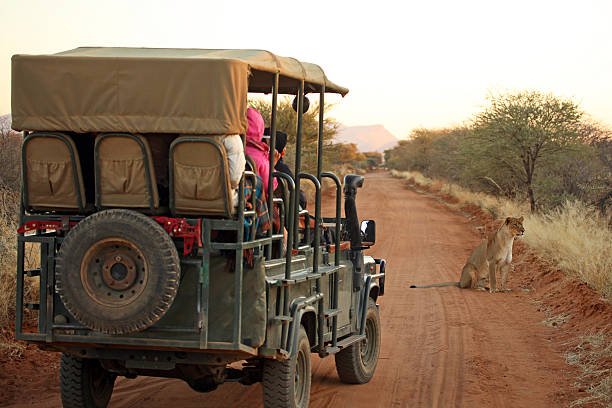
20 Days Ultimate Tanzania Kilimanjaro Safari And Beach 2026-2027
A complete 20-day, bookable Tanzania itinerary weaving Kilimanjaro ascent, northern safari circuits, and a Zanzibar-style beach finale with practical logistics and real-world pacing.
View package details10 Days Tanzania Bush And Beach Holiday Package 2026-2027
A practical, bookable 10-day itinerary blending Tanzania’s iconic safari hotspots with a relaxing beach extension in Zanzibar, designed for straightforward planning and local support.
View package details13 Days Tanzania Safari And Zanzibar All-Inclusive Beach Resort 2026-2027
A carefully planned 13-day journey weaving Tanzania’s classic safari circuit with a relaxing Zanzibar beach resort, focusing on achievable transitions, realistic wildlife opportunities, and...
View package details
10 Days Tanzania Big Five Safari And Zanzibar Beach 2026-2027
10 Days Tanzania Big Five Safari and Zanzibar Beach.
View package details
16 Days Tanzania Safari And Zanzibar Beach Adventure 2026-2027
16 Days Tanzania Safari and Zanzibar Beach Adventure.
View package details12 Days Tanzania Safari And Zanzibar Beach Vacation 2026-2027
12 Days Tanzania Safari and Zanzibar Beach Vacation.
View package details10 Days Tanzania Safari And Zanzibar Beach Package 2026-2027
10 Days Tanzania Safari and Zanzibar Beach Package.
View package details18 Days Lemosho Route Safari And Zanzibar Beach 2026-2027
18 Days Lemosho Route Safari and Zanzibar Beach.
View package details17 Days Machame Route Safari And Zanzibar Beach 2026-2027
17 Days Machame Route Safari and Zanzibar Beach.
View package detailsNo related package matches those filters. Clear one or more filters to see the other topic-matched options.



